



Type of event: Conference
Just transition: challenges of occupational and sectorial reallocation
EAERE Policy Outreach Committee, policy session at the 29th EAERE Annual Conference in Leuven (Belgium), 3 July 2024
The EU’s Just Transition Fund (JTF) serves as a financial instrument to assist energy-intensive and mining regions most impacted by the adverse effects of the energy transition. Its goal is also to alleviate the unequal distribution of costs, ensuring strategic support for those facing the most significant challenges in the transition. The JTF can play a crucial role in balancing the economic impacts of the transition, preventing job destruction in affected regions and ensuring reskilling for new sectors.
The JTF responds to the fact that the transition has a direct impact on society and individuals’ lives. Historical instances of significant restructuring have demonstrated that entire regions may reverse into poverty without adequate support. If not handled properly, these consequences may result in considerable regional inequality. Moreover, there is still a lack of understanding of the actual functioning and impacts of occupational and sectorial reallocation, and the definition of indicators to monitor these initiatives.
The criticalities of the JTF prompt us to questions that we intend to address in this session:
- How do the Just Transition Mechanism (JTM) and JTF ensure that the transition is inclusive and socially just for workers and communities affected by the shift away from fossil fuels?
- How does the JTM address the social and economic challenges faced by regions heavily dependent on fossil fuel industries or other environmentally harmful activities? What are the strengths and weaknesses of the JTM?
- Which indicators may be important to monitor the development of JTM?
- How do TTJPs interact with existing labour market policies and initiatives at the regional or national levels?
The session organized by the EAERE POC, in collaboration with the European University Institute under the ongoing CAPABLE project, intends to discuss the challenges posed by the possible reforms described above. In line with the aim of the EAERE POC (i.e. providing advice and support to EU policymakers and institutions in designing policy interventions), particular attention will be devoted to the most suitable policies that should be implemented to make these reforms feasible and effective.
The event intends to continue the series of policy dialogues carried out by the Policy Outreach Committee since 2019 in collaboration with the European University Institute at the State of the Union in Florence and at the past EAERE Annual Conferences.
Organisers:
- Xavier Labandeira, University of Vigo
- Alessia Casamassima, EUI
- Simone Borghesi, EUI, University of Siena
Chairs:
- Ilaria Dibattista, EUI, University of Siena
- Xavier Labandeira, University of Vigo
Invited speakers:
- Tadhg O’Briain, DG Energy, European Commission
- Iva Zvěřinová,Charles University
- Aldo Ravazzi, OECD-EPOC and IFCMA Italian Coordinator, Italian Ministry of Environment & Energy Security
- Jos Delbeke, School of Transnational Governance, European University Institute, KU Leuven
 This event is organised under the framework of the project CAPABLE, which has received funding from the European Union’s Horizon Europe research and innovation programme under grant agreement No 101056891.

Don’t miss any update on our events
Sign up for free and access the latest events from our community.
More on the topic







Workshop on the role of carbon markets in reaching carbon neutrality

As the number of carbon markets grows, the long-term contribution of market-based instruments to reach carbon neutrality by 2050 should be further assessed. In general, the size, scope, parameters, and prices of Emissions Trading Systems (ETSs) vary and evolve depending on the social, economic, political, and legal context of each jurisdiction. All these aspects of regulated carbon markets are to be considered by policymakers. To tackle challenges, regulators may find insights from new scientific evidence.
This workshop aims to collect insights from policy-relevant research on recent trends in carbon markets, with a particular focus on the EU ETS. It will address topics such as future allowance prices, scope expansion of ETSs and market oversight, among others. Furthermore, it will focus on the methodologies used to assess ETSs (i.e., ex-post and ex-ante model-based assessments) and their results.
The 3-day event will comprise a keynote lecture, paper presentations, a policy roundtable and a guest lecture.
It is organised by FSR Climate under the framework of the LIFE COASE project, which is co-funded by the European Union’s Life Programme. The workshop combines the ex-post and the ex-ante model based assessment of ETSs and will take place during the Joint Session of Workshops of the Robert Schuman Centre in the context of the 30 anniversary of the Centre.
Participation in the event is via invitation only. Find out more about the programme of the Joint Session of Workshops here.
Programme
18 June
10:00-10:45 Introduction, Tour de Table, Ice Breaker
11:15-12:05 Keynote speech: The merits and shortcomings of the EU carbon markets
- Sonja Peterson | Kiel Institute for the World Economy
12:15-13:00 Session 1: Chinese National ETS Model
China’s national ETS price outlook: long-term forecast and policy scenarios [Introduction]
- Boyang Jin | London Stock Exchange Group
14:00-15:30 Session 2: EU ETS Models
Economic interaction between climate policy instruments [Abstract]
- Jakub Boratyński | KOBiZE
Sequencing CDR into the EU ETS [Abstract]
- Sebastian Osorio | Potsdam-Institute for Climate Impact Research
16:00-17:10 ETS Model Comparison
- Sebastian Osorio
19 June
10:00-11:30 Session 3: Carbon leakage
Carbon border adjustments: an examination of the direct and indirect effects of the European Carbon Border Adjustment Mechanism (CBAM)
- Antton Haramboure |Organization for Economic Cooperation and Development
Carbon prices, emissions and international trade in sectors at risk of carbon leakage: evidence from 140 countries [Abstract]
- Jonas Teusch | OECD
12:00-13:30 Session 4: Carbon pricing and firm behaviour
The effects of carbon pricing along the production network [Abstract]
- Thomas Stoerk | National Bank of Belgium & LSE
Realist analysis of UK ETS trading and abatement behaviour [Introduction]
- Mary Anderson | CAG Consultants
14:30-15:30 Policy panel: ETS Endgame – Including new sectors and removals ETSs
- Edoardo Croci | Bocconi University
- Sebastian Osorio | Potsdam-Institute for Climate Impact Research
- Elena Marro | European University Institute
16:00-17:30 Session 5: Beyond the EU ETS: Offsets & China ETS Policy Overlap
Willingness-to-claim voluntary carbon offsets: market evidence of revealed-preferences [Abstract]
- Tara L’Horty | Université de Lorraine
Interactions between emissions trading systems and other policies: insights from theory and an application to China [Abstract]
- Carolyn Fischer | World Bank
20 June
09:15-11:30 Session 6: Decarbonising industry and agriculture
Steel in the EU CBAM: will scrap-resource shuffling delay the sector’s global decarbonization? [Abstract]
- Maxime Gérardin | France Stratégie
Market design options for integrating negative emissions into the ETS [Introduction]
- Carlotta Von Bebenburg | Oxera
Options to expand emissions trading to emissions from agriculture in Europe [Abstract]
- Benjamin Görlach | Ecologic Institute
12:00-13:30 Session 7: Legislation for carbon pricing
The integration of negative emissions in the EU legislation [Introduction]
- Elena Bonfiglio | European Roundtable on Climate Change and Sustainable Transition
Enhancing climate policies through the implementation of regulated carbon markets in Brazil: reflecting on strategies for closing the policy-science loop [Introduction]
- Adriana I. B. S. L. Di Pasquale | University of Pisa
14:30-15:30 Guest lecture: Stopping climate change
Paul Ekins | UCL
16:00-17:30 General discussion & conclusions
17.30 Close
Don’t miss any update on our events
Sign up for free and access the latest events from our community.
More on the topic









Moving forward together: what’s next for EU mobility & transport?
The Florence School of Regulation, in cooperation with the European Commission (DG MOVE), organises an all-day academic conference on the state of play on EU transport policy and the challenges and priorities for the future of EU transport and mobility.
The conference will provide input to the next Commission’s priorities in the transport and mobility field.
The Commissioner, Adina Vălean, and the Director-General, Magda Kopczyńska, will lead the opening session and give their concluding remarks.
The programme will focus on three thematic sessions moderated by Juan Monteiro, Director of the FSR Transport area:
- Session 1: Filling the gaps: delivering a deeper, more competitive and better connected Union
- Session 2: An inclusive twin transition in the field of transport: mission possible
- Session 3: Towards a wider Europe: revisiting our transport agenda in a changed geopolitical context
Alberto Pototschnig, FSR will contribute to Session 2.
Read more | Browse the programme
Don’t miss any update on our events
Sign up for free and access the latest events from our community.
More on the topic

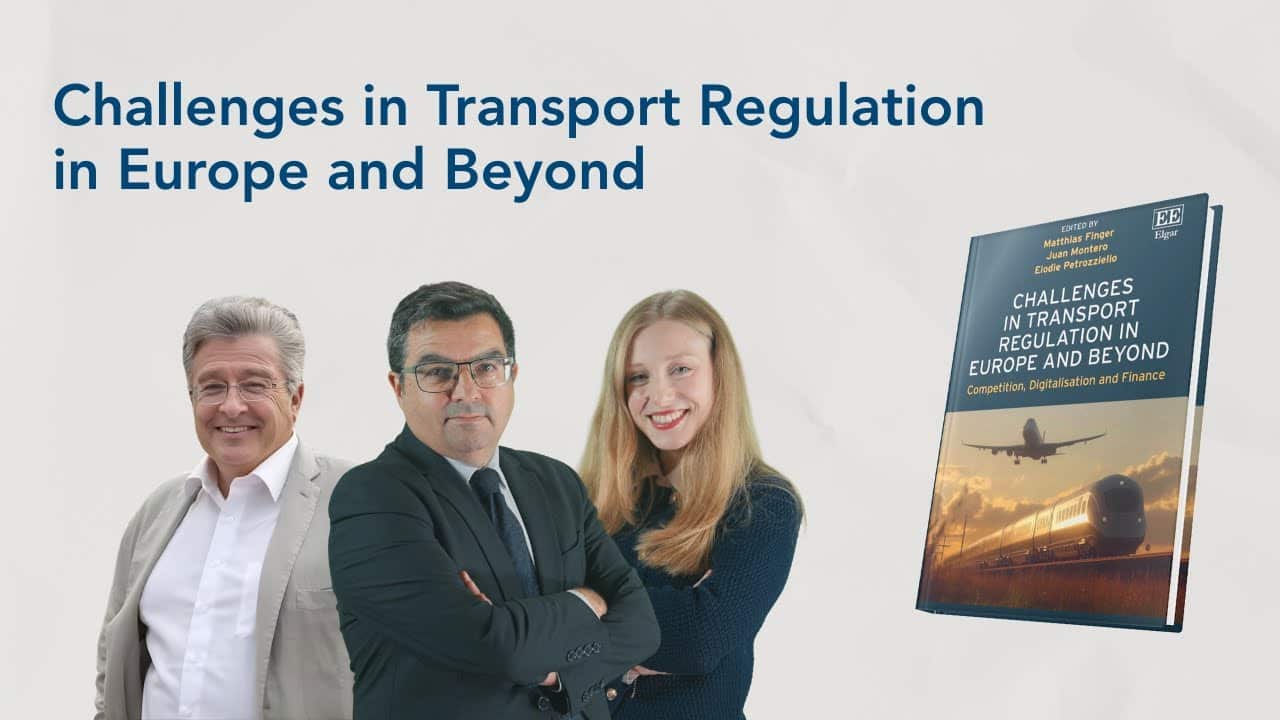





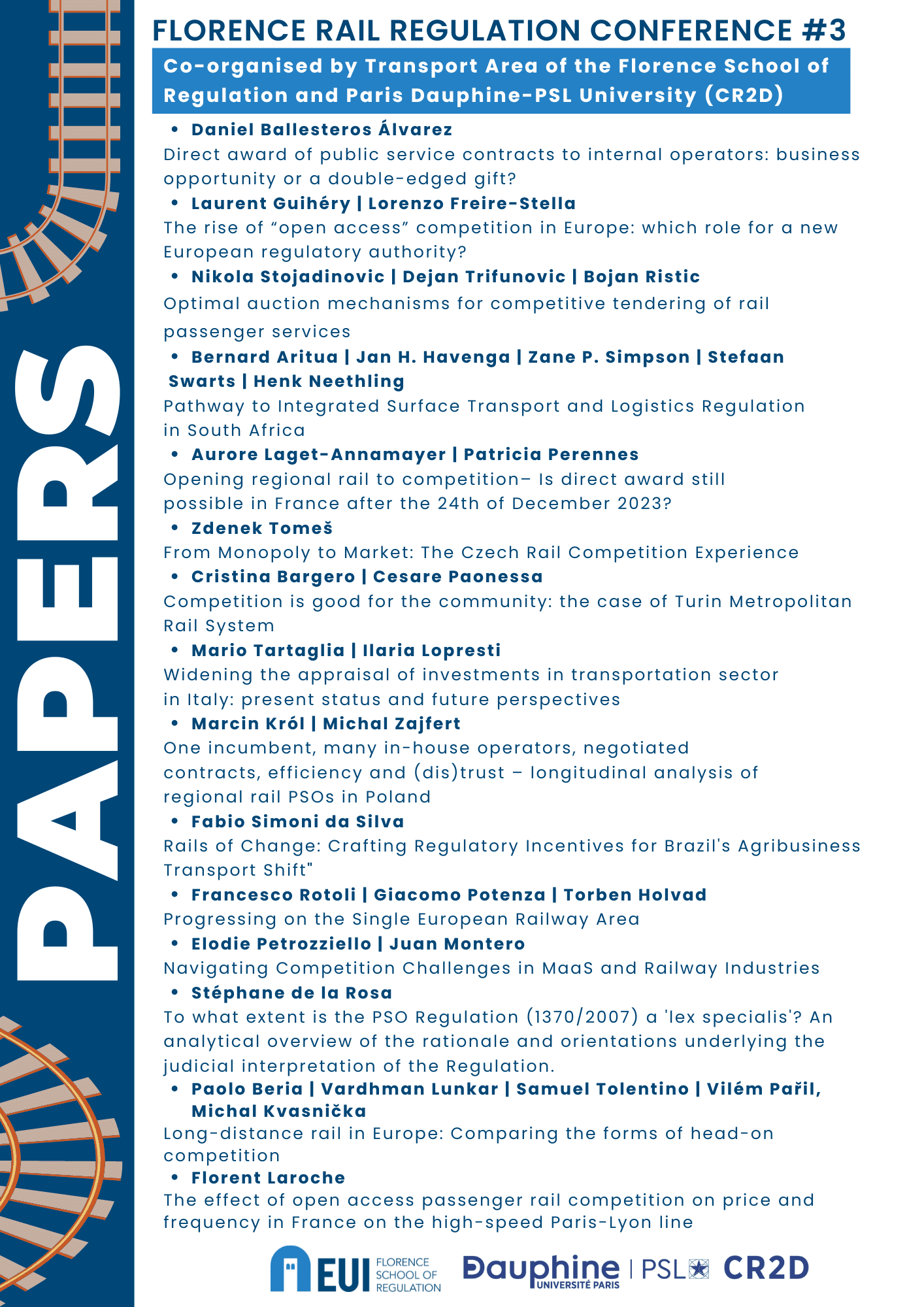
3rd Florence Rail Regulation Conference

Co-organised by Transport Area of the Florence School of Regulation and Paris Dauphine-PSL University (CR2D)
The scope of the conference is to evaluate the existing policies and analyse new proposals to accelerate the growth of the Railways Industry. Debate between academics, industry and public officials is the proposed methodology to provide deep insights and fresh approaches.
We are looking for original papers covering the various aspects of Railway Regulation and focusing either on a country or a region, or on more transversal issues such as investment, competition in commercial services, competition in Public Service Obligations, capacity allocation and traffic management, passenger rights, multimodality, digital mobility/platforms and others.
Contributions utilizing multidisciplinary, as well as interdisciplinary approaches to regulation, are very welcome. Papers, linking academia and practice, as well as policy research papers, are particularly encouraged.
The conference is intended for academics, as well as academically minded practitioners. Papers from PhD researchers are welcomed. The best papers will be eligible for publication in a book on Transport Regulation in Europe, to be published by a leading publisher.
The Conference is co-organized by the Transport Area of the Florence School of Regulation of the European University Institute and Paris Dauphine-PSL University (CR2D) and it will take place in Florence (Italy).
CONFERENCE STRUCTURE
The format of the Florence Conference on the Regulation of Railways will be the following:
- Keynote Speech by Prof. Russell Pittman (40´aprox.)
- Presentation of Academic Papers (20´/Paper aprox.)
- Feedback and Debate around each Paper (20´/Paper aprox.)
This is a 1-day conference, aiming to discuss 10/12 papers and engage a selected group of 30/40 individuals including leading academics, high-level stakeholder representatives, public officials into a fruitful policy debate.
Director of Economic Research at the Antitrust Division of the U.S Department of Justice, Russel Pittman will set-up the scene and establish the relevant topics for discussion. This introductory speech will be followed by the presentation of the selected Academic Papers in main sessions for senior researcher and in parallel sessions for junior researchers
TIMELINE
- Submission of the Abstract by 7 February 2024 using the form. For any issue regarding the submission, please contact Ms Elodie Petrozziello at fsr.transport@eui.eu
- Notification of Acceptance by 16 February 2024;
- Submission of the Full draft Paper by 16 June; participants who fail to submit a full paper by this deadline will be automatically removed from the programme;
- Conference on 8 July 2024 in Florence (Italy).
GUIDELINES FOR THE ABSTRACT
- 600-1000 words (abstract);
- Title of the paper & keywords;
- Name of the author(s) and full address of the corresponding author;
- The aim and methodology of the paper; and
- Results obtained or expected
ORGANIZING COMMITTEE
- Juan Montero Director of the Transport Area of the FSR, Professor of Administrative Law and Regulation in UNED University (Madrid)
- Prof. Aurore Laget Annamayer Scientific Advisor FSR Transport, and Full Professor of public law at the Paris Dauphine-PSL University
- Matthias Finger Part-time professor and Deputy Director of the Transport Area of the FSR. EPFL, Professor Emeritus
- Russell Pittman, Director of Economic Research at the Antitrust Division of the U.S Department of Justice,
FEE
Free Attendance, but registration is required

Don’t miss any update on our events
Sign up for free and access the latest events from our community.
More on the topic

1st Florence Aviation Regulation Conference

Co-organised by the Transport Area of the Florence School of Regulation and the International Institute of Air and Space Law of Leiden University
The aim of the 1st Florence Aviation Regulation Conference is to bring researchers from multiple disciplines together to discuss current economic and regulatory policies relating to air transport and to identify regulatory challenges on the horizon. Through interaction with participants from academia as well as selected industry representatives and policy makers, the scope of the Conference will be on finding practical solutions through rigorous academic dialogue and constructive debate.
The Conference organizers launch this call for original papers that cover the various aspects of Aviation Regulation that focuses either on a country or a region, or on more transversal issues such as sustainable aviation, regulatory competition, airport and air traffic management capacity, aviation security and facilitation, and logistics and supply chains.
Contributions utilizing multidisciplinary, as well as interdisciplinary approaches to regulation, are very welcome. Authors of papers that link academia and practice, as well as policy research papers, are particularly encouraged to answer this call.
The conference is intended for academics, as well as academically minded practitioners. Papers from PhD researchers are also welcome. The best papers will be eligible for publication in a book on Transport Regulation in Europe, to be published by a leading publisher.
The Conference is co-organized by the Transport Area of the Florence School of Regulation of the European University Institute and the International Institute of Air and Space Law of Leiden University. The Conference will take place in Florence (Italy).
Conference Structure
The format of the Florence Conference on the Regulation of Aviation will be the following:
- Keynote Speech by Prof. Kenneth Button (40´aprox.)
- Presentation of Academic Papers (20´/Paper aprox.)
- Feedback and Debate around the Papers (20´/Paper aprox.)
This is a 1-day conference, aiming to discuss 10/12 papers and engage a selected group of 30/40 individuals including leading academics, high-level stakeholder representatives, public officials into a fruitful policy debate.
Professor Kenneth Button (George Mason University Schar School of Policy and Government), former Advisor to the Secretary General of the OECD, will set-up the scene and establish the relevant topics for discussion. This introductory speech will be followed by the presentation of the selected Academic Papers in main sessions for senior researcher and in parallel sessions for junior researchers
Timeline
- Submission of the Abstract by 7 February 2024 using the form. For any issue regarding the submission, please contact Ms Elodie Petrozziello at fsr.transport@eui.eu;
- Notification of Acceptance by 16 February 2024;
- Submission of the Full Paper by 16 June; participants who fail to submit a full paper by this deadline will be automatically removed from the programme;
- Conference on 12 July 2024 in Florence (Italy).
Guidelines for the abstract
- 600-1000 words (abstract);
- Title of the paper & keywords;
- Name of the author(s) and full address of the corresponding author;
- The aim and methodology of the paper; and
- Results obtained or expected
Organising committee
- Juan Montero Director of the Transport Area of the FSR, Professor of Administrative Law and Regulation in UNED University (Madrid)
- Steven Truxal Scientific Advisor FSR Transport, and Full Professor of Air and Space Law, and Director of Institute of Air and Space Law at Leiden University
- Matthias Finger Part-time professor and Deputy Director of the Transport Area of the FSR. EPFL, Professor Emeritus
- Kenneth Button George Mason University Schar School of Policy and Government
Fee
Free Attendance, but registration is required.

Don’t miss any update on our events
Sign up for free and access the latest events from our community.
More on the topic

FSR Climate Annual Conference 2023

FSR Climate is pleased to announce its 9th Annual Conference on the Economic Assessment of European Climate Policies to take place at the European University Institute in Florence on 27-28 November 2023.
The conference will cover some of the main climate policies at EU, national and subnational levels and will include a keynote speech as well as parallel sessions and plenary speeches focusing on the topics of emissions trading, environmental taxation, energy efficiency, and renewable energy.
The Conference will be chaired by Simone Borghesi, Director of the FSR Climate, Deputy Rector for International Relationships at the University of Siena, and President-Elect of the European Association of Environmental and Resource Economists (EAERE).
PROGRAMME
Lectures
Keynote Lecture: “Goals and Pledges”
- Andreas Lange, University of Hamburg – Watch the video
Guest Lecture: “Regional Power Markets, Subregional Carbon Trading, and Carbon- Border Adjustments: Experience in US Markets”
- Ben Hobbs, Johns Hopkins University and California IS – Watch the video
Guest Lecture: “Environmental Taxes and Pollution Abatement under Economies of Scale“
- Carmen Arguedas, Autonomous University of Madrid – Watch the video
Guest Lecture: “Carbon Taxes and Tariffs, Financial Frictions, and International Spillovers”
- Aude Pommeret, University of Savoie-Mont-Blanc – Watch the video
Guest Lecture: “The Role of Energy Efficiency on the Road to Net Zero Carbon Economies – Some Reflections”
- Theodoros Zachariadis, Cyprus Institute – Watch the video
Paper Presentations
- Sevil Acar (Bogazici University) – Transforming Turkiye’s power system: An assessment of economic, social, and external impacts of an energy transition by 2030 [slides]
- Raavi Aggarwal (Indian Statistical Institute) – Input substitution for sustainable industrialisation: Evidence from India [slides]
- Elsa Amaddeo (University of Bari Aldo Moro) – Who really pays for EU Emission Trading Systems? The risk of shifting the tax burden from the firm to the final consumer [slides]
- Patrick Bigler (University of Bern, KPM Center for Public Management and Oeschger Center for Climate Change Research) – Extent and Anatomy of the Solar Rebound: Evidence from Swiss Households [slides]
- Justus Böning (KU Leuven) – On the Effectiveness of Future Financial Benefits on PV Adoption – Evidence from Belgium [slides]
- Marta Castellini (University of Padua and FEEM-Fondazione Eni Enrico Mattei) – RICE-MED, an integrated assessment model for the Mediterranean basin: assessing the climate-economy-agriculture nexus [slides]
- Edouard Civel (Square Research Centre and Climate Economics Chair) – Green premium or manipulation? Regression discontinuity design application on French energy labels [slides]
- Natalia D’Agosti (University of Edinburgh) – The Impact of Solar Panel Installation on Electricity Consumption and Production [slides]
- Audric De Bevere (UCLouvain – Center for Applied Public Economics and Fonds de la Recherche Scientifique – FNRS) – The Distributional Impacts of EU-ETS 2 on Households: A Microsimulation Approach in Belgium [slides]
- Mahaut De Villeneuve (ESSEC Business School and CY Cergy Paris University) – Carbon Border Adjustment Mechanisms under Asymmetric Information [slides]
- Sonja Dobkowitz (DIW Berlin) – Meeting Climate Targets: The Role of Fossil Research Subsidies [slides]
- Ingrid Emilie Flessum Ringstad (Norwegian School of Economics) – Time and frequency dynamics of connectedness between green bonds, clean energy markets and carbon prices [slides]
- Dana Ghandour (Concordia University) – Environmental Cooperation and Trade – The Impact of Heterogeneity in Environmental Damages: An Endogenous Solution [slides]
- Friedemann Gruner (Mercator Institute for Global Commons and Climate Change) – Pigou’s Advice and Sisyphus’ Warning: Carbon Pricing with Non-Permanent Carbon Dioxide Removal [slides]
- Katherine Hassett (OECD) – Household behaviour and energy use: Empirical evidence and policy implications
- Ireri Hernandez Carballo (Bocconi University and RFF-CMCC European Institute on Economics and the Environment (EIEE)) – The Impact of Green Policies on Local Economic Performance: Evidence from the EU ETS [slides]
- Kaitoh Hidano (National University of Singapore) – Opportunities and Challenges of the Emission Trading System in Japan: An Empirical Study on the Case of Saitama Prefecture [slides]
- Gianluca Iannucci (University of Florence) – Emission Permits and ECSR Practice in an Evolutionary Duopoly [slides]
- Stefania Innocenti (University of Oxford) – Increasing the acceptability of carbon taxation: The roles of social norms and economic reasoning [slides]
- Stephen Jarvis (London School of Economics) – The Impact of Climate Policy on Manufacturing Employment: Firm-Level Evidence from Germany [slides]
- Eugénie Joltreau (RFF-CMCC European Institute on Economics and the Environment (EIEE) and Fondazione Centro Euromediterraneo sui Cambiamenti Climatici (CMCC)) – Recycling in a Globalised Economy
- Emilia Lamonaca (University of Foggia) – Climate and Non pricing Policies
- Marita Laukkanen (VATT Institute for Economic Research) – Vehicle replacement subsidies and the environment: evidence from administrative data
- Etienne Lorang (Tilburg University) – When Pigouvian waste taxes (cannot) implement the first-best in general equilibrium [slides]
- Maria del Mar Solà (University of the Basque Country (UPV/EHU)) – Memory effect of appliance rebate programme: evidence from a lab experiment [slides]
- Massimiliano Mazzanti (University of Ferrara) – Climate policy analysis: efficient estimation of a semiparametric panel data model with spatial and factor dependence [slides]
- Coline Metta-Versmessen (LEDa Paris Dauphine University, Climate Economics Chair & EDF) – Waste Trading System: managing waste with high population density and low sorting rate [slides]
- Christian Nolde (University of Basel) – Who Should Drive Green Technology Transitions in Developing Countries [slides]
- Sebastian Osorio (Potsdam Institute of Climate Impact Research) –Will cutting back on renovating buildings make carbon prices go through the roof? [slides]
- Monika Papież (Cracow University of Economics) – How does the Environmental Policy Stringency affect the CO2 emissions in OECD and BRICS countries?
- Marco Quatrosi (University of Palermo) – Emission Trading in a high dimensional context: to what extent carbon markets are integrated with the broader system? [slides]
- Claudia Ranocchia (Universidad Complutense de Madrid and Universidad Autónoma de Madrid) – Porter hypothesis vs pollution haven hypothesis: Can an emission tax avoid the pollution haven hypothesis? [slides]
- Elisa Rottner (Leibniz Centre for European Economic Research and University of Basel) – Is Germany becoming the European pollution haven? [slides]
- Stephan Sommer (Bochum Univeristy of Applied Sciences and RWI–Leibniz Institute for Economic Research) – How resilient is public support for carbon pricing? Longitudinal evidence from Germany [slides]
- Jordi Teixidó (University of Barcelona) – Technology Diffusion in Carbon Markets: Evidence from aviation [slides]
- Roberta Terranova (RFF-CMCC European Institute on Economics and the Environment) – Believe me when I say green! Heterogeneous expectations and climate policy uncertainty [slides]
- Elena Villar (Università Cattolica di Milano) – The Intended and Unintended Consequences of Taxing Waste [slides]
- Hermann Vollebergh (PBL Netherlands Environmental Assessment Agency and Tilburg University) – Coherence in carbon pricing: The importance of descriptive economics for policy package evaluation [slides]
You can access the abstracts of the conference papers here.
FEES
Speaker (presenting a paper): 330 euro.
Student (presenting a paper)*: 220 euro.
Participant (not presenting): 440 euro.
* Students must provide proof of their student status.
The registration will close on November 19 EOD. Please note that fee payments need to be made by November 19. If you pay by bank transfer, please send to RSCAS.Conferences@eui.eu a proof of the payment.
This event is organised with the support of EAERE.
Past Editions of the FSR Annual Climate Conference
FSR Climate Annual Conference 2022
FSR Climate Annual Conference 2021
FSR Climate Annual Conference 2020
FSR Climate Annual Conference 2019
FSR Climate Annual Conference 2018
FSR Climate Annual Conference 2017
FSR Climate Annual Conference 2016
FSR Climate Annual Conference 2015
Don’t miss any update on our events
Sign up for free and access the latest events from our community.
More on the topic



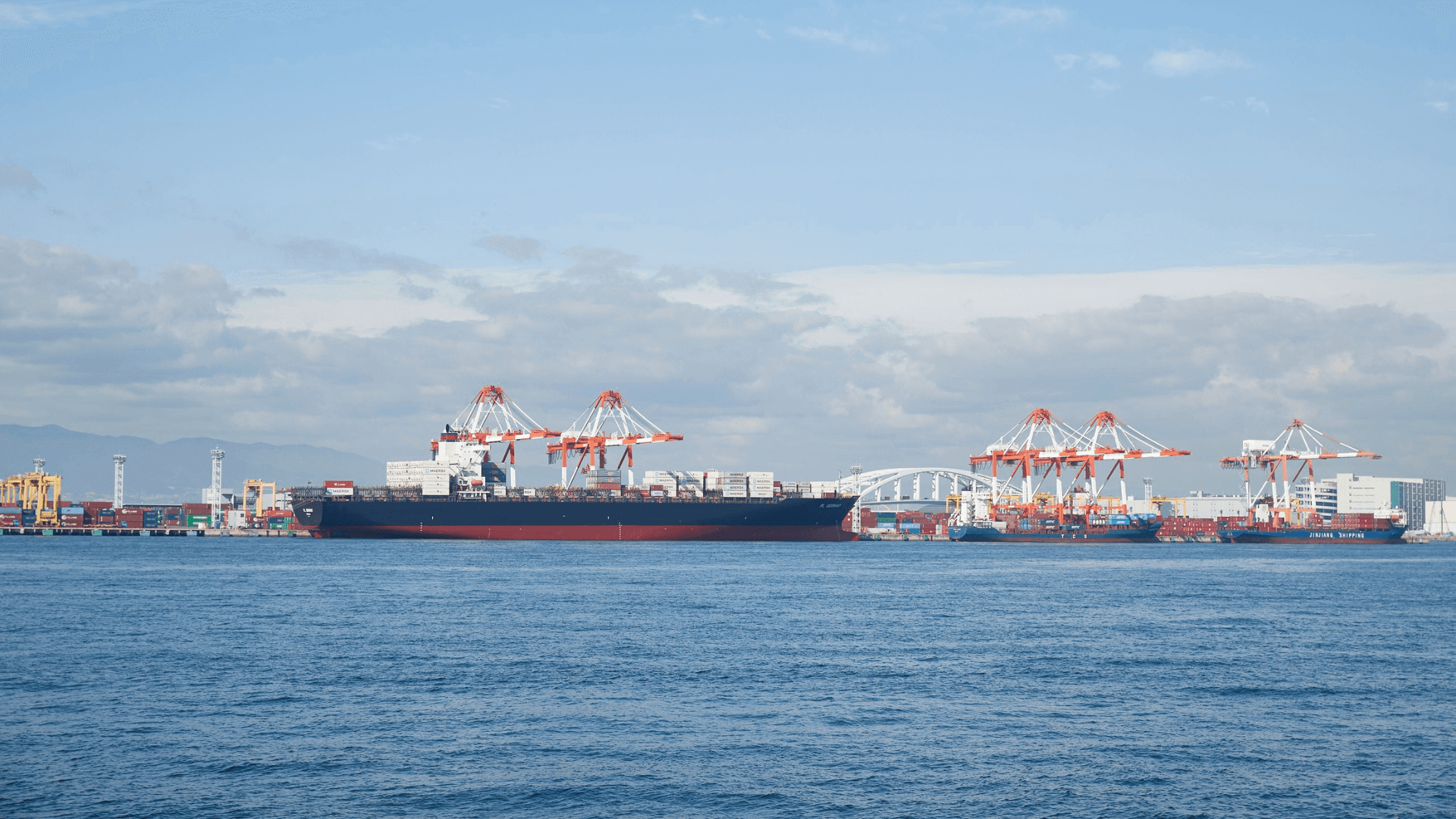
12th Florence Intermodal Forum: Investing into Transport Infrastructures

Investing into transport infrastructures.
Where to focus?
The 12th Florence Intermodal Forum organised by the Transport Area of the Florence School of Regulation in collaboration with European Commission – DG MOVE, will gather European and national- regulators, public transport operators, industry representatives and academics for a discussion on the challenges and enablers in funding TEN-T projects.
More specifically, forum participants will tackle the following issues: building the trans-European network for a Single Market, sustainable and smart transport as well as new challenges the sector is facing, especially challenges of resilience.
Background
The first ‘Community Guidelines’ for the development of the trans-European network were adopted in July 1996. These guidelines incorporated a ‘Master Plan’, detailing the connection of major national road, rail and waterway networks between Member States, with the aim of relieving major European bottlenecks by addressing issues such as capacity restrictions and cross-border incompatibility.
The guidelines were amended in 1999 to include rules for the granting of EC and EU funding of Trans-European Transport Network (TEN-T) projects. These TEN-T guidelines incorporated a series of flagship ‘Priority Projects’ and allocated priority status according to their strategic importance and/or significant scale.
In 2009, the EC took the decision to launch a TEN-T policy review, with a view to further developing TEN-T policy ahead of the (then upcoming) budgetary period, 2014 to 2020. The review assessed successes and failures of TEN-T policy between 1996 and 2009.
In 2014 a new set of TEN-T guidelines were introduced, thus setting out a clear path forward for investment and action between 2014 and 2030. This new policy is built upon the concept of an integrated, multimodal, core network of corridors, linking major nodes through key rail, road, inland waterway, maritime and air transport connections.
To support the transition to a cleaner, greener and smarter mobility in line with the European Green Deal and the Sustainable and Smart Mobility Strategy, the Commission also proposed to revise the TEN-T Regulation of 2013. Accordingly, the Commission made its initial legislative proposal for a revised regulation in December 2021. The new TEN-T regulation shall be adopted by the end of 2023 and become operational as of 2024. It aims to make the EU’s transport network safer, more sustainable, faster, and more convenient for its users. To address the missing links and modernise the entire network, quality standards should be increased. For this, major TEN-T passenger rail lines should allow trains to travel at 160 km/h or faster by 2040. Canals and rivers must ensure good navigation conditions for a minimum number of days per year. Trans-shipment terminals should be improved, and piggy-back services should become possible on the TEN-T’s rail network. All major cities should develop sustainable urban action plans to promote zero-emission mobility. In addition, the transport infrastructure needs to become fit for both civil and defence use.
The Smart and Sustainable Single European Transport Area requires not only a strong political will but even more so substantial investments. The challenges European transport has been facing as of lately are unprecedented (Covid-19 and the war in Ukraine, to name a few). This is in addition to the ongoing challenges of digitalisation and decarbonisation.
Read the policy brief:
12th Florence intermodal forum investing into transport infrastructures : where to focus?
Presentations
- Alberto Mazzola
- Carole Coune
- Giovanni Aldeghi
- Irmtraut Tonndorf
- Ismail Ertug
- Linda Thulin
- Malika Seddi
Don’t miss any update on our events
Sign up for free and access the latest events from our community.
More on the topic
Net Zero Carbon Market Policy Dialogue 2023

The Net Zero Carbon Market Policy Dialogue (NZCMPD) brings together regulators, policymakers, academics, and stakeholders from different carbon markets worldwide on a yearly basis. The NZCMPD stands as a unique process for a fruitful exchange on carbon market development and integration related to net zero targets, regulation, development, and integration of carbon markets. A background report from LIFE COASE team will feed into the discussion at the policy dialogue and provide a basis for a fruitful discussion.
This years’ policy dialogue will focus on the social dimensions of emissions trading systems (ETS), competitiveness and carbon leakage and current trends on ETS in the world. The NZCMPD is organised under the framework of the project, LIFE COASE – Collaborative Observatory for ASsessment of the EU ETS and it will build on the previous Carbon Market Policy Dialogue established under the predecessor project LIFE DICET. It informs the Florence Process organised by the European Commission as an exchange platform among ETS regulators.
The event is the first of three policy dialogues organised over the course of the LIFE COASE project which aims at supporting policymakers in the implementation and development of the EU ETS, including its integration with other carbon markets. The project will establish the first observatory for assessment of the EU ETS, to offer a reference source of knowledge for policymakers and researchers and pave the way for future research and policies on emissions trading. A key element of the project is to support international cooperation on carbon markets between the EU and partner countries, building on the recent agreement reached at COP26 in Glasgow on the Article 6 framework.
Participation is by-invitation only.
Don’t miss any update on our events
Sign up for free and access the latest events from our community.
More on the topic
Climate, Energy, and Environmental Justices and Transitions: rethinking global environmental law
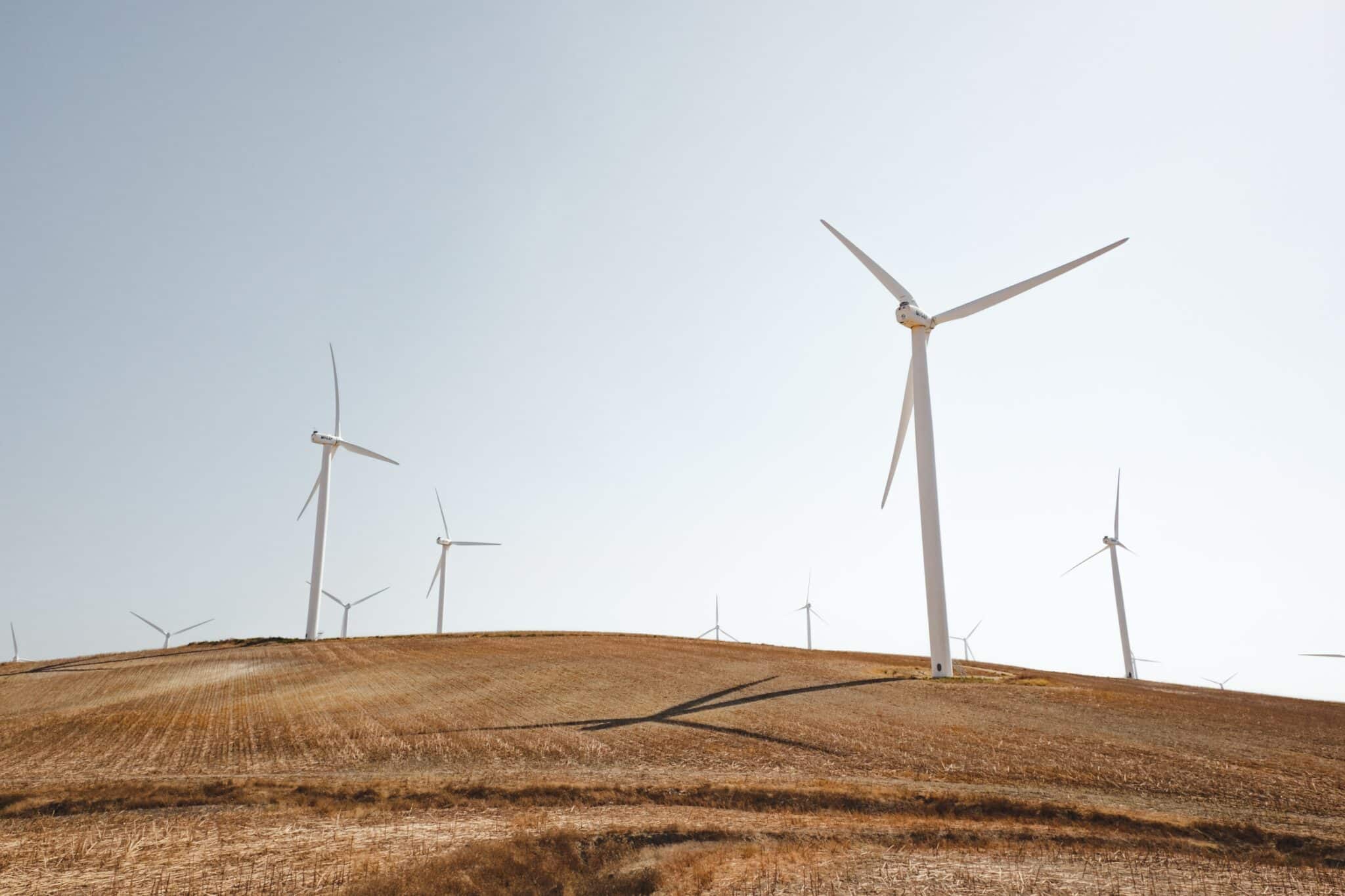
Climate change and the onset of events linked to extreme climatic weather may prompt the next global crisis. In a post-COVID context, this emphasizes the need to properly address emerging transnational environmental challenges and, at the same time, operate speedy energy transitions.
Against this backdrop, the Conference focuses on the varieties of legal responses to global environmental problems and their impact on justice. As the climate, energy, and environmental justice, we understand that it refers to the concerns regarding the redistributive, restorative, and procedural issues raised by the challenges of making a transition to a more sustainable environment and how legal systems responded to it, whether from International law, EU law, or a multi legal system perspective described as Global law.
The 7th International Conference co-organised by Florence School of Regulation and the University of Portsmouth is hosting several legal and economics scholars who submitted abstracts and got acceptance to present their papers on Climate, Energy, and Environmental Justices, as well as Wildlife Crime, Blue Governance and Biopiracy.
Organising Committee
Prof. dr. Belen Olmos Giupponi (University of Portsmouth),
Prof. dr. Lucila de Almeida (Florence School of Regulation and NOVA School of Law),
Dr Caroline Cox (University of Portsmouth) and
Dr Penny Giosa (University of Portsmouth)
Keynotes
Justice Suzanne Kingston, Court of Justice of the European Union (tbc)
Dr. Anna Sobczak, European Commission
Prof. Raphael Heffron, Universite de Pau et des Pays de l’Adour
Dr. Nick Pamment, University of Portsmouth
Online attendance is open to all upon registration.
Don’t miss any update on our events
Sign up for free and access the latest events from our community.
More on the topic
International Conference on Ex-Post Evaluation of Emission Trading

FSR Climate is delighted to announce its first international conference on Ex-Post Evaluation of Emission Trading to be held online on Tuesday 20 June 2023. The conference is organised under the framework of the project LIFE COASE – Collaborative Observatory for ASsessment of the EU ETS.
With the global race to net zero greenhouse gas emissions, the EU is committed to sharing its experience with the EU Emissions Trading System (ETS) and learning from other jurisdictions. LIFE COASE was created in response to the growing need for assessing the performance of ETSs and strengthening international cooperation on emissions trading. The project aims to support EU and national policymakers in the implementation and development of the EU ETS, including its integration with other carbon markets. It will establish the first observatory for the EU ETS assessment by providing new data and tools for ETS monitoring.
In this context, the EUI will host its first academic conference in the series on 20 June 2023. The conference aims to identify the latest policy-relevant studies on ex-post assessments of emissions trading. Among the main topics, carbon leakage, competitiveness, and distributional effects of the EU and other major ETSs are of particular interest for this edition. The conference will provide an opportunity for researchers to present and discuss their research with fellow academics, stakeholders, experts, and policymakers. In addition to the academic sessions, the Conference will also comprise a Keynote Lecture and a Policy Roundtable.
Registration for the online event is possible here.
Draft Programme:
09:30-09:35 Welcome
09:35-10:25 Keynote Lecture “The distributional impacts of market-based climate policy: State of knowledge and future directions for research”
- Jan Steckel, MCC Berlin [Presentation]
Coffee break
10:35-12:55 Session “Competitiveness and Carbon Leakage”
- Huajin Wang (Renmin University of China) – Heterogeneous Responses to Carbon Pricing: Firm-level Evidence from Beijing Emissions Trading Scheme [Abstract] [Presentation]
- Leon Bremer (Vrije Universiteit Amsterdam) – Competitiveness and investments under emissions trading [Abstract] [Presentation]
- Aliénor Cameron (Université Paris-Nanterre & EconomiX-CNRS) – Is industrial decarbonization at odds with competitiveness? An assessment of competition dynamics in two EU heavy industries [Abstract] [Presentation]
- Johanna Arlinghaus (MCC Berlin) – Carbon pricing and credit reallocation [Abstract] [Presentation]
Lunch break
13:45-15:00 Policy Roundtable “Carbon leakage: (how) can we effectively prevent that risk?”
- Arjan Trinks, CPB Netherlands Bureau for Economic Policy Analysis [Presentation]
- Theresa Wildgrube, Adelphi [Presentation]
- Aude Pommeret, Université Savoie Mont Blanc [Presentation]
- Wilfred Feng, Dentons [Presentation]
Coffee break
15:10-17:30 Session “Social impacts and acceptability of emission trading”
- Adrien Fabre(CIRED) – International Attitudes Toward Global Policies [Abstract] [Presentation]
- Franziska Funke (PIK Climate/TU Berlin) – Prices vs. Quantities from a Citizen’s Perspective: Does the European Public Perceive Carbon Taxes and ETS differently? [Abstract] [Presentation]
- Marianna Sobkiewicz & Krzysztof Kobyłka (WiseEuropa) – Evaluation of the impact of the EU ETS revenues and derogation under Article 10c on investment and infrastructure in Poland [Abstract] [Presentation]
- Ghassane Benmir (London School of Economics) – Weitzman Meets Taylor: ETS Futures Drivers and Carbon Cap Rules [Abstract] [Presentation]
17:30-17:35 Conclusions
Call for papers (closed):
The committee welcomes economic and interdisciplinary research from various perspectives and topics on Ex-Post Evaluations of Emissions Trading. This year, we warmly invite the submission of papers focusing on:
- The distributional impacts of carbon pricing;
- Social acceptability of ETSs;
- Carbon leakage and international competitiveness;
- Carbon border adjustment mechanisms.
Submission Guidelines:
Papers should be submitted by 23 April 2023 to LIFECOASE@eui.eu.
For any questions related to the International Conference on Ex-Post Evaluation of Emission Trading, please contact LIFECOASE@eui.eu.
Important Dates:
- Submission Deadline: 23 April 2023
- Notification of Acceptance: 15 May 2023
- Conference Date: 20 June 2023 (online)
 The conference is organised with the support of EAERE.
 LIFE COASE is a project of the European University Institute co-financed by the EU LIFE Programme of the European Commission.
Don’t miss any update on our events
Sign up for free and access the latest events from our community.
More on the topic
The EU reviews its Electricity Market Design: What changes for what purposes?

The Florence School of Regulation (FSR) will organise a high-level, closed-door discussion in Brussels, Belgium, about the upcoming European electricity market design review.
The European Union (EU) is facing an unprecedented and multifaceted energy crisis. While some features of this crisis are common to the ones faced by the rest of the world, there are also very distinctive European features.
Following the mandate from the European Council, the European Commission will present proposals to reform the electricity market design in 2023. The EU electricity market has been built over several decades. It is now at the heart of the EU’s internal energy market, and a crucial tool for the energy transition: the planned review of the electricity market design should be carefully crafted to help the EU navigate the energy turmoil and reach its 2030 climate targets.
Reviewing the EU electricity market design is a complex exercise. This is why a debate is needed to understand what should change and for what purposes.
The discussion will explore the short and long-term objectives for the electricity market design reform, identify the options currently on the table, areas of convergence and divergence among European stakeholders and the open issues.
The event is by invitation only and is organised around three sessions gathering high-level panellists with active participation from a select audience of around 40 experts from academia, civil society and industry.
Don’t miss any update on our events
Sign up for free and access the latest events from our community.
Speakers
More on the topic









The long-term component of a future-proof electricity market design
FSR Regulatory Policy Workshop Series 2022 – 2023
The European Union Electricity Target Model (ETM) underpinning the design of the EU Internal Electricity Market, which was developed in the mid-2000s and enshrined in the Third Energy Legislative Package, comprised five pillars: capacity calculation, the forward market, the day-ahead market, the intraday market and the balancing mechanism. For the day-ahead market, the ETM envisaged a single pan-EU price-based market coupling in which a two-sided auction-based market would be established in each market zone, and the emerging prices would be used to couple the zonal markets in the most efficient way. In the intra-day timeframe, continuous trading was envisaged, with the possibility of regular auctions; regulation now provides for three auctions for each day.
In the forward timeframe, the focus was more on the instruments to allocate the available interconnection capacity. It was considered that short-term markets provide the necessary price signals to promote the investment in the resources required to guarantee adequacy.
Therefore, according to the current electricity market legislation, Capacity Remuneration Mechanisms (CRMs) are considered only as a last resort temporary instrument to eliminate residual resource adequacy concerns while implementing measures to eliminate any identified regulatory distortions or market failures.
Other long-term instruments have been neglected by EU legislation. No provisions have been introduced to support the liquidity of long-term electricity (forward or futures) markets, with the results that liquidity of the markets for these instruments is limited to horizons of up to one year and only in a few jurisdictions, and it has been decreasing over the last year . Contracts for Difference (CfDs) have been used in some countries to support the development of renewable-based generation, but again there was no effort to harmonise their use.
However, the increasing penetration of variable renewable energy (VRE) sources in the electricity system is leading to more volatile prices, with the likely prospect of more frequent instances of low prices accompanied by infrequent price spikes. This price pattern creates more risk for investors in the electricity sector and for market participants alike. Therefore, the role of long-term instruments to support resource adequacy is being re-evaluated.
To take stock of the new reality of electricity markets, the European Commission will soon launch a consultation on elements for a future-proof market design.
Against this context, this Workshop will assess whether and how the different instruments currently being discussed – e.g. CRMs, electricity forward and futures contracts and CfDs – can play a role in promoting adequacy beyond the signals provided by short-term market prices.
—
Don’t miss any update on our events
Sign up for free and access the latest events from our community.