




Type of event: Conference
Climate, Energy, and Environmental Justices and Transitions: rethinking global environmental law
Climate change and the onset of events linked to extreme climatic weather may prompt the next global crisis. In a post-COVID context, this emphasizes the need to properly address emerging transnational environmental challenges and, at the same time, operate speedy energy transitions.
Against this backdrop, the Conference focuses on the varieties of legal responses to global environmental problems and their impact on justice. As the climate, energy, and environmental justice, we understand that it refers to the concerns regarding the redistributive, restorative, and procedural issues raised by the challenges of making a transition to a more sustainable environment and how legal systems responded to it, whether from International law, EU law, or a multi legal system perspective described as Global law.
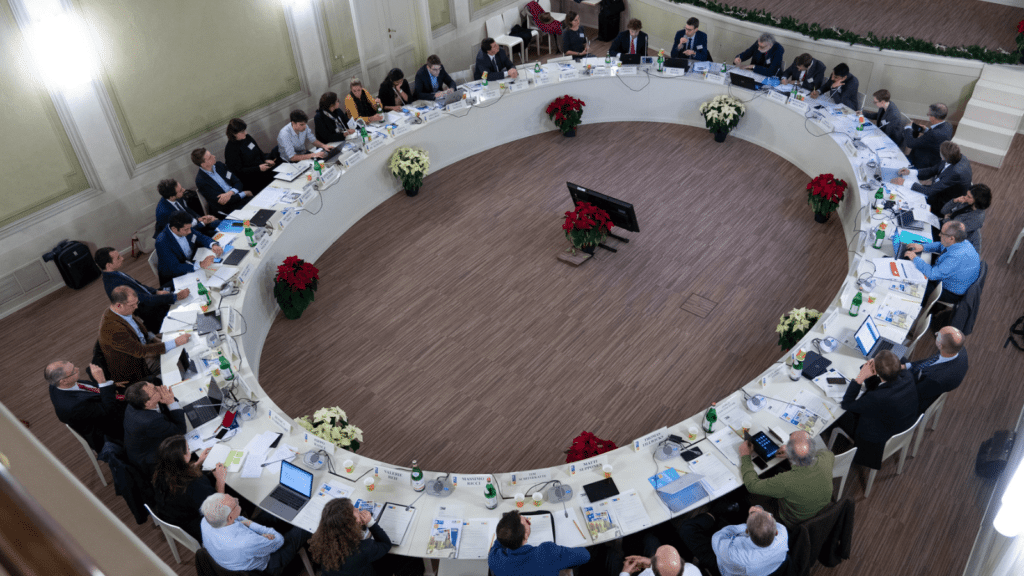
The 7th International Conference co-organised by Florence School of Regulation and the University of Portsmouth is hosting several legal and economics scholars who submitted abstracts and got acceptance to present their papers on Climate, Energy, and Environmental Justices, as well as Wildlife Crime, Blue Governance and Biopiracy.
Organising Committee
Prof. dr. Belen Olmos Giupponi (University of Portsmouth),
Prof. dr. Lucila de Almeida (Florence School of Regulation and NOVA School of Law),
Dr Caroline Cox (University of Portsmouth) and
Dr Penny Giosa (University of Portsmouth)
Keynotes
Justice Suzanne Kingston, Court of Justice of the European Union (tbc)
Dr. Anna Sobczak, European Commission
Prof. Raphael Heffron, Universite de Pau et des Pays de l’Adour
Dr. Nick Pamment, University of Portsmouth
Online attendance is open to all upon registration.
Don’t miss any update on our events
Sign up for free and access the latest events from our community.
More on the topic







International Conference on Ex-Post Evaluation of Emission Trading

FSR Climate is delighted to announce its first international conference on Ex-Post Evaluation of Emission Trading to be held online on Tuesday 20 June 2023. The conference is organised under the framework of the project LIFE COASE – Collaborative Observatory for ASsessment of the EU ETS.
With the global race to net zero greenhouse gas emissions, the EU is committed to sharing its experience with the EU Emissions Trading System (ETS) and learning from other jurisdictions. LIFE COASE was created in response to the growing need for assessing the performance of ETSs and strengthening international cooperation on emissions trading. The project aims to support EU and national policymakers in the implementation and development of the EU ETS, including its integration with other carbon markets. It will establish the first observatory for the EU ETS assessment by providing new data and tools for ETS monitoring.
In this context, the EUI will host its first academic conference in the series on 20 June 2023. The conference aims to identify the latest policy-relevant studies on ex-post assessments of emissions trading. Among the main topics, carbon leakage, competitiveness, and distributional effects of the EU and other major ETSs are of particular interest for this edition. The conference will provide an opportunity for researchers to present and discuss their research with fellow academics, stakeholders, experts, and policymakers. In addition to the academic sessions, the Conference will also comprise a Keynote Lecture and a Policy Roundtable.
Registration for the online event is possible here.
Draft Programme:
09:30-09:35 Welcome
09:35-10:25 Keynote Lecture “The distributional impacts of market-based climate policy: State of knowledge and future directions for research”
- Jan Steckel, MCC Berlin [Presentation]
Coffee break
10:35-12:55 Session “Competitiveness and Carbon Leakage”
- Huajin Wang (Renmin University of China) – Heterogeneous Responses to Carbon Pricing: Firm-level Evidence from Beijing Emissions Trading Scheme [Abstract] [Presentation]
- Leon Bremer (Vrije Universiteit Amsterdam) – Competitiveness and investments under emissions trading [Abstract] [Presentation]
- Aliénor Cameron (Université Paris-Nanterre & EconomiX-CNRS) – Is industrial decarbonization at odds with competitiveness? An assessment of competition dynamics in two EU heavy industries [Abstract] [Presentation]
- Johanna Arlinghaus (MCC Berlin) – Carbon pricing and credit reallocation [Abstract] [Presentation]
Lunch break
13:45-15:00 Policy Roundtable “Carbon leakage: (how) can we effectively prevent that risk?”
- Arjan Trinks, CPB Netherlands Bureau for Economic Policy Analysis [Presentation]
- Theresa Wildgrube, Adelphi [Presentation]
- Aude Pommeret, Université Savoie Mont Blanc [Presentation]
- Wilfred Feng, Dentons [Presentation]
Coffee break
15:10-17:30 Session “Social impacts and acceptability of emission trading”
- Adrien Fabre(CIRED) – International Attitudes Toward Global Policies [Abstract] [Presentation]
- Franziska Funke (PIK Climate/TU Berlin) – Prices vs. Quantities from a Citizen’s Perspective: Does the European Public Perceive Carbon Taxes and ETS differently? [Abstract] [Presentation]
- Marianna Sobkiewicz & Krzysztof Kobyłka (WiseEuropa) – Evaluation of the impact of the EU ETS revenues and derogation under Article 10c on investment and infrastructure in Poland [Abstract] [Presentation]
- Ghassane Benmir (London School of Economics) – Weitzman Meets Taylor: ETS Futures Drivers and Carbon Cap Rules [Abstract] [Presentation]
17:30-17:35 Conclusions
Call for papers (closed):
The committee welcomes economic and interdisciplinary research from various perspectives and topics on Ex-Post Evaluations of Emissions Trading. This year, we warmly invite the submission of papers focusing on:
- The distributional impacts of carbon pricing;
- Social acceptability of ETSs;
- Carbon leakage and international competitiveness;
- Carbon border adjustment mechanisms.
Submission Guidelines:
Papers should be submitted by 23 April 2023 to LIFECOASE@eui.eu.
For any questions related to the International Conference on Ex-Post Evaluation of Emission Trading, please contact LIFECOASE@eui.eu.
Important Dates:
- Submission Deadline: 23 April 2023
- Notification of Acceptance: 15 May 2023
- Conference Date: 20 June 2023 (online)
 The conference is organised with the support of EAERE.
 LIFE COASE is a project of the European University Institute co-financed by the EU LIFE Programme of the European Commission.
Don’t miss any update on our events
Sign up for free and access the latest events from our community.
More on the topic


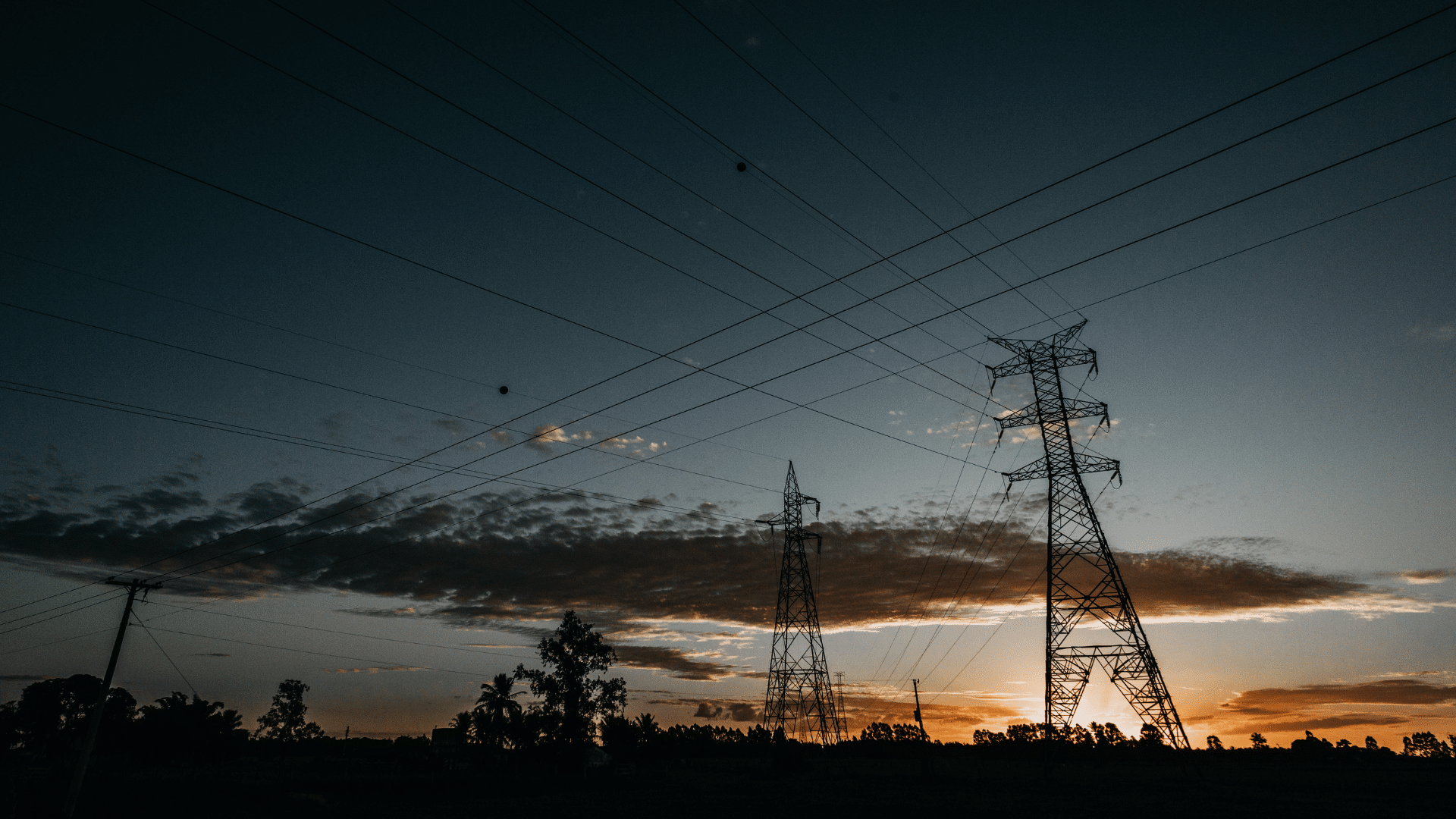
The EU reviews its Electricity Market Design: What changes for what purposes?

The Florence School of Regulation (FSR) will organise a high-level, closed-door discussion in Brussels, Belgium, about the upcoming European electricity market design review.
The European Union (EU) is facing an unprecedented and multifaceted energy crisis. While some features of this crisis are common to the ones faced by the rest of the world, there are also very distinctive European features.
Following the mandate from the European Council, the European Commission will present proposals to reform the electricity market design in 2023. The EU electricity market has been built over several decades. It is now at the heart of the EU’s internal energy market, and a crucial tool for the energy transition: the planned review of the electricity market design should be carefully crafted to help the EU navigate the energy turmoil and reach its 2030 climate targets.
Reviewing the EU electricity market design is a complex exercise. This is why a debate is needed to understand what should change and for what purposes.
The discussion will explore the short and long-term objectives for the electricity market design reform, identify the options currently on the table, areas of convergence and divergence among European stakeholders and the open issues.
The event is by invitation only and is organised around three sessions gathering high-level panellists with active participation from a select audience of around 40 experts from academia, civil society and industry.
Don’t miss any update on our events
Sign up for free and access the latest events from our community.
Speakers
More on the topic






The long-term component of a future-proof electricity market design
FSR Regulatory Policy Workshop Series 2022 – 2023
The European Union Electricity Target Model (ETM) underpinning the design of the EU Internal Electricity Market, which was developed in the mid-2000s and enshrined in the Third Energy Legislative Package, comprised five pillars: capacity calculation, the forward market, the day-ahead market, the intraday market and the balancing mechanism. For the day-ahead market, the ETM envisaged a single pan-EU price-based market coupling in which a two-sided auction-based market would be established in each market zone, and the emerging prices would be used to couple the zonal markets in the most efficient way. In the intra-day timeframe, continuous trading was envisaged, with the possibility of regular auctions; regulation now provides for three auctions for each day.
In the forward timeframe, the focus was more on the instruments to allocate the available interconnection capacity. It was considered that short-term markets provide the necessary price signals to promote the investment in the resources required to guarantee adequacy.
Therefore, according to the current electricity market legislation, Capacity Remuneration Mechanisms (CRMs) are considered only as a last resort temporary instrument to eliminate residual resource adequacy concerns while implementing measures to eliminate any identified regulatory distortions or market failures.
Other long-term instruments have been neglected by EU legislation. No provisions have been introduced to support the liquidity of long-term electricity (forward or futures) markets, with the results that liquidity of the markets for these instruments is limited to horizons of up to one year and only in a few jurisdictions, and it has been decreasing over the last year . Contracts for Difference (CfDs) have been used in some countries to support the development of renewable-based generation, but again there was no effort to harmonise their use.
However, the increasing penetration of variable renewable energy (VRE) sources in the electricity system is leading to more volatile prices, with the likely prospect of more frequent instances of low prices accompanied by infrequent price spikes. This price pattern creates more risk for investors in the electricity sector and for market participants alike. Therefore, the role of long-term instruments to support resource adequacy is being re-evaluated.
To take stock of the new reality of electricity markets, the European Commission will soon launch a consultation on elements for a future-proof market design.
Against this context, this Workshop will assess whether and how the different instruments currently being discussed – e.g. CRMs, electricity forward and futures contracts and CfDs – can play a role in promoting adequacy beyond the signals provided by short-term market prices.
—
Don’t miss any update on our events
Sign up for free and access the latest events from our community.
More on the topic





Women in the energy transition: grievances and solutions
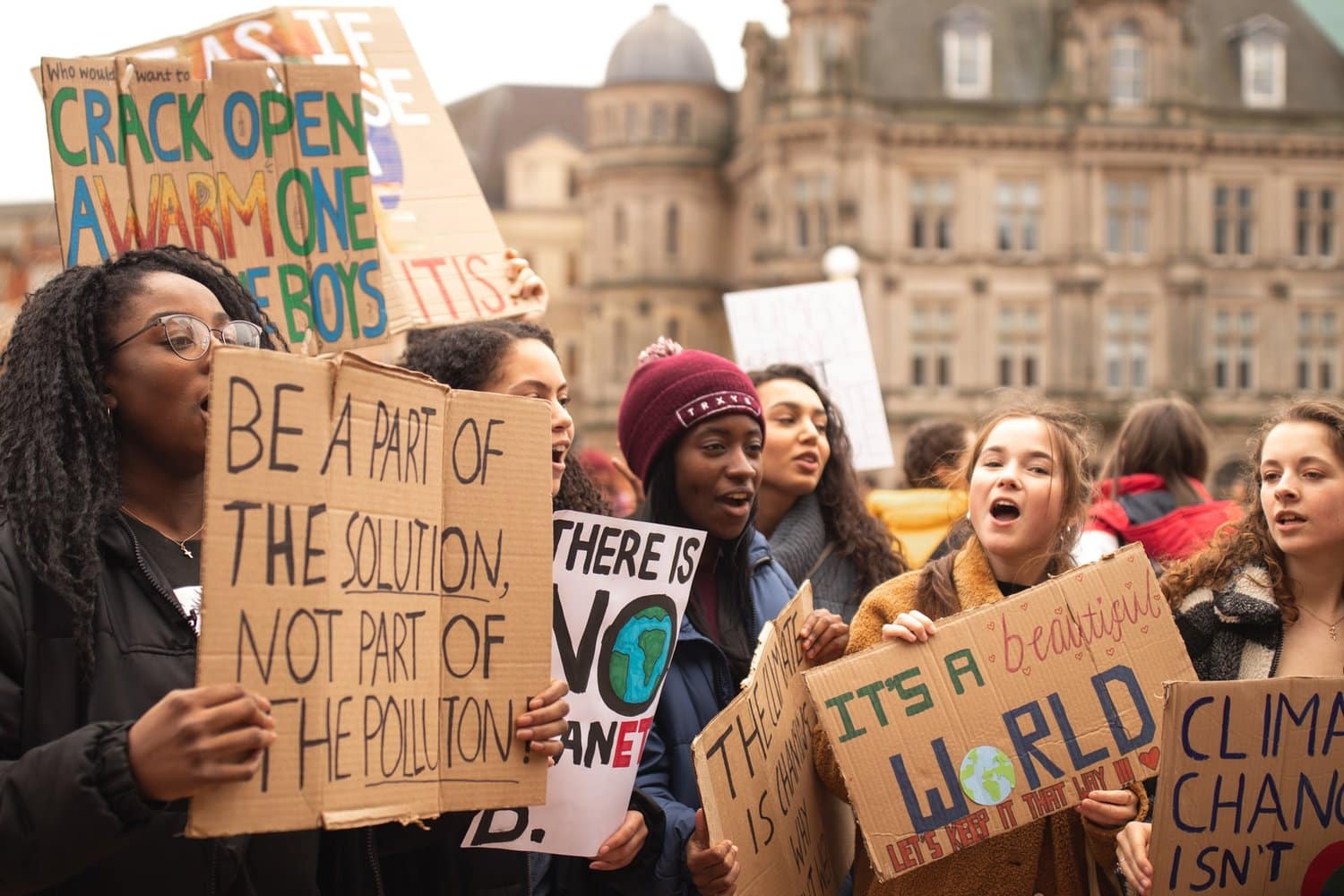
Women are increasingly acting as the catalysers of change in many aspects of the energy transition. Specifically, they take on essential roles as policy-makers, professionals, and energy consumers. Yet they are still far from having equal access to job opportunities and leadership roles, equal representation in positions of authority, and even decision-making powers regarding household energy consumption.
The ongoing global energy transition opens up new, more sustainable career pathways able to reshape all energy production and distribution aspects. For women, in particular, this policy shift offers an unprecedented chance to claim their role in the energy sector, while harnessing the advancement opportunities offered by clean energy technologies.
In this hybrid event, we will look at the challenges women face in the energy and climate sectors as consumers, professionals and policymakers and solutions to their grievances that can be delivered in the energy transition framework.
This event will happen in the context of FSR’s annual Policy Advisory Council event – and will comprise a panel about gender equality in the energy sector and the official opening of registrations for the newly-released Lights on Women database, the Energybase. In-person attendance is on-invitation only.
Watch the recording:
Programme
Introductory remarks:
- European Commission DG Energy (video)
- Erik Jones, Director (RSC/EUI)
Panel:
Moderator: Ilaria Conti, Head of Gas (FSR)
Setting the scene: Ashley Acker, Gender in Energy Data Analyst (IEA) will present the report: A critical issue in energy sector employment and energy access
- Blandine Mollard, Researcher (EIGE)
- Colette D. Honorable, Former Commissioner at the Federal Energy Regulatory Commission (FERC) Partner (Reed Smith)
Presentation of the Energybase:
- Good practices from the industry with partners of the Lights on Women intiative (Landwärme GmbH, Edison)
- The official launch of the Lights on Women’s platform and the Energybase: Claudia Carella, Lights on Women coordinator (FSR), and Jessica Dabrowski, Lights on Women co-founder, Deptuty Director of Communications (Atlantic Council, Arsht-Rock Resilience Center)
Conclusions and final remarks:
Leonardo Meeus, Director (FSR)
Don’t miss any update on our events
Sign up for free and access the latest events from our community.
Speakers
More on the topic


FSR Climate Annual Conference 2022
FSR Climate is pleased to announce its 8th Annual Conference on the Economic Assessment of European Climate Policies to take place online on Thursday 1 and Friday 2 December 2022.
The conference will cover the main climate-related existing policies at the EU, national, international and sub-national levels. It will include three sessions on Environmental taxation, Emissions trading, and Energy Transition. In addition, the conference will comprise a keynote speech from Mar REGUANT (Northwestern University), and a policy session focused on the key outcomes of COP27.
The FSR Climate Annual Conference will be held online through Zoom Webinar.
Chair: Simone BORGHESI (FSR Climate/EUI & University of Siena)
Thursday 1 December
10:00-12:15 | Session – Environmental taxation
- Till REQUATE (Kiel University) – Commitment Timing to Environmental Policy and the Adoption of Low-Pollution Technologies: An Experiment [abstract] [slides]
- Adrien FABRE (CIRED & ETH Zurich) – Fighting Climate Change: International Attitudes Toward Climate Policies [abstract] [slides]
- Santiago RUBIO (University of Valencia) – Climate Clubs, Border Carbon Adjustment, and Trade Wars [abstract] [slides]
- Lucy NAGA (Durham University) – Kantian Preferences and Dirty Goods within the Ramsey Model of Optimal Taxation [abstract]
14:15-15:45 | Policy Session on the outcomes of COP27
- Jos DELBEKE (STG/EUI & KU Leuven)
- Karen PITTEL (ifo Institute & University of Munich)
- Jacob WERKSMAN (DG Climate Action)
- Angela CHURIE KALLHAUGE (Environmental Defense Fund)
More info here.
16:00-17:00 | Keynote Speech
- Mar REGUANT (Northwestern University) – Successes in the renewable expansion: learning from Spain and Chile [abstract] [slides]
Friday 2 December
10:00-12:15 | Session – Emissions trading
- Misato SATO (London School of Economics) – Carbon Leakage, Consumption, and Trade [abstract] [slides]
- Marie RAUDE (EconomiX) – Firms in the EU ETS: a categorisation based on transaction behaviour [abstract] [slides]
- Johanna CLUDIUS (Öko-Institut) – An ETS-2 for buildings and road transport: Impacts, vulnerabilities and the role of the Social Climate Fund [abstract] [slides]
- Michael PAHLE (PIK – Potsdam Institute for Climate Impact Research) – Fit for climate neutrality? The EU carbon market in 2030 and beyond [abstract] [slides]
14:00-16:15 | Session – Energy transition
- Pedro LINARES (Comillas Pontifical University) – How much storage do we need for the energy transition? [abstract] [slides]
- Thomas DULAK (Université Libre de Bruxelles) – The dog that didn’t bark: the reaction of financial markets to the court ruling in Milieudefensie v. Royal Dutch Shell plc. [abstract]
- Elena VERDOLINI (EIEE & University of Brescia) – Policy choice, timing and stringency and the direction of innovation [abstract] [slides]
- David RAPSON (UC Davis & Federal Reserve Bank of Dallas) – The Electric Ceiling: Limits & Costs of Full Electrification [abstract] [slides]
16:15-16:30 | Conclusions
The event is organised by EUI with the support of EAERE.
Past editions of the FSR Climate Annual Conference:
FSR Climate Annual Conference 2021
FSR Climate Annual Conference 2020
FSR Climate Annual Conference 2019
FSR Climate Annual Conference 2018
FSR Climate Annual Conference 2017
Don’t miss any update on our events
Sign up for free and access the latest events from our community.
More on the topic
From Data Spaces to Data Governance
11th FSR Annual Conference

The 11th FSR Annual Conference is an occasion to take stock of the progress made on the objectives outlined in the EU Data Strategy the Data Governance Act in the network industries. This new regulation will have impact on the various network industries, and at our conference, we will particularly focus on the areas of energy, climate, transport and telecommunications.
In February 2020 the European Commission (EC) has presented the European Data Strategy, which main objectives are to set up European Data Spaces, to create a single market for data and to develop an attractive, secure and dynamic data economy. Common European data spaces in the sectors of health, environment, energy, agriculture, mobility, finance, manufacturing, public administration, and skills, will ensure that more data becomes available for use in the economy and society, while keeping the companies and individuals who generate the data in control. The Data Governance Act published by the EC in November 2020, constitutes the first of the legislative proposals presented in the EU Data Strategy and applies to both personal and non-personal data. Its main objectives are to strengthen the availability of data for use by increasing trust in data intermediaries and to stimulate data sharing mechanisms across the EU.
What are strategic, technical and operational aspects of creating an interconnected, interoperable and trusted environment for data sharing in the network industries? How to encourage data sharing? Should data sharing be mandated? How will public sector bodies guarantee privacy and confidentiality? What existing or additional enablers are needed to ensure access to different data sources? What are the barriers to cross-sectoral data sharing? If the current investment in technologies and infrastructure is enough? What should be the governance of these data spaces? What is the role of digital platforms? What are the next steps? These are some of the questions that the conference will seek to discuss.
The conference is intended for academics such as PhD students, PostDocs and Assistant/associate/full Professors, as well as academically minded practitioners.
Don’t miss any update on our events
Sign up for free and access the latest events from our community.
Speakers
More on the topic

Between crises and decarbonisation
Realigning EU climate & energy policy for the new state of the world
- WATCH THE LIVE STREAM OF THE EVENT HERE
🔴 We are LIVE for the FSR & European Climate Foundation event “Between crises and decarbonisation” from 📌Brussels
Join the discussion by asking us questions at the hashtag #FSRinBxl@JMGlachant @nicolorossettoP @LaurenceTubiana https://t.co/TeL5xMPaH6— FSR Energy & Climate (@FSR_Energy) June 17, 2022
The energy crisis that first struck Europe in the Summer of 2021 has worsened significantly over the past months to become one to remember. While it appears similar in magnitude to the oil shocks of the 1970s, the recent crisis has some clear distinguishing features.
European Climate Foundation (ECF) and Florence School of Regulation (FSR) teamed up to investigate the issue, with a core group of policy experts from October 2021 to May 2022. Together we have examined three major questions: 1) What are the key characteristics of these times of crisis in relation to EU energy and its energy transition? 2) What are the new policy priorities, in the short term (2022-2023) and in the long run (2024-2030, and beyond)? 3) Is the current EU energy policy governance still fit for the new challenges that we face?
We would like to discuss all this in-depth with various representatives of the EU landscape (Commission, Parliament, Professional Stakeholders, Think-Tanks and Academia) in an event that will be held in presence in Brussels and live-streamed online, on Friday 17 June (9.30-12.45 CEST).
In the meantime, we are finalizing the writing of our ‘Policy Highlights’: “Between crises and decarbonisation: aligning EU energy and climate policy for a new state of the world”, to be released on Monday 13 June.
PLEASE NOTE: The event is open to the public – attendees are encouraged to join the debate and engage with the invited speakers. The attendance is free of charge but subject to registration and dependent on seats’ availability. People unable to attend the event physically will be able to watch the live stream online. Registration is required both for online and in-person attendance.
Agenda:
9.00 – 9.30 Welcome coffee
9.30 – 9.40 General introduction
Laurence Tubiana | European Climate Foundation
Jean-Michel Glachant | Florence School of Regulation
9.40 – 10.25 Session 1: The new state of the world: what key characteristics?
Moderator: Nicolò Rossetto | Florence School of Regulation
Introductory remarks: Jean-Michel Glachant | Florence School of Regulation
Discussant: Georg Zachmann | Bruegel
Q&A
10.25 – 11.10 Session 2: The new state of the world: what policy priorities for the EU?
Moderator: Andreas Rüdinger | Institute for Sustainable Development and International Relations
Introductory remarks: Ronnie Belmans | KU Leuven
Discussants:
Kristian Ruby | Eurelectric
Manuel García | Ministry for the Ecological Transition
Q&A
11.10 – 11.30 Coffee break
11.30 – 12.30 Session 3: The new state of the world: what process and governance to make it work?
Moderator: Laurence Tubiana | European Climate Foundation
Introductory remarks: Leigh Hancher | Florence School of Regulation
Discussant:
Stefano Grassi | European Commission
Q&A
12.30 – 12.45 General Conclusion
Laurence Tubiana | European Climate Foundation
Jean-Michel Glachant | Florence School of Regulation
12.45 – 14.00 Light buffet lunch
Read the paper: Between crises and decarbonisation: realigning EU climate and energy policy for the new “State of the World”
Related publications and events from the FSR:
- A first look at REPowerEU: The European Commission’s plan for energy independence from Russia
- Energy prices and the dimensions of the current market design |Highlights from the debate: Electricity prices and market design
- Consumer protection mechanisms during the current and future periods of high and volatile energy prices | Policy Brief
- Energy security meets the circular economy : a stronger case for sustainable biomethane production in the EU | Policy Brief
- A simple implementation of pan-European storage obligations | Policy Brief
- Recent energy price dynamics and market enhancements for the future energy transition | Policy Brief
- High gas prices in Europe : a matter for policy intervention? | Policy Brief
Don’t miss any update on our events
Sign up for free and access the latest events from our community.
Speakers
More on the topic
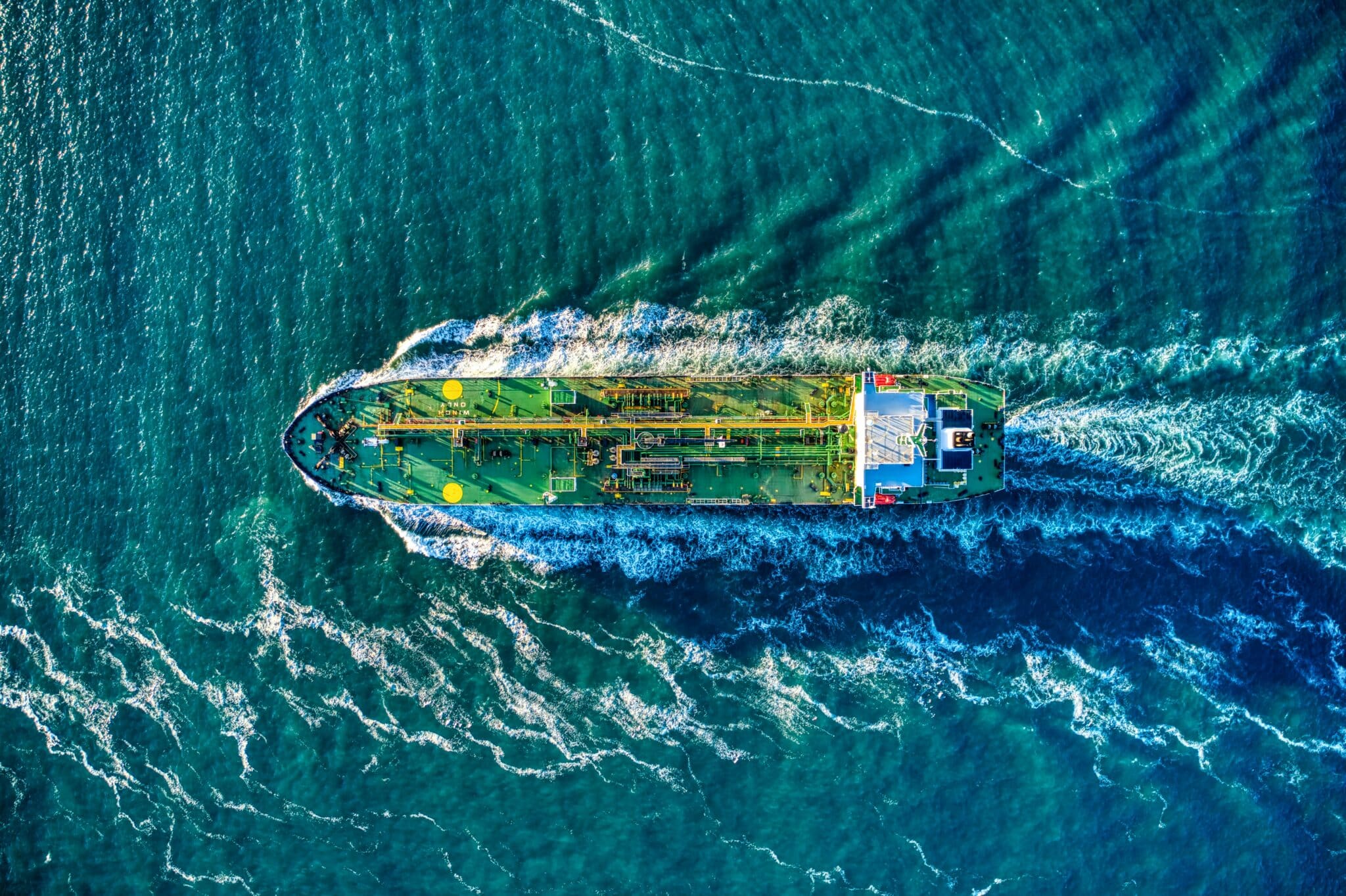
A Modern Guide to the Digitalization of Infrastructure
Presentation of the Book

Inspired by the recently published book “A Modern Guide to the Digitalization of Infrastructure”, this webinar will provide a comprehensive overview of how the digitalisation process affects infrastructure-based industries, including telecommunications, transport, energy, water and postal services.
The contributors of this book are the experts of DIGEX, a working group (think tank), Digitalising Infrastructure Group of Experts, established at the Florence School of Regulation.
At the webinar, DIGEX experts will share their views on how digitalisation is disrupting traditional infrastructure managers in terms of capacity management and traffic flows. They will also discuss key topics including data governance, data sharing, digital platforms, and sector convergence in relation to a specific type of infrastructure they are working on.
AGENDA
17:00 – 17:10 | Welcome, Introduction of the book
Prof. Juan Montero, Professor at EUI/ UNED; Editor of the book ‘A Modern Guide to the Digitalization of Infrastructure’
17:10-18:00 | Contribution from the authors
• Technology: Prof. Günter Knieps, Professor of Economics at the University of Freiburg
• Telecoms: Dr. Volker Stocker, Head of Research Group/Postdoctoral Researcher, The German Internet Institute / Technische Universität Berlin
• Maritime: Dr. Anastasia Tsvetkova, Docent, a postdoc researcher at the Laboratory of Industrial Management, Åbo Akademi University
• Aviation: Lorenzo Casullo, Associate Director, Ricardo
• Electricity: Nicolò Rossetto, Research Associate, Florence School of Regulation
• Water: Brenda Espinosa Apráez, PhD Researcher, Tilburg Law and Economic Center – Department of Law, Technology, Markets & Society, Tilburg University
18:00 – 18:20 | Q&A Session moderated by Prof. Juan Montero, Professor at EUI/ UNED; Editor of the book ‘A Modern Guide to the Digitalization of Infrastructure’
18:20 – 18:30 | Concluding remarks
Prof. Matthias Finger, Director of FSR-Transport, EUI; Editor of the book ‘A Modern Guide to the Digitalization of Infrastructure’
18:30 | Webinar ends
Don’t miss any update on our events
Sign up for free and access the latest events from our community.
More on the topic


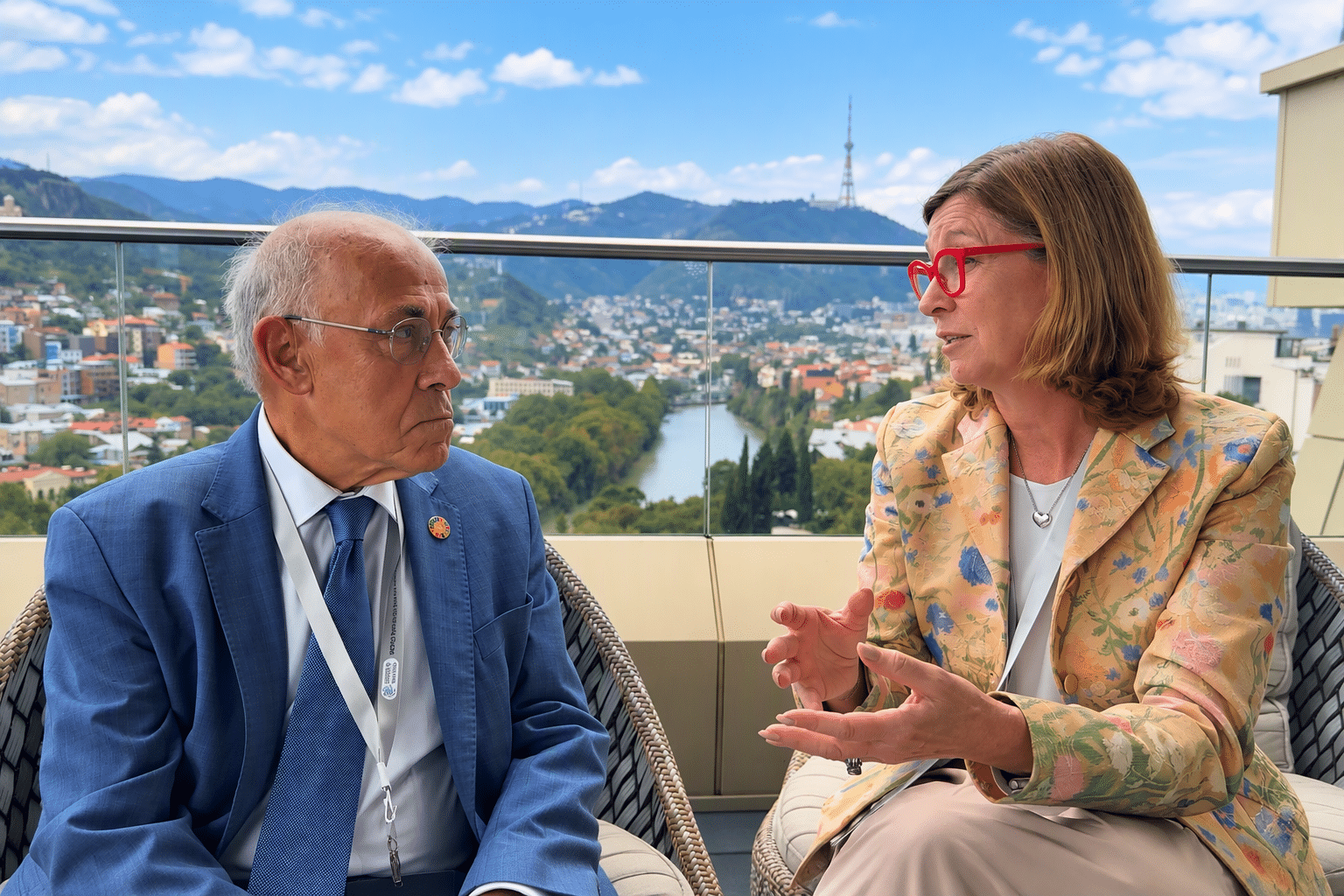
FSR Climate Annual Conference 2021

FSR Climate is pleased to announce its 7th Annual Conference on the Economic Assessment of European Climate Policies to take place online on Monday 29 and Tuesday 30 November 2021 from 10:00 to 16:10 CET.
The conference will cover the main climate-related existing policies at EU, national, international and sub-national levels. It will include three sessions on Energy Efficiency and Renewables, Environmental taxation, and Emissions trading. In addition, the conference will comprise a keynote speech from Estelle Cantillon, and a policy session focused on carbon market integration.
Due to the travel and public gathering restrictions taken to limit the spread of COVID-19, the FSR Climate Annual Conference will be held online through Zoom Webinar.
Chair: Simone BORGHESI, FSR Climate – European University Institute
Monday 29 November
10:00-10:05 – Welcome & introduction
- Simone BORGHESI, FSR Climate – European University Institute
10:05-12:05 – Session on Emissions trading
- The Carbon Market Challenge: Preventing Abuse Through Effective Governance, Regina BETZ, Zurich University of Applied Sciences – ZHAW [abstract] [slides]
- Coase and Cap-and-Trade: Evidence on the Independence Property from the European Carbon Market, Aleksandar ZAKLAN, DIW Berlin [paper] [slides]
- The European Emission Trading System, Overlapping Climate Policies & the Fit for 55 Package, Kenneth BRUNINX, University of Leuven [abstract] [slides]
- Investment Incentives in Tradable Emissions Markets with Price Floors, Frans DE VRIES, University of Aberdeen Business School [abstract] [slides]
14:00-16:00 – Session on Environmental taxation
- Environmental Taxation in the 2020s: Promises and Barriers, Xavier LABANDEIRA, University of Vigo [abstract] [slides]
- Voting and Information: Evidence from a Randomized Controlled Trial, Stefano CARATTINI, Georgia State University [abstract]
- Impacts of Carbon Pricing on Electricity Prices – The Case of the EU ETS, Mirjam KOSCH, PIK Potsdam [abstract] [slides]
- The Best Argument for Carbon pricing is not Economic Efficiency, but Rather that it Fosters Cooperation, Axel OCKENFELS, University of Cologne [abstract]
Tuesday 30 November
10:00-11:00 – Keynote Speech
- Emission Markets as Financial Markets, Estelle CANTILLON, Université Libre de Bruxelles and Toulouse School of Economics [abstract] [slides]
11:10-12:40 – Policy Session “Deepening international cooperation on emissions trading: possible reforms for integration”
Chaired by Jos DELBEKE, School of Transnational Governance – European University Institute
- Stefano VERDE, FSR Climate – European University Institute [slides]
- Michael PAHLE, PIK Potsdam [slides]
- Susanne DRÖGE, SWP Berlin
- Artur RUNGE-METZGER, Former Director at the European Commission
This policy session is organised under the framework of the project LIFE DICET – Deepening International Cooperation on Emissions Trading – cofinanced by the EU LIFE Programme of the European Commission.
14:00-16:00 – Session on Energy efficiency and renewables
- Capitalization of the French Energy Performance Certificate: Is There a Label Premium?, Anna CRETI, Université Paris Dauphine – PSL [abstract] [slides]
- Materials Scarcity and Recycling for the Energy Transition, Francesco RICCI, Université de Montpellier and CEE-M [abstract] [slides]
- Integrating Energy Needs for Adaptation in Mitigation Pathways, Enrica DE CIAN, Ca’ Foscari Unversity of Venice and CMCC [abstract] [slides]
- Data Centres and Energy Demand: Lessons for Loads in Net Zero, Michael POLLITT, University of Cambridge [abstract] [slides]
16:00-16:10 – Concluding remarks
- Simone BORGHESI, FSR Climate – European University Institute
The FSR Climate Annual Conference 2021 is organised with the support of EAERE.
Bio of the Keynote Speaker:
Estelle Cantillon is a Professor of economics at the Université Libre de Bruxelles, an associate member at the Toulouse School of Economics, a research fellow at CEPR (London) and an elected member of the Royal Academy of Arts and Sciences of Belgium. Her research lies at the boundary between market design and industrial organization. Her current research focuses on carbon emissions markets, the design of electricity wholesale markets and climate transition policies. She has published on auctions, procurement, competition between exchanges, and assignment problems.
She currently sits on the Board of Regents of the National Bank of Belgium, on the Economics Council of OXERA and is a member of the steering committee of Re-Bel (Rethinking Belgium) and the scientific council of the Brussels Region Institute for Statistics. At ULB, she is the academic director of the Sustainable Development teaching initiative.
Estelle holds a PhD in Economics from Harvard and has held faculty appointments at Yale University, Harvard Business School and the Harvard Kennedy School of Government.
Past editions of the FSR Climate Annual Conference:
FSR Climate Annual Conference 2020
FSR Climate Annual Conference 2019
FSR Climate Annual Conference 2018
FSR Climate Annual Conference 2017
Don’t miss any update on our events
Sign up for free and access the latest events from our community.
Speakers
More on the topic
Innovation pathways, strategies and policies for the low-carbon transition in Europe

The INNOPATHS final conference “Innovation pathways, strategies and policies for the low-carbon transition in Europe” is scheduled on Monday 31st May (10:00-16:15 CEST) and Tuesday 1st June (10:15-16:15 CEST).
The transition to climate neutrality in Europe will require deep structural changes to the full range of energy, economic and societal systems. These changes, and their economic, social and environmental implications, must be examined and understood if policymakers are to take the best decisions possible to achieve this overarching objective.

For the last four years, the INNOPATHS project’s partners have been working with stakeholders from government, academia and civil society to understand issues ranging from the dynamics of low-carbon innovation, policy frameworks and finance, to the implications for labour markets and equity from the transition. Using this knowledge, new, state-of-the-art low-carbon pathways for the European Union have been created and modelled. This final conference will share key insights from the project with a wider audience, and discuss their meaning and implications for Europe and EU member states in the coming years.
The conference will be chaired by Paul Ekins – OBE (UCL Institute for Sustainable Resources & Project Coordinator) and by Simone Borghesi (Director of FSR Climate). The event will hold presentations and discussions on following topics:
- Technology development and innovation dynamics; their policy and other drivers, and co-benefits
- Decarbonisation and equity, with a focus on European labour markets and the broader social implications of the transition
- Financing the transition; including the role of public funds, low interest rates and the European Green Deal
- Key requirements and implications of our new pathways for a low-carbon Europe; and the differences implied depending on which pathway emerges from policy action and wider developments
- Policy priorities and knowledge gaps; including a panel session with a series of European policy experts and practitioners, to conclude the conference.
This event is part of the official All4Climate – Italy 2021 programme. 
The project INNOPATHS has received funding from the European Union’s Horizon 2020 research and innovation program under Grant Agreement No. 730403.
Don’t miss any update on our events
Sign up for free and access the latest events from our community.
Speakers
More on the topic

EU, China & US on their way to carbon neutrality: will their implementation strategies converge?

Watch the recording:
Modern societies face many global challenges. Climate change is certainly among the most urgent and important ones. Europe has decided to address the widely diffused concern of public opinion on the effects of climate change by committing to reaching climate neutrality by 2050, an ambitious target that remains a top priority for the Von der Leyen Commission despite the difficulties raised by the COVID-19 crisis. Similar climate neutrality targets have been recently set by other jurisdictions, most notably the USA and China (the latter by 2060). The European Union can (and actually intends to) play a key leading role as regulator, negotiator and actor in the global climate challenge. While a unilateral European action will not be sufficient per se to stop global warming (as European emissions are only a relatively small part of total greenhouse gas emissions), the EU can lead the world by example in adopting more stringent climate regulations and hence influencing the others’ climate policies.
However, alternative climate policies and regulatory models might emerge at the world level possibly challenging the European leadership in the fight against climate change. Consider, for instance, the case of the European Emission Trading System (EU ETS). As it is frequently argued, the EU ETS represented a prototype for most other ETSs that have been rapidly emerging in the world. But ETSs might progressively diverge over time rather than converge towards a unique model to account for the different institutional frameworks characterising different jurisdictions. The same applies to other European climate measures and policies that might or might not fit other institutional contexts.
This raises some of the questions that we would like to address in the session, namely:
- What are the lessons that other jurisdictions can take from the European climate policy experience? Can/should the European experience with climate regulation be replicated in non-European contexts? If so, how? If not, why?
- How can other economies improve upon the European experience and how can Europe learn from others?
- Will the climate neutrality implementation strategies converge or diverge across different countries?
- Which policies will lead EU, US and China -the three main players in the global climate arena- towards the net-zero emissions target?
- What will be the impact of the Biden administration on international cooperation and climate policy in the years to come?
- Can international cooperation among Emission Trading Systems contribute to promoting a global climate policy?
FSR Climate, together with the Policy Outreach Committee of EAERE (European Association of Environmental and Resource Economists), and in collaboration with the School of Transnational Governance of the EUI, organises this session to promote a more integrated dialogue between academia and policy world, providing advice and support to EU policy makers and institutions in designing policy interventions.
The event builds upon the successful experience of policy debates organized by FSR Climate at State of the Union since 2018 and intends to continue the policy dialogue carried out by FSR Climate under the ongoing LIFE DICET (Deepening International Cooperation on Emissions Trading) project. The project LIFE DICET focuses on the international carbon market cooperation between the EC and the regulators of other major ETSs, namely, California-Quebec, China, Switzerland and New Zealand and intends to support EU and Member State policymakers in deepening international cooperation for the development and possible integration of carbon markets at the world level.
The event chaired by Simone Borghesi and Jos Delbeke is intended to address an audience of high-level policy makers, stakeholders and scholars such as those attending the SoU.
The project LIFE DICET is co-financed by the EU LIFE Programme of the European Commission.
Don’t miss any update on our events
Sign up for free and access the latest events from our community.
Speakers
More on the topic