



Research

The School carries out applied research with the purpose of developing economically, legally, and socially-sound regulation and policy, using a multidisciplinary approach.

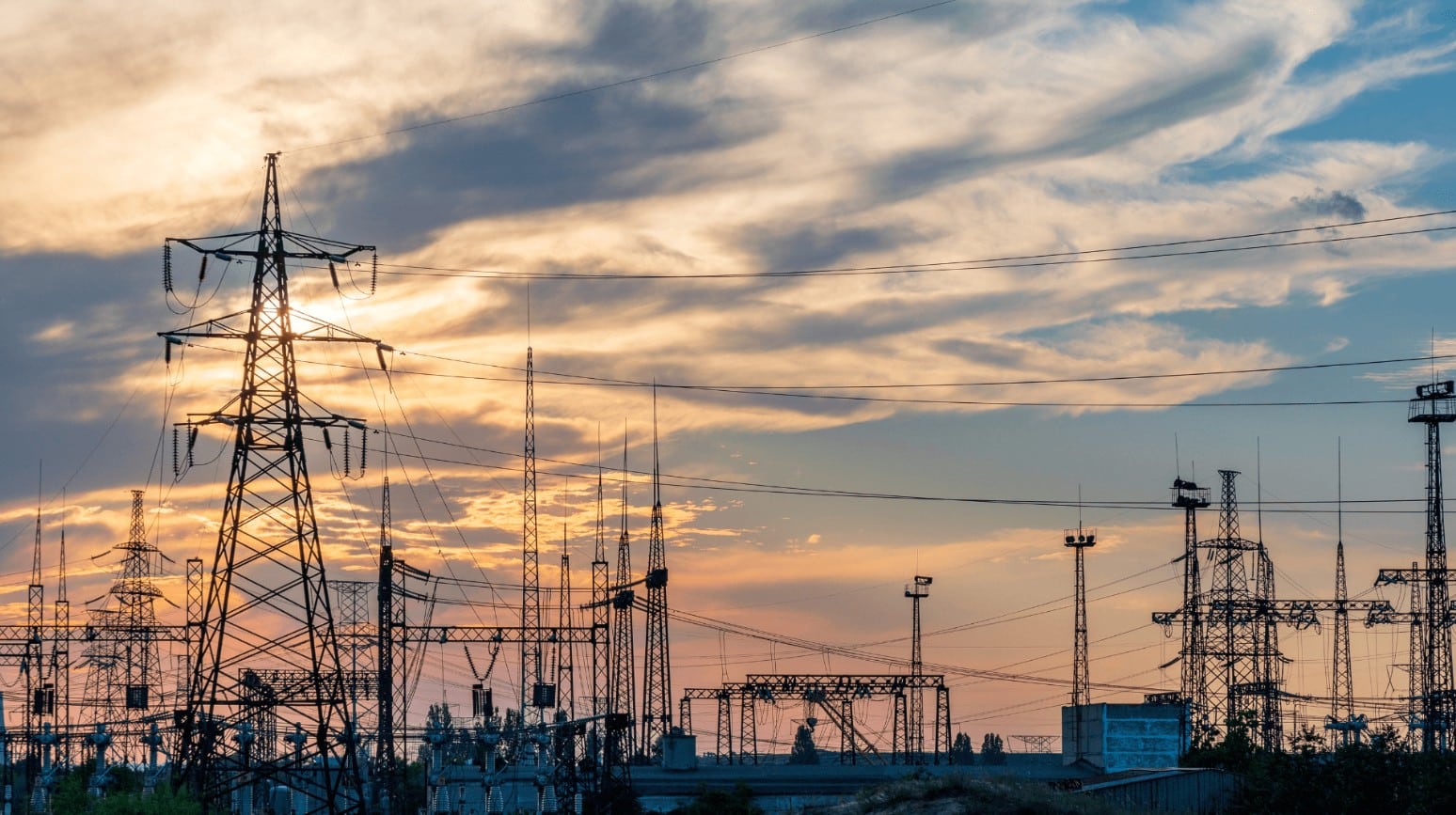
Cross-border solidarity versus national capacity markets : risk of inadequate capacity procurement

In Europe, capacity markets are currently designed and operated at the national level, which can give rise to non-cooperative behavior. Member States may strategically...

Authors
Contribution to book
Reflections on climate resilient tourism : evidence for the EU ETS-2 and voluntary carbon markets
Discover more
Article
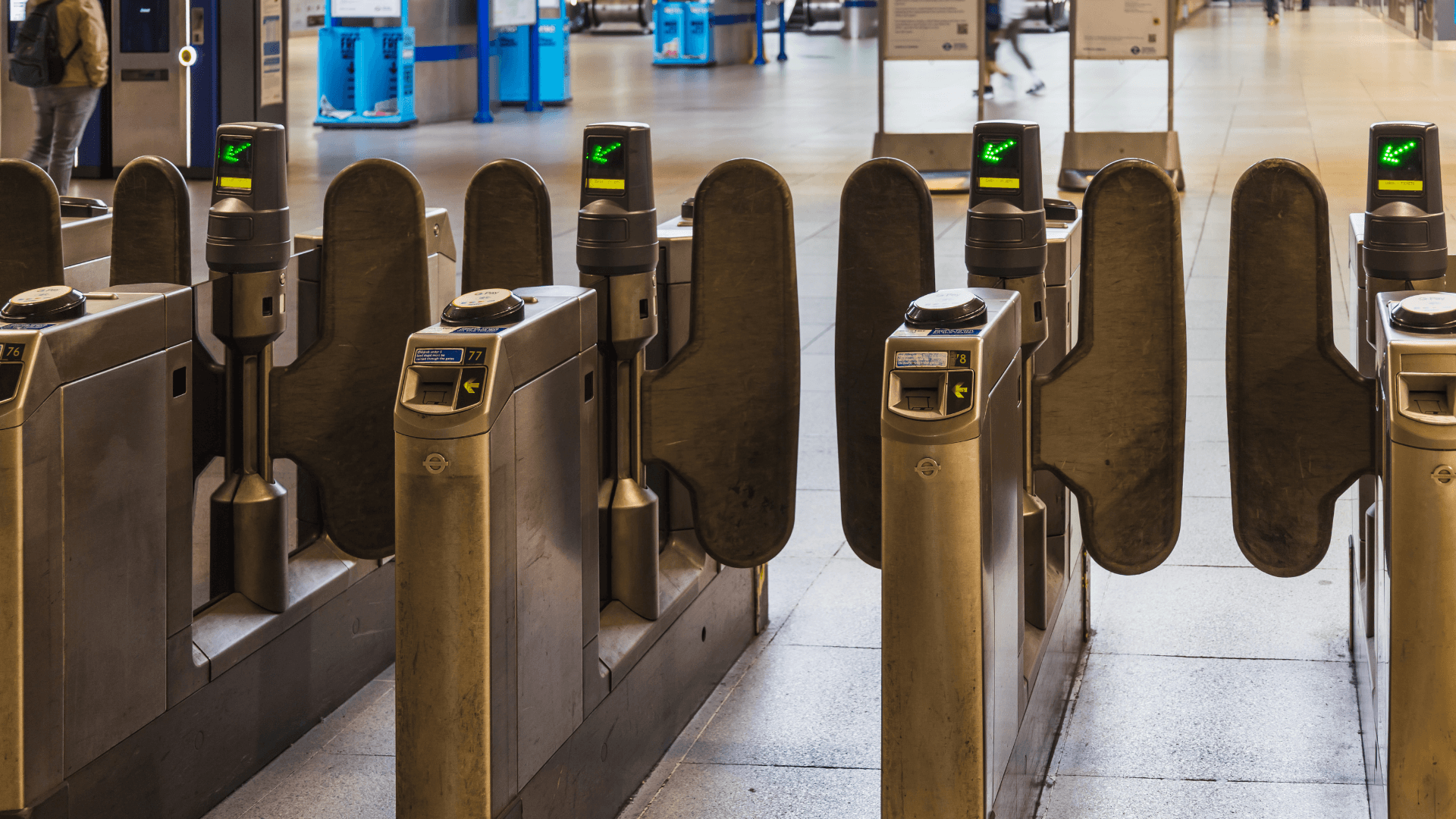
Research on the impact of urban rail transit on the financing constraints of enterprises from the perspective of sustainability
Discover more

Executive Education

We offer different types of training: Online, Residential, Blended and Tailor-made courses in all levels of knowledge.

Policy Events

A wide range of events for open discussion and knowledge exchange. In Florence, Brussels, worldwide and online.

More

Discover more initiatives, broader research, and featured reports.

Lights on Women

The Lights on Women initiative promotes, trains and advocates for women in energy, climate and sustainability, boosting their visibility, representation and careers.

Discover more

Regulatory approaches to rail competitive entries

The paper “Regulatory approaches to rail competitive entries” will be presented at the 2nd Florence Rail Conference (9-10 December, 2021).

ABSTRACT:

There have been a few significant competitive entries in the passenger rail sector in Europe in the last decade. The entries of new private operators in Austria, the Czech Republic, Italy, and Sweden transformed national rail markets. Their entries significantly decreased tariffs, improved services, and stimulated ridership. However, besides a significant impact on the demand side, these entries also have created significant challenges to regulatory authorities. The paper aims to review and compare the approaches to the regulation of open access entries in Austria, the Czech Republic, Italy, and Sweden.

The analysis consists of the following parts: 1) entry restrictions 2) regulatory powers 3) capacity allocation 4) access charges 5) PSO and commercial services 6) fair competition 7) COVID implications. The comparative review highlights the differences in approaches to these new types of railway competition.

Don’t miss any update on this topic

Sign up for free and access the latest publications and insights

Sign up
Back to top