



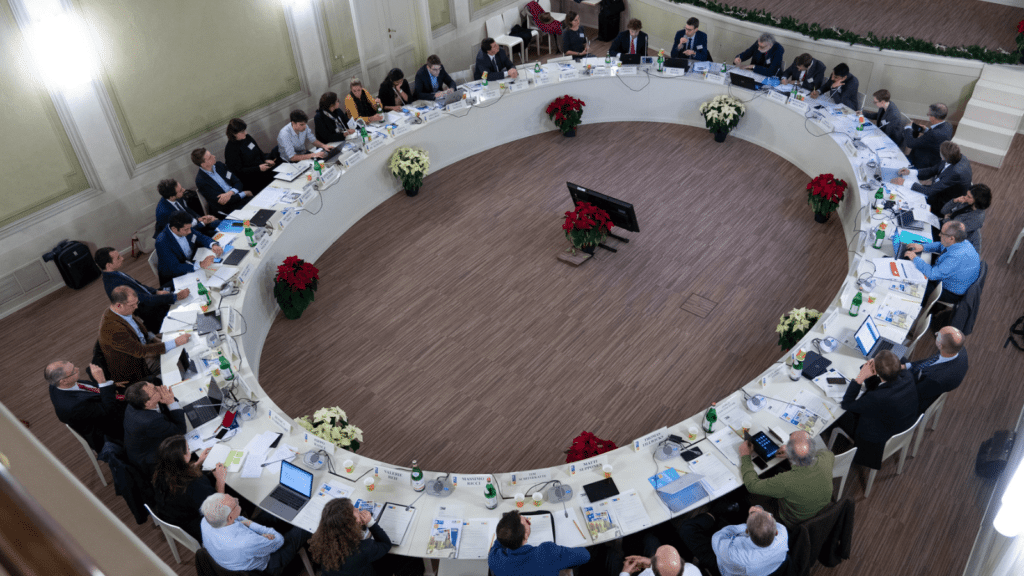

Type of event: Conference
2nd Florence Rail Regulation Conference. Modal Shift: The Moment of Truth
Shift to rail is one of the main challenges to reach the ambitious Green Deal objectives in transport and one of the key issues in the European Year of Rail. However, data shows that such a modal shift is not happening, as rail modal share is not growing in passenger services and is too low and basically stagnated in freight services (Rail Market Monitoring 2021).
The scope of the conference is to evaluate the existing policies and analyse new proposals to accelerate the modal shift. Debate between academics, industry and public officials is the proposed methodology to provide deep insights and fresh approaches.
We are looking for original papers covering the various aspects of railway regulation and focusing on transversal issues such as: competition, track access charges, capacity allocation, traffic management, night trains, long-distance and cross-border passenger rail services, high-speed services, intermodality, digital mobility/railway platforms and others.
Contributions utilising multidisciplinary, as well as interdisciplinary approaches to regulation, are very welcome. Papers, linking academia and practice, as well as policy research papers, are particularly encouraged.
The conference is intended for academics, as well as academically minded practitioners.
This is a 2-day conference, aiming to engage a selected group of a total of 30 individuals including leading academics, high-level stakeholder representatives (CEOs or deputies) and public officials into a fruitful policy debate.
On the first day there will be presentations of 9 academic papers, followed by a discussion with the audience. The foreseen outcome of the conference is 9 academic papers of excellent quality with policy recommendations, which DG Move and national authorities can use in future planning.
The second day will be devoted to the high-level policy debates based on the papers presented the day before, with the participation of representatives of DG Move, stakeholders and academics.
List of selected authors and titles of their papers:
- Beria, P., Tolentino, S., Shtelle, E., Lunkar, V. “Is there an effect on prices of market entry in open-access rail Italian market?”
- Carames, J.G. “Next steps in the liberalization of the EU passenger rail market: new challenges for future public service contracts”
- Fahnenmüller, L. “How Technical Regulations Shape the Competitive Landscape – a Discussion on ECM, TSI and other Technical Regulations”
- Jain, A., van der Heijden, R., Marchau, V., Bruckmann, D. “The role of digital platforms in the modal shift of road to rail freight transport”
- Kristoffersson, I., Pyddoke,R., Börjesson,M., Karlsson, R., Liu, C. “Modal shift – A dream?”
- Mastrodonato, E. “Integrated coordination to make the railway system more efficient and facilitate the modal shift”
- Michaux, L. “Public Service Obligations in the Railway Sector: The EU’s Regulatory Self-Restraint as Part of the Problem?”
- Nash, C., A., Smith, A., S., Fitzova, H. “Achieving mode shift – what needs to be done?”
- Pagand, I., Bizzotto, S., Holvad, T., Potenza, G. “Rail renaissance strategy”
- Tomeš, Z. “Regulatory approaches to rail competitive entries”
Conference timeline
- Submission of the abstract by
1 June 2021; 15 June 2021. We extended the deadline! - Notification of acceptance by 1 July 2021;
- Submission of the full paper by 15 November 2021; participants who fail to submit a full paper by this deadline will be automatically removed from the programme;
- Conference on 9th-10th December 2021 in Florence (Italy).
Submission of the abstract
- Step 1: Download the obligatory submission template
- Step 2: Fill in all required fields: Introduction and Purpose of the Study; Research Design and Expected Results; Keywords. Please pay attention to the word limit!
- Step 3: Fill in the registration form online and enclose the submission template (see Step 2).
For any issues regarding the submission, please contact Ms Irina Lapenkova at FSR.Transport@eui.eu;
Publication opportunities
- Papers will qualify for fast track review for the Journal Competition and Regulation in Network Industries (SAGE)
Organising Committee
- Prof Juan Montero (EUI, Part-time professor of the Transport Area of the FSR, Professor of Administrative Law and Regulation in UNED University (Madrid).
- Prof Matthias Finger (EUI, Part-time professor and Director of the Transport Area of the FSR. EPFL, Professor Emeritus).
- Prof Chris Nash (Research Professor, Institute for Transport Studies, University of Leeds. Scientific Advisor, FSR Transport).
Don’t miss any update on our events
Sign up for free and access the latest events from our community.



15th Florence Air Forum: Streamlining Economic Regulation for Air Traffic Management in Europe

European aviation has been confronted with serious capacity challenges and high levels of delay, in particular, during the two years (2018-2019) leading up to the onset of COVID-19. The pandemic has, subsequently, revealed that the European airspace system lacks resilience and the ability to absorb demand shocks, be these in the form of increases or drops in air traffic. Despite the economic hardship sustained by the entire aviation ecosystem, it has become clear that the European Commission’s level of climate ambition remains unchanged. In fact, the recovery phase has been framed as an opportunity to accelerate the shift towards a more sustainable, smarter and resilient mobility system. The European Green Deal identifies the Single European Sky (SES) as one of the key measures to “help achieve significant reductions in aviation emissions”. To ensure the sustainable development of the sector, the SES reform will stimulate a more flexible and scalable provision of air navigation services.
There is firm agreement within the aviation sector, that air traffic management (ATM) in Europe needs to be reformed to cope with both the sustained air traffic growth over the last decade and with significant, unforeseen traffic variations, such as those caused by the COVID-19 pandemic. This, in turn, calls for regulatory changes that promote a safe, cost- and flight-efficient European ATM system that will support the measures outlined in the European Green Deal and reduce aviation emissions. Once the pandemic is contained, it will be even more crucial to increase resilience, scalability and sustainability in the management of manned and unmanned air traffic.
In view of this, in September 2020, the European Commission proposed an upgrade of the SES regulatory framework, in order to modernise the management of European airspace and to establish more sustainable and efficient flightpaths. The amended proposal calls for the strengthening of the European network and its management to avoid congestion and suboptimal flight routes, the creation of an EU market for agile ATM data services provision and incentives, the streamlining of economic regulation for ATM, and for an enhanced coordination for the definition, development and deployment of innovative solutions, among others.
Building upon the conclusions of the 12th Florence Air Forum on ‘How to make progress towards an Economic Regulator?’, the 15th Florence Air Forum, jointly hosted by the Transport Area of the Florence School of Regulation and the European Commission’s DG MOVE, will provide a platform for in-depth discussion on some of the central elements of the proposed SES regulatory framework pertaining to the streamlining of economic regulation for ATM.
More specifically, the Forum will bring together key aviation actors to explore 1) the administrative integration of the Performance Review Body into EASA and the implications for the new distribution of tasks in relation to national economic regulators; 2) the distribution of tasks between the European regulator and the national supervisory authorities; and not the least 3) the legal, technical and practical considerations surrounding the proposed modulation of air navigation charges on the basis of the environmental footprint of the airspace user. While the negotiations between the EU Member States and the European Parliament on the SES proposal basic act is still ongoing, the discussions at the 15th Florence Air Forum will already address some of the more detailed and technical provisions, which also seek to inform the subsequent implementing and delegated acts.
SPEAKERS’ SLIDES:
Setting the scene and overview of main issues to be addressed:
Matthias Finger – Florence School of Regulation Transport Area
Session A: Institutionalising an independent European regulator: the administrative integration of the Performance Review Body (PRB) into EASA, and implications for the new distribution of tasks in relation to national economic regulators?
Regula Dettling-Ott – Performance Review Body
Partick Ky – European Union Aviation Safety Agency
Session B: What Should be the distribution of tasks between the PRB and the national supervisory authorities?
Walter Boltz – European Energy
Marek Bekier – Aviation Capacity Resources Sweden
Eduardo Abia – Spanish Aviation Safety and Security Agency
Session C: Modulation of charges: How can such or similar tools make a contribution to provide decarbonisation incentives without adding unnecessary complexity?
Don’t miss any update on our events
Sign up for free and access the latest events from our community.
10th FSR Annual Conference | Infrastructure Investment Challenges: reconciling Competition, Decarbonisation and Digitalisation

The Conference on the Regulation of Infrastructures is the annual event that brings together all the Areas of the Florence School of Regulation.
This year’s FSR Annual Conference, which will take place on 10th and 11th June 2021, will focus on ‘Infrastructure Investment Challenges: reconciling Competition, Decarbonisation and Digitalisation’.
Investment has always been a challenge in the network industries. Since the 1990s liberalisation has exacerbated this challenge, owing to the different time horizons between the interests of the private sector, the long-term nature of the infrastructure assets and their public service nature. Climate change and the need to decarbonise the infrastructures, as well as the recent focus on digitalisation have only added to the investment challenges in the different network industries.
How can we ensure investments in the context of competition, decarbonisation and digitalisation? What should be the role of governments and that of the private sector? How should the right incentives be set? These are some of the questions that the 10th FSR Annual Conference will seek to discuss.
More precisely, we are looking for contributions, which cut across the different infrastructure sectors, especially in terms of investment opportunities. Contributions utilising multidisciplinary as well as interdisciplinary approaches to regulation are welcome. Papers linking academia and practice, as well as policy research papers are particularly encouraged.
The conference is intended for academics such as PhD students, PostDocs and Assistant/associate/full Professors, as well as academically minded practitioners.
List of selected authors and titles of their papers:
- Alloisio, I.*, Rubino, A. “The role of PPPs in the energy transition infrastructure financing in Sub-Saharan Africa”
- Astier, N., Ovaere, M.* “Reliability standards and generation adequacy assessments for interconnected electricity systems”
- Bigler, P., Radulescu, D.* “Welfare, Redistributive and Revenue Effects of Policies Promoting Fuel Efficient and Electric Vehicles”
- Bartlett Castellà, E.R.*, Gimeno de la Fuente, C., Majó Casas, C. “Digitalisation at the core of energy networks: the backbone of the energy transition. A brief assessment on the infrastructure investment regulatory framework”
- Couto Ribeiro, B.*, Pereira Ferrero, L.G., Blind, K., Bin, A. “The Effects of RDI Regulation on Energy Sector”
- Crocioni, P.*, Silos Ribas, M. “Could ex ante regulation create incentives for anti-competitive behaviour?”
- De Maio, M. L.*, Paniccia, I., Vitiello, I. “European strategy on sustainable and smart mobility: what will be the role of economic regulation?”
- Gundes, S.*, Atakul, N.”Public-Private Partnerships in Toll Road Projects: The Case of Eurasia Tunnel”
- Hernandez, D.*, Gençer, E. “Modelling Optimal Hydrogen Transmission Network Infrastructure”
- Knieps, G. “Internet of Things and the challenges for infrastructure investment in 5G based-smart network industries”
- Machado J.T.M.*, Flynn, B. M., Williamson, I. “The national shaping of Europe’s Emerging Hydrogen Strategies: Cooperative or Competitive Hydrogen politics?”
- Parcu, P.L., Rossi, M.A. “Technological neutrality and network neutrality in telecommunications regulation. Policies at the 5G crossroads?”
- Simon, E.*, Cimmino F., M., Genoud, S. “Sector coupling of power and gas with combined heat and power plants: an investment to foster the swiss energy system decarbonisation”
*presenting author
Conference structure:
The format of the FSR Annual Conference is unique, in that it favours quality over quantity:
- Each presenter has 30’, which includes 12’ of presentation, 10’ of qualified feedback and 8’ of discussion with the audience;
- Feedback will be given by senior professors and researchers associated with the Florence School of Regulation who are specifically knowledgeable about the topic at hand;
- Papers retained for publication will receive additional feedback beyond the Conference.
Timeline:
- Submission of the abstract by
1st February,15th February 2021. We extended the deadline! - Notification of acceptance by 1st March 2021;
- Submission of the full paper by 16th May 2021; participants who fail to submit a full paper by this deadline will be automatically removed from the programme;
- Conference on 10th -11th June 2021 in Florence (Italy).
Submission of the abstract:
- Step 1: Download the obligatory submission template
- Step 2: Fill in all required fields: Introduction and Purpose of the Study; Research Design and Expected Results; Keywords. Please pay attention to the word limit!
- Step 3: Fill in the registration form online and enclose the submission template (see Step 2).
For any issues regarding the submission, please contact Ms Irina Lapenkova at FSR.Transport@eui.eu
Publication opportunities:
- Papers will qualify for the Journal Competition and Regulation in Network Industries (SAGE)
- A summary of the 4-5 best papers will have the chance to be published in the dedicated issue of the Network Industries Quarterly (Issue 23, Vol 3, September 2021), which distributes to approximately 4000 people worldwide.
Organising Committee:
- Prof Simone Borghesi (EUI, Part-time professor and Director of the Climate Area of the FSR; Siena University, Professor)
- Prof Matthias Finger (EUI, Part-time professor and Director of the Transport Area of the FSR)
- Prof Jean-Michel Glachant (EUI, Robert Schuman Chair, Director of the FSR, Director of the Energy & Climate Area of the FSR, Holder of the Loyola de Palacio Chair)
- Prof Juan Montero (EUI, Part-time professor of the Transport Area of the FSR, Professor of Administrative Law and Regulation in UNED University, Madrid)
- Prof Pier Luigi Parcu (EUI, Part-time professor and Area Director of the FSR Communications & Media, CMPF)
Presentations
-
Powering Europe’s recovery
Alessandro Carano
- REGULATION (EU) 2021/241 OF THE EUROPEAN PARLIAMENT AND OF THE COUNCIL establishing the Recovery and Resilience Facility
Don’t miss any update on our events
Sign up for free and access the latest events from our community.
Speakers
More on the topic










Plenary Keynote at 25th EAERE Annual Conference – BERLIN ONLINE 2020
The 25th Annual Conference of the European Association of Environmental and Resource Economists will be held on Tuesday, June 23 – Friday, July 3, 2020, online! Due to the coronavirus outbreak, the city government of Berlin has decided that all physical events at universities have to be cancelled until the end of July. Therefore EAERE together with the PC and LOC decided to hold this year’s conference as a virtual event.
This year’s EAERE conference evolves around Friday, June 26, which incorporates all centrally organized sessions including opening and closing ceremonies, a plenary keynote on the European Green Deal and three invited sessions taking place in a semi-plenary format. In addition, almost 150 Policy, Thematic and Parallel Sessions are decentrally organized by volunteer presenters. The decentral sessions take place between June 23 and July 3 with a concentration between Wednesday, June 24 and Saturday, June 27. In total, about 570 papers will be presented, and an additional 70 papers will be uploaded to a conference database.
Plenary Policy session
Simone Borghesi will be chairing the Plenary Policy on Friday, June 26, at 10:45-12:15.
Simone Borghesi, Director of FSR Climate and Secretary General of the Policy Outreach Committee (POC) of the European Association of Environmental and Resource Economists (EAERE), will chair with Jos Delbeke the Plenary Policy Session at the 25th EAERE annual conference. The session entitled “The European Green Deal: prospects and challenges for the future” will take place on June 26, 2020, 10:45-12:15, immediately after the Opening Ceremony. After the introductory remarks by Simone Borghesi and Jos Delbeke, the session will host the interventions of two guest speakers (Alexander Stubb and Peter Vis) followed by short roundtable interventions from POC members.
See here for the official programme of the conference. All sessions can be attended free of charge.
Don’t miss any update on our events
Sign up for free and access the latest events from our community.
Speakers
More on the topic






Global Observatory on Peer-to-Peer, Community Self-Consumption and Transactive Energy Models

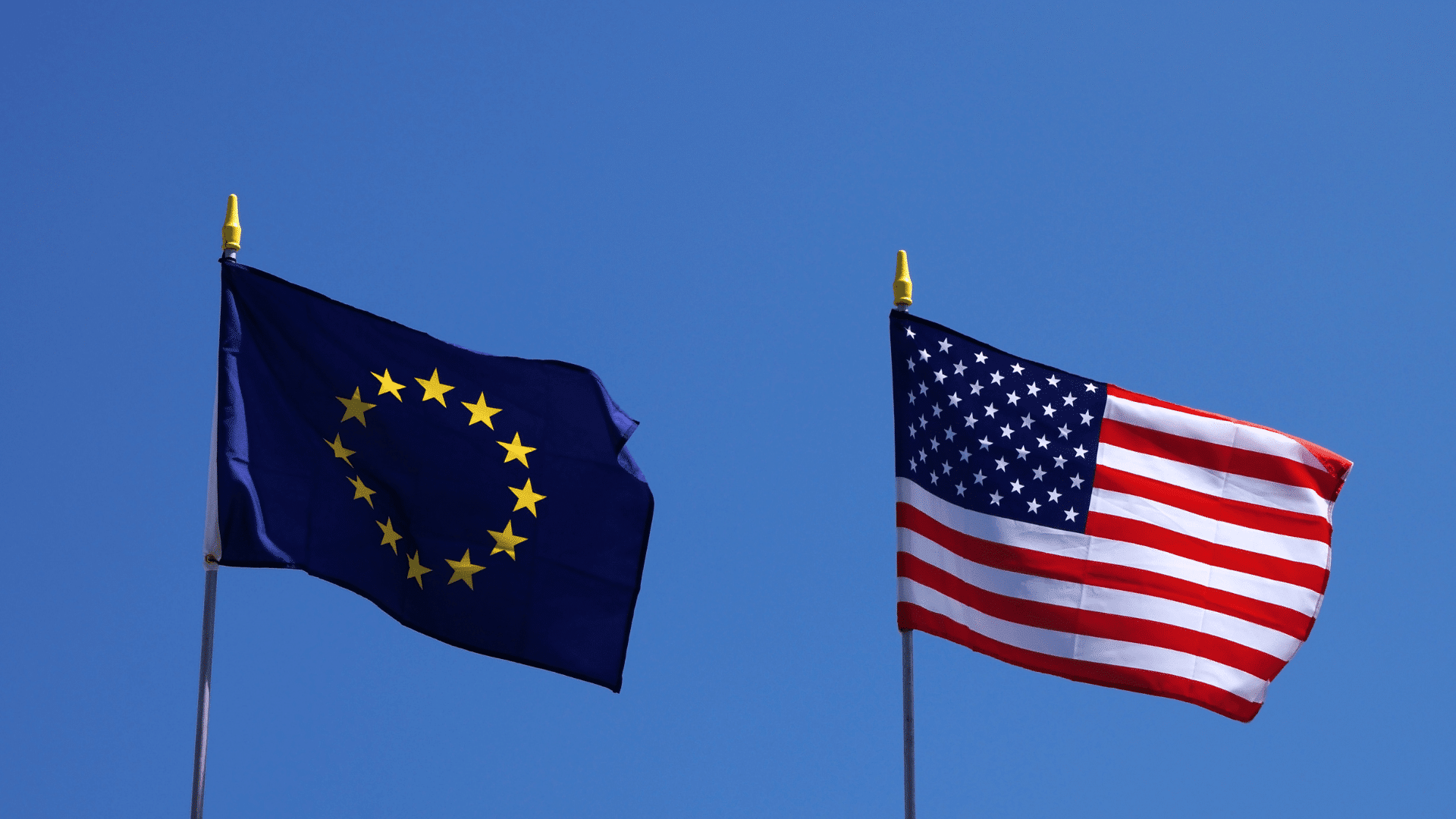
Within the framework of the International Energy Agency, FSR is hosting the second meeting of the Global Observatory on Peer-to-Peer (P2P), Community Self-Consumption (CSC) and Transactive Energy (TE) Models.
Decarbonisation, decentralisation and digitalisation are reshaping the way electricity is produced, traded and consumed.
New energy models, not even thinkable a decade ago, are emerging around the world. Electricity consumers, for example, may now benefit from the possibility to produce, individually or collectively, the energy they consume and to trade any surplus with their peers. Opportunities like this represent a major change from the old world where consumers were, to a large extent, passive users of the electricity system, either from a physical and a commercial point of view.
Launched in September 2019, the Global Observatory is a three-year collaborative research project under the IEA Users-Centred Energy Systems Technical Collaboration Programme (UsersTCP). It represents a forum for international collaboration to understand the policy, regulatory, social and technological conditions necessary to support the wider deployment of peer-to-peer, community self-consumption and transactive energy models.
The conference will last two days:
On the first day, open to the public, academics, industry practitioners and representatives of the institutions will meet and discuss the definitions of these new energy models and the opportunities and difficulties that they raise. A few concrete cases of P2P, CSC and TE energy models will be presented and will be used to ignite the debate.
During the second day, researchers involved in the Global Observatory will meet again, present the work conducted so far in the various Observatory subtasks and discuss the steps to take in the following six months.
Participation to the first day is open to everybody but subject to registration and seats availability. Participation to the second day is limited to researchers who are part of the Global Observatory.
 Join the discussion online using the hashtag #P2PEnergy
The conference is financially supported by the Foreign & Commonwealth Office of the United Kingdom.

Don’t miss any update on our events
Sign up for free and access the latest events from our community.

Policy Advisory Council – FSR Energy
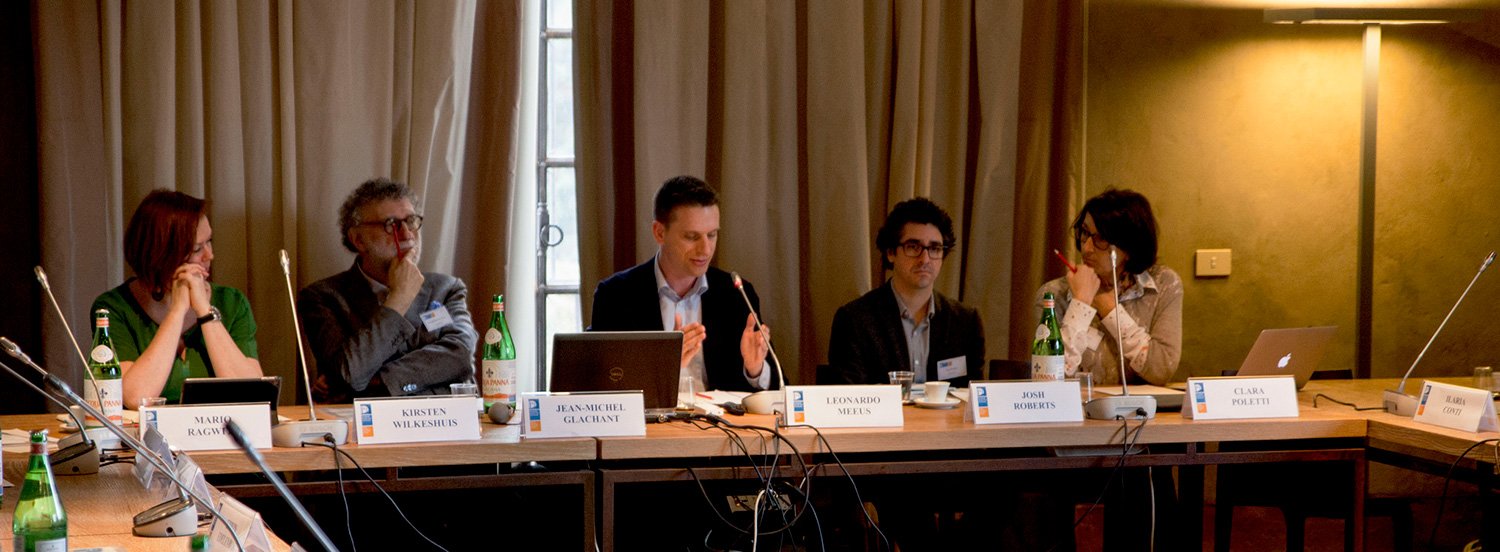
The Policy Advisory Council discusses the most topical regulatory and policy issues and debates the relevance and robustness of the latest FSR research findings.
The meeting gathers renowned academics, experts from the FSR-Energy Major Donors, the European Commission, the Agency for the Cooperation of Energy Regulators (ACER) and National Regulatory Authorities.
The event is structured as follows:
Day 1
- Session 1: EV Charging policies and business models – Lessons Learnt and vision of the future
- Session 2: Integrating EVs into the network as load and utilising V2X capabilities
Day 2
- Session 1: Gas Terminology (sector coupling project)
- Session 2: Opal Ruling: Solidarity and access to gas infrastructure
Please note this is a closed event and participation is by invitation only.
Don’t miss any update on our events
Sign up for free and access the latest events from our community.
More on the topic


Energy Innovation Bootcamp

The Energy Innovation Area of the Florence School of Regulation (FSR), in association with the Young Scholars Initiative (YSI), would like to invite young scholars to submit their work to the 2nd Energy Innovation Bootcamp. The event will be held in the Florence School of Regulation (Florence, Italy) on 26-28 November 2019.
Download the Call for Papers
We welcome candidates with interest in innovation aspects within energy industries. Instances of those interests include, but are not restricted to:
- Studies on co-evolution between institutional and technological development
- Financial aspects of policies oriented to promote energy transitions
- Studies on social impacts of energy transitions
- Structural change as a driver for energy policy
- Complexity approaches to understanding energy transitions
- Models of complex economic systems: ABM, networks, statistical learning
- Local, national or supranational case studies (special interest in developing countries)
- Technology policies as an alternative to energy policies in energy transitions
How to apply
Please send proposals to the FSR event coordinator: chiara.canestrini@eui.eu. Please specify Institution and Base Country.
Deadline: September 28st, 2019
Eligibility: young scholars (Graduate students, Ph.D. candidates, Postdocs) and early career researchers working/interested in the topics of the event.
Requirement: an abstract or a complete paper in English. There are no format or length requirements.
Submissions are free of charge. Financial support is available for selected students. Please indicate the need for funding in the application email.
About the event
Energy transitions imply disruptive innovation. The 2nd Energy Innovation Bootcamp aims to bring together young scholars to discuss industry adaptation to technological and institutional change. The perspective of industries as complex and evolving systems opens the discussion to topics on industrial dynamics, networks, interactions, and heterogeneity. In the context of energy transitions, we ask how the industry evolves and how it induces innovation. That is an opportunity to bring together a broad view on technological and institutional aspects, and cross-fertilize those streams in a co-evolutionary perspective.
The Bootcamp activities pay constant attention to operationalization. The young scholars will find an open environment to bring their contributions from theoretical developments and empirical analyses and to target results into operational proposals for researchers and public and private decision-makers. To that end, we aim at combining views from fields such as economics, engineering, political sciences, law, social sciences as well as business and management.
The Format
The event consists of three full days of intense activity.
- Each day, we start with presentations aimed at giving a broad view on a relevant topic. After that, knowledge stations aim at providing horizontal discussions on specific research questions or methodologies.
- During the afternoons, academy seminars take place. Participants have the opportunity to present and discuss their own research with experienced mentors and other participants of the academy.
Acceptance
The major requisites to be accepted are completeness, clarity, and relevance of the work. We take into consideration regional diversity and gender equality criteria.
The list of selected participants will be published on October 21st, 2019.
Contact
For more information, do not hesitate to contact the FSR Event Coordinator, Chiara Canestrini.

Don’t miss any update on our events
Sign up for free and access the latest events from our community.
More on the topic


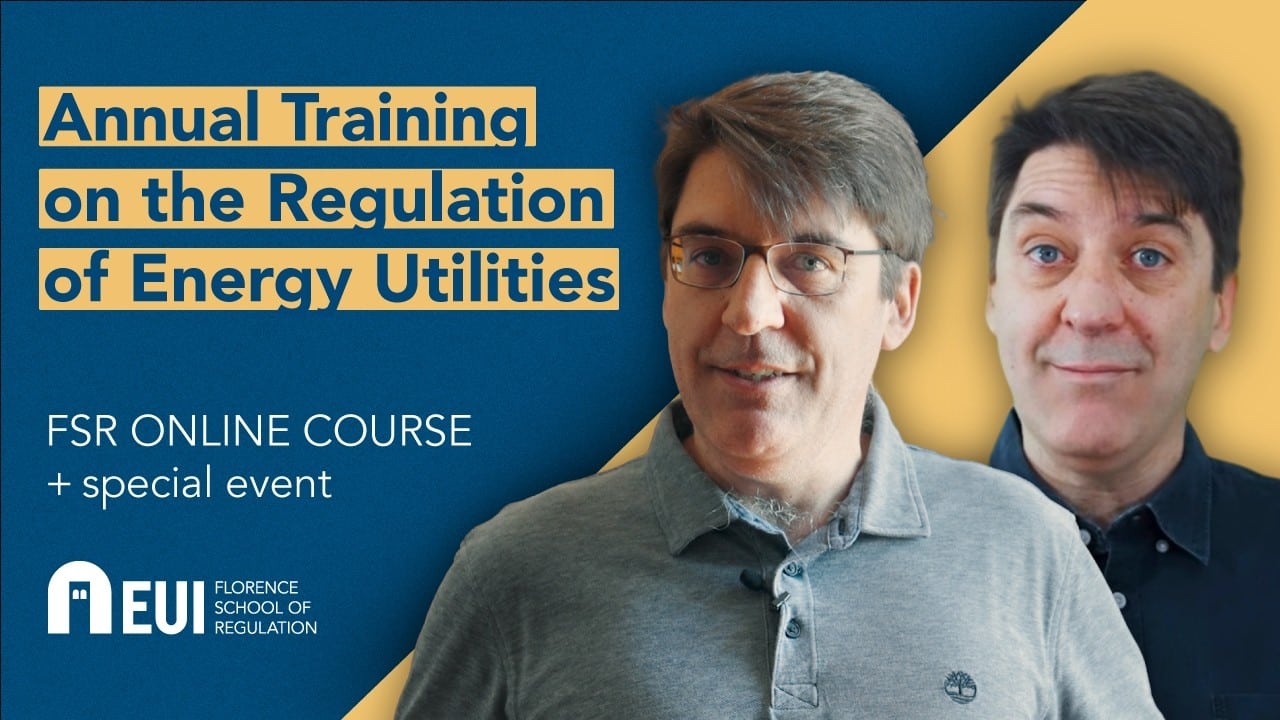
FSR Climate Annual Conference 2019

#FSRClimate19
FSR Climate is pleased to announce its 5th Annual Conference on the Economic Assessment of European Climate Policies to take place at the European University institute in Florence on 28-29 November 2019.
The conference will cover the main climate-related existing policies, at EU, national and subnational levels and will include plenary sessions on Energy efficiency, Renewable policies, Environmental taxation, and Emissions trading.
Chaired by: Simone Borghesi, Director FSR Climate
Keynote speaker: Jeroen van den Bergh (Universitat Autònoma de Barcelona and VU University Amsterdam): “A transition to global carbon pricing”
Plenary Speakers:
- Energy efficiency –Matthieu Glachant (MINES Paristech): Selling energy and saving energy: The industrial organisation of energy savings obligations
- Renewable policies – Natalia Fabra (Universidad Carlos III, Madrid): Competition among renewables
- Environmental taxation – Stephen Smith (University College London): The more the merrier? Potential and pitfalls of instrument combinations in climate policy
- Emissions trading – Luca Taschini (Grantham Research Institute LSE and University of Verona): Emissions trading systems, cap adjustments and the Market Stability Reserve
List of videos from the plenary presentations
Emissions trading
Luca Taschini | London School of Economics
Environmental Taxation
Stephen Smith | University College London
A Transition to Global Carbon Pricing
Jeroen Van den Bergh | Universitat Autònoma de Barcelona and VU University Amsterdam
Renewables
Natalia Fabra | Universidad Carlos III, Madrid
Presentations and papers – FSR Climate annual conference
Plenary presentation: Environmental Taxation
The More the Merrier? Potential and Pitfalls of Instrument Combinations in Climate Policy [Slides] [Video]
Stephen Smith | University College London
Session 1: Environmental Taxation
Yellow Vests, Endogenous Beliefs, and Carbon Tax Aversion [Paper]
Thomas Douenne | Paris School of Economics, University Paris 1 Panthéon-Sorbonne;
Adrien Fabre
Session 2: Renewables
Procurement Auctions for an Electricity System with Increased Wind Technology [Slides]
Aimilia Pattakou | ETH Zurich
Do Sustainable Energy Policies Matter for Reducing Greenhouse Gas Emissions? [Paper]
Donatella Baiardi | University of Parma
Keynote lecture
A Transition to Global Carbon Pricing [Slides]
Jeroen van den Bergh | Universitat Autònoma de Barcelona and VU University Amsterdam
Plenary presentation: Emissions trading
Emissions Trading Systems, Cap Adjustments and the Market Stability Reserve [Slides] [Video]
Luca Taschini | London School of Economics
Session 3: Issues in Climate Policy (1)
Living in an Uncertain World: Environment Substitution, Local and Global Indeterminacy [Slides]
Mauro Sodini | University of Pisa; Angelo Antoci and Simone Borghesi
Modelling Maladaptation In the Inequality-Environment Nexus [Slides]
Elisa Ticci | University of Siena; Angelo Antoci and Paolo Russu
Five Shades of Green: Heterogeneous Environmental Attitudes in an Evolutionary Game Model [Slides]
Giulio Galdi | University of Siena; Angelo Antoci and Simone Borghesi
Session 4: Emissions Trading (1)
Allowance Prices in the EU ETS – Fundamental Price Drivers and the Recent Upward Trend [Slides]
Marina Friedrich | Potsdam Institute for Climate Impact Research; Michael Pahle
Impact of Political Announcements on the EU ETS [Slides]
Juan Fernando López Hernández| European Lime industry Association- EuLA and Industrial Minerals Association-IMA -Europe A.I.S.B.L.
Plenary presentation: Energy Efficiency
Selling Energy And Saving Energy: The Industrial Organisation Of Energy Savings Obligations [Slides] [Video]
Matthieu Glachant | Mines ParisTech
Session 5: Energy Efficiency
Electricity Intensity in the Developed Countries: Global Divergence, Club Convergence and the Role of the Structure of the Economy [Paper]
Lior Gallo | Bank of Israel
The Effects of Energy Literacy and Household Income on Consumer Choice of EnergyEfficient Appliances – Insights from o Multi-Country Discrete Choice Experiment and Welfare Analysis [Slides]
Joachim Schleich | Grenoble School of Management; Marie-Charlotte Guetlein, Corinne
Faure and Gengyang Tu
Is there Climate Policy Integration in EU Energy Efficiency and Renewable Energy Policies? Yes, No, Maybe [Slides]
Daniela Kletzan-Slamanig | Austrian Institute of Economic Research; Claudia Kettner-Marx
Session 6: Issues in Climate Policy (2)
Transboundary Water Governance and Institutional Effectiveness In the Lower Mekong Delta: An Analysis of the Mekong River Commission [Slides]
Julie Pellizzari | Foundation Euro – Mediterranean Center of Climate Change
Energy and Productivity in the UK: Demand and Supply Perspective [Slides]
Shimaa Elkomi | University of Surrey; Simon Mair, Tim Jackson
29 November
Plenary presentation: Renewables
Competition among Renewables [Slides] [Video]
Natalia Fabra | Universidad Carlos III, Madrid
Session 7: Emissions trading (2)
Hedging and the Temporal Permit Issuance in Cap- and –Trade Programs: the Market Stability Reserve Under Risk Aversion [Slides] [Paper]
Oliver Tietjen | Potsdam Institute for Climate Impact Research; Kai Lessmann and Michael Pahle
Session 8: Environmental taxation (2)
Energy Prices and Firm’s Economic Performances in Emerging Countries [Slides]
Francesco Nicolli |University of Ferrara
Gasoline Price Uncertainty and New Vehicle Fuel Economy [Slides]
Stefano F. Verde | European University Institute, FSR Climate; Valeria Di Cosmo
Session 9: Emissions trading (2)
Energy Taxes and Manufacturing Firm Performance: Evidence from Finland’s Green Tax Reform [Slides]
Marita Laukkanen | VATT Institute for Economic Research; Kimmo Ollika and Saara Tamminen
Is a Double Dividend Possible For The Irish Carbon Tax? [Slides]
Aykut Mert Yakut | Economic and Social Research Institute; Kelly de Bruin
Session 10: Issues in Climate Policy (3)
A Semiparametric Analysis of Green Inventions and Environmental Policies [Slides]
Massimiliano Mazzanti | University of Ferrara; Antonio Musolesi
Effects of Environmental Innovations on CO2 Emissions in Europe: An Empirical Analysis of Panel Data From an ARDL Model [Slides]
Michelle Mongo | Saint-Étienne School of Mines
Climate-Change Adaptation: The Role of Fiscal Policy [Slides] [Paper]
Emilia Pezzolla | Prometeia Associazione; Michele Catalano and Lorenzo Forni
Speakers bios
 Natalia Fabra is Professor of Economics at Universidad Carlos III de Madrid. She is Research Fellow at the Centre for Economic Policy Research, and Associate Member of the Toulouse School of Economics. She obtained her PhD in 2001 at the EUI (Florence). She works in the field of Industrial Organization, with emphasis on Energy and Environmental Economics and Regulation and Competition Policy. Her research papers are published in leading journals such as the American Economic Review, the Rand Journal of Economics, The Economic Journal, Energy Economics, The Journal of Industrial Economics, and the International Journal of Industrial Organization, among others. Natalia is Associate Editor at the Economic Journal and the Journal of Industrial Economics. She has received two distinguished awards as Spanish Best Young Economist (one awarded by the Banco Sabadell Foundation, and the other by the Madrid regional government). In 2017 she was awarded with an ERC Consolidator grant “Current Tools and Policy Challenges in Electricity Markets” for the period 2018-2023.
 Matthieu Glachant is head of CERNA – Centre for industrial economics and a professor of economics at MINES ParisTech – PSL. His research is in the fields of environmental economics and energy economics. Specific areas of expertise include the economics of green innovation, renewable energy, energy efficiency, waste policies, and adaptation to climate change. He also works with governments, businesses and NGOs on topics of shared interest. He is a Visiting Professor at the Grantham Research Institute on Climate Change and the Environment at the London School of Economics since 2012 and an associate editor of the journal Resource and Energy Economics.

Stephen Smith is Professor of Economics at University College London. He began his career as a member of the UK Government Economic Service, before moving to a leading independent think-tank, the Institute for Fiscal Studies, in 1985. He was Head of the Department of Economics at UCL from 1997 to 2002. He has written extensively on the economics of tax policy, and environmental economics, and has acted as consultant to the UK government and international organisations, including the European Commission, the OECD and the IMF. He contributed papers on VAT and on Environmental Taxation to the Mirrlees Review of the UK Tax System, coordinated by IFS, which reported during 2011.
 Luca Taschini is an Associate Professorial Research Fellow at the Grantham Research Institute at the London School of Economics. He is also an Assistant Professor at the Department of Economics at the University of Verona. His research is in the field of environmental economics, industrial organisation and finance, with a focus on the theory and practice of market based instruments. Luca is member of the CESifo Energy and Climate Economics Research Group in Munich, Germany. He was previously Senior Dahrendorf Fellow at the LSE and Visiting Scholar at the MIT Joint Program on the Science and Policy of Global Change, U.S.A.
Past editions of the FSR Climate Annual Conference on the Economic Assessment of European Climate Policies
FSR Climate Annual Conference 2018
FSR Climate Annual Conference 2017
FSR Climate Annual Conference 2016
FSR Climate Annual Conference 2015
Don’t miss any update on our events
Sign up for free and access the latest events from our community.
More on the topic
FSR European Energy Policy and Law Conference
The next Commission will play a decisive role with respect to the future of European energy policy.
the FSR European Energy Policy and Law Conference is aimed to discuss these issues and to draw some first conclusions on what should be the next Commission’s energy priorities.
- Session 1 will look at the challenges in delivering a cost-effective and competitive EU electricity system, and achieving the EU and Member States’ renewables targets whilst meeting the goals of competitiveness and energy security.
- Session 2 will look at the role of gas – natural, biomethane, green and low-carbon – in the EU’s long-term energy system:
- Session 3 will look at what will be the key infrastructure challenges moving forward, and what the next Commission will need to do to deal with them.
- Session 4 will look at the challenges facing the EU’s competition policy to evolve and to meet the rapid changes taking place on EU energy markets.
Keynote address:
Miguel Arias Cañete | European Commissioner, Climate Action & Energy
Péter Kaderják | Minister of State for Energy Affairs and Climate Policy of Hungary
Among the confirmed speakers:
Jean-Michel Glachant | Florence School of Regulation
Christopher Jones | Florence School of Regulation
Andris Piebalgs | Florence School of Regulation
Paula Abreu Marques | European Commission, DG Energy
Florian Ermacora | European Commission, DG Energy
Jane Amilhat | European Commission, DG Energy
Thierry Bros | Oxford Institute for Energy Studies
Giles Dickson | Wind Europe
Don’t miss any update on our events
Sign up for free and access the latest events from our community.
More on the topic
2019 InnoGrid2020 + Conference
Join 400+ innovators at THE European event on innovation in power networks: 2019 InnoGrid2020 + Conference
The 2019 InnoGrid2020 + Conference, co-organised by the European Network of Transmission System Operators for Electricity (ENTSO-E) and the European Distribution System Operators’ Association (E.DSO), will take place in Brussels on 13-14 May 2019.
This year’s conference will focus on ‘Connecting Physics and Digits: Power Platforms on the Rise.’ You will hear from the industry’s CEOs on innovation strategies dos and don’ts, discover today’s rising power platforms, and debate needed support from regulation, policy and financing. The interactive breakout sessions and networking exhibition will get you acquainted with pilots and projects on key matters such as active system management, sector coupling and storage, advanced grid resilience and innovations for the physical grid.
Don’t miss the annual event on innovation in the European electricity networks & register now
As for previous editions, we are expecting no less than 400 participants from the industry, associations, EU institutions, regulators, academic world and EU Member States to debate developments for our electricity grids of the future.
Read more information
2019 InnoGrid2020+ is sponsored by Epri and Smart Wires and by Cyient, n-Side and Supergrid Institute. The event is organised in the partnership with the Florence School of Regulation, ISGAN and LFEnergy.
Don’t miss any update on our events
Sign up for free and access the latest events from our community.
More on the topic
Eurelectric Power Summit
Eurelectric and The Florence School of Regulation are inviting academics, think-tanks, associations, start-ups and established businesses to submit their vision or analysis of innovative business models of the future electricity sector!
The recent release by the European Commission of the Clean Planet for all Roadmap, which aims at reaching a net-zero emission society by 2050, calls for increased levels of electrification to reach the commitments made in Paris. Covering more than 53% of our final energy demand with clean electricity calls for new technologies to enable innovative business opportunities, and raises vital questions for energy companies, consumers, policy-makers, energy regulators and academics.
- Which technology will play a leading role to deepen electrification?
- Which type of entrepreneur and enterprise will thrive in the electricity business of the future?
- Which business models will be required to connect end-use sectors with electricity suppliers?
Eurelectric and the Florence School of Regulation are looking for breakthrough contributions that embrace the complexity and uncertainties surrounding the electricity business in the context of decarbonisation, decentralisation and digitalisation. Join us to deepen the debate and develop innovative visions and empirically grounded analyses on the new technologies, business models and enterprises that will lead the electric landscape of the future.
Submit by 15 February 2019
READ MORE ABOUT THE CALL
Read more about the Eurelectric Power Summit 2019

Don’t miss any update on our events
Sign up for free and access the latest events from our community.
More on the topic
The European Energy Transition: A year ahead of the Twenties
The event “The European Energy Transition: A year ahead of the Twenties” will look at the most important issues related to energy for the next few years. The event will coincide with the launch of the book ‘The European Energy Transition: Actors, Factors, Sectors’ and an ENTSO-E – FSR online course on the same topic.
What are the energy topics that will mark the next decade? How are the targets of at least 40% cut in greenhouse gas emissions, of at least 32% of Renewables and of 32,5% increase in energy efficiency set to shape the next decade? What are the institutions that we need and how will Brexit impact the Energy Union? Will Horizon Europe take the innovation imperative from promise to practice? Will Europe continue to benefit from its high standard of security of supply? And will COP 25, taking place at the end of 2019, will see a credible clean energy-oriented Europe in the lead?
The event, co-organised by FSR, Bruegel and the Jacques Delors Foundation, will see high-level speakers present their views on these topics.

Don’t miss any update on our events
Sign up for free and access the latest events from our community.
More on the topic