

A new lease of LIFE: the new LIFE project NETS
NETS is the fourth LIFE project conducted by the Climate team at FSR after LIFE SIDE (2016-2018), LIFE DICET (2019-2022), and LIFE COASE (2023-2025).
“New year, new Life!” as the saying goes.
At FSR, we took it literally. The beginning of the year marked the start of a new LIFE project, NETS, which builds upon and extends the previous LIFE project COASE, which finished at the end of 2025.
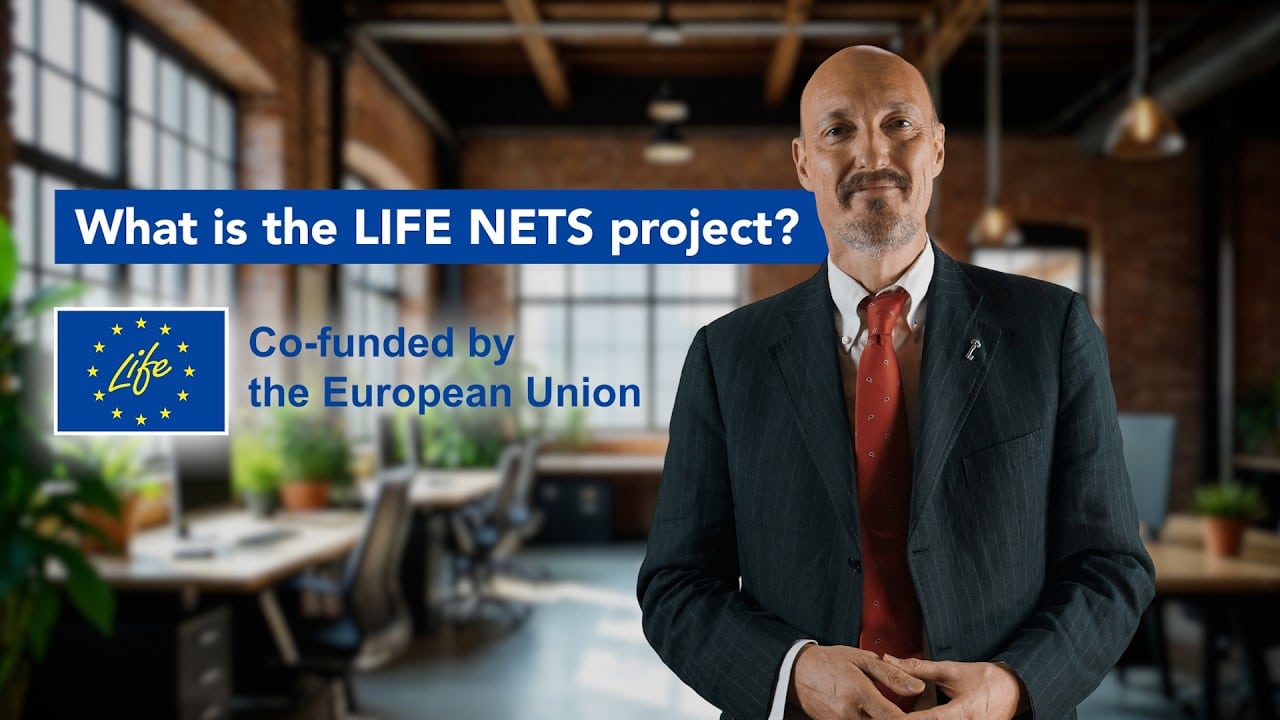
NETS stands for Net-Zero Emissions Trading System, but the acronym also captures other meanings that are relevant to the project:
- Negative Emissions Technologies that will be needed to achieve climate neutrality by 2050
- Network theory that will be used in our analysis
- Social safety nets that will be key to addressing increasing carbon prices
- Networks of experts that will be created through the project
The project comes at a crucial moment for the EU ETS (and of climate policies worldwide), with the system under attack from various opinion-makers and governments, mainly for its alleged competitiveness and distributional effects. While these potential adverse effects should not be ignored or easily dismissed, the system was conceived with internal mechanisms to address them. And the ongoing reform intends to further improve the EU ETS in light of the new challenges it faces along the way. To help this process, LIFE NETS aims at improving how Emissions Trading Systems (ETSs) are designed, understood, and supported. As carbon prices rise and expand to new sectors, public acceptance and transparency become more important than ever. This seems particularly important, since after more than 20 years of EU ETS, many citizens and small businesses are still unaware of how it works, what it achieves, or how it affects them. The system’s complexity and technical nature often obscure its benefits, leaving the public with a one-sided perception focused on costs rather than climate gains.
To facilitate the system’s comprehension and evaluation, LIFE NETS will act as both a knowledge hub and a collaboration platform for everyone involved in or affected by emissions trading, focusing on its four main pillars:
- Making ETS data accessible and understandable
- Improving communication about carbon pricing
- Building capacity through training
- Creating networks for collaboration and dialogue
For this purpose, we will:
• Develop an innovative EU ETS Data Tracker to enhance and visualise complex information for broader accessibility.
• Conduct a behavioural experiment to understand how to increase public support for carbon pricing.
• Offer training courses for policymakers and stakeholders worldwide.
• Host academic and policy dialogues to exchange ideas and strengthen collaboration among scholars, regulators and stakeholders.
NETS is the fourth LIFE project conducted by the Climate team at FSR after LIFE SIDE (2016-2018), LIFE DICET (2019-2022), and LIFE COASE (2023-2025). Still, I feel as excited as I was when I started as Director of the Climate area at FSR with the first project many years ago. And the reason is that I have seen these projects growing in terms of results, outreach and impact over time.
In fact, through our projects, we provided evidence-based technical background reports that nurtured debate on climate policies among researchers and policymakers. To continue and facilitate this science-policy dialogue and build a bridge between two often separated worlds, LIFE NETS actively involves as members of our Advisory Board experts and policy-makers from the European Commission, Brazil, California, Canada, China, Japan, New Zealand, Quebec, Switzerland, UK…and the family keeps growing!
At FSR we believe that the transition to net zero cannot succeed without informed citizens, skilled policymakers, and international cooperation, and LIFE NETS will be working to achieve all these goals.
So, what’s next on NETS? Keep reading our blog posts, and you’ll soon discover it.
Don’t miss any update on this topic
Sign up for free and access the latest publications and insights
More on the topic