

Type of event: Online Event
Financing carbon neutrality in developed and developing countries: carbon pricing and beyond

To meet the ambitious goals of the Paris Agreement, developed and developing economies will need to decarbonize at a fast pace. The ability to channel finance to mitigation activities will be essential in this process. Facilitated by financial institutions, countries need to establish frameworks governed by clear rules to ensure emissions get effectively reduced. Among other mechanisms, pricing carbon is key in achieving an ambitious and just transition in both developed and developing countries. It can also generate income to address equity issues.
This COP27 event will take place on Friday 11 November 2022, at 16:45-18:15 EET in the Room Amon of the UNFCCC Pavilion, and will be live-streamed on Youtube.
The official side event is co-organised by PIK Potsdam, EUI, ICAP and MCC Berlin.
Watch the streaming here:
Chair, introduction and conclusions
- Johan Rockström, PIK
Moderator of the discussion
- Jos Delbeke, EUI
Discussants:
Part 1: Carbon pricing, state of play globally
- Simone Borghesi, EUI and University of Siena
- Stefano De Clara, ICAP
- Martin Hession, European Commission
Part 2: Carbon pricing, climate finance perspectives in developing countries
- Silvie Kreibiehl, IPCC AR6 WG3 Finance Chapter CLA
- Dora Benedek, IMF
- Bernice van Bronkhorst, World Bank (tbc)
Part 3: Discussion with the presenters and Q&A with the audience
Check out the presentations:
- Stefano De Clara, ICAP – Emission trading worldwide
- Simone Borghesi, EUI – Carbon pricing and the social acceptability of climate policies
Don’t miss any update on our events
Sign up for free and access the latest events from our community.
More on the topic






An Overview of Recent Energy Case Law from the CJEU, December 2022

The FSR Energy Union Law Area is pleased to announce the next edition of its biannual update on recent and pending energy case law at the Court of Justice of the European Union (CJEU). This event will offer a comprehensive overview of the most significant energy cases since the last case law update, which took place in June 2022.
In this briefing, Dr Adrien de Hauteclocque, Head of Cabinet of the President of the General Court and Professor Leigh Hancher, Director of the FSR Energy Union Law Area, will discuss highlights from the latest case law.
The cases that will be discussed include:
- C-46/21 P – ACER v Aquind (Opinion of Advocate General Campos Sánchez-Bordona)
- T-631/19 – BnetzA v ACER
- C-721/20 – DB Station & Service
- C-348/20 – Nord Stream 2 v Parliament and Council
- T-793/19 – Tirreno Power v Commission,
- T-794/19 – Set v Commission
- C-578/21 P – Irish Wind Farmers’ Association and Others v Commission
- T-469/20 – Netherlands v Commission
- T-101/18 – Austria v Commission
- Joined Cases C-702/20 and C-17/21 (Opinion of Advocate General Rantos)
- C-470/20 – Veejaam and Espo (Opinion of Advocate General Rantos)
The event will also include a discussion of energy law cases currently pending before the Court.
More on ECJ Case Law
If you want to catch up on earlier CJEU developments, you can watch the recordings of our sessions from June 2021 here, December 2021 here, and June 2022 here.
Energy Union Law & Policy
FSR Energy Union Law area provides a forum for critical discussion and independent analysis of the developments in EU energy law and policy. Our activities are aimed at professionals from national energy regulatory authorities, European and international institutions, energy-focused law firms, consultancies and energy utility companies.
Don’t miss any update on our events
Sign up for free and access the latest events from our community.
More on the topic



FSR Climate Annual Conference 2022
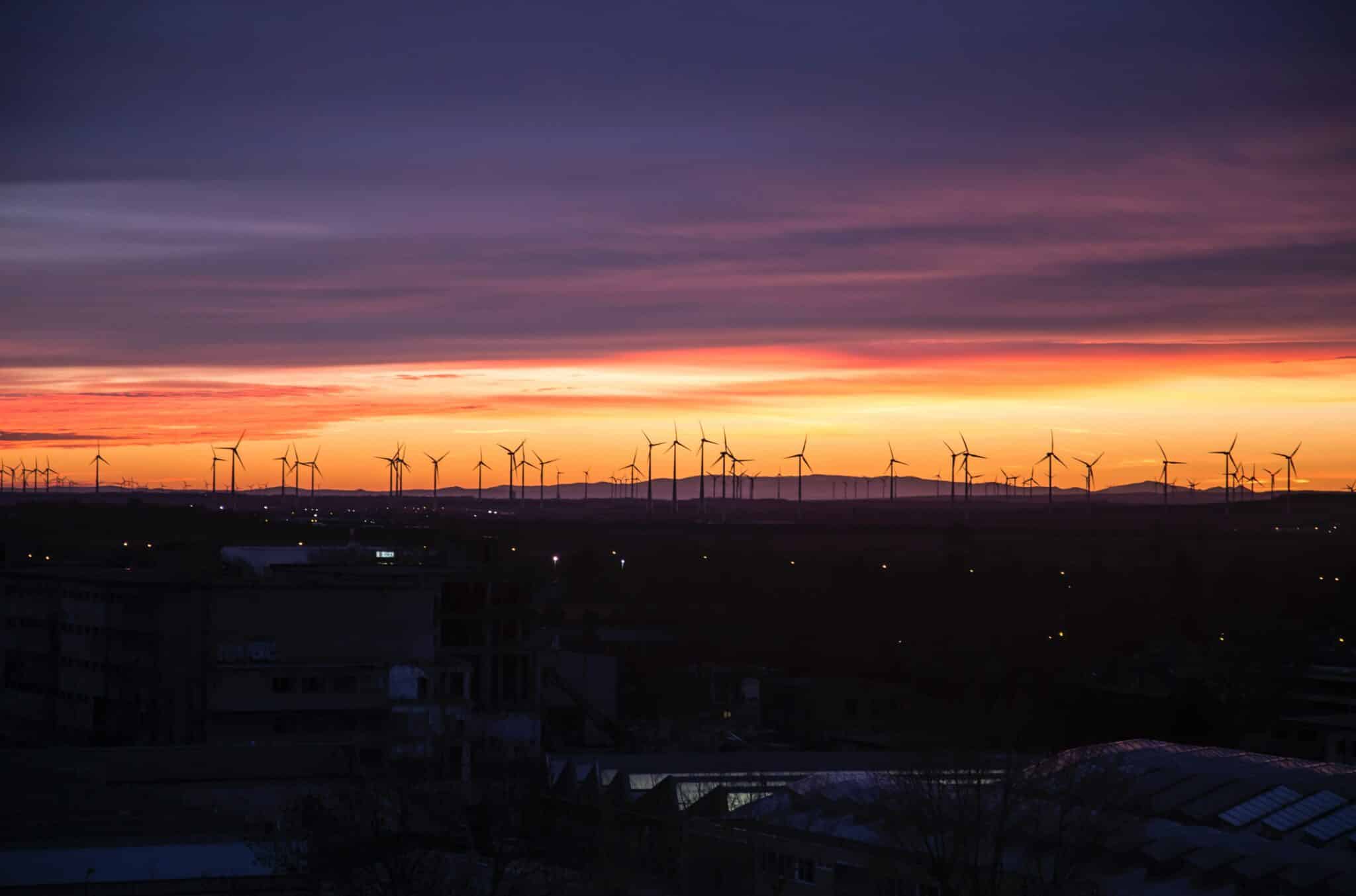
FSR Climate is pleased to announce its 8th Annual Conference on the Economic Assessment of European Climate Policies to take place online on Thursday 1 and Friday 2 December 2022.
The conference will cover the main climate-related existing policies at the EU, national, international and sub-national levels. It will include three sessions on Environmental taxation, Emissions trading, and Energy Transition. In addition, the conference will comprise a keynote speech from Mar REGUANT (Northwestern University), and a policy session focused on the key outcomes of COP27.
The FSR Climate Annual Conference will be held online through Zoom Webinar.
Chair: Simone BORGHESI (FSR Climate/EUI & University of Siena)
Thursday 1 December
10:00-12:15 | Session – Environmental taxation
- Till REQUATE (Kiel University) – Commitment Timing to Environmental Policy and the Adoption of Low-Pollution Technologies: An Experiment [abstract] [slides]
- Adrien FABRE (CIRED & ETH Zurich) – Fighting Climate Change: International Attitudes Toward Climate Policies [abstract] [slides]
- Santiago RUBIO (University of Valencia) – Climate Clubs, Border Carbon Adjustment, and Trade Wars [abstract] [slides]
- Lucy NAGA (Durham University) – Kantian Preferences and Dirty Goods within the Ramsey Model of Optimal Taxation [abstract]
14:15-15:45 | Policy Session on the outcomes of COP27
- Jos DELBEKE (STG/EUI & KU Leuven)
- Karen PITTEL (ifo Institute & University of Munich)
- Jacob WERKSMAN (DG Climate Action)
- Angela CHURIE KALLHAUGE (Environmental Defense Fund)
More info here.
16:00-17:00 | Keynote Speech
- Mar REGUANT (Northwestern University) – Successes in the renewable expansion: learning from Spain and Chile [abstract] [slides]
Friday 2 December
10:00-12:15 | Session – Emissions trading
- Misato SATO (London School of Economics) – Carbon Leakage, Consumption, and Trade [abstract] [slides]
- Marie RAUDE (EconomiX) – Firms in the EU ETS: a categorisation based on transaction behaviour [abstract] [slides]
- Johanna CLUDIUS (Öko-Institut) – An ETS-2 for buildings and road transport: Impacts, vulnerabilities and the role of the Social Climate Fund [abstract] [slides]
- Michael PAHLE (PIK – Potsdam Institute for Climate Impact Research) – Fit for climate neutrality? The EU carbon market in 2030 and beyond [abstract] [slides]
14:00-16:15 | Session – Energy transition
- Pedro LINARES (Comillas Pontifical University) – How much storage do we need for the energy transition? [abstract] [slides]
- Thomas DULAK (Université Libre de Bruxelles) – The dog that didn’t bark: the reaction of financial markets to the court ruling in Milieudefensie v. Royal Dutch Shell plc. [abstract]
- Elena VERDOLINI (EIEE & University of Brescia) – Policy choice, timing and stringency and the direction of innovation [abstract] [slides]
- David RAPSON (UC Davis & Federal Reserve Bank of Dallas) – The Electric Ceiling: Limits & Costs of Full Electrification [abstract] [slides]
16:15-16:30 | Conclusions
The event is organised by EUI with the support of EAERE.
Past editions of the FSR Climate Annual Conference:
FSR Climate Annual Conference 2021
FSR Climate Annual Conference 2020
FSR Climate Annual Conference 2019
FSR Climate Annual Conference 2018
FSR Climate Annual Conference 2017
Don’t miss any update on our events
Sign up for free and access the latest events from our community.
More on the topic


To reform or not to reform EU energy markets?
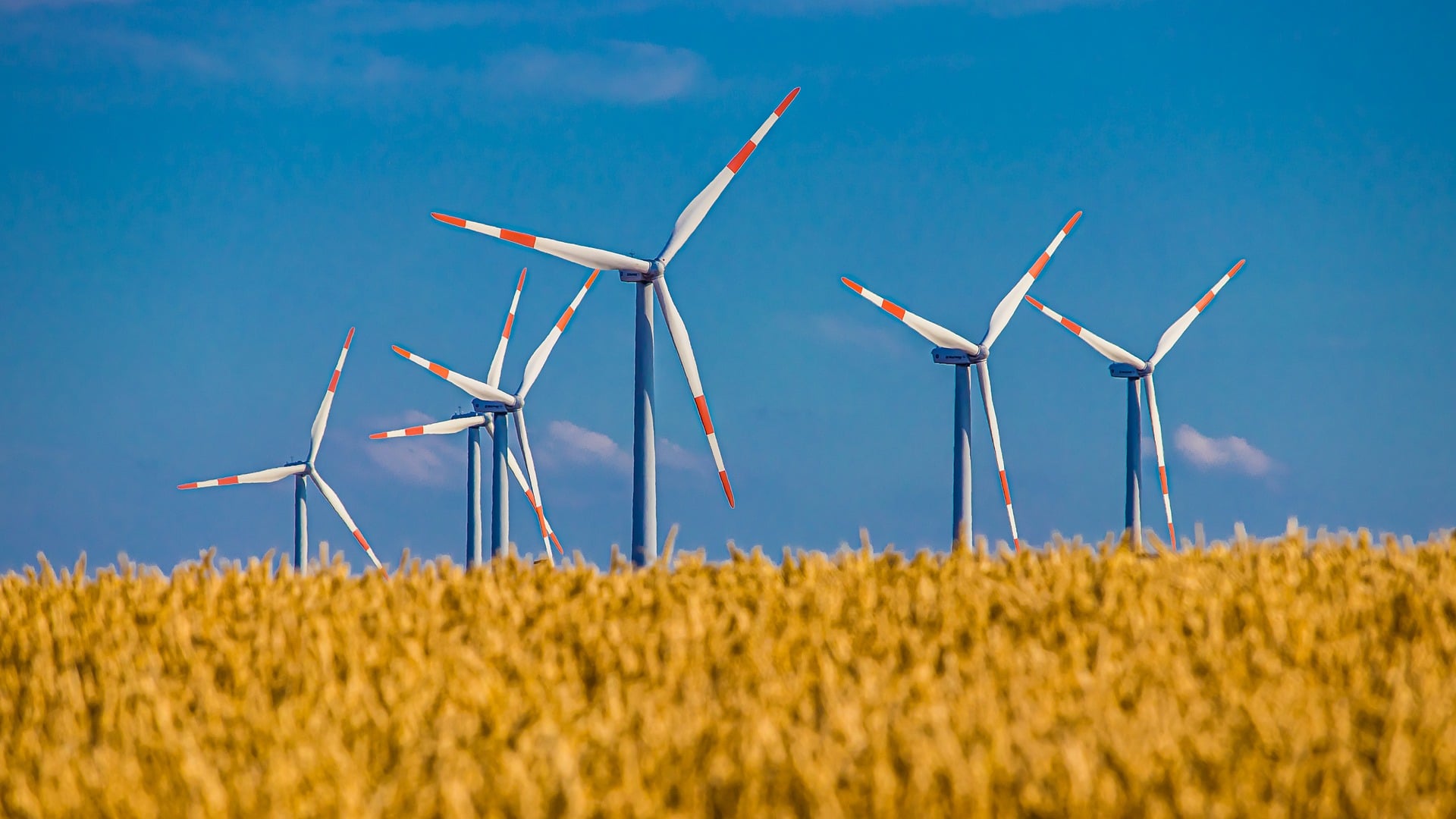
To reform or not to reform EU energy markets? In this FSR Debate, we explore the two sides of the issue.
On the one side, the European Commission, energy regulators and incumbents see no need for change: “there is of yet no clear evidence that alternative market framework would provide cheaper prices and better incentives” (EC, COM(2021) 660, 13.10.2021); “ACER’s assessment is that the current market design is worth keeping” (ACER Final assessment of April 2022); “We, therefore, urge the European Commission and all Member States to avoid changing the current electricity price-setting mechanism” (joint industry call to safeguard the benefits of the Internal Energy Market of 29.04.2022).
On the other side, Governments announced structural market reforms: “As part of the expansion of renewable energies, we will develop a new electricity market design” (German Government Programme, 2021); “We also wish to revise, in structural terms, how the price of electricity is formed (…) This is a systemic problem and must be resolved with structural solutions, decoupling the price of gas from the price of electricity” (Mario Draghi’ speech at the European Parliament, 03.05.2022).
In a recent report, written with the support and contribution of several energy experts, Jorge Vasconcelos proposes a reform of EU energy markets based on two principles:
- ensuring the existence of a revamped, open to innovation, cross-border electricity market based on common rules;
- fostering the emergence of local markets where energy system integration takes place through suitable local platforms.
The report offers a conceptual framework for the design of innovative multi-sector and multi-level energy architectures and brings new light on several related issues, from fairness to financing and infrastructure planning. The aim is to better understand how electricity market reform can accelerate decarbonization and strategic energy autonomy.
Agenda of the event
Introductory remarks
Jean-Michel Glachant | FSR Director, Loyola de Palacio Chair
Report introduction
Jorge Vasconcelos | FSR Part-time Professor
Comments
Claude Turmes | Minister for Energy and for Spatial Planning, Luxembourg
Christian Zinglersen | ACER Director
Vicente López-Ibor Mayor | President, European Federation of Energy Law Associations
Frauke Thies
Discussion
Jorge Vasconcelos was the first Chairman of the Council of European Energy Regulators and one of the founding fathers of the existing cross-border EU electricity market model. He is a strong supporter of the Internal Energy Market but, on the other hand, he has been advocating structural reforms to align the market with current policies (carbon neutrality) and technologies (digitalization, storage, etc.) for many years.
Don’t miss any update on our events
Sign up for free and access the latest events from our community.



An Overview of Recent Energy Case Law from the CJEU, June 2023
The FSR Energy Union Law Area is pleased to announce the next edition of its biennial update on recent and pending energy case law at the Court of Justice of the European Union (CJEU). This event will offer a comprehensive overview of the most significant energy cases since the last case law update, which took place in December 2021.
In this briefing, Dr Adrien de Hauteclocque, Head of Cabinet of the President of the General Court and Professor Leigh Hancher, Director of the FSR Energy Union Law Area, will discuss highlights from the latest case law.
The cases that will be discussed include:
ACER
Internal Market
C-179/20 – Fondul Proprietatea
Energy/Environment
C-177/19P – Allemagne – Ville de Paris and Others v Commission
State Aid
T-623/20 – Sun West and Others v Commission
C-429/20P – Solar Ileias Bompaina v Commission
T-565/19 – Oltchim v Commission
Competition
T-399/19, T-616/18 – Polskie Górnictwo Naftowe i Gazownictwo v Commission
C-377/20 – Servizio Elettrico Nazionale and Others (Opinion of Advocate General Rantos)
C-721/20 – DB Station & Service
More on ECJ Case Law
If you want to catch up on earlier CJEU developments, you can watch the recordings of our sessions from November 2020 here, June 2021 here, and December 2021 here.
Energy Union Law & Policy
FSR Energy Union Law area provides a forum for critical discussion and independent analysis of the developments in EU energy law and policy. Our activities are aimed at professionals from national energy regulatory authorities, European and international institutions, energy-focused law firms, consultancies and energy utility companies.
Don’t miss any update on our events
Sign up for free and access the latest events from our community.
More on the topic
EU getting rid of Russian energy addiction? When? How?

A Bruegel – Florence School of Regulation common initiative
The terrifying invasion of Ukraine will destroy existing relations between the EU and Russia for decades. Since Russia is the EU main supplier of oil, natural gas and coal, the EU has to redefine its energy future, starting from today.
However, we still need to discover how the EU will enter this new world. And the best way to do that is presumably to meet and to discuss it altogether.
It is what Bruegel, a leading Think-Tank in Brussels, and Florence School of Regulation, a Higher Education Centre, will do on Wednesday 24 March at 1:00 pm – 2.45 pm CET.
The first session of the event will explore European life without Russian energy. How will it come? What are the likely main consequences of getting rid of Russian energy?
We will do that with Georg Zachmann (Bruegel), answering to the question “Can the EU make it without Russian oil, gas and coal?”; and with Jean Pisani-Ferry (both Bruegel & EUI), answering the question “Can the EU manage first an ‘oil shock’ by stopping using of Russian energy, and then go straight to an accelerated “Macro Green Shock” to get rid of fossil energy?”
The second session will look at the reactions of European people and countries: will they be bolder, even hardliners?
We will do that with Alex Stubb, former Finnish PM (STG at EUI), answering to the question “Can Finland and other Nordics push a “hard-line” policy of European Security: a kind of Russian oil & gas ban or phasing out, plus acceleration of energy transition, plus acceleration of European defence build-up?”; and with Andris Piebalgs, former Latvian minister & EU Commissioner (FSR at EUI), answering the question “Can the Baltic & Eastern EU countries push a “hard-line” policy of European Security: a kind of Russian oil & gas ban or phasing out, plus acceleration of energy transition, plus acceleration of European defence build-up?”
Agenda of the event
First session: Without Russian gas?
Moderator: Ilaria Conti (FSR, EUI)
- Can the EU make it without Russian gas oil and coal? Georg Zachmann (Brueghel)
- Can the EU manage first an “oil shock” with Russian gas, and then go straight to an accelerated “Macro Green Shock” to get rid of this gas? Jean Pisani-Ferry (Brueghel; RSCAS, EUI)
- Q&A
Second session: Against Russian gas?
Moderator: Jean-Michel Glachant (FSR, EUI)
- Can Finland and other Nordics push a “hard-line” policy of European Security: Kind of Russian oil, gas and coal ban or phasing out, plus acceleration of energy transition, plus the acceleration of European defence? Alex Stubb (STG, EUI) TBC
- Can the Baltic & Eastern EU countries push a “hard-line” policy of European Security: Kind of Russian oil, gas and coal ban or phasing out, plus the acceleration of energy transition, plus the acceleration of European defence? Andris Piebalgs (FSR, EUI)
- Q&A
Read more
Preparing for the first winter without Russian gas | Bruegel
Don’t miss any update on our events
Sign up for free and access the latest events from our community.
Speakers
More on the topic
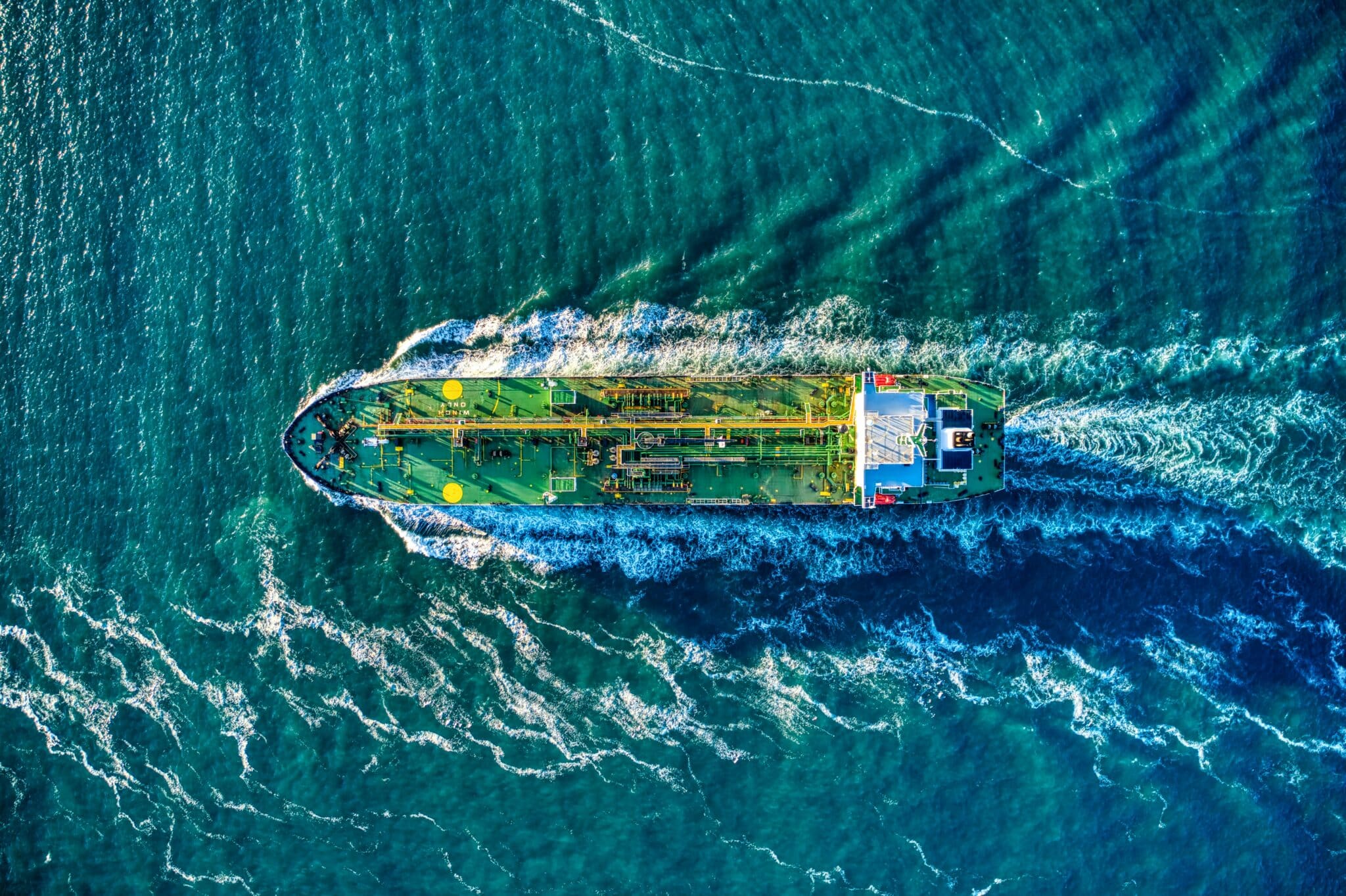


Linking Emissions Trading Systems: research insights from LIFE DICET

In the context of the Paris Climate Agreement, there is today a strong need for enhanced international cooperation fostering emissions trading around the world. Based on the research of the project called LIFE DICET – Deepening International Cooperation for Emissions Trading, this webinar will provide a better understanding of the regulation of carbon markets and the implications for their possible integration. It will take place on 7 April from 12.00 to 13.00 CEST.
WATCH THE RECORDING:
The webinar “Linking Emissions Trading Systems: research insights from LIFE DICET” aims at summarising the Carbon Market Policy Dialogue about the relevance and challenges of linking emissions trading systems (ETSs). Building upon the Online Training, the objective of this webinar is to translate the research of the project LIFE DICET – Deepening international cooperation on emissions trading – into learning and to bring it to a much wider audience.
Special attention is devoted to the six ETSs represented in the Carbon Market Policy Dialogue (those of California, Quebec, EU, Switzerland, China and New Zealand) and to the topics of research “Emissions trading systems with different measures for carbon leakage prevention: implications for linking” (topic 3) and “ETS Alignment: possible reforms for carbon market integration” (topic 5).
A brief summary of the past and current research will be presented by the lead researchers, then, the floor will be open for questions.
12.00-12.05: Welcome by Simone BORGHESI, Director of FSR Climate and LIFE DICET.
12.05-12.40: Presentations
- “ETSs with different measures for carbon leakage prevention: implications for linking” by Stefano F. VERDE, Assistant Professor at the University of Siena
- “ETS Alignment: possible reforms for carbon market integration” by Baran DODA, Head of Programme Carbon Markets and Pricing at adelphi, Senior Project Manager at the International Carbon Action Partnership and External Collaborator of LIFE DICET
12.40-13.00: Questions and answers
Check out the resources and publications of LIFE DICET here.
LIFE DICET is a project co-financed by the EU LIFE Programme of the European Commission.
Don’t miss any update on our events
Sign up for free and access the latest events from our community.
More on the topic
How to maximise cost-effectiveness in the energy transition?

A presentation and discussion on the latest FSR study on the cost-effectiveness of decarbonisation efforts.
Christopher Jones and James Kneebone of the Florence School of Regulation (FSR) will be joined by Ilaria Conti, Head of FSR Gas for a discussion on cost-effective decarbonisation of the energy sector, with a focus on the recently published ‘Florence School of Regulation: Cost-effective decarbonisation study 2022’.
This study, which represents a short follow-up to the original and more comprehensive cost effectiveness study, aims to take stock and frame developments in the past months in the context of EU energy policy, and to reassert some of the key messages from the 2020 publication that remain relevant. The key areas of focus for the study are on renewable energy metrics (capacity and cost), hydrogen costs (green, turquoise, blue), as well as the influence of market factors on cost-effectiveness of gas switching, namely the European carbon price (ETS).
The event will also elaborate on some of the policy-related conclusions that can be drawn from the findings, in the context of recent legislative developments in this area. A Q&A with the audience will follow.
Read more
Policy implications of 2022 Cost-effective Decarbonisation Study
Don’t miss any update on our events
Sign up for free and access the latest events from our community.
Speakers
More on the topic
1st Meeting of the EU Platform on Municipal Solid Waste Regulation & Governance

Governance Arrangements and Market Structure
In 2020, the Florence School of Regulation produced a paper highlighting municipal solid waste (MSW) key data and challenges in Europe in terms of institutional setting, market characteristics, funding arrangements and current situation against MSW EU targets, underlining recent waste generation and treatment trends, and looking at future capital and operational expenditure required to reach MSW EU targets and the associated financing options.
The same year, two online events were held, gathering regulators, operators, professional associations, researchers, policy-decision makers, and financing institutions who shared their views on the current and forthcoming challenges of the sector.
It is time to consolidate this dialogue and work stream into a “European Platform on MSW Regulation and Governance” that will address key regulatory and governance issues, and thus contribute to pave the road for the necessary reforms and changes to successfully implement the EU Circular Economy Package.
To contribute and ensure a high-level and independent debate and research on economically and socially sound regulation and governance, the EU Platform on MSW Regulation and Governance will continue to gather a variety of stakeholders including regulators, operators, local authorities, the European Commission, academics and researchers, EU financial Institutions, etc.
The first meeting of the EU Platform on MSW Regulation and Governance will be held virtually on 16th November from 10am to 12:30pm and will focus on governance arrangements, cost analysis and market structure of the MSW sector in Europe with contributions from researchers, NGOs, regulators, and operators.
Presentations
-
EU Platform on Municipal Waste Regulation & Governance
Salvetti
-
Urban regions shifting to Circular Economy
Obersteg
-
Waste governance as environmental stewardship
Lee-Geiller
-
Is the waste sector rigged to meet today’s megatrends
Bugge
-
Generalised EPR
Puig Ventosa
-
Introducing and enhancing competition
Sebo
-
Cost Efficiency and market structure in the European Municipal Solid Waste Sector
Pfeffer
Don’t miss any update on our events
Sign up for free and access the latest events from our community.
More on the topic

An Overview of Recent Energy Case Law from the CJEU, December 2021
The next edition of the FSR Energy Union Law Area’s popular biannual update on recent and pending energy case law at the Court of Justice of the European Union (CJEU) will take place online on Friday, 3 December 2021 from 14.30-16.00 CET.
We are pleased to confirm that we will once again be joined by Dr Adrien de Hauteclocque, Head of Cabinet of the President of the General Court, who will provide attendees with an insight into the most important energy law developments at the General Court and the Court of Justice.
The cases we will address include:
C-718/18 – Commission v Germany
T-300/19 – Achema and Lifosa v Commission
C-57/19 P – Commission v Tempus energy and Tempus Energy Technology
T-167/19 – Tempus Energy Germany and T Energy Sweden v Commission
An overview of cases currently pending before the Court will also be provided.
Programme
Introduction
Leigh Hancher, Florence School of Regulation
C-718/18 – Commission v Germany
Adrien de Hauteclocque, Head of Cabinet of the President of the General Court
C-848/19 P – Germany v Poland
Max Münchmeyer, PhD Researcher, European University Institute
T-300/19 – Achema and Lifosa v Commission
C-57/19 P – Commission v Tempus energy and Tempus Energy Technology
T-167/19 – Tempus Energy Germany and T Energy Sweden v Commission
Leigh Hancher, Florence School of Regulation
An Overview of Pending Cases
Adrien de Hauteclocque, Head of Cabinet of the President of the General Court
Questions and Discussion
More on ECJ Case Law
If you want to catch up on earlier CJEU developments in the year, you can watch the recordings of our sessions from April 2020 here, November 2020 here and June 2021 here.
Energy Union Law & Policy
FSR Energy Union Law area provides a forum for critical discussion and independent analysis of the developments in EU energy law and policy. Our activities are aimed at professionals from national energy regulatory authorities, European and international institutions, energy-focused law firms, consultancies and energy utility companies.
Presentations
Don’t miss any update on our events
Sign up for free and access the latest events from our community.
Speakers
More on the topic
A Modern Guide to the Digitalization of Infrastructure
Presentation of the Book

Inspired by the recently published book “A Modern Guide to the Digitalization of Infrastructure”, this webinar will provide a comprehensive overview of how the digitalisation process affects infrastructure-based industries, including telecommunications, transport, energy, water and postal services.
The contributors of this book are the experts of DIGEX, a working group (think tank), Digitalising Infrastructure Group of Experts, established at the Florence School of Regulation.
At the webinar, DIGEX experts will share their views on how digitalisation is disrupting traditional infrastructure managers in terms of capacity management and traffic flows. They will also discuss key topics including data governance, data sharing, digital platforms, and sector convergence in relation to a specific type of infrastructure they are working on.
AGENDA
17:00 – 17:10 | Welcome, Introduction of the book
Prof. Juan Montero, Professor at EUI/ UNED; Editor of the book ‘A Modern Guide to the Digitalization of Infrastructure’
17:10-18:00 | Contribution from the authors
• Technology: Prof. Günter Knieps, Professor of Economics at the University of Freiburg
• Telecoms: Dr. Volker Stocker, Head of Research Group/Postdoctoral Researcher, The German Internet Institute / Technische Universität Berlin
• Maritime: Dr. Anastasia Tsvetkova, Docent, a postdoc researcher at the Laboratory of Industrial Management, Åbo Akademi University
• Aviation: Lorenzo Casullo, Associate Director, Ricardo
• Electricity: Nicolò Rossetto, Research Associate, Florence School of Regulation
• Water: Brenda Espinosa Apráez, PhD Researcher, Tilburg Law and Economic Center – Department of Law, Technology, Markets & Society, Tilburg University
18:00 – 18:20 | Q&A Session moderated by Prof. Juan Montero, Professor at EUI/ UNED; Editor of the book ‘A Modern Guide to the Digitalization of Infrastructure’
18:20 – 18:30 | Concluding remarks
Prof. Matthias Finger, Director of FSR-Transport, EUI; Editor of the book ‘A Modern Guide to the Digitalization of Infrastructure’
18:30 | Webinar ends
Don’t miss any update on our events
Sign up for free and access the latest events from our community.
More on the topic



Electric vehicles diffusion challenges
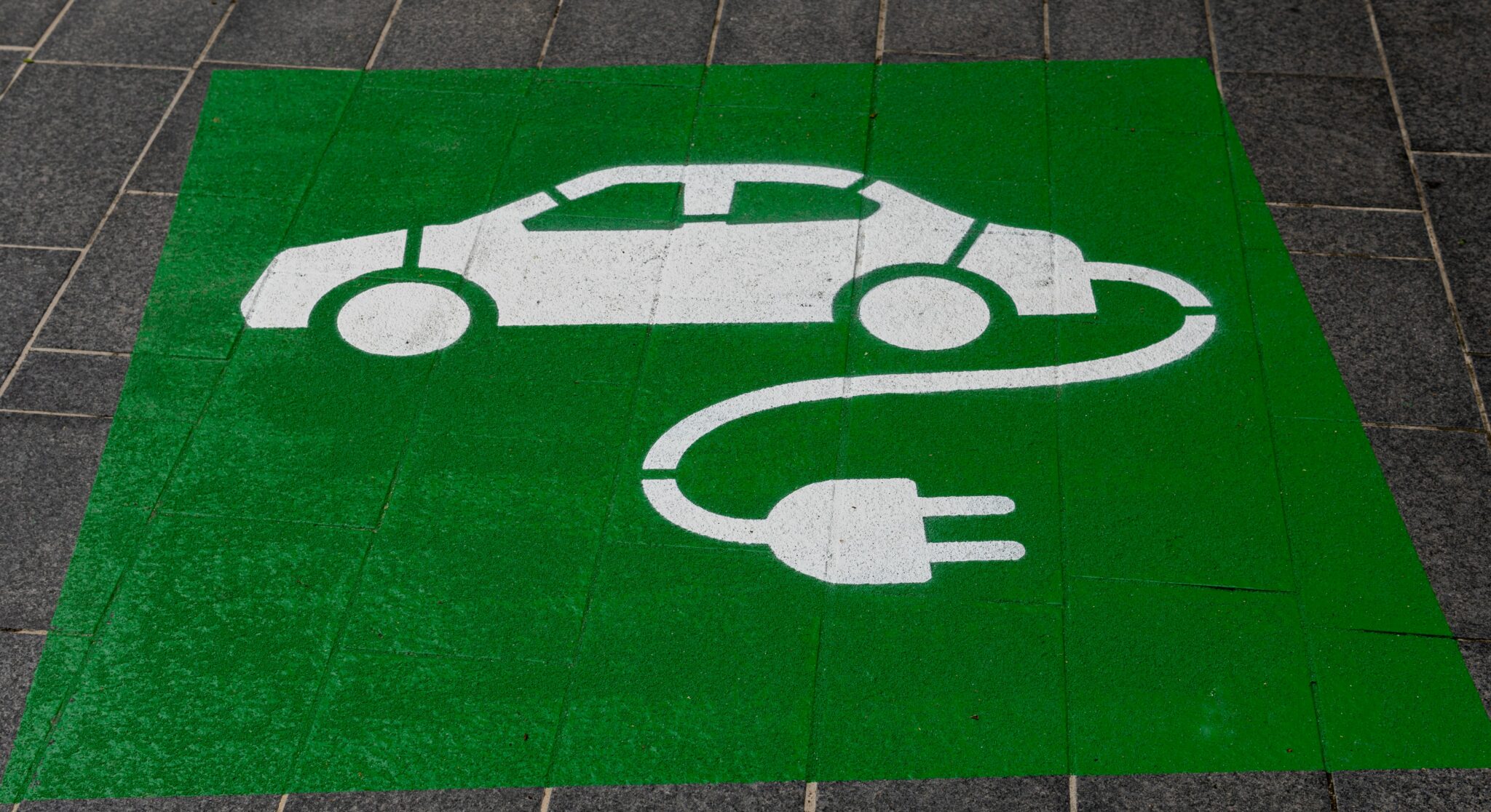
Since the last 3 years, Electric vehicles are booming around the world. In France 16% of the cars sold are Batteries Electric Cars and this situation raises new questions and requires exploring the economic consequences of this rapid diffusion for public policy, network developments and tariffs design.
This event organised by the International Association for Energy Economics and the Florence School of Regulation represents an opportunity to review Electromobility field experiments (By W. Kempton), Prospective Scenarios for 2030-2050 (by R. Lauvergne), Tariff Design for EVs (I. Freitas Gomes) and motorways electrification (Pierre de Firmas).
Moderators:
Yannick Perez, LGI- CentraleSupélec – University Paris-Saclay
Eric Hittinger, Golisano Institute for Sustainability at Rochester Institute of Technology
Speakers:
Willett Kempton (Center for Carbon-free Power Integration/ College of Earth, Ocean, and Environment/ University of Delaware)
Icaro Freitas Gomes (CentraleSupélec)
Remi Lauvergne (RTE / CentraleSupélec)
Pierre de Firmas (Enedis)
Don’t miss any update on our events
Sign up for free and access the latest events from our community.
More on the topic