How the war with Iran is reshaping Europe’s gas security
This is the second installment of the Topic of the Month: Rethinking energy security of supply in Europe
When war with Iran erupted on 28 February 2026, attention initially focused on oil markets and geopolitical escalation. Beneath the headlines, however, a quieter yet equally critical disruption began to unfold: a shock to global gas supply chains. For Europe, already in the midst of reshaping its energy system, the war has exposed a new layer of vulnerability.
The European Union (EU) has made significant efforts to reduce its dependence on Russian gas, replacing it with diversified imports, particularly liquefied natural gas (LNG). This strategy has improved resilience. Yet the war with Iran has revealed a new reality: Europe’s gas security is now closely tied to global maritime routes and geopolitical stability far beyond its borders.
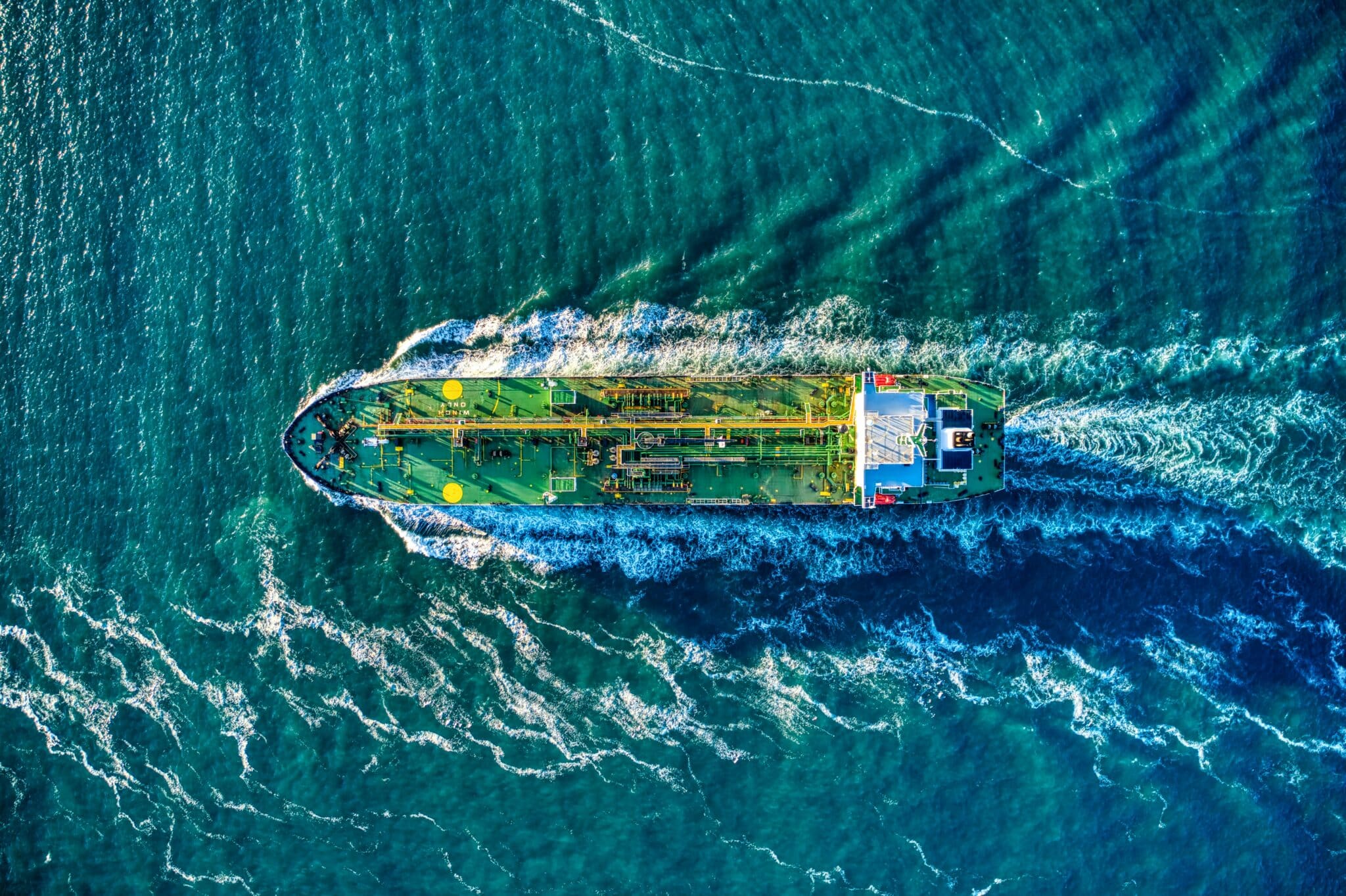
The current crisis is global. The closure of the Strait of Hormuz, a narrow waterway through which around 20% of global LNG exports pass, has had immediate consequences for energy markets. Qatar, one of the world’s largest LNG exporters, depends on this route for its shipments. During the winter of 2025–2026, approximately 7% of Europe’s LNG imports came from Qatar. While this may appear modest, even small disruptions can have outsized effects in a tight market. The situation worsened when Iranian attacks damaged gas infrastructure. Qatar reportedly lost up to 17% of its LNG export capacity, with recovery likely to take years. What might have been a short-term disruption has therefore become a longer-term structural constraint.
Since 2022, the EU has made notable progress in strengthening its gas supply system. It has diversified supply sources, expanded LNG import infrastructure, and reduced gas demand through efficiency measures. These efforts have paid off. Despite the current crisis, there is no immediate risk of gas shortages. The European Commission has confirmed that, while supplies are tight, overall security of supply remains intact.
This resilience, however, comes with a trade-off. Europe has become more dependent on global markets. LNG is flexible and can be sourced from multiple regions, but it is also subject to intense international competition and vulnerable to transport disruptions. As the Agency for the Cooperation of Energy Regulators (ACER) notes, this shift has increased exposure to global price volatility and logistical risks.
The most immediate impact of the war has been on prices. European gas prices surged sharply after the conflict began, with benchmark TTF prices rising by around 70% within days.
Asia, which relies heavily on LNG imports, has been even more affected by disruptions to Middle Eastern supply. As a result, Asian buyers have been willing to pay a premium to secure cargoes, creating an unprecedented price gap. LNG prices in Asia have reached record levels above European benchmarks.
The crisis struck just as Europe emerged from winter with low gas storage levels. By the end of March 2026, storage facilities in several EU countries were below 30% capacity. Storage acts as a buffer against supply shocks; when levels are low, the system becomes more fragile. Europe now faces the difficult task of refilling storage ahead of the next winter season in a highly competitive global market. Meeting storage targets may require significantly higher LNG imports, potentially at much higher prices.
The impact of the war extends far beyond energy markets. Rising gas prices feed directly into inflation. The European Commission estimates that the EU has already spent an additional €24 billion on fossil fuel imports since the start of the conflict. Industries that rely heavily on gas, such as chemicals, manufacturing, and fertilisers, are particularly vulnerable.
Given these pressures, why has Europe not experienced a full-blown supply crisis? The answer lies in preparation and the structural changes implemented in recent years.
First, the EU has diversified its supply sources. The United States has become the largest LNG supplier, accounting for around 30% of total gas imports, reducing dependence on any single region.
Second, Europe has expanded its LNG infrastructure. New terminals and increased capacity have enabled higher import volumes, ensuring that gas can be delivered where it is needed.
Third, demand reduction measures have played a crucial role. Since 2022, the EU has significantly reduced gas consumption, easing pressure on the system.
Finally, market integration allows gas to flow across borders within the EU, helping to balance supply and demand between Member States.
Together, these factors have created a system capable of withstanding shocks. Nevertheless, the war with Iran is a stark reminder of Europe’s ongoing vulnerability. The EU still imports the majority of its energy, around 57% of total consumption. As long as this remains the case, external shocks will continue to pose risks.
The current crisis has reinforced the urgency of accelerating the energy transition. Moving away from fossil fuels is not only a matter of climate policy, but also of security.
The European Commission’s AccelerateEU strategy highlights several key priorities: expanding renewable energy investment, accelerating electrification across sectors, and increasing energy efficiency. These measures aim to build a more resilient energy system that is less exposed to global market volatility. The challenge for policymakers is to strike the right balance, ensuring that the system remains both flexible and secure.
The war with Iran is unlikely to be resolved quickly. Even if the Strait of Hormuz fully reopens, damage to infrastructure and disruptions to supply chains will take time to repair. Markets are already pricing in a prolonged period of tight supply.
For Europe, this means continued uncertainty. The coming months will be critical. The ability to refill storage, secure LNG supplies, and manage demand will determine how effectively the EU can navigate the next winter.
The war with Iran is reshaping Europe’s understanding of energy security. It is no longer sufficient to diversify suppliers or build infrastructure alone. Energy security is now a global issue, shaped by geopolitical events thousands of kilometres away. Europe has shown that it can adapt, having weathered multiple crises and built a more resilient system. Yet as long as the EU remains dependent on imported fossil fuels, it will continue to be exposed to external shocks.
The path forward is clear, even if challenging: reduce dependence, accelerate the transition, and build an energy system that is not only resilient, but truly secure.
Don’t miss any update on this topic
Sign up for free and access the latest publications and insights
More on the topic