


Type of event: Forum
22nd Florence Rail Forum: Electricity and Infrastructure Managers – Is there a Need for Regulation?

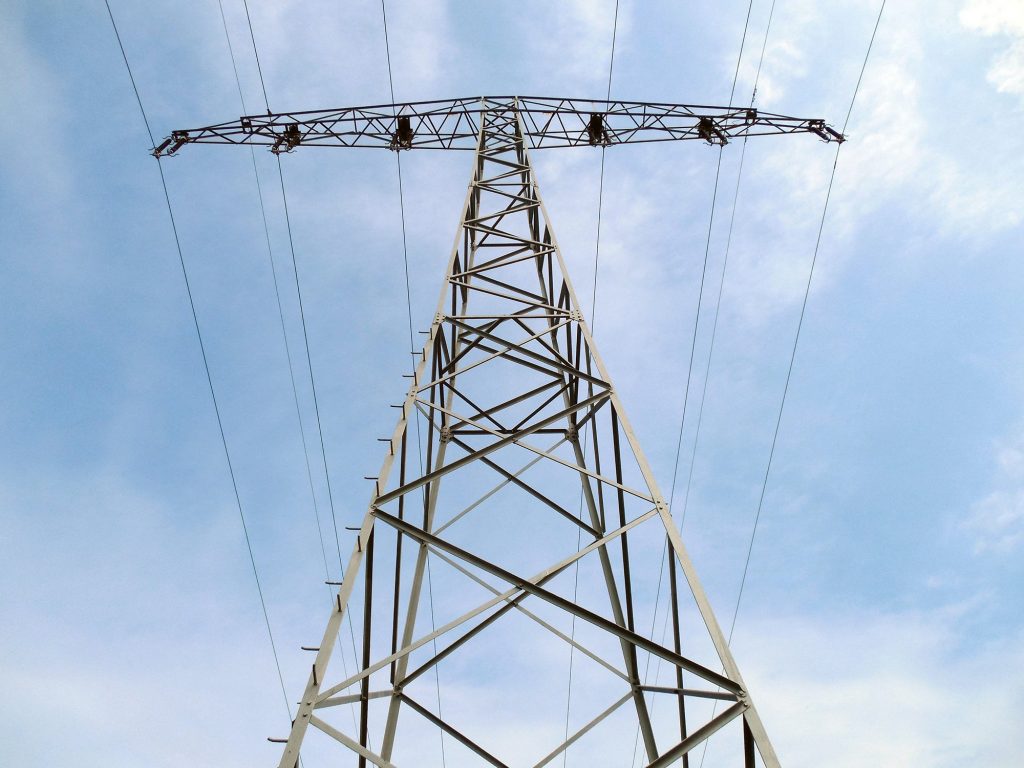
Electricity is used for railway traction. With the 4th Railway Package, traction current became excluded from the Minimum Access Package to be provided by the Infrastructure Managers (IMs) and was declared an additional service that could be acquired from third parties or even directly generated by the Railway Undertakings (RUs) themselves. It is, however, still common in many Member States to have the IMs as the only providers (the so-called “intermediaries”) of electricity for traction, be it for legal or for technical reasons. The question of traction current has recently gained attention because of the decarbonisation imperative on the one hand and the rise in electricity prices on the other. Overall, there seems to be a need for clearer regulation.
In the context of their corporatisation, railway operators were unbundled and their electricity generation, if they had any, was often sold to electricity generating companies. Most IMs now buy electricity on the market, even though some of the IMs still generate their own electricity or a portion thereof. With increasing electricity prices IMs are forced to manage their electricity portfolio more proactively (futures, hedging, etc.). Some of the IMs are even considering going back into the generation business be it in order to reduce price risks or in order to take advantage of renewables generation along their infrastructures. There might even be opportunities for IMs to sell electricity, for example for charging electric vehicles at railway stations. This raises the question as to how far IMs can go in terms of energy management and generation, thus the need for regulatory certainty. In particular, there is a need to clarify the interface between railway and energy regulation.
Against this backdrop, the 22nd Florence Rail Forum will bring together European and national policymakers, regulatory bodies, railway undertakings, infrastructure managers, and academics, among others, with a view to examining the following three critical questions:
- What are the current practices in the different Member States in matters of electricity for traction? What are the foreseen practices in some Member States?
- What are the technical and legal issues that complexify the matter?
- Is there a need for clarification, also with energy regulation, and what would be the way forward?
Please note that participation at this event is by invitation only.
Speakers’ presentation slides
Introduction
Matthias Finger – FSR-Transport
Alberto Oeo Pizarro – IRG-Rail
Alberto Pototschnig – FSR-Energy
Session A
Christian Wolf – German Federal Network Agency
Florian Baentsch – DB Energie GmbH
Session B
Don’t miss any update on our events
Sign up for free and access the latest events from our community.
More on the topic





10th Florence Intermodal Forum: Creating a Common European Mobility Data Space

Transforming Europe into a climate neutral economy by 2050 in line with the European Green Deal places a particular responsibility on the transport sector, which accounts for a quarter of the Union’s total greenhouse gas (GHG) emissions. Specifically, transport will have to collectively reduce its GHG emissions by 90% by mid-century compared to 1990 levels. To this end, the European Commission’s Sustainable and Smart Mobility Strategy (2020) underlines that decarbonising transport while rendering it safer, more efficient and accessible requires advancing digitalisation and enhancing the use of data in all modes of transport across both the passenger and freight segments.
Unlocking the full potential of mobility and transport data is indeed essential to accelerate the transition towards a more sustainable and smarter mobility system while offering valuable insights to policymakers. Digital technologies are already enabling innovations and disrupting all sectors of the economy. In transport, for instance, connected, automated and electric vehicles have seen major advances in recent years, while shared mobility and Mobility-as-a-Service (MaaS) are transforming the way we move both people and goods. Data has an instrumental role to play in all these trends. In addition, there is a growing need to enable data re-use across sectors, notably between mobility and the health and energy sectors.
Notwithstanding, data availability, access and exchange in the transport sector today continue to be hampered due to unclear regulatory conditions, the lack of an EU market for data provision, the absence of an obligation to collect and share data, incompatible tools and systems for data collection and sharing, different standards, or data sovereignty concerns, among others.
In view of this, the European Strategy for Data aims to establish a Single Market for data, where data can flow between countries and sectors and be accessed and used easily, in full compliance with European values and rules. The strategy announces the establishment of data spaces in strategic areas, including transport, where the development of a common European mobility data space is to facilitate access, pooling and sharing of transport and mobility data, building on existing and future initiatives and platforms.
In doing so, it will take into account the horizontal governance set out in the data strategy, the Data Governance Act and the Data Act. This mobility data space should function in synergy with key systems, including energy, satellite navigation and telecommunications while being cyber-safe and compatible with Union data protection standards. At the same time, a level playing field for data in the value chain must be preserved so that innovation can thrive and new business models emerge.
Against this backdrop, the 10th Florence Intermodal Forum, jointly organised by the Transport Area of the Florence School of Regulation and the European Commission’s DG MOVE (B4 Unit Sustainable and Intelligent Transport), will bring together relevant stakeholders representing policymakers, regulatory authorities, transport service providers, industry players, digital platforms and data sharing initiatives from different levels (from local to international). The Forum will offer a timely platform for the exchange of views on the key existing initiatives, opportunities and challenges to building a common European mobility data space. Stakeholders will be invited to identify existing mobility data sharing initiatives, gaps, overlaps and potential common building blocks.
Please kindly note that participation is by invitation only.
Speakers’ presentation slides:
Introduction
Juan Montero – European University Institute
Session A
Gilles Carabin and Astrid Schlewing – DG MOVE
Session B
Pauline Aymonier – TIER Mobility
Session C
Session D
Giulia Giussani – International Data Spaces Association
Roelof Hellemans – MaaS Alliance
Don’t miss any update on our events
Sign up for free and access the latest events from our community.
More on the topic


Carbon Market Policy Dialogue

Session “Alignment: possible reforms for carbon market integration” (Topic 5)
The third meeting of the Carbon Market Policy Dialogue (CMPD) of the LIFE DICET project brings together academia, stakeholders and senior policymakers from different carbon markets worldwide in a unique process for a fruitful exchange on carbon market integration. The CMPD meeting will be held on Thursday 7 July from 16.00-19.00 (CEST) on Zoom. Participation is by invitation only and the discussion will be held under Chatham House Rules.
This session of the CMPD meeting discusses “Alignment: possible reforms for carbon market integration“. Before the session, a background report will be shared with the participants to help stir the discussions. At the CMPD, the participants will discuss how, in concrete terms, the integration of the emissions trading systems (ETSs) may be realised. Specifically, the policy dialogue will address the following questions:
- What rules should ETS Regulators change in the respective ETSs, and how should they change them for integration?
- How should ETS regulators coordinate among themselves?
- What are the next steps to consider for carrying out these reforms?
The event will be chaired by Simone Borghesi, Director of FSR Climate. External speakers include:
- Hannah Lewis, Department for BEIS
- Jean-Yves Benoit, Québec Ministry of Environment
- Julia Ziemann, DG Climate Action
- Luca Taschini, University of Edinburgh
- Billy Pizer, Resources for the Future
The project LIFE DICET supports the European Union and Member States policymakers in deepening international cooperation for the development and possible integration of carbon markets. At its core, the CMPD aims to facilitate enhanced cooperation between Emissions Trading Systems regulators (ETS regulators), namely the European Commission (DG Climate Action), California-Quebec, China, Switzerland and New Zealand within the framework of the LIFE DICET project.
The conclusions reached concerning the four previous CMPD topics will be very useful for addressing these questions. The feedback received during the event will help us craft the report’s final version.
 The project LIFE DICET is co-financed by the EU LIFE Programme of the European Commission.
Don’t miss any update on our events
Sign up for free and access the latest events from our community.
More on the topic












9th Florence Intermodal Forum | Towards EU-wide Intermodal Ticketing

Starting from 2018 ‘Year of Multimodality’, the European Commission has put together a number of legislative and policy initiatives relating to better infrastructure, connections, incentives and digital solutions, with a view to promoting the shift towards a fully integrated, multimodal and sustainable transport sector.
However, at the moment there is only regulation, Delegated Regulation (EU) 2017/1926 on EU-wide multimodal travel information services, which establishes the necessary specifications to ensure that multimodal travel information services are accurate and available across borders to users. It supports the development of multimodal travel information services by mandating the accessibility and the possibility to exchange and reuse static travel and traffic information data, if they exist in digital machine-readable format, on National Access Points. Services facilitating payment and booking of mobility products are not part of this regulation. To help both passengers and/or other intermediaries compare different travel options, choices and prices, and to facilitate the sale and re-sale of mobility products from different operators, whether they are private or public, within one mode or across modes, the European Commission is preparing a new initiative on Multimodal digital mobility services (MDMS), which is to be presented by the end of 2022.
At the moment, MDMS are deployed in a fragmented manner, lacking proper legal and market frameworks to develop more successfully and to provide a full range of offers across the EU.
Many issues remain, such as difficult co-operation between mobility operators and multimodal digital mobility services; complex and lengthy negotiations to obtain licences and distribution agreements; the lack of common standards and interfaces; and the lack of solutions concerning revenue sharing. In some cases, those distribution agreements between operators (both public and private) and digital service providers are unbalanced, due to inequality of bargaining power in favour of incumbent operators. The recently introduced obligation for rail carriers[1] to provide to ticket vendors real-time travel information and access to the operation of reservation systems is only a first step in the right direction which needs to be further developed in the multimodal area.
In the rail sector, with its specific network structure which sometimes makes the use of multiple operators necessary, the limited uptake of fair and transparent underlying private agreements between operators on journey continuation is a barrier for ensuring a smooth passengers’ experience when combined journeys are sold, because passengers may not be offered any appropriate solution on how to reach their final destination in case of travel disruptions. Such agreements enable companies to ensure that passengers who miss a connection due to the late arrival of a previous train can be carried on a later train, reducing the risk to be stranded and making rail more attractive for a wider range of travellers. On the other hand, through-tickets, which ensure comprehensive passengers’ protection (including the journey continuation), are not often offered on the market. It remains to be seen to which extent the offer of through-tickets would increase based on the new obligation[2] that all international, long-distance domestic and regional services of rail carriers, which qualify as “sole undertakings”, shall be offered as through-tickets.
As a result, the full societal, economic and environmental benefits from enhanced multimodality and the use of the most sustainable transport modes are not achieved. Some current practices also risk limiting competition among transport service providers by restricting access to customers and the development of a healthy market for transport services[3].
The forum gathers European – and national- regulators, public transport operators, industry representatives and academics for a discussion on the challenges and enablers to delivering an EU wide multimodal ticketing, and particularly the Multimodal digital mobility services. More specifically, forum participants will tackle the following issues: interoperability, access to data, through-ticketing/journey continuation, and passenger rights.
Please note that participation in this forum is by invitation only.
__________________________________________________________________________________________
[1] Article 10 of the new Rail Passenger Rights Regulation 2021/782
[2] Article 12 of the new Rail Passenger Rights Regulation (EU) 2021/782
[3] https://ec.europa.eu/info/law/better-regulation/have-your-say/initiatives/13133-Multimodal-Digital-Mobility-Services_en
SPEAKERS’ PRESENTATION SLIDES:
Juan Montero – Florence School of Regulation Transport Area
Christopher Queree – Querée Consulting
Ghislain Delabie – La Fabrique des Mobilités
Juan Jesús García – Amadeus IT
Francis Sykes – RATP Smart Systems
Pauline Aymonier -TIER Mobility
Vittorio Carta – Deutsche Bahn
Norman Schadler – Agency for Passenger Rights, Austria
Don’t miss any update on our events
Sign up for free and access the latest events from our community.
18th Florence Air Forum | Towards Resilient and Sustainable Aviation: Implications for Competition and Competitiveness

The COVID-19 pandemic has almost forced the aviation industry to a halt in 2020, at least when it comes to the provision of passenger services: the number of active routes, as well as frequencies were substantially reduced while passenger volumes drastically declined. The impact of COVID-19 on aviation continues to be felt today, as the industry faces an uncertain recovery outlook. While EUROCONTROL forecasts 2022 traffic to recover to 70-90% of 2019 levels, the evolving pandemic has seen traffic fall away from its optimistic forecast to converge increasingly on the baseline forecast.
The Commission adopted several emergency measures to support the aviation sector during the pandemic. First, as confirmed by the discussions of the 17th Florence Air Forum, since the beginning of the COVID-19 pandemic, the Commission has enabled Member States to use the full flexibility provided under State aid rules to support the aviation industry. In particular, the Commission adopted a temporary framework for State aid rules in 2020, in force until 2022. Thanks to the massive State support approved by the Commission, the aviation ecosystem was thus able to stay afloat. However, this massive State support has also been asymmetric, as certain Member States have granted much higher amounts of aid than others.
This impact of COVID-19 on the competitive landscape in which aviation actors are operating must also be placed against the background of the decarbonisation imperative, as well as in the context of pervasive digitalisation. The combination of all these forces will inevitably result in a post-COVID-19 aviation industry that is significantly different from the one we know today. Consequently, competition law rules and the regulatory environment may have to be adapted to the new circumstances in the industry, and the different instruments (i.e., State aid, mergers, antitrust and the general EU regulatory framework for aviation) will have to be applied in accordance with the new reality. Building upon the discussions of the 17th Florence Air Forum, which centred on the short- and mid-term implications of the pandemic, the 18th Florence Air Forum will take a longer-term perspective in discussing the industry’s resilience and sustainability from both a regulatory and competition law perspective.
The Forum will be kick-started by a presentation of the main findings of the study commissioned by the Commission to assess the structural changes in the aviation market, including those pertaining to connectivity, pricing, competitiveness, as well as the changes to business models and travel demand, among others. Stakeholders will have the opportunity to react to the freshly presented findings while debating the questions: What are the structural changes in the market? What has been the impact of the COVID-19 outbreak on operators’ financial status and resilience? How long would it take them to recover? The Forum will also investigate how the pandemic has affected the provision of connectivity (e.g., more destinations but less frequency), ticket prices, travel habits and inter-modality, but also the implications on the competitive structure of different airlines, as well as on the relationships between airlines and airports. The findings of this analytical session will then inform the discussions in the subsequent sessions.
The second session will aim to draw lessons from the crisis. It will be dedicated to the various emergency measures adopted by the Commission including legislative (e.g., Airport Slots, Air Services Regulation, Ground Handling Directive) but also other non-legislative measures (e.g., Guidelines on State aid and emergency Public Service Obligations, Temporary Framework for State aid rules). In the context of State aid support, the Forum will discuss the effectiveness of the flexible rules introduced by the Commission, the limitations of existing State aid instruments, and not least, the issue of aid disparities (i.e., airlines vs. airports, and legacy carriers vs. low cost carriers). Participants will discuss the main challenges identified, including possible ways to address them in any next crisis, be it within the competition law or regulatory framework.
In a third session, the Forum will discuss possible ways of improving the resilience of the aviation sector, so as to reduce the amount of State support needed for airlines and airports during the next crisis, whatever shape it may take. For example, what could be the prudential and capital requirements for both airlines and airports to this end? How can the rules on slots, airport charges or ground-handling be improved to ensure that they are crisis-proof?
Last but not least, this Forum will tackle the timely topic of the aviation sector’s decarbonisation against the backdrop of the Fit for 55 Package. How to strike the right balance between advancing EU greening objectives and securing the competitiveness of EU airlines and airports? What is the role of regulation and/or State aid? How can we render airport acquis greener? Where can the financing come from? What role is there for multimodality (e.g., short haul bans, shift to rail, combination of air and rail)?
Please note that participation in this forum is by invitation only.
SPEAKERS’ SLIDES
Juan Montero – Florence School of Regulation Transport Area
Ernst-Jan Heuten – Netherlands Authority for Consumers and Markets
Don’t miss any update on our events
Sign up for free and access the latest events from our community.

17th Florence Air Forum . Short- and mid-term Covid-19 effects on the aviation sector. Competition law perspective

While air traffic levels have increased compared to Spring and Summer 2020, recovery is still slow and full of uncertainty. According to the last EUROCONTROL’s forecast, the most likely recovery scenario is that by the end of 2021, traffic will only have recovered to 72% of 2019 levels and it will only get close to pre-pandemic levels by 2025[1].
On 19 March 2020, the Commission adopted a Temporary Framework for State Aid measures, which is based on Article 107(3)(b)TFEU and complements other possibilities available to Member States to mitigate the social-economic impact of the coronavirus outbreak in line with EU State aid rules, notably the possibility under Article 107(2)b TFEU to compensate specific companies or specific sectors for the damages directly caused by exceptional occurrences, such as the coronavirus outbreak.
The 17th Florence Air Forum, co-organised by the Transport Area of the Florence School of Regulation together with the European Commission’s DG COMP’s Directorate F, will examine the hard impact of Covid-19 on the air sector and will explore possible ways-forward to ensure its recovery. More specifically, the main objective is to analyse whether special needs exist in the short-term/mid-term period, until the Aviation Guidelines are reviewed.
Session A of the forum is dedicated to investment aid and support to green investments of airports and airlines. The European Green Deal calls for a 90% reduction in greenhouse gas emissions generated by all transport modes, in order for the EU to become a climate-neutral economy by 2050. The 2030 Climate Target Plan and the 2020 Commission’s Sustainable and Smart Mobility Strategy require that aviation does its part in achieving climate neutrality by 2050.
To meet the objectives of the Green Deal, it is important that the aviation sector continues investing in green projects (such as the purchase of cleaner aircrafts, the improvement of environmental performance of airport buildings, the development of recharging or refuelling infrastructure for cleaner aircrafts, the development of multimodal hub and facilities, etc.), both in the short-term despite the current difficulties generated by the COVID-19 pandemic, and in the longer term.
The Commission is currently proposing to include the aviation sector (and more generally the transport sector) in the scope of the new Climate, Environmental protection and Energy Aid Guidelines (CEEAG). Specifically, it is proposed to open the possibility for this sector to benefit from environmental aid under the same horizontal conditions as all other sectors.
Last but not least, on 24 June 2021, the Biden administration announced a $1.2 trillion Bipartisan Infrastructure Framework, out of which $25 billion investments will be allocated to airports, to promote clean transportation infrastructure and resilience to the changing climate. What is the European answer to the same compelling issue?
Session B focuses on operating aid to regional airports. The Aviation Guidelines (AG) were adopted in 2014 and set out the conditions under which member states and local authorities can grant state aid to airports and airlines in the EU.
Although operating aid is very distortive, the 2014 AG allow such aid for small airports for a transitional period of 10 years, in view of the important role that these airports play for regional connectivity, and of the difficulties faced by those airports to adjust their business model to increased market competition. Thus, once the transitional period expires on 3 April 2024, no operating aid will be authorised under the AG. This transitional provision relied on the assumption that market changes promoted by the AG would have allowed airports to adjust and cover their costs by the end of the transitional period. Unprofitable airports were supposed to close, thereby reducing overcapacity in the market.
However, in the context of a comprehensive policy evaluation of the State Aid Modernisation (SAM) package (“Fitness Check”) launched in 2019, the Commission found that the phasing out of operating aid to small airports is likely to create difficulties for small airports (less than [500 000 – 700 000] passengers) because many of them will not be capable to cover their operating costs by 2024.
Second, the pandemic has heavily hit the aviation sector, especially small and medium airports, which are characterized by high fixed operating costs, no cash reserves and very low activity. Thus, certain airports, which were on the path of profitability before the crisis, are now unlikely to be able to cover their operating costs as of 2024. The main question is for how long the regional airports might need public support?
Session C elaborates on the connectivity needs. Air connectivity is an essential component of the European Single Market, as it can foster cross-border trade, promote economic growth and European integration. While certain routes might not be viable on their own, their existence might be needed to ensure connectivity. Therefore, the AG foresee a possibility to grant State support for start-up routes and regional airports, and that is why State support can be granted under rules on public services obligations (“PSOs”) for routes that are genuinely in the public interest. However, in practice, the provisions of the AG on start-up aid have been rarely used by Member States. The rules governing PSOs are also interpreted very restrictively.
Furthermore, the COVID-19 outbreak had a deep impact on the aviation sector, and concerns have been expressed that it could lead to a substantial loss of air connectivity. This raises the question of the opportunity to: (i) in the short-term, adopt a temporary set of rules to restore connectivity after the COVID-19 outbreak; and/or (ii) in the mid- and long-term, adjust existing rules on start-up aid.
Session D is dedicated to the timely topic of remedies in mergers. A new round of consolidation in the industry can be expected as a result of the financial difficulties of many airlines. In order to protect competition, effective remedies have to be identified.
[1] https://www.eurocontrol.int/sites/default/files/2021-05/eurocontrol-four-year-forecast-2021-2024-full-report.pdf
Please kindly note that participation in this forum is by-invitation only.
SPEAKERS’ PRESENTATION SLIDES:
Juan Montero – Florence School of Regulation Transport Area
Teodora Serafimova – Florence School of Regulation Transport Area
Niamh McCarthy – International Airlines Group
Bastiaan de Bruijne – ACI Europe
Carlos Neves Almeida – Portugália Airlines
Bernhard Persch – German Airports Association
Juan-Jesús García-Sánchez – Amadeus IT
Solene Flahault -European Regions Airline Association
Delphine Grandsart – European Passengers’ Federation
Emmanuel Mounier -EU Travel Tech
Don’t miss any update on our events
Sign up for free and access the latest events from our community.
More on the topic
16th Florence Air Forum: Navigating towards the decarbonisation of European aviation

The European Green Deal sets the objective of transforming Europe into the world’s first climate neutral continent by 2050. In order to place Europe on a responsible path to meeting this target, EU member states have subsequently committed to collectively reduce greenhouse gas (GHG) emissions by at least 55% from 1990 levels by 2030. The achievement of these ambitious targets will largely depend on our ability to make the transport system as a whole more sustainable.
Prior to the COVID-19 pandemic, aviation was one of the fastest-growing sources of greenhouse gas emissions, directly accounting for about 3% of the EU’s total emissions and more than 2% of global emissions. The emissions from departing flights in Europe (EU 28 and EFTA) increased by 10% between 2014 and 2017, and before the onset of COVID-19, were projected to grow by a further 21% by 2040. Despite the fact that the pandemic has caused a visible drop in air traffic and aviation emissions, the upward growth in emissions will likely resume unless the aviation sector and governments take further measures to ensure the aviation sector’s growth is compatible with set climate objectives.
A number of legislative processes are already underway at the EU level to support the aviation sector’s decarbonisation. A key measure in the “Basket of Measures” is increasing the use of Sustainable Aviation Fuels (SAFs), such as advanced biofuels and electro-fuels, which hold significant potential to reduce aircraft emissions. To this end, the Commission’s recently launched ReFuelEU Aviation Initiative is currently assessing options to boost the production and uptake of SAFs in the EU, which today account only for 0.05% of total jet fuel consumption. Significant efforts will also be needed to develop disruptive technologies to bring zero-emission aircraft to the market.
For these low- and zero-emission fuels and technologies to be deployed in the aviation sector an enabling EU policy framework will need to be put into place, including through the enactment of adequate carbon pricing policies and research and innovation (R&I), in particular, through the partnerships under Horizon Europe (e.g., ‘Clean Aviation’ and ‘Clean Hydrogen’). The reduction of the EU Emissions Trading System (ETS) allowances allocated for free to airlines is another avenue the Commission will explore whilst closely coordinating with actions at the global level, notably with the International Civil Aviation Organisation (ICAO).
In October 2016, ICAO agreed on a Resolution for a global market-based measure, the so-called Carbon Offsetting and Reduction Scheme for International Aviation, or CORSIA, which is set to compensate the growth of CO2 emissions from international aviation beyond 2019/2020 levels, as of 2021. More specifically, airlines will be required to monitor emissions on all international routes as well as to offset emissions from routes included in the scheme by purchasing eligible emission units generated by projects that reduce emissions in other sectors (e.g., renewable energy). In view of this, the Commission has initiated a revision of the EU ETS Directive, including how it will put CORSIA implementation by the EU into effect in a way that is consistent with the EU’s 2030 climate objectives.
The implementation of ambitious standards for the design and operation of aircraft can further improve energy efficiency and reduce aircraft emissions. What is more, operational measures, such as the establishment of more sustainable and efficient flightpaths, could reduce up to 10% of air transport emissions, while avoiding the unnecessary waste of jet fuel and related costs. The Commission’s recent proposal for the upgrade of the Single European Sky regulatory framework seeks to achieve this as part of its overarching objective of modernising the management of the European airspace.
Against this backdrop, the 16th Florence Air Forum, jointly organised by the Transport Area of the Florence School of Regulation and the European Commission’s DG MOVE, will take the 2030 and 2050 perspectives on the progressive decarbonisation of civil aviation in the EU and globally. This, in particular, will involve the examination of the industry’s recently published Destination 2050 roadmap, the ongoing work in the ICAO on establishing a long-term aspirational CO2 goal and the actions planned under the Commission’s Sustainable and Smart Mobility Strategy in relation to the European Green Deal.
More specifically, the forum will bring together key aviation stakeholders representing EU and national policymakers, airlines, airports, technology manufacturers, air traffic control, and civil society, among others, for a timely discussion on the following three questions:
- How aligned are the EU Sustainable and Smart Mobility Strategy, the Aviation Roundtable Report, Destination 2050 Report and (upcoming revised) ACARE Flightpath 2050 in terms of aviation decarbonisation? Where are the interconnections and possible gaps?
- What EU policy framework support is needed for the two major avenues, i.e. Sustainable Aviation Fuels and “zero emission” aircraft?
- How to extend the EU framework and approach to the global level? How to drive ICAO towards decarbonisation?
SPEAKERS’ PRESENTATION SLIDES:
Matthias Finger – Florence School of Regulation Transport Area
Martina di Palma – European Regions Airline Association
Ron Van Manen – Clean Aviation
Don’t miss any update on our events
Sign up for free and access the latest events from our community.
8th Florence Intermodal Forum: Greening European Cargo Operations
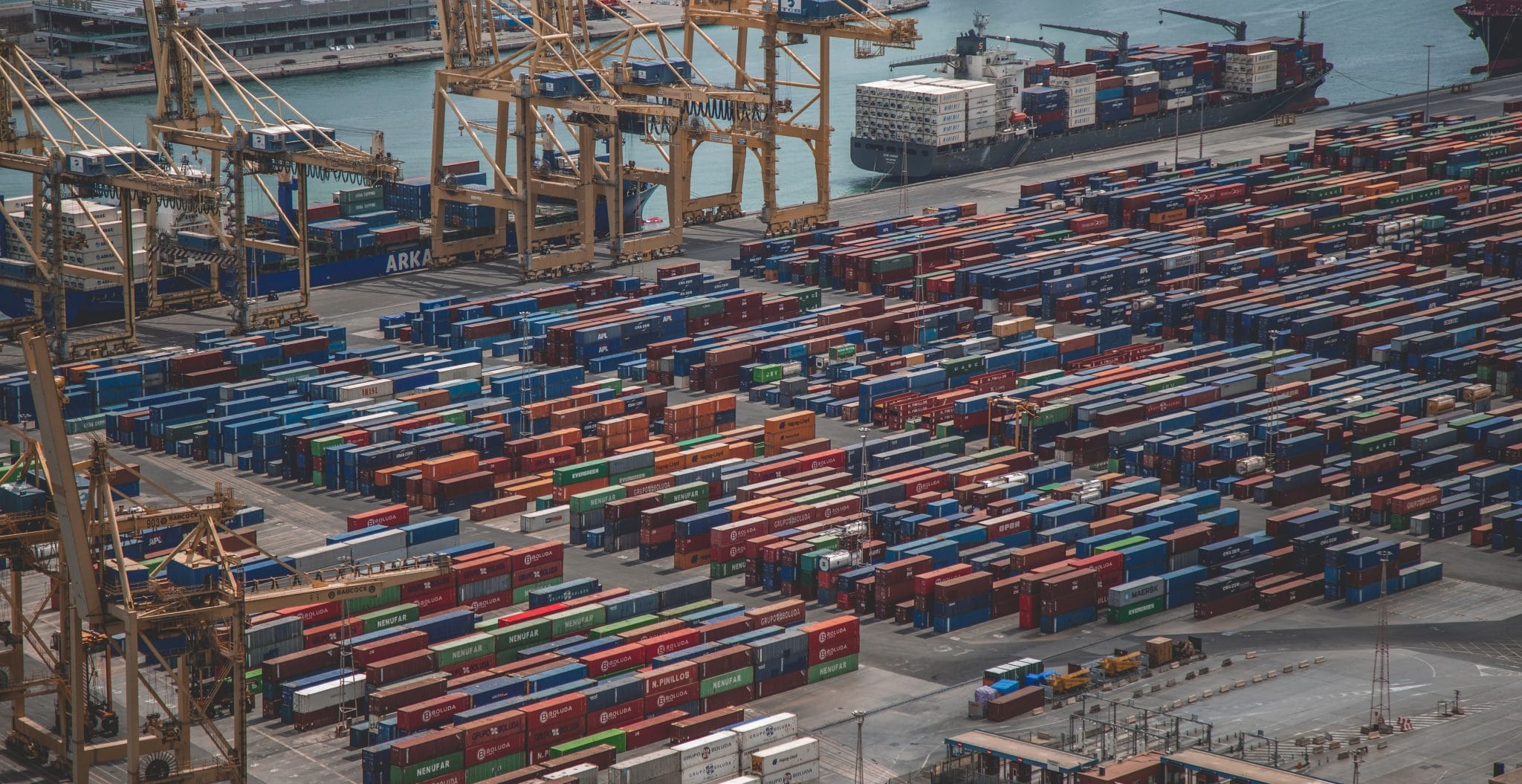
Cargo transport is an important sector for the European economy, representing 6% of its Gross Domestic Product (GDP). Roughly 75% of the transport operations (in terms of ton-kilometers) that make up the sector are currently performed by trucks on European roads, which, in turn, entail massive environmental and societal impacts. To put things into perspective, the freight sector is responsible for 75 million tons of CO2 emissions and 50,000 premature deaths/fatalities each year. Prior to the COVID-19 pandemic, the sector was expected to continue growing, and road freight transport, in particular, was projected to increase by around 40% by 2030 and by little over 80% by 2050.
To support the greening of cargo operations, the European Green Deal calls for a substantial part of the inland freight traffic to shift away from road towards cleaner modes such as rail, inland waterways and short-sea shipping. More specifically, the recently published Sustainable and Smart Mobility Strategy stipulates that rail freight traffic should increase by 50% by 2030 and double by 2050, whereas transport by inland waterways and short sea shipping should increase by 25% by 2030 and by 50% by 2050. In this context, the Commission has pledged to substantially revamp the existing framework for multimodal transport. The scarcity of transhipment infrastructure, and of inland multimodal terminals, in particular, which is pronounced in certain parts of Europe, would need to be addressed, and missing links in multimodal infrastructure closed. Ultimately, all transport modes for freight would have to come together in multimodal terminals. This, in turn, is to be further stressed in TEN-T and Rail Freight Corridor reviews and supported by EU funding and other policies, including R&I support. Important support measures, regulatory or economic, can be also foreseen in the revision of the Combined Transport Directive and other instruments. In addition, the review of the State aid rules, which already provide for a relatively flexible framework to publicly fund sustainable transport, can further contribute to the EU’s modal shift and multimodality objectives.
Not the least, both consumers and businesses need to be empowered to make more sustainable delivery and transport choices through the provision of adequate information on the climate footprint as well as on the available alternatives of their deliveries. To this end, the Commission has announced plans to establish a European framework for the harmonised measurement of transport and logistics-related greenhouse gas emissions, based on global standards. This initiative aims to overcome the existing fragmentation of various calculation methodologies, allow for reliable calculation of emissions, and enable a fair comparison of different transport options in the multimodal perspective, based on their GHG performance.
Against this background, the 8th Florence Intermodal Forum, co-organised by the Transport Area of the Florence School of Regulation and the Commission’s DG MOVE, will bring together policy makers, operators and manufacturers among others, for a discussion on the various measures to foster the greening of cargo operations in Europe. More specifically, stakeholders will be invited to critically discuss the following questions in two dedicated thematic sessions:
- Boosting the share of multimodal freight transport: How can the revision of the Combined Transport Directive help to revamp the regulatory framework for multimodal transport and boost the use of multimodal transport solutions? What is the role of economic incentives for both operations and infrastructure? How can State aid guidelines further support multimodality?
- Towards a common European framework for the harmonised measurement of transport and logistics greenhouse gas emissions: What environmental information should businesses and end-users be provided with? How can common greenhouse gas indicators boost demand for more sustainable transport and delivery solutions while avoiding greenwashing? Should carbon footprint information be considered as a new right, applicable to all modes?
SPEAKERS SLIDES
Introduction
Matthias Finger – Florence School of Regulation Transport Area
Session A: Boosting the share of multimodal freight transport
Session B: Towards a common European framework for the harmonised measurement of transport and logistics greenhouse gas emissions
Alan McKinnon – Kuehne Logistics University
Don’t miss any update on our events
Sign up for free and access the latest events from our community.
More on the topic
21st Florence Rail Forum. Towards International Passenger Corridors
Railway transport is the backbone of sustainable mobility. The modal share of passengers transported by rail in the EU Member States reached 6.9% in 2018. According to the recently released ‘Sustainable and Smart Mobility Strategy’, high-speed rail traffic should triple by 2050. To make this happen TEN-T corridors need to be completed by 2030. More cross-border projects will be needed to integrate all Member States into the European rail system of the future, in turn establishing smooth interconnections for cross-border rail travel across Europe. To speed up the process, the European Commission will propose in 2021 an action plan to boost long-distance and cross-border passenger rail services.
The year 2020 has shown that the railway system is not only sustainable and safe, but also very resilient. The post-Covid-19 period is a unique opportunity for railway undertakings to tap the unused potential and develop more rail passenger services, especially in cross-border contexts. In the new post-Covid-19 world, night trains could increasingly compete with short haul flights and stimulate European tourism, making the increasing supply of international rail passenger services vital for the success of the European Green Deal and for completing the Single European Railway Area. Recently significant steps have been made in that direction: four big European rail companies are giving night trains a boost. Despite of these latter improvements the degree of competition in the railway sector remains fairly low.
The 4th Railway Package was set to complete the market opening process by reducing competitive imbalances and harmonising regulations among the national-rail systems. The main aim is to give all players equal access to national markets; to encourage competition and innovation; and to boost safety, interoperability, and reliability across the region. There have been occasional attempts in the past at national level and the full market opening as of 14 December 2020 opens to considerable changes for the development of the European Railway Area.
Opening of the EU long-distance passenger-rail market will have significant impact for both operators and investors, potentially benefiting the entire rail industry. It could mean more international city to city connections, more frequent path usage and cross-border services, including night train services. However, to make these processes run smoothly, there is still room for enhancement.
The harmonised EU-wide vehicle approval, which would result in reduction of costs for cross-border trains, has just started. Fair track access charges for the new entrant operators must be guaranteed to allow a competitive framework. Another bottleneck is the rolling stock. Liaison of standard trains to minimise investments and fair access to the state guarantees and financial opportunities for all operators, is how it should work in theory, but the question remains: if it will be manageable in practice. Passengers’ awareness about their rights should be improved, and non-discriminatory provision of travel information should be ensured, including through-ticket offers.
Against this backdrop, the 21st Florence Rail Forum, co-hosted by the Transport Area of the Florence School of Regulation and the Commission’s DG MOVE, will provide a well-timed platform for discussion on the possible development of international passenger corridors, likewise international rail freight corridors. These corridors would support the development of long-distance and cross-border rail passenger services. Stakeholders representing rail infrastructure managers, railway undertakings, national regulatory and governmental bodies, among others, will have an opportunity to discuss issues central to the future of international passenger rail travels.
In particular, participants will be invited to critically discuss the capacity of corridors, harmonisation of standards for track access charges, as well as ticketing system.
Please kindly note that this event is by invitation only.
SPEAKERS’ PRESENTATIONS:
Setting the scene: Market opening and International Passenger Corridors (IPCs)
Matthias Finger | Florence School of Regulation, Transport Area
Maurizio Castelletti | European Commission, DG MOVE
Session A – Can we create efficient capacity for the development of long-distance and cross-border passenger rail services over IPCs?
Robér Bormann | Swiss Federal Railways and Erwin Kastberger | Austrian Federal Railways
Session B – How to harmonise track access charges along the IPCs?
Germano Guglielmi | Ferrovie dello Stato
Session C – Can we make progress in digital platforms for on-line search and ticket purchase, including through ticketing?
Gerhard Wennerström | Samtrafiken
Eric Mink | Dutch Ministry of Infrastructure and Water Management
Don’t miss any update on our events
Sign up for free and access the latest events from our community.
More on the topic
20th Florence Rail Forum. The Governance of Rail Freight Corridors

The modal shift from road to rail freight transport represents an important pillar of the EU strategy to make the European transport system greener and more sustainable, effectively combatting road congestion and helping to advance the climate neutrality agenda. In its European Green Deal communication, the European Commission reaffirms its commitment to shifting a substantial part of the 75% of inland freight carried today by road onto rail and inland waterways. This, in turn, will require measures to manage better, and to increase the capacity of railways, which the Commission is set to propose by 2021.
The development of Rail Freight Corridors (RFC) remains a central pillar of the Commission’s policy to boost rail freight. In this regard, the Regulation concerning a European Rail Network for Competitive Freight (Regulation EU 913/2010), which entered into force in 2010, requests Member States to establish international market-oriented RFCs to meet three sets of challenges. These include the strengthening of cooperation between Infrastructure Managers (IMs) on key aspects, such as path allocation, deployment of interoperable systems and infrastructure development; striking the right balance between freight and passenger traffic along the RFCs, while securing adequate capacity and priority for freight in line with market needs and ensuring that common punctuality targets for freight trains are met; and lastly, promoting inter-modality by integrating terminals into corridor management and development. A decade following the Regulation’s entry into force, however, the results achieved in the Member States remain insufficient, and the share of rail freight stagnates at around 18%.
The Commission is currently in the process of finalising its evaluation on the implementation of Regulation (EU) 913/2010, and a Staff Working Document on the results is expected by December 2020. The revision of the Regulation, as an important prerequisite for competitive freight and modal shift, is an opportunity to move away from a single corridor to a European Rail Freight Corridor Network approach.
In order to facilitate this shift, the governance of the RFCs should be reconsidered. Article 8 in Regulation 913/2010 sets the rules for the governance of RFCs. These include the competences of the Executive Board (EB), the Management Board (MB), the Railway Undertaking advisory group (RAG), as well as the advisory group of Managers and Owners of the terminals (TAG). In reality, the interaction between different stakeholders within one corridor is not always coordinated, not to mention the coordination between different corridors, as many freight trains run on more than one single corridor, not to mention the fact that many operators use several corridors.
Digitalisation has the potential to overcome some of the inefficiencies derived from the fragmentation of European rail freight transport: it can facilitate the monitoring of performance in each RFC, improve the management of capacity by better coordinating the allocation of existing capacity, and also empower RFCs to manage traffic, both under regular conditions but also when disruptions emerge. However, the question as to the extent to which digitalisation of RFCs will be sufficient to solve the more pressing problems of rail freight transport remains open.
In addition to improving the regulatory and strategic framework, enhancing rail freight transport’s competitiveness requires a rail network adapted to specific rail freight needs, which entails making the most efficient use of the available funding. In many cases, investment decisions are largely taken at national level, often without proper coordination across borders.
Against this backdrop, the 20th Florence Rail Forum, co-hosted by the Transport Area of the Florence School of Regulation and the Commission’s DG MOVE, will provide a well-timed platform for discussion of the results and next steps for the evaluation of Regulation (EU) 913/2010. Stakeholders representing national transport and infrastructure policy authorities, rail infrastructure managers, railway undertakings, owners and operators of terminals, national regulatory and governmental bodies, among others, will have an opportunity to discuss issues central to the future governance and management of RFCs. In particular, participants will be invited to critically discuss the role of a supranational entity in improving the performance of RFCs, as well as the role of digitalisation in the management and operation of RFCs. Last but not least, the forum will seek to identify how the financing needs for the development of RFCs can be met, and if more public investments may be needed.
Please kindly note that this event is by invitation only.
SPEAKERS’ PRESENTATIONS:
Setting the scene: Objectives and Gaps in the Implementation of Regulation (EU) 913/2010 (‘the RFCs Regulation’)
Matthias Finger | Florence School of Regulation, Transport Area
Maurizio Castelletti | European Commission, DG MOVE
Session A. Is there a need for a supranational entity to improve the performance of RFCs (network manager)? Which functions such a network manager should assume?
Eric Lambert | CFL Multimodal, representative of the UIC ECCO group
Emanuele Mastrodonato | European Rail Freight Corridor Scandinavian Mediterranean
Session B. What role can digitalisation (network-wide information sharing and processing) play in the management and operation of RFCs?
Harald Reisinger | RailNetEurope
Pietro D’Arpa | Procter&Gamble
Katrien De Langhe | Antwerpen University
Session C. How to finance the development of RFCs, in particular infrastructure services? What investments are necessary? How much the industry is ready to support these investments? Do we need more public investments?
Anne Elisabet Jensen| The Baltic-Adriatic Corridor
Claus Eberhard | European Investment Bank
Ulla Kempf | SBB Cargo International AG, representative of the Rail Freight Forward
Don’t miss any update on our events
Sign up for free and access the latest events from our community.
More on the topic
14th Florence Air Forum: The Role of Airports in the European Green Deal
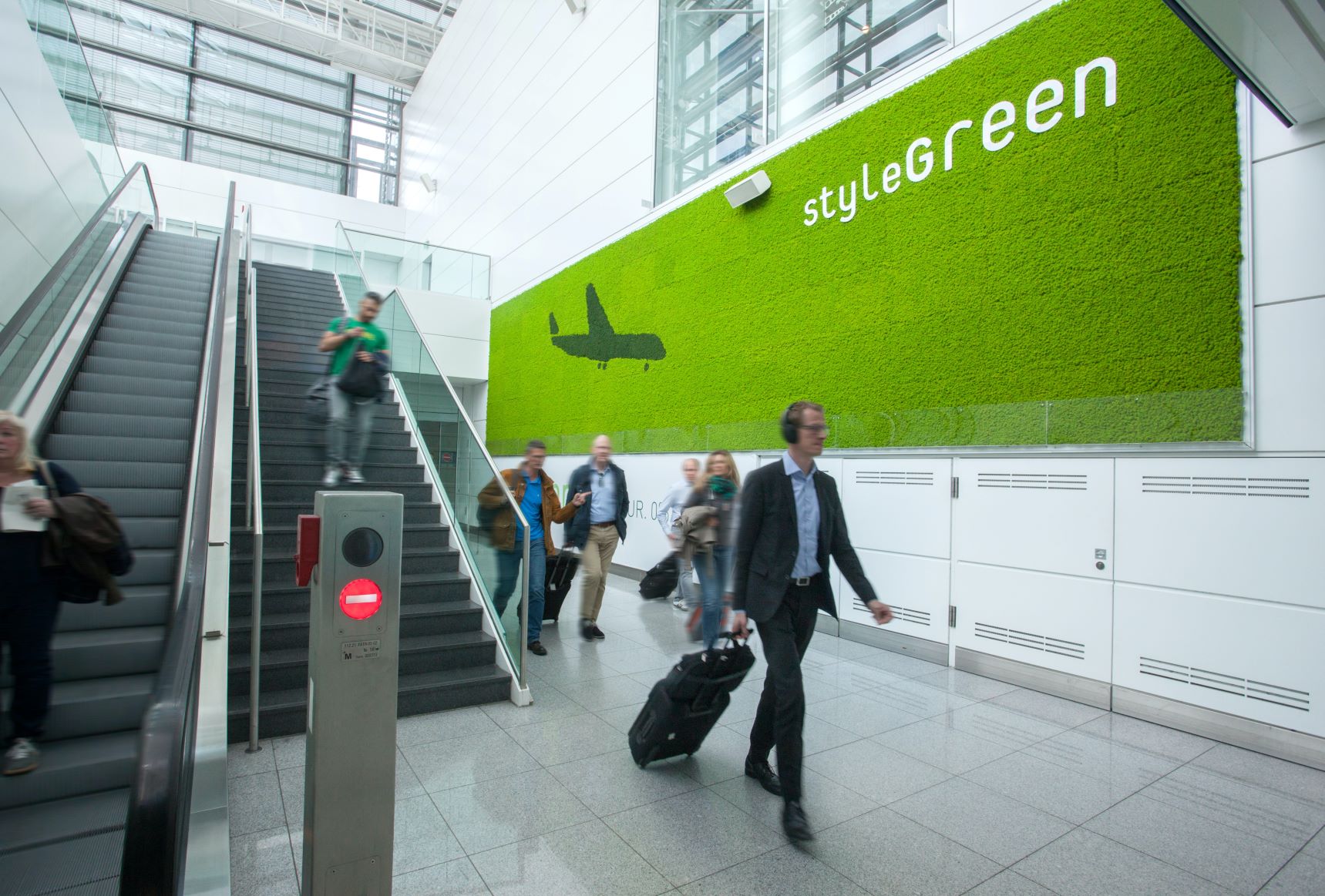
The European Green Deal reaffirms the European Commission’s commitment to achieving climate neutrality by 2050 and calls for significant transformations across all sectors of the economy. Despite the current Covid-19 impact on aviation emissions, this ambition still places a particular responsibility on aviation, whose emissions in Europe have increased by 10% between 2014 and 2017, and which were expected to grow by a further 21% by 2040. In addition to calling for a reduction of the sector’s climate footprint, the Green Deal communication stresses the importance of “improving air quality near airports by tackling the emissions of pollutants by airplanes and airport operations”. Though important advances have been made in mitigating noise pollution from aircraft, noise levels continue to pose a serious health risk for communities living close to airports and, thus, also need to be further addressed.
A number of legislative revisions are already underway, whereas, the Commission is notably set to adopt a sustainable aviation fuels strategy in the fourth quarter of 2020. Against this backdrop, the 14th Florence Air Forum will examine the contribution of European airports and the wider aviation ecosystem, through both technological and regulatory measures, in supporting the attainment of the European Green Deal and Climate Law objectives.
Aviation in Europe accounts for 28% of global passenger traffic. It directly and indirectly provides more than 12 million jobs and makes a €700+ billion contribution to the economy. The UN’s Intergovernmental Panel on Climate Change (IPCC), however, has found that if greenhouse gas emissions continue on a business-as-usual trajectory, this could result in a global sea-level rise of one meter by end of the century. This, in turn, could entail particularly high risks for airports, many of which are located near large bodies of water and built on large, flat, open-spaces, making them particularly vulnerable to changes in sea level. In fact, according to data from the World Resources Institute, 80 airports worldwide could be underwater if current emission trends continue. It goes without saying that such a scenario would have detrimental socio-economic and connectivity implications, thus underlining the need for climate-resilient policies and regulations in the sector.
On a positive note, the European airport industry, represented by ACI Europe, has shown firm commitment to becoming net zero for carbon emissions by no later than 2050. To achieve this goal, airports have pledged to reduce absolute emissions to the furthest extent possible and to address any remaining emissions through investment in carbon removal and storage. Importantly, offsetting measures will not be used in the achievement of the mid-century target, which the airport industry acknowledges as a merely ‘temporary’ measure, and which will have to be replaced by direct in-sector reductions.
When it comes to technological solutions, the electrification of aircraft during taxiing, as well as that of ground handling machinery, shuttle buses and other vehicles transporting passengers to-, from- and within the airport premises are increasingly examined. This, of course, also touches on the wider debate of accelerating the clean energy transition to ensure that airports can switch to zero carbon energy under competitive conditions.
The broader aviation ecosystem
Airports, however, do not operate in isolation, thus, any regulatory measures aimed at improving their environmental performance, will have to take into account the broader aviation ecosystem, including airlines and air traffic management (ATM). In this regard, supporting the implementation of the Single European Sky (another commitment under the Green Deal), and incentivising the introduction of disruptive ATM technologies, such as virtual centers, hold significant untapped potential for enhancing aviation efficiency and reducing CO2 emissions.
The Covid-19 pandemic has caused EU leaders to temporarily suspend the ‘use-it-or-lose it’ rules under the Slot Regulation, thereby enabling airlines to retain rights over their slots without having to run ‘ghost flights’ and unnecessarily waste jet fuel. The evaluation of the Slot Regulation could, furthermore, be used to prioritise slots for quieter aircraft and/or aircraft running on Sustainable Aviation Fuels (SAFs). What is more, a modulation of airport charges on the basis of environmental criteria, by means of reforming the Airport Charges Directive, could help in encouraging the uptake of SAFs while alleviating congestion at airports.
The uptake of SAFs in Europe, will necessitate incentives for their production and deployment. This, in turn, would entail overcoming regulatory as well as technological barriers. Here, the upcoming recast of the Energy Taxation Directive could be an opportunity to close existing loopholes (i.e. current tax exemptions for aviation fuels) with a view to ensuring more efficient pricing of air travel and fostering a level playing field.
Last but not least, empowering consumers to factor in environmental criteria into their travel decisions and putting in place measures to promote multi-modality will be decisive in stirring the shift towards sustainable aviation practices. As already acknowledged by a number of national governments, short haul flights can be substituted by rail trips, and the provision of multi-modal travel information would therefore be instrumental in encouraging consumers to make these choices.
The forum will seek to critically discuss the following three questions:
- What are the various technological options involving aircraft ground movements, airside operations and groundhandling solutions to accelerate the achievement of net zero carbon European airports by 2050?
- Greening airports: from construction to electricity generation, availability of sustainable aviation fuels and transit to the airport. How to build and operate airports in a sustainable way?
- What are the various regulatory options (e.g. Airport Charges- and Slot Regulation) supporting the shift towards greener airports? What are the funding possibilities to enable greening of airports? Private funding, funding through operations (e.g. charges), public funding?
SPEAKERS’ PRESENTATIONS:
Session A – Aircraft Ground Movements: Airside and Groundhandling
Denise Pronk – Schiphol Airport
Session B – Construction and Operation of Airports
Ana Salazar López-Pedraza – AENA
Udo Bradersen – Hamburg Airport
Session C – Regulatory Framework and Financing
Andre Schneider – Geneva Airport
Francois Delabre – Air France KLM Group
Jorge Grazina – European Commission
Don’t miss any update on our events
Sign up for free and access the latest events from our community.
More on the topic


19th Florence Rail Forum. European Green Deal: What Implications for State Aid in the Rail Sector?

In its European Green Deal Communication published late last year, the European Commission reaffirms its vision of achieving net climate neutrality in Europe by 2050. For the transport sector, which accounts for a quarter of the EU’s total greenhouse gas emissions, a combination of measures will be needed to place the sector on a firm path to sustainable and smart mobility. Along these lines, the Commission has proposed to make 2021 the European Year of Rail, to support the delivery of the objectives of its European Green Deal in the transport area. The role of multimodal transport, in particular, is highlighted as key to increasing the efficiency of the transport system. The overarching goal is to drive a significant modal shift from less environmentally sound transport modes, such as road in particular, but also aviation, towards the greenest modes of transport, namely rail and inland waterways, without compromising the connectivity of goods and persons, which is at the heart of the single market. This in turn will require measures to manage better, and to increase the capacity of railways and inland waterways, which the Commission has pledged to propose by 2021. The COVID-19 pandemic has hit companies in the transport sector particularly hard. There is a broad consensus that the EU and national regulations should seize the opportunities afforded by the recovery plans to exit the crisis to promote the twin green and digital transformations.
The 19th Florence Rail Forum, co-organised by the Transport Area of the Florence School of Regulation together with the European Commission’s DG COMP and DG MOVE, will examine the role of State aid in meeting the challenges of the Green Deal, with two dedicated sessions focusing on rail freight transport as well as rail passenger transport.
Evaluations are currently underway of the relevant State aid guidelines including those pertaining to railways. The Commission considers that any revision will have to reflect the policy objectives of the European Green Deal, support a cost-effective transition to climate neutrality by mid-century, and ensure a level-playing field in the internal market. Investments will indeed be paramount to boosting intermodal freight transport, in particular in transhipment terminals but also more generally in rail infrastructure (to ensure interoperable/sufficient capacity), and, possibly, in rolling stock or technology (e.g. automation for train composition).
The 19th Florence Rail Forum will seek to discuss the situations that justify State aid in order to support investment (in rolling stock or intermodal terminals) as well as operations (start-up aid or longer term operating aid), and moreover, the conditions under which State aid should be declared compatible to make intermodal freight transport attractive. The possibility and conditions to set up public service obligations for (structurally non-viable) rail freight routes is also a key topic for discussion on the way to ensure sufficient capillarity and to address the issue of the unprofitable last mile service.
When it comes to rail passenger transport, the forum will seek to address the key questions surrounding the demonstration of the necessity of public service contracts by public authorities, i.e. how to determine the existence of a ‘genuine public service need’ in order for a public service contract to be awarded.
Please kindly note that this event is by invitation only.
SPEAKERS PRESENTATIONS:
Introduction to the Forum
Juan Montero – FSR Transport, EUI Presentation
Maurizio Castelletti – DG MOVE, European Commission Presentation
Session A: Rail Freight Transport Session I. State aid and investment.
Silvia De Rocchi – Captrain Italia Srl Presentation
Christoph Lerche – Deutsche Bahn AG Presentation
Paul Hegge – Lineas Presentation
Koen Cuypers – Port of Antwerpen Presentation
Session B: Rail Freight Transport Session II. Operating aid.
Ralf-Charley Schultze – International Union for Road-Rail Combined Transport (UIRR) Presentation
Hinne Groot – Ministry for Infrastructure and the Water Management (Netherlands) Presentation
Irmtraut Tonndorf – HUPAC Presentation
Zeno D’Agostino – Port Network Authority of the Eastern Adriatic Sea Presentation
Session C: Rail Passenger Transport Session I. Public service contract and open access rail services.
Cesare Paonessa – Agenzia per la Mobilità Piemontese Presentation
Erich Forster – WESTbahn Management GmbH Presentation
Carl Adam Holmberg – Snälltåget Sweden Presentation
Session D : Rail Passenger Transport Session II. Compensation parameters.
Nick Brooks – ALLRAIL Presentation
Germano Guglielmi – Ferrovie dello Stato Presentation
Don’t miss any update on our events
Sign up for free and access the latest events from our community.
More on the topic