


Archives: Events
LUCE Awards 2025 – Women for the green transition

Building on the momentum of the previous editions, the 3rd edition of the LUCE Awards marks another milestone in advancing the Green Transition. In a world increasingly focused on achieving ambitious energy, climate, and sustainability goals, this edition reaffirms the critical role women play in shaping a more sustainable and inclusive future.
With a continued commitment to promoting gender equality in the sectors of energy, climate, and sustainability—and proudly supported by Edison and Eurogas—the 3rd edition of the LUCE Awards celebrates the outstanding contributions of women driving innovation and progress in these fields. As we forge ahead on the path toward a greener tomorrow, this edition aspires to further elevate the voices and achievements of women who are pioneering solutions for a sustainable planet.
On 15 May 2025 in Florence, the LUCE Awards will celebrate the accomplishments of two women professionals, presenting a prize in each of the following categories:
Emerging Talent (applications are closed for the 2025 edition)
Legacy Women (public vote is closed for the 2025 edition)
The event will feature a keynote speech by Tom Howes, an expert panel titled “Just” energy transition, does gender matter?, and the awarding ceremony.
The LUCE Awards will be preceded by the 7th meeting of the Equality Platform for the Energy Sector, taking place in the morning of 15 May. Led by the European Commission, the meeting will bring together all actors involved in the Equality Platform activities – Directorate-General for Energy representatives, Platform members, signatories and project partners.
Participation in the meeting is limited to Platform members. For more information or details on joining, please visit the Platform’s webpage.
Don’t miss any update on our events
Sign up for free and access the latest events from our community.


Methane emissions from the biogas and biomethane supply chains

This debate will discuss the findings of the JRC Report on methane emissions coming from the biogas and biomethane supply chains. Starting from the data presented, the panel debate will expand to the wider role that biogas and biomethane will have in the upcoming decade and assess their contribution to reaching the EU decarbonisation targets.
Read the JRC Report titled “Methane emissions in the biogas and biomethane supply chains in the EU” here.
The scaling up of renewable gases, such as biogas and biomethane, is a critical and effective component of the EU’s long-term decarbonisation strategy. The gradual replacement of fossil-based energy with cleaner energy sources – either to produce renewable electricity or used in the form of ‘clean molecules’ – is at the core of the EU Green Deal, as outlined in the EU System Integration Strategy (2020).
More specifically, the REPowerEU Plan of 18 May 2022 set the target to 35 bcm of biogas/biomethane by 2030, with the double aim of reducing the EU’s dependency on natural gas imports while, at the same time, improving the overall European GHG footprint, by replacing molecules of fossil origin with molecules of biological origin.
According to the European Biogas Association (EBA), in 2023, biomethane production alone reached 4.9 bcm, the highest level ever, with the greatest year-on-year increase concentrated in the EU area (21%). Combined biogas and biomethane production in 2023 amounted to 22 bcm, which represented 7% of the natural gas consumption of the European Union.
On the other hand, the biogas and biomethane supply chains are not zero-GHG emissions supply chains and particular attention has been paid by several observers to the emissions of methane.
The doubling of methane emissions concentration levels in the last 200 years has been blamed on anthropogenic activities, particularly in the fossil fuels, agriculture and waste management sectors. Coal mining and gas generation and transport are among the main causes of this detrimental impact on the atmosphere.
Moreover, about 54% of man-made methane emissions come from the agriculture sector and particularly from enteric fermentation (81%) and manure.
A recently published report from the Joint Research Centre (JRC) carries out a review of all methane emissions from biogas and biomethane production to provide an updated, comprehensive methodology for emissions accounting for biogas and biomethane production, including methane losses.
Draft Programme
Introduction to the Debate and Opening Presentations
14.00 – 14.05 Introduction to the Debate
Ilaria Conti | Florence School of Regulation
14.05 – 14.20 Presentation of the Report
Marco Buffi | Scientific Project Officer, Unit C2, Joint Research Centre
14.20 – 14.30 The regulatory perspective
Benoît Esnault | Vice-chair of the Gas Working Group, CEER
Panel Discussion: Introductory Remarks and Discussion
Moderator: Alberto Pototschnig | Florence School of Regulation
14.30 – 14.50 Introductory remarks from the panellists
Maria Olczak | Research Fellow, Oxford Institute for Energy Studies
Harmen Dekker | CEO, European Biogas Association
James France | Scientific Adviser, IMEO
14.50 – 15.20 Discussion and Q&A from the audience
Panellists
15.20 – 15.30 Concluding remarks
Ilaria Conti | Florence School of Regulation
Alberto Pototschnig | Florence School of Regulation
Presentations
Don’t miss any update on our events
Sign up for free and access the latest events from our community.
More on the topic



A target model for hydrogen
FSR Regulatory Policy Workshop Series 2024-2025
The Workshop will consider whether a target model for hydrogen could be defined, which could serve as a reference for the development of the hydrogen market and the related infrastructure requirements.
For this purpose, the Workshop will be structured in three sessions:
- Session I, in the morning, will focus on the prospects for hydrogen demand and supply, the cost competitiveness of renewable and low-carbon hydrogen and the role that it can play in decarbonising energy demand;
- Session II, also in the morning, will explore which market design and trading arrangements are best suited to support the development of the hydrogen sector, as resulting from the previous session;
- Session III, in the afternoon, will look at the implications of the development of demand and supply and the market design and trading arrangements outlined in the previous sessions, for the development of the hydrogen network.
This workshop is by invitation only.
Sustainability assessment
The FSR assesses the sustainability and carbon footprint of all its Workshops of the Regulatory Policy Workshop Series. This Workshop is run mainly ‘in presence’, with some exceptions for participation through internet-based remote connection. It is expected that most participants will join the Workshop in Florence to take advantage of the opportunity for more effective interaction and discussion. Those participants joining the event in Florence will be encouraged to offset any carbon emissions related to their air travel. It is considered that, in this way, a suitable balance is achieved between the effectiveness of the policy dialogue and the net carbon footprint of the event.
Don’t miss any update on our events
Sign up for free and access the latest events from our community.





Workshop on EU ETS Carbon Market Indicators

This workshop is organised in the context of the LIFE COASE project which aims to provide knowledge for improved emissions trading. The workshop will take stock of existing indicators to monitor the EU carbon market, relying on regulatory financial data and EU ETS transaction data. It will also offer a space for discussing the limitations and suggesting improvements to the existing indicators used to track market activity.
Participation in the event is by invitation only.
Programme
10:00-10:05 Welcome and introduction
10:05-12:15 Presentations
- Julien Mazzacurati (ESMA)
- Simon Quemin (EDF, PIK, CEC)
- Estelle Cantillon (Université Libre de Bruxelles)
11:35-11:45 Break
11:45-12:15 Presentation
- Marie Raude (FSR/EUI, CEC, Université Paris Nanterre)
12:15-12:55 Open discussion
12:55-13:00 Conclusions and wrap up
Don’t miss any update on our events
Sign up for free and access the latest events from our community.
More on the topic







2nd Florence Aviation Regulation Conference

Introduction
The 2nd Florence Aviation Regulation Conference aims to discuss the current and future economic and regulatory policies relating to air transport. The conference brings together academics, selected industry representatives, and policymakers. The scope of the conference will be to find practical solutions through rigorous academic dialogue and constructive debate. This conference is part of Transport Week, which includes two academic conferences focusing on Aviation and Rail regulation, and a Summer School on Transport Regulation. Here, representatives from the European Commission, practitioners, and academics can discuss priorities for the next commission.
The Conference organisers are looking for original papers on topics that range from regulatory challenges, to sustainable aviation, to green financing and innovation in the aviation sector (ranging from alternative fuels to drones). Contributions that employ multidisciplinary and interdisciplinary approaches to regulation and that combine academia and practice are highly encouraged. The conference is intended for academics, academically minded practitioners and PhD researchers. The best papers will be eligible for publication in a book on Transport Regulation in Europe, to be published by a leading publisher biennially.
Conference Structure
The format of the Florence Conference on the Regulation of Aviation will be the following:
- Keynote Speech (40´aprox.)
- Presentation of Academic Papers (20´/Paper aprox.)
- Feedback and Debate around the Papers (20´/Paper aprox.)
This is a 1-day conference, aiming to discuss 10/12 papers and engage a selected group of 30/40 individuals, including leading academics, high-level stakeholder representatives, and public officials, into a fruitful policy debate.
Papers to be presented at the conference:
- Existing framework limits optimal environmental pricing through airport charges, Ernst-Jan Heuten
- Adaptive Airline Strategies under the Evolving EU ETS: A Path toward Sustainable Aviation, Fabio Simoni da Silva
- Regulation of Non-CO2 Effects in Aviation: Addressing Regulatory Gaps between Civil and State Aircraft in International Airspace, Martin Hock, Felix Schmermer, Soeren C. Schwuchow, Anita Demuth, Harry Lehmann
- The interdependence of aeronautical and commercial activities, Antonio Forcina, Michele Granatstein, Jamie Inglis, Leonardo Mautino
- Interaction of Certification and Standards for e-SAF production, Maryna Hritsyshyna
- Optimal Subsidy Design in Market Settings with Intertemporal Price Discrimination, Miguel Blanco Cocho
- Multimodal interoperability: Can high-speed trains become tomorrow’s feeder flights of major airport hubs?, Giacomo Potenza, Eva Valeri
- Regulatory Interactions between CORSIA and the EU ETS ‘Full Scope’ in Mitigating Aviation Emissions, Garry Gumelar Pratama
- Towards the Implementation of the AI Act in Aviation: Challenges and Strategies, Elisa Spiller, Marco Sanchi, Federico Galli, Paola Lanzi, Giuseppe Contissa
- Ensuring Social Sustainability in Europe While Transitioning to a Net-Zero Aviation Industry, Andrea Trimarchi
Timeline
- Submission of the Abstract by 7 February 2025 using the form. For any issue regarding the submission, please contact Ms Elodie Petrozziello at fsr.transport@eui.eu
- Notification of Acceptance by 21st of February 2025;
- Submission of the Full Paper by 16th of June 2025; participants who fail to submit a full paper by this deadline will be automatically removed from the programme;
- Conference on 11 July2025 in Florence (Italy).
Guidelines for the abstract
- 400-600 words (abstract);
- Title of the paper & keywords;
- Name of the author(s) and full address of the corresponding author;
- The aim and methodology of the paper; and
- Results obtained or expected
Organising committee
Juan Montero | Director of the Transport Area of the FSR, Professor of Administrative Law and Regulation at UNED University (Madrid)
Steven Truxal | Scientific Advisor FSR Transport, and Full Professor of Air and Space Law, and Director of Institute of Air and Space Law at Leiden University
Matthias Finger | Part-time professor and Deputy Director of the Transport Area of the FSR. EPFL, Professor Emeritus
Elodie Petrozziello | Research Associate of the Transport Area of the FSR
The Conference is co-organised by the Transport Area of the Florence School of Regulation of the European University Institute and the International Institute of Air and Space Law of Leiden University.
Please note that attendance at the conference is by invitation only.
Don’t miss any update on our events
Sign up for free and access the latest events from our community.


4th Florence Rail Regulation Conference

The 4th Florence Rail Regulation Conference aims to discuss advancements for accelerating the growth of the railways in the EU. This conference is a space where academics, selected industry representatives, and policymakers can debate freely on fresh approaches to rail regulation. The scope of the conference will be to find practical solutions through rigorous academic dialogue and constructive debate. This conference is part of Transport Week, which includes two academic conferences focusing on Rail and Aviation regulation and a Summer School on Transport Regulation. Here, representatives from the European Commission, practitioners, and academics can discuss priorities for the next commission.
The Conference organizers are looking for original papers on topics that range from regulatory challenges to sustainable railways. Contributions that employ multidisciplinary and interdisciplinary approaches to regulation and that combine academia and practice are highly encouraged. The conference is intended for academics, academically minded practitioners and PhD researchers. The best papers will be eligible for publication in a book on Transport Regulation in Europe, to be published by a leading publisher biennially.
The Conference is organized by the Transport Area of the Florence School of Regulation of the European University Institute and will take place in Florence (Italy).
Conference Structure
The format of the Florence Conference on the Regulation of Railways will be the following:
- Presentation of Academic Papers (20´/Paper aprox.)
- Feedback and Debate around the Papers (20´/Paper aprox.)
This is a 1-day conference, aiming to discuss 10/12 papers and engage a selected group of 30/40 individuals, including leading academics, high-level stakeholder representatives, and public officials, into a fruitful policy debate.
Papers to be presented at the conference:
- Rolling Stock Management and Railway Efficiency: Evidence from a Line-Level Analysis of Regional Rail Services in France, Nicolas Fabre, Florent Laroche, Louafi Bouzouina
- Developing models for Africa’s freight railway system regulation, Bernard Aritua, Jan H. Havenga, Andrea Giuricin, Zane P. Simpson, Stefaan Swarts, Henk Neethling
- Night trains in Europe – sustainable alternative or niche market?, Zdeněk Tomeš, Vilém Pařil
- Railway performance: lessons from efficiency analyses, Torben Holvad, Eva Valeri
- Including the evaluation of social impacts in the appraisal of transportation investments, Mario, Tartaglia, Ilaria, Lopresti, Martina, Farsi
- Open for Access? A comparative assessment of frameworks used to evaluate open access passenger rail services, Wiktor Woszczek, Enrico Russo
- Regulating the fair access to rolling stock: current situation in the Single European Railway Area (SERA), Guillem Ochoa i Pérez, Iñigo Aguas Ardaiz
- Determinants of rail price variability in Europe under competition, Beria Paolo, Battilocchi Tommaso, Mattioli Lorenzo, Fitzová Hana, Pařil Vilém
- Two roads diverged -Two alternate strategies for protecting captive freight shippers in the “Americas” model of freight rail restructuring, Russell Pittman
- Regulating Small Underloaded Rail Networks—Challenges and Policy Priorities, Justina Hudenko
- Cooperation, competition, coopetition in cross-border rail services: which model will prevail?, Laurent Guihéry, Lorenzo Freire–Stella
Timeline
- Submission of the Abstract by 7 February 2025 using the form. Please send the completed form to Ms Elodie Petrozziello at fsr.transport@eui.eu
- Notification of Acceptance by 21st of February 2025;
- Submission of the Full Paper by 16th of June 2025; participants who fail to submit a full paper by this deadline will be automatically removed from the programme;
- Conference on 7 July 2025 in Florence (Italy).
Guidelines for the abstract
- 400-600 words (abstract);
- Title of the paper & keywords;
- Name of the author(s) and full address of the corresponding author;
- The aim and methodology of the paper; and
- Results obtained or expected
Organising committee
Juan Montero | Director of the Transport Area of the FSR, Professor of Administrative Law and Regulation in UNED University (Madrid)
Matthias Finger | Part-time professor and Deputy Director of the Transport Area of the FSR. EPFL, Professor Emeritus
Elodie Petrozziello | Research Associate of the Transport Area of the FSR
Please note that attendance at the conference is by invitation only.
Don’t miss any update on our events
Sign up for free and access the latest events from our community.
Nuclear energy in the EU: Challenges and opportunities
Join this online debate to examine the evolving role of nuclear energy in the EU, including its potential for achieving decarbonisation goals, the development of Small Modular Reactors, and the European Commission’s shifting stance on nuclear as a key contributor to a sustainable energy future.
Achieving a 90% GHG reduction by 2040 will require the (quasi) complete decarbonisation of the electricity system. Since electricity falls within the ETS, the economic signals to drive this transformation are expected to be in place. Nuclear energy is increasingly recognised as a key and growing contributor to this goal in an increasing number of Member States.
In recent statements, the Commission is gradually becoming more positive and proactive: first, on the value of nuclear for achieving decarbonisation goals (with the traditional caveat of ‘for those Member States that choose this path’); secondly, on the importance of the EU being a technology leader; and finally, on the enormous potential of Small Nuclear Reactors.
Against this backdrop, the next Commission will need to determine how to support these developments effectively. This webinar looks to review developments in the nuclear sector and ask – What’s next for the EU?
- How are the new investments being financed and what is coming down the road?
- How advanced is SMR development, and when can we expect the first investments? Should the EU’s safety and security evolve to reflect the unique challenges of SMRs?
- Should EU financing instruments be made available for nuclear investments?
- What other actions will be necessary for the next Commission to support nuclear energy?
- How will the EU’s approach to State aid for nuclear evolve, considering the CfD requirement in the NZIA?
- EU technology leadership in nuclear is an important goal – what needs to be done?
Keynote address:
Jan Panek | DG ENER
Panel debate:
Brian Scott-Quinn | ICMA-Center
Aymen Grira | Westinghouse
Antoine Bizet | EDF
Moderators:
Christopher Jones | FSR
Andris Piebalgs | FSR
Presentations
Don’t miss any update on our events
Sign up for free and access the latest events from our community.

Spring Policy Dialogues

Join us in Florence for 3 days of in-person events where we will convene our donors and renowned experts from across the sector.
A detailed agenda with discussion topics and speakers will follow. In the meantime, here is a list of events that will take place during 14-16 May 2025:
Wednesday, 14 May
Policy Advisory Council – Part 1
The Policy Advisory Council discusses the most topical regulatory and policy issues and debates and the relevance and robustness of the latest FSR research findings. The meeting gathers experts from the European Commission, the EU Agency for the Cooperation of Energy Regulators (ACER), the FSR Energy Star and Major Donors and invited renowned academics.
Thursday, 15 May
Policy Advisory Council – Part 2
7th meeting of the Equality Platform for the Energy Sector
The Platform is a European Commission-led initiative that currently includes 38 members from the energy sector, including the Florence School of Regulation.
Established in October 2021, the platform serves as a dedicated forum for addressing equality-related matters, fostering the exchange of experiences, and championing best practices concerning diversity and inclusion in the energy sector workplace.
The meeting is open for Platform members only. For further information and details on becoming a member, please visit the Platform’s webpage.
LUCE Awards 2025
The LUCE Awards, organised by the Lights on Women initiative with the support of Landwärme, Edison, and Eurogas, aims to recognise the significant contributions of women in driving the Green Transition.
Now in its third edition, LUCE Awards will celebrate the accomplishments of two women professionals, presenting a prize in each of the following categories:
- Emerging Talent. The Emerging Talent category aims to recognise contributions of up-and-coming female leaders.
- Legacy Women. The Legacy Women category will honour senior female professionals working to further the Green Transition worldwide.
Watch the highlights from the first and second editions.
Friday, 16 May
Regulatory Policy Workshop
A full-day policy workshop directed by Alberto Pototschnig, FSR Executive Deputy Director, titled “Smartening the Energy Grids and Cybersecurity”. The workshop will consist of a series of seminars led by topic experts with opportunities for intervention from participants.
Don’t miss any update on our events
Sign up for free and access the latest events from our community.
Electricity network investments and the regulatory framework

This debate will discuss how the regulatory framework might support the additional massive investments required in electricity networks over the next decades, by providing the appropriate incentives, manage risk effectively, continue to attract investors to the sector and protect present and future consumers.
In this context, a relevant issue is who is best placed to take the risk on investments against a still uncertain future: the electricity network undertakings or consumers, through the regulatory framework?
Draft Programme
Introduction to the Debate and Opening Presentations
14.00 – 14.05 Introduction to the Debate
Alberto Pototschnig | Florence School of Regulation
14.05 – 14.20 The EU Action Plan for Grids: The Policy Perspective
Raphael Sauter | Team Leader, Electricity, DG ENER C.4, European Commission
14.20 – 14.30 The regulatory perspective
Mara Berzina | Secretary General, CEER
Panel Discussion: Introductory Remarks, Polls and Comments
Moderator: Ilaria Conti | Florence School of Regulation
14.30 – 14.50 Introductory remarks from the panellists
Carmen Reittinger-Hubmer-Ruck | Co-Convenor of the Economic Framework Working Group, ENTSO-E
Peter Claes | President, IFIEC Europe
Pierre Schlosser | Deputy Director, Florence School of Banking and Finance, EUI
14.50 – 14.55 Polls
14.55 – 15.20 Comments on the polls outcome and Q&A from the audience
Panellists
15.20 – 15.30 Concluding remarks
Ilaria Conti | Florence School of Regulation
Alberto Pototschnig | Florence School of Regulation
Presentations
Don’t miss any update on our events
Sign up for free and access the latest events from our community.


Critical dependency and strategic autonomy in the EU fertiliser market
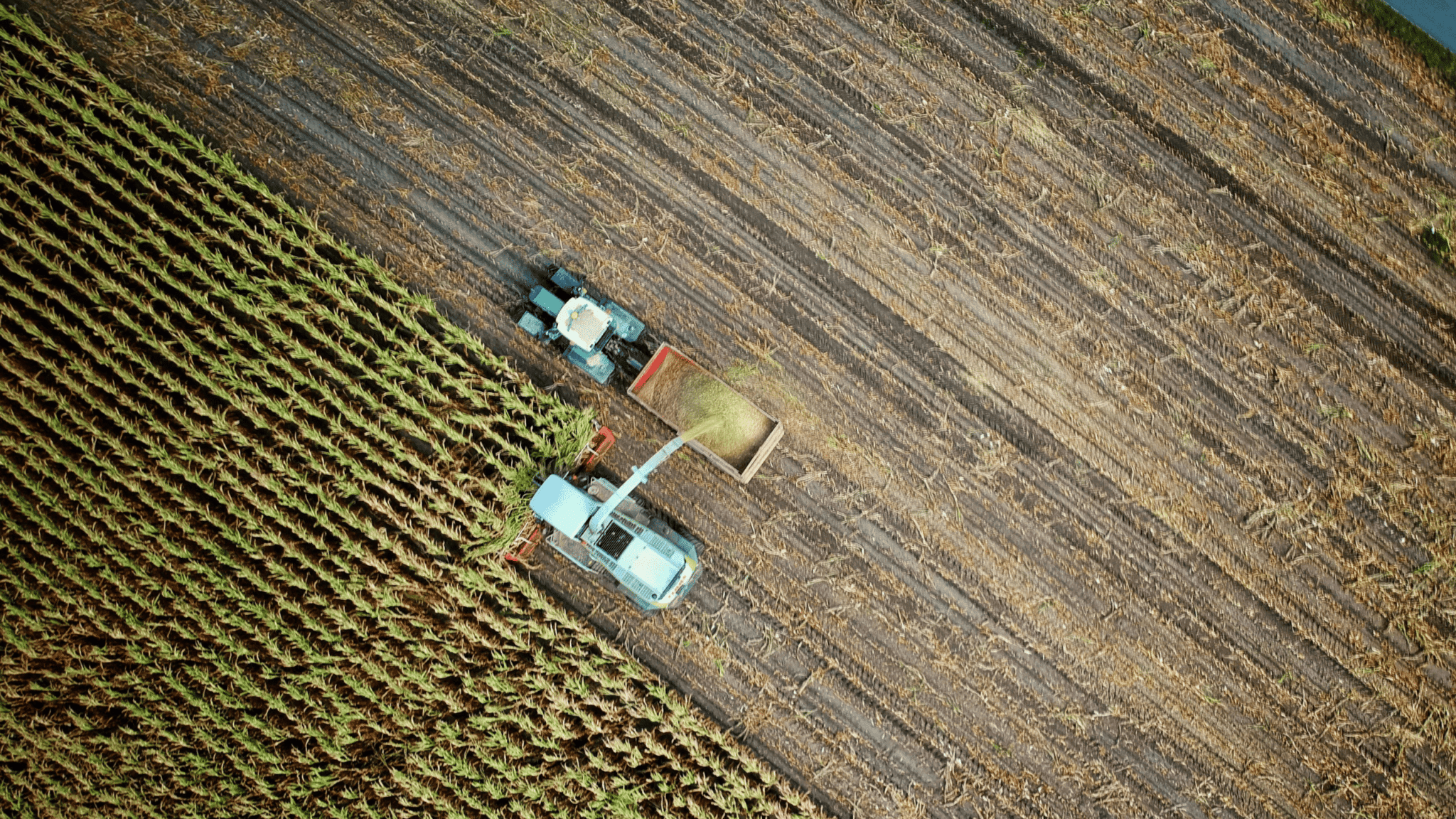
The EU stands at a significant crossroad, marked by a new legislative cycle and the challenge of harmonising environmental goals with industrial needs. The Strategic Dialogue on the Future of EU Agriculture has emphasised the importance of enhancing sustainable farming practices. Decarbonising agriculture and food production are essential steps in this transition, requiring the advancement and scaling of innovative solutions and sustainable practices.
Join this webinar to discuss the challenges in the global fertiliser market, engage with industry experts through a Q&A, and gain insights on navigating the evolving fertiliser landscape to promote sustainable practices within the industry.
Learn more with our online course on the EU vision for agriculture and food.
This online event aims to provide an in-depth exploration of the current state and future trends in the fertiliser industry within the European Union. Beginning with a retrospective analysis, the session will review historical developments, regulatory changes, and market dynamics that have shaped the fertiliser sector in recent years. Expert speakers will address critical issues such as supply chain disruptions, sustainability challenges, and the impact of environmental regulations on production practices. Topics will include advancements in sustainable fertilisers, the role of technology in improving efficiency, and the implications of global trade patterns on the EU fertiliser landscape. A comparative analysis of the EU regulatory framework and pathways to a decarbonised future will also be presented. Lastly, this event intends to underscore the importance of collaboration among farmers, traders, policymakers, and consumers in driving change towards sustainable agriculture.
Speakers
Fabien Santini | DG AGRI
Jeremy Jelliffe | USDA
David Laborde | Director, Agrifood Economics Division, FAO
Antoine Hoxha | Director General, Fertilizers Europe
Charlotte Hebebrand | CGIAR
Moderator
Ilaria Dibattista | FSR Climate
Chair
Fabio G. Santeramo | EUI & University of Foggia
Presentations
Don’t miss any update on our events
Sign up for free and access the latest events from our community.
Speakers
More on the topic
EU climate policies and justice: socio-economic impacts and pathways to equity
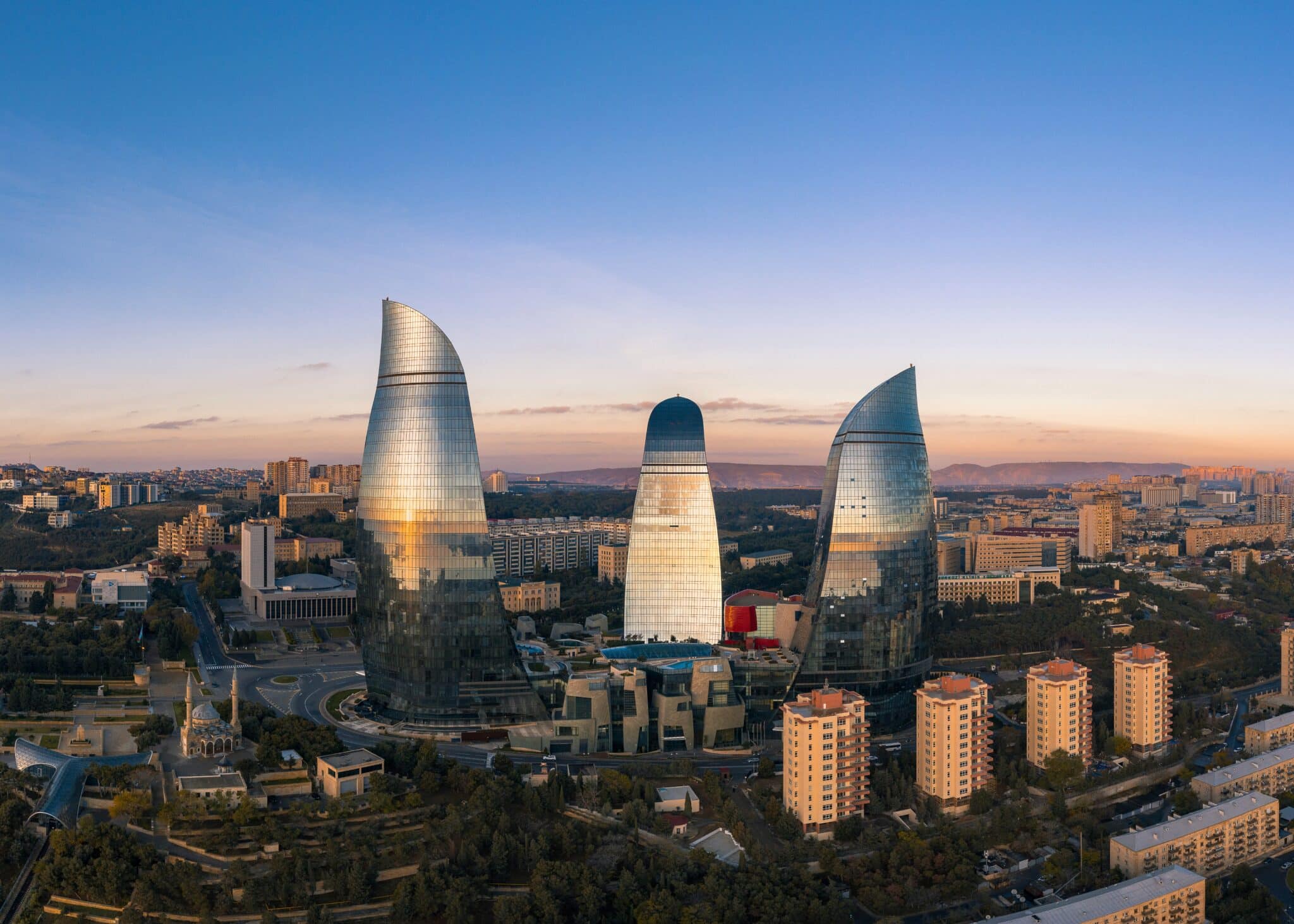
The COP29 panel “EU climate policies and justice: socio-economic impacts and pathways to equity”, scheduled on Friday 15 November 2024 from 10:00 to 11:00 AZT, will investigate some potential socio-economic effects of a set of European climate policies in the EU and in the rest of the world.
The EU’s European Green Deal (EGD) includes ambitious climate policies like the Emissions Trading Systems (ETS, ETS 2) and the Carbon Border Adjustment Mechanism (CBAM) to reduce emissions and prevent carbon leakage. However, these policies risk creating socio-economic inequalities, particularly affecting low-income households and workers in high-carbon industries. Without fair redistribution mechanisms, these communities face higher energy and transport costs, job losses, and social exclusion.
Key discussions are needed around social safeguards, including funding for the Social Climate Fund, strengthening the Just Transition Mechanism, and ensuring CBAM’s fairness for Global South countries. Addressing these issues is essential to achieving a just transition that supports vulnerable populations and fosters equitable global climate action.
The Official Side-Event will be hosted by the ILO in its Pavilion during the 29th Conference of Parties in Baku, Azerbaijan. You may follow the live stream here.
Chair and Introduction:
- Simone Borghesi, FSR Climate, EAERE & University of Siena
Panel Discussion:
- Frank Siebern-Thomas, DG EMPL
- Bas van Ruijven, IIASA
- Moustapha Kamal Gueye, ILO
- Asia Guerreschi, University of Ferrara
The event is organised by EUI-FSR in coordination with the consortium of the Horizon Europe project SPES and in collaboration with DG EMPL.
Dive deeper into the topic:
- Read the FSR-EUI deliverable 7.1 from the SPES project on EU ETS and EU ETS2.
- SPES project publications here.
SPES is funded by the Horizon Europe Programme of the European Union, Grant Agreement No. 101094551.
Don’t miss any update on our events
Sign up for free and access the latest events from our community.
More on the topic
The Clean Industrial Deal: Evolution or Transformation?
- How can EU effectively support and retain its energy-intensive industries?
- Is the CBAM effective? What reforms could enhance its role in safeguarding EU industry?
- Do existing trade policy tools adequately shield against unfair competition? If not, what measures should be considered?
- A reform of State aid is announced. What are the concrete changes that are needed?
- What additional actions are required to enable the EU to decarbonise and to retain energy intensive industry, especially in strategic sectors?
- Adina Georgescu, Eurometaux
- Markus Kerber, former CEO of BDI
- Ronnie Belmans, KU Leuven
- Ioana Petcu, Eurelectric
Presentations
Don’t miss any update on our events
Sign up for free and access the latest events from our community.
More on the topic