




Archives: Events
Online Debate
Capacity vs. Production: Which support model for Clean Hydrogen?
07 May 2025

This FSR Debate will explore whether capacity-based remuneration models could offer a more effective alternative to traditional production-based schemes for clean hydrogen in the EU.
Watch the recording:
As the EU seeks to scale up its hydrogen economy, policymakers are testing different support models to bridge the gap between ambition and market reality. But which approach best balances incentives for investors while ensuring cost efficiency and market stability?
As policymakers explore different remuneration models, the discussion on how to support clean hydrogen in the EU is gaining momentum. While production-based schemes have been the dominant approach, capacity-based models are emerging as a potential alternative. These discussions come amid key policy developments, including the Clean Industrial Deal and the establishment of the Decarbonisation Bank, which seeks to accelerate hydrogen deployment.
As the sector evolves, understanding how different support mechanisms influence investment decisions, cost efficiency, and long-term market stability remains essential. This debate will bring together experts to discuss the role of remuneration models in the EU hydrogen economy and their interaction with broader decarbonisation policies.
The event features a keynote presentation by Alexander Hoogsteyn, who will introduce insights from his paper “Interactions and Distortions of Different Support Policies for Green Hydrogen.” His analysis examines the strengths and weaknesses of existing policy frameworks, highlighting how different support models shape investment decisions and influence market development.
Following the presentation, a panel of expert discussants will engage in a dynamic conversation, weighing the potential of capacity-based remuneration against production-based schemes. They will examine how these models interact with recent EU policy shifts, such as the Clean Industrial Deal, the Decarbonisation Bank, and the growing experimentation with auction mechanisms in decarbonisation policies. With clean hydrogen struggling to gain traction, the panel will explore potential solutions to accelerate its growth and overcome current barriers, considering the broader context of EU decarbonisation efforts.
Audience engagement will be a key part of the debate. Participants will have the opportunity to pose questions, challenge perspectives, and contribute to the discussion on how best to accelerate clean hydrogen deployment in Europe.
Keynote speaker
Alexander Hoogsteyn | KU Leuven
Discussants
Ewelina Daniel | DG CLIMA, EC
James Kneebone | EUI
Moderators
Marzia Sesini | EUI
Nicolò Rossetto | EUI
Presentations
Don’t miss any update on our events
Sign up for free and access the latest events from our community.
More on the topic

Online Debate

Sep 28, 2026








Workshop

Nov 27, 2026
Conference

Nov 30, 2026
Advancing Carbon Market Integration under Article 6
07 May 2025

During this event, we will explore the current state of carbon market integration. In previous years, the number of Emissions Trading Systems (ETSs) grew worldwide while their integration progressed more slowly due to divergent design features (e.g., intensity-based vs. cap-based systems). Yet, links and connections between ETSs could lead to significant environmental and economic gains. Meanwhile, the COP29 in Baku has led to a common set of rules that operationalise Article 6 of the Paris Agreement to facilitate international cooperation to tackle climate change. But can this development accelerate the integration of compliance markets? In this context, who are realistic candidates for linking? To address these questions, a presentation will provide a starting point for the discussion on enablers and barriers for internationally integrated ETSs. The presentation will be followed by a policy roundtable.
This event is part of the annual Net Zero Carbon Market Policy Dialogue (NZCMPD) organised under the framework of the EU-funded LIFE COASE project. The aim of the policy dialogue is to facilitate international carbon market cooperation between the EU and partner jurisdictions on key topics around net-zero regulation and integration of carbon markets. This event is the first part of the 2025 NZCMPD. The second part will take place in September and address the methods and findings of the latest ex-ante and ex-post assessments of the EU ETS and other ETSs worldwide.
This event is part of the EUI Climate Week and more information on the participation can be found here.
Moderation: Simone Borghesi (EUI, University of Siena, EAERE)
Opening remarks: Baran Doda (adelphi)
Panel speakers:
- Nataliya Kushko (ERCST)
- Mette Quinn (European Commission)
- Xiliang Zhang (Tsinghua University)
- José Pedro Bastos Neves (Ministry of Finance, Brazil)
Conclusions: Jos Delbeke (EUI)
This is an EAERE Policy Outreach Event.
Don’t miss any update on our events
Sign up for free and access the latest events from our community.
More on the topic



Conference
Nov 30, 2026


Policy Dialogue

Oct 07, 2026


Online Debate
The EU vision on sustainability in agriculture
28 April 2025
Join this online debate where experts will discuss the EU’s strategy to reduce harmful chemicals in agriculture and its implications for farmers, trade, and sustainability.
Learn more with our online course on the EU vision for agriculture and food.
On 19 February 2025, the European Commission released its Vision on Agriculture and Food, outlining its strategy for the future use of chemicals such as pesticides and fertilisers. The strategy includes aligning production standards for imported products with EU environmental and animal welfare values. The Commission proposes banning the most hazardous substances—already prohibited within the EU—from entering the internal market via imports. An Impact Assessment will be launched in 2025 to evaluate the effects on competitiveness and international relations, with legal proposals to follow if necessary. The EU is also working to reduce harmful substances by promoting the use of biological and low-risk alternatives and establishing a fast-track approval process for such products. The Commission further plans to address the export of hazardous chemicals, including pesticides, banned within the EU.
This webinar will bring together experts to examine the EU’s agro-chemical strategy from scientific, practical, and policy perspectives. Speakers will explore the implications for European farmers, industry stakeholders, and global trade relations. The discussion will address how these measures can shape future agricultural and food systems and their broader environmental impact. Organised as an online event, the webinar will feature expert presentations followed by a Q&A session. It is open to scholars, professionals, and experts in agriculture, environmental policy, and international trade, particularly those interested in agro-chemical regulation and sustainability.
Speakers
Falk Hemsing | DG AGRI
Robert Finger | ETH
Nathalie Jas | INRAE
Kris AG Wyckhuys | University of Queensland
Alice O’Donovan | CELCAA
Eric Gall | Organics Europe
Stefano Torriani | FiBL
Moderator
Lea Heinrich | FSR Climate
Chair
Fabio G. Santeramo | EUI & University of Foggia
Presentations
Don’t miss any update on our events
Sign up for free and access the latest events from our community.
More on the topic
Conference
Nov 30, 2026
Policy Dialogue
Oct 07, 2026
Forum
Carbon Leakage and Mitigating Measures
26 May 2025

The 21st Florence Air Forum will explore the carbon leakage risks facing the aviation sector and assess the relevance of extending the Carbon Border Adjustment Mechanism (CBAM) and introducing an EU climate levy.
On 14 July 2021, the European Commission adopted a series of legislative proposals outlining its plan to achieve climate neutrality in the EU by 2050. It includes the intermediate target of at least a 55% net reduction in greenhouse gas emissions by 2030. The proposal outlines changes to various EU climate laws, including the EU Emissions Trading System (ETS), with measures to decarbonise energy- intensive industries, and regulations related to transport and land use. It details how the European Commission plans to achieve the EU climate targets set under the European Green Deal. Industrial installations at significant risk of carbon leakage receive special treatment under the EU ETS to enhance their competitiveness. In the latter, the European Commission has also launched the Competitiveness Compass, an essential initiative that provides a strategic and clear framework for three core areas of action: innovation, decarbonisation, and security. It also presented the Clean Industrial Deal in March to boost competitiveness and decarbonisation.
Within the ‘Fit for 55’ package, the ReFuelEU Aviation Regulation was adopted. The Regulation sets obligations for the supply of sustainable aviation fuels (SAF) at Union airports. The Regulation creates a market for SAF with a long-term perspective by setting targets up to 2050, starting at 2% in 2025 and up to 70% in 2050. Besides, airlines must refuel at least 90% of the required fuel volume for outgoing flights at EU airports on an annual average to avoid circumvention through strategic refuelling outside the EU. If an aviation fuel supplier does not meet the minimum shares for SAF supply, penalties will be due, and the missing volume must be additionally placed on the market in the following year(s).
The EU’s Carbon Border Adjustment Mechanism (CBAM) is the EU’s tool to put a fair price on the carbon emitted during the production of carbon-intensive goods entering the EU and encourage cleaner industrial production in non-EU countries. Thus, CBAM is effectively a tool designed to reduce the risks of carbon leakage associated with the EU ETS. ETS currently has an intra-EU scope and is undergoing a “stop-the-clock” mechanism on its potential extension. The Commission is preparing a review of the EU ETS, which will be presented in 2026. Extension of the EU ETS to flights departing from the EEAS territory is one option considered by the Commission.
A potential application of CBAM in the aviation sector requires adjustments from the current set-up for stationary installations. For aviation, CBAM could be applied to routes currently not covered by the aviation EU ETS. This would mean that a carbon price, equal to the ETS allowance price in the EU, would be applied to the complete journey of the passenger or transported goods (from departure to final destination). Potential costs of CORSIA or costs from other carbon pricing schemes in third countries would be considered on such routes.
Based on the initial identification of the potential risk for carbon leakage, other mitigating measures can also be potentially considered. In particular, the creation of an EU climate levy linked to an EU fund could be created. The levy would apply to all departing flights from the EEA, based on the final destination (similar to the ticket tax for passengers in Germany). The levy could further be differentiated by economy and business class. The revenues generated would be earmarked into an EU fund (to decarbonise aviation or to compensate for SAF prices). Alternatively, a levy on SAF could be introduced to departing flights, with the funds used to compensate for the price gap between fossil kerosene and SAF in the face of the ReFuelEU Aviation Regulation obligations for departing flights.
The 21st Florence Air Forum will continue discussions on carbon leakage risks and evaluate the relevance and potential effectiveness of CBAM in addressing these risks within the air services sector. Competitiveness will not be considered concerning CBAM. The forum will explore the suitability of extending CBAM to air transport services to address carbon leakage, considering the assessment carried out as part of DG MOVE’s study on the topic. In addition, it will discuss the feasibility of the creation of an EU climate levy as one of the mitigating measures to reduce carbon leakage.
The Forum, co-organised by the Transport Area of the Florence School of Regulation together with the EC’s DG MOVE, will tackle the following questions:
- The Impact of EU Climate Policy on Aviation Networks: To what extent does the EU aviation sector face a real risk of carbon leakage due to the European Commission’s decarbonisation policies, such as the EU ETS and SAF mandate?
- The Strategic Response of Airlines to the risk of carbon leakage: How do carbon leakage risks and impacts differ across various EU aviation market segments (e.g. short-haul vs. long-haul flights, net carriers low-cost airlines, passenger vs. cargo operations)? What lessons can be drawn from these comparisons to inform targeted policy responses?
-
CBAM extension: How feasible and effective would extending an adapted CBAM mechanism be for air transport services, considering the unique challenges of applying it to a service-based industry? What are the main challenges in extending CBAM to air transport services? How does the assessment of CBAM relevance and effectiveness change or not depending on the EU ETS scope?
- EU climate levy: What would be the potential structure and impact of an EU climate levy on aviation, and how could it be designed to minimise competitive distortion while effectively reducing emissions? How might an EU climate levy impact the competitiveness of EU airlines compared to non-EU airlines?
- SAF Levy: How could a SAF levy be implemented to support the transition to cleaner fuels without exacerbating the risk of carbon leakage, and what would be its effects on different stakeholders in the aviation industry? What are the potential economic impacts of a SAF levy on the aviation industry?
- Other mitigating measures: What other potential mitigating measures could effectively address carbon leakage in the aviation sector? How do these alternatives compare in terms of feasibility, effectiveness, and potential unintended consequences?
Please note that this event is by invitation only.
Don’t miss any update on our events
Sign up for free and access the latest events from our community.


Workshop
Smartening the Energy Grids and Cybersecurity
16 May 2025
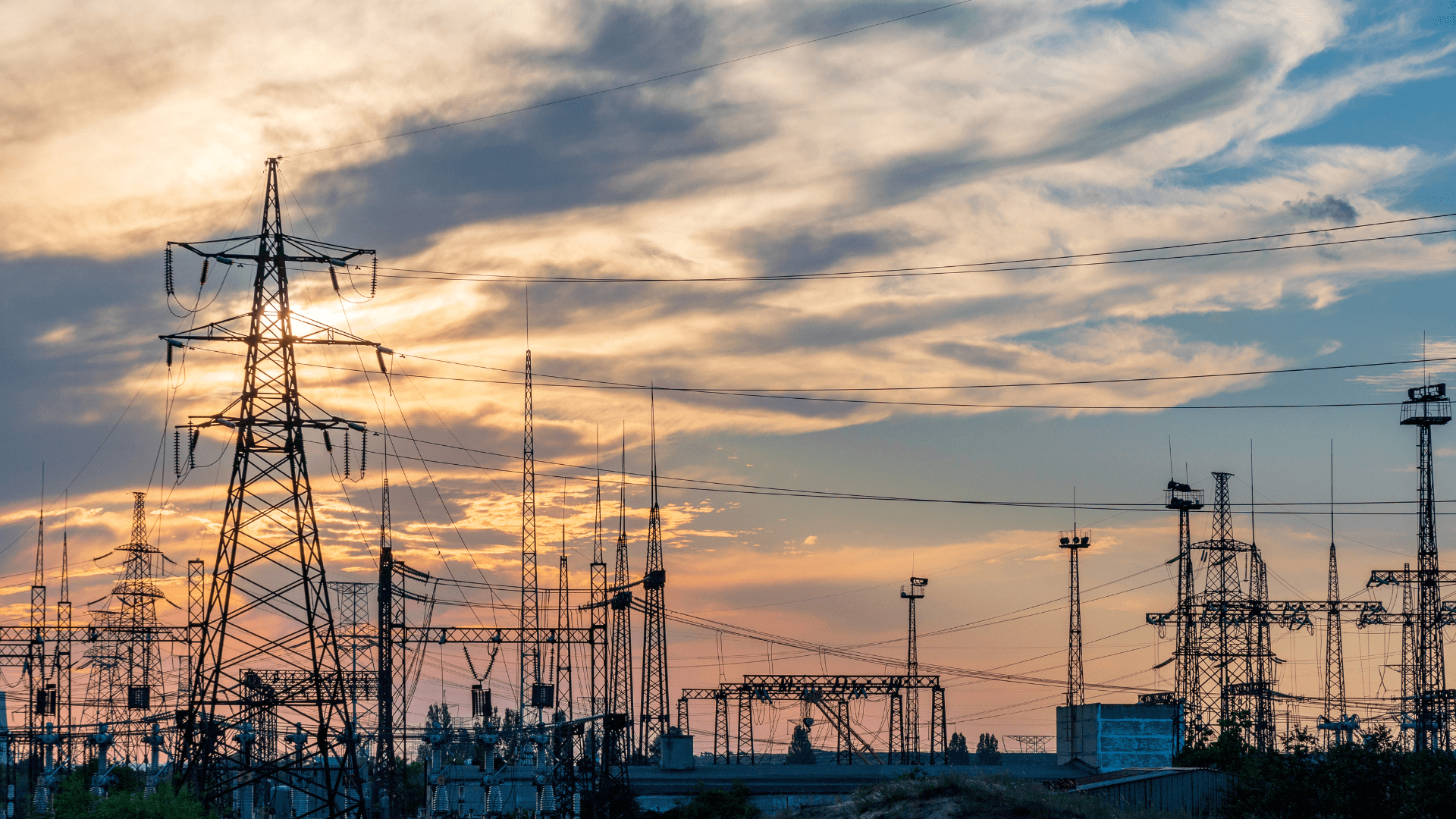
This workshop will explore grid-enhancing technologies and smart network solutions for EU transmission and distribution networks, and discuss how their adoption can be effectively and efficiently enabled. It will also examine the evolving cybersecurity framework resulting from the implementation of the NCCS.
Interconnected and stable energy networks are the backbone of the EU’s internal energy market and key enablers of the green transition. To help deliver the European Green Deal, the European Commission proposed a Grid Action Plan in November 2023 to ensure that EU electricity grids operate more efficiently and are deployed faster and more widely. The Commission estimates that €584 billion in investment will be needed in electricity grids this decade—representing a substantial share of the total investment required for a clean energy transition in the electricity sector.
The Action Plan highlights two areas for future focus: cross-border interconnections and national transmission and distribution grids. In particular, distribution networks will need to grow and evolve to accommodate increasing decentralised renewable generation and new flexible demand (e.g. heat pumps and electric vehicle charging). These grids are assuming new roles, becoming facilitators of a more complex system—and must evolve into smart grids: digital, real-time monitored, remotely controllable, and cybersecure. Research and innovation will be crucial in supporting this transformation, especially as around 40% of Europe’s distribution networks are over 40 years old and in need of modernisation. Industry estimates suggest that €375–425 billion in distribution grid investment will be needed by 2030.
Smart grids offer at least two major benefits. First, they make the system more flexible, supporting the energy transition at lower cost. In many cases, smarter solutions can even substitute for traditional capital investments in grid infrastructure. Second, smart grids enable better connection and management of flexible resources—critical for integrating increasing shares of intermittent renewables.
Smart solutions should become an integral part of network development planning at all levels. Network operators should be encouraged—and possibly incentivised—to adopt such solutions when they offer more cost-effective alternatives to conventional grid investments. Regulators should ensure that the regulatory framework does not inadvertently favour physical infrastructure over smart solutions, and may even promote the adoption of grid-enhancing technologies through targeted incentives.
However, smarter networks are more exposed to cybersecurity threats. A Network Code on Cybersecurity for the EU electricity network (NCCS), adopted in 2023, sets a European standard for the protection of cross-border electricity flows. It includes rules on risk assessment, minimum requirements, certification of cybersecurity products and services, as well as crisis management procedures.
Workshop Structure:
This Policy Workshop will explore grid-enhancing technologies and smart network solutions available for EU transmission and distribution systems, along with the regulatory and cybersecurity frameworks needed to enable their effective implementation. The programme will include:
-
Session I (morning): Focus on available technologies to enhance the performance of EU transmission and distribution networks, and how they can support integration of decentralised and flexible resources.
-
Session II (morning): Exploration of regulatory tools that could incentivise the adoption of smarter network solutions.
-
Session III (afternoon): Discussion on the main cybersecurity threats facing EU energy networks, and how the NCCS seeks to address them.
Sustainability Assessment:
The FSR evaluates the sustainability and carbon footprint of all events in its Regulatory Policy Workshop Series. This Workshop will be held in person to foster more effective dialogue. Participants travelling to Florence by car or air will be encouraged to offset the carbon emissions linked to their travel. This approach aims to strike a balance between the value of face-to-face engagement and the environmental impact of the event.
Please note that this event is by invitation only.
Don’t miss any update on our events
Sign up for free and access the latest events from our community.


Online Debate
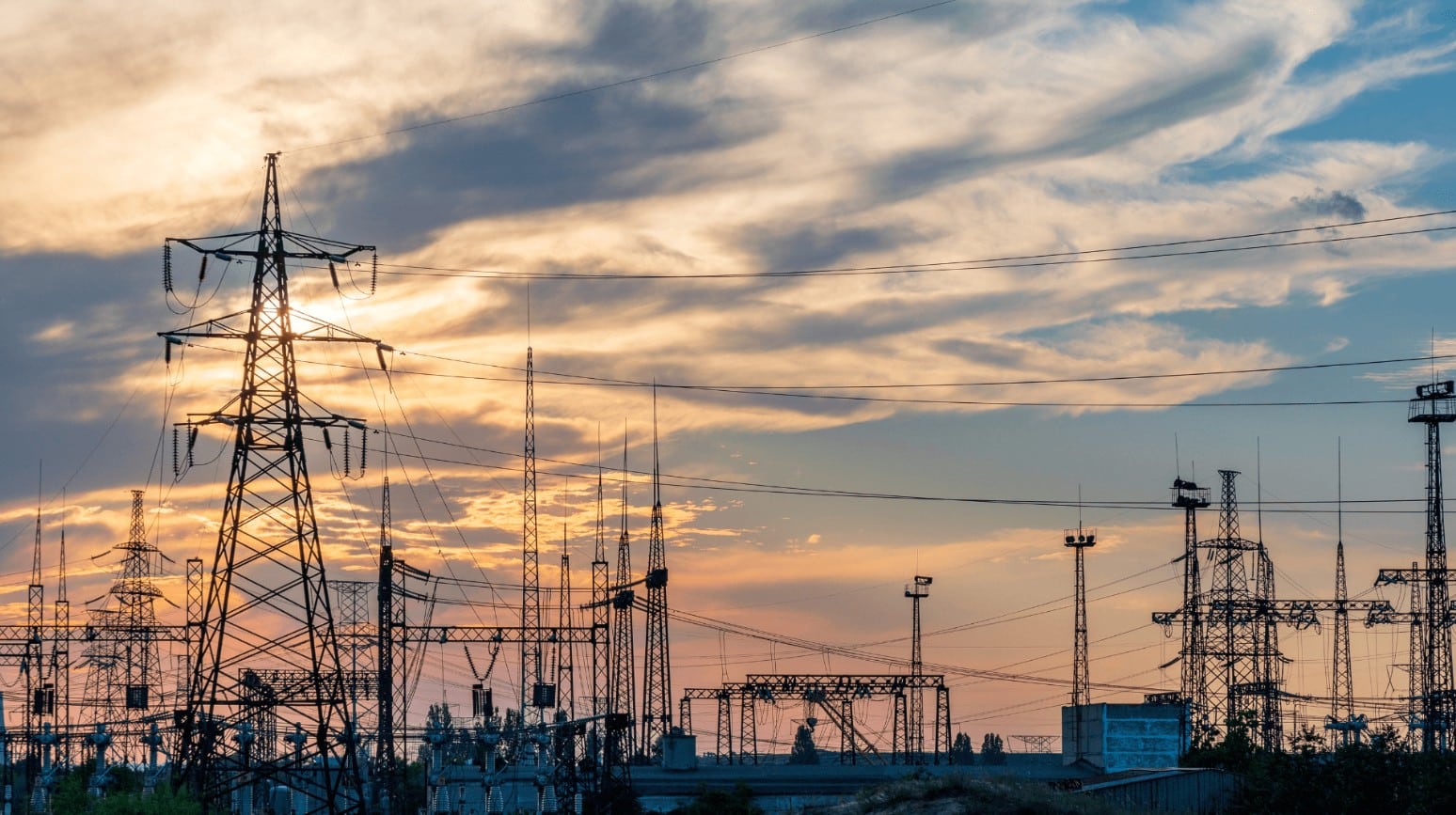
New trends for electricity regulation until 2050, the cases of US & UK
30 April 2025
Join this discussion to explore regulatory trends in the US and UK, assessing their implications for the future of energy markets.
Watch the recording:
At the end of the 20th century, electricity regulation evolved to accommodate the creation of wholesale and retail markets. Today, it faces new challenges as the energy transition accelerates. How does it react regarding the frame of regulation to the growing prospects of energy transition? Can insights from the US and UK provide guidance on the future direction of electricity regulation concerned with Climate Change? Is the new presidency of Donald Trump already revisiting the recent past or the main trends? Has the UK reached a new consensus equilibrium, or not?In the newly published Handbook on Electricity Regulation, Paul Joskow (MIT), Michael Pollitt (University of Cambridge), and Jean-Michel Glachant (FSR) review the evolving landscape of Electricity Regulation, addressing the challenges of climate change and the path to Net Zero.
Programme
4.00 – 4.10: Introduction by Jean-Michel Glachant: The Handbook, the topic, the speakers.
4.10 – 4.30: Paul Joskow “Electricity Regulation in the US: the new trends”
4.30 – 4.40: Discussants Lucia Visconti (University of Milano-Bicocca), Chloé Le Coq (University Paris-Pantheon-Assas, Stockholm School of Economics-SITE)
4.40 – 5.00: Michael Pollitt “Electricity Regulation in UK: the new trends”
5.00 – 5.10: Discussants Lucia Visconti (University of Milano-Bicocca), Chloé Le Coq (University Paris-Pantheon-Assas, Stockholm School of Economics-SITE)
5.10 – 5.30: Q&A
Presentations
Don’t miss any update on our events
Sign up for free and access the latest events from our community.

Forum
Single Digital Booking and Ticketing
11 April 2025

The 15th Florence Intermodal Forum will explore key regulatory and industry challenges in achieving a Single Digital Booking and Ticketing system across Europe.
Over the last few years, Europe has witnessed a rapid advancement of technology in every sector. Transport has been revolutionised as efficiency and reliability have increased. The emergence of Multimodal Digital Mobility Services (MDMS) has transformed the concept of mobility.
The European Commission (EC) committed to fostering multimodality in 2020 as part of its Sustainable and Smart Mobility Strategy (SSMS). President Ursula von der Leyen has highlighted in her Political Guidelines for the Next Commission and in her Mission Letter to the Commissioner-designate for Sustainable Transport and Tourism, the need for a Single Digital Booking and Ticketing Regulation to ensure that European citizens can buy one single ticket on one single platform and get passengers’ rights for their whole trip.
The 15th Florence Intermodal Forum aims to delve into the critical issues shaping the future of single ticketing and its impact on both consumers and industry stakeholders. The Forum, co-organised by the Transport Area of the Florence School of Regulation together with the EC’s DG MOVE, will tackle the following questions:
- Content Obligation on Land Transport Service Providers: Should transport service providers be subject to content-sharing obligations beyond those deriving from antitrust? What thresholds in terms of operators to be obliged? Which obligations?
- Obligations on the platforms & Vertical integration: Discussion Questions: How should platforms in transport be regulated? What should be the thresholds for regulation? How could FRAND principles apply? How can self-preferencing be regulated?
- Code of Conduct for Global Distribution Systems: Discussion Questions: Is the Code of Conduct for GDS still relevant? What are the obligations in the Code of Conduct that should remain?
Please kindly note that participation at this Forum is by invitation only.
Find here the full programme.
Don’t miss any update on our events
Sign up for free and access the latest events from our community.
Online Event
International Conference on the Ex-Post Evaluation of Emissions Trading
07 July 2025

FSR Climate is delighted to announce the third International Conference on Ex-Post Evaluation of Emissions Trading on scheduled on Monday, 7 July 2025, online. The event is organised under the framework of the LIFE COASE project, which aims to support policymakers in the implementation and development of the EU ETS, including its integration with other carbon markets.
The conference will identify the latest policy-relevant studies on ex-post assessments of emissions trading. This year’s edition will particularly focus on international aspects of carbon pricing, such as the international transfer of emission reduction units, the integration of compliance and voluntary carbon markets, as well as the linking of emissions trading schemes.
The event will be held on Zoom and will allow researchers to present and discuss their research with fellow academics, stakeholders, experts, and policymakers. In addition to the academic sessions, the online Conference will also comprise a Keynote Lecture and a Policy Roundtable.
Draft Programme
8:50 – 9:00 | Welcome
- Simone Borghesi (EUI, University of Siena)
9:00 – 10:20 | Session 1: The EU ETS
- From Free to Fee: How Allowance Allocation Affects ETS Performance, Marie Alder, Eva Franzmeyer, Benjamin Hattemer (European University Institute); [Slides]
- The Effect of the EU Emissions Trading System on Climate Investments, Felix Rochlitz (University of Basel); [Slides]
- Pollution for Sale: Lobbying, allowance allocation and firm outcomes in the EU ETS, David Winkler (London School of Economics, UC Berkeley)
- Beyond Reported Emissions: Carbon Pricing, Disclosure Quality, and Financial Stability in the European Union Emissions Trading Scheme, Wilson Tsz Shing Wan (Hong Kong University of Science and Technology), Keith Jin Deng Chan (Hong Kong University of Science and Technology); [Slides]
10:20 – 10:30 | Coffee break
10:30 – 11:50 | Session 2: Carbon pricing at the international level
- Assessing the Impact of the United Kingdom’s Withdrawal from the European Union Emissions Trading System on Firms’ Carbon Intensity, Mattia Chiappari (Politechnico di Milano), Andrea Flori (Politechnico di Milano), Simone Giansante (Università degli Studi di Palermo), Ania Zalewska (University of Leicester School of Business)
- The EU’s Emissions Trading System and 3rd Countries – Calibrating a Structural Equation Model with Enterprise Survey Data for Türkiye, Camilla Jensen (Roskilde University); [Slides]
- Carbon pricing effects on renewables: evidence from California’s electricity market, Gökhan Dilek (University of Barcelona), Jordi J. Teixidó (University of Barcelona), Mònica Serrano (University of Barcelona); [Slides]
- Toward a Living Ecosystem of Reviews for Evaluating the Impacts of Carbon Pricing, Thi-Kieu-Trang Dong (Hasselt University), Mi Lim Kim (ANU), Klass Miersch (PIK), Banna Banik (ANU), Tim Repke (PIK), Bianka Mey (Chemnitz University of Technology), Sebastian Gechert (Chemnitz University of Technology), David Stern (ANU), Khanna Tarun (SPPGA), Stephan Bruns (Hasselt University, METRCIS, INCHER), and Jan Minx (PIK); [Slides]
11:50 – 12:00 | Coffee break
12:00 – 13:00 | Policy Roundtable: “What future for international climate cooperation?”
Moderated by Paul Ekins (UCL)
- Chantal Line Carpentier (UNCTAD)
- Catherine Leining (Motu Economic and Public Policy Research)
- Jos Delbeke (EUI)
13:00 – 14:00 | Lunch break
14:00 – 14:40 | Keynote lecture: “A New Hope? Carbon Market Integration in an Evolving Global Context”
- Michael Mehling (Massachusetts Institute of Technology)
14:40 – 14:45 | Closing remarks
- Simone Borghesi (EUI, University of Siena)
Call for papers
We welcome economic and interdisciplinary studies on the ex-post evaluation of carbon pricing policies. This year, we warmly invite the submission of papers focusing on:
- Developments, trends and limits of carbon pricing and carbon border adjustments,
- International cooperative approaches under Article 6 of the Paris Agreement,
- Convergence of compliance and voluntary carbon markets and linking of emissions trading schemes,
- Implications and challenges of integrating nature-based or technological removal credits in compliance markets.
Other topics related to carbon pricing instruments and their domestic implications will also be considered.
Submission Guidelines:
Papers should be submitted by 18 May 2025 to LIFECOASE@eui.eu.
Important Dates:
- Submission Deadline: extended to 27 May 2025, EOB
- Notification of Acceptance: 7 June 2025
- Conference Date: 7 July 2025 (online)
The conference is organised with the support of EAERE.
Don’t miss any update on our events
Sign up for free and access the latest events from our community.
Online Debate
How can AI help achieve EU’s energy goals?
19 March 2025
This webinar will explore how AI-driven solutions can optimise energy distribution, improve grid resilience, and support the EU’s decarbonisation and sustainability goals.
Watch the recording:
Artificial intelligence (AI) is a game-changing technology with the potential to significantly advance Europe’s energy transition. As the EU seeks to enhance energy efficiency, reduce costs, and accelerate the shift to sustainable power, AI-driven solutions could revolutionise how energy is produced, consumed, and distributed.
The Competitiveness Compass for the EU underscores the importance of AI leadership, stating that ‘Integrating AI into strategic sectors where Europe has traditionally been strong will be critical to maintaining their competitive edge.’ The Apply AI Strategy, currently under development, aims to drive new industrial applications of AI, including in the energy sector, ensuring Europe remains at the forefront of innovation.
From AI-powered smart grids that optimise energy distribution to predictive maintenance that prevents equipment failures, AI is already transforming energy management. Machine learning algorithms enhance grid resilience, improve the reliability of renewable energy, and provide real-time recommendations for efficient energy use. AI also plays a key role in energy market forecasting and trading, ultimately supporting the EU’s decarbonisation and sustainability goals.
However, AI adoption in the energy sector is not without challenges. High initial investment costs, the need for a skilled workforce, and increasing cybersecurity risks remain barriers to large-scale implementation. As the International Energy Agency (IEA) notes, while AI innovation is advancing rapidly, its full impact and adoption remain uncertain.
To fully unlock AI’s potential, collaboration between energy providers, policymakers, and AI developers is essential. A shared understanding of the most promising applications and key enablers will be critical to bridging gaps and accelerating AI-driven transformation.
Don’t miss this opportunity to gain valuable insights into how AI can help achieve the EU’s energy goals.
Introduction – Ivars Ijabs, MEP
Case Studies – Real-world applications of AI in energy
Luis Cunha, E-REDES
Carla Silva Gonçalves, INESC TEC
Panel Discussion
Vincent Berrutto, DG ENER, EC
Jesse Scott, Hertie School
François Beaude, ACER
Jorge Vasconcellos, FSR
Presentations
Don’t miss any update on our events
Sign up for free and access the latest events from our community.
Online Debate
An overview of recent energy case law from the CJEU, March 2025
26 March 2025
During this event, Professors Leigh Hancher and Kaisa Huhta, senior legal experts from FSR, will provide an in-depth analysis of recent notable energy-related cases and pending case law at the Court of Justice of the European Union (CJEU).
The FSR Law Area will present a comprehensive review of the most significant energy cases brought before the Court of Justice of the European Union in recent months. Professors Leigh Hancher (FSR and Universities of Tilburg and Bergen) and Kaisa Huhta (FSR and University of Eastern Finland) will offer an expert analysis of the latest developments in case law. The discussion will also include an overview of key pending cases.
Following the presentation, an interactive Q&A session will allow attendees to engage directly with the experts and deepen their understanding of the topics discussed.
The cases that will be discussed include:
T-485/21 – BNetzA v ACER [T-482/21; T-446/21; T-476/21; T-472/21; T-482/21; T-483/21; T-484/21]
T-526/19 – RENV – Nord Stream 2 v Parliament and Council (appeal: C-118/25 P)
C-205/23 – Engie Romania
C-794/21 P – Germany v Infineon Technologies Dresden and Others [C-790/21 P; C-792/21 P]
C-701/21 P – Mytilinaios v DEI and Commission
C-255/22 P – Orlen v Commission
C-59/23 P – Austria v Commission (Centrale nucléaire Paks II) [Opinion of AG Medina]
C-48/23 – Alajärven Sähkö and Others
The discussion will also cover an overview of the most important pending cases.
Presentations
Don’t miss any update on our events
Sign up for free and access the latest events from our community.
Speakers
Online Debate
Regulating CO2 transportation infrastructure
11 March 2025
Regulating CO2 transportation infrastructure: Exploring European approaches and future policy directions
On 30 January 2025, the European Commission announced the allocation of almost €250 million from its Connecting Europe Facility to support the construction of three projects and fund nine preparatory studies for CCS infrastructures. This financial support follows the Net Zero Industry Act (June 2024), which set a capture capacity target of 50 MtCO₂ per year by 2030. However, in contrast to these developments, NGOs have sent a letter to Commission President Von der Leyen calling for the urgent development of an EU Action Plan for CCS—specifically calling for the regulation of CO₂ transportation infrastructures. In light of this context, the debate will focus on regulating CCS transportation.
Recent European developments demonstrate a growing interest in CCS. In 2024, the Net Zero Industry Act established a storage target of 50 MtCO₂ per year by 2030 and imposed an obligation on oil and gas companies to contribute to this goal. To meet these targets, the EU has expanded several funding mechanisms, including the Connect Europe Facility (CEF) fund, the Innovation Fund, and Horizon Europe. Similarly, the European Commission has published Revised Guidance on the 2009 CCS Directive (2009/31/EC) for CO₂ storage.
However, little attention has been paid to regulating transportation infrastructure. The 2009 CCS Directive briefly addresses CO₂ transportation regulation, and the Revised Guidance offers no further clarification. Interestingly, the 2023 DG Ener report “EU Regulation for the Development of the Market for CO₂ Transport and Storage” explores various regulatory options for CO₂ transportation infrastructure but does not recommend a preferred model. At the national level, significant regulatory disparities exist, with countries such as Norway and the United Kingdom taking major regularory initiatives.
Against this background, Adrien Nicolle from FSR will present insights from his co-authored paper, which introduces an analytic model for CO₂ pipeline transportation. Following his presentation, the debate will offer different visions for regulating transportation infrastructure, drawing on expert opinions from the panel. The session, moderated by Marzia Sesini and Nicolò Rossetto from FSR, will invite audience participation for an engaging and thought-provoking dialogue.
Presentations
Don’t miss any update on our events
Sign up for free and access the latest events from our community.
Speakers
Workshop
A Clean Industrial Deal for Europe
05 March 2025

In her Political Guidelines in July 2024 [1], Ursula von der Leyen committed to a Clean Industrial Deal to ensure a competitive EU industry and quality jobs as one of the new Commission’s objectives within its first 100 days. The Deal will focus “on supporting and creating the right conditions for companies to reach our common goals. This means simplifying, investing and ensuring access to cheap, sustainable and secure energy supplies and raw materials”.
The Clean Industrial Deal is expected to be tabled on 26 February 2025. Key areas anticipated in the Deal include a new industrial policy, simplification of administrative procedures, a revision of State aid rules, and measures to lower energy costs and improve the functioning of energy markets.
This workshop, taking place shortly after the Deal is introduced, will examine its proposed measures and assess how they address the challenges faced by EU industry, ensuring competitiveness and decarbonisation. Discussions will also consider the broader geopolitical landscape, particularly the potential withdrawal of the US from the Paris Agreement and China’s strategic investments in Green Deal markets.
The event is by invitation only.
A plan for EU competitiveness and decarbonisation
Learn more about the Clean Industrial Deal
[1] Available at: https://commission.europa.eu/document/download/e6cd4328-673c-4e7a-8683-f63ffb2cf648_en?filename=Political%20Guidelines%202024-2029_EN.pdf
Don’t miss any update on our events
Sign up for free and access the latest events from our community.