


Understanding the EU framework for phytosanitary measures
Highlights from the online debate 'The Evolving EU Framework for Phytosanitary Measures'
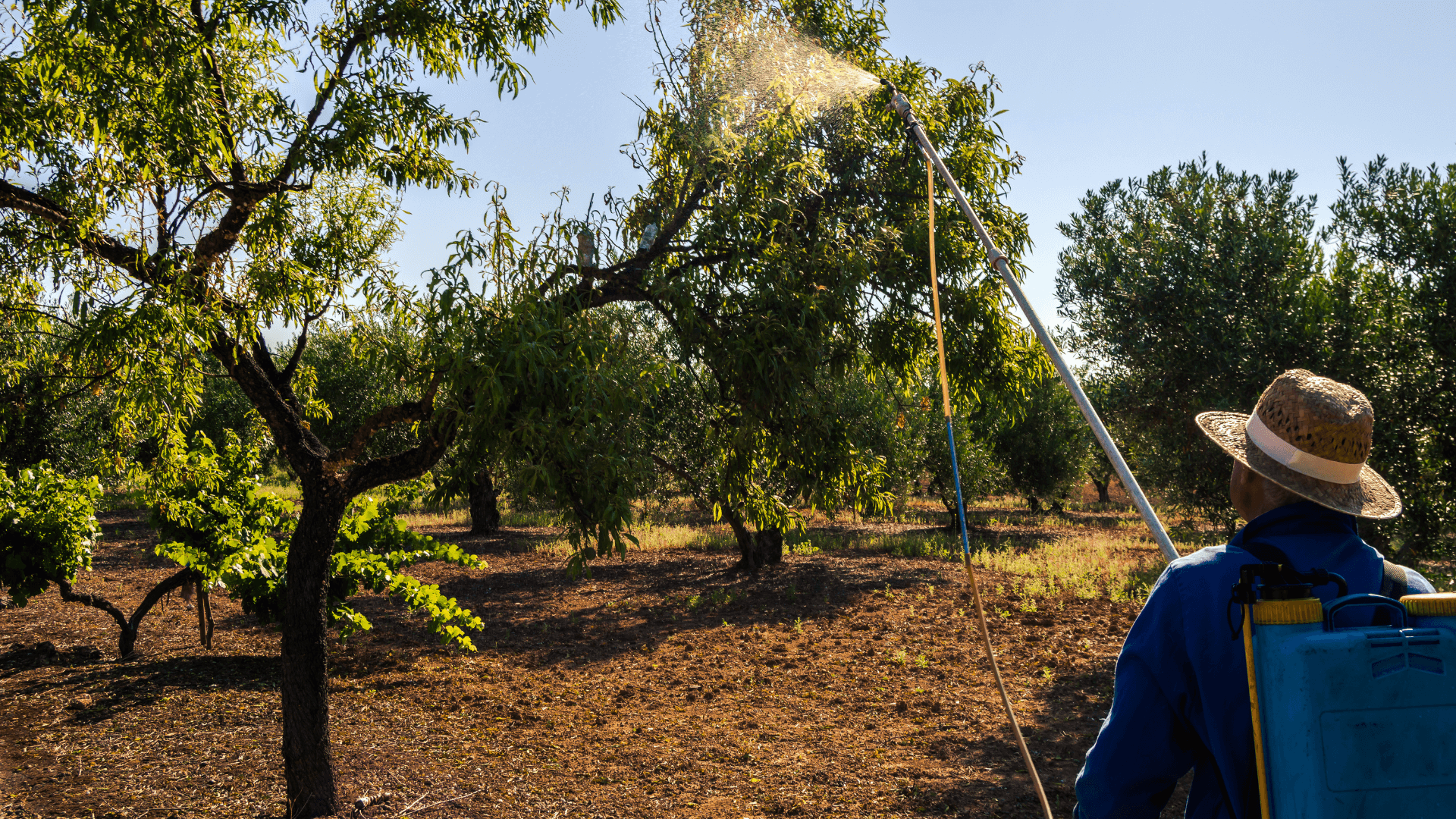
Robust plant health measures are essential for food security and biodiversity, but sanitary and phytosanitary measures (SPS) may create costly trade barriers, especially for smallholders and developing nations. In response, the EU is streamlining its framework; amendments effective through 2026 introduce clearer derogation procedures, better guarantees against non-quarantine pests, and simplified reporting to reduce the compliance burden.
During the webinar experts examined core elements of the Regulation 2019/2072, setting requirements per commodity, country and pests.
The Regulatory Framework
Wolfgang Reinert, DG SANTE, has highlighted the key differences between the system approach and post-harvest treatments. The system approach involves a combination of interventions applied at multiple points in time, allowing for a stepwise, flexible strategy that can be adapted to local conditions. In contrast, post-harvest treatments require upfront investments but are easier to control and document.
Insights from Research
Lamonaca proposed a framework to prioritize interventions based on three dimensions: economic exposure (the value of domestic production at risk), trade exposure (dependence on imports from infested regions), and biological complexity (the threat posed by multi-host pests). Bylemans emphasized strategies for controlling invasive species, highlighting the potentially disruptive effects on Integrated Pest Management (IPM) practices. He also underscored the research needs arising from challenges such as monitoring and disease-control costs, while ensuring that production yield and quality are maintained.
Challenges and paths forward
The debate highlighted that trade cannot be suspended even when traders fail to meet certain phytosanitary requirements, unless trading partners formally revise the applicable standards. Decisions on sanitary and phytosanitary (SPS) measures are grounded in scientific evidence and pest risk assessments conducted in accordance with standards established by the International Plant Protection Convention (IPPC). As a result, the EU system is strongly science-based, reducing the likelihood of politically or economically biased decisions. The last part of the debate underscored the inherent challenges of the current system and the importance of trust, cooperation, and reputation.
Don’t miss any update on this topic
Sign up for free and access the latest publications and insights
More on the topic