



Archives: Events
Overview of Recent Energy Case Law from the CJEU, December 2026

During this event two senior FSR legal experts will provide an in-depth analysis of the most notable energy cases at the Court of Justice of the European Union (CJEU) from recent months.
The FSR Law Area will provide a comprehensive review of the most significant energy cases before the Court of Justice of the European Union in recent months. Kaisa Huhta (Part-Time Professor FSR; Professor of Energy Law, University of Eastern Finland) and Adrien de Hauteclocque (Part-Time Professor, FSR; Visiting Senior Fellow, LSE) will offer an expert analysis of the latest developments in case law. The discussion will also cover an overview of the most significant pending cases.
Following the presentation, an interactive Q&A session will be held, allowing attendees to engage directly with the experts and enhance their understanding of the topics discussed.
The list of cases to be covered will be published online in due course.
Don’t miss any update on our events
Sign up for free and access the latest events from our community.


Biogases and Biomethane in the EU
Market Context and Biomethane Support Architectures
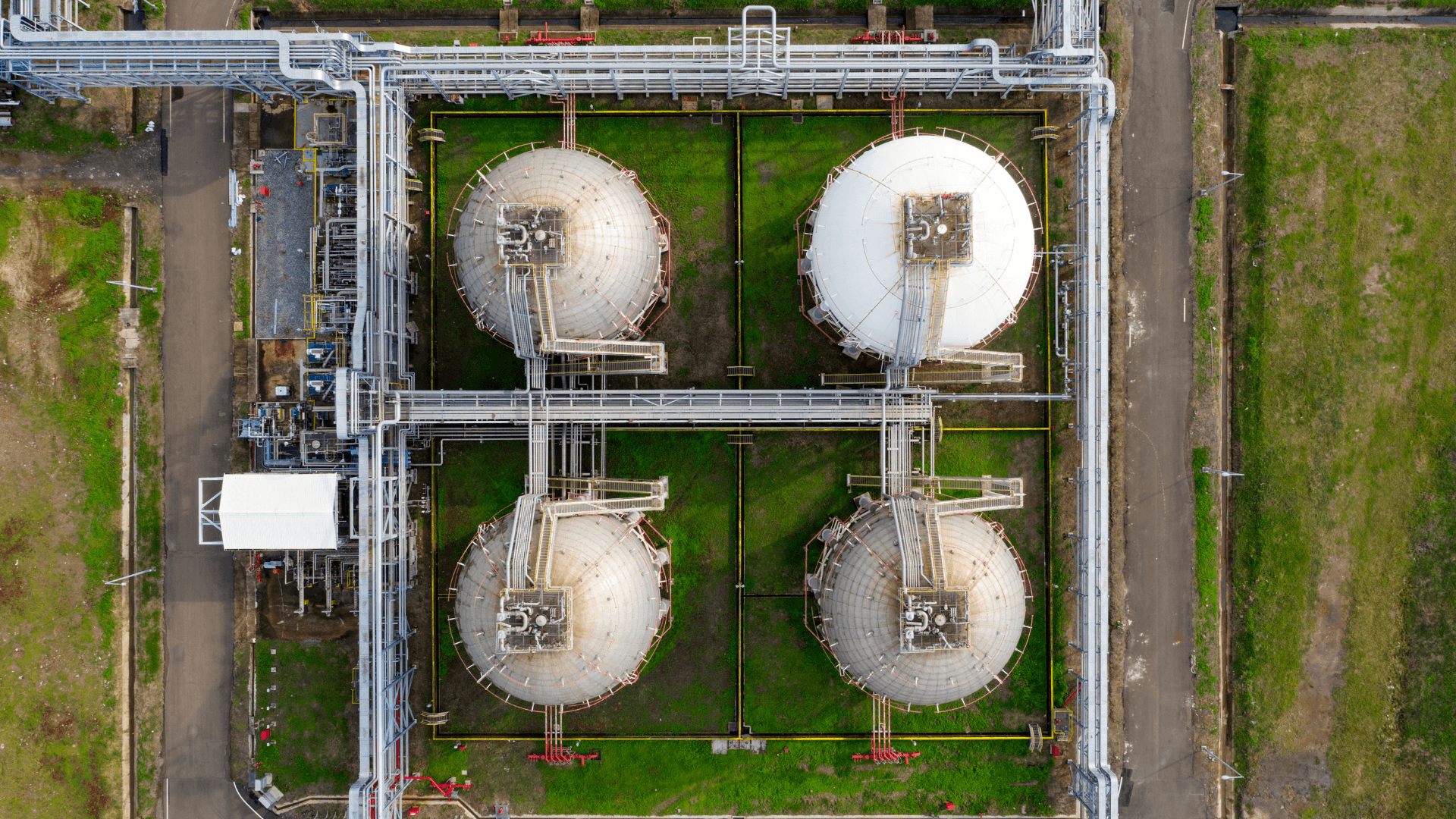
This workshop will examine the role of biogases and biomethane in the EU energy transition, with a focus on how Member States design biomethane support architectures and how different policy objectives, market structures and national circumstances shape approaches across Europe.
As the European Union seeks to strengthen its energy security, competitiveness and decarbonisation efforts, biogases and biomethane are increasingly recognised as a relevant component of the future energy system. While Member States pursue ambitious deployment targets, they have adopted diverse policy objectives and support architectures reflecting different resource bases, market structures and national priorities.
Against this background, the workshop will explore the evolving role of biogases and biomethane in the European energy transition, opening with a DG ENER-led session on biogases in the post-2030 framework before moving to an in-person discussion on biomethane national approaches to biomethane deployment across Member States.
Discussions will focus on the policy objectives shaping biomethane support frameworks, the role of different policy instruments, and how national circumstances influence market development across Europe.
Particular attention will be given to the interaction between policy objectives, support mechanisms and market conditions, including capital grants, feed-in tariffs and premiums, demand-side obligations, greenhouse gas reduction schemes, certification systems and voluntary procurement mechanisms.
The event will bring together representatives from EU institutions, Member States, regulators, biomethane and gas associations, infrastructure and certification actors, market participants, and academic experts to exchange views on the conditions needed for the further development of biomethane markets in Europe.
To encourage an open and candid exchange of views, the workshop will be held under the Chatham House Rule and participation is by invitation only.
At FSR we actively work to achieve gender-balanced representation at all our events. As a platform that connects diverse voices and perspectives in the sector, we firmly value inclusive and gender-balanced panel debates and training activities.
Don’t miss any update on our events
Sign up for free and access the latest events from our community.
More on the topic




1st Florence Maritime Regulation Conference
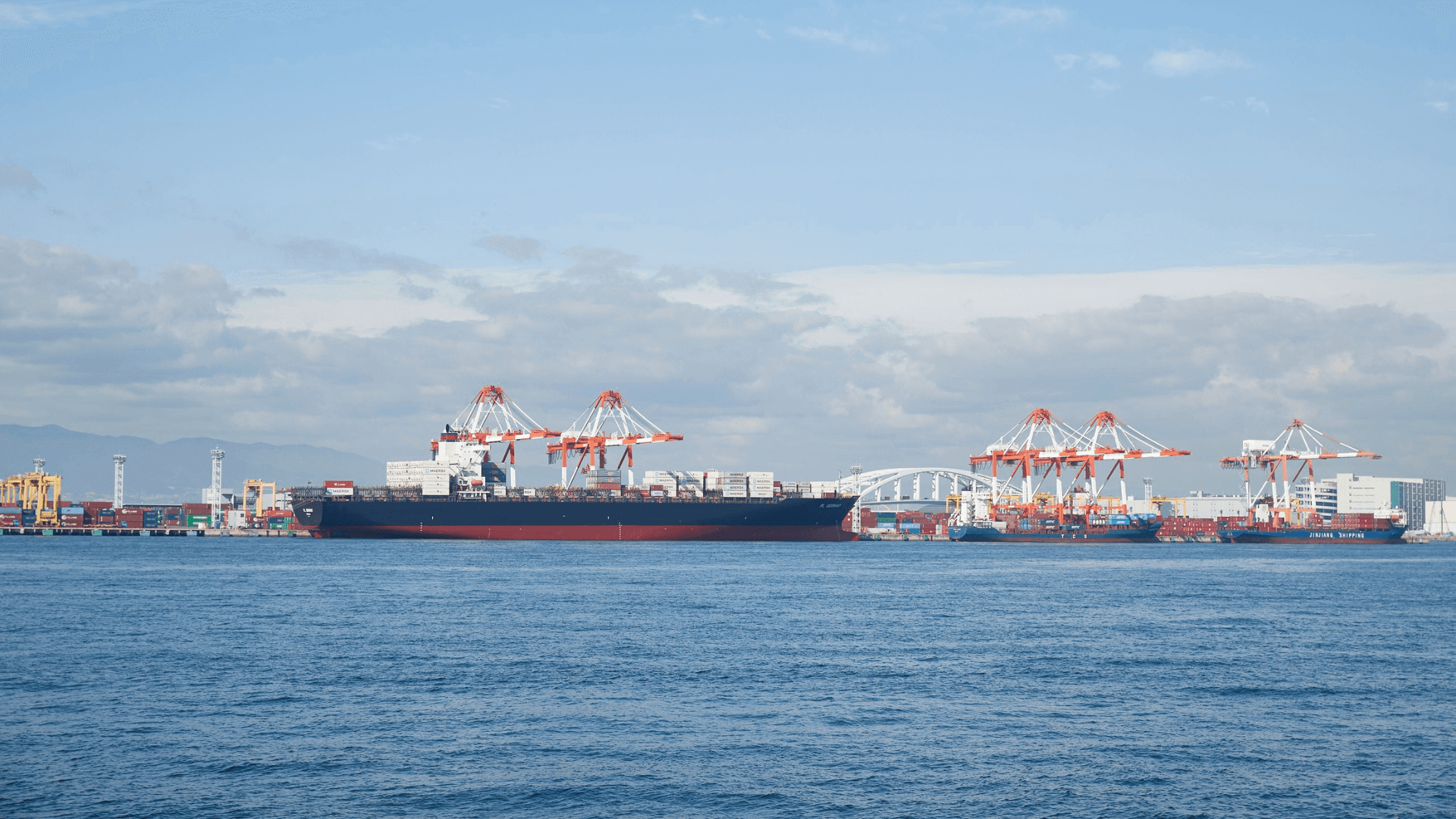
The 1st Florence Maritime Regulation Conference aims to discuss regulatory advancements that accelerate the competitiveness and sustainable development of shipping, ports, and related maritime supply chains in the EU and beyond.
Shipping, ports, and related supply chains are cornerstones of the European economy and world trade, which are shaped by regulatory initiatives developing at national, regional, or global scales. The European Union is currently developing a comprehensive strategy to support the long-term competitiveness of the maritime sector. Multiple recent calls for evidence, addressing either exclusively sectoral issues (i.e., Maritime Industrial Strategy, Ports Strategy, the Sustainable Transport Investment Plan, etc) or broader themes affecting maritime transport (i.e., state aid, foreign direct investment, energy security circularity, etc), aim to frame the current and future regulatory framework for European shipping, ports and the broader maritime cluster.
The 1st Florence Maritime Regulation Conference is a platform where academics, selected industry representatives, and policymakers can engage in an open debate on innovative approaches to maritime-related regulation. The scope of the Conference will be to find practical solutions through rigorous academic dialogue and constructive Debate.
This Conference is part of Transport Week, which includes three academic conferences focusing on maritime, Rail, and Aviation regulation, as well as the Summer School on Transport Regulation, a forum for discussion on transport regulation.
The Conference organisers are seeking original papers on topics ranging from regulatory challenges to sustainable transport. Contributions that employ multidisciplinary and interdisciplinary approaches to regulation, and that combine academic and practical perspectives, are highly encouraged. The Conference is intended for academics, academically minded practitioners and PhD researchers. The best papers will be eligible for publication in the book series Challenges in Transport Regulation in Europe and Beyond , published by Edward Elgar.
The Conference is organised by the Transport Area of the Florence School of Regulation of the European University Institute, in collaboration with the Jean Monnet Chair in European Port Policy, University of Piraeus, and will take place in Florence (Italy).
Conference Structure
The format of the Florence Maritime Regulation Conference will be the following:
- Presentation of Academic Papers (20´/Paper approx.)
- Feedback and Debate around the Papers (20´/Paper approx.)
This is a 1-day conference, aiming to discuss around 10 papers and engage a selected group of 30/40 individuals, including leading academics, high-level stakeholder representatives, and public officials, in a fruitful policy debate.
Timeline
Submission of the Abstract by 15th January 2026 using the form. For any issue regarding the submission, please contact Ms Elodie Petrozziello at fsr.transport@eui.eu
Notification of Acceptance by 15th February 2026;
Submission of the Full Paper by 15th of June 2026; participants who fail to submit a full paper by this deadline will be automatically removed from the programme.
Conference on 17th July2026 in Florence (Italy).
Guidelines for the abstract
- 600-1000 words (abstract);
- Title of the paper & keywords;
- Name of the author(s) and full address of the corresponding author;
- The aim and methodology of the paper, and
- Results obtained or expected
Organising committee
Juan Montero | Director of the Transport Area of the FSR, Professor of Administrative Law and Regulation in UNED University (Madrid)
Thanos Pallis | Senior Scientific Advisor, Transport Area of the FSR; and Professor (Jean Monnet Chair in European Port Policy), Department of Maritime Studies, University of Piraeus, Greece.
Elodie Petrozziello | Research Associate of the Transport Area of the FSR
Fee
Free Attendance, but registration is required.
At the EUI and the Robert Schuman Centre, we are dedicated to removing barriers and providing equal opportunities for everyone. Please indicate in the registration form your accessibility needs, if any. Alternatively, you can contact the logistics organiser of the event.
At FSR, we actively work to achieve gender-balanced representation at all our events. As a platform that connects diverse voices and perspectives in the sector, we strongly value inclusive and gender-balanced panel debates and training courses.
Don’t miss any update on our events
Sign up for free and access the latest events from our community.


From the Space Economy to Space Economics

This workshop will explore how economic theory and empirical methods can be applied to the rapidly expanding space sector, aiming to establish space economics as a recognised academic field and to examine how regulation and market design shape space activities and investments.
Space technologies are being woven into every sector of the economy at an unprecedented pace, creating impacts that ripple across infrastructure, governance, and commerce. The economic impact? It is no longer measured it in billions, but trillions. And the transformation has only just begun. Despite this explosive growth, space economics is not yet established as an academic discipline. While industry analysts track market trends, measure the size of the space economy and, in some cases, the impact of space activities on the broader economy, there remains a critical gap: the rigorous conceptual frameworks, empirical methods, and scholarly production needed to truly capture the impact of regulations and market design on space operations and investments.
To address this gap and establish space economics as a recognized field of study, the European Space Policy Institute (ESPI) in collaboration with the Florence School of Regulation, will be co-organising a workshop titled “From the Space Economy to Space Economics . This workshop aims to investigate diverse research methodologies applied to space, and to cultivate a community of space economists who can advance the discipline.
The workshop will explore three methodological approaches:
-Market models – equilibrium models that capture the impact of regulation and market design on space operations and investment
-Econometric analysis – benchmarking the economic performance of space companies, space markets, and space policies using empirical data
-Conceptual analysis – qualitative and theoretical work that advances economic understanding of space
The seminar is designed to fully engage all participants in exploring the foundations of space economics as an academic discipline. Each session will feature a presenter who introduces the key research approach, followed by a discussant who will offer critical perspectives and raise questions for debate. Each session will then feature a roundtable discussion where all participants are invited to challenge assumptions, share insights from their own research, and collectively shape the contours of this emerging field.
Expression of interest
The seminar is designed for space professionals engaged in economic policy and academics seeking to contribute to the development of space economics as a scholarly discipline. To ensure a high-quality, interactive learning environment, participation is capped at 20 attendees.
Interested candidates are invited to submit an Expression of Interest through the online application form, along with:
· A short curriculum vitae (CV), and
· A letter of motivation
Selected participants will be notified of the outcome of their application by email.
At the EUI and the Robert Schuman Centre, we are dedicated to removing barriers and providing equal opportunities for everyone. Please indicate in the registration form your accessibility needs, if any. Alternatively, you can contact the logistics organiser of the event.
At FSR, we actively work to achieve gender-balanced representation at all our events. As a platform that connects diverse voices and perspectives in the sector, we strongly value inclusive and gender-balanced panel debates and training courses.
Don’t miss any update on our events
Sign up for free and access the latest events from our community.

5th Florence Rail Regulation Conference

The 5th Florence Rail Regulation Conference aims to discuss advancements for accelerating the growth of the railways in the EU.
The 5th Florence Rail Regulation Conference aims to discuss advancements for accelerating the growth of the railways in the EU. This conference is a space where academics, selected industry representatives, and policymakers can debate freely on fresh approaches to rail regulation. The scope of the conference will be to find practical solutions through rigorous academic dialogue and constructive debate.
This conference is part of Transport Week, which includes three academic conferences focusing on Rail, Aviation and Maritime regulation and a Summer School on Transport Regulation, a forum for discussion on transport regulation.
The Conference organizers are looking for original papers on topics including competition in and for the market, capacity regulation, performance regulation, financing of infrastructure, high-speed passenger services, freight services, etc. Contributions that employ multidisciplinary and interdisciplinary approaches to regulation and that combine academia and practice are highly encouraged. The conference is intended for academics, academically minded practitioners and PhD researchers. The best papers will be eligible for publication in the book series Challenges in Transport Regulation in Europe and Beyond , published by Edward Elgar.
The Conference is organized by the Transport Area of the Florence School of Regulation of the European University Institute and will take place in Florence (Italy).
Conference Structue
The format of the Florence Conference on the Regulation of Railways will be the following:
- Presentation of Academic Papers (20´/Paper aprox.)
- Feedback and Debate around the Papers (20´/Paper aprox.)
This is a 1-day conference, aiming to discuss 10/12 papers and engage a selected group of 30/40 individuals, including leading academics, high-level stakeholder representatives, and public officials, into a fruitful policy debate.
Timeline
Submission of the Abstract by 15th January 2026 using the form. For any issue regarding the submission, please contact Ms Elodie Petrozziello at fsr.transport@eui.eu
Notification of Acceptance by 15th February 2026;
Submission of the Full Paper by 15th of June 2026; participants who fail to submit a full paper by this deadline will be automatically removed from the programme;
Conference on 13th July2026 in Florence (Italy).
Guidelines for the abstract
600-1000 words (abstract);
Title of the paper & keywords;
Name of the author(s) and full address of the corresponding author;
The aim and methodology of the paper; and
Results obtained or expected
Organising committee
Juan Montero | Director of the Transport Area of the FSR, Professor of Administrative Law and Regulation in UNED University (Madrid)
Matthias Finger | Senior Scientific Advisor of the Transport Area of the FSR. EPFL, Professor Emeritus
Elodie Petrozziello | Research Associate of the Transport Area of the FSR
Fee
Free Attendance, but registration will be required
At the EUI and the Robert Schuman Centre, we are dedicated to removing barriers and providing equal opportunities for everyone. Please indicate in the registration form your accessibility needs, if any. Alternatively, you can contact the logistics organiser of the event.
At FSR, we actively work to achieve gender-balanced representation at all our events. As a platform that connects diverse voices and perspectives in the sector, we strongly value inclusive and gender-balanced panel debates and training courses.
Don’t miss any update on our events
Sign up for free and access the latest events from our community.
3rd Florence Aviation Regulation Conference

The 3rd Florence Aviation Regulation Conference aims to discuss current and future economic and regulatory policies relating to European air transport.
The conference brings together academics, selected industry representatives, and policymakers. The scope of each year’s conference is to find practical solutions through rigorous academic dialogue and constructive debate.
This conference is part of Transport Week, which includes three academic conferences focusing on Aviation, Rail, and maritime regulation, as well as a Summer School on transport regulation, a forum for discussion on transport regulation.
The Conference organisers are seeking original papers on topics that affect European air transport, including regulatory challenges, resilience and competitiveness, sustainable aviation, investments, digitalisation, and innovation in the aviation sector (such as ramping up the development of alternative fuels and U-Space). Contributions that employ multidisciplinary and interdisciplinary approaches to regulation, and that combine academic and practical perspectives, are highly encouraged. The conference is intended for academics, academically minded practitioners, and PhD researchers. The best papers will be eligible for publication in a book on Transport Regulation in Europe, to be published by a leading publisher biannually.
The Conference is co-organised by the Transport Area of the Florence School of Regulation of the European University Institute and the International Institute of Air and Space Law of Leiden University. The Conference will take place in Florence (Italy).
Conference Structure
The Florence Conference on the Regulation of Aviation has the following format:
- Presentation of Academic Papers (ca. 20 minutes/paper)
- Feedback and Debate around the Papers (ca. 20 minutes/paper)
This is a full-day conference, aiming to discuss 10-12 papers and engage a selected group of 30-40 individuals, including leading academics, high-level stakeholder representatives, and public officials in fruitful policy debate.
Timeline
Submission of the Abstract by 15th January 2026 using the relevant form. For any issue regarding the submission, please contact Ms Elodie Petrozziello at fsr.transport@eui.eu.
Notification of Acceptance by 15th February 2026;
Submission of the Full Paper by 15th of June 2026; participants who fail to submit a full paper by this deadline will be automatically removed from the programme;
Conference on 17th July2026 in Florence (Italy).
Guidelines for the abstract
- 600-1000 words (abstract);
- Title of the paper & keywords;
- Name of the author(s) and full address of the corresponding author;
- The aim and methodology of the paper; and
- Results obtained or expected
Organising committee
Juan Montero | Director of the Transport Area of the FSR, Professor of Administrative Law and Regulation in UNED University (Madrid)
Steven Truxal | Part-time Professor, Transport Area FSR, Florence School of Regulation. Full Professor of Air and Space Law, and Director of the Institute of Air and Space Law at Leiden University.
Elodie Petrozziello | Research Associate of the Transport Area of the FSR
At the EUI and the Robert Schuman Centre, we are dedicated to removing barriers and providing equal opportunities for everyone. Please indicate in the registration form your accessibility needs, if any. Alternatively, you can contact the logistics organiser of the event.
At FSR, we actively work to achieve gender-balanced representation at all our events. As a platform that connects diverse voices and perspectives in the sector, we strongly value inclusive and gender-balanced panel debates and training courses.
Don’t miss any update on our events
Sign up for free and access the latest events from our community.
Enabling biomethane deployment through policy and regulation
Online workshop

This online workshop will provide policymakers with a structured overview of how biomethane policy frameworks are evolving in Europe.
It will focus on national support architectures, the implementation of the EU decarbonised gas framework, and the interaction between energy, agricultural and environmental policy.
Participants will explore why biomethane support may be needed, which market failures, risks and barriers still affect deployment, and how different support instruments can be combined into coherent national policy frameworks. The workshop will also place biomethane support schemes in the broader context of recent EU gas market reforms, including the Hydrogen and Decarbonised Gas Market Package and their implications for infrastructure access, market integration and regulatory coordination
The final part of the programme will look beyond energy policy, considering how agricultural regulations can enable or constrain biomethane deployment. Through expert presentations and discussion, participants will reflect on how national frameworks can be designed in a way that is effective, coherent and compatible with the broader EU policy framework.
The workshop is hosted in the context of the European Biomethane Week.
Programme
Morning Sessions: Biomethane support frameworks and national policy design
10.30 – 11.25
Why biomethane support is needed: market failures, risks and barriers
Marzia Sesini | FSR
11.25 – 12.30
From support instruments to national policy architectures
Marzia Sesini | FSR
12.30 – 13.30
Lunch break
Afternoon Sessions: EU implementation and cross-sectoral policy interfaces
13.30 – 14.25
The Gas Package and national transposition: what matters for biomethane
Andris Piebalgs | FSR
14.25 – 15.20
Biomethane beyond energy policy: agriculture, fertilisers, digestate and environmental regulation
Fabio Santeramo | University of Foggia
15.20 – 15.30
Closing discussion
From EU targets to national implementation: what should policymakers prioritise?
Moderated by Andris Piebalgs | FSR
The workshop is free of charge, but registration is required.
Register by 13 October 2026
Don’t miss any update on our events
Sign up for free and access the latest events from our community.

An Overview of Recent Energy Case Law from the CJEU, June 2026

The FSR Law Area provided a comprehensive review of the most significant energy cases before the Court of Justice of the European Union in recent months. Kaisa Huhta (Part-Time Professor, FSR; Associate Professor, University of Eastern Finland) and Adrien de Hauteclocque (Part-Time Professor, FSR; Visiting Senior Fellow, LSE) offered an expert analysis of the latest developments in case law. The discussion also covered an overview of the most significant pending cases.
Watch the debate:
Following the presentation, an interactive Q&A session was held, allowing attendees to engage directly with the experts and enhance their understanding of the topics discussed.
Programme
14.00 CEST – Case Law Update
Kaisa Huhta, Part-Time Professor FSR; Associate Professor, University of Eastern Finland
Adrien de Hauteclocque, Part-Time Professor, FSR; Visiting Senior Fellow, LSE
15.00 CEST – Q&A
Kaisa Huhta, Part-Time Professor FSR; Associate Professor, University of Eastern Finland
Adrien de Hauteclocque, Part-Time Professor, FSR; Visiting Senior Fellow, LSE
At FSR, we actively work to achieve gender-balanced representation at all our events. As a platform that connects diverse voices and perspectives in the sector, we strongly value inclusive and gender-balanced panel debates and training courses.
Presentations
-
An overview of recent energy case law from the CJEU
Adrien de Hauteclocque and Kaisa Huhta
Don’t miss any update on our events
Sign up for free and access the latest events from our community.
EU ETS 2026 revision: what’s next?

This online debate examined the upcoming review of the EU Emissions Trading System (ETS) and its role in steering Europe towards climate neutrality.
Watch the recording:
The EU Emissions Trading System (EU ETS) is entering a decisive phase, as the European Commission is preparing the 2026 review of the EU ETS to address pending issues from its last revision and align the EU ETS with the newly adopted 2040 climate target. The Commission has been mandated to assess the integration of carbon removals, the expansion of the system’s scope, carbon leakage in sectors not covered by the Carbon Border Adjustment Mechanism (CBAM), the market stability reserve (MSR), the use of ETS revenues, and conditions for international linkages. The revision also offers a chance to address liquidity issues arising from the progressively declining cap (the so-called EU ETS endgame ).
Although taken for granted as the pillar of the EU’s climate policies, the EU ETS is standing at the top of the EU political agenda. Several countries and industrial actors have raised concerns over the economic risks of having high carbon costs. On 19 March, the European Council reaffirmed the essential role of the ETS in the climate and energy transition as a market-based price signal for carbon emissions that drives investment and innovation. The Council also invited the European Commission to include in the review to be published in July 2026 possible solutions to reduce the volatility of the carbon price and mitigate its impact on electricity prices, including related supply chain costs, and on diversion of activities.
This FSR Online Debate examined the key aspects the reform must address to ensure the necessary emission reductions. It touched upon the opportunities and risks arising from relying on the market stability reserve, international credits, and free allocations.
The LIFE NETS – Net-Zero Emissions Trading Systems project, co-financed by the EU Life Programme, aims to improve how ETSs can be designed and communicated to enhance credibility, transparency, and public trust, while remaining effective in delivering emission reductions.
The session followed a moderated panel format, with introductory remarks from the chair, four interventions from the speakers, an open discussion between participants, and dedicated time for audience questions.
The debate also introduced the first NETS training course on the functioning of the EU ETS, taking place in February 2027 at the EUI.
Programme
Introduction
- Simone Borghesi (Florence School of Regulation, EUI and University of Siena)
Panel
- Academia: Michael Pahle (Potsdam-Institute for Climate Impact Research)
- Civil society: Lidia Tamellini (Carbon Market Watch)
- Industry representative: Daniele Agostini (ENEL)
Moderators
- Jacopo Cammeo (Florence School of Regulation, EUI)
Q&A Session
Presentations
-
LIFE NETS - Net-Zero Emissions Trading System
Jacopo Cammeo, Simone Borghesi
-
Don't mess with ETS
Lidia Tamellini, Policy Expert on EU industrial decarbonisation
Don’t miss any update on our events
Sign up for free and access the latest events from our community.
More on the topic







Policy Advisory Council meeting
The Policy Advisory Council (PAC) meetings provide a bi-annual opportunity for the Florence School of Regulation experts to discuss relevant topics with its Star and Major Donors, as well as invited academics, regulators and policy-makers, and to receive their feedback.
The Policy Advisory Council (PAC) meetings provide a bi-annual opportunity for the Florence School of Regulation (FSR) to discuss relevant topics with its Star and Major Donors, as well as invited academics, regulators and policy-makers, and to receive their feedback.
This PAC meeting will focus on two key aspects of EU energy and climate policy and regulatory framework:
- The regulatory treatment of anticipatory investments; and
- The 2040 energy and climate targets and their governance framework. In December 2025, the European Parliament and the Council reached a provisional agreement on a legally binding 2040 climate target, setting a goal to reduce net greenhouse gas (GHG) emissions by 90% compared to 1990 levels. This agreement would amend the European Climate Law, establishing a crucial, science-based intermediate step toward the EU’s objective of climate neutrality by 2050.
The PAC meetings are run under Chatham House rules.
Please note that this event is by invitation only and exclusively reserved for star and major donors of the Florence School of Regulation.
At the EUI and the Robert Schuman Centre, we are dedicated to removing barriers and providing equal opportunities for everyone. Please indicate in the registration form your accessibility needs, if any. Alternatively, you can contact the logistics organiser of the event.
At FSR, we actively work to achieve gender-balanced representation at all our events. As a platform that connects diverse voices and perspectives in the sector, we strongly value inclusive and gender-balanced panel debates and training courses.
Don’t miss any update on our events
Sign up for free and access the latest events from our community.

Rail Service Facilities in the European Union
28th Florence Rail Forum
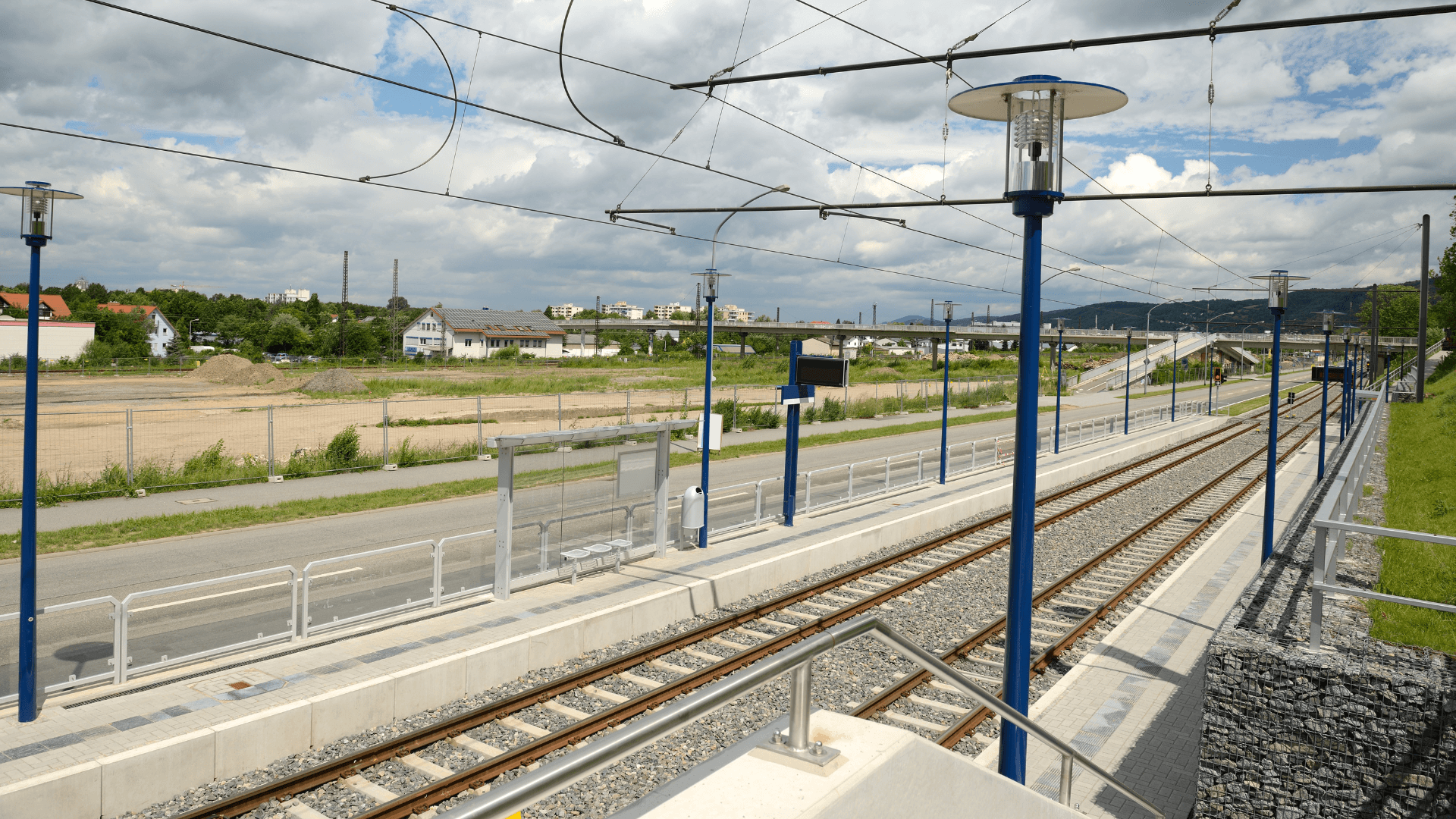
During this Forum, experts will discuss how to ensure fair, transparent, and efficient access to rail service facilities, addressing regulatory approaches, business models, and coordination challenges in the context of the Single European Railway Area and the High-Speed Plan.
Rail service facilities, ranging from maintenance depots to refuelling stations, marshalling yards, and freight terminals, are indispensable components of the European rail system. As EU rail markets evolve toward greater liberalisation and cross‑border integration, ensuring fair, transparent, and efficient access to such facilities has become a cornerstone of the Single European Railway Area.
In November 2025, the European Commission launched the High-Speed Plan, aiming to deliver a well-functioning, faster high-speed rail network by 2040. To enable this, one key action is removing entry barriers for new high-speed operators by ensuring better coordination of track capacity, fair track access charges, and non-discriminatory access to service facilities. For freight, and especially single‑wagonload operations, service facilities constitute an essential part of the business model. Users face issues related to charges, access conditions, neutrality, and revenue‑management practices that can disproportionately affect competitiveness. Another pressing question is whether operators can feasibly build their own facilities, or whether high investment costs mean only dominant players can, raising concerns about replicability, market foreclosure, and possible unbundling requirements. Some facilities remain natural monopolies with high sunk costs, while others operate in more contestable environments, making a one‑size‑fits‑all approach potentially burdensome or misaligned with market realities. Examples such as UK regulatory decisions on strategic assets, like the Channel Tunnel, illustrate the challenges of balancing investment incentives, fair access, and competitive neutrality. Hence, new rules on rail capacity and service facilities are under discussion at the European level, emphasising harmonisation, digitalisation, and cross-border coordination.
The Forum, co-organised by the Transport Area of the Florence School of Regulation together with the EC’s DG MOVE, will tackle the following topics:
· Asymmetrical regulatory approach to service facilities: Is a single EU‑wide horizontal regulation justified? Should regulatory obligations vary according to market power? What are the lessons from the UK Channel Tunnel regulatory decision? What digitalisation and coordination requirements are needed? How to ensure neutrality and transparency in facility operations?
· Business models and relevance to different services: What are the business models for different service facilities? Should there be a different approach for service facilities supporting passenger service vs freight services? Are there specific requirements for service facilities for single‑wagonload freight? What distinguishes a standard shunting hill from a neutral shunting hill in terms of ownership, governance, and operational approach?
· Coordination between service facilities’ operators and rail infrastructure managers: How to ensure an effective coordination of service facilities and infrastructure network in the framework of the new Capacity Management Regulation? What digitalisation and coordination requirements are needed? How to ensure neutrality and transparency in facility operations? How to interface railway services effectively in ports with the main network?
Kindly note that registration is upon invitation only.
At the EUI and the Robert Schuman Centre, we are dedicated to removing barriers and providing equal opportunities for everyone. Please indicate in the registration form your accessibility needs, if any. Alternatively, you can contact the logistics organiser of the event.
At FSR, we actively work to achieve gender-balanced representation at all our events. As a platform that connects diverse voices and perspectives in the sector, we strongly value inclusive and gender-balanced panel debates and training courses.
Don’t miss any update on our events
Sign up for free and access the latest events from our community.
LUCE Awards 2026 – Women for the green transition
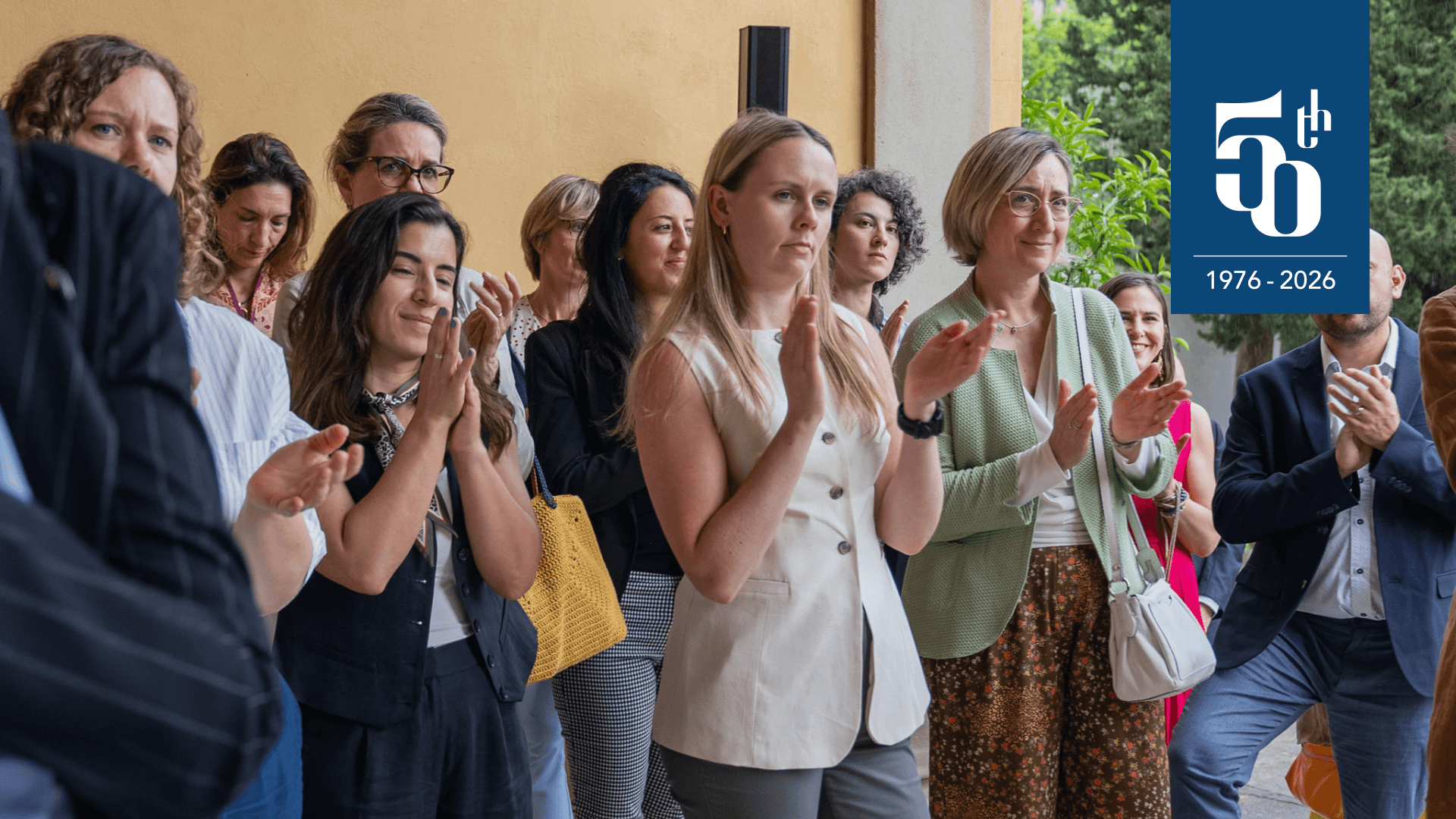
Join the LUCE awards ceremony to celebrate the vital role of women in the green transition and their leadership in building a sustainable, inclusive future.
Building on the strong foundation laid in previous years, the 4th edition of the LUCE Awards represents a renewed step forward in accelerating the Green Transition. As global attention intensifies around energy, climate, and sustainability challenges, this edition reaffirms once again the critical role women play in shaping a more sustainable and inclusive future.
With our ongoing commitment to advancing gender equality in the energy, climate, and sustainability sectors — and with the valuable support of Edison — the 4th edition of the LUCE Awards celebrates the outstanding contributions of women driving innovation and progress in these fields. As we forge ahead on the path toward a greener tomorrow, this edition aspires to further amplify the voices and achievements of women who are pioneering solutions for a sustainable planet.
On 9 June 2026 in Florence, the LUCE Awards will honour the accomplishments of two outstanding women professionals, presenting one prize in each of the following categories:
Emerging Talent (applications open from 6 February to 11 March 2026)
Legacy Women (public vote open from 17 to 31 March 2026)
This year’s event will also include the announcement of the two winners of the 10th Ana Aguado Scholarship Award, a joint initiative by the European Distribution System Operators’ Association (E.DSO) and the Florence School of Regulation, supported by SolarPower Europe. This long-standing programme continues to empower young professionals through high-level training opportunities in the energy sector.
The LUCE Awards will be preceded by the 9th meeting of the Equality Platform for the Energy Sector, taking place on the morning of 9 June. Led by the European Commission, the meeting will gather representatives of the Directorate-General for Energy, Platform members, signatories, and project partners to discuss progress and collective action toward gender equality in the sector. Participation in the Equality Platform meeting is limited to Platform members. Further information on the Platform and instructions on how to join are available on the Platform’s webpage.
At the EUI and the Robert Schuman Centre, we are dedicated to removing barriers and providing equal opportunities for everyone. Please indicate in the registration form your accessibility needs, if any. Alternatively, you can contact the logistics organiser of the event.
At FSR, we actively work to achieve gender-balanced representation at all our events. As a platform that connects diverse voices and perspectives in the sector, we strongly value inclusive and gender-balanced panel debates and training courses.
Don’t miss any update on our events
Sign up for free and access the latest events from our community.