


What challenges unite regulators across the globe?
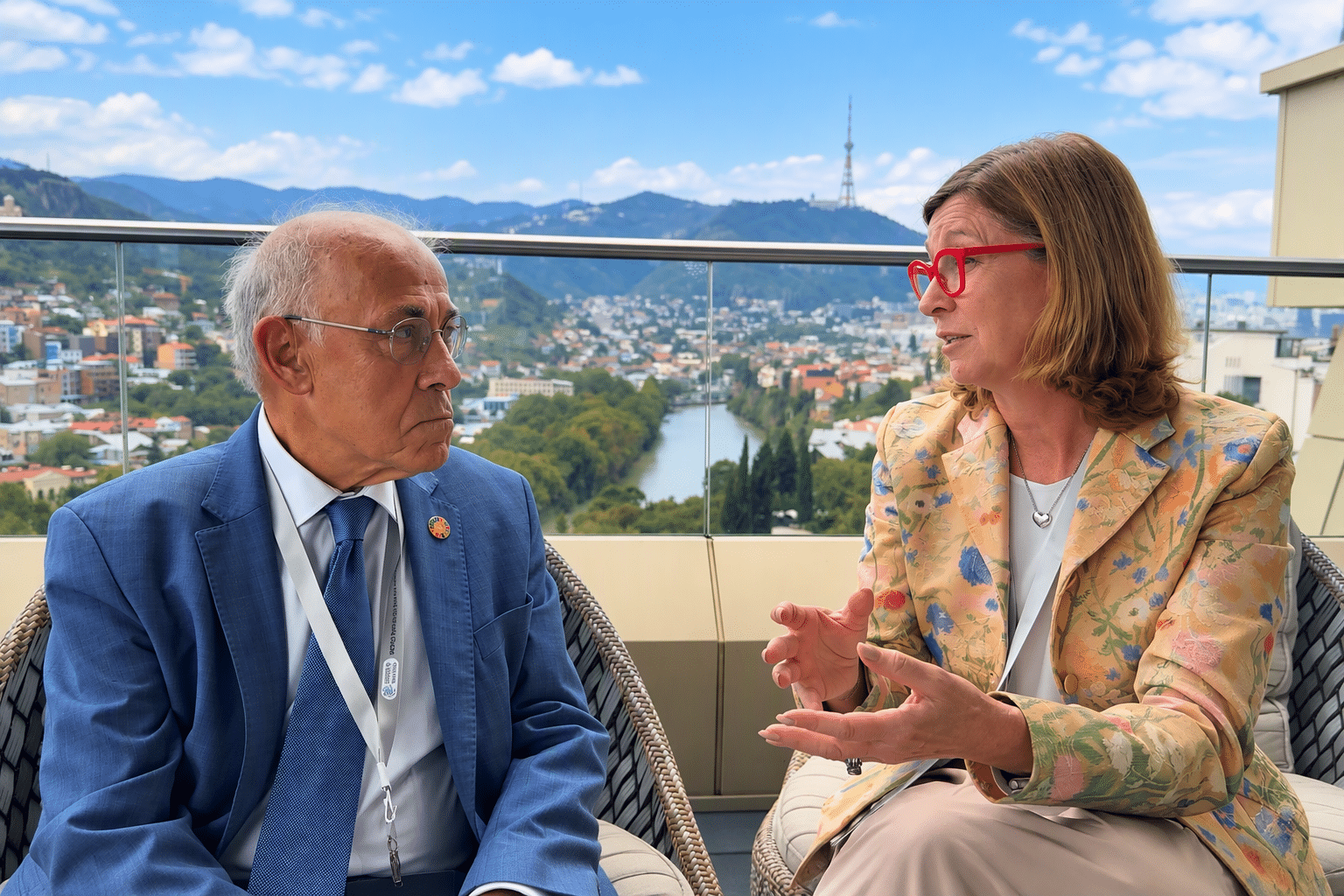
In this conversation recorded during the World Forum on Energy Regulation (WFER IX), Ignacio Pérez-Arriaga (FSR) and Anna Collyer (AEMC) reflect on the role and challenges of regulators across different countries, drawing on experiences from Europe, Australia, Africa, and beyond.
At a time when energy policy sits at the heart of debates on climate change, competitiveness and security, energy regulators are becoming increasingly important actors in public life. Yet, their growing prominence is accompanied by growing pressure.
From Africa to Australia: navigating the energy transition
In this conversation recorded during the World Forum on Energy Regulation (WFER IX), Ignacio Pérez-Arriaga (Florence School of Regulation) and Anna Collyer (Australian Energy Market Commission), both instructors in the Florence School of Regulation’s training day organised at WFER IX, reflect on what unites energy regulators across different regions and stages of development. Drawing on experiences from Europe, Australia, Africa and beyond, they explore how regulators are navigating the energy transition while balancing affordability, security of supply and climate objectives.
The discussion highlights a key paradox of energy regulation today. While the fundamental principles of regulation remain largely unchanged, including independence, transparency, evidence-based decision making and the promotion of efficient markets, the context in which regulators operate is becoming increasingly uncertain and complex.
From integrating renewable energy and expanding transmission networks to addressing energy poverty and ensuring universal access to electricity, the challenges may look different from one country to another, but they often stem from the same underlying questions. How can regulators support the energy transition while maintaining reliable and affordable energy systems? How should they respond to growing societal expectations and evolving government priorities?
The conversation also examines the changing role of regulators in a world where energy policy is increasingly intertwined with other sectors, including transport, industry and broader economic development. As energy becomes ever more central to public debate, regulators are finding themselves under greater scrutiny while operating within a more complex policy environment.
FSR at WFER IX
Recorded on the sidelines of WFER IX, this exchange offers insights from two experts who have worked closely with regulatory authorities and governments across the globe. It also reflects the spirit of the Florence School of Regulation’s activities at the Forum: creating opportunities for peer learning, international dialogue and the exchange of practical regulatory experience among energy professionals worldwide.
The Florence School of Regulation organised a specialised energy training within the framework of the 9th World Forum on Energy Regulation (WFER IX), in cooperation with the Council of European Energy Regulators (CEER) and the National Association of Regulatory Utility Commissioners (NARUC), and with the involvement of experts from the African School of Regulation (ASR), Public Utilities Regulatory Commission (PURC), Energy Regulators Regional Association (ERRA), and Association of Portuguese-Speaking Energy Regulators (RELOP).
Learn more
Don’t miss any update on this topic
Sign up for free and access the latest publications and insights
More on the topic