


Integrating energy system planning and regulation to decarbonise the energy sector
Regulatory Policy Workshop

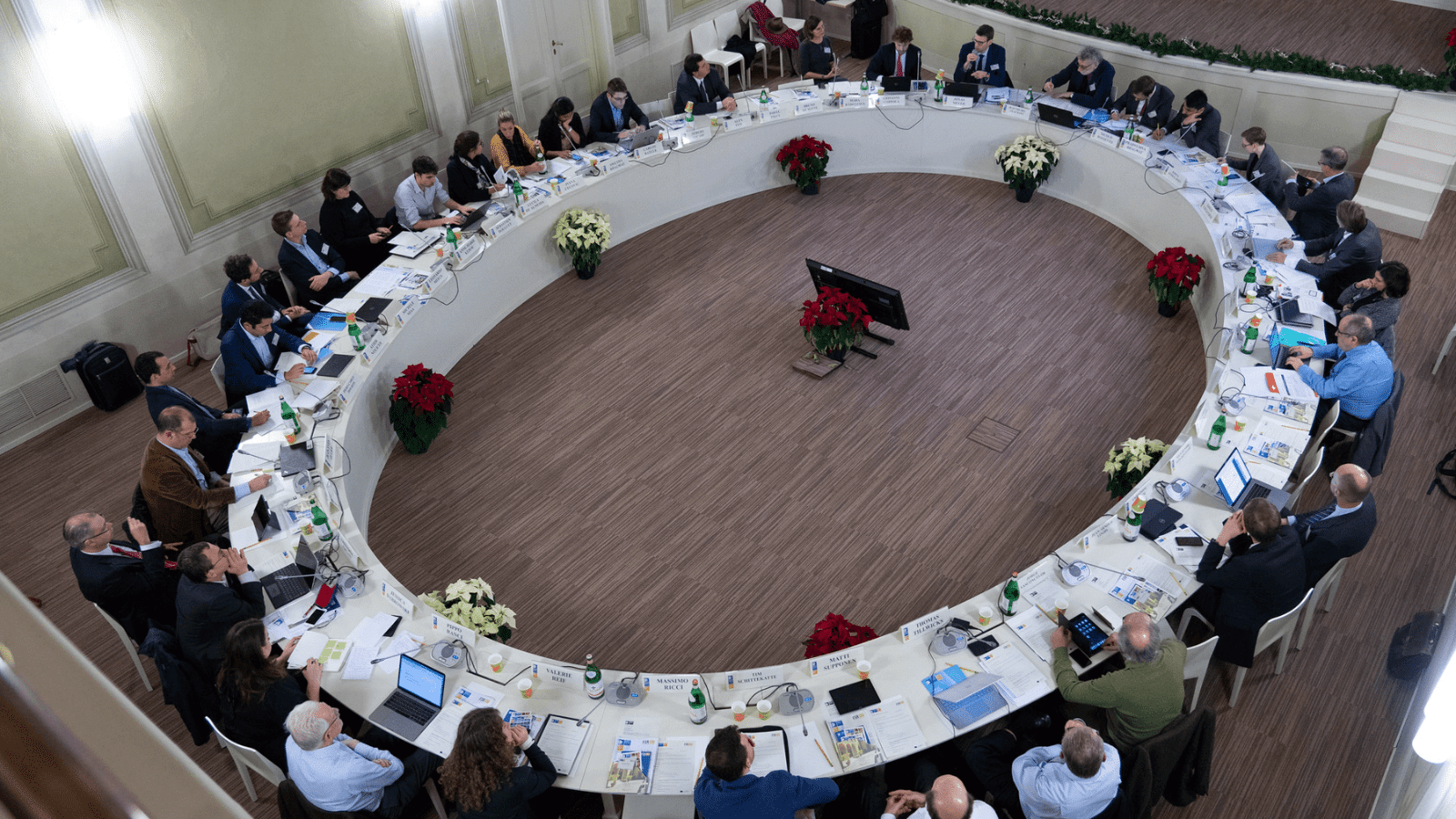
This workshop examines how more integrated planning and regulation of electricity, gas, hydrogen and CO₂ infrastructure can support Europe’s energy and climate objectives.
Achieving the European Union’s climate and energy objectives requires the coordinated development and operation of electricity, gas, hydrogen, carbon dioxide and, increasingly, district heating and cooling infrastructure. Electrification, renewable and low-carbon gases, hydrogen, carbon capture and storage, energy storage and demand-side flexibility are no longer separate policy agendas, but complementary elements of an integrated energy system.
This workshop will examine the extent to which electricity, gas and hydrogen infrastructure in the EU is currently planned and regulated in an integrated manner, whether greater integration is desirable and in which areas, and what barriers might stand in its way. It will also explore regulatory reforms that could improve coordination across energy sectors.
The workshop will provide an opportunity to consider how similar challenges are being addressed in the United States, with the participation of Norman C. Bay, former Chair of the U.S. Federal Energy Regulatory Commission.
The workshop will consist of an opening discussion followed by three sessions.
Session I: Integrated infrastructure planning
The first session will examine how electricity, gas, hydrogen and CO₂ infrastructure is currently planned in the EU. It will review existing planning processes, including the roles of Member States’ National Energy and Climate Plans (NECPs), network development plans, integrated energy scenarios and cost-benefit methodologies, and assess the extent to which they support coordinated infrastructure development. The discussion will identify remaining gaps between planning processes and explore opportunities for more integrated system planning.
Session II: Regulation and investment across energy networks
The second session will consider the regulatory dimension, recognising that planning alone will not deliver an integrated energy system. It will analyse how existing regulation influences investment decisions across electricity, gas and hydrogen networks, considering the regulatory treatment of sector coupling, anticipatory investments, tariff design, cross-sector cost allocation and the valuation of flexibility as an alternative to traditional network expansion.
Session III: Priorities for future EU regulation
The final session will look ahead and discuss how EU legislation and regulatory practice could further support integrated energy system development. It will explore governance arrangements, the respective roles of regulators, system operators and policymakers, and priorities for future reforms that could enable infrastructure planning and regulation to contribute more effectively to a secure, affordable and climate-neutral European energy system.
This workshop is reserved for FSR donors and form part of FSR’s broader engagement with its donor community. For information on donor programmes, benefits and contact details, please visit this link
At the EUI and the Robert Schuman Centre, we are dedicated to removing barriers and providing equal opportunities for everyone. Please indicate in the registration form your accessibility needs, if any. Alternatively, you can contact the logistics organiser of the event.
At FSR, we actively work to achieve gender-balanced representation at all our events. As a platform that connects diverse voices and perspectives in the sector, we strongly value inclusive and gender-balanced panel debates and training courses.
Don’t miss any update on our events
Sign up for free and access the latest events from our community.
More on the topic