












Participation to the event is by invitation only.
Type of event: Forum
Forum
13th Florence Air Forum | Review of Regulation (EC) No 1008/2008 on the Operation of Air Services in the EU
From 25 February 2020 to 26 February 2020

Introduction
Regulation 1008/2008 (the “Air Services Regulation”) is the basic legal act organising the EU internal market for air services. It was adopted in 2008 as the legal successor of the three “aviation packages”, which have progressively established the EU internal aviation market. It also codifies the rules of three Regulations from 1992 (on licensing of carriers, on access to the EU market and on air fares and rates).
The Regulation contains provisions on the following main topics: Operating Licences, including on 1) EU carriers’ Principal Place of Business and temporary licence and 2) Ownership and control (O&C) of EU air carriers; 3) Leasing; 4) Freedom to provide intra-EU air services; 5) Public Service Obligations (PSOs); 6) Traffic distribution rules (TDR); and 7) Price transparency.
The evaluation of the Air Services Regulation
As announced in its 2015 Aviation Strategy, the Commission carried out an evaluation of the Regulation and published in July 2019 a Commission report.
The objective of this evaluation was to provide insight into the actual performance of the Air Services Regulation and its overall intended and unintended impacts. While the Regulation does not include any specific social provisions, the indirect impacts associated with its application and the liberalisation of the air services market on employment and working conditions of air crews formed part of the analysis. The impacts on the environment and the ongoing initiatives to address concerns about CO2 emissions and noise were also analysed. The Evaluation report concluded that the Regulation and its predecessors have brought sizeable EU added value in creating the EU internal aviation market by removing barriers to competition, such as restrictions on the routes, increasing the number of flights, allowing entry of new market operators, in particular in the low cost segment, and increasing the range of advertised fares. The Air Services Regulation has been very effective in achieving its objectives (market efficiency, safety and consumer protection). At the same time, it has revealed that there are still areas where some improvement would be beneficial.
Impact assessment study
As a follow up to this evaluation, the Commission (Directorate-General for Mobility and Transport) launched a study to help it assess whether further measures could further contribute to a well-functioning internal aviation market and its global competitiveness, while also contributing to the protection of consumer interest and to safeguarding high EU safety, social and environmental standards.
In the course of this work, the Commission developed a number of preliminary policy options for the various areas identified in the evaluation and asked its external consultant to assess the possible impacts of these options. Interviews of a representative sample of stakeholders and a targeted consultation among all relevant stakeholder categories were conducted in the third quarter of 2019 to gather stakeholders’ views, among other things, on the proposed options for the various topics identified. Taking into account the input gathered, the Commission has been able to further refine its initially identified options.
The Workshop
In this context, the Commission together with the Florence School of Regulation’s Transport Area is co-organising a workshop on the Air Services Regulation to exchange views on the refined policy options. The discussions will take place in the following thematic sessions : i) ownership and control, ii) operating license and principal place of business and temporary licence, iii) applicable labour law and competent jurisdiction, iv) leasing, v) price transparency, vi) traffic distribution rules and vii) public service obligations. At the same time, the workshop will provide an opportunity for a discussion on the Air Services Regulation in the context of the Commission’s Green deal.
The workshop will gather policy makers and representatives from all interested stakeholder groups namely airlines, airports, air crew and consumer organisations, travel industry, and investors for a well-timed discussion.
For more information contact FSR.Transport@EUI.eu
Don’t miss any update on our events
Sign up for free and access the latest events from our community.
More on the topic
Forum

Nov 21, 2025
Conference
Jul 17, 2026
Conference

Jul 17, 2026
Conference

Jul 13, 2026
Conference

Apr 20, 2026
Workshop

Mar 13, 2026
High-Speed Rail
DG MOVE
Forum
2nd Florence Maritime Forum: Port call optimisation, for a smart and sustainable maritime eco-system
10 October 2019
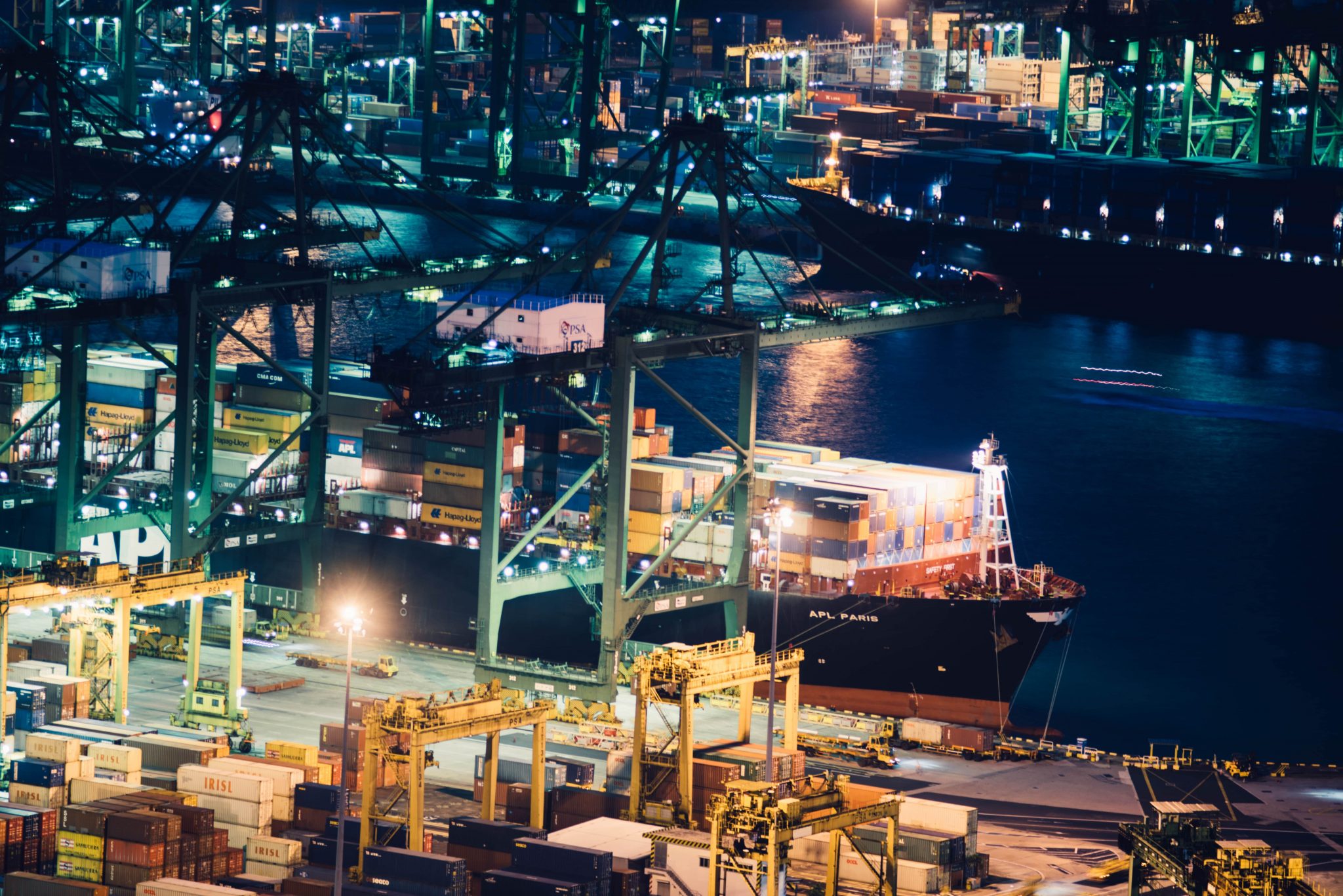
Port-call optimisation. The first step towards a smart and sustainable digital eco-system for maritime transport?
BACKGROUND
The 2nd Florence Maritime Forum, jointly hosted by the Florence School of Regulation’s Transport Area and the European Commission’s DG MOVE, will take the form of a roundtable discussion on 10 October 2019, organised back to back with the Digital Transport Days, taking place in Helsinki.
The maritime transport industry faces strong competitive pressure from other modes of transport, but can and should – ‘tap’ on the potential of digitalisation. In order to remain an attractive and competitive transport mode in an increasingly digital economy, the maritime eco-system has to accelerate efforts in integrating a new digital approach, with a view to facilitating the efficiency, reliability and predictability of operations. Addressing this challenge requires as a basis data exchanges and sharing between all parties making up the maritime eco-system, including hinterland and maritime operators.
Digitalisation is not a goal per se but rather a means to improve operations (including safety of operations), to increase capacity of the maritime industry and to improve links to the hinterland. With 75% of the EU trade being transported on the seas, attractive and competitive maritime services are critical. But it equally concerns the well-functioning of our ports as major gateways connecting the EU market to its international partners. Maritime transport is in essence only one element of a much diverse multimodal transport chain. Its single performance is critical but it cannot suffice if its integration in the overall transport network is not well achieved.
The round-table discussions will hence assess the opportunities and challenges that digitalisation brings to the maritime sector, with focus on, possibly, the most crucial aspect in the logistic chain: the port call.
Optimising port calls means better information to operators on when berth would be available, in order to allow them to adjust their routing, their speed to ensure the most efficient operations and just-in-time arrival. This, in turn, will also have positive effects on the vessels’ fuel consumption, and the related emissions. On the other side, optimising port calls should also allow sufficient information flowing to the port authorities and operators, so that they can best adjust to the expected levels of traffic and cargo.
The issue: port-call optimisation
The concept of port-call optimisation is based on the idea that the efficiency of logistics could significantly increase if the time-schedule of the various activities required for port calls and cargo handling and distribution were set in advance, predictable and fully relied upon, available to all parties involved, and dynamically adjusted in case of unforeseen circumstances.
Whereas elements of this concept are already present here and there, there are no examples of fully-fledged implementation. This might be surprising, considering that the main actors of the logistic chain – shippers, maritime operators and port service providers – share an interest in reducing idle times, maximising turn-around and increasing reliability of schedules. In addition, greater logistic efficiency and voyage optimisation would translate in a reduced carbon footprint: a common challenge to all parties involved.
Therefore, the question is why the full potential of port-call optimisation remains unexploited, considering that the technological means for tracking and tracing vessels and cargo are already available.
Most of the ports in the EU and worldwide operate on a “first come, first served” principle, meaning that ships incur significant additional expense in fuel costs, because the ships might have sailed faster than necessary, or lost cargo carrying time due to the delays in unloading. Some of the world’s major ports have therefore adopted more sophisticated variants of slot management requiring advanced data exchange. In the inland waterways sector, too, there are examples of cooperation of several ports in certain geographical regions, in order to coordinate ports call planning hence improved planning of port operations, including customs activities*.
Using smart information sharing in a maritime eco-system may achieve efficiency gains for vessels, ports, terminals and other actors in the logistic chains; improve turnaround time for vessels, and for authorities needing to ensure safety, security or environmental standards both reducing costs without reducing targets. Data could also be used to improve efficiency in the rest of the transport and logistic chain through better planning of operations, avoiding congestions, etc. However, a smart maritime eco-system can only be achieved through the coordinated efforts of all involved players in deploying innovative technologies, disruptive business models and strategic partnerships.
Participants in this round-table discussion are invited to address some of the basic issues in relation to port-call optimisation and provide their views on the following questions:
(1) Is the concept of port-call optimisation appealing from the point of view of your business? Which aspects are more attractive and which are less desirable and possibly worrying? How can automation or autonomous vessels play a role?
(2) Are there any obstacles to the implementation of the concept? Are these obstacles of a practical, commercial, technological, legal, administrative or other nature?
(3) Are there any actions that could be put in place to facilitate the implementation of the concept, in turn creating trust in any such an eco-system approach? In particular, is standardisation prerequisite problem or a solution? How would a uniform method of measurement to verify and compare reductions of environmental impact work?
*For instance, the The RheinPorts Information System (RPIS) has been developed in the context of the EU (CEF) funded project “Upper Rhine Traffic Management System” conducted by RheinPorts Basel-Mulhouse-Weil together with Port Autonome de Strasbourg, Rheinhäfen Karlsruhe and the other Upper Rhine Ports.
Participation in the event is upon invitation only.
Don’t miss any update on our events
Sign up for free and access the latest events from our community.
More on the topic
Conference
Jul 17, 2026
Conference
Apr 20, 2026
Conference
Jul 17, 2026
Conference
Jul 13, 2026
Workshop
Mar 13, 2026
High-Speed Rail
DG MOVE
Forum
12th Florence Air Forum: Improving Air Traffic Management
18 October 2019

Towards an economic regulator of Air Traffic Management (ATM) – 12th Florence Air Forum in Budapest
Improving the Air Traffic Management (ATM) performance is the main goal of the Single European Sky (SES) initiative. The EU’s SES legislation has introduced a performance scheme which defines performance targets in the key performance areas of safety, environment, airspace capacity and cost-efficiency through the adoption of Union-wide performance targets and approval of binding consistent National or Functional Airspace Blocks (FAB) performance targets. It is through this scheme that monopoly air navigation service providers are regulated in Europe.
The performance scheme was first established in 2009 as part of the second SES package. The first reference period ran from 2012 to 2014. The second reference period runs from 2015 to 2019 and is governed by Commission Implementing Regulations (EU) 390/2013 and 391/2013. Rules were revised in 2019 with the adoption of Commission Implementing Regulation (EU) 2019/317, which sets out the provisions applying to the third reference period (RP3) from 2020 to 2024.
To assist the Commission and national supervisory authorities in the implementation of the performance scheme for air navigation services, the Commission first designated in 2010 the Performance Review Commission of Eurocontrol as the Performance Review Body (PRB) of the single European sky. This set up was then changed in 2016/2017. Since then, the PRB acts an independent group of experts. It is composed of 9 members assisted by a support team.
Recent main tasks of the PRB have been to monitor the performance of air navigation service providers and to provide recommendations to the Commission on the performance targets for RP3. In February 2019 the PRB published its final recommendations for the Union-wide performance targets in air navigation services for 2020-2024. These targets relate to the improvement of flight punctuality, encouragement of more efficient flight paths to reduce the environmental impact of air traffic, and the cost reduction of service provision to the benefit of airlines and passengers, while ensuring the highest safety standards. Following this recommendation, Commission Implementing Decision (EU) 2019/903 setting the Union-wide performance targets for the air traffic management network for the third reference period was adopted on 29 May 2019.
During the consultations and preparations organized ahead of RP3, it became apparent that the revision of the rules for RP3 could be only limited in scope, focusing in particular on simplifying and clarifying the legal provisions. A wider reflection on the future of economic regulation in ATM is necessary in order to tackle key issues faced in the sector.
While RP3 preparations are underway and performance targets have already been defined for that period, this Forum therefore aims at planning the time after RP3 by exploring the possibility to improve the economic regulation and to move towards an economic regulator of ATM.
More specifically, the forum seeks to answer the following three critical questions:
- Balance sheet of performance and charging scheme so far. What are the main weaknesses and why do we need to move to an economic regulator for ATM?
- Economic regulation of monopolies. What can we learn from others?
- How to set up an economic regulator organisationally?
SPEAKER PRESENTATIONS:
Introduction to the forum:
Balance sheet of performance and charging scheme so far: What are the main weaknesses and why do we need to move to an economic regulator for ATM?
Kalman Seregelyes HungaroControl
Economic regulation of monopolies: What can we learn from others?
How to get to an economic regulator organisationally?
Don’t miss any update on our events
Sign up for free and access the latest events from our community.
More on the topic
Forum
Nov 21, 2025
Conference
Apr 20, 2026
Conference
Jul 17, 2026
Conference
Jul 17, 2026
Conference
Jul 13, 2026
Workshop
Mar 13, 2026
High-Speed Rail
DG MOVE
Forum
18th Florence Rail Forum: Revitalising Rail Freight with Digitalisation
08 November 2019

Digitalisation in rail freight transport: challenges and opportunities
BACKGROUND
In its 2011 White Paper the Commission fixed the objective that 30% of road freight over 300 km should shift to other modes such as rail or waterborne transport by 2030. Nevertheless, EU and Member State efforts in this area have not yet delivered satisfactory results – rail freight’s modal share stubbornly stagnates around 17%.
At the same time shifting medium-long trips from road freight to rail is an important part of the solution to achieve the Commission long-term vision. In addition to supporting decarbonisation objectives, a shift to rail would also ease congestion on roads, lower the pressure on road infrastructure by taking over the heaviest loads and reduce the risks linked to transporting dangerous goods.
To ensure that rail freight takes off, its performance needs to improve drastically in terms of quality and efficiency. The sector and legislators need to think fresh and bold, and consider holistically what can be done to break the stagnation.
To this end, DG MOVE is considering setting up a comprehensive EU strategy for rail freight as part of a modern multimodal transport system, supported by all stakeholders, with clear actions, targets and implementation schedule. Embracing new innovative business models and digital tools is a key part of the solution by enabling:
- increased efficiency: optimise the use of resources by sharing operational data and using digital solutions;
- resolved capacity shortages, by using modern network-level traffic planning and management tools and enhancing the performance of logistic chains
- improved offer, i.e. to provide flexible, end-to-end services integrated to logistical chain, tracked, traced and delivered on time.
The development of Rail Freight Corridors (RFC) remains the key element of the Commission’s policy to boost rail freight. The future rail strategy would therefore relay also on the results of the on-going evaluation of the RFC Regulation EU 913/2010. The regulation aims at improving the quality of international rail freight services by setting up a framework for international cooperation to provide high-quality capacity for international freight services. It entered into force in 2010 but the results are so far modest.
The 18th Florence Rail Forum, jointly hosted by the Florence School of Regulation and the European Commission’s DG MOVE, will discuss the opportunities and challenges to wider digitalisation of the rail sector, including how digital solutions can be used to better govern and operate the Rail Freight Corridors.
Digitalisation can and will affect the development of the Single European Railway Area as foreseen by the European Commission since 2012 (Directive 2012/34/EU). In support of the Commission’s focus on digitalisation, in 2016 the European trade associations CER, CIT, EIM and UIC presented the joint Roadmap for digital railways highlighting the opportunities and challenges of rail digitalisation.
In 2017 an even broader set of stakeholders, including CER, EIM, ERFA, UIP, UITP and UNIFE signed the Joint Rail Sector Declaration which reaffirmed their commitment to the continued provision of products and services using digital technologies to the benefit of consumers and with a view to contributing to the Digital Single Market.
Unlocking the full potential of new technologies and big data will necessitate a change in the way the entire logistics chain is organised and managed. In recognition of this, the European Commission initiated the creation of the Digital Transport and Logistics Forum (DTLF) in 2017. The DTLF is an open and collaborative platform that brings together Member States, public entities and other relevant organisations to exchange knowledge and develop policy and technical recommendations for the European Commission in the fields of transport and logistics digitalisation across all modes of transport.
Digitalisation is not a goal per se but rather a means to improve customer experience, operations and to increase capacity offer of RFCs. Though positive changes are already happening in the area, the consolidation of digital technologies and business processes in the sector remains an outstanding challenge. The 18th Florence Rail Forum will therefore seek to answer the following four critical questions:
• How can sharing of operational data improve the efficiency of operations? What are the barriers to sharing such data? Experience and lessons learnt from other sectors.
• Is digitalisation contributing to the modernisation and simplification of the RFCs? What is the potential of digitalisation for better international rail freight capacity?
• What is the impact of deployment of digitalisation in rail freight? In particular regarding client interface and integration in the logistical chain?
• What can we realistically achieve in the coming years?
PRESENTATIONS
- How to Revitalise Rail Freight with Digitalisation?, Matthias Finger, Florence School of Regulation/EUI; Ecole Polytechnique Fédérale de Lausanne
- Rail Freight: the Sick Man of Europe?, Maurizio Castelletti, European Commission, DG MOVE
- Rail Freight Corridors: Can digitalisation bridge the gap between potential and reality?, Reinhard Haller, European Commission, DG MOVE
- How can sharing of operational data improve the efficiency of operations? What are the barriers for sharing such data?, Paul Hegge, LINEAS
- How can sharing of operational data improve the efficiency of operations? What are the barriers for sharing such data?, Kirsti Laurila, Traficom
- Is digitalisation contributing to the modernisation and simplification of the RFCs?, Harald Reisinger, RNE
- Digitalisation between customer needs, regulatory demands and operational requirements, Martin Schmidt, SBB Cargo International
- Digitalisation of the (international freight) capacity planning/production process: challenges and solutions, Eric Cosandey, SMA and Partner AG
- Cefic Position on Rail Freight and Rail Freight Corridors, Frank Andreesen, Covestro
- More Efficiency Through Digitalisation in Combined Transport, Ralf-Charley Schultze, International union for Road-Rail Combined Transport (UIRR)
- How to Revitalise Rail Freight with Digitalisation?, Alfred Pitnik, Rail Cargo Group
- The Intermodal Business of Metrans. The Global Intermodal Solution, Robert Groiss, Metrans
- Ensuring an inclusive sectoral transition to a digitalised rail sector, Alberto Mazzola, European Economic and Social Committee
- The Use of Translation Tools on Locomotives, Annette Kraus, Deutsche Bahn
Don’t miss any update on our events
Sign up for free and access the latest events from our community.
More on the topic
Conference
Apr 20, 2026
Conference
Jul 13, 2026
Conference
Jul 17, 2026
Conference
Jul 17, 2026
Workshop
Mar 13, 2026
High-Speed Rail
DG MOVE
Forum
6th Florence Intermodal Forum: Multimodal Ticketing and Payment Systems in EU
13 September 2019

Towards a EU-wide Multimodal Ticketing and Payment Systems
BACKGROUND
The attainment of seamless multimodal door-to-door mobility has emerged as a clear priority on the EU policy agenda. Having declared 2018 as the ‘Year of Multimodality’, the European Commission has over the past year put together a number of legislative and policy initiatives relating to better infrastructure, connections, incentives and digital solutions, with a view to promoting the shift towards a fully integrated, multimodal and sustainable transport sector.
Achieving this goal will largely depend on creating favourable conditions for transport users, which among other things includes the creation of ‘multimodal ticketing and payment systems’. In practical terms, this means that the purchase of tickets in one go would enable passengers to travel using different transport modes provided by numerous operators. As implied by this definition, an integrated ticketing system relies on the close collaboration of multiple players on the execution of a number of steps throughout the whole lifecycle of the value chain.
An overarching EU framework may be needed for multimodal transport especially in cross-border contexts. Indeed, different approaches to ticketing and payment systems have been observed to date across the different EU Member States, and in some instances even across different regions of the same country.
Access to fare data, in particular, is one important pre-condition to enabling multimodal EU-wide ticketing and payment systems. At present, however, there is no common EU rules on access to fare data (beyond the Delegated Regulation 1926/2017 on EU multimodal travel information services), which increases the complexity and poses a hurdle for the development of multimodal EU ticketing and payment systems. In addition, the absence of common rules and standard, data are collected and made available in different formats only based on common standards developed by the parties of the commercial agreement.
The development of a common EU-wide definition for multimodal ticketing and payment systems will be an important, yet challenging, task ahead of EU policy makers in ensuring streamlined national approaches and safeguarding the possibility for Europeans across the continent to enjoy EU-wide door-to-door mobility.
This forum gathers European- and national-regulators, public transport operators, industry representatives, and academics for a discussion on the challenges and enablers to delivering an EU wide multimodal ticketing and payment system. The event will take stock of existing EU-legislation and will go on to examine possible EU actions and initiatives that could be undertaken in view of achieving it. More specifically, forum participants will consider the following critical questions:
1) How can access to fare data be enabled?
2) What lessons can be drawn from the air ticket distribution market?
3) What are the possible EU actions and initiatives, both legislative and non-legislative, which could be undertaken in view of achieving an EU-wide multimodal ticketing and payment system?
PRESENTATIONS:
Towards EU-wide Multimodal Ticketing and Payment Systems, MATTHIAS FINGER, Florence School of Regulation/EUI; Ecole Polytechnique Fédérale de Lausanne
Integrated ticketing, Matthew Baldwin, DG MOVE, European Commission
Remaining Challenges for EU-Wide Integrated Ticketing and Payment Systems, Isabelle Vandoorne, DG MOVE, European Commission
Finnish solutions for opening up fare data, Jussi Aholainen, Finnish Transport and Communications Agency (Traficom)
How can access to fare data be enabled?, Eric Mink, Ministry for Infrastructure and the Water Management (Netherlands)
How can access to fare data be enabled? Giovanni Martino, SHARE NOW
How can access to fare data be enabled?, Vittorio Carta, Deutsche Bahn
Lessons learned from CRS Code of Conduct , Juan Jesús Garcia Sanchez, Amadeus
What lessons can be drawn from the air ticket distribution market?, Mariana Papusoi, Air France
Airline Distribution, Johannes Walter, Lufthansa Group
MaaS in facilitating seamless EU wide multimodal ticketing and payment, Piia Karjalainen, MaaS Alliance
Possible EU actions and initiatives (legislative and non- legislative) to achieve EU-wide multimodal ticketing and payment systems, Caroline Berthomieu, Jaap de Bie, VDV eTicket-Service GmbH & Co. KG
Don’t miss any update on our events
Sign up for free and access the latest events from our community.
Forum
11th Florence Air Forum: Towards a More Efficient Airport Slots System in Europe
06 September 2019
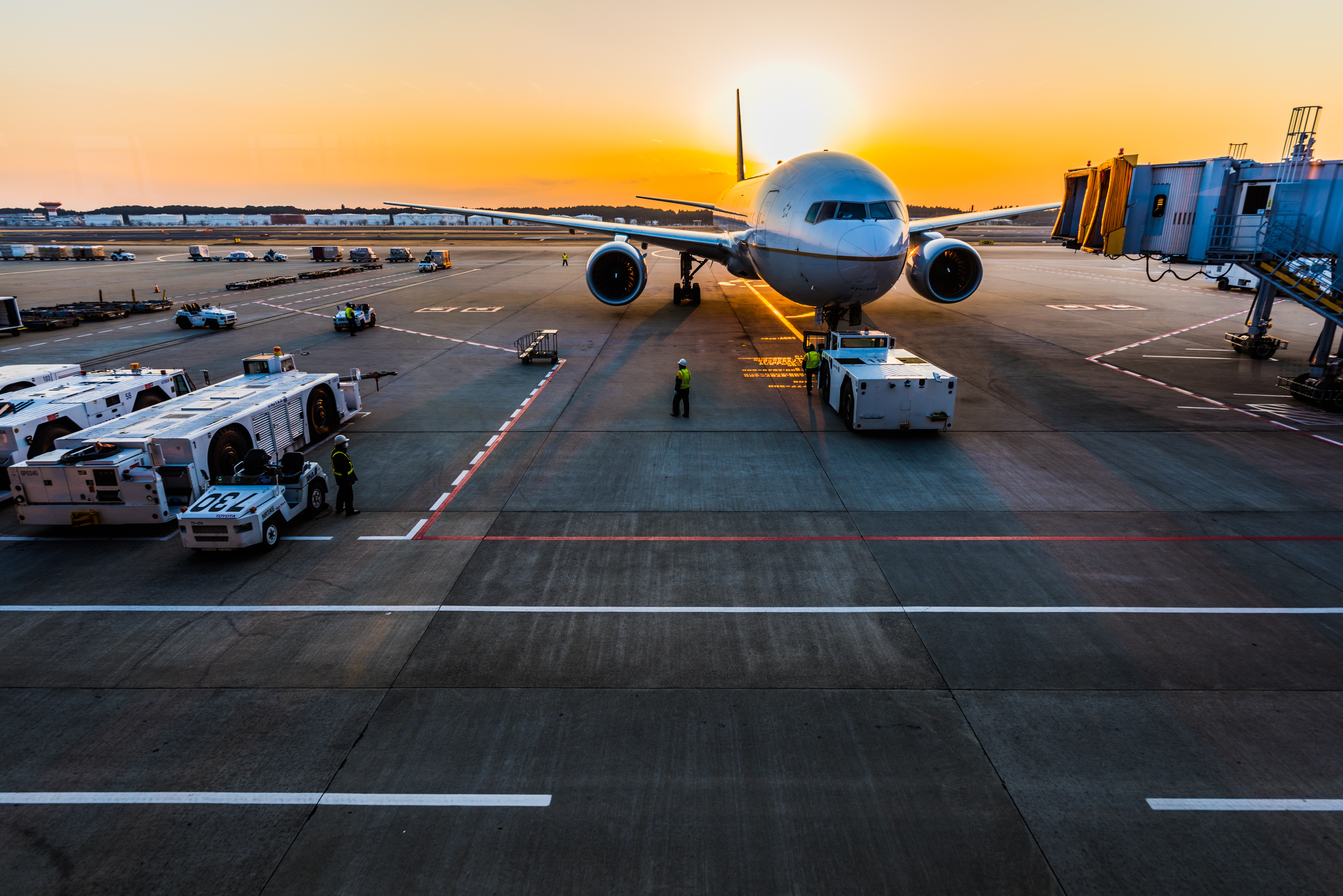
The aviation sector has experienced continued growth over the past years, which has significantly enhanced connectivity within Europe, and translated into important socio-economic benefits. To put things into perspective, European airports alone employ roughly 12.3 million people and generate €675 billion each year (4.1% of GDP) in Europe. As air transport becomes increasingly prominent for both citizens and businesses, traffic flows will continue on a firm upwards trajectory and are, in fact expected to double in Europe by 2035. This surge in air transport demand is placing increasing pressure on scarce airport infrastructure and capacity, which in turn can lead to delays, weakened connectivity and lowered quality of services provided.
Following the creation of a single market for aviation in the 1990s, and in light of continuous growth in air transport, the need for a regulation on airport slots was acknowledged in order to ensure an efficient use of capacity at congested airports. Back in 1993 the EU adopted its first common rules for the allocation of slots at EU airports in line with the IATA’s Worldwide Scheduling Guidelines. Slots, granting the right to take-off or land at an airport at a specific time period, are allocated by independent coordinators on the basis of historic rights (or ‘grandfather rights’) at the given airport. What is more, slots ownership is reassessed on an annual basis, whereby failure by an airline to use 80% of its allocated slots could result in their loss and reallocation to other airlines in the subsequent year (i.e. the so-called ‘use it or lose it’ rule).
In 2007 and 2008 the Commission adopted communications on the application of the Slot Regulation. Besides seeking to ensure better enforcement of the rules, the Commission issued guidelines on the possibility of exchanging slots for money, also referred to as ‘secondary trading’. The communication furthermore addressed critical aspects relating to safeguarding coordinators’ independence and facilitating the access to slots to new entrants.
While the EU slots regime has managed to contain flight delays to a reasonable level, the economic efficiency of the slot system has been put into question, in terms of capacity utilisation and allocation of slots to airlines. What is more, the regime has been criticised for inhibiting competition between airlines, by freezing slot allocation and by giving an advantage to incumbent airlines as a result of the ‘grandfathering’ rules. Not least, the “use it or lose it” rule has led to behaviours by airlines holding on to slots even if they are unable to use them profitably, as opposed to making them available to competitors or new entrants. This has manifested itself in the form of empty ‘ghost flights’, wasted jet fuel, excess climate-warming CO2 emissions and lost airport capacity.
An analysis carried out in 2010-11 on the functioning of the Slot Regulation showed that the slot allocation system required improvements, however, the resulting recast process launched by the Commission failed to reach consensus on the way forward. As a result, 9 years later, the slot allocation regime remains unchanged, whereas air transport is continuously evolving. In 2019, the European Commission’s DG MOVE has commissioned a study to assess the current slot allocation regime and to explore future options for evolving the regime.
It is widely recognised that the efficiency of the slot allocation regime needs to be improved. To this end, should there be a shift away from the current grandfathering system? Should there be a move towards market based approaches such as primary slot auctioning, secondary slot trading and ‘congestion pricing models’? Should there be more consistency between airport charges and slot allocation? Should airlines willing to land or take-off during peak hours accept to pay higher prices for more attractive slots? Should rules be revisited to guarantee that new entrants have better access to attractive slots? Should collected revenues flow into a ‘central infrastructure pot’ for investments aimed at alleviating airport capacity issues and supporting the uptake of clean and innovative aviation technologies?
This forum gathers policy makers, industry representatives, and academics for a discussion on the design flaws of the current EU slot allocation regime. Subsequently, the event will examine the needs and reform options for a future slot allocation framework, drawing on national and local best practices and lessons learnt. More specifically, forum participants will consider the following critical questions:
- How effective has the existing slots regime been in ensuring optimal connectivity, airport capacity utilisation and allocation of slots to airlines? Are there misuses of the rules that could be avoided?
- What are the various administrative- and market-based measures (e.g. auctioning, congestion pricing models) that could be considered in improving the regime’s efficiency?
- What are the possible ways forward for reforming the EU’s airport slots regime? (E.g. synergies with Airport Charges, Public Service Obligations, Traffic Distribution Rules, others?)
Read our European Transport Regulation Observer policy brief for the main takeaways from the discussions.
SPEAKER PRESENTATIONS:
Introductory remarks & presentation of report findings:
How effective has the existing slots regime been in ensuring optimal airport capacity utilisation and allocation of slots to airlines?
Matthis Birenheide EUROCONTROL
What are the various administrative- and market-based measures (e.g. auctioning, congestion pricing models) that could be considered in improving the regime’s efficiency?
What are the possible ways forward for reforming the airport slots system?
Don’t miss any update on our events
Sign up for free and access the latest events from our community.
More on the topic
Forum
Nov 21, 2025
Conference
Apr 20, 2026
Conference
Jul 17, 2026
Conference
Jul 17, 2026
Conference
Jul 13, 2026
Forum
7th Vienna Forum on European Energy Law
From 19 September 2019 to 20 September 2019

During the 7th Vienna Forum we will bring together representatives from EU institutions, academics, and representatives from regulatory authorities alongside members of industry, energy-focused law firms and consultancies to exchange knowledge and share practices on how to tackle the latest EU energy issues and explore the opportunities for integrated energy policies from both a legal and economic perspective.
Among the topics we will explore this year:
- The global energy transition
- The current state of the Energy Union and the legacy of the Juncker Commission
- The Legal Issues of Renewable Energy:
- Auctioning systems
- Contractual frameworks
- Potential business models
- The private enforcement of environmental and climate law
- The legal aspects of the new energy world:
- Self-consumption
- Aggregation
- Storage
- Citizen energy communities
- Decarbonisation and energy security
- Security of Supply
- Nord Stream and South Stream after the amendments to the Gas Directive
- Ukraine’s future in the gas route
- Cyber security
- Critical infrastructure and foreign investors
The Vienna Forum on European Energy Law is a long-standing collaboration between the FSR Energy Union Law Area and the Energy Community Secretariat with the mission to bridge the gap in energy debate between the EU and Energy Community.
Each year, the initiative has continued to grow and build upon the successes of previous editions. This year will mark the 7th year of the project.
For further information on the content of the forum, please contact the scientific organiser Anne-Marie Kehoe
To register for the forum, please contact Inga Prokofieva
Don’t miss any update on our events
Sign up for free and access the latest events from our community.
Forum
FSR Global Forum
From 25 March 2019 to 28 March 2019

Don’t miss any update on our events
Sign up for free and access the latest events from our community.
More on the topic
Executive Training Seminar

Sep 01, 2026
Special Event

Jun 09, 2026
Workshop

Apr 16, 2026
Workshop

Jun 10, 2026

Online Debate

Jun 03, 2026



Lights on Women

Jun 08, 2026
policy dialogue
Forum
5th Florence Intermodal Forum: Internalising the External Costs of Transport
20 May 2019

Following the usual approach of the Florence School of Regulation, stakeholders and academics will join the 5th Florence Intermodal Forum to examine the significant external costs of transport, and reflect on the necessary policy tools to internalise these. The discussion will be based on a new study “Sustainable Transport Infrastructure Charging and Internalisation of Transport Externalities”.
BACKGROUND
Personal and goods transport entail a significant societal and economic cost in the form of environmental and human health impacts, accidents, congestion, as well as infrastructure wear and tear. These costs are, however, largely unaccounted for in the price that transport users pay today.
In the absence of a dedicated policy framework, transport users do not consider external costs as part of their travel decisions. Cost reflective price signals are key to incentivising efficient transport patterns, while enabling consumers and industry actors to make informed purchase and investment decisions. The adequate internalisation of transport’s external and infrastructure costs offers important benefits in terms of promoting a more efficient use of infrastructure, reducing the transport sector’s contribution to climate warming CO2 emissions, air and noise pollution, while securing fairness for transport users.
Back in 2011 the European Commission acknowledged in its White Paper the importance of implementing ‘fair and efficient transport pricing’, and a number of ongoing legislative processes, most notably the revision of the Eurovignette Directive on road pricing, aim to enact the ‘user pays’ and ‘polluter pays’ principles. Yet while there is agreement over the general principles, the specific policy design is still to be determined. What is more, the French government’s recent backing down on a tax proposal that would have seen fuel prices increase by just under 3% shows just how difficult it is to impose any economic pain in the name of tackling climate change.
In order to summarise the existing scientific and practitioners’ knowledge the first Handbook on external costs was presented in 2008 as an output of the IMPACT study. The focus was on transport’s marginal external costs as a basis for the definition of efficient pricing schemes. The Handbook, however, did not provide information on existing taxes and charges or infrastructure costs, which was collected in 2012 in the Inventory of measures of internalisation.
The update of the Handbook followed in 2014. In comparison to the 2008 Handbook, the updated Handbook integrated infrastructure costs, which were initially addressed in a separate report, and provided more detailed country- and area-specific estimates of marginal external cost.
The European Commission recently commissioned a new study “Sustainable Transport Infrastructure Charging and Internalisation of Transport Externalities”, whose aim it is to feed into ongoing debates, both on technical and policy levels, through an update of the handbook on external costs, of the infrastructure costs and of the existing internalisation measures. The study’s scope is much broader and also more detailed than any work previously done in this area. The forum will share latest findings and discuss them. The study indeed compares infrastructure and external costs with taxes and charges paid by transport users. Based on this comparison it becomes evident that users and polluters do not fully pay the total costs (external and infrastructure) they are responsible for.
These preliminary findings lead us to the idea that, so far, in the EU the principle ‘the society pays’ is more applicable than e.g. ‘the user pays’ or ‘the polluter pays’. To put things into perspective, the study finds the overall size of transport external costs to be around 1 000 billion euro annually, the equivalent of almost 7% of EU28 GDP. Moreover, discrepancies can be observed between transport modes, with rail users paying a higher share of their external costs than road users.
This forum gathers policy makers, industry representatives from all transport modes, and academics for a well-timed discussion, based on the new study, to examine the significant external costs of transport, and reflect on the necessary policy tools to internalise these. More specifically, the forum seeks to answer the following three critical questions:
- Is the ‘user pays principle’ an appropriate tool to account for the infrastructure costs of transport? Can it be implemented in a socially just manner?
- Can carbon- and pollution-based taxation be a means to implement the ‘polluter pays principle’?
- What policy measures need to be enacted at European, national and local levels to achieve the user-pays and polluter pays principles?
DOWNLOAD:
EUROPEAN TRANSPORT REGULATION OBSERVER
RELATED PRESENTATIONS:
- Introduction to the 5th Florence Intermodal Forum, MATTHIAS FINGER, Florence School of Regulation/EUI; Ecole Polytechnique Fédérale de Lausanne
- Sustainable Transport Infrastructure. Charging and Internalisation of Transport Externalities, MARCO BRAMBILLA, TRT Trasporti e Territorio
- What is the User Pays Principle appropriate for?, CLAUS DOLL, Fraunhofer – Institute for Systems and Innovation Research
- ”User Pays Principle” – Perspectives on Social Sustainability, NIKO-MATTI RONINKONMÄKI, Ministry of Transport and Communications (Finland)
- Internalisation of external costs, LAURIANNE KRID, International Automobile Federation Region I
- European railways support ‘user pays’ and ‘polluter pays’ , LIBOR LOCHMAN, Community of European Railway and Infrastructure Companies
- The polluter-pay principle. Can carbon and pollution based taxation be a means to implement the polluter-pay principle?, ALAIN QUINET, SNCF Réseau
- Internalising the external costs of transport, SOTIRIS RAPTIS, European Sea Ports Organisation
- Internalisation of external costs, MARTIN DORSMAN, European Community Shipowners’ Associations
- The Swiss distance-related heavy vehicle fee (HVF), MICHAEL SÜNDER, SBB – Swiss Federal Railways
- The Polluter-pays Principle and Environmental Costs, ASTRID MATTHEY, German Environment Agency
- What Policy Measures Need to be Enacted at European, National and Local Levels to Achieve the User pays and Polluter pays Principles?, RAIMONDO ORSINI, Sustainable Development Foundation
- Internalising the external costs of transport, THOMAS WILLSON, EUROCITIES
- What policy measures need to be enacted at European, national and local levels to achieve the user-pays and polluter-pays principles?, VIRGINIA SILVESTRI, Italian Transport Authority
For more information, please contact FSR.Transport@eui.eu.
Don’t miss any update on our events
Sign up for free and access the latest events from our community.
More on the topic
Conference
Apr 20, 2026
Conference
Jul 17, 2026
Conference
Jul 17, 2026
Conference
Jul 13, 2026
Workshop
Mar 13, 2026
High-Speed Rail
DG MOVE
Forum
17th Florence Rail Forum: Green Finance and Sustainability, Which Role for Railways?
07 December 2018

Following the usual approach of the Florence School of Regulation, stakeholders and academics will join the 17th Florence Rail Forum to discuss the most pressing rail regulatory issues. On this occasion, the discussion will revolve around the topic of “Green Finance and Sustainability – Which Role for Railways?”. We will assess how railways can become a more effective tool in the fight against climate change, in particular by looking at green financing and by exploring the various green financing mechanisms as potentially applicable to railways.
DOWNLOAD
European Transport Regulation Observer
BACKGROUND
Transport represents almost a quarter of Europe’s greenhouse gas emissions and is the main cause of air pollution in cities. The EU’s ambitious climate reduction targets, in line with the Paris Agreement and the UN 2030 Agenda for Sustainable Development, will be impossible to reach without systematically addressing emissions from transport. Indeed, the sector has not seen the same gradual decline in emissions as other sectors, as emissions only started to decrease as of 2007 and still remain significantly higher than in 1990.
Rail only accounts for 1.7% of total energy consumption in transport although it carries 17.4% of inland freight and 7.6% of passengers in the EU. Due to their low CO2 emissions, railways have the potential to play a significant role in accelerating transport emission reductions.
In order to achieve the EU’s climate and energy targets as agreed in Paris, including a 40% cut in greenhouse gas emissions, around €180 billion of additional investments a year will be needed, €80 billion of which being needed for transport alone.
The Connecting Europe Facility (CEF), the European Fund for Strategic Investment (EFSI) and the European Structural and Investment Funds (ESIF) support infrastructure projects connecting the EU and its regions. In particular, 60% of the CEF budget will contribute to climate objectives in line with the EU’s commitments under the Paris Agreement. For the period 2021-2027 a total budget of €30.6 billion from CEF will finance transport projects, aimed i.a. to decarbonise transport and to stimulate the EU transition towards connected, sustainable, inclusive, safe and secure mobility. Additional substantial resources will be made available from the ESIF and InvestEU post 2020.
Nevertheless, to achieve these ambitious goals of sustainable development, the involvement of the private sector will be required, which in turn calls for new financing instruments, or even a general change to the EU’s financial eco-system altogether.
At a global level, transport is the sector with biggest potential in the universe of climate –aligned bonds. According to Climate Bonds Standards, in 2017 bonds for a value of USD 895 billion were issued and 61% of those were in the transport sector. However often issuers still have trouble to demonstrate the climate benefits of investments in the rail sector. A clearer taxonomy and standards about green bonds (or broader sustainable development bonds) would help to bring additional finance to the rail sector.
In order to mobilize more private capital for green and sustainable projects, the European Commission presented in March 2018 the Action Plan on Sustainable Finance and adopted in May a package of legislative proposals. Concretely, the plan aims at establishing a common language for sustainable finance, i.e., an EU sustainability taxonomy providing a unified classification system of climate, environmentally and socially-sustainable activities, green bonds standards, metrics for climate-related disclosures, etc. The taxonomy will define what is sustainable and identify areas where investment can make the biggest impact. A proposal for a regulation (COM(2018) 353 final) sets out the characteristics of the screening criteria to be developed.
This means that the rail sector will need to provide definitive quantitative evidence on its green credentials. An increasing number of rail infrastructure operators already develop such methodologies; yet the current rail related analysis is not strong enough and further study of the green financing in the railway sector is needed.
The 17th Florence Rail Forum will assess how railways can become a more effective tool in the fight against climate change and promote sustainability and decarbonisation. In particular, we will do so by looking at green financing and by exploring the various green financing mechanisms as potentially applicable to railways. More specifically, we will address the following four questions:
- Sustainability objectives and green rail projects: how can rail deliver?
- What is the role of taxonomy and which rail projects could be covered by sustainable financing mechanisms? What are the success stories?
- How to assess economic and financial impact of green investments in rail? What are the primary (projects) and secondary (network) impacts, and what are the interests for investors?
- What are the right technical screening criteria for green investments? How the certifying, monitoring and reporting activities have to be organized?
RELATED PRESENTATIONS
Introduction to the 17th Florence Rail Forum – MATTHIAS FINGER, Florence School of Regulation/Ecole Polytechnique Fédérale de Lausanne
EU sustainable finance agenda and rail policy perspective – ANNIKA KROON and ANTONGIULIO MARIN, DG Move, European Commission
Sustainability objectives and green rail projects: how can rail deliver? – RAIMONDO ORSINI, Sustainable Development Foundation
Sustainability objectives and green rail projects: how can rail deliver? – STEFAN REMMERT, Deutsche Bahn AG
Sustainability objectives and green rail projects: how can rail deliver? – ARTURS ALKSNIS, UNIFE, European Rail Industry Association
What is the role of taxonomy and which rail projects could be covered by sustainable financing mechanisms? – MANUEL FRESNO, Spanish Railway Infrastructure Administrator
Ticket to a greener mobility: sustainable financing of railway sector – ETHEM PEKIN, Community of European Railway and Infrastructure Companies
Development of a methodology to assess the ‘green’ impacts of investment in the rail sector and projects – OLE KVEIBORG, COWI
Eco Scoring – MATTHIEU WOJCICKI, International Union of Railways
Impact of green investments in rail – PAUL MAZATAUD, PRIME Financing Subgroup
FS First Green Bond – EMTN bond issuance Series 7 – VITTORIA IEZZI, Ferrovie dello Stato Italiane
Green finance: how to assess the impact of rail impact? The experience of EIB – FELIX ARDIACA, European Investment Bank
Don’t miss any update on our events
Sign up for free and access the latest events from our community.
More on the topic
Conference
Apr 20, 2026
Conference
Jul 13, 2026
Conference
Jul 17, 2026
Conference
Jul 17, 2026
Workshop
Mar 13, 2026
High-Speed Rail
DG MOVE
Forum
10th FSR – BNetzA Forum on the Legal Issues of Energy Regulation
12 October 2018

This year will mark the 10th year of the collaboration between the FSR Energy Union Law Area and Bundesnetzagentur, the Germany regulatory authority. The forum brings together academics, institutional and NRA representatives, policy-makers and market players to discuss the latest energy issues facing national regulatory authorities, from both a legal and economic perspective.
This year, the programme will provide an update on the Clean Energy Package and consider the positions of stakeholders on the implementation of the provisions before looking at the issues surrounding interconnections, focusing on amendments to the gas directive, the TPA exemptions, and cross-border participation in capacity remuneration mechanisms.
The debate will then turn to energy and digitalisation for a session in which we will examine the myriad issues posed by the rapid developments and innovations in the field. We will consider the changing role of distribution system operators (DSOs) and transmission system operators (TSOs), data management in smart grids, the role of aggregators, e-mobility, and the new issues surrounding the energy customer – data protection and energy regulation in terms of smart meters, the development of local energy communities, and the position of the energy consumer in this new digitalised energy world.
Download the presentations
Download the programme
Please note that there are limited places available. There is no charge for participation in the workshop.
Don’t miss any update on our events
Sign up for free and access the latest events from our community.
Forum
The 6th Vienna Forum on European Energy Law
From 27 September 2018 to 28 September 2018

The Vienna Forum in a joint initiative between the FSR Energy Union Law Area and the Energy Community Secretariat which provides a platform for debate on the most significant energy challenges and opportunities currently facing the EU and the countries of Eastern and South-Eastern Europe, from both a legal and economic perspective.
This year, the forum will open with an evening session which will critically assess the future of the gas transit route through Ukraine. This will be followed by a full day of debate, focusing on issues surrounding the market and security of supply, the legal context for the energy transition, the future of EU governance in energy, and conclude with a roundtable discussion on the Energy Union and its neighbours.
Find more information in the Event’s Website
Please note that there are limited places available. There is no charge for participation in the workshop.
Supported by:

Don’t miss any update on our events
Sign up for free and access the latest events from our community.