



Type of event: Workshop
Electricity prices and market design – Policy Workshop

FSR Regulatory Policy Workshop Series 2022
The surge in electricity prices over the last few months have led to calls by different stakeholders, including some national governments, to introduce changes in the electricity market design. For example, on 5 October 2021, the governments of Spain, France, the Czech Republic, Romania and Greece issued a common statement calling for a reform of the day-ahead electricity market, which would need to be improved “to better establish a link between the price paid by the consumers, and the average production cost of electricity in national production mixes. This is all the more important as decarbonisation will increase the use of electricity in our economy”.
Following this call, a number of ‘non-papers’ were released in November 2021 proposing a variety of measures. For example:
- In a ‘Non-paper on energy and electricity & gas markets’[1], it is argued that urgent action is needed to ensure that “final consumers pay electricity prices that reflect the costs of the generation mix used to serve their consumption” and that this could be achieved through “mechanisms based on financial transfers between producers and consumers, [which] would have no effect on the functioning of the wholesale market, nor affect the merit order of the different generation plants mobilised in the energy market on an hourly basis”.
- In a ‘Non-paper on electricity, gas and ETS markets’, after indicating that “a common European approach is our preference for the whole European energy internal market”, it is suggested that “in exceptional situations, Member States have to be allowed to adapt the electricity price formation to their specific situations (mix, resources, level of interconnections)” and therefore it is proposed that consideration be given to reforming the electricity market design so that “the electricity price would be obtained as an average price with reference as well to the cost of ‘inframarginal’ clean technologies (particularly renewables)”.
These are just examples of the kind of (often contradictory) proposals that have been floating around in recent months. In the first non-paper quoted above, financial transfers are advocated which “would have no effect on the functioning of the wholesale market, nor affect the merit order of the different generation plants mobilised in the energy market on an hourly basis”. In the second non-paper, it is proposed that Member States “be allowed to adapt the electricity price formation to their specific situations” so that “the electricity price would be obtained as an average price with reference as well to the cost of ‘inframarginal’ clean technologies (particularly renewables)”.
To tackle rising energy prices, while preventing damage to the internal energy market from uncoordinated national actions, in October 2021 the European Commission proposed a ‘toolbox for action and support’[2], which outlined a set of measures which the Commission itself and the Member States could adopt to deal with the current high-price situation. Many of these measures are aimed at mitigating the impact of higher energy prices on industry, businesses and households, especially vulnerable ones. However, and interestingly, the Commission also expressed its intention of “task[ing] ACER to study the benefits and drawbacks of the existing electricity market design and propose recommendations for assessment by the Commission by April 2022”[3].
In fact, some of the proposals floated in the debate in recent months, including one of those above, could be interpreted as calling for the ‘pay-as-cleared’ pricing approach in the DAM to be abandoned in favour of some version of the ‘pay-as-bid’ method[4].
This is also the interpretation followed by ACER, which, intervening in this debate with a note in October 2021, indicated that: “any future market design needs to be able to (a) remunerate technologies above their marginal costs, sometimes quite significantly so, and (b) incentivise the alleviation or smoothing of volatility in the market. The ‘pay-as-clear’ model allows for both of these elements”[5].
However, there is a sense that there might be more in the proposals recently voiced than a switch from the ‘pay-as-cleared’ to the ‘pay-as-bid’ remuneration method, which is not a new issue and has been already resolved, in favour of “pay-as-cleared” pricing approach, many times in the past[6].
Against this background, and without trying to pre-empt the assessment being conducted by ACER, but rather possibly contributing to it, the Workshop will aim at digging deeper in the proposals recently floated and discussed by many stakeholders to assess whether and which other measures related to the electricity market design, beyond the pricing mechanism, could and should be considered to deal with the much higher electricity prices now and, most likely, in the forthcoming energy transition.
For this purpose, the Workshop will be structured in two sessions:
- Session I will aim at identifying the scope and details of the proposals on market design enhancements which have been put on the table over the last few months;
- Session II will consider these proposals and assess the extent to which (some features of) the current electricity market design could be enhanced or complemented to support the future energy transition.
Sustainability assessment
The FSR assesses the sustainability and carbon footprint of all its Workshops of the Regulatory Policy Series. This Workshop is run online due to the COVID-19-related restrictions. Therefore, there is no travel involved and the Workshop’s carbon footprint is limited to the impact of using ICT. It is considered that there are no viable ways further to reduce the carbon footprint of the Workshop.
Please note that this event is by invitation only. For further information, please contact Elena Iorio.
[1] Non-paper by the Spanish, French, Italian, Romanian and Greek governments.
[2] Communication from the Commission to the European Parliament, the European Council, the Council, the European Economic and Social Committee and the Committee of the Regions, Tackling rising energy prices: a toolbox for action and support, Brussels 13.10.2021, COM(2021) 660 final.
[3] Ibid, Section 3.2.1, page 15.
[4] It seems that this is the way in which ACER also interpreted at least some of the proposals voiced in the last few months. It addresses the ‘pay-as-bid’ vs. ‘pay-as-cleared’ debate in its Preliminary Assessment of Europe’s high energy prices and the current wholesale electricity market design, Part 1, November 2021, Section 4.3.
[5] ACER, High Energy Prices, October 2021, page 12.
[6] Cfr., among many, Susan Tierney, Todd Schatzki and Rana Mukerji, “Pay-as-Bid vs. Uniform Pricing: Discriminatory Auctions Promote Strategic Bidding and Market Manipulation,” Public Utility Fortnightly, March 2008.
Don’t miss any update on our events
Sign up for free and access the latest events from our community.









Workshop on Law in the EU’s Circular Energy System: Biowaste, Biofuel and Biogas

The European Union’s Energy Strategy, part of the European Green Deal, is central to the aim of achieving a zero net emissions economy by 2050. Central to this strategy is creating a more integrated energy system, with circular energy system, energy efficiency, electrification, and decarbonization at its core. While the transition to direct heating or electrification is neither feasible nor efficient in all end-use applications, many renewable and low-carbon fuels must be used to reduce the consumption of natural gas and fossil fuels. Biofuels and biogases produced from biological waste from agriculture, food and forestry are then a short-term sustainable solution. The scenario, therefore, urges a legal framework that enables a more circular energy system.
The development of the EU’s circular energy system occurs in a complex legal landscape, covering a multi-level jurisdictional system and crossing many economic sectors. Specifically, the key sectors to this transition – agriculture, food, forestry – deal with waste in different ways. Moreover, the current environmental and sectoral regulations of these industries do not envisage and actively discourage circularity within the production process. In order to live up to the promise of a circular energy system – make use of resources that are currently discarded with a view of addressing the urgent climate and energy crises that the EU faces; improve human, animal and plant life; and allow for a more sustainable society without the need to dramatically change our lifestyle – these legal complexities need to be mapped and addressed holistically. This edited volume brings together legal and non-legal academics to develop a roadmap to the transition towards a more EU’s circular energy system.
The workshop will provide authors with the chance of presenting the first draft of their book chapters and receiving feedback from book editors and other authors. The book project is a collaboration of the Florence School of Regulation with Wageningen University and Research (Netherlands).
Organisers:
Lucila de Almeida and Josephine van Zeben
Participation:
Closed to contributors
Don’t miss any update on our events
Sign up for free and access the latest events from our community.
More on the topic




Planning and regulating energy infrastructure: a fit-for-purpose framework for the transition to 2050

The Workshop will aim at:
- Identifying the challenges, but also the benefits of holistic planning of the needs for electricity, gas, and hydrogen transport services, based on the forecasting of the level and geographical pattern of demand for the different energy vectors and hydrogen in particular (being the newest among them), and taking into account the interlinkages with other contiguous sectors;
- Assessing how the hydrogen network could be best planned, taking into account the existing gas infrastructure available for repurposing, but also the opportunity and cost of developing new dedicated assets;
- Considering how the cost of the hydrogen network should be recovered through the charging for their usage.
Background
The European Union is committed to decarbonise its energy system at a large scale. The targets are set, the path – energy efficiency first, electrification as far as possible, usage of hydrogen and other types of “low-carbon gas” in the hard-to-electrify sectors – is agreed as well. The EU decarbonisation challenge is characterised by the need for speed, cost-efficiency, and the subsidiarity principle on the one side and the existing infrastructures, market and regulatory frameworks for electricity and gas on the other hand. The mantras of legal and regulatory certainty, transparency and predictability are still very valid, maybe even more so in times of such a fundamental transformation of the whole EU economy and energy system.
The European Commission has proposed the first set of rules in its Fit for 55-package1 in July 2021, focusing on the (renewable) energy source and sink aspect at large. Further proposals focusing on the infrastructure and market aspects, also for decarbonised gases, are expected by the end of 2021.
In fact, an effective, efficient, and affordable energy transition will require:
- a more holistic approach to network planning, including the electricity, gas and hydrogen grids in a consistent framework, taking the interlinkages with other contiguous sectors – e.g. transport and heating and cooling – and the opportunities provided by digitalisation into account. In the future, hydrogen may support the electricity sector by providing additional and more effective opportunities for storing energy and thus to help manage the likely mismatch between the variable electricity generation from renewables and the demand profile of consumers, as well as congestion in the electricity grid. Hydrogen is currently produced and consumed in localised clusters, which are expected to develop into “hydrogen valleys”. It is however still uncertain if and when a hydrogen “backbone” network will be needed, which will depend on the demand for hydrogen by the different consuming sectors, the geographical pattern of demand and supply, and on the extent to which hydrogen imports will be needed to meet demand;
- an efficient and no-regret path to the development of hydrogen transport capability. The expected decrease in gas demand in Europe and the resulting reduction in gas volumes in the existing network will make some gas infrastructure available for possible repurposing to transport hydrogen. However, the availability of such infrastructure should not be the main driver in planning a future hydrogen backbone. A cost-benefit analysis should be carried out, comparing different ways of transporting hydrogen: in new pipelines, in repurposed pipelines or using non-pipeline facilities;
- a charging structure for the use of the hydrogen transmission infrastructure which is conducive to the development of competition and the creation of an internal market for hydrogen. The current tarification of the gas network has served well the transition of the gas sector from its previous vertically integrated structure and contracts with delivery at flanges and destination clauses. However, it has also shown its limits, with tariff pancaking distorting competition in the internal gas market. Therefore, the opportunity for a different approach for the hydrogen network needs to be considered.
Correspondingly, the Workshop will be structured in three sessions:
- Session I will focus on the challenges and benefits of a holistic planning of the demand for energy network services in Europe;
- Session II will zoom into the planning of the hydrogen network;
- Session III will aim at identifying the main principles for a hydrogen tariff structure which is conducive to undistorted competition and a well-functioning internal market for hydrogen.
Please note that this event is by invitation only.
Don’t miss any update on our events
Sign up for free and access the latest events from our community.

Incentive regulation in network Industries

The Workshop will aim at reviewing and comparing the experience with the implementation of incentive-based regulation in the energy, transport, and water sectors.
Background
Incentive-based regulation has been used to regulate private monopolies across Europe since the mid-1980’s. It may take a number of different forms, and has been the subject of attention both by academics and practitioners.
When compared to cost-of-service/rate-of-return regulation, incentive-based regulation has been credited with providing greater incentives for efficiency and some degree of flexibility to regulated companies on how to pursue it, while reducing the cost of regulation.
Incentive-based regulation has been the default regulatory approach for network activities in the energy sector for more than three decades. However, it has been increasingly perceived to increase risk and uncertainty in regulated companies’ earnings and has shown its limitation when applied to highly capital-intensive industries.
More recently, with the greater importance of new technologies and therefore innovation, and the massive investments required to decarbonise the energy sector activities, a different approach has been experimented, which put emphasis on the need for innovation and investment, while protecting consumers by ensuring fair prices.
In the transport sector, despite the introduction of competition in many transport modes, infrastructure keeps being operated under monopoly rights or at least under very limited competition in most modes. Incentive-based regulation is increasingly used to foster efficiency in the operation of infrastructure.
In the water sector, cost plus and rate of return are more commonly used by regulators across EU Member States than price and revenue cap tariff setting methods. Nevertheless, great emphasis is being put on performance and quality of service through alternative regulatory tools such as key performance indicators targeting drinking water quality, water losses, pipes breakdown, internal sewer flooding among others. More recently, regulators have started introducing economic incentives to promote the ecologic transition of water and sanitation operators.
Structure
Against this background, the Workshop will be structured in three sessions:
- Session I will focus on the taxonomy for incentive-based regulation, as used in the different sectors covered by the Workshop;
- Session II will review and compare the experience with the implementation of incentive-based regulation in the sectors covered by the Workshop;
- Session III will aim at drawing conclusions, based on the available experience, and at formulating recommendations on best practices for the implementation of incentive-based regulation in the network industries. It will also consider how incentive-based regulation compare with the newer forms of regulation for network industries which have emerged as a result of the increasing need for innovation and investment.
This event is by invitation only.
The event is under Chatham House rules. Please do not tweet speakers’ names, but use our event hashtags: #FSRPolicyWorkshop #BrexitElectricity
Don’t miss any update on our events
Sign up for free and access the latest events from our community.
More on the topic




A Market Framework for Hydrogen

A Market Framework for Hydrogen | FSR Regulatory Policy Workshop Series 2020-2021
The EU Hydrogen Strategy published by the Commission in July 2020 envisions the establishment of “a liquid and well-functioning hydrogen market”, in which “commodity-based hydrogen trading would facilitate entry of new producers and would be beneficial for deeper integration with other energy carriers”. Such a market “would create viable price signals for investments and operational decisions”.
At the same time, the Strategy set the priority of developing renewable hydrogen, produced using mainly wind and solar energy, stating that “renewable hydrogen is the most compatible option with the EU’s climate neutrality and zero pollution goal in the long term and the most coherent with an integrated energy system”. However, at least in the short and medium term, renewable (green) hydrogen will not be the only hydrogen produced and consumed in Europe.
Different shades of hydrogen contribute differently to the achievement of EU energy and climate objectives. Green hydrogen contributes to the achievement of the renewable energy penetration target. Green, blue and turquoise hydrogen contribute to the decarbonisation target, albeit to different extents, since blue and turquoise hydrogen are not totally carbon free. The fact that different shades of hydrogen contribute differently to the energy and climate objectives, while being traded, as a commodity, on the same market, requires that other mechanisms be put in place to reflect their different policy values. The performance of the different hydrogen shades vis-à-vis the decarbonisation target can be reflected in their production process requiring different quantities of EU Emission Allowances (EUAs) to cover their greenhouse gas (GHG) emissions. In particular, the production of green hydrogen would not require any EUA, while the production of blue or turquoise hydrogen would only require a fraction of the EUAs needed to cover GHG emissions from the production of grey hydrogen.
Instead, at present, there is not an established EU-wide market for the renewable value of green hydrogen. As mentioned above, green hydrogen would have a marginal advantage with respect to blue and turquoise hydrogen in terms of EUAs, but this advantage might not reflect the greater value of green hydrogen as the only one, among all the hydrogen shades, contributing to the renewable energy penetration target. An additional instrument is therefore needed and this could be provided by a system of guarantees of renewable origin (GROs). GROs would be issued against the production of green hydrogen and GRO demand will be created by the need to achieve the renewable energy penetration target (either by a decentralised quota obligations or a centralised auction).
Therefore, the future market framework for hydrogen could comprise three markets:
- The hydrogen (commodity) market;
- The EU Emissions Trading System;
- A GRO system and market, for recognising and trading the renewable value of green hydrogen.
A GRO system could however be extended to cover other energy vectors and to assist, inter alia, in the implementation of the “additionality” condition for the production of green hydrogen. This would require GROs being issued also vis-à-vis the production of electricity from renewable energy sources. And in fact the GRO system could be extended to all three energy vectors – electricity, gas and hydrogen – thus providing any desired degree of flexibility on the way in which the renewable energy penetration target could be achieved.
Finally, in the context of the coupling of the electricity, gas and hydrogen sectors, and the resulting requirement for a strong coordination of the planning and operation of the respective networks, the question should arise as to the best structure for cooperation of transmission system operators, at national and EU level.
The Workshop will aim at exploring the market framework for hydrogen and all these issues. It will be structured in three sessions:
- Session I will focus on the best market framework for hydrogen, in particular how best to recognise the decarbonisation value of green, blue and turquoise hydrogen and the value of green hydrogen in pursuing the renewable energy penetration target. The potential role of a GRO system in this context will also be assessed;
- Session II will consider whether GROs could play a role in the implementation of the additionality condition and, more generally, in providing an accounting framework for the achievement of the renewable energy penetration target, allowing for any desired degree of flexibility on the resulting vector mix;
- Session III will assess how best to ensure the needed coordination of network planning and operation across the electricity, gas and hydrogen sectors, at national and EU level.
Scientific Directors
Alberto Pototschnig | Florence School of Regulation/Robert Schuman Centre for Advanced Studies/European University Institute
Ilaria Conti | Florence School of Regulation/Robert Schuman Centre for Advanced Studies/European University Institute
Please note
This workshop is by invitation only. For further information, please contact: Elena Iorio
Read more
(FSR Energy | Policy Brief)
How many shades of green? : an FSR proposal for a taxonomy of ‘renewable’ gases (FSR Gas | Policy Brief)
(FSR Gas | Technical Report)
Don’t miss any update on our events
Sign up for free and access the latest events from our community.
Online Training – From input to output-based regulation in the water and sanitation sector

This Online Training focuses on the regulation in the water and sanitation sector.
Each day starts with keynote speakers (from DG Env, Wareg, EurEau, OECD) addressing upcoming challenges and regulatory trends in the water & sanitation sector. Mornings are then dedicated to lectures focusing on regulation purposes, customer engagement and protection, water and wastewater tariff regulation, and output-based regulation (with a focus on incentivising innovation). During afternoons, illustrative case studies are presented and discussed by water practitioners including regulators and operators.
Register by Friday 18 June 2021, 10 am CEST
Draft Programme of the 3 day Online Training
Day 1, Monday 21st June 2021 | Introduction To Regulation, And Customer Engagement And Protection
9 – 9.30 Ms. Veronica Manfredi, Director, Quality of Life, DG ENV
Introductory words (20’ + 10’ Q&A)
9.30 – 10 Pr Andrea Guerrini, Commissionner of ARERA, Member of WAREG
Keynote speech (20’ + 10’ Q&A) – Water Regulatory Trends to 2030
10 – 12.30 Heather Smith, University of Cranfield
Introduction to WSS Regulation (what, why and how)
- Regulatory frameworks
- Regulatory agencies characteristics and missions
Customer Engagement and Protection
- Customer consultation & engagement
- Definition of customer service standards and requirements
- Resolve disputes between customer and regulated firms
12.30 – 14 Lunch break
14 – 16 Fjola Beqiri, ERRU
Case Study: Albanian Water Regulatory Authority: public hearings and complaints monitoring
- Public hearing session to actively involve customers along the tariff approval process, and ensure service quality
- Internal customer complaints regulation, procedures etc
- Template for monitoring the utility’s performance and transparency toward customer complaints
Day 2, Friday 25th June 2021 | Water & Wastewater Tariff Regulation: Methodologies And Issues At Stake
9.30 – 10 Bertrand Vallet, Senior Policy Officer – Water Services, EurEau
Keynote speech (20’ + 10’ Q&A) – Water and the EU’s Circular Economy
10 – 12.30 Carlo Cambini, Politecnico di Torino
Tariff regulation: methodologies and issues at stake
- Cost-based regulation
- Incentive regulation
- Regulation and investments
- Yardstick competition
- Financial issue in price control
12.30 – 14 Lunch break
14 – 16 Alberto Asquer, University of London
Case Study: Routemap to delivering a Net Zero Water Sector in the UK
Day 3, Monday 28th June 2021 | Output-Based Regulation
9.30 – 10 Xavier Leflaive, Principal Administrator, OECD
Keynote speech (20’ + 10’ Q&A) – Financing Water Supply and Sanitation: Challenges in EU Member States and Policy Options
10 – 12.30 Carlo Cambini, Politecnico di Torino
Output-based Regulation
- Additional regulated outputs:
service quality, innovation, sustainability
Incentivising innovation
- Cross-sectoral experience sharing: example of RIIO1
12.30 – 14 Lunch break
14 – 16 Elena Gallo, Vice-Director, Water services Department, ARERA
Case Study: Italian tariff regulation schemes
- Economic components of the tariff
- Environmental and resource components of the tariff
- Decarbonisation: energy saving in the tariff
Read the speakers’ biographies
Audience
The course is designed for professionals interested in gaining in-depth knowledge over a short period of time including:
- Officials from Regulatory Authorities, and other public bodies
- Operators, Water Companies
- Policy And Decision-Makers
- Academics (Phd Students, Post-Doc)
Certificates
At the end of the course, participants will receive a certificate of attendance.
Course Fees
- EUR 500: General training fee
- EUR 250: Discounted fee for representatives of donors and academics
- 2 free admissions for “Major” donors of the FSR Water & Waste Area
- Group enrolment registration: 10% total discount on the general training fee for the registration of at least five people from the same organisation; please contact Maria.Salvetti@eui.eu
Cancellation Policy
Should you be unable to attend, a substitute delegate is welcome at no extra charge. Information on the substitute delegate should be communicated at least 4 days before the first online class.
No course fee will be applied if written cancellation requests are received at least 2 weeks before the first online class. Full course fees will be applied for cancellation requests received after this deadline.
Don’t miss any update on our events
Sign up for free and access the latest events from our community.
More on the topic

Carbon Market Policy Dialogue – Session “Environmental integrity: use of offsets”

Session: “Environmental integrity: use of offsets”
The second meeting of the Carbon Market Policy Dialogue (CMPD) of the LIFE DICET project will bring together academia, stakeholders and senior policymakers from different carbon markets worldwide in a unique process for a fruitful exchange on carbon market integration.
The project LIFE DICET supports European Union and Member States policymakers in deepening international cooperation for the development and possible integration of carbon markets. At its core, the CMPD aims to facilitate enhanced international cooperation between Emissions Trading Systems regulators, namely the European Commission (DG Climate Action), California-Quebec, China, Switzerland and New Zealand within the framework of the LIFE DICET project.
Scheduled on Friday 9 July from 4.30 PM – 7.00 PM CET, the second session of the CMPD meeting will discuss “Environmental integrity: use of offsets”. Prior to the session, the background “ETSs with different offsets provisions: implications for linking” will be shared with the participants in order to help stir the discussions. The feedback received at this occasion will be used for the preparation of final version of the report after the meeting.
The discussion will be held under Chatham House Rules. Participation at this event is by invitation only, with representatives from the European Commission, other ETS regulators, academics, NGOs, industry, and identified international experts.
Chair
- Simone Borghesi, Florence School of Regulation – Climate
Speakers
- Derik Broekhoff, Stockholm Environment Institute (SEI)
- Axel Michaelowa, University of Zurich
- Suzi Kerr, Environmental Defense Fund (EDF)
- Jason Gray, California Air Resources Board (CARB)
LIFE DICET is a project co-financed by the EU LIFE Programme of the European Commission.
Don’t miss any update on our events
Sign up for free and access the latest events from our community.
More on the topic






Carbon Market Policy Dialogue – Session “Carbon leakage prevention”

Session: “Carbon leakage prevention: free allocation and other measures”
The second meeting of the Carbon Market Policy Dialogue (CMPD) of the LIFE DICET project will bring together academia, stakeholders and senior policymakers from different carbon markets worldwide in a unique process for a fruitful exchange on carbon market integration.
The project LIFE DICET supports European Union and Member States policymakers in deepening international cooperation for the development and possible integration of carbon markets. At its core, the CMPD aims to facilitate enhanced international cooperation between Emissions Trading Systems regulators, namely the European Commission (DG Climate Action), California-Quebec, China, Switzerland and New Zealand within the framework of the LIFE DICET project.
Scheduled on Wednesday 9 June from 09.30 AM – 12.00 AM CET, the first session of the CMPD meeting will discuss “Carbon leakage prevention: free allocation and other measures”. Prior to the session, the background report “ETSs with different measures for carbon leakage prevention: implications for linking” will be shared with the participants in order to help stir the discussions. The feedback received at this occasion will be used for the preparation of final version of the report after the meeting.
The discussion will be held under Chatham House Rules. Participation at this event is by invitation only, with representatives from the European Commission, other ETS regulators, academics, NGOs, industry, and identified international experts.
Chair
- Simone Borghesi, Florence School of Regulation – Climate
Speakers
- Antoine Dechezleprêtre Organisation for Economic Co-operation and Development (OECD)
- Susanne Dröge, German Institute for International and Security Affairs (SWP)
- Qian Guoqiang, SinoCarbon Innovation and Investment
- Heiko Kunst, DG Climate Action, European Commission
LIFE DICET is a project co-financed by the EU LIFE Programme of the European Commission.
Don’t miss any update on our events
Sign up for free and access the latest events from our community.
More on the topic
Brexit and Electricity Trading: Preserving the Benefits of Efficient Electricity Trading after Brexit
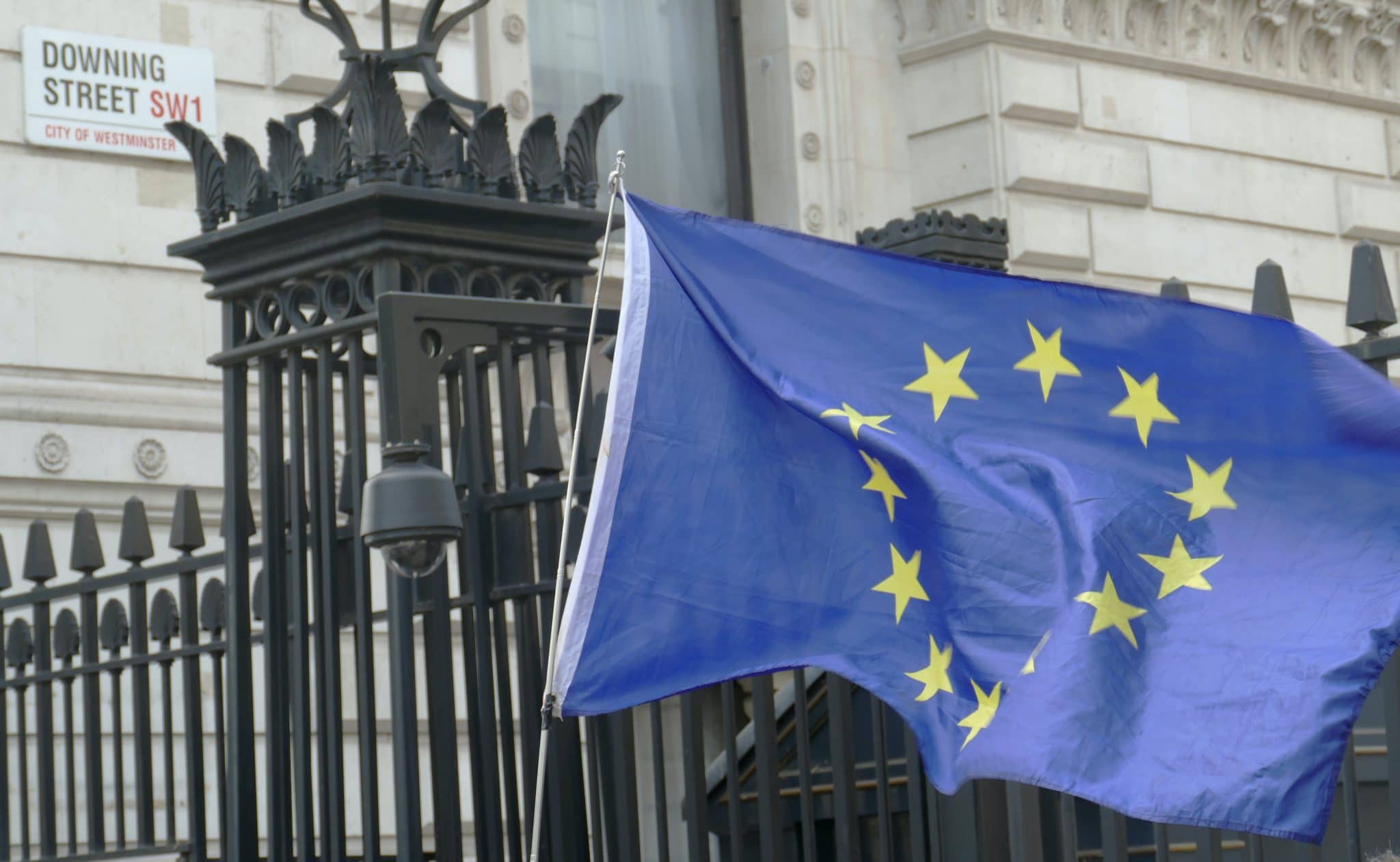
Brexit and Electricity Trading
The Workshop will first discuss which form of volume coupling is best suited for governing day-ahead trading on the borders between Great Britain and the EU/Northern Ireland, taking the limitations imposed by Brexit on the possible governance arrangements. In the second part we will turn to how disputes between operators/owners of interconnectors, disputes between regulators at different ‘ends’ of the interconnectors, and disputes between the parties to the TCA might be settled in the future. The TCA provides that exemptions from requirements for third-party access, unbundling and the use of revenues already granted to gas and electricity interconnectors will continue in accordance with the same terms.
To explore these issues, the Workshop will be structured in two sessions:
- Session I will focus on the possible future framework for day-ahead electricity trading between Great Britain and the EU/Northern Ireland, aiming at maximising benefits for consumers in the EU and the United Kingdom, while respecting the limitations imposed by Brexit on the governance arrangements.;
- Session II will focus on dispute resolution. Will European law still apply to the continental end of the interconnector. Or do we have to develop a new framework? After all, EU law defines an interconnector’ as a ‘transmission line which crosses or spans a border between Member States and which connects the national transmission systems of the Member States’, but what about interconnectors that do not connect Member States – but third countries, such as the UK. Can we learn from experience with the EEA?
Background
The United Kingdom left the European Union (EU) on 1 February 2020 (Brexit) and the transition period during which most of the provisions of EU Law, including those governing the Internal Electricity Market, still applied ended on 31 December 2020.
Therefore, as of 1 January 2021, electricity trading between Great Britain, on the one hand, and the European Union and the island of Ireland1, on the other hand, is no longer governed by the body of EU primary and secondary legislation implementing the Electricity Target Model (ETM) and Price-based Market Coupling. The ETM has been developed and implemented over the last fifteen years to deliver efficient cross-border trading to maximise benefits for final electricity consumers.
On 24 December 2020, the United Kingdom and the EU concluded a Trade and Cooperation Agreement (TCA)2 for the post-Brexit period, which is provisionally applicable as of 1 January 2021. This agreement provides a framework for future electricity trading across interconnectors between the United Kingdom and the EU. This framework should promote the efficient use of the interconnectors between Great Britain and the EU/Northern Ireland, in order to preserve, as much as possible, the benefits from trading achieved when the United Kingdom was part of the Internal
Electricity Market, avoid electricity flowing in the non-economic direction on the interconnectors and thus maximise benefits for electricity consumers in the United Kingdom and the EU3.
The TCA establishes a Specialised Committee on Energy (SCE) which is tasked with addressing various matters relating to energy under the TCA4. For the day-ahead timeframe, the SCE is expected to take steps to ensure TSOs develop a new procedure based on “multi-region loose volume coupling”, and a new algorithm, by the end of March 2022.
Please note: This event is by invitation only. For further information, please contact Elena Iorio.
Don’t miss any update on our events
Sign up for free and access the latest events from our community.
More on the topic



The Revision of the TEN-E Regulation

FSR Policy Workshop in collaboration with the Copenhagen School of Energy Infrastructure
On 15 December 2020, the Commission published its legislative proposal for the revision of Regulation (EU) No 347/2013 on guidelines for trans-European energy infrastructure (the TEN-E Regulation)[1]. The 2013 TEN-E Regulation aimed at accelerating the development of strategically important priority projects interconnecting energy networks along eight priority corridors and in the area of smart grids, against the demanding timeline of the EU 2020 energy and climate objectives. These projects are labelled Projects of Common Interest (PCIs). To achieve the PCI status, projects need to be included in the latest Ten-Year Network Development Plan (TYNDP) and, as such, they need to deliver positive net welfare benefits. Since the entry into force of the TEN-E Regulation, the European Commission has adopted four PCI lists; the last one was published on 31 October 2019[2].
The European Green Deal[3] requires a revision of the TEN-Regulation, which was already planned on the basis of the experience gained over the seven years of its implementation. However, the European Green Deal makes this revision more wide-reaching, also involving a redefinition of the objectives of the TEN-E Regulation, to align it to the new context and thus ensure that the development of energy networks enables and supports decarbonisation, by fostering the deployment of innovative technologies and infrastructure, while keeping the energy transition socially fair.
In this respect the Commission’s legislative proposal, while maintaining the main tenets of the TEN-E Regulation – e.g. the PCI status for priority projects, the possibility of an enabling Cross-Border Cost Allocation for PCIs – envisages changes in some important features of the Regulation, such as the exclusion of oil and gas network infrastructure from the projects eligible for the PCI status, the inclusion of hydrogen and smart gas grid projects, albeit subject to meeting a mandatory sustainability criterion, the requirement that total investment costs be allocated through the cross-border cost allocation and several improvements in the governance of various aspects of the TYNDP/PCI selection process.
Over the last year, the Florence School of Regulation has been working with the Copenhagen School of Energy Infrastructure to assess the experience with the implementation of the TEN-E Regulation and to identify those changes in the Regulation required better to support the new EU energy and climate goals of the Green Deal. The preliminary results of this assessment were contributed to one of the webinars organised by the European Commission as part of its consultation process, further discussed in an online roundtable on 23 June 2020 – Revision of the TEN-E regulation: an academic perspective (eui.eu) – and presented in a Policy Brief – “Making the TEN-E Regulation Compatible with the Green Deal: Eligibility, Selection, and Cost Allocation for PCIs”.
The Workshop will aim at discussing the changes to the TEN-E Regulation proposed by the European Commission and assess how they fare vis-à-vis the new challenges faced by the energy sector and the corresponding needs for infrastructure development.
To explore these issues, after an introductory presentation by the Commission of its legislative proposal, the Workshop will be structured in two sessions:
- Session I will focus on those aspects related to the identification of the scenarios supporting the development of the TYNDP, the CBA methodologies and the PCI selection process;
- Session II will review the experience with CBCA decisions to put into context and assess the changes proposed by the Commission in this area.
Please note:
This workshop is by invitation only. For further information, please contact Elena Iorio.
[1] https://eur-lex.europa.eu/legal-content/en/TXT/?uri=celex%3A32013R0347
[2] https://ec.europa.eu/energy/sites/ener/files/c_2019_7772_1_annex.pdf
[3] https://eur-lex.europa.eu/legal-content/EN/TXT/?qid=1588580774040&uri=CELEX%3A52019DC0640
Don’t miss any update on our events
Sign up for free and access the latest events from our community.
More on the topic
Methane Emissions from the Energy Sector and the EU Emission Trading System

Background
The European Green Deal envisages an important role for gas in the energy transition. However, to follow this pathway, the gas value chain should be more oriented towards sustainability. Methane emissions are responsible for around a quarter of today’s global warming, second only to carbon dioxide emissions (which currently are responsible for half of global warming).
In addressing methane emissions from the energy sector, one of the key considerations is that the EU has only a minor direct responsibility (accounting for only 2.3% of global methane emissions), with the Russian Federation and the United States being responsible for 15% and 14% of global emissions, respectively. However, the EU is the largest buyer of natural gas on the international market – having a 46% share – and therefore it could well be in a position to promote the adoption of methane emission-reduction strategies and standards by the countries from which it buys gas (mainly the Russian Federation, Algeria, Nigeria, Qatar, and the United States).
One possible way of providing incentives for gas network companies to reduce methane emissions would be to include these emissions in the EU Emission Trading System (EU ETS), which has been in operation since 2005.
Against this background, the online Workshop will aim to assess the pros and cons of extending the EU ETS to cover methane emissions.
To explore these issues, after an opening session outlining the current strategies and measures to curb methane emissions in the EU, the Workshop will be structured in two sessions:
- Session I will review the state of the art in measurement, reporting and verification of methane emission, with specific reference to the requirements for the inclusion of these emissions in the EU ETS;
- Session II will review the international experience with including methane emission in tradable quota systems and assess to what extent such an inclusion in the EU ETS will be feasible and its advantages and drawbacks, and any associated challenges.
Please note
This workshop is by invitation only. For further information, please contact: Elena Iorio
Don’t miss any update on our events
Sign up for free and access the latest events from our community.
More on the topic
The Digital Governance Challenge – workshop series

This workshop on major governance challenges triggered by the current digital transformation is co-organized by the Florence School of Regulation and the Dauphine-PSL ‘Governance & Regulation Chair’.
We are witnessing the development and integration of a set of technologies that tend to radically transform the capabilities to process and circulate information, and therefore to coordinate. Indeed, these technologies now enable a seamless and ubiquitous access to information, a just-in-time and adaptive processing of this information at low cost, and an algorithmic way of guaranteeing compliance with rules. This represents a high potential for designing and implementing more agile and customized modes of coordination — thanks to the combination of horizontal information sharing, low cost contracting and decentralized enforcement—and of more responsive modes of governance; based on agile and pervasive digital capabilities enabling to quickly adapt to new information. It also supports more decentralized and organic mechanisms of governance, which might replace more hierarchical one since digital systems can support self-governed collective actions and the decentralized matching of available resources with individual needs.
As a result, several traditional mechanisms of coordination are challenged. Hierarchical organizations, for instance, are questioned by horizontal, peer-based, forms of organizations that allow rapid adaptation to incremental evolutions of needs, and resilience when shocks occur. The role of the government might of course also be questioned in this overall framework.
Bringing together a group of prominent academics and practitioners from the public and private sectors, whose research or action explore the links between digital transformation and the reshuffling of governance mechanisms, this workshop aims at enabling us to deepen our understanding of their close interactions.
Sessions
Six main topics will be covered during six online sessions, to be organised each Friday from 12:00 p.m. to 1:30 p.m. CET, from January 15th to February 19th:
Session 1
The opportunities and challenges raised by digital technologies for the economy and for society (January 15th)
Jean-Michel Glachant | Florence School of Regulation/RSCAS/EUI
Eric Brousseau | Scientific director, Governance and Regulation Chair and Club of Regulators
Robert Madelin | Chairman of FIPRA International
Margareta Chesaru | Public Affairs Manager, UiPath
Huy Nguyen Trieu | Co-Founder CFTE
Agustín Reyna | Director, Legal and Economic Affairs
Rolf Riemenschneider | Head of Sector “Internet of Things”, DG Connect, European Commission
William E. Kovacic | Global Competition Professor of Law and Policy at George Washington University Law School
Session 2
The transformation of political governance and public institutions (January 22nd),
Maria Petrova | ICREA Research Professor at the Universitat Pompeu Fabra
Thierry Vedel , CEVIPOF-Sciences Po
Antonio Nicita | Professor of economic policy at Rome Lumsa University
Pierre Pezziardi | Entrepreneur, author, cofounder of beta.gouv.fr
Alexis Tsoukias | Scientific director, CNRS
Andrea Renda | Head of Global Governance, Regulation, Innovation and the Digital Economy (GRID) at CEPS
Sjef van Erp | Professor emeritus of European private law at Maastricht University
Session 3
The impact of digital technologies on social and civic life (January 29th)
Jean-Samuel Beuscart | Orange Labs
Doaa Abu Elyounes | Harvard University
Jamal Atif | Paris Dauphine-PSL University
Bertin Martens | Joint Research Centre (Seville) of the European Commission
Serge Abiteboul | Autorité de Régulation des Communications Electroniques et de la Poste
(Arcep)
Miguel Amaral | The Organisation for Economic Co-operation and Development (OECD)
Bertrand Pailhès | Head of Technology and Innovation, CNIL
Session 4
The regulation of the digital industry (February 5th)
Viktor Mayer-Schönberger| Oxford Internet Institute, University of Oxford
Anne Yvrande-Billon| Autorité de Régulation des Communications Electroniques et des Postes (ARCEP)
Leigh Hancher | University of Tilburg & Florence School of Regulation / Robert Schuman
Centre for Advanced Studies / European University Institute
Denis Berthault | GFii – Groupement Français de l’Industrie de l’Information
Werner Stengg | European Commission
Martin Cave | Office of Gas and Electricity Markets (Ofgem)
Martin Peitz| University of Mannheim & Mannheim Centre for Competition and Innovation (MaCCI)
Session 5
The challenges for sovereignty, security, rights, and the rule of law (February 12th)
Jan Aart Scholte| Leiden University & University of Duisburg-Essen
Joëlle Toledano | Paris Dauphine University
João Ricardo Vasconcelos| Organisation for Economic Co-operation and Development (OECD)
Benjamin Revcolevschi | Fujitsu France
Yves-Alexandre de Montjoye | Imperial College London
Mike Bracken | Public Digital UK
Frank Bannister | Trinity College Dublin
Session 6
Global governance and international relations (February 19th)
Howard Shelanski | Georgetown University
Winston Maxwell | Télécom Paris – Institut Polytechnique de Paris
Meryem Marzouki | French National Scientific Research Center (CNRS)
Didier Navez | Dawex
Mérouane Debbah | Huawei R&D France
Henri Verdier | French Ministry of Foreign Affairs
Paul Seabright | Toulouse School of Economics
Learning objectives
The objective of this workshop is threefold:
- to explore how the pillars of a European approach in this area could be developed;
- to identify the levers of a research and action program to build this approach;
- to initiate a partnership to manage a work program.
The expected outcome of this workshop will combine the production of a “white paper” aimed at framing the debate, and the elaboration of a “work program” to be carried out in the framework of an initiative to be hosted by the European University Institute and a set of partners both within and beyond the academia.
Please note: this workshop is a closed event. You may find more information here.
In collaboration with:

Don’t miss any update on our events
Sign up for free and access the latest events from our community.
More on the topic