



Archives: Events
Summer school on Economic Foundations for Energy and Climate Policies

After the great success of the first edition, Universidad Carlos III, DIW Berlin, Florence School of Regulation (EUI), Technical University Berlin, Universidad Autónoma de Madrid, University College London and Université Libre de Bruxelles are happy to announce the second edition of the PhD Summer School on “Economic Foundations for Energy and Climate Policies”.
The PhD Summer School will be held on September 6-10, 2021 at Universidad Carlos III de Madrid (Downtown campus) The plan is to organise the school on-site but a mixed format could eventually be considered in case the situation does not improve as expected.
Instructors and topics
The main objective of the School is to provide PhD students in Economics with high-level academic training on the micro-economic foundations of energy and climate policies. The School is also aimed at supporting the development of a PhD-student network for students interested in the topic, and connect them with top academics in the field.
- Stefan Ambec (Toulouse School of Economics): “‘The Challenges of Intermittent Renewables’”
- Estelle Cantillon (Université Libre de Bruxelles): “Design and Development of the EU ETS”
- Juan Pablo Montero (Pontificia Universidad Católica de Chile): “Environmental Regulation and the Transport Sector”, and “The Design of Environmental Instruments“
- Ulrich Wagner (University of Mannheim): “The Effects of Climate Policy”
More information at the attached Call for Applications.
- Deadline for applications: April 30, 2021. APPLY HERE
- Local Committee: Natalia Fabra and Carmen Arguedas
- The Organizers: Carmen Arguedas, Simone Borghesi, Estelle Cantillon, Olga Chiappinelli, Natalia Fabra, Michael Grubb and Karsten Neuhoff
- Costs: the School will be free of charge for students but accommodation, food and travel is not covered.
Don’t miss any update on our events
Sign up for free and access the latest events from our community.
More on the topic










2nd Florence Rail Regulation Conference. Modal Shift: The Moment of Truth

Shift to rail is one of the main challenges to reach the ambitious Green Deal objectives in transport and one of the key issues in the European Year of Rail. However, data shows that such a modal shift is not happening, as rail modal share is not growing in passenger services and is too low and basically stagnated in freight services (Rail Market Monitoring 2021).
The scope of the conference is to evaluate the existing policies and analyse new proposals to accelerate the modal shift. Debate between academics, industry and public officials is the proposed methodology to provide deep insights and fresh approaches.
We are looking for original papers covering the various aspects of railway regulation and focusing on transversal issues such as: competition, track access charges, capacity allocation, traffic management, night trains, long-distance and cross-border passenger rail services, high-speed services, intermodality, digital mobility/railway platforms and others.
Contributions utilising multidisciplinary, as well as interdisciplinary approaches to regulation, are very welcome. Papers, linking academia and practice, as well as policy research papers, are particularly encouraged.
The conference is intended for academics, as well as academically minded practitioners.
This is a 2-day conference, aiming to engage a selected group of a total of 30 individuals including leading academics, high-level stakeholder representatives (CEOs or deputies) and public officials into a fruitful policy debate.
On the first day there will be presentations of 9 academic papers, followed by a discussion with the audience. The foreseen outcome of the conference is 9 academic papers of excellent quality with policy recommendations, which DG Move and national authorities can use in future planning.
The second day will be devoted to the high-level policy debates based on the papers presented the day before, with the participation of representatives of DG Move, stakeholders and academics.
List of selected authors and titles of their papers:
- Beria, P., Tolentino, S., Shtelle, E., Lunkar, V. “Is there an effect on prices of market entry in open-access rail Italian market?”
- Carames, J.G. “Next steps in the liberalization of the EU passenger rail market: new challenges for future public service contracts”
- Fahnenmüller, L. “How Technical Regulations Shape the Competitive Landscape – a Discussion on ECM, TSI and other Technical Regulations”
- Jain, A., van der Heijden, R., Marchau, V., Bruckmann, D. “The role of digital platforms in the modal shift of road to rail freight transport”
- Kristoffersson, I., Pyddoke,R., Börjesson,M., Karlsson, R., Liu, C. “Modal shift – A dream?”
- Mastrodonato, E. “Integrated coordination to make the railway system more efficient and facilitate the modal shift”
- Michaux, L. “Public Service Obligations in the Railway Sector: The EU’s Regulatory Self-Restraint as Part of the Problem?”
- Nash, C., A., Smith, A., S., Fitzova, H. “Achieving mode shift – what needs to be done?”
- Pagand, I., Bizzotto, S., Holvad, T., Potenza, G. “Rail renaissance strategy”
- Tomeš, Z. “Regulatory approaches to rail competitive entries”
Conference timeline
- Submission of the abstract by
1 June 2021; 15 June 2021. We extended the deadline! - Notification of acceptance by 1 July 2021;
- Submission of the full paper by 15 November 2021; participants who fail to submit a full paper by this deadline will be automatically removed from the programme;
- Conference on 9th-10th December 2021 in Florence (Italy).
Submission of the abstract
- Step 1: Download the obligatory submission template
- Step 2: Fill in all required fields: Introduction and Purpose of the Study; Research Design and Expected Results; Keywords. Please pay attention to the word limit!
- Step 3: Fill in the registration form online and enclose the submission template (see Step 2).
For any issues regarding the submission, please contact Ms Irina Lapenkova at FSR.Transport@eui.eu;
Publication opportunities
- Papers will qualify for fast track review for the Journal Competition and Regulation in Network Industries (SAGE)
Organising Committee
- Prof Juan Montero (EUI, Part-time professor of the Transport Area of the FSR, Professor of Administrative Law and Regulation in UNED University (Madrid).
- Prof Matthias Finger (EUI, Part-time professor and Director of the Transport Area of the FSR. EPFL, Professor Emeritus).
- Prof Chris Nash (Research Professor, Institute for Transport Studies, University of Leeds. Scientific Advisor, FSR Transport).
Don’t miss any update on our events
Sign up for free and access the latest events from our community.


Engendering the Energy Transition

In this online talk, we will look at the energy transition from an alternative perspective, with the authors of the book: Engendering the Energy Transition.
Register to learn more about the Book!
Hosts
Swetha Baghwat, Head of FSR Global, Florence School of Regulation
Jean-Michel Glachant, Director of the Florence School of Regulation
Panel
Joy Clancy is Professor of Energy and Gender in the Department of Governance and Technology for Sustainability at the University of Twente,
Nthabiseng Mohlakoana holds a Doctorate in Innovation and Governance for Sustainable Development from the University of Twente, The Netherlands.
Mariëlle Feenstra is a PhD researcher on gender approaches in energy policy design at the University of Twente, The Netherlands
#FSRTalks
Live interviews with experts from the wider network of the school to showcase and discuss a recent work (a book just published, interesting study, innovative project) in a light and interactive way.
Hosts: Prof. Jean-Michel Glachant, Ilaria Conti, Swetha Baghwat
Don’t miss any update on our events
Sign up for free and access the latest events from our community.
Speakers
The Revision of the TEN-E Regulation

FSR Policy Workshop in collaboration with the Copenhagen School of Energy Infrastructure
On 15 December 2020, the Commission published its legislative proposal for the revision of Regulation (EU) No 347/2013 on guidelines for trans-European energy infrastructure (the TEN-E Regulation)[1]. The 2013 TEN-E Regulation aimed at accelerating the development of strategically important priority projects interconnecting energy networks along eight priority corridors and in the area of smart grids, against the demanding timeline of the EU 2020 energy and climate objectives. These projects are labelled Projects of Common Interest (PCIs). To achieve the PCI status, projects need to be included in the latest Ten-Year Network Development Plan (TYNDP) and, as such, they need to deliver positive net welfare benefits. Since the entry into force of the TEN-E Regulation, the European Commission has adopted four PCI lists; the last one was published on 31 October 2019[2].
The European Green Deal[3] requires a revision of the TEN-Regulation, which was already planned on the basis of the experience gained over the seven years of its implementation. However, the European Green Deal makes this revision more wide-reaching, also involving a redefinition of the objectives of the TEN-E Regulation, to align it to the new context and thus ensure that the development of energy networks enables and supports decarbonisation, by fostering the deployment of innovative technologies and infrastructure, while keeping the energy transition socially fair.
In this respect the Commission’s legislative proposal, while maintaining the main tenets of the TEN-E Regulation – e.g. the PCI status for priority projects, the possibility of an enabling Cross-Border Cost Allocation for PCIs – envisages changes in some important features of the Regulation, such as the exclusion of oil and gas network infrastructure from the projects eligible for the PCI status, the inclusion of hydrogen and smart gas grid projects, albeit subject to meeting a mandatory sustainability criterion, the requirement that total investment costs be allocated through the cross-border cost allocation and several improvements in the governance of various aspects of the TYNDP/PCI selection process.
Over the last year, the Florence School of Regulation has been working with the Copenhagen School of Energy Infrastructure to assess the experience with the implementation of the TEN-E Regulation and to identify those changes in the Regulation required better to support the new EU energy and climate goals of the Green Deal. The preliminary results of this assessment were contributed to one of the webinars organised by the European Commission as part of its consultation process, further discussed in an online roundtable on 23 June 2020 – Revision of the TEN-E regulation: an academic perspective (eui.eu) – and presented in a Policy Brief – “Making the TEN-E Regulation Compatible with the Green Deal: Eligibility, Selection, and Cost Allocation for PCIs”.
The Workshop will aim at discussing the changes to the TEN-E Regulation proposed by the European Commission and assess how they fare vis-à-vis the new challenges faced by the energy sector and the corresponding needs for infrastructure development.
To explore these issues, after an introductory presentation by the Commission of its legislative proposal, the Workshop will be structured in two sessions:
- Session I will focus on those aspects related to the identification of the scenarios supporting the development of the TYNDP, the CBA methodologies and the PCI selection process;
- Session II will review the experience with CBCA decisions to put into context and assess the changes proposed by the Commission in this area.
Please note:
This workshop is by invitation only. For further information, please contact Elena Iorio.
[1] https://eur-lex.europa.eu/legal-content/en/TXT/?uri=celex%3A32013R0347
[2] https://ec.europa.eu/energy/sites/ener/files/c_2019_7772_1_annex.pdf
[3] https://eur-lex.europa.eu/legal-content/EN/TXT/?qid=1588580774040&uri=CELEX%3A52019DC0640
Don’t miss any update on our events
Sign up for free and access the latest events from our community.

The Role of Modal Shift in Achieving Transport Decarbonisation Objectives

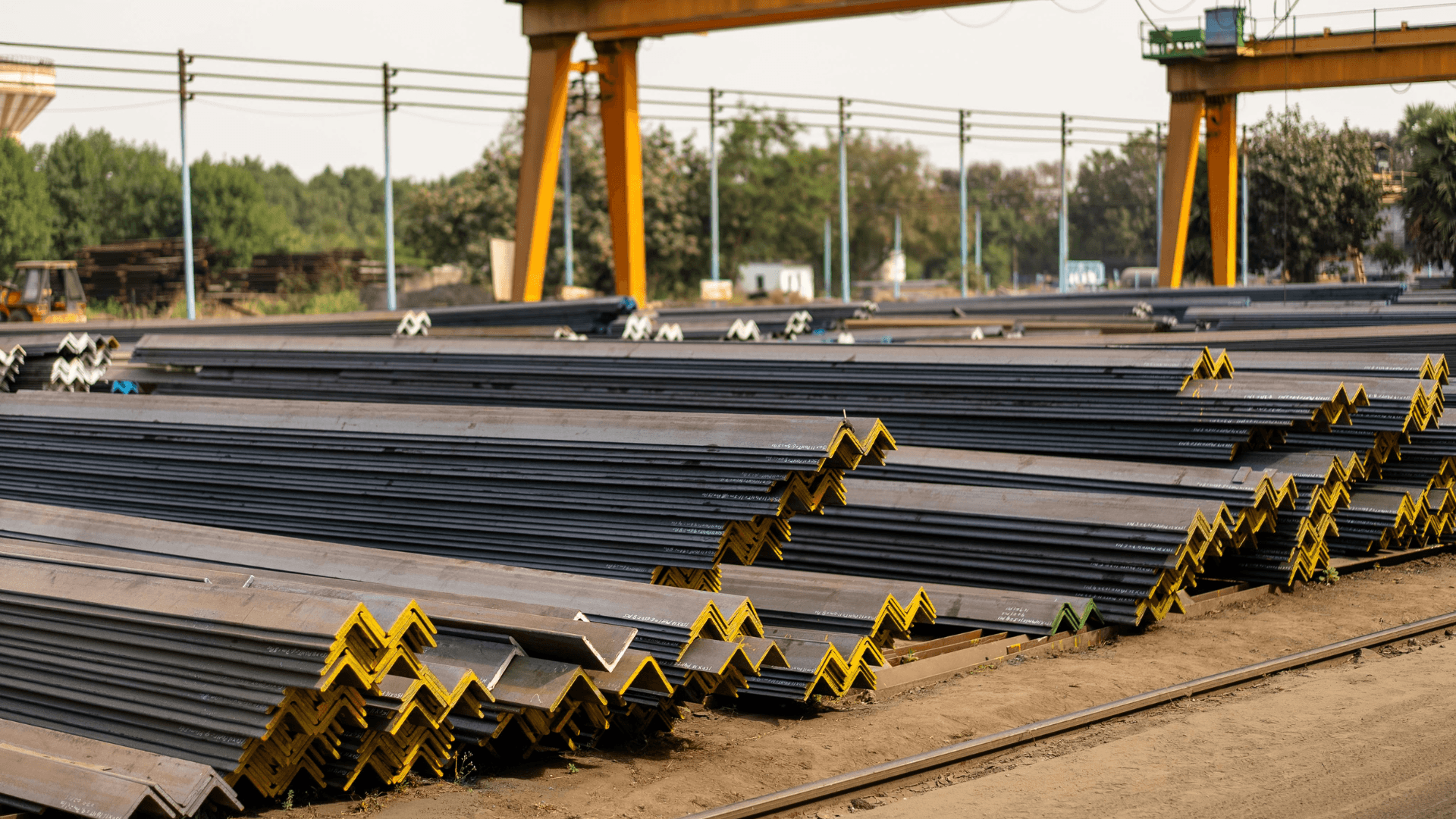
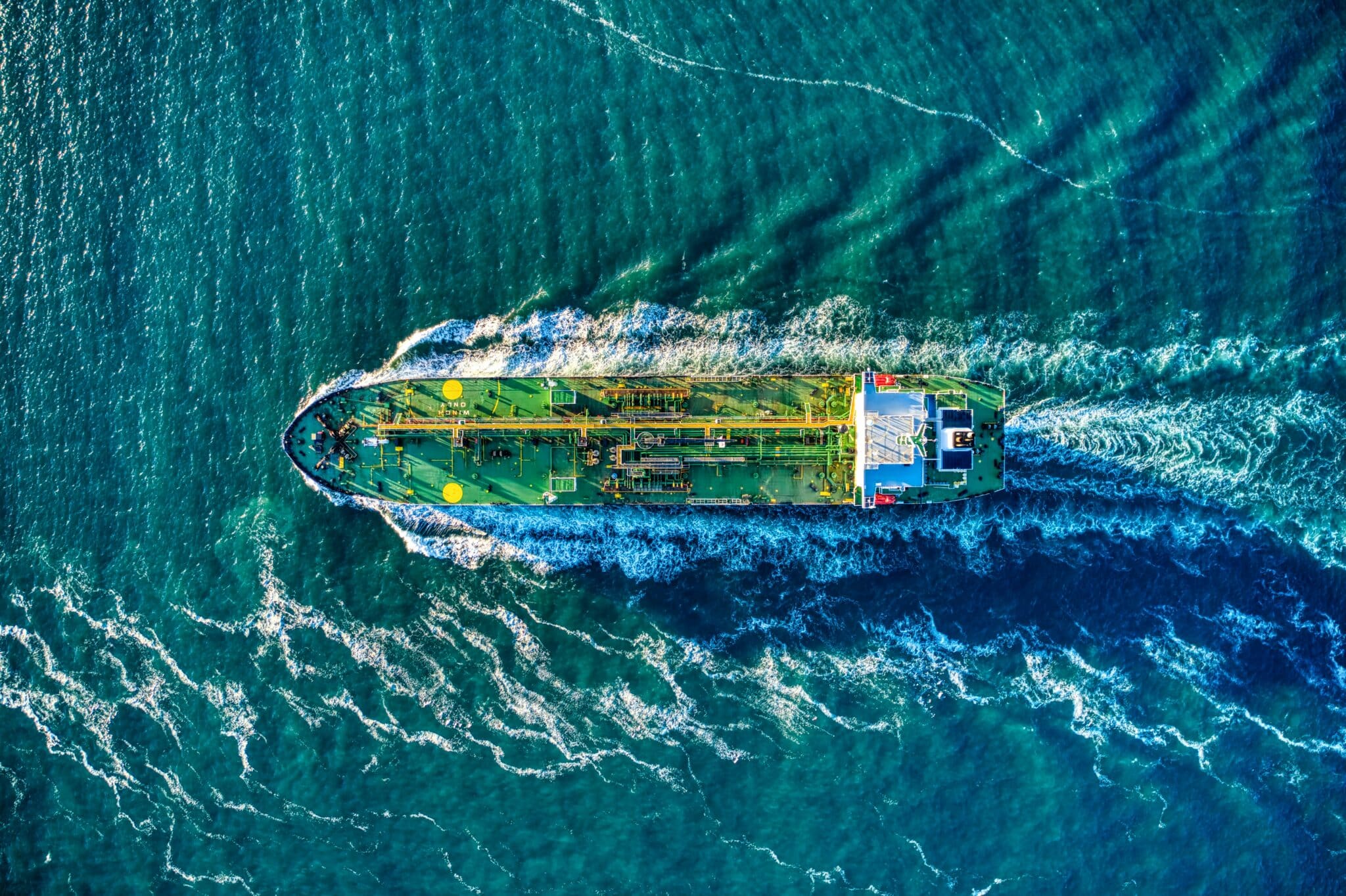
The European Green Deal strives to transform Europe into the world’s first carbon neutral continent by 2050: a commitment, which will necessitate significant transformations across all sectors of the economy. For the transport sector, which accounts for a quarter of the EU’s total greenhouse gas emissions, meeting this ambition will require a 90% reduction in CO2 emissions by mid-century. The recently published Sustainable and Smart Mobility Strategy stresses that ‘greening mobility must be the new license for the transport sector to grow’. While a number of measures will need to be considered, ranging from pricing, to regulation, and a rethinking of mobility needs, this panel will explore the role of modal shift in placing the sector on a firm path to sustainable and smart mobility.
The shift of passenger and goods traffic away from less environmentally sound modes, such as road in particular, but also aviation, towards the greenest modes, namely rail and inland waterways, constitutes a central pillar of the EU transport decarbonisation strategy. In fact, the EU’s modal shift strategy sets out that rail freight traffic should increase by 50% by 2030 and double by 2050, whereas transport by inland waterways and short sea shipping should increase by 25% by 2030 and by 50% by 2050. This, in turn, will require measures to manage better, and to increase the capacity of railways and inland waterways, which the Commission will propose by 2021. To advance the delivery of these objectives, the Commission has declared 2021 as the European Year of Rail.
In addition to supporting greening objectives, a shift to rail and inland waterway vessels can ease congestion on roads, lower the pressure on road infrastructure by taking over the heaviest loads and reducing the risks linked to transporting dangerous goods. Yet, the progress achieved to date in the Member States remains insufficient, and the share of rail freight stagnates around 18%. While the COVID-19 pandemic has brought about unprecedented challenges for the entire transport sector, it has also brought to light more prominently the higher safety and reliability of rail freight, where rail has offered efficient cross-border cargo connections carrying large volumes of essential goods and medical supplies using minimal human resources. The post-COVID-19 period, furthermore, offers a unique opportunity for railway undertakings to tap into the unused potential and develop more rail passenger services, especially in cross-border contexts. Night trains could increasingly compete with short haul flights and stimulate European tourism in the recovery phase.
This panel discussion, hosted by FSR-Transport under the framework of the European University Institute’s annual flagship conference The State of the Union (SOU), brings together EU policy makers and industry experts for a timely debate on the technical and regulatory barriers, as well as the possible solutions and legislative opportunities to turn the EU’s modal shift objectives into reality.
Context:
The State of the Union conference, organised by the European University Institute (EUI), is an annual event for high-level reflection on the European Union, renowned for fostering global connections and conversations, disseminating expert knowledge and providing excellent networking opportunities in the beautiful setting of Florence.
Celebrating its tenth anniversary, the 2021 edition of the conference will address the theme ‘Europe in a Changing World.’ The focus will be on the challenges and opportunities for Europe amidst rising concerns over global commons and the climate emergency, a shifting economic and geopolitical power balance, major challenges to multilateralism, and the ongoing global battle against COVID-19. Europe’s role on the global stage will be tackled across sessions on artificial intelligence, climate, geopolitics, the global economy, multilateralism, peace and human rights, public health, and strategic autonomy.
Don’t miss any update on our events
Sign up for free and access the latest events from our community.
Speakers
Methane Emissions from the Energy Sector and the EU Emission Trading System

Background
The European Green Deal envisages an important role for gas in the energy transition. However, to follow this pathway, the gas value chain should be more oriented towards sustainability. Methane emissions are responsible for around a quarter of today’s global warming, second only to carbon dioxide emissions (which currently are responsible for half of global warming).
In addressing methane emissions from the energy sector, one of the key considerations is that the EU has only a minor direct responsibility (accounting for only 2.3% of global methane emissions), with the Russian Federation and the United States being responsible for 15% and 14% of global emissions, respectively. However, the EU is the largest buyer of natural gas on the international market – having a 46% share – and therefore it could well be in a position to promote the adoption of methane emission-reduction strategies and standards by the countries from which it buys gas (mainly the Russian Federation, Algeria, Nigeria, Qatar, and the United States).
One possible way of providing incentives for gas network companies to reduce methane emissions would be to include these emissions in the EU Emission Trading System (EU ETS), which has been in operation since 2005.
Against this background, the online Workshop will aim to assess the pros and cons of extending the EU ETS to cover methane emissions.
To explore these issues, after an opening session outlining the current strategies and measures to curb methane emissions in the EU, the Workshop will be structured in two sessions:
- Session I will review the state of the art in measurement, reporting and verification of methane emission, with specific reference to the requirements for the inclusion of these emissions in the EU ETS;
- Session II will review the international experience with including methane emission in tradable quota systems and assess to what extent such an inclusion in the EU ETS will be feasible and its advantages and drawbacks, and any associated challenges.
Please note
This workshop is by invitation only. For further information, please contact: Elena Iorio
Don’t miss any update on our events
Sign up for free and access the latest events from our community.
More on the topic


Energy Regulation In The Green Transition: An Anthology

Joint DUR-FSR-CSEI Online Book Launch Event
The Florence School of Regulation, in collaboration with the Danish Utility Regulator (DUR) and with the Copenhagen School of Infrastructure (CSEI), is hosting an online event to launch the newly published anthology on Energy Regulation in the Green Transition.
The book we will discuss is volume I in the Danish Utility Regulator’s anthology project on enabling better regulation in the energy sector. The online event moderated by Leonardo Meeus (FSR) will feature keynote speeches from the contributing authors to the anthology, from FSR and CSEI as well as from the editorial team.
DOWNLOAD THE BOOK
Programme of the event
Moderated by Leonardo Meeus, Florence School of Regulation (FSR)
Welcome and presentation of the anthology
Carsten Smidt, Director-general, DUR
Keynote Speeches
Introduction to energy regulation in the green transition
Prof. Peter Møllgaard, Chairman of the Danish Council on Climate Change, and Dean at the Maastricht University School of Business and Economics
Energy Network Innovation for Green transition: Economic Issues and Regulatory options
Manuel Llorca, Copenhagen School of Energy Infrastructure (CSEI)
Regulatory Experimentation in Energy: Three Pioneer Countries and a Look Ahead
Tim Schittekatte, Florence School of Regulation (FSR)
Review, Perspectives, and Open Questions
Dr. Annegret Groebel, President of Council of European Energy Regulators (CEER)
Concluding Remarks
Carsten Smidt, Director-general, DUR
More on the Anthology
The Green Transition challenges existing structures of all sectors in society, not least within the energy sectors. This anthology is a collection of contributions by leading academics from economics, legal and technical backgrounds on Energy Regulation in the Green Transition.
The anthology describes regulatory dilemmas and explores appropriate regulatory answers to the challenges presented by an ambitious Green Transition. The anthology seeks to foster inter-disciplinary discussions and encourages the development of new regulatory thinking among practitioners, businesses, academics, government officials and regulators alike.
The anthology is divided into three broad themes of importance to regulation in the Green Transition: Regulation and Tariff Design discusses ownership, the relationship between innovation and regulation, as well as tariff design. The second theme, Governance and Legal Aspects, investigates the role of existing legal frameworks on the social acceptance of infrastructure, the income-cap regulatory framework and the importance of regulatory experimentation. The third theme addresses questions relating to existing Investment Decision Frameworks employed by utilities in the Green Transition.
The anthology on Energy Regulation in the Green Transition is volume I of the Danish Utility Regulator’s (DUR) Anthology Project series on Better Regulation in the Energy sector.
Soon available online!
Presentations
Don’t miss any update on our events
Sign up for free and access the latest events from our community.
Industry experience and prospectives in Pyrolysis

Hydrogen can be produced also from the decomposition of methane. This process yields only solid carbon and no carbon dioxide. The produced carbon can be sold, improving the cost-efficiency of the operations. Particularly interesting could be the pyrolysis of biomethane. Can pyrolysis of gas play a substantial role in the energy transition? What is the state of the latest technological developments? What are GHG savings using pyrolysis? What are the cost estimations compared with competing technologies?
This online debate on pyrolysis hydrogen will be moderated by Andris Piebalgs and Christopher Jones, Florence School of Regulation.
Speakers:
Dr. Klaus Langemann, Senior Vice President Technology &Innovation, Wintershall Dea GmbH
Prof. Bernd Meyer, Director, Institute of Energy Process Engineering and Chemical Engineering, TU Bergakademie Freiberg
Dr. Roh Pin Lee, Head of Technology Assessment Division, Institute of Energy Process Engineering and Chemical Engineering, TU Bergakademie Freiberg.
Prof. Laurent Fulcheri, Research Director, MINES ParisTech
Detlef Kratz,President, Process Research and Chemical Engineering, BASF
Conclusions:
Kitti Nyitrai, Member of Cabinet of Commissioner Simson
#FSRDebates
The focus of the debate series is on policy issues to be discussed by a panel of experts. Learn more about the FSR series.
Presentations
Don’t miss any update on our events
Sign up for free and access the latest events from our community.
More on the topic

The Regulation of Energy Storage Across the Vectors: Maximizing Flexibility
In this Debate, we aim at identifying some fundamentals for realising a coherent regulatory framework for energy storage facilities across the energy vectors with a focus on achieving the optimumal flexibility from storage facilities.
Storage for all forms of energy vectors is of key importance for achieving the EU’s climate and energy targets. Storage has a crucial role in achieving security of supply, reliability and flexibility. These goals cannot always be pursued simultaneously however and some forms of storage may be more suited to serving some goals than others.
In the FSR Debate, we ask whether we are considering all the options as to how to accommodate storage in the new regulatory frameworks under consideration, and in particular to maximise the demand and supply flexibility that different forms of storage can offer.
If the objective is to strive for flexibility maximisation, how should we position energy storage within the regulatory framework? Is storage to be positioned as part of the transmission or distribution network? Is it a back up for flexible supply or is it an independent service? Who should offer different types of storage-related services and who should not? Should we revisit the unbundling rules? How should injection into storage and withdrawal from storage be charged in order not to distort the efficient use of resources in the overall energy system?
In all these aspects we will consider whether and how to align gas and electricity regulatory principles and practice. Do we follow the existing rules on electricity or on gas or do we develop a new, harmonised approach across the sectors.
As to network tariff methodologies for gas storage – are these likely to be a barrier to innovative flexibility services or should we seek to maintain guarantees for fair access? Do we have to mirror this approach for other forms of storage such as batteries?
This in turn raises the issue of whether the current approach to fuel specific network codes, guidelines – one distinct set for gas – one set for electricity needs to revamped?
Programme
Introduction to the Debate and Opening Presentations
14.00 – 14.05 Introduction to the Debate
Leigh Hancher| Florence School of Regulation
14.05 – 14.15 An energy system needs storage. Storage is everywhere
Ronnie Belmans | CEO Energyville
14.15 – 14.25 The role of gas storage – time for a regulatory upgrade?
Carole le Hénaff | GIE/Storengy
Panel Discussion: Introductory Remarks, Polls, and Comments
Moderator: Alberto Pototschnig | Florence School of Regulation
14.25 – 14.45 Introductory remarks from the panellists
Guido Cervigni | DFC Economic
Doug Wood | EFET
Benoit Esnault | ACER/CRE
14.45 – 14.50 Polls
14.50 – 15.20 Comments on the outcome of the polls and Q&A from the audience
15.20 – 15.30 Concluding remarks
Alberto Pototschnig | Florence School of Regulation
Leigh Hancher | Florence School of Regulation and Tilburg University
#FSRDebates
The focus of the debate series is on recent court cases, regulatory decisions, EU legislation, or public consultations to be discussed by a panel of experts.
Hosts: Prof. Leigh Hancher and Prof. Alberto Pototschnig
Presentations
Don’t miss any update on our events
Sign up for free and access the latest events from our community.
The Renovation Wave – making a step change on the EU’s energy objectives
In the EU buildings are responsible for 40% of energy consumption. 36% of the GHG emissions in the energy sector are related to buildings. The renovation has been a recognised priority of many governments in the EU. Still the developments in the renovation of the buildings have been slow. Only 1% of buildings are renovated per year. This put into question the achievement of the EU’s energy objectives.
The European Commission recently published Renovation Wave Strategy aiming to change this. It targets at least doubling the renovation rates. The renovations should lead to substantially higher energy and resource efficiency and decarbonisation of heating and cooling.
Watch the recording:
How to break existing barriers? How to provide well-targeted financing? How to connect the European ambition with national and local policies? What new European regulation to expect?
These are the issues we will be tackling during our debate.
Panel
Guests:
Stefan Moser, European Commission, DG ENER, Head of Unit
Gaspard Demur, European Commission, DG ENER
Hosts:
Christopher Jones, European University Institute, FSR
Andris Piebalgs, European University Institute, FSR
#FSRDebates
The focus of the debate series is on policy issues to be discussed by a panel of experts. Learn more about the FSR series.
Presentations
Don’t miss any update on our events
Sign up for free and access the latest events from our community.
More on the topic


Welcoming new entrants in electricity markets

New entrants used to find their way into electricity markets via the wholesale markets because balancing markets were more mechanisms than markets that were reserved for the happy few. Today, there are many new entrants that start as balancing service providers. The new entrants that are knocking on the door of electricity markets are also evolving from utility-scale renewables and industrial demand to asset-light software companies aggregating smaller resources, to larger companies supplying smart home systems, and energy communities. With every wave of new entrants, we need to reconsider the market rules because well-intended rules designed for certain types of market participants can (unintentionally) become obstacles for new entrants.
In this online event, we will discuss how different waves of new entrants in electricity markets require us to reconsider market rules; well-intended market rules for certain types of actors can unintentionally become obstacles for others.
Watch the recording:
Academic discussants:
Ksenia Poplavskaya (Austrian Institute of Technology/ TU Delft)
Lynne Kiesling (Carnegie Mellon University)
Michael Pollitt (University of Cambridge – Judge Business School)
FSR researcher:
Tim Schittekatte
Host:
Leonardo Meeus
Did you know…?
The work presented during this event will be submitted as an academic paper to the special issue of Energies on “Innovation, Policy, and Regulation in Electricity Markets” (guest editors: prof. Michael Pollitt, prof. Lynn Kiesling and prof. Leonardo Meeus). Submissions are encouraged, and the deadline for the manuscript submissions is the 30 of April, 2021.
Relevant links:

#FSRinsights
The series focuses on the insights from the FSR research. These online events will give the FSR researchers the chance to share our research findings and to collect feedback on ongoing research by engaging with the audience and invited experts.
Subscribe to our newsletter to get notified about our upcoming events.
Don’t miss any update on our events
Sign up for free and access the latest events from our community.






When and how to regulate hydrogen networks? A European Energy Regulators’ White Paper
FSR talk with ACER
On February 10, 2021 Riccardo Galletta and Juan Lopez of ACER will join Ilaria Conti and Jean-Michel Glachant of the FSR to discuss the issue of regulating hydrogen networks in the EU.
Publication of the EU Commission’s Hydrogen Strategy on 8 July 2020 marked a fundamental step and provided a clear direction for the evolution of the EU energy system, particularly for the decarbonisation of the gas sector. As part of these efforts, The Council of the EU indicated that as much as 30-70% of all gas used in the EU could be greened by 2050.
Reaching the ambitious energy and climate targets the EU is committed to will require a swift and comprehensive overhaul of the European energy system, including in the use of gas infrastructure.
The transition from fossil gas to renewable gases over the coming years is foreseen to be gradual, both in terms of the speed in which fossil gases are phased out in absolute terms, as well as changes in the chemical make-up of the gas consumed in the meantime. Transporting a combination of blended and pure gases raises questions about the suitability of existing gas transportation infrastructure as well as the issue of harmonising regulations between the Member States.
Currently, network infrastructure for the transport of pure hydrogen is not covered by the Gas Directive 2009/73/EC, whilst hydrogen infrastructure and markets at the national level are also relatively undeveloped by comparison to electricity and gas networks.
The debate will revolve around the recently published joint ACER-CEER White Paper on the regulation of hydrogen markets, prepared to assist the European Commission in assessing options for a legislative package on hydrogen and energy system integration. Juan Lopez will also present the findings of a recent ACER survey of national regulatory authorities (NRA’s) concerning the technical ability of the gas transportation system to accept blended gasses.
Topics for discussion will include:
- The circumstances under which regulating hydrogen networks is needed;
- How to treat existing hydrogen network infrastructure;
- How to address regulatory challenges related to the repurposing of gas infrastructure for dedicated hydrogen transport;
- Current limits for the blending of hydrogen into the gas flow in gas transmission networks and at cross-border interconnection points;
- Foreseen national hydrogen blending targets and hydrogen strategies, if any;
- Views on the need to have a European-wide, regional or national approach to H2 blending limits and projects.
Speakers:
Riccardo Galletta & Juan Lopez of ACER
Discussant:
Jean-Michel Glachant and Ilaria Conti of FSR Energy and Climate
Participants will have a chance to intervene directly in our online Q&A.
Access is completely free, upon registration.
Find more from ACER
How can hydrogen support the European Green Deal?
#FSRTalks
FSR talks is a series of live interviews with experts from the wider network of the school to showcase and discuss a recent work (a book just published, interesting study, innovative project) in a light and interactive way.
Don’t miss any update on our events
Sign up for free and access the latest events from our community.
More on the topic