


Archives: Events
Fostering synergies between the European Green Deal and European Gender Strategy

Reflections on the prospects for synergies between the European Green Deal & the European Gender Strategy
Watch & share the event recording!
Europe’s green recovery and the transition to a climate-neutral economy go hand in hand with the need for fully unlocking Europe’s talent pool and strengthening inclusion and equality in the field of energy and climate.
The European Green Deal sets Europe on the pathway to become the first climate-neutral continent by 2050, while the EU’s first-ever Gender Equality Strategy is designed to make gender equality in the European Union a reality. Building synergies between these two strategies will be crucial to improving gender equality in energy, climate, and sustainability space in Europe and harnessing Europe’s talent to support a green and sustainable recovery from the impact of the Covid-19 pandemic.
The FSR Lights on Women initiative and the WECS Foundation are holding a special online event to discuss the mutually reinforcing objectives for Europe: green recovery, the transition to a climate-neutral economy, and gender equality. During the event, we will discuss:
- Pathways to building synergies between the European Green Deal and the EU’s first-ever Gender Equality Strategy
- What are the opportunities for creating an inclusive hydrogen economy in Europe from the outset?
- The role of Gender Impact Assessments of strategic projects designed to contribute to Europe’s transition to net-zero
This join event is organized with the Women in Energy, Climate and Sustainability (WECS) foundation
 Women in Energy, Climate and Sustainability (WECS) is a public foundation established to promote gender equality as an enabler of the transition towards a climate-neutral economy in Europe and worldwide. WECS objective is to facilitate gender diversity and women empowerment in the fields of energy, climate and sustainability.
Don’t miss any update on our events
Sign up for free and access the latest events from our community.
Speakers



21st Florence Rail Forum. Towards International Passenger Corridors
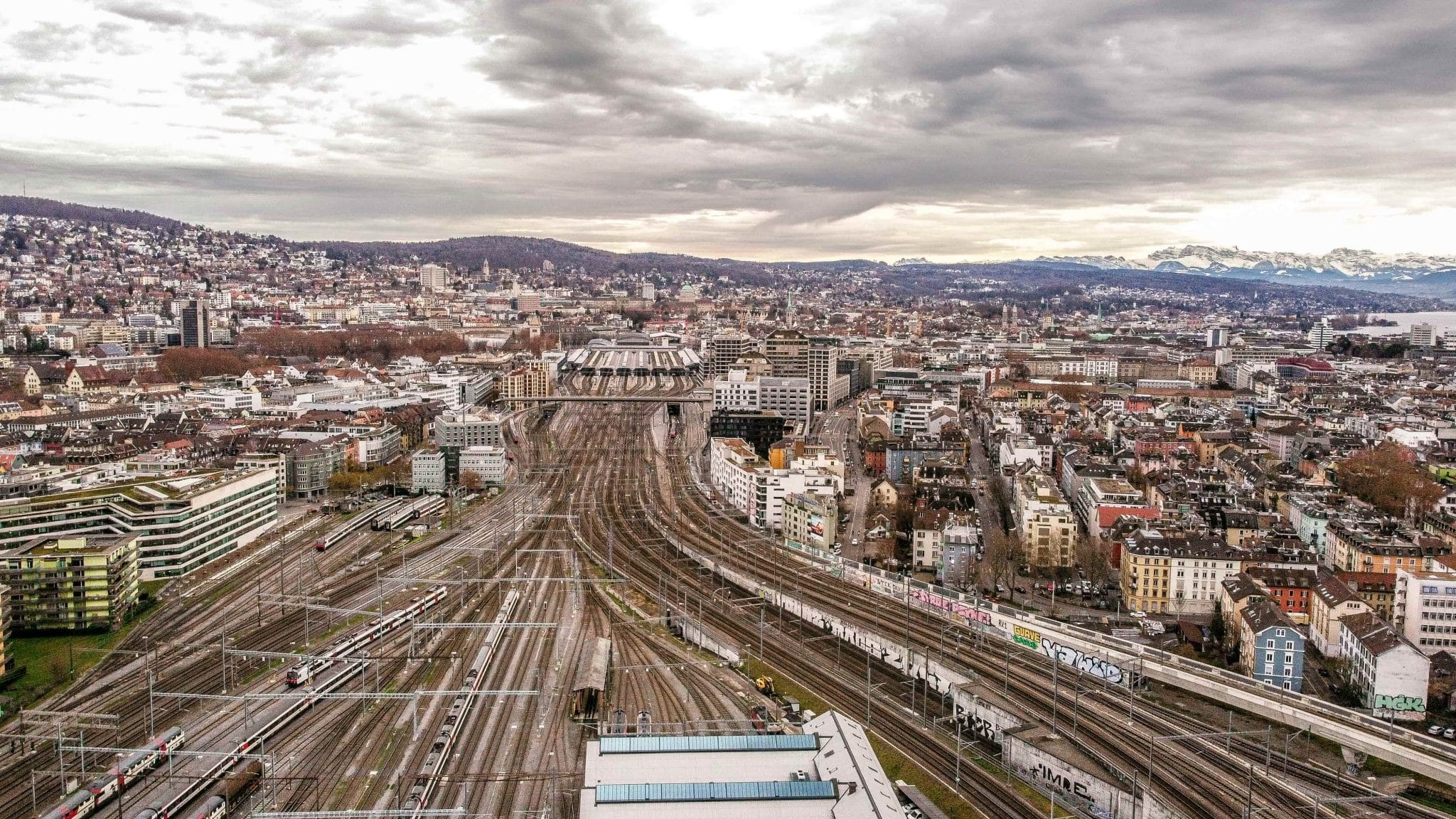
Railway transport is the backbone of sustainable mobility. The modal share of passengers transported by rail in the EU Member States reached 6.9% in 2018. According to the recently released ‘Sustainable and Smart Mobility Strategy’, high-speed rail traffic should triple by 2050. To make this happen TEN-T corridors need to be completed by 2030. More cross-border projects will be needed to integrate all Member States into the European rail system of the future, in turn establishing smooth interconnections for cross-border rail travel across Europe. To speed up the process, the European Commission will propose in 2021 an action plan to boost long-distance and cross-border passenger rail services.
The year 2020 has shown that the railway system is not only sustainable and safe, but also very resilient. The post-Covid-19 period is a unique opportunity for railway undertakings to tap the unused potential and develop more rail passenger services, especially in cross-border contexts. In the new post-Covid-19 world, night trains could increasingly compete with short haul flights and stimulate European tourism, making the increasing supply of international rail passenger services vital for the success of the European Green Deal and for completing the Single European Railway Area. Recently significant steps have been made in that direction: four big European rail companies are giving night trains a boost. Despite of these latter improvements the degree of competition in the railway sector remains fairly low.
The 4th Railway Package was set to complete the market opening process by reducing competitive imbalances and harmonising regulations among the national-rail systems. The main aim is to give all players equal access to national markets; to encourage competition and innovation; and to boost safety, interoperability, and reliability across the region. There have been occasional attempts in the past at national level and the full market opening as of 14 December 2020 opens to considerable changes for the development of the European Railway Area.
Opening of the EU long-distance passenger-rail market will have significant impact for both operators and investors, potentially benefiting the entire rail industry. It could mean more international city to city connections, more frequent path usage and cross-border services, including night train services. However, to make these processes run smoothly, there is still room for enhancement.
The harmonised EU-wide vehicle approval, which would result in reduction of costs for cross-border trains, has just started. Fair track access charges for the new entrant operators must be guaranteed to allow a competitive framework. Another bottleneck is the rolling stock. Liaison of standard trains to minimise investments and fair access to the state guarantees and financial opportunities for all operators, is how it should work in theory, but the question remains: if it will be manageable in practice. Passengers’ awareness about their rights should be improved, and non-discriminatory provision of travel information should be ensured, including through-ticket offers.
Against this backdrop, the 21st Florence Rail Forum, co-hosted by the Transport Area of the Florence School of Regulation and the Commission’s DG MOVE, will provide a well-timed platform for discussion on the possible development of international passenger corridors, likewise international rail freight corridors. These corridors would support the development of long-distance and cross-border rail passenger services. Stakeholders representing rail infrastructure managers, railway undertakings, national regulatory and governmental bodies, among others, will have an opportunity to discuss issues central to the future of international passenger rail travels.
In particular, participants will be invited to critically discuss the capacity of corridors, harmonisation of standards for track access charges, as well as ticketing system.
Please kindly note that this event is by invitation only.
SPEAKERS’ PRESENTATIONS:
Setting the scene: Market opening and International Passenger Corridors (IPCs)
Matthias Finger | Florence School of Regulation, Transport Area
Maurizio Castelletti | European Commission, DG MOVE
Session A – Can we create efficient capacity for the development of long-distance and cross-border passenger rail services over IPCs?
Robér Bormann | Swiss Federal Railways and Erwin Kastberger | Austrian Federal Railways
Session B – How to harmonise track access charges along the IPCs?
Germano Guglielmi | Ferrovie dello Stato
Session C – Can we make progress in digital platforms for on-line search and ticket purchase, including through ticketing?
Gerhard Wennerström | Samtrafiken
Eric Mink | Dutch Ministry of Infrastructure and Water Management
Don’t miss any update on our events
Sign up for free and access the latest events from our community.


Germany’s Renewable Energy Sources Act 2021 – What’s New?

In 2000, Germany introduced the Renewable Energy Sources Act (EEG) to encourage the generation of renewable electricity, initially via a feed-in tariff scheme. Over the course of the past two decades, various editions of the Renewable Energy Sources Act (EEG), have played a central role in the development of renewables, especially the growth of onshore wind and solar PV. The latest reformed version of the act came into effect on 1 January 2021, and contains important economic and legal innovations. In this webinar, we will critically examine these new terms, consider the implications of these amendments, and consider if the reform of the EU state aid guidelines alongside the new EEG may impact the development of state aid for RES in Europe. In the past, many Member State have taken their lead from Germany when it comes to supporting RES. Will Member States still be keen to follow Germany’s example with the EEG 2021?
We will welcome your questions throughout the session, and look forward to what we hope will be a lively debate. To join the session, please register through the form above.
Interested in more on this topic?
Take a look at our podcast on an important state aid ruling with respect to the EEG 2012, which you can listen to here.
Programme
Introduction | Leigh Hancher, FSR
EEG 2021: Review and Outlook | Christoph Riechmann, Frontier Economics
The Legal Dimension | Konrad Riemer and Ulrich Scholz, Freshfields
The DG Comp View | Matt Wieckowski and Alexandra Saller, DG Comp
Roundtable Discussion
Q&A with the live audience
Concluding Remarks | Leigh Hancher, FSR
Presentations
- EEG 2021 – Goals and issues
- Revision of the Guidelines on State aid for Environment and Energy 2014-2020
Don’t miss any update on our events
Sign up for free and access the latest events from our community.
More on the topic




The Digital Governance Challenge – workshop series

This workshop on major governance challenges triggered by the current digital transformation is co-organized by the Florence School of Regulation and the Dauphine-PSL ‘Governance & Regulation Chair’.
We are witnessing the development and integration of a set of technologies that tend to radically transform the capabilities to process and circulate information, and therefore to coordinate. Indeed, these technologies now enable a seamless and ubiquitous access to information, a just-in-time and adaptive processing of this information at low cost, and an algorithmic way of guaranteeing compliance with rules. This represents a high potential for designing and implementing more agile and customized modes of coordination — thanks to the combination of horizontal information sharing, low cost contracting and decentralized enforcement—and of more responsive modes of governance; based on agile and pervasive digital capabilities enabling to quickly adapt to new information. It also supports more decentralized and organic mechanisms of governance, which might replace more hierarchical one since digital systems can support self-governed collective actions and the decentralized matching of available resources with individual needs.
As a result, several traditional mechanisms of coordination are challenged. Hierarchical organizations, for instance, are questioned by horizontal, peer-based, forms of organizations that allow rapid adaptation to incremental evolutions of needs, and resilience when shocks occur. The role of the government might of course also be questioned in this overall framework.
Bringing together a group of prominent academics and practitioners from the public and private sectors, whose research or action explore the links between digital transformation and the reshuffling of governance mechanisms, this workshop aims at enabling us to deepen our understanding of their close interactions.
Sessions
Six main topics will be covered during six online sessions, to be organised each Friday from 12:00 p.m. to 1:30 p.m. CET, from January 15th to February 19th:
Session 1
The opportunities and challenges raised by digital technologies for the economy and for society (January 15th)
Jean-Michel Glachant | Florence School of Regulation/RSCAS/EUI
Eric Brousseau | Scientific director, Governance and Regulation Chair and Club of Regulators
Robert Madelin | Chairman of FIPRA International
Margareta Chesaru | Public Affairs Manager, UiPath
Huy Nguyen Trieu | Co-Founder CFTE
Agustín Reyna | Director, Legal and Economic Affairs
Rolf Riemenschneider | Head of Sector “Internet of Things”, DG Connect, European Commission
William E. Kovacic | Global Competition Professor of Law and Policy at George Washington University Law School
Session 2
The transformation of political governance and public institutions (January 22nd),
Maria Petrova | ICREA Research Professor at the Universitat Pompeu Fabra
Thierry Vedel , CEVIPOF-Sciences Po
Antonio Nicita | Professor of economic policy at Rome Lumsa University
Pierre Pezziardi | Entrepreneur, author, cofounder of beta.gouv.fr
Alexis Tsoukias | Scientific director, CNRS
Andrea Renda | Head of Global Governance, Regulation, Innovation and the Digital Economy (GRID) at CEPS
Sjef van Erp | Professor emeritus of European private law at Maastricht University
Session 3
The impact of digital technologies on social and civic life (January 29th)
Jean-Samuel Beuscart | Orange Labs
Doaa Abu Elyounes | Harvard University
Jamal Atif | Paris Dauphine-PSL University
Bertin Martens | Joint Research Centre (Seville) of the European Commission
Serge Abiteboul | Autorité de Régulation des Communications Electroniques et de la Poste
(Arcep)
Miguel Amaral | The Organisation for Economic Co-operation and Development (OECD)
Bertrand Pailhès | Head of Technology and Innovation, CNIL
Session 4
The regulation of the digital industry (February 5th)
Viktor Mayer-Schönberger| Oxford Internet Institute, University of Oxford
Anne Yvrande-Billon| Autorité de Régulation des Communications Electroniques et des Postes (ARCEP)
Leigh Hancher | University of Tilburg & Florence School of Regulation / Robert Schuman
Centre for Advanced Studies / European University Institute
Denis Berthault | GFii – Groupement Français de l’Industrie de l’Information
Werner Stengg | European Commission
Martin Cave | Office of Gas and Electricity Markets (Ofgem)
Martin Peitz| University of Mannheim & Mannheim Centre for Competition and Innovation (MaCCI)
Session 5
The challenges for sovereignty, security, rights, and the rule of law (February 12th)
Jan Aart Scholte| Leiden University & University of Duisburg-Essen
Joëlle Toledano | Paris Dauphine University
João Ricardo Vasconcelos| Organisation for Economic Co-operation and Development (OECD)
Benjamin Revcolevschi | Fujitsu France
Yves-Alexandre de Montjoye | Imperial College London
Mike Bracken | Public Digital UK
Frank Bannister | Trinity College Dublin
Session 6
Global governance and international relations (February 19th)
Howard Shelanski | Georgetown University
Winston Maxwell | Télécom Paris – Institut Polytechnique de Paris
Meryem Marzouki | French National Scientific Research Center (CNRS)
Didier Navez | Dawex
Mérouane Debbah | Huawei R&D France
Henri Verdier | French Ministry of Foreign Affairs
Paul Seabright | Toulouse School of Economics
Learning objectives
The objective of this workshop is threefold:
- to explore how the pillars of a European approach in this area could be developed;
- to identify the levers of a research and action program to build this approach;
- to initiate a partnership to manage a work program.
The expected outcome of this workshop will combine the production of a “white paper” aimed at framing the debate, and the elaboration of a “work program” to be carried out in the framework of an initiative to be hosted by the European University Institute and a set of partners both within and beyond the academia.
Please note: this workshop is a closed event. You may find more information here.
In collaboration with:

Don’t miss any update on our events
Sign up for free and access the latest events from our community.
More on the topic


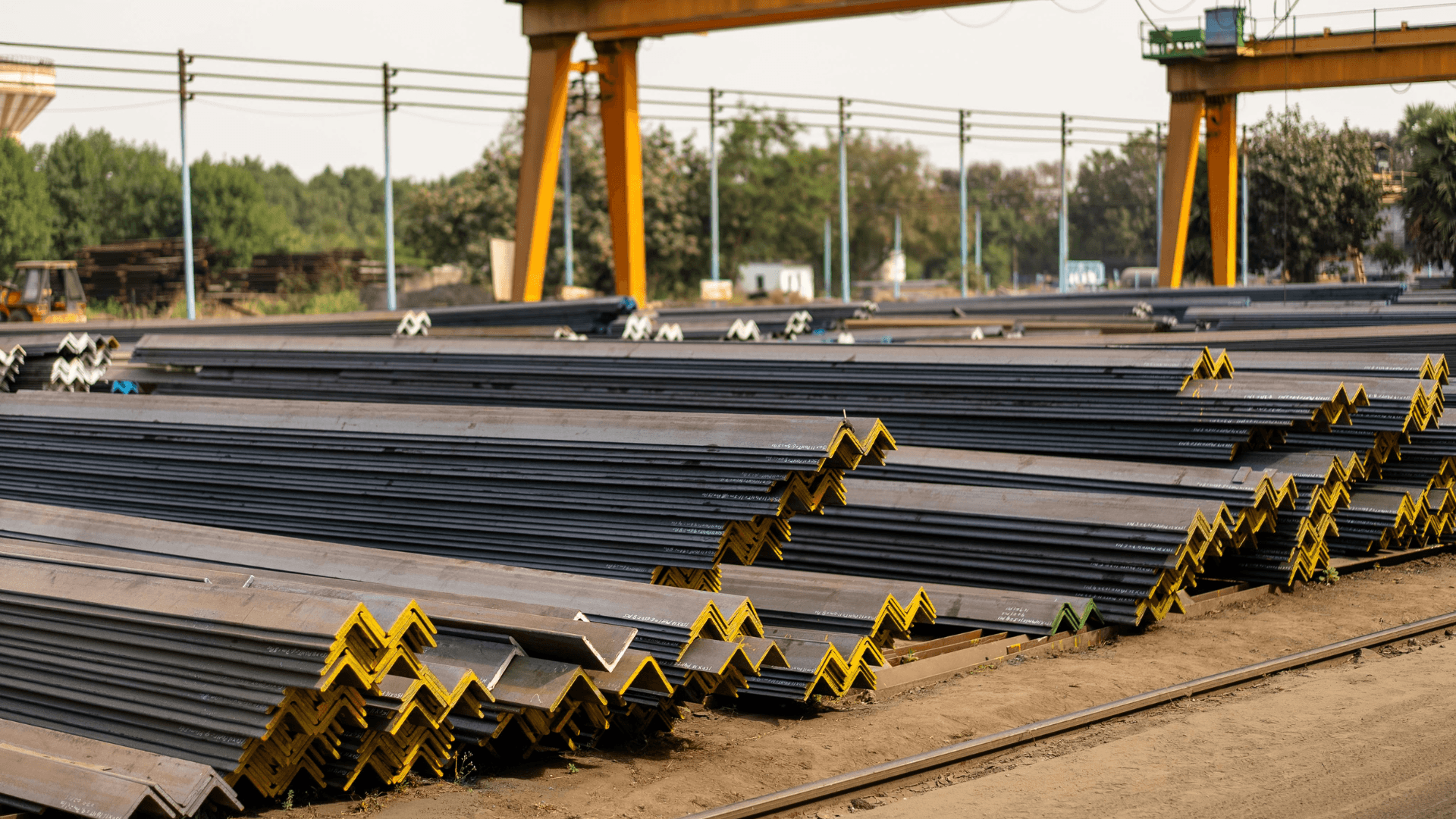
Are hydrogen technologies ready for accelerated deployment?

In April 2020, the Florence School of Regulation held two workshops on renewable hydrogen and low-carbon hydrogen technologies. Since then, there has been a lot of significant developments that will try to address in this debate.
Watch the recording
Background
In December 2020, the European Council has endorsed a binding EU target of 55% in GHG emissions reduction by 2030 compared to 1990 to be achieved collectively in the most cost-effective manner possible.
The Council of the European Union has adopted Council Conclusions “Towards a hydrogen market for Europe”. The Council endorses the approach proposed by the European Commission in its Communication “Hydrogen Strategy for a climate-neutral Europe” and calls for more detailed pathways on how to get to the announced objectives of having 6GW of electrolysers by 2024 and 40GW by 2030. With a strong focus on renewable hydrogen, the Conclusions also mention transitional support of low carbon hydrogen produced from natural gas.
The Strategic Forum for Important Projects of Common European Interest has selected “Hydrogen Technologies and Systems” as one of the strategic value chains, which are essential to enhance the future competitiveness and sustainability of the EU.
The European Clean Hydrogen Alliance, uniting broad range of European stakeholders , has started its activities.
The new proposal of TEN-E Regulation recognises the support o the investments in hydrogen networks and power-to-gas facilities.
It is clear now that hydrogen together with renewable electricity and energy efficiency measures are key enablers towards carbon neutrality of the EU by 2050. Also, there is a political will to deploy hydrogen in the most cost-effective way using the strength of the EU internal market. Still, there are substantial challenges in the front of broad hydrogen deployment. There isn’t a market even in a most rudimentary form, important sustainability issues need to be resolved (Guarantees of Origin, additionality), but most importantly renewable and low carbon prices are relatively high compared with fossil fuel sources.
Are renewable and low carbon hydrogen technologies ready for accelerated deployment?
Has clean hydrogen technology development followed fast political development? Are there substantial barriers? What market design elements are needed to accelerate technological progress? These are the questions we will address during our policy debate.
Draft Programme
Moderators: Christopher Jones and Andris Piebalgs
11.00 – 11.10 Introduction to the debate
Christopher Jones | Florence School of Regulation
11.10 – 12.10 Panel debate
Barbara Jinks | IRENA
Kees van der Leun | Guidehouse
Jorgo Chatzimarkakis | Hydrogen Europe (TBC)
Ronnie Belmans | Energyville
12.10 – 12.25 Q&A
12.25 – 12.30 Concluding remarks
Andris Piebalgs | Florence School of Regulation
#FSRDebates on Policy
Starting from January 2020, our debate series will have a monthly episode on policy issues, hosted by Christopher Jones and Andris Piebalgs.
Presentations
Don’t miss any update on our events
Sign up for free and access the latest events from our community.
More on the topic

The Regulation of Power-to-Gas Facilities and Regulatory Sandboxes
Reaching the ambitious energy and climate targets to which the European Union (EU) is committing requires harnessing all the opportunities associated with hydrogen, for which a strategic approach is needed. In this context, in its Hydrogen Strategy, the European Commission launched a plan to reach 80 GW of electrolyser capacity by 2030, half of which within the EU and the other half in Europe’s neighbourhood, with the export of green hydrogen to the EU.
The envisaged massive increase in electrolyser capacity in the EU calls for clarity on the regulatory approach to these installations and, more generally, to power-to-gas facilities.
Watch the recording:
In this Debate, we intend to identify the best regulatory approach to power-to-gas facilities, and the potential use of regulatory sandboxes for this purpose.
In particular, we will assess whether:
- power-to-gas facilities should be considered as performing a monopoly activity, which would justify them being owned and run by Transmission System Operators (TSOs) or Distribution System Operators (DSOs);
- power-to-gas facilities should instead be considered as performing a competitive activity. In which case, under the existing unbundling provisions, TSOs and DSOs would be prevented from owning and/or operating them;
- a “hybrid” approach should be considered, in which the role of TSOs and DSOs would be tailored to the stage of market development of power-to-gas activities;
- different approaches should be tested in parallel using regulatory sandboxes.
Programme
14.00 – 14.05: Introduction to the Debate
Leigh Hancher | Florence School of Regulation and Tilburg University
14.o5 – 14.15: Regulatory Sandboxes
Tim Schittekatte | Florence School of Regulation
14.15 – 14.25: The possible regulatory approaches to power-to-gas facilities
Alberto Pototschnig | Florence School of Regulation
PANEL DISCUSSION
Moderator: Leigh Hancher | Florence School of Regulation and Tilburg University
14.25 – 14.50: Introductory remarks
- Benedikt Klauser | DG ENER
- Francesco Cariello| ARERA
- Dennis Hesseling | ACER
- Gerald Kaendler | ENTSOE
- Jan Ingwersen |ENTSOG
14.50-14.55: Live Polls for the audience
14.55 – 15.20: Comments on the outcome of the polls and Q&A from the audience
15.20 – 15.30: Concluding remarks
Leigh Hancher | Florence School of Regulation and Tilburg University
Alberto Pototschnig | Florence School of Regulation
#FSRDebates
The focus of the debate series is on recent court cases, regulatory decisions, EU legislation, or public consultations to be discussed by a panel of experts. Learn more about the FSR series.
Don’t miss any update on our events
Sign up for free and access the latest events from our community.
More on the topic


What can Antitrust do with Big Tech & the Digital Economy?

FSR Talk with Prof. Nicolas Petit, EUI
We all see that Big Tech companies and platforms – notably the American Google, Amazon, Facebook, Apple, etc – have built powerful positions from which they never stop expanding. Netflix is another blatant demonstration. It begs the questions:
- Will Education, Health, even Public Government routine (as car registration & monitoring for road conduct enforcement) follow the same way to ‘’Moligopoly’’?
- Is this consequential for the rest of the economy and society? And why?
- What could be done to get it better or safer?
Watch the recording
Prof. Nicolas Petit, European University Institute
Discussant:
Prof. Eric Brousseau, University Paris Dauphine
#FSRTalks
FSR talks is a series of live interviews with experts from the wider network of the school to showcase and discuss a recent work (a book just published, interesting study, innovative project) in a light and interactive way.
Don’t miss any update on our events
Sign up for free and access the latest events from our community.
Speakers
Digitalization of energy infrastructure and data interoperability: what can we learn from other sectors?

Digitalization is transforming the energy sector by improving the efficiency in the planning, operation, and maintenance of the physical infrastructure, while opening the door to new forms of interactions and products in the energy field. The aggregation of distributed energy resources, the smart management of energy appliances and the trade of energy peer-to-peer are among the many opportunities that the digitalisation of energy supports.
Read the event highlights
Watch the recording:
However, for digitalization to have its full impact and support a vibrant and competitive industry, data interoperability is key. Easy access to data and seamless sharing of information by different actors and applications is a necessary prerequisite for digitalisation to support the delivery of a low-carbon energy system with the consumers at its centre.
Energy is not the only sector being transformed by digitalization. Other industries are equally being disrupted. In this online event, we will discuss with academics active in the telecom and healthcare sector:
- why policymakers and regulators are well-advised to look beyond the boundaries of the energy sector.
- what we can learn from the experiences with digitalisation in telecom and with interoperability in healthcare.
- how we can successfully deliver on the promise of a digitalised citizen-centred energy sector.
Host
- Leonardo Meeus (FSR)
Speakers
- Nicolò Rossetto (FSR)
- Valerie Reif (FSR)
Discussants
- Volker Stocker (TU Berlin)
- Angelina Kouroubali (ICS-FORTH)
#FSRInsights
The series focuses on the insights from the FSR research. These online events will give the FSR researchers the chance to share our research findings and to collect feedback on ongoing research by engaging with the audience and invited experts.
Subscribe to our newsletter to get notified about our upcoming events.
We acknowledge the financial support from the European Union’s Horizon 2020 project INTERRFACE (grant agreement No 824330).
Don’t miss any update on our events
Sign up for free and access the latest events from our community.
Speakers

Liberalisation of Passenger Train Services in India – Regulatory Challenges

>> Watch the Webinar Recording here <<
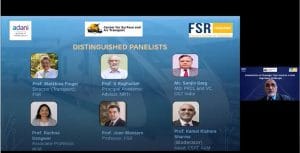
Liberalisation of Passenger Train Services in India – Regulatory Challenges. Webinar on 22 January 2021
Inspired by the recently published “Handbook on Railway Regulation. Concepts and Practice” by Edward Elgar, this webinar, jointly organised by the Adani Institute of Infrastructure Management and FSR-Transport, will provide a comprehensive overview of the state-of-the-art in railway regulation in India.
Despite numerous liberalisation attempts in recent years, the railway sector is still excessively complex, with regulations varying throughout the world. The Handbook on Railway Regulation gathers, for the first time, these various approaches and practices, using a historical and systematic approach to identify the main lessons for all countries. Specific topics covered include the digitalisation dilemma in the industry, rail sector reforms and regulation, and competition in the market for rail freight and passenger services.
This Handbook provides an invaluable contribution to the discussion of railway regulation worldwide, and will be a crucial compendium for students and scholars of transportation, regulation and competition looking to explore different approaches to the topic. This will also be an invaluable read for railway policymakers and regulators looking to deepen their understanding of contemporary regulations around the world.
Among others, speakers will focus on the regulatory aspects pertaining to railway market opening, they will draw on lessons learnt from the Covid-19 pandemic on rail operations, and not the least they will shed light on the challenges that they face in meeting the sector’s needs of today and tomorrow.
AGENDA
10:30 – 10:35 | Welcome, Introduction of speakers
- Dr. Kamal Kishore Sharma, Professor, Adani Institute of Infrastructure Management
10:35-10:50 | Introduction of the Handbook on Railway Regulation
- Prof. Matthias Finger, Director of FSR-Transport, EUI; Co-editor of the Handbook on Railway Regulation
10:50 – 11:05 | Introduction of the Chapter ” Railways in India: challenges and opportunities”: structure of IR, past attempts of liberalisation, future outlook
- Dr. Rachna Gangwar, PhD, Faculty, Adani Institute of Infrastructure Management, Author of the chapter
11:05-11:50 | Three presentations
- Prof. G Raghuram, Principal Academic Advisor at National Rail & Transportation Institute and Former Director, IIM Bangalore
- Prof. Sanjiv Garg, Managing Director at Pipavav Railway Corporation Limited & Vice Chairman, Chartered Institute of Logistics & Transport
- Prof. Juan Montero, Professor at EUI/ UNED, Co-editor of the Handbook on Railway Regulation
11:50 – 12:00 | Q&A Session moderated by Dr. Kamal Kishore Sharma, Professor, Adani Institute of Infrastructure Management
12:00 | Webinar ends
Slides could be downloaded here.
Don’t miss any update on our events
Sign up for free and access the latest events from our community.
15th Florence Air Forum: Streamlining Economic Regulation for Air Traffic Management in Europe

European aviation has been confronted with serious capacity challenges and high levels of delay, in particular, during the two years (2018-2019) leading up to the onset of COVID-19. The pandemic has, subsequently, revealed that the European airspace system lacks resilience and the ability to absorb demand shocks, be these in the form of increases or drops in air traffic. Despite the economic hardship sustained by the entire aviation ecosystem, it has become clear that the European Commission’s level of climate ambition remains unchanged. In fact, the recovery phase has been framed as an opportunity to accelerate the shift towards a more sustainable, smarter and resilient mobility system. The European Green Deal identifies the Single European Sky (SES) as one of the key measures to “help achieve significant reductions in aviation emissions”. To ensure the sustainable development of the sector, the SES reform will stimulate a more flexible and scalable provision of air navigation services.
There is firm agreement within the aviation sector, that air traffic management (ATM) in Europe needs to be reformed to cope with both the sustained air traffic growth over the last decade and with significant, unforeseen traffic variations, such as those caused by the COVID-19 pandemic. This, in turn, calls for regulatory changes that promote a safe, cost- and flight-efficient European ATM system that will support the measures outlined in the European Green Deal and reduce aviation emissions. Once the pandemic is contained, it will be even more crucial to increase resilience, scalability and sustainability in the management of manned and unmanned air traffic.
In view of this, in September 2020, the European Commission proposed an upgrade of the SES regulatory framework, in order to modernise the management of European airspace and to establish more sustainable and efficient flightpaths. The amended proposal calls for the strengthening of the European network and its management to avoid congestion and suboptimal flight routes, the creation of an EU market for agile ATM data services provision and incentives, the streamlining of economic regulation for ATM, and for an enhanced coordination for the definition, development and deployment of innovative solutions, among others.
Building upon the conclusions of the 12th Florence Air Forum on ‘How to make progress towards an Economic Regulator?’, the 15th Florence Air Forum, jointly hosted by the Transport Area of the Florence School of Regulation and the European Commission’s DG MOVE, will provide a platform for in-depth discussion on some of the central elements of the proposed SES regulatory framework pertaining to the streamlining of economic regulation for ATM.
More specifically, the Forum will bring together key aviation actors to explore 1) the administrative integration of the Performance Review Body into EASA and the implications for the new distribution of tasks in relation to national economic regulators; 2) the distribution of tasks between the European regulator and the national supervisory authorities; and not the least 3) the legal, technical and practical considerations surrounding the proposed modulation of air navigation charges on the basis of the environmental footprint of the airspace user. While the negotiations between the EU Member States and the European Parliament on the SES proposal basic act is still ongoing, the discussions at the 15th Florence Air Forum will already address some of the more detailed and technical provisions, which also seek to inform the subsequent implementing and delegated acts.
SPEAKERS’ SLIDES:
Setting the scene and overview of main issues to be addressed:
Matthias Finger – Florence School of Regulation Transport Area
Session A: Institutionalising an independent European regulator: the administrative integration of the Performance Review Body (PRB) into EASA, and implications for the new distribution of tasks in relation to national economic regulators?
Regula Dettling-Ott – Performance Review Body
Partick Ky – European Union Aviation Safety Agency
Session B: What Should be the distribution of tasks between the PRB and the national supervisory authorities?
Walter Boltz – European Energy
Marek Bekier – Aviation Capacity Resources Sweden
Eduardo Abia – Spanish Aviation Safety and Security Agency
Session C: Modulation of charges: How can such or similar tools make a contribution to provide decarbonisation incentives without adding unnecessary complexity?
Don’t miss any update on our events
Sign up for free and access the latest events from our community.
International Energy Policy – a new impetus for a change in global energy markets

Conversation with Matthieu Craye, International Relations Officer at the DG ENER
EU has decided to achieve climate neutrality by 2050. Japan, South Korea, South Africa has announced similar ambition, China is aiming for carbon neutrality by 2060. There is a strong expectation of substantial change in the US energy policy by incoming Biden administration in support of limiting GHG emissions. At the same time economies of Saudi Arabia and Russia continue to depend strongly from fossil fuel production and export.
How to make a smooth transition from fossil fuel markets to markets working in support of climate friendly energy policy?
How to provide that energy supplies are secure, affordable and sustainable?
How to forge forward looking energy partnerships?
What role could play international organisations and multilateral fora for dialogue?
How to advocate the advantages of the energy transition?
Join the FSR conversation to find answers to these and other burning questions.
#FSRConversations
Hosts: Prof. Andris Piebalgs and Prof. Christopher Jones
Each month, the series of conversations will feature leading actors and policy makers of the European and global energy landscape, interviewed by FSR with the key role of our audience that will be enabled to submit questions in advance.
Don’t miss any update on our events
Sign up for free and access the latest events from our community.
More on the topic
Carbon leakage and use of offsets in carbon markets
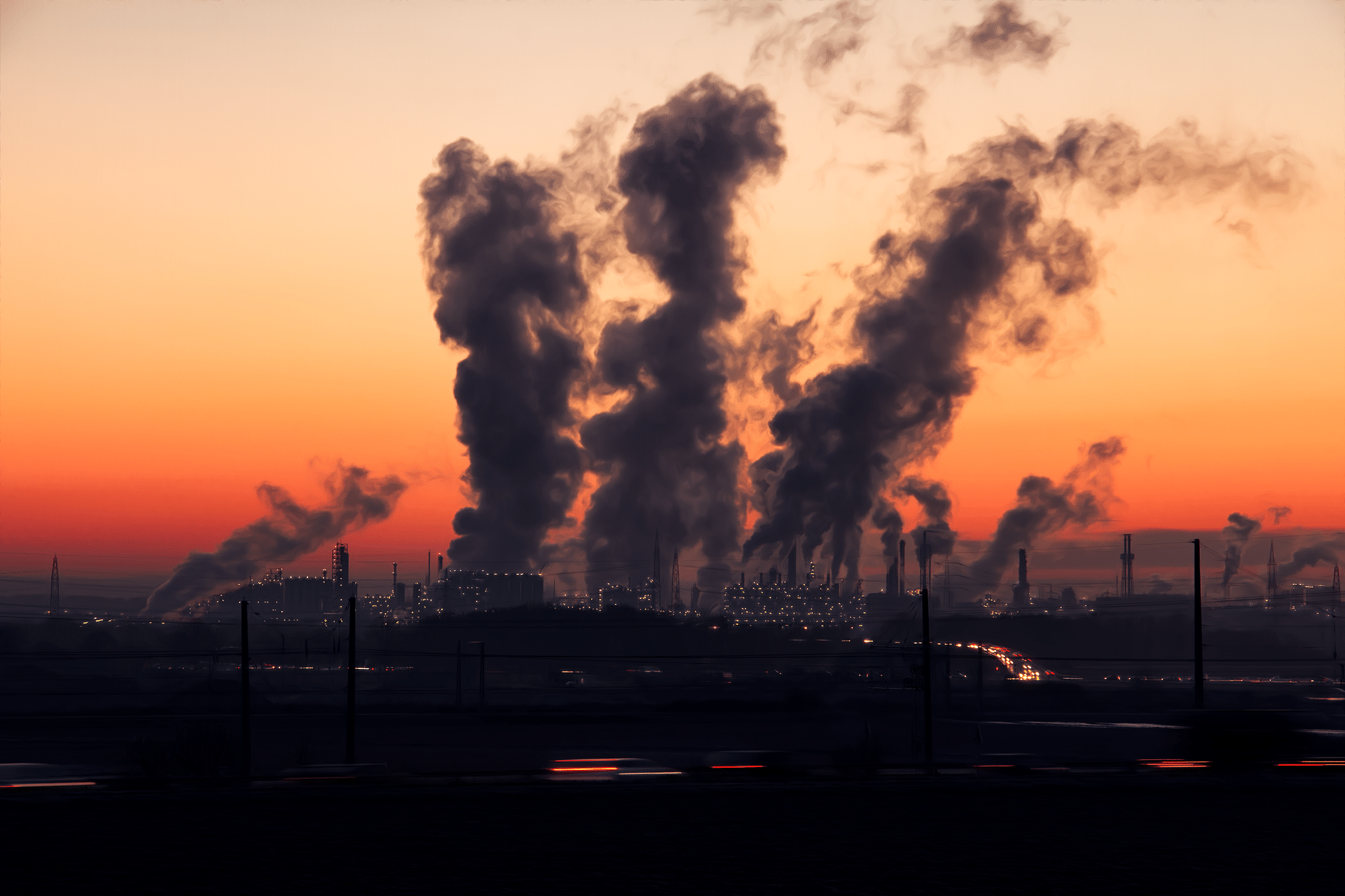
Carbon leakage and use of offsets in carbon markets: state-of-play and implications for linking
Watch the recording:
The second Online Debate of the project LIFE DICET will discuss the state-of-play and the implications for carbon markets linking of heterogeneous provisions for carbon leakage prevention and use of offsets.
The speakers will discuss questions such as: how do the existing ETSs differ with respect to carbon leakage prevention and to the use of offsets? Can ETS linking, which tends to limit carbon price differentials with other economies, play a role in reducing carbon leakage? To what extent can the article 6 of the Paris Agreement facilitate ETS linking while as the same time supporting the use of offsets? What are the implications of heterogeneity in carbon leakage measures and in environmental integrity for different possible forms of their integration?
Moderator:
- Simone BORGHESI, Director of FSR Climate
Speakers:
- Lambert SCHNEIDER, Research Coordinator for International Climate Policy Energy & Climate, Öko-Institut e.V.
- Michael GRUBB, Professor of Energy and Climate Change, Institute of Sustainable Resources & Energy Institute, University College London
Discussant:
- Nicolás GONZÁLEZ CASARES (S&D, ITRE Committee), Member of the European Parliament
LIFE DICET is a project co-financed by the EU LIFE Programme of the European Commission.
Don’t miss any update on our events
Sign up for free and access the latest events from our community.
More on the topic