




Archives: Events
Innovation pathways, strategies and policies for the low-carbon transition in Europe

The INNOPATHS final conference “Innovation pathways, strategies and policies for the low-carbon transition in Europe” is scheduled on Monday 31st May (10:00-16:15 CEST) and Tuesday 1st June (10:15-16:15 CEST).
The transition to climate neutrality in Europe will require deep structural changes to the full range of energy, economic and societal systems. These changes, and their economic, social and environmental implications, must be examined and understood if policymakers are to take the best decisions possible to achieve this overarching objective.

For the last four years, the INNOPATHS project’s partners have been working with stakeholders from government, academia and civil society to understand issues ranging from the dynamics of low-carbon innovation, policy frameworks and finance, to the implications for labour markets and equity from the transition. Using this knowledge, new, state-of-the-art low-carbon pathways for the European Union have been created and modelled. This final conference will share key insights from the project with a wider audience, and discuss their meaning and implications for Europe and EU member states in the coming years.
The conference will be chaired by Paul Ekins – OBE (UCL Institute for Sustainable Resources & Project Coordinator) and by Simone Borghesi (Director of FSR Climate). The event will hold presentations and discussions on following topics:
- Technology development and innovation dynamics; their policy and other drivers, and co-benefits
- Decarbonisation and equity, with a focus on European labour markets and the broader social implications of the transition
- Financing the transition; including the role of public funds, low interest rates and the European Green Deal
- Key requirements and implications of our new pathways for a low-carbon Europe; and the differences implied depending on which pathway emerges from policy action and wider developments
- Policy priorities and knowledge gaps; including a panel session with a series of European policy experts and practitioners, to conclude the conference.
This event is part of the official All4Climate – Italy 2021 programme. 
The project INNOPATHS has received funding from the European Union’s Horizon 2020 research and innovation program under Grant Agreement No. 730403.
Don’t miss any update on our events
Sign up for free and access the latest events from our community.
Speakers
More on the topic









Global steps to end energy poverty: the 2020 energy access report

A third of all humanity lacks access to reliable power and this blunt reality drives immense social inequities. Access to power determines whether you have modern healthcare, transportation, and telecommunications. Clean fuels for cooking and heating offer an escape from chronic respiratory illness. Reliable power opens the door to educational and economic opportunities. This year, the pandemic has driven home the urgent need to address the world’s most glaring inequities. The international response must be rapid and sizable, but also far-sighted and sustained.
Watch the recording:
The Global Commission to End Energy Poverty
The Global Commission to End Energy Poverty (GCEEP), comprising leaders from utilities, off-grid companies, multilateral development banks, academics, and others from across the electricity and development sectors, addresses the pressing challenge of achieving universal access to adequate, affordable, and reliable clean electricity.
The report on energy access
In the FSR talk, we will discuss the GCEEP 2020 report on electricity access, together with some of its authors. The report was prepared by the MIT research team with support from the Rockefeller Foundation and extensive feedback, engagement, and guidance from the Commission.
Download the report
Hosts:
Jean-Michel Glachant | FSR
Swetha Bhagwat | FSR
Panel:
Ignacio Perez-Arriaga | MIT, FSR
Robert Stoner | MIT Energy Initiative
Joseph Nganga | Rockefeller Foundation
#FSRTalks
FSR talks is a series of live interviews with experts from the wider network of the school to showcase and discuss a recent work (a book just published, interesting study, innovative project) in a light and interactive way.
Don’t miss any update on our events
Sign up for free and access the latest events from our community.
What should be in the Commission’s legislative proposal(s) on Hydrogen

The development of the EU’s future low and zero-carbon hydrogen market is moving ahead quickly; the need for a robust hydrogen regulation proposal is evident.
This online debate seeks to discuss which proposals should be included in the draft legislation that the Commission will table, for example on guarantees of origin, support schemes, and network regulation. The EU has rich experience in the regulation of gas sector. Which of these experiences are relevant to hydrogen regulation? What particularities apply to hydrogen? How to provide for fast and sustainable clean hydrogen demand and supply growth?
The drafting of legislative proposals for hydrogen is far from simple, but they are crucially important. Failure to get them right may limit the speed and scale of the market development and unnecessary costs on citizens and industry. Success could place the EU as technological leader of what promises to be a huge future global market.
The FSR debate will focus on the main challenges in this task.
The debate will be introduced and moderated by Prof. Christopher Jones and Prof. Andris Piebalgs.
Discussants:
J. Chatzimarkakis, Hydrogen Europe;
I. Conti, Head of FSR Gas.
J. Hansen, Fertilizers Europe;
J. Ingwersen, ENTSOG;
B. Nitzov, ACER
Background
The Agreement on the European Climate Law establishes the foundations for the Commission’s ‘Fit for 55’ proposals that will set out the concrete steps to put the EU on a path to carbon neutrality by 2050. Already in June, the Commission will table the revision of the RED II Directive; the first step in establishing Europe’s future Hydrogen Regulation. This will be completed in October with the proposed revision of the Gas Directive.
The European Commission has already published its Hydrogen Strategy in July 2020, establishing the objective of decarbonising existing ‘grey’ hydrogen demand, and progressively providing a low and zero-carbon energy source/vector to decarbonise a number of hard to electrify sectors that are currently using fossil fuels. The Council and Parliament have supported the broad lines of the Commission’s Strategy. Also in 2020, the European Clean Hydrogen Alliance was established, aimed at supporting the ambitious deployment of clean hydrogen technologies by 2030. On April 12th, the Commission launched an invitation to the members of Alliance to submit projects for renewable and low-carbon hydrogen technologies and solutions, which will give an indication of the scale and speed of projects under preparation.
Learn more
- A proposal for a regulatory framework for hydrogen guarantees of origin by Andris Piebalgs,Christopher Jones
- FSR Cost-effective decarbonisation study
- A snapshot of clean hydrogen costs in 2030 and 2050
#FSRDebates
The focus of this debate series is on timely policy issues discussed by a panel of experts.
Don’t miss any update on our events
Sign up for free and access the latest events from our community.
More on the topic



8th Florence Intermodal Forum: Greening European Cargo Operations
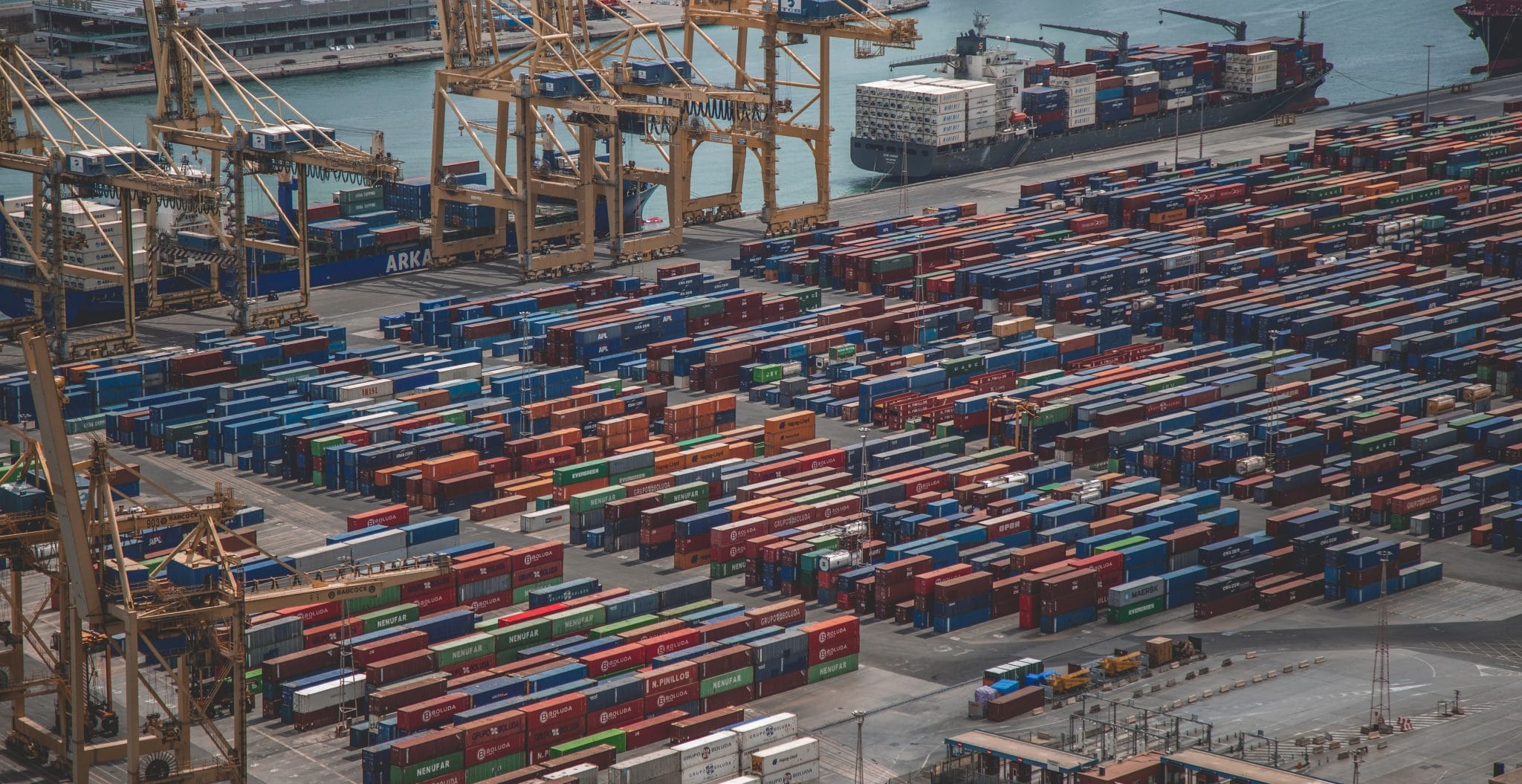
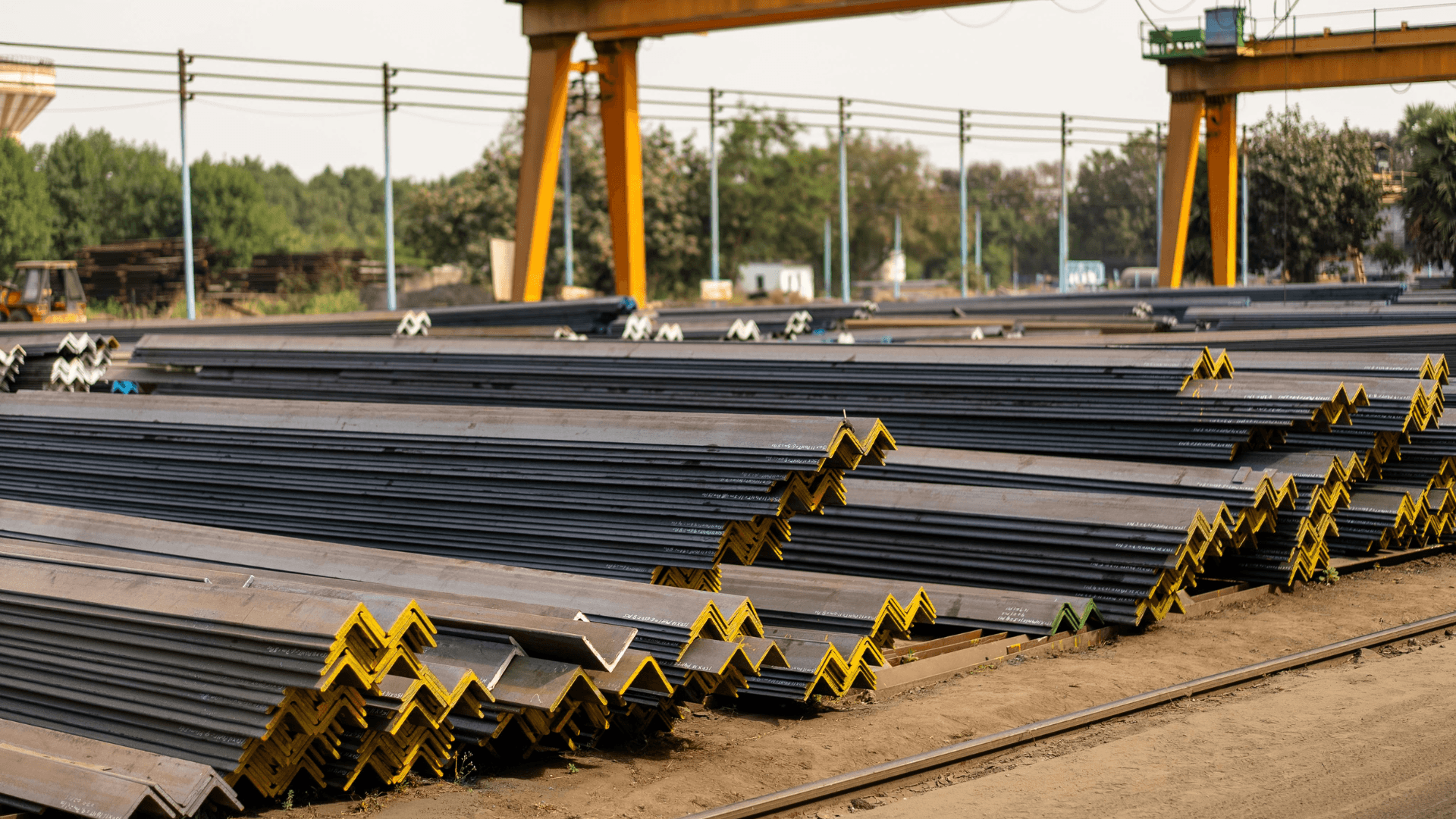
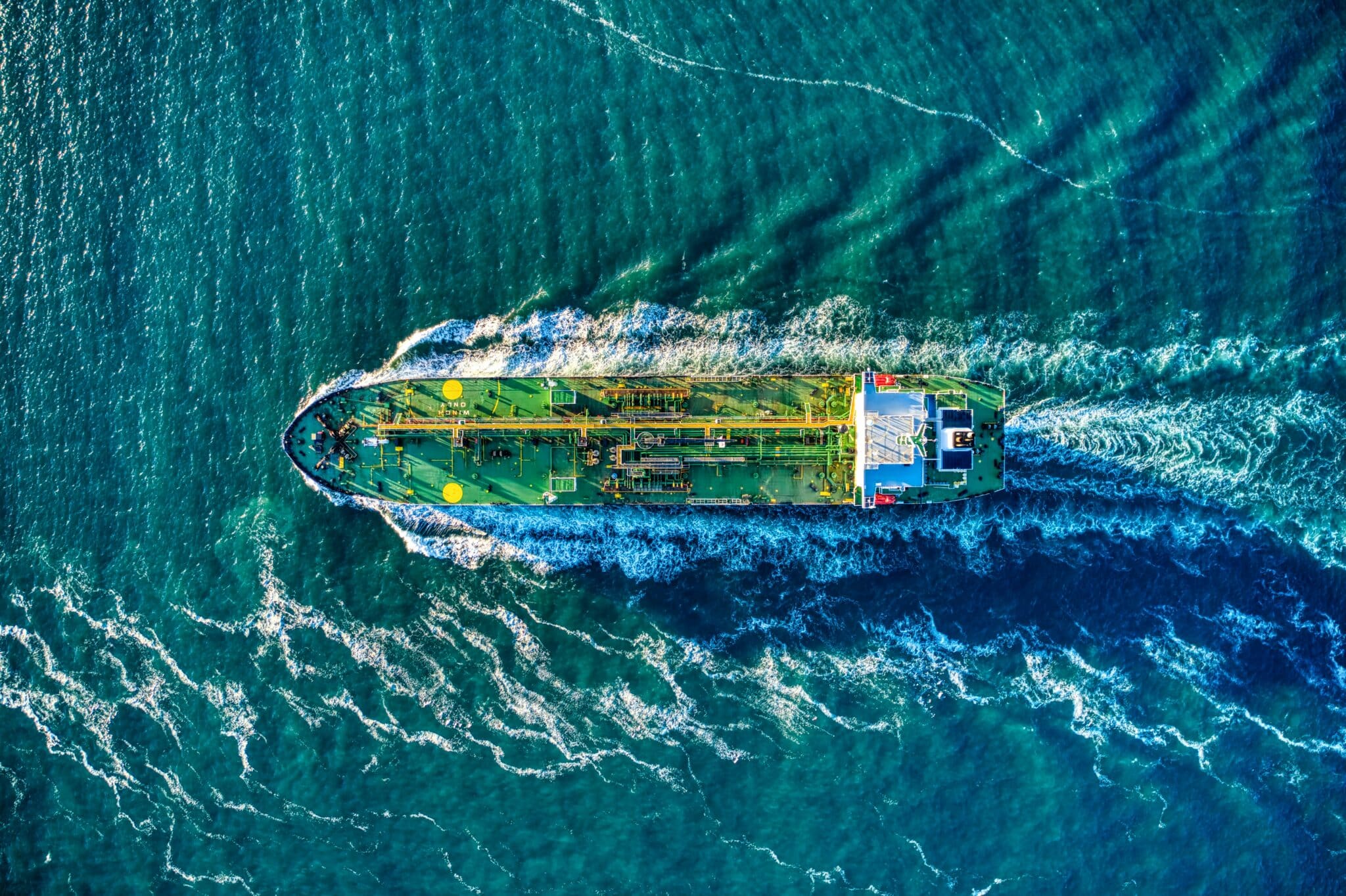
Cargo transport is an important sector for the European economy, representing 6% of its Gross Domestic Product (GDP). Roughly 75% of the transport operations (in terms of ton-kilometers) that make up the sector are currently performed by trucks on European roads, which, in turn, entail massive environmental and societal impacts. To put things into perspective, the freight sector is responsible for 75 million tons of CO2 emissions and 50,000 premature deaths/fatalities each year. Prior to the COVID-19 pandemic, the sector was expected to continue growing, and road freight transport, in particular, was projected to increase by around 40% by 2030 and by little over 80% by 2050.
To support the greening of cargo operations, the European Green Deal calls for a substantial part of the inland freight traffic to shift away from road towards cleaner modes such as rail, inland waterways and short-sea shipping. More specifically, the recently published Sustainable and Smart Mobility Strategy stipulates that rail freight traffic should increase by 50% by 2030 and double by 2050, whereas transport by inland waterways and short sea shipping should increase by 25% by 2030 and by 50% by 2050. In this context, the Commission has pledged to substantially revamp the existing framework for multimodal transport. The scarcity of transhipment infrastructure, and of inland multimodal terminals, in particular, which is pronounced in certain parts of Europe, would need to be addressed, and missing links in multimodal infrastructure closed. Ultimately, all transport modes for freight would have to come together in multimodal terminals. This, in turn, is to be further stressed in TEN-T and Rail Freight Corridor reviews and supported by EU funding and other policies, including R&I support. Important support measures, regulatory or economic, can be also foreseen in the revision of the Combined Transport Directive and other instruments. In addition, the review of the State aid rules, which already provide for a relatively flexible framework to publicly fund sustainable transport, can further contribute to the EU’s modal shift and multimodality objectives.
Not the least, both consumers and businesses need to be empowered to make more sustainable delivery and transport choices through the provision of adequate information on the climate footprint as well as on the available alternatives of their deliveries. To this end, the Commission has announced plans to establish a European framework for the harmonised measurement of transport and logistics-related greenhouse gas emissions, based on global standards. This initiative aims to overcome the existing fragmentation of various calculation methodologies, allow for reliable calculation of emissions, and enable a fair comparison of different transport options in the multimodal perspective, based on their GHG performance.
Against this background, the 8th Florence Intermodal Forum, co-organised by the Transport Area of the Florence School of Regulation and the Commission’s DG MOVE, will bring together policy makers, operators and manufacturers among others, for a discussion on the various measures to foster the greening of cargo operations in Europe. More specifically, stakeholders will be invited to critically discuss the following questions in two dedicated thematic sessions:
- Boosting the share of multimodal freight transport: How can the revision of the Combined Transport Directive help to revamp the regulatory framework for multimodal transport and boost the use of multimodal transport solutions? What is the role of economic incentives for both operations and infrastructure? How can State aid guidelines further support multimodality?
- Towards a common European framework for the harmonised measurement of transport and logistics greenhouse gas emissions: What environmental information should businesses and end-users be provided with? How can common greenhouse gas indicators boost demand for more sustainable transport and delivery solutions while avoiding greenwashing? Should carbon footprint information be considered as a new right, applicable to all modes?
SPEAKERS SLIDES
Introduction
Matthias Finger – Florence School of Regulation Transport Area
Session A: Boosting the share of multimodal freight transport
Session B: Towards a common European framework for the harmonised measurement of transport and logistics greenhouse gas emissions
Alan McKinnon – Kuehne Logistics University
Don’t miss any update on our events
Sign up for free and access the latest events from our community.


The stranding of gas infrastructure assets – an unavoidable consequence of the energy transition ?
In this debate, we will discuss some of the following questions:
Who should bear the costs of repurposing or retiring these stranded gas assets? And indeed how do we identify those costs? How if at all should this process be reflected in tariff methodologies? Should transition costs be borne by the taxpayer? Can we learn any useful lessons from the treatment of stranded electricity assets in Europe in the late 1990s?
Background
Stranded assets are physical assets recorded on a corporate balance sheet whose investment value cannot be recouped and must be written off. The EU Hydrogen Strategy indicates that repurposing and re-using parts of the existing natural gas infrastructure may provide an opportunity for a cost-effective energy transition in combination with (relatively limited) newly built hydrogen dedicated infrastructure. Repurposing of ‘redundant’ gas assets for the transport of hydrogen might be beneficial to both gas and hydrogen end-users where there is an identified need for hydrogen infrastructure. In their recent White Paper ACER/CEER advise that this could only become clear from a detailed and sophisticated cost-benefit analysis (CBA) approach, taking into account that repurposing of the gas infrastructure comes at a cost as well.
As for cost allocation through tariffs, ACER/CEER also recommend that repurposed gas network assets should be removed from the RAB of the gas network operators and that unbundling rules should be applied in order to avoid cross-subsidies between users of the gas network infrastructure and of the hydrogen network infrastructure by, at least, separating activities, RABs, and costs (accounting unbundling) between the entities that own and operate the hydrogen infrastructure and the entities that own and operate the gas infrastructure.
Cross- subsidisation between users of different networks should be avoided, since it is not likely that all gas network users will become hydrogen networks users, or at least not at the same time. This would mean that the users of today’s gas networks should not be paying towards a future hydrogen network. Some regulatory authorities may try to resolve this by prohibiting their gas TSOs from engaging in ancillary activities such as the roll out of a new hydrogen network, but this may not fully resolve the problem of how to deal with capital costs that gas TSOs already want to incur in order to cover the future process of network conversion to hydrogen, as the Dutch regulator has recognized in its recent gas tariff methodology decision.
Draft Programme
Introduction to the Debate and Opening Presentations
14.00 – 14.05 Introduction to the Debate
Leigh Hancher| Florence School of Regulation
14.05 – 14.15 Ilaria Conti (FSR)
14.15 – 14.25 Dennis Hesseling (ACER)
Panel Discussion: Introductory Remarks, Polls, and Comments
Moderator: Leigh Hancher: Florence School of Regulation
14.25 – 14.45 Introductory remarks from the panellists
Panellists:
Annegret Groebel (CEER) , Catherine Galano (Frontier Economics) ; Lisa Fischer, (E3G ); Jan Ingwersen (ENTSOG)
14.45 – 14.50 Polls
14.50 – 15.20 Comments on the polls outcome and Q&A from the audience
15.20 – 15.30 Concluding remarks
Alberto Pototschnig | Florence School of Regulation
Leigh Hancher | Florence School of Regulation and Tilburg University
#FSRDebates
The focus of the debate series is on recent court cases, regulatory decisions, EU legislation, or public consultations to be discussed by a panel of experts. Learn more about the FSR series.
Don’t miss any update on our events
Sign up for free and access the latest events from our community.
More on the topic



Hard to measure: how can we improve monitoring of methane emissions?

The European Commission’s EU strategy to reduce methane emissions published on 14 October 2020 defines as a primary objective “[ensuring] that companies apply considerably more accurate measurement and reporting methodologies for methane emissions, across sectors, than it is currently the case.”
Such an approach is expected to lead to a better understanding of the problem and to guide subsequent mitigation measures. The mandatory measurement, reporting, and verification (MRV) for all energy-related methane emissions, based on the voluntary will be one of the main elements of the legislative package expected in Q4 of 2021, with the enactment in 2023.
Any effective strategy to mitigate climate change requires a clear understanding of greenhouse gas (GHG) emissions and their sources. The “MRV” is a technical term, which integrates three autonomous, but related processes: measurement or monitoring (M), reporting (R), and verification (V)[1]. Measurement and monitoring incorporate not only direct physical measurement of GHG emissions but also calculation and modelling of emissions. Reporting refers to a process of aggregating emission data in an inventory or other standardised form, and public disclosure. Verification is a process of regular checks of completeness and reliability of data. The received feedback should be used to continuously improve the data quality and to minimise the uncertainties.
This research looks into the following questions:
- What are the main barriers and opportunities related to the establishment of an effective MRV system for methane emissions?
- How the policies could support more robust measurement and the reduction of methane emissions?
Moderator: Leonardo Meeus (FSR)
Speakers:
Maria Olczak (FSR)
Paul Balcombe (Queen Mary University of London)
Kate Konschnik (Duke University)
Lucija Muehlenbachs (University of Calgary)
[1] The EU Commission expands the concept of MRV by adding two other elements: integrity and validation (IV).
#FSRinsights
The series focuses on the insights from the FSR research. These online events will give the FSR researchers the chance to share our research findings and to collect feedback on ongoing research by engaging with the audience and invited experts.
Subscribe to our newsletter to get notified about our upcoming events.
Presentations
Don’t miss any update on our events
Sign up for free and access the latest events from our community.
More on the topic
The Upcoming EU Legislation on Methane Emissions – What Should Be in It?
Following the EU Methane strategy’s adoption on 14 October 2020, the EU Commission will unveil the legislative proposal on measurement and mitigation of methane emissions.
Until 1 May 2021, all the stakeholders are invited to participate in public consultations by filling in a comprehensive questionnaire. The questionnaire aims to gather views on the range of issues, including the type and scope of regulation, leak detection, and repair programmes, venting and flaring, and on the actions to mitigate the emissions from biogas/biomethane production and the coal sector.
The companies and NGOs, both individually and in the industry groups, such as the Methane Guiding Principles, have been working to respond to the questions raised by the EU Commission in the questionnaire.
This event is an occasion to discuss the key challenges and considerations which arise from these discussions, as well as the way forward. On which issues is there a consensus? Where are divergencies and controversies?
Hosts:
- Christopher Jones, FSR
- Andris Piebalgs, FSR
Speakers:
- Myriam Hammami, Shell
- Tania Meixus Fernandez, Enagás
- Stefan Schwietzke, Environmental Defense Fund
- Nicolas Jensen, Eurogas
- Manfredi Caltagirone, UN Environment Programme
Comments and conclusions:
Malcolm McDowell, European Commission
#FSRDebates
#FSRDebates
The focus of this debate series is on policy issues to be discussed by a panel of experts. Learn more about the FSR series.
Presentations
Don’t miss any update on our events
Sign up for free and access the latest events from our community.
Speakers
More on the topic
EU, China & US on their way to carbon neutrality: will their implementation strategies converge?

Watch the recording:
Modern societies face many global challenges. Climate change is certainly among the most urgent and important ones. Europe has decided to address the widely diffused concern of public opinion on the effects of climate change by committing to reaching climate neutrality by 2050, an ambitious target that remains a top priority for the Von der Leyen Commission despite the difficulties raised by the COVID-19 crisis. Similar climate neutrality targets have been recently set by other jurisdictions, most notably the USA and China (the latter by 2060). The European Union can (and actually intends to) play a key leading role as regulator, negotiator and actor in the global climate challenge. While a unilateral European action will not be sufficient per se to stop global warming (as European emissions are only a relatively small part of total greenhouse gas emissions), the EU can lead the world by example in adopting more stringent climate regulations and hence influencing the others’ climate policies.
However, alternative climate policies and regulatory models might emerge at the world level possibly challenging the European leadership in the fight against climate change. Consider, for instance, the case of the European Emission Trading System (EU ETS). As it is frequently argued, the EU ETS represented a prototype for most other ETSs that have been rapidly emerging in the world. But ETSs might progressively diverge over time rather than converge towards a unique model to account for the different institutional frameworks characterising different jurisdictions. The same applies to other European climate measures and policies that might or might not fit other institutional contexts.
This raises some of the questions that we would like to address in the session, namely:
- What are the lessons that other jurisdictions can take from the European climate policy experience? Can/should the European experience with climate regulation be replicated in non-European contexts? If so, how? If not, why?
- How can other economies improve upon the European experience and how can Europe learn from others?
- Will the climate neutrality implementation strategies converge or diverge across different countries?
- Which policies will lead EU, US and China -the three main players in the global climate arena- towards the net-zero emissions target?
- What will be the impact of the Biden administration on international cooperation and climate policy in the years to come?
- Can international cooperation among Emission Trading Systems contribute to promoting a global climate policy?
FSR Climate, together with the Policy Outreach Committee of EAERE (European Association of Environmental and Resource Economists), and in collaboration with the School of Transnational Governance of the EUI, organises this session to promote a more integrated dialogue between academia and policy world, providing advice and support to EU policy makers and institutions in designing policy interventions.
The event builds upon the successful experience of policy debates organized by FSR Climate at State of the Union since 2018 and intends to continue the policy dialogue carried out by FSR Climate under the ongoing LIFE DICET (Deepening International Cooperation on Emissions Trading) project. The project LIFE DICET focuses on the international carbon market cooperation between the EC and the regulators of other major ETSs, namely, California-Quebec, China, Switzerland and New Zealand and intends to support EU and Member State policymakers in deepening international cooperation for the development and possible integration of carbon markets at the world level.
The event chaired by Simone Borghesi and Jos Delbeke is intended to address an audience of high-level policy makers, stakeholders and scholars such as those attending the SoU.
The project LIFE DICET is co-financed by the EU LIFE Programme of the European Commission.
Don’t miss any update on our events
Sign up for free and access the latest events from our community.
Speakers





Reform of the EU ETS: does the Market Stability Reserve need a new design?
FSR Talk with Grischa Perino organised by FSR Climate
In this online talk, we will look at the upcoming reform of the European Union Emissions Trading Scheme (EU ETS), particularly the Market Stability Reserve (MSR) Review, with Grischa Perino from the University of Hamburg.
The EU ETS is the cornerstone of the European climate policy covering about 45% of the EU’s greenhouse gas emissions. It follows the polluter pays principle under a cap-and-trade mechanism, whereby firms covered by the ETS purchase, sell and exchange emissions allowances representing one tonne of CO2-eq.
Within this carbon market, the Market Stability Reserve has the objective to increase resilience to demand shocks, deliver investment signals, and raise synergies with other climate and energy policies. It consists of a rule-based mechanism that adjusts the number of allowances to be auctioned to the market surplus by controlling the number of allowances in circulation in the carbon market. The surplus of allowances determines the response of the MSR:
- If the surplus exceeds a certain threshold, a predetermined percentage of the surplus is withheld from auctions and added to the reserve;
- if the surplus is lower than another threshold, some allowances are taken from the reserve and injected into the market through auction.
The European Commission’s proposal for MSR Review is planned for June 2021, in the context of a broader reform of the EU ETS to include new sectors in its scope and to support the new EU pledge to reach climate neutrality by 2050. In the publication discussed during this talk, the authors argue that a new MSR design appears necessary. They identify the risks that arise from the current MSR design and propose a feasible way to address them in the upcoming review of the EU ETS.
In this event hosted by Jean-Michel Glachant, Simone Borghesi will discuss with Grischa Perino and Jos Delbeke the MSR and the main findings of the paper.
Host:
Jean-Michel Glachant, Director of the Florence School of Regulation
Speakers:
- Simone Borghesi, Director of FSR Climate, European University Institute
- Grischa Perino, Professor, University of Hamburg
- Jos Delbeke, EIB Chair on International Carbon Markets, School of Transnational Governance, European University Institute
The paper:
EU ETS Market Stability Reserve needs a new design, Grischa Perino, Michael Pahle, Fabian Pause, Simon Quemin, Hannah Scheuing and Maximilian Willner, 2021
Read more:
EU Emissions Trading System, Series Cover the Basics FSR, 2021
The EU ETS needs a new autopilot: a proposed reform for the MSR, Grischa Perino, LIFE DICET Blog, 19 March 2021
The EU ETS at a crossroads: The MSR review as a defining moment, Michael Pahle and Simon Quemin, LIFE DICET Blog, 19 June 2020
Emissions trading systems with different price control mechanisms: implications for linking – Report for the Carbon Market Policy Dialogue, Giulio Galdi, Stefano F. Verde, Simone Borghesi, Jürg Füssler, Ted Jamieson, Emily Wimberger, Li Zhou, Florence School of Regulation – Climate, LIFE DICET Project, 2020
This FSR Talk is organised with the support of EAERE.
#FSRTalks
Live interviews with experts from the broader network of the school to showcase and discuss a recent work (a book just published, exciting study, innovative project) in a light and interactive way.
Hosts: Prof. Jean-Michel Glachant, Ilaria Conti, Swetha Baghwat
Presentations
Don’t miss any update on our events
Sign up for free and access the latest events from our community.
More on the topic
Brexit and Electricity Trading: Preserving the Benefits of Efficient Electricity Trading after Brexit
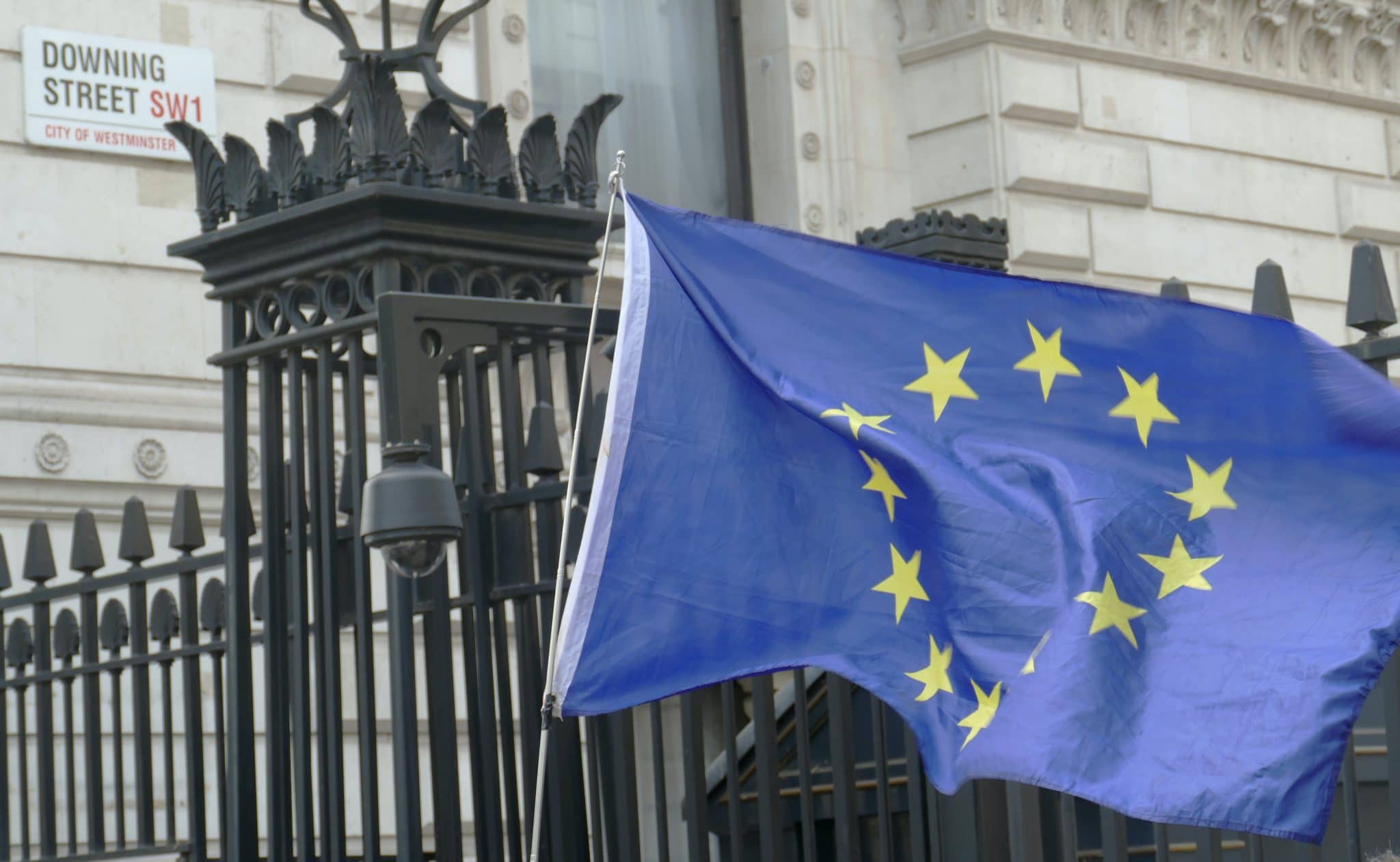
Brexit and Electricity Trading
The Workshop will first discuss which form of volume coupling is best suited for governing day-ahead trading on the borders between Great Britain and the EU/Northern Ireland, taking the limitations imposed by Brexit on the possible governance arrangements. In the second part we will turn to how disputes between operators/owners of interconnectors, disputes between regulators at different ‘ends’ of the interconnectors, and disputes between the parties to the TCA might be settled in the future. The TCA provides that exemptions from requirements for third-party access, unbundling and the use of revenues already granted to gas and electricity interconnectors will continue in accordance with the same terms.
To explore these issues, the Workshop will be structured in two sessions:
- Session I will focus on the possible future framework for day-ahead electricity trading between Great Britain and the EU/Northern Ireland, aiming at maximising benefits for consumers in the EU and the United Kingdom, while respecting the limitations imposed by Brexit on the governance arrangements.;
- Session II will focus on dispute resolution. Will European law still apply to the continental end of the interconnector. Or do we have to develop a new framework? After all, EU law defines an interconnector’ as a ‘transmission line which crosses or spans a border between Member States and which connects the national transmission systems of the Member States’, but what about interconnectors that do not connect Member States – but third countries, such as the UK. Can we learn from experience with the EEA?
Background
The United Kingdom left the European Union (EU) on 1 February 2020 (Brexit) and the transition period during which most of the provisions of EU Law, including those governing the Internal Electricity Market, still applied ended on 31 December 2020.
Therefore, as of 1 January 2021, electricity trading between Great Britain, on the one hand, and the European Union and the island of Ireland1, on the other hand, is no longer governed by the body of EU primary and secondary legislation implementing the Electricity Target Model (ETM) and Price-based Market Coupling. The ETM has been developed and implemented over the last fifteen years to deliver efficient cross-border trading to maximise benefits for final electricity consumers.
On 24 December 2020, the United Kingdom and the EU concluded a Trade and Cooperation Agreement (TCA)2 for the post-Brexit period, which is provisionally applicable as of 1 January 2021. This agreement provides a framework for future electricity trading across interconnectors between the United Kingdom and the EU. This framework should promote the efficient use of the interconnectors between Great Britain and the EU/Northern Ireland, in order to preserve, as much as possible, the benefits from trading achieved when the United Kingdom was part of the Internal
Electricity Market, avoid electricity flowing in the non-economic direction on the interconnectors and thus maximise benefits for electricity consumers in the United Kingdom and the EU3.
The TCA establishes a Specialised Committee on Energy (SCE) which is tasked with addressing various matters relating to energy under the TCA4. For the day-ahead timeframe, the SCE is expected to take steps to ensure TSOs develop a new procedure based on “multi-region loose volume coupling”, and a new algorithm, by the end of March 2022.
Please note: This event is by invitation only. For further information, please contact Elena Iorio.
Don’t miss any update on our events
Sign up for free and access the latest events from our community.


Implementing The “Energy Efficiency First” Approach
In this Debate we will discuss which measures should be used and which mechanisms should be harnessed to pursue the “energy efficiency-first” approach, which is at the core of a more circular economy system, one of the pillars of the EU decarbonisation strategy.
This issue is particularly critical given that, since 2014, the trend in energy consumption in Europe has been pointing towards the EU not meeting its 2020 energy efficiency targets, for both primary and final energy consumption. In 2018 primary and final energy consumption were still 5.8% and 3.5%, respectively, above the 2020 targets. The COVID crisis significantly hampered the economy and decreased energy consumption in 2020. However, unless the European economy will become more energy-efficient, the subsequent recovery will lead to a rebound in energy consumption.
The fact that the EU seems to be unable sufficiently to promote energy efficiency appears all the more surprising considering that already in 2005 the Commission, in its Green Paper on Energy Efficiency or Doing More with Less1, was able to refer to “numerous studies” according to which “the EU could save at least 20% of its present energy consumption in a cost-effective manner”,
The 2018 Energy Efficiency Directive2 established a headline EU energy efficiency target for 2030 of at least 32.5% (compared to projections of the expected energy use in 2030), with a clause for a possible upwards revision by 2023. In fact, it is likely that the target will be increased sooner in line with the Green Deal strategy.
In this context, the Debate will aim at discussing:
- which have been the barriers which prevented the EU from reaching its 2020 energy efficiency target, despite the promising outlook back in 2005; and
- how these barriers could be tackled to achieve the more ambitious 2030 target.
Draft Programme
14.00 – 14.05 Introduction to the Debate
Alberto Pototschnig | Florence School of Regulation
14.05 – 14.15 The “energy efficiency-first” approach in the Green Deal
Claudia Canevari | European Commission, DG Energy
14.15 – 14.25 Energy efficiency in the National Energy and Climate Plans
Golnoush Soroush | Florence School of Regulation
Lessons learnt from auditing EU-funded energy efficiency projects in buildings
14.25 – 14.35
Lorenzo Pirelli | European University Institute
PANEL DISCUSSION:
Moderator: Alberto Pototschnig: Florence School of Regulation
14.35 – 14.55 Introductory remarks from the panellists
Sabine Löbbe | Reutlingen Energy Center
Zsuzsanna Pató | Regulatory Assistance Project
Giuseppe Velluto | Gianni Origoni
14.55 – 15.00 Polls
15.00 – 15.20 Comments on the outcome of the poll and Q&A from the audience
Panellists
15.20 – 15.30 Concluding remarks
Alberto Pototschnig | Florence School of Regulation
Leigh Hancher | Florence School of Regulation and Tilburg University
#FSRDebates
The focus of the debate series is on recent court cases, regulatory decisions, EU legislation, or public consultations to be discussed by a panel of experts. Learn more about the FSR series.
Presentations
Don’t miss any update on our events
Sign up for free and access the latest events from our community.
Speakers
Biochar and greenhouse gas removals: what policy framework should the EU adopt?
The biochar system presents itself as an exceptional negative emissions technology (NET) in that it can readily provide multiple public goods at relatively low cost as well as multiple private goods related to the use of biochar as a soil amendment and other possible uses. Appropriate financial reward of greenhouse gas (GHG) removals, as well as of soil carbon restoration, would likely propel the diffusion of the biochar system. But which policy instruments should be used to reward GHG removals produced by the biochar system and other NETs? Arguably, setting specific targets for emission reductions and for removals, rather than aggregate targets for net emissions, would help address this question as well as avert the risk of delaying either emission reductions or removals.
In this online event hosted by Leonardo Meeus, we will discuss how the EU should incentivise GHG removals with a view to its long-term climate mitigation targets. The biochar system as a NET provides a useful case for reflecting on this question.
Speakers:
- David Chiaramonti (Polytechnic of Turin)
- Paul Ekins (University College London)
- Sabine Fuss (Mercator Research Institute on Global Commons and Climate Change)
- Stefano F. Verde (Florence School of Regulation – FSR Climate)
Read more
The biochar system in the EU: the pieces are falling into place, but key policy questions remain (FSR Climate policy brief)
#FSRinsights
The series focuses on the insights from the FSR research. These online events will give the FSR researchers the chance to share our research findings and to collect feedback on ongoing research by engaging with the audience and invited experts.
Presentations
Don’t miss any update on our events
Sign up for free and access the latest events from our community.
More on the topic