



Archives: Events
IAEE-FSR webinar series on electricity markets

DAY 2: Monday 15 November
Innovation and disruption in the electricity sector
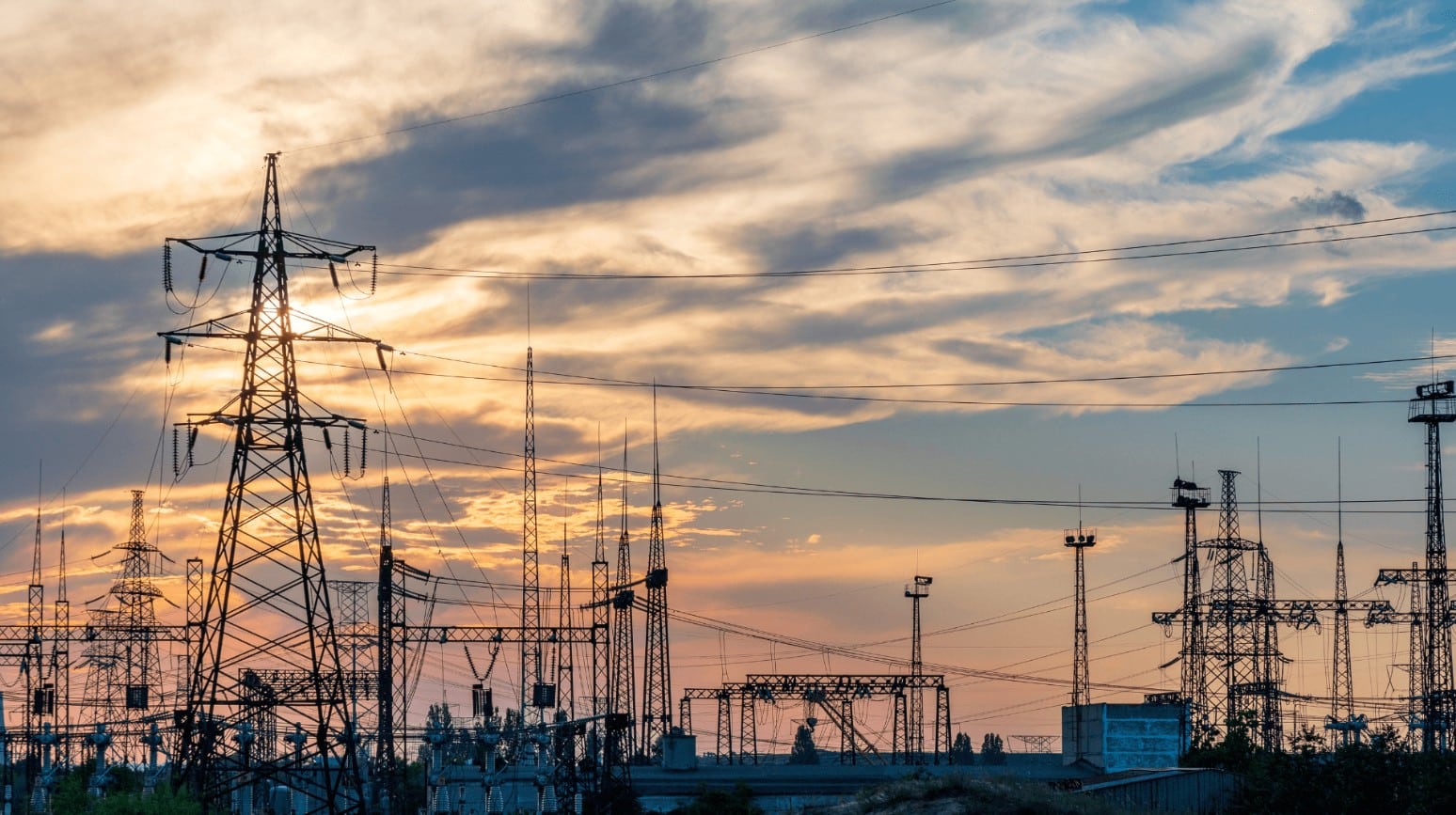
Innovation and disruption are not new in the electricity sector, as we have seen in the last 30 years with open wholesale markets and combined cycle gas turbine power plants, open retail markets and real-time consumption metering. However, today, or tomorrow, we could face many more innovations and disruptions.
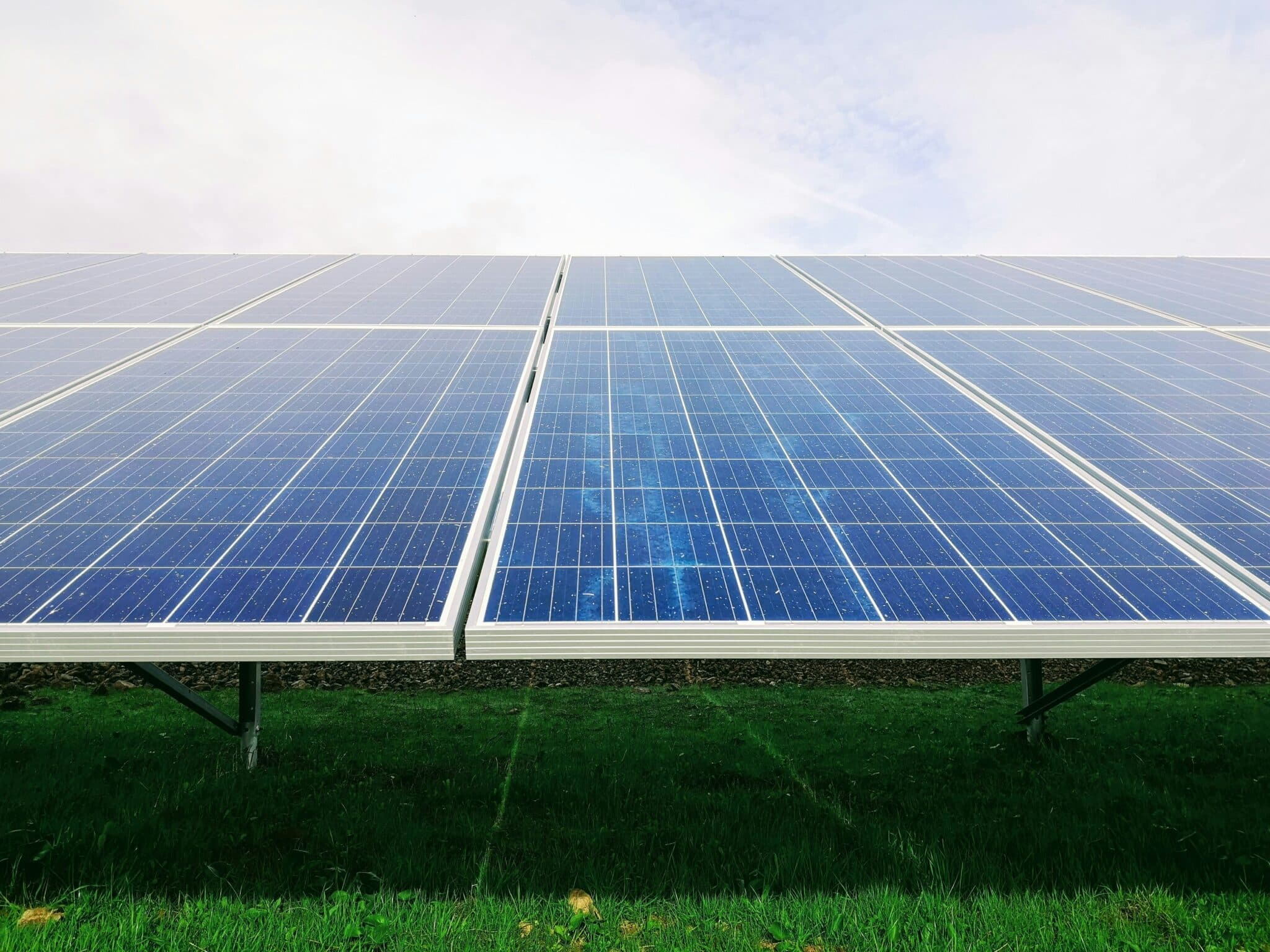
On the supply side one can see how renewable intermittent generation, and its low marginal costs, is becoming mainstream; and how storage is increasingly considered as a new important resource for managing the energy system. On the demand side one can see active consumers (as prosumers or prosumagers), new kind of intermediaries (as aggregators or communities), and digital tools of interaction (as sensors, actuators, or platforms).
Technologies are also redrawing the boundaries of the electricity sector, with an increasing electrification of road mobility, homes and buildings’ heating & cooling.
All these novelties call for new business models, from “green majors” to “asset light suppliers”, from “peer-to-peer” to “interactive building managers.” Possibly, the use of a strong carbon tax as the main incentive to fuel the energy transition, instead of targeted technology push by public authorities, might again change the entire landscape.
In these many waves, how will markets adapt, transform or disappear? Will China or Africa define their own ways?
Panel One (10:00-11:00 am Eastern Time)
“Disruption… or New Normal in the Power Sector?”
Moderator: Jean-Michel Glachant
Panellists:
- Karsten Neuhoff
- Fereidoon Sioshansi
- Carolyn Fischer
- Christopher Knittel
- David Reiner
A discussion with audience follows
Panel Two (11:00 am – 12:00 pm Eastern Time)
“Any Future for Markets? Any Market Perfectly Fit for Disruptions?”
Moderator: Michael Pollitt
Panellists:
- Richard Green
- Michael Pollitt
- Ignacio Pèrez-Arriaga
- Vivien Foster
- Xu Yi-chong
Learn more on the topic: Electricity markets in times of (climate) change
This webinar series, jointly organized by the IAEE and the Florence School of Regulation, represents an opportunity to review all the fundamentals needed to have the electricity markets working.
Day 1: Monday 11 October
Electricity Markets Assessment
Open markets for electricity in Europe and the US are approaching the age of 30. Their diversity, be it at the wholesale or the retail level, has never reduced significantly and no common model ever emerged on both sides of the Atlantic Ocean. Nor it did anywhere else. Today, we are still confronted with several serious stars in the US, such as PJM and Texas, and in Europe, such as the UK and the Nordics. On the top, we should not forget Australia. Surprisingly, only the EU has made, since 2016, a very serious effort of harmonization of market and network rules.
This fascinating debate, always half rational and half self-interested, has restarted to boil since a few years due the spectacular growth of renewables, demand response, storage, and so on and so forth. As the new Handbook on Electricity Markets, recently edited by Jean-Michel Glachant, Paul Joskow and Michael Pollitt, explores in depth.
Panel One (10:00-11:00 am Eastern Time)
“Electricity Markets Assessment: Europe”
Moderator: Jean-Michel Glachant
Panellists:
- David Newbery
- Chloé Le Coq
- Fabien Roques
- Paul Simshauser
A discussion with audience follows
Panel two (11:00 am – 12:00 pm Eastern Time)
“Electricity Markets Assessment: the US”
Moderator: Catherine Wolfram
Panellists
- Richard Schmalensee
- Shmuel Oren
- Frank Wolak
A discussion with the audience will follow.
Don’t miss any update on our events
Sign up for free and access the latest events from our community.





Water and Sanitation Services Aggregation: from expectations to achievements in selected countries

The FSR Water and WAREG are holding a joint online event on Wednesday 15 September 2021 to discuss these topics and present concrete examples and outcomes of aggregation processes in selected countries.
Network industries are characterized by increasing yields, and, as such, water and sanitation (WS) utilities that produce larger outputs have on average lower unit costs than utilities that produce smaller outputs. This relationship appears to be present in the WS sector around the globe and is one of the main arguments in favor of utility aggregation, defined as “the process by which two or more service providers consolidate some or all their activities under a shared organizational structure, whether it implies physical infrastructure interconnection or not” (World Bank, 2017). The expectation of cost savings from aggregation is supported by a large number of economic studies since the late 1960s, underlining the potential for economies of scale and scope.
Following these prescriptions, and in an attempt to increase WS services efficiency, many countries in Europe, Africa and Latin America have recently embarked on a reform path to aggregate their WS utilities. Did those aggregation reforms and processes always achieve the expected outcomes? If not, why didn’t the awaited benefits materialize in practice? What are the actual achievements of these reforms? Furthermore, what could be the role of WS regulators in the design, implementation and monitoring of such reforms? These institutions routinely collect key data on utilities that can be of great relevance to inform the design of aggregation in terms of accurate scale and scope, taking into account the local context. Regulatory mechanisms can be used to incentivize aggregation processes implementation. Finally through the regular monitoring of performance indicators, regulators can also provide information on the recorded outcomes and benefits of aggregation. This regular monitoring is a crucial asset to facilitate accountability toward shareholders and customers as improvement can be steadily demonstrated over time.
Find the programme
Deadline for registration is on Monday September 13th, 5pm
Watch the recording
(Passcode: 3pfQYp3^)
Bibliography
World Bank (2017) Toolkit on the Aggregation of Water Supply and Sanitation Utilities
World Bank (2017) Joining Forces for Better Services?: When, Why, and How Water and Sanitation Utilities Can Benefit from Working Together
Klien, Michael (2017) Statistical Analysis: Global Study on the Aggregation of Water Supply and Sanitation Utilities. World Bank, Washington, DC
Aggregation case studies at utility level:
|
Country |
Utility |
Reference |
|
Brazil |
Dos Santos Rocha, Wilson; Salvetti, Maria (2017), World Bank |
|
|
Colombia |
Ortiz Moreno, Erica; Salvetti, Maria (2017), World Bank |
|
|
Hungary |
Kis, Andras Lajos; Salvetti, Maria (2017), World Bank |
|
|
Indonesia |
Anwar, Alizar; Salvetti, Maria (2017), World Bank |
|
|
Mozambique |
Juízo, Dinis; Salvetti, Maria (2017), World Bank |
|
|
Portugal |
Zenha, José Henrique; Salvetti, Maria (2017), World Bank |
|
|
Romania |
Popa, Teodor; Salvetti, Maria (2017), World Bank |
This event is in collaboration with:

Presentations
- Session 2 Aggregation France
- Session 3 Scottish Water
- Session 3 Alia Spa
- Session 3 Aggregation Romania
- Session WICS Aggregation
- Session 2 Bulgaria
- Session 2 Romania
- Session 1 Salvetti
- Session 1 Klien
- Conclusion WAREG
Don’t miss any update on our events
Sign up for free and access the latest events from our community.
More on the topic



Is the EU ready for new methane legislation?

This event is the first of a series of webinars jointly organised by the Florence School of Regulation and the Environmental Defense Fund
The upgraded EU 2030 climate goals require at least a 35-37% reduction in methane emissions in the next decade compared to 2005 levels. The upcoming EU legislation will step up and synchronise the actions in the EU in three key areas: Measurement, Reporting and Verification (MRV), Leak Detection and Repair Programmes (LDAR), and routine venting and flaring. The European Commission is also considering measures to reduce emissions from the imported natural gas.
However, the adoption of new legislation alone does not guarantee a qualitative shift and effective implementation. All actors involved should be well-prepared and motivated. However, a lot could be done even before the legislation comes into force, e.g. by committing to voluntary industry initiatives such as the OGMP2.0. The webinar will address all areas that will be and may be covered by the upcoming EU legislation: from MRV to treatment of the imported gas.
The purpose of the seminar is to identify the areas where further work by the EU, Member States, and the industry may be needed to successfully implement the forthcoming EU legislation, which the EU Commission will present by the end of 2021.
Questions:
- Which EU legal instruments could be the most efficient ones in delivering bold action on mitigation of methane emissions in the energy sector?
- Could we expect a swift agreement on the legislative measures on the European level?
- Are national energy regulators ready for actions on methane emissions?
- What the industry is already doing to reduce methane emissions, and what is it expecting from legislators?
Moderation: Andris Piebalgs, Florence School of Regulation
Welcome
Andris Piebalgs | Florence School of Regulation
Session 1: The perspective of the EU institutions
Kitti Nyitrai | European Commission
Nicolás González Casares | European Parliament
Urška Dolinšek | Slovenian Presidency of the Council of the EU
Session 2: Regulatory challenges
Marco La Cognata I ARERA/CEER
Klaus-Dieter Borchardt I Baker McKenzie
Karolina Cegir I Energy Community
Session 3: The perspective of the industry
Muhunthan Sathiamoorthy| BP
Francisco de la Flor | Enagás / Gas Infrastructure Europe
Eva Hennig | Thüga / Eurogas
Conclusion
Dagmar Droogsma | Environmental Defense Fund
Related links
Cover the Basics: Methane Emissions
The Upcoming EU Legislation on Methane Emissions (event recording)
Previous events with EDF:
Addressing Methane Emissions in the context of energy system integration
The Impact of EU Methane Strategy on the Natural Gas Market
The EU Methane Strategy – the case for multilateralism (event highlights)
Policy briefs:
Designing an EU Methane Performance Standard for Natural Gas
Presentations
Don’t miss any update on our events
Sign up for free and access the latest events from our community.
More on the topic


Gender equality and diversity in the energy transition

This Debate will aim at reviewing the current situation with gender participation in the energy sector and at identifying which policies and measures should be pursued to ensure equal opportunities in this sector. It will also address the extent to which affirmative actions could be used to address the current gender imbalance, and how these actions could be compatible with a merit-based approach to entry into the sector.
Background
The energy transition, with the penetration of new processes and technologies, will provide a unique opportunity also to address the current gender imbalance in the energy sector. While gender is increasingly a multi-dimensional notion, the main focus in the energy sector is currently on the male-female composition of the workforce.
Because of the multi-disciplinary dimension, renewable energies and other developments associated with the energy transition (e.g. decentralised energy systems) seem to exert an appeal on women, and provide greater opportunities to them, than the more traditional fossil fuel industry. According to the results of a recent survey carried out by IRENA1, women represent 32% of the full-time employees in the renewable energy sector – substantially higher than the 22% average in the global oil and gas industry. Still, in renewables, women’s participation is much lower in science, technology, engineering, and mathematics (STEM) jobs than in administration.
Despite the appeal of the new technologies at the basis of the energy transition, women still face persistent barriers to entry, to remain in the workforce, and to advance. Removing these barriers is essential to meet the growing demand for skills in an expanding industry.
Draft Programme
Introduction to the Debate and Opening Presentations
14.00 – 14.05 Introduction to the Debate
Alberto Pototschnig | Florence School of Regulation
14.05 – 14.15 Opening address
Paula Abreu Marques | Head of Unit, Interinstitutional and Member States, European Commission
14.15 – 14.25 The energy transition: a gender perspective
Rabia Ferroukhi| Director, Knowledge, Policy and Finance Centre, IRENA
Panel Discussion: Introductory Remarks, Polls and Comments
Moderators:
Ilaria Conti | Florence School of Regulation
Alberto Pototschnig | Florence School of Regulation
14.25 – 14.50 Introductory remarks from the panellists
Silvia Manessi |Head of HR, ACER
Jennie Stephens | Director of the School of Public Policy and Urban Affair, Northeastern University
14.50 – 14.55 Polls
14.55 – 15.15 Comments on the polls outcome and Q&A from the audience
Panellists
15.20 – 15.30 The FSR Energybase project and Concluding remarks
Elena Iorio | Florence School of Regulation
Alberto Pototschnig | Florence School of Regulation
#FSRDebates
Hosts: Leigh Hancher and Alberto Pototschnig (FSR)
The focus of this series is on recent court cases, regulatory decisions, EU legislation, or public consultations to be discussed by a panel of experts.
This event will be live-streamed and recorded. Highlights and presentations will be made available online.
Don’t miss any update on our events
Sign up for free and access the latest events from our community.

17th Florence Air Forum . Short- and mid-term Covid-19 effects on the aviation sector. Competition law perspective

While air traffic levels have increased compared to Spring and Summer 2020, recovery is still slow and full of uncertainty. According to the last EUROCONTROL’s forecast, the most likely recovery scenario is that by the end of 2021, traffic will only have recovered to 72% of 2019 levels and it will only get close to pre-pandemic levels by 2025[1].
On 19 March 2020, the Commission adopted a Temporary Framework for State Aid measures, which is based on Article 107(3)(b)TFEU and complements other possibilities available to Member States to mitigate the social-economic impact of the coronavirus outbreak in line with EU State aid rules, notably the possibility under Article 107(2)b TFEU to compensate specific companies or specific sectors for the damages directly caused by exceptional occurrences, such as the coronavirus outbreak.
The 17th Florence Air Forum, co-organised by the Transport Area of the Florence School of Regulation together with the European Commission’s DG COMP’s Directorate F, will examine the hard impact of Covid-19 on the air sector and will explore possible ways-forward to ensure its recovery. More specifically, the main objective is to analyse whether special needs exist in the short-term/mid-term period, until the Aviation Guidelines are reviewed.
Session A of the forum is dedicated to investment aid and support to green investments of airports and airlines. The European Green Deal calls for a 90% reduction in greenhouse gas emissions generated by all transport modes, in order for the EU to become a climate-neutral economy by 2050. The 2030 Climate Target Plan and the 2020 Commission’s Sustainable and Smart Mobility Strategy require that aviation does its part in achieving climate neutrality by 2050.
To meet the objectives of the Green Deal, it is important that the aviation sector continues investing in green projects (such as the purchase of cleaner aircrafts, the improvement of environmental performance of airport buildings, the development of recharging or refuelling infrastructure for cleaner aircrafts, the development of multimodal hub and facilities, etc.), both in the short-term despite the current difficulties generated by the COVID-19 pandemic, and in the longer term.
The Commission is currently proposing to include the aviation sector (and more generally the transport sector) in the scope of the new Climate, Environmental protection and Energy Aid Guidelines (CEEAG). Specifically, it is proposed to open the possibility for this sector to benefit from environmental aid under the same horizontal conditions as all other sectors.
Last but not least, on 24 June 2021, the Biden administration announced a $1.2 trillion Bipartisan Infrastructure Framework, out of which $25 billion investments will be allocated to airports, to promote clean transportation infrastructure and resilience to the changing climate. What is the European answer to the same compelling issue?
Session B focuses on operating aid to regional airports. The Aviation Guidelines (AG) were adopted in 2014 and set out the conditions under which member states and local authorities can grant state aid to airports and airlines in the EU.
Although operating aid is very distortive, the 2014 AG allow such aid for small airports for a transitional period of 10 years, in view of the important role that these airports play for regional connectivity, and of the difficulties faced by those airports to adjust their business model to increased market competition. Thus, once the transitional period expires on 3 April 2024, no operating aid will be authorised under the AG. This transitional provision relied on the assumption that market changes promoted by the AG would have allowed airports to adjust and cover their costs by the end of the transitional period. Unprofitable airports were supposed to close, thereby reducing overcapacity in the market.
However, in the context of a comprehensive policy evaluation of the State Aid Modernisation (SAM) package (“Fitness Check”) launched in 2019, the Commission found that the phasing out of operating aid to small airports is likely to create difficulties for small airports (less than [500 000 – 700 000] passengers) because many of them will not be capable to cover their operating costs by 2024.
Second, the pandemic has heavily hit the aviation sector, especially small and medium airports, which are characterized by high fixed operating costs, no cash reserves and very low activity. Thus, certain airports, which were on the path of profitability before the crisis, are now unlikely to be able to cover their operating costs as of 2024. The main question is for how long the regional airports might need public support?
Session C elaborates on the connectivity needs. Air connectivity is an essential component of the European Single Market, as it can foster cross-border trade, promote economic growth and European integration. While certain routes might not be viable on their own, their existence might be needed to ensure connectivity. Therefore, the AG foresee a possibility to grant State support for start-up routes and regional airports, and that is why State support can be granted under rules on public services obligations (“PSOs”) for routes that are genuinely in the public interest. However, in practice, the provisions of the AG on start-up aid have been rarely used by Member States. The rules governing PSOs are also interpreted very restrictively.
Furthermore, the COVID-19 outbreak had a deep impact on the aviation sector, and concerns have been expressed that it could lead to a substantial loss of air connectivity. This raises the question of the opportunity to: (i) in the short-term, adopt a temporary set of rules to restore connectivity after the COVID-19 outbreak; and/or (ii) in the mid- and long-term, adjust existing rules on start-up aid.
Session D is dedicated to the timely topic of remedies in mergers. A new round of consolidation in the industry can be expected as a result of the financial difficulties of many airlines. In order to protect competition, effective remedies have to be identified.
[1] https://www.eurocontrol.int/sites/default/files/2021-05/eurocontrol-four-year-forecast-2021-2024-full-report.pdf
Please kindly note that participation in this forum is by-invitation only.
SPEAKERS’ PRESENTATION SLIDES:
Juan Montero – Florence School of Regulation Transport Area
Teodora Serafimova – Florence School of Regulation Transport Area
Niamh McCarthy – International Airlines Group
Bastiaan de Bruijne – ACI Europe
Carlos Neves Almeida – Portugália Airlines
Bernhard Persch – German Airports Association
Juan-Jesús García-Sánchez – Amadeus IT
Solene Flahault -European Regions Airline Association
Delphine Grandsart – European Passengers’ Federation
Emmanuel Mounier -EU Travel Tech
Don’t miss any update on our events
Sign up for free and access the latest events from our community.

Electricity markets in times of (climate) change

The new season of FSR Insights starts with a conversation with the editors of the recently published Handbook of Electricity Markets: Prof. Jean-Michel Glachant (FSR Director), Prof. Paul L. Joskow, (MIT), and Prof. Michael G. Pollitt (Judge Business School, University of Cambridge).
With twenty-two chapters written by leading international experts, the handbook represents the most detailed and comprehensive overview on electricity markets ever published, covering wholesale and retail; renewable electricity sources; the electrification of mobility, heating, and cooling; and recent innovations such as distributed generation, electrical energy storage, demand response and digital platforms that are disrupting the industry.
Before joining the events, watch our pills!
Paul Joskow on US electricity markets:
Jean-Michel Glachant on the review of EU electricity markets:
Michael Pollit on adapting to new technologies and new policy priorities:
Jean-Michel Glachant on the review of innovation waves:
Do you have any questions for our speakers?
You can now submit them in advance!
Hosts:
Leonardo Meeus, FSR
Lucila de Almeida, FSR
Speakers:
Jean-Michel Glachant, Director, Florence School of Regulation, European University Institute
Paul L. Joskow, Elizabeth and James Killiam Professor of Economics and Management, Massachusetts Institute of Technology
Michael G. Pollitt, Professor of Business Economics, Judge Business School, University of Cambridge
Discussants:
Valerie Reif, Florence School of Regulation
Swetha Baghwat, Florence School of Regulation
#FSRInsights
The new season of the FSR Insights will feature world-class academics from the energy field, as well as the FSR research team members in the role of discussants, to investigate timely energy topics and future scenarios.
More about the handbook on electricity markets
The Handbook edited by covers all dimensions of electricity markets.
Find more
Contributors include: Kenneth Anderson, Ross Baldick, Kathryne Cleary, Bentley C. Clinton, Gabrielle Dyson, Anton Eberhard, Mathilde Fajardy, Carolyn Fischer, Vivien Foster, Jean-Michel Glachant, Richard Green, William W. Hogan, Grégoire Jacquot, Paul L. Joskow, Christopher R. Knittel, Thomas-Olivier Léautier, Chloé Le Coq, Stephen Littlechild, Nils May, Kostantinos Metaxoglou, Divyam Nagpal, Karsten Neuhoff, David Newbery, Shmuel S. Oren, Karen Palmer, Ignacio J. Pérez-Arriaga, Michael Pollitt, David M. Reiner, Fabien Roques, Richard Schmalensee, Eric Schubert, Sebastian Schwenen, Paul Simshauser, Fereidoon Sioshansi, Robert Stoner, Frank A. Wolak, Xu Yi-chong.
Don’t miss any update on our events
Sign up for free and access the latest events from our community.
Speakers



FSR Annual Sustainability Conference | Greening Infrastructures

Background
Against the backdrop of the European Green Deal and the recently published ‘Fit for 55’ Package, the basic infrastructures will have to become more sustainable over the course of their entire lifecycles, i.e., from design to building, maintenance, operations and eventual decommissioning. Digitalisation, of course, will have a key role to play in advancing this objective, for instance, by optimising capacity utilisation, thus reducing needs for physical infrastructure expansion.
While rendering infrastructures climate-proof will take different forms across the various network industries, all of them will have to confront a set of critical questions pertaining to regulatory policy, financing and taxation, among others. In view of this, the first edition of the FSR Sustainability Conference will tackle these questions in respect to transport and energy infrastructures.
Format
The first day of the conference (22 June), to be held fully online, will be devoted to the presentation and discussion of 13 academic papers addressing the above-mentioned questions pertaining to the regulatory, financing and taxation measures that aim at decarbonising the basic infrastructures either alone or preferably in a systemic way, linking theory and practice. Attendance to this first day will be open to the public. The best papers, selected by the Scientific Committee, will qualify for publication in the Journal Competition and Regulation in Network Industries (SAGE) as 3-4- special issues.
The second day (23 June), which is planned as a physical event at the premises of the European University Institute, will take the form of a Florence Policy Forum, bringing together high-level officials from the European Commission, regulators, industry experts and renowned academics. The authors of the 3 “best papers”, as evaluated by the Scientific Committee, will be invited to deliver a short 10-minutes input presentation reflecting on the main findings of their paper during the Policy Forum. This second day will be under Chatham house rules whereas participation will be by invitation only.
Target audience
This new FSR Conference will bring together academics (in particular Junior Professors and Postdocs), high-level practitioners (mostly from the FSR donor community), and European Commission officials (in particular representing DG MOVE, CLIMA, and ENER).
List of selected authors and titles of their papers
- Astier, N., Rajagopal, R., and Wolak, F. A.: “Can distributed intermittent renewables generation reduce future grid investments? Evidence from France”
- Campos de Andrade, A. L.: “Decarbonisation: climate governance challenges for policies, plans, and projects in the Brazilian transportation sector“
- Cardinale, R.: “From natural gas to hydrogen: Upgrading existing transnational energy infrastructure connecting North Africa to Europe“
- Daly, A., Erdogan, S. E., Gill, G., Tetley-Brown, L., and Wallis, T.: “Decarbonisation through Digitalisation? The Benefits and Challenges of Digitalising (Renewable) Energy Infrastructures in Scotland“
- Iweh, C. D., Semassou, G. C., and Ahouansou, R.: “Sustainability of Renewable Energy Electrification Projects in Cameroon: Technical, Institutional and Policy Perspective“
- Klaaßen, L., and Steffen, B.: “Fit for 55? Contrasting green infrastructure investment needs in Europe with the EU’s sustainable finance strategy“
- Lauri, C.: “Recovery and Resilience of the Energy sector through Energy Communities. Promises and Perils“
- Major, M., and Massuma, M.: „Infrastructure investment for sustainable, low carbon transport services in the EU”
- Nascimento Souza, M., Karlein, J., Caterino Yáñez, C., Luxa, A., Jöres, N., and Lichtenberg, G.: “Influence of full load hour regulation on the LCOH and hybrid energy system sizing in Germany“
- Lanz, L., Noll, B., Schmidt, T. S., and Steffen, B.: “Reducing the levelized cost of electric vehicle charging infrastructure – Comparative policy options to accelerate the low-carbon mobility transition in Europe”
- Ovaere, M., and Proost, S.: “Cost-effective reduction of fossil energy use in the European transport sector”
- Ruhnau, O., and Schiele, J.: „System-friendly green hydrogen“
Conference timeline
- Submission of the abstract by 1st November 2021
- Notification of acceptance by November 15th, 2021
- Submission of the full paper by March 31st, 2022; participants who fail to submit a full paper by this deadline will be automatically removed from the programme;
- Conference on 22-23 June 2022 in hybrid form (Florence, Italy, and Zoom).
The best papers will qualify for fast-track publication in the Journal Competition and Regulation in Network Industries, and their authors will be invited to a discussion Forum with representatives of the European Commission.
Submission of the abstract
- Step 1: Download the Obligatory Abstracts Submission Template
- Step 2: Fill in all required fields: Introduction and Purpose of the Study; Research Design and Expected Results; Keywords. Please pay attention to the word limit!
- Step 3: Fill in the registration form online and enclose the submission template (see Step 2).
For any issues regarding the submission, please contact Ms Teodora Serafimova at FSR.Transport@eui.eu
Organising Committee
- Prof Simone Borghesi (EUI, Part-time professor and Director of the Climate Area of the FSR; Siena University, Professor)
- Prof Matthias Finger (EUI, Part-time professor and Deputy Director of the Transport Area of the FSR)
- Prof Jean-Michel Glachant (EUI, Robert Schuman Chair, Director of the FSR, Director of the Energy Area of the FSR, Holder of the Loyola de Palacio Chair)
- Prof Alberto Pototschnig (EUI, Executive Deputy Director, World of Practice)
Don’t miss any update on our events
Sign up for free and access the latest events from our community.

Prioritising renewable electricity supply, electricity and sustainable fuels
FSR is pleased to invite you to the last episode of #FSRDebates of the season.
In a recent paper by Professor Belmans and Piero Carlo Dos Reis entitled “Electrification and sustainable fuels: competing for wind and sun“, the authors seek to answer a simple question: “will we have enough renewable electricity to meet all of the EU’s decarbonisation objectives, and, if not, what should be the priorities and how to address the remaining needs for energy towards carbon neutrality? ”
The findings are important food for thought for policy-makers and industry.
In this online debate, we seek to look into this issue in more depth; following the presentation of the study by Professor Belmans, a leading Panel will seek to draw conclusions from the findings – or indeed challenge them.
They will answer questions such as ‘what should the response of the EU be to these findings?’, ‘should Member States National Energy and Climate Plans be revised, if so when and how?’, and, as a matter of fact ‘will there be enough renewable electricity to meet electrification, transport, buildings, and industry needs – including from hydrogen- and if not, what to do?
Agenda
9.30 -9.40 Introduction Christopher Jones & Andris Piebalgs
9.40-10.00 Presentation of the study Ronnie Belmans, KU Leuven
10.00-10.30 Panel Debate
Giles Dickson, WindEurope
Aurélie Beauvais, SolarPower Europe (TBC)
Francisco Boshell, IRENA
10.30-10.45 Q&A with the audience
10.45-12.00 Concluding remarks Aleksandra Tomczak, European Commission
#FSRDebates
The focus of this debate series is on policy issues to be discussed by a panel of experts. Learn more about the FSR series.
Presentations
Don’t miss any update on our events
Sign up for free and access the latest events from our community.
More on the topic



How green is state aid control?

The FSR Energy Union Law is pleased to invite you to a joint online event on State Aid Control, co-hosted with the Centre of European Law at King’s College London.
State aid control and environmental protection
In its 2019 Communication on The European Green Deal, the Commission identified the revision of State aid guidelines as a key factor in “supporting a cost-effective transition to climate neutrality by 2050”. The Energy and Environmental State aid guidelines (EEAG) were considered particularly important in this regard. After a comprehensive evaluation of all State aid rules was published in October 2020, the Commission has recently launched a public consultation on the proposed revision of the EEAG, which will now be known as Climate, Energy and Environmental State aid guidelines (CEEAG).
This timely event will convene a high-level line-up of scholars and practitioners to discuss these draft revisions and their implications.
Presentations and expert commentary will be followed by an audience Q&A.
This event will be live-streamed and recorded.
Chair:
Andrea Biondi | King’s College London
Speakers:
Nicola Pesaresi | Head of Unit, State aid I, Directorate for Energy and Environment, DG Competition, European Commission
Alejandro Donnay | Deputy Head of Unit, State aid I, Directorate for Energy and Environment, DG Competition, European Commission
Commentators:
Leigh Hancher | FSR
Nicole Robins | Oxera
Don’t miss any update on our events
Sign up for free and access the latest events from our community.
More on the topic
REMIT and artificial prices: is guidance from the case law finally emerging?
Background
Pursuant to the EU Regulation on Wholesale Energy Market Integrity and Transparency (REMIT) of 2011, entering into any transaction or issuing any order to trade in wholesale energy products which secures, or attempts to secure, the price of one or more wholesale energy products at an artificial level, amounts to market manipulation. What is the notion of “artificial prices” under REMIT? Is guidance from the case law finally emerging?
This FSR Debate will look at some of the economic and legal issues involved in determining when prices may be set an artificial level – amounting to market manipulation.
In this context the debate will also look at a very recent NRA decision on artificial pricing. In late April 2021 the Spanish National Commission of Markets and Competition (CNMC) published a decision in which it holds that the company Rock Trading World, S.A. manipulated the Spanish gas wholesale market between 3 and 7 November 2018, breaching the EU Regulation on Wholesale Energy Market Integrity and Transparency (REMIT) of 2011. According to CNMC, Rock Trading World’s behaviour was likely to send false or misleading signals to the market as to the price of such gas wholesale energy products and secured the price formation process of the gas wholesale energy products at an artificial level, thus breaching REMIT, which prohibits market manipulation.
Draft Programme
Host: Alberto Pototschnig | Florence School of Regulation
Introduction to the Debate and Opening Presentations
14.00 – 14.05 Leigh Hancher| Florence School of Regulation and Tilburg University
14.05 – 14.15 Martin Godfried | ACER
14.15 – 14.25 Guillermo Pérez Almendral | Simmons & Simmons Madrid
Panel Discussion: Introductory Remarks and Comments
Moderator: Leigh Hancher | Florence School of Regulation and Tilburg University
14.25 – 14.45 Introductory remarks from the panellists
Panellists: Fabien Roques | FSR and Compass Lexicon
Camilla Berg | Nord Pool
Nils-Henrik von der Fehr | Oslo University
14.45 – 15.20 Q&A from the audience
15.20 – 15.30 Concluding remarks
Alberto Pototschnig | Florence School of Regulation
Leigh Hancher | Florence School of Regulation and Tilburg University
#FSRDebates
The focus of the debate series is on recent court cases, regulatory decisions, EU legislation, or public consultations to be discussed by a panel of experts. Learn more about the FSR series.
Presentations
Don’t miss any update on our events
Sign up for free and access the latest events from our community.
More on the topic
IRENA’s World Energy Transitions Outlook: 1.5°C Pathway

A conversation with Francesco La Camera, Director General of IRENA.
This online event aims to present the International Renewable Energy Agency’s report “World Energy Transitions Outlook: 1.5°C Pathway” through a conversation with the Director General of the International Renewable Energy Agency, Francesco La Camera.
The World Energy Transitions Outlook (WETO), which was released in June 2021, outlines a pathway for the world to achieve the Paris Agreement goals and halt the pace of climate change by transforming the global energy landscape. The report identifies options to limit global temperature rise to 1.5°C and bring CO2 emissions closer to net zero by 2050, offering high-level insights on technology choices, investment needs and the socio-economic contexts of achieving a sustainable, resilient and inclusive energy future.
After a presentation of the report by IRENA, the FSR Energy & Climate team will discuss the findings and insights from different perspectives.
Francesco La Camera is the Director General of the International Renewable Energy Agency (IRENA). He has more than 30 years of experience in climate, sustainability, and international cooperation. He formerly served as Director-General of Sustainable Development, Environmental Damage, EU and International Affairs at the Italian Ministry of Environment. La Camera is widely credited with having spearheaded international cooperation on issues related to climate and the environment. He played a key role in bringing together multilateral organisations to develop joint initiatives designed to implement the Paris Agreement and the SDGs. He has also coordinated a number of national strategies, including sustainable development, green finance, and fossil fuel subsidies.
The event will be chaired by Prof. Simone Borghesi.
After the WETO presentation by IRENA, Prof. Jean-Michel Glachant, Ilaria Conti and Swetha Baghwat will be invited to discuss the report’s findings with Francesco La Camera. This discussion will be followed by a brief Q&A.
Read the report:
World Energy Transitions Outlook: 1.5°C Pathway, IRENA, 2021
Learn more:
Achieving zero emissions under a cap-and-trade system, FSR Climate & ICAP, 2020
Cost-effective decarbonisation study, FSR. 2021
Don’t miss any update on our events
Sign up for free and access the latest events from our community.
A Market Framework for Hydrogen

A Market Framework for Hydrogen | FSR Regulatory Policy Workshop Series 2020-2021
The EU Hydrogen Strategy published by the Commission in July 2020 envisions the establishment of “a liquid and well-functioning hydrogen market”, in which “commodity-based hydrogen trading would facilitate entry of new producers and would be beneficial for deeper integration with other energy carriers”. Such a market “would create viable price signals for investments and operational decisions”.
At the same time, the Strategy set the priority of developing renewable hydrogen, produced using mainly wind and solar energy, stating that “renewable hydrogen is the most compatible option with the EU’s climate neutrality and zero pollution goal in the long term and the most coherent with an integrated energy system”. However, at least in the short and medium term, renewable (green) hydrogen will not be the only hydrogen produced and consumed in Europe.
Different shades of hydrogen contribute differently to the achievement of EU energy and climate objectives. Green hydrogen contributes to the achievement of the renewable energy penetration target. Green, blue and turquoise hydrogen contribute to the decarbonisation target, albeit to different extents, since blue and turquoise hydrogen are not totally carbon free. The fact that different shades of hydrogen contribute differently to the energy and climate objectives, while being traded, as a commodity, on the same market, requires that other mechanisms be put in place to reflect their different policy values. The performance of the different hydrogen shades vis-à-vis the decarbonisation target can be reflected in their production process requiring different quantities of EU Emission Allowances (EUAs) to cover their greenhouse gas (GHG) emissions. In particular, the production of green hydrogen would not require any EUA, while the production of blue or turquoise hydrogen would only require a fraction of the EUAs needed to cover GHG emissions from the production of grey hydrogen.
Instead, at present, there is not an established EU-wide market for the renewable value of green hydrogen. As mentioned above, green hydrogen would have a marginal advantage with respect to blue and turquoise hydrogen in terms of EUAs, but this advantage might not reflect the greater value of green hydrogen as the only one, among all the hydrogen shades, contributing to the renewable energy penetration target. An additional instrument is therefore needed and this could be provided by a system of guarantees of renewable origin (GROs). GROs would be issued against the production of green hydrogen and GRO demand will be created by the need to achieve the renewable energy penetration target (either by a decentralised quota obligations or a centralised auction).
Therefore, the future market framework for hydrogen could comprise three markets:
- The hydrogen (commodity) market;
- The EU Emissions Trading System;
- A GRO system and market, for recognising and trading the renewable value of green hydrogen.
A GRO system could however be extended to cover other energy vectors and to assist, inter alia, in the implementation of the “additionality” condition for the production of green hydrogen. This would require GROs being issued also vis-à-vis the production of electricity from renewable energy sources. And in fact the GRO system could be extended to all three energy vectors – electricity, gas and hydrogen – thus providing any desired degree of flexibility on the way in which the renewable energy penetration target could be achieved.
Finally, in the context of the coupling of the electricity, gas and hydrogen sectors, and the resulting requirement for a strong coordination of the planning and operation of the respective networks, the question should arise as to the best structure for cooperation of transmission system operators, at national and EU level.
The Workshop will aim at exploring the market framework for hydrogen and all these issues. It will be structured in three sessions:
- Session I will focus on the best market framework for hydrogen, in particular how best to recognise the decarbonisation value of green, blue and turquoise hydrogen and the value of green hydrogen in pursuing the renewable energy penetration target. The potential role of a GRO system in this context will also be assessed;
- Session II will consider whether GROs could play a role in the implementation of the additionality condition and, more generally, in providing an accounting framework for the achievement of the renewable energy penetration target, allowing for any desired degree of flexibility on the resulting vector mix;
- Session III will assess how best to ensure the needed coordination of network planning and operation across the electricity, gas and hydrogen sectors, at national and EU level.
Scientific Directors
Alberto Pototschnig | Florence School of Regulation/Robert Schuman Centre for Advanced Studies/European University Institute
Ilaria Conti | Florence School of Regulation/Robert Schuman Centre for Advanced Studies/European University Institute
Please note
This workshop is by invitation only. For further information, please contact: Elena Iorio
Read more
(FSR Energy | Policy Brief)
How many shades of green? : an FSR proposal for a taxonomy of ‘renewable’ gases (FSR Gas | Policy Brief)
(FSR Gas | Technical Report)
Don’t miss any update on our events
Sign up for free and access the latest events from our community.
More on the topic