


Bridging Engineering and Policy: Insights from Chile
Testimonials from our course participants
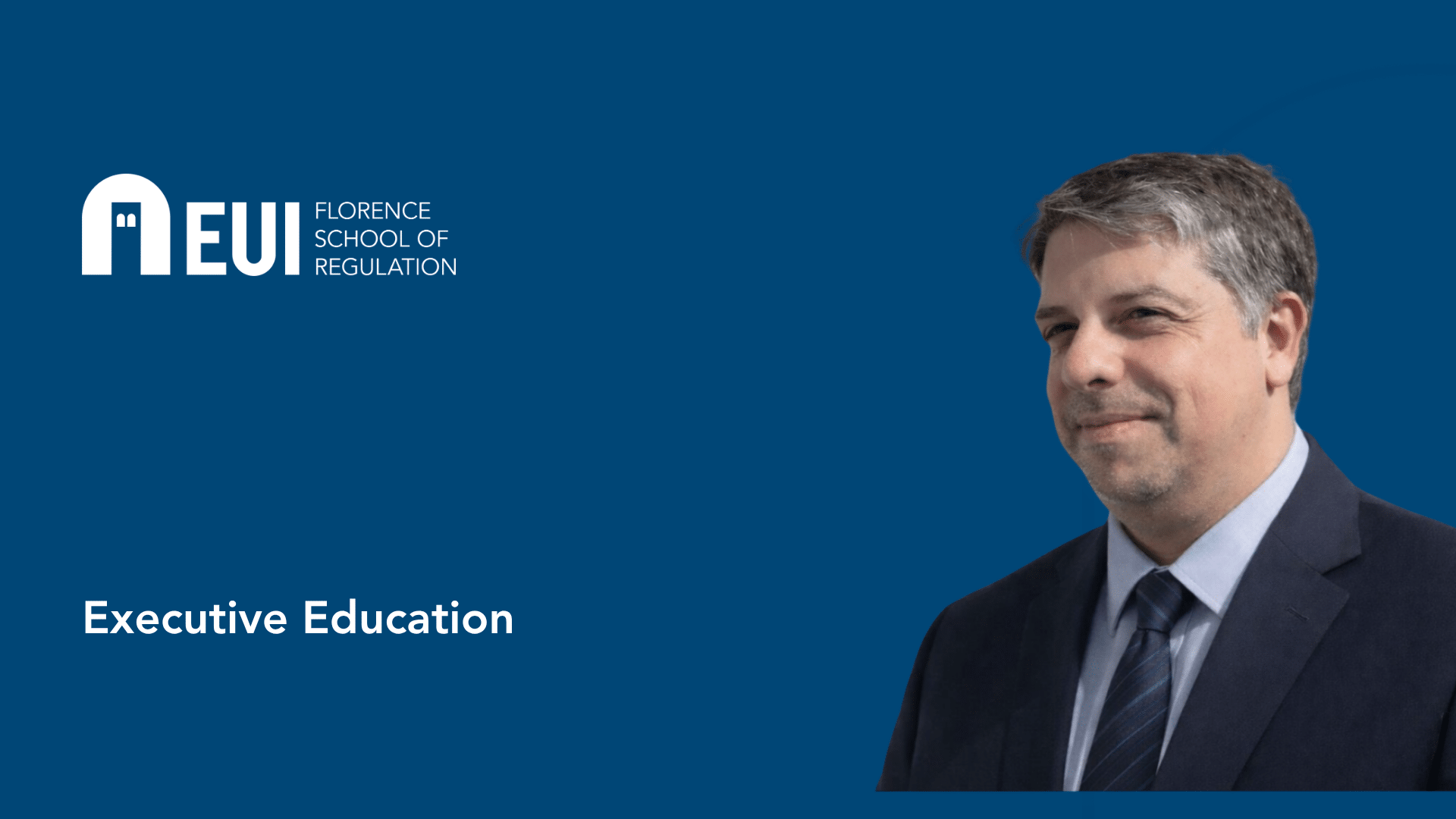
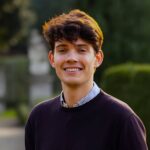
Sebastian Arroyo Klein works as an analyst at Chile’s Ministry of Energy, where he focuses on reforms to electricity distribution regulation, and teaches electricity market regulation at the University of Los Lagos in Puerto Montt. In the interview below, we asked the scholarship recipient on the Annual Training on the Regulation of Energy Utilities, to share what the programme meant for his work and teaching.
Could you briefly introduce yourself, tell us about your current role, and what motivated you to apply for the programme?
My name is Sebastian Arroyo Klein, and I live in Chile with my dear wife and my two lively children. I studied electrical engineering, which I later complemented with a Master of Science in Renewable Energy in Germany. I currently work as an analyst at the Ministry of Energy of Chile, where I am involved in matters related to the design of reforms to electricity distribution regulation. I also teach at the University of Los Lagos, in Puerto Montt, Chile, where I cover topics related to electricity market regulation.
My motivation to apply for the Annual Training on the Regulation of Energy Utilities was to deepen my knowledge of energy regulation from a comparative and international perspective. My original background was mainly engineering-oriented, and I needed to strengthen my understanding of the economic and regulatory foundations applicable to the electricity sector. The quality of the programme and its lecturers, together with the prestige and excellent references of the Florence School of Regulation, convinced me that this was the ideal programme and institution to address this need. I also found it very valuable to learn more about the European experience, which is a highly relevant reference for those of us working in public policy and energy regulation.
Which aspects of the programme have already proven useful to your work at the Ministry of Energy or your teaching at the University of Los Lagos?
The programme has already been very useful in my work at the Ministry of Energy of Chile, particularly in relation to reforms to electricity distribution regulation. It allowed me to reinforce essential foundations in the regulation of natural monopolies, cost allocation, tariff design, incentive regulation, and the relationship between economic efficiency, quality of service, and consumer protection.
In addition, the course provided me with very valuable institutional and technical references. For example, learning more about the role of European institutions such as ACER, and about the way different regulatory challenges are addressed in Europe, has given me new sources of information and comparison to analyse public policy alternatives in Chile.
In my teaching activities, the course will also have an important impact. Beyond the substantive content, I found the teaching methodology very valuable, especially the use of case studies. This approach allows students not only to learn regulatory concepts, but also to develop analytical skills and judgement for applying them to concrete problems. I believe this is a very powerful tool for teaching electricity sector regulation in a more practical way, connected to the real challenges of the sector.
Many of the regulatory frameworks discussed during the programme are rooted in the European experience. How relevant have they been to your work on electricity regulation in Chile?
Although many of the regulatory frameworks discussed during the programme are rooted in the European experience, I found them highly relevant to the Chilean context. Of course, each country has its own institutional history, market structure, geographical characteristics, and specific challenges. However, many of the underlying regulatory questions are common.
For example, questions such as how to regulate transmission and distribution networks, how to allocate costs efficiently, how to design tariffs that provide appropriate signals, how to incentivise efficient investment, or how to protect consumers are all fully relevant in Chile.
In this sense, the European experience is a very valuable source of learning. It allows us to identify good practices, understand regulatory tensions or mistakes, and compare institutional solutions to similar problems.
The scholarship made it possible for you to participate in the programme. Looking back, what has this opportunity meant for your professional journey?
The scholarship had a very special meaning for me. For economic reasons, I would not have been able to participate in this programme without that support. I felt a strong responsibility to make the most of the course, both because of my own motivation to learn and because of the trust placed in me as a scholarship recipient. This led me to devote significant effort to the programme.
It was not always easy, especially because I followed the course from Chile, where the most intense phase of the programme coincided with the summer months, unlike in Europe. In that context, with children on holiday at home and many people around me thinking about anything but regulation, a little extra discipline was required. But precisely because of that, the experience became even more meaningful, and completing the course with good results was especially rewarding.
Looking back, I believe the scholarship was an opportunity that will have lasting effects on my professional journey. The course strengthened my work as an analyst in electricity regulation, gave me tools to improve my university teaching, and broadened my perspective on the regulatory challenges of the energy sector. I am sincerely grateful to the Florence School of Regulation, its lecturers, the programme direction, the organising team, and all those who made this opportunity possible.
Sebastian’s story reflects the impact the FSR’s scholarship programme aims to have: expanding access to specialised training for professionals shaping energy policy around the world.
The Annual Training on the Regulation of Energy Utilities currently welcomes applications for the next edition starting in October 2026.
Don’t miss any update on this topic
Sign up for free and access the latest publications and insights
More on the topic