


Archives: Events
Navigating Global LNG Trade Dynamics and Geopolitical Challenges in 2040

Securing Europe’s Energy Future: Join us for the first instalment of this quarterly theme in the FSR Insights series
Sebastian Zwickl-Bernhard from TU Wien will share his expert perspective on the evolving dynamics of LNG trade and the geopolitical challenges we anticipate by 2040. Drawing from his recent study, co-authored with Anne Neumann, he will highlight key findings on market integration, supply chain disruptions, and strategic shifts among major LNG players.
The discussion will address crucial aspects such as the influence of emerging markets, technological advancements, and policy responses to geopolitical tensions. Through concrete examples, Dr. Zwickl-Bernhard will illustrate how factors such as regional conflicts, technological breakthroughs in LNG extraction and transportation, and shifts in regulatory policies shape LNG trade flows, highlighting their direct implications for global energy security.
Experts Anna Cretì from Université Paris Dauphine, Anouk Honorè from OIES, and James Kneebone from FSR will provide their insights and critiques on the presentation. Moderated by Marzia Sesini and Nicolò Rossetto from FSR, the session will invite audience participation, encouraging a dynamic and engaging dialogue.
Keynote speaker
Sebastian Zwickl-Bernhard | TU Wien
Discussants
Anna Cretì | Université Paris Dauphine
Anouk Honorè | OIES
James Kneebone | FSR
Moderators
Marzia Sesini | FSR
Nicolò Rossetto | FSR
Don’t miss any update on our events
Sign up for free and access the latest events from our community.
More on the topic





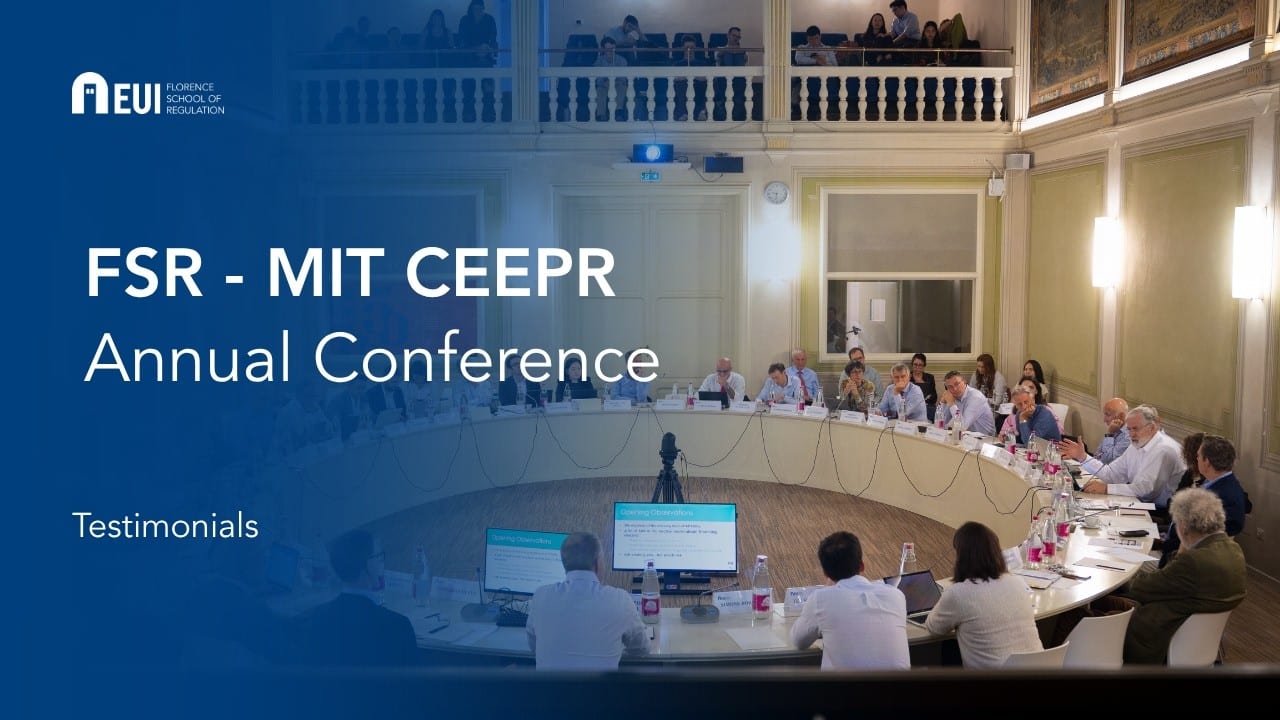

Renewables Penetration and System Flexibility

FSR Regulatory Policy Workshop Series 2024-2025
This workshop is by invitation only
Sustainability assessment
The FSR assesses the sustainability and carbon footprint of all its Workshops of the Regulatory Policy Workshop Series. This Workshop is run mainly ‘in presence’, with some exceptions for participation through internet-based remote connection. It is expected that most participants will join the Workshop in Florence to take advantage of the opportunity for more effective interaction and discussion. Those participants joining the event in Florence will be encouraged to offset any carbon emissions related to their air travel. It is considered that, in this way, a suitable balance is achieved between the effectiveness of the policy dialogue and the net carbon footprint of the event.
Don’t miss any update on our events
Sign up for free and access the latest events from our community.
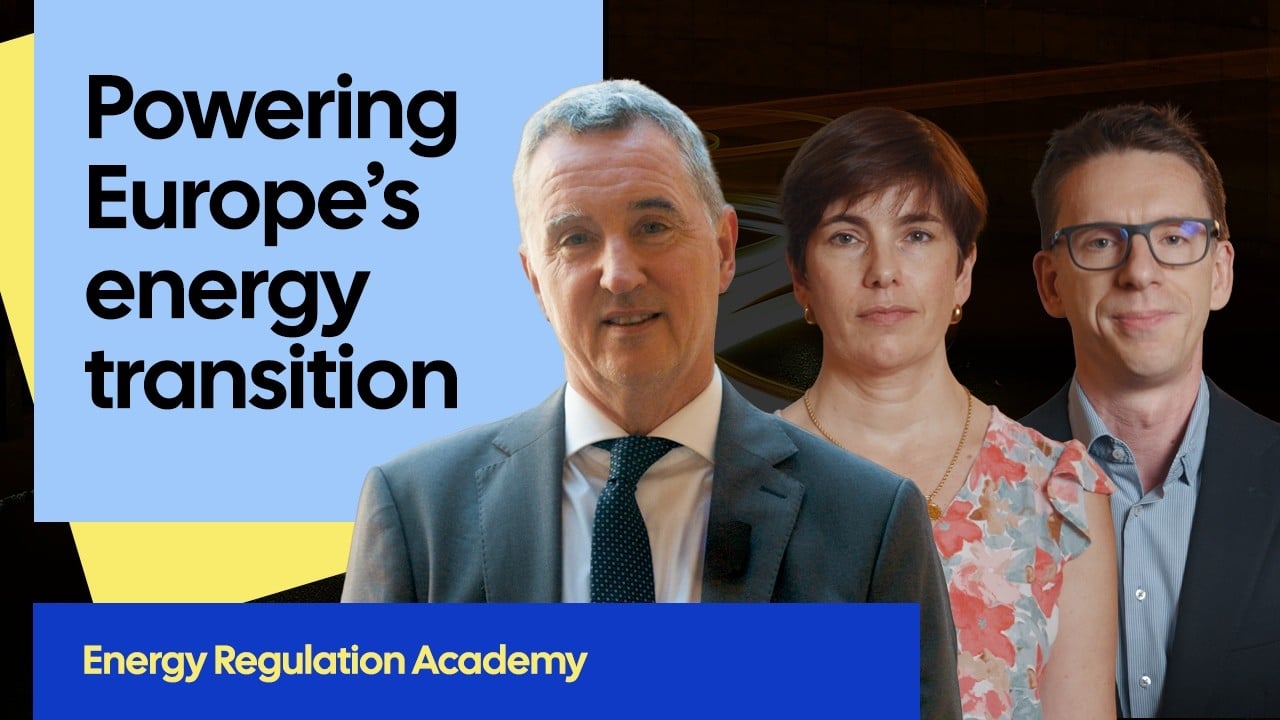

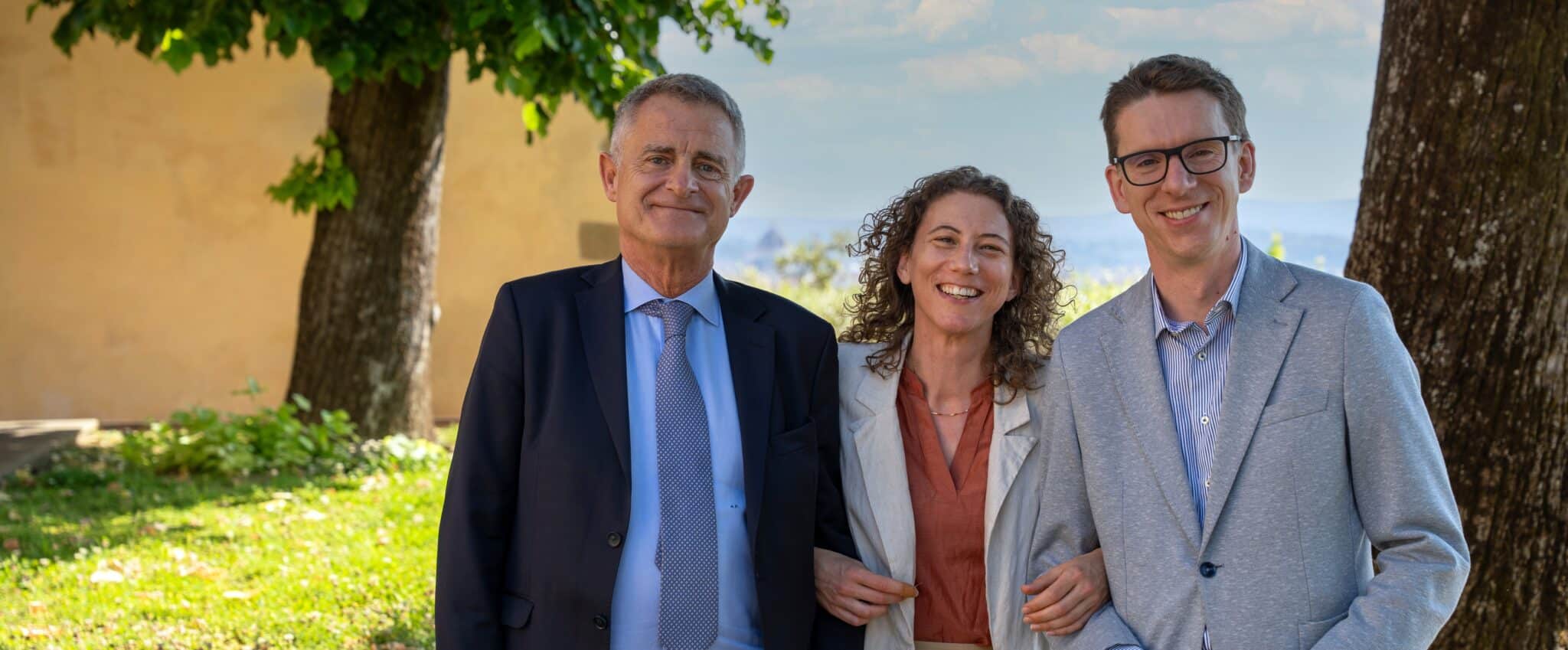

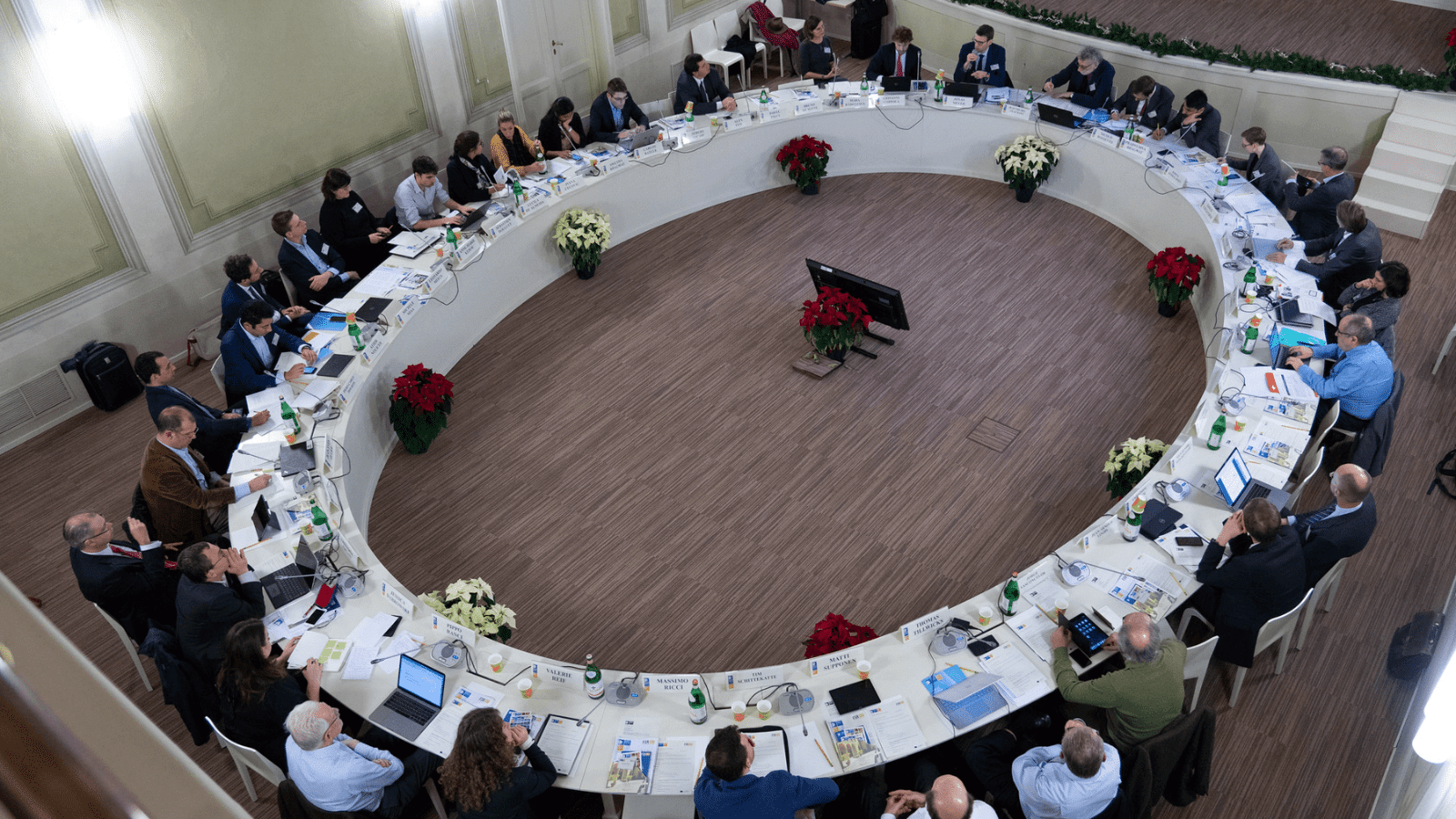
Policy Advisory Council 2024

The Policy Advisory Council discusses the most topical regulatory and policy issues and debates and the relevance and robustness of the latest FSR research findings. The meeting gathers experts from the European Commission, the EU Agency for the Cooperation of Energy Regulators (ACER), the FSR Energy Star and Major Donors and invited renowned academics
Don’t miss any update on our events
Sign up for free and access the latest events from our community.
Exploring energy Regulation in Africa

Exploring energy regulation in Africa: political Economy, emerging technologies, and regional collaboration
This FRS Talks aims to delve into the intricate political economy governing energy regulation across Africa, as presented in the book ‘Energy Regulation in Africa’ by Dr. Ishmael Ackah and Dr. Charly Gatete. The discussion will cover the diverse regulatory frameworks, emerging technologies, climate change issues, regional energy markets, and the role of regulators in promoting gender mainstreaming in the energy sector.
Speakers
Dr. Ishmael Ackah | Executive Secretary of Ghana’s Public Utilities Regulatory Commission (PURC)
Dr. Charly Gatete | Applied Researcher at the African School of Regulation (ASR),
Invited Discussant
Louise Mathu | Consultant, ASR
Co-Hosts
Carol Awuor Ofafa | Research Associate, ASR – African School of Regulation
Prof. Lucila Almeida | Part-time Professor, EUI/RSCAS/FSR
Swetha Ravi Kumar | Executive Director, FSR Global
The event is co-hosted by Carol Ofafa, a Research Associate at the African School of Regulation (ASR), Prof. Lucila de Almeida, a Part-time Professor at EUI/RSCAS/FSR and Swetha Ravi Kumar the Executive Director of FSR Global based in India. Their roles involve facilitating the discussion, moderating the session, and ensuring the smooth progression of the event. Through their expertise and affiliations with leading academic institutions, they contribute to the intellectual depth and diversity of perspectives within the dialogue.
Don’t miss any update on our events
Sign up for free and access the latest events from our community.

The European electricity market reform: is a new target model emerging?
The European electricity market reform represents a significant turning point as it aims to adapt power markets for decarbonisation. Together with Thomas-Olivier Leautier and Fabien Roques, course directors of the Executive Course to Master Electricity Markets, we will analyse some of the key issues that will shape wholesale electricity market evolution in the years to come. In particular, this event will delve into the following topics:
• The role of planning processes and new methodologies to analyse the needs for flexibility, adequacy, and network development
• Best practices for the design of Contracts for Difference (CfDs)
• State aid and competition issues associated with long-term contracts
This online event is a spin-off of the topics that will be further analysed in the Executive Course to Master Electricity Markets that will take place in Florence on 14-15 October 2024, providing a deeper understanding of the upcoming changes in the European electricity market.
Presentations
Don’t miss any update on our events
Sign up for free and access the latest events from our community.
Speakers








Just transition: challenges of occupational and sectorial reallocation
EAERE Policy Outreach Committee, policy session at the 29th EAERE Annual Conference in Leuven (Belgium), 3 July 2024
The EU’s Just Transition Fund (JTF) serves as a financial instrument to assist energy-intensive and mining regions most impacted by the adverse effects of the energy transition. Its goal is also to alleviate the unequal distribution of costs, ensuring strategic support for those facing the most significant challenges in the transition. The JTF can play a crucial role in balancing the economic impacts of the transition, preventing job destruction in affected regions and ensuring reskilling for new sectors.
The JTF responds to the fact that the transition has a direct impact on society and individuals’ lives. Historical instances of significant restructuring have demonstrated that entire regions may reverse into poverty without adequate support. If not handled properly, these consequences may result in considerable regional inequality. Moreover, there is still a lack of understanding of the actual functioning and impacts of occupational and sectorial reallocation, and the definition of indicators to monitor these initiatives.
The criticalities of the JTF prompt us to questions that we intend to address in this session:
- How do the Just Transition Mechanism (JTM) and JTF ensure that the transition is inclusive and socially just for workers and communities affected by the shift away from fossil fuels?
- How does the JTM address the social and economic challenges faced by regions heavily dependent on fossil fuel industries or other environmentally harmful activities? What are the strengths and weaknesses of the JTM?
- Which indicators may be important to monitor the development of JTM?
- How do TTJPs interact with existing labour market policies and initiatives at the regional or national levels?
The session organized by the EAERE POC, in collaboration with the European University Institute under the ongoing CAPABLE project, intends to discuss the challenges posed by the possible reforms described above. In line with the aim of the EAERE POC (i.e. providing advice and support to EU policymakers and institutions in designing policy interventions), particular attention will be devoted to the most suitable policies that should be implemented to make these reforms feasible and effective.
The event intends to continue the series of policy dialogues carried out by the Policy Outreach Committee since 2019 in collaboration with the European University Institute at the State of the Union in Florence and at the past EAERE Annual Conferences.
Organisers:
- Xavier Labandeira, University of Vigo
- Alessia Casamassima, EUI
- Simone Borghesi, EUI, University of Siena
Chairs:
- Ilaria Dibattista, EUI, University of Siena
- Xavier Labandeira, University of Vigo
Invited speakers:
- Tadhg O’Briain, DG Energy, European Commission
- Iva Zvěřinová,Charles University
- Aldo Ravazzi, OECD-EPOC and IFCMA Italian Coordinator, Italian Ministry of Environment & Energy Security
- Jos Delbeke, School of Transnational Governance, European University Institute, KU Leuven
 This event is organised under the framework of the project CAPABLE, which has received funding from the European Union’s Horizon Europe research and innovation programme under grant agreement No 101056891.
Don’t miss any update on our events
Sign up for free and access the latest events from our community.
More on the topic





CfDs to support renewables: the devil is in the details
FSR Insights series on “Developments in the European energy and climate policy” with FSR part-time professor Lena Kitzing
Contracts for Difference (CfDs) have been acknowledged by EU legislation as a fundamental tool to support the rapid uptake of renewable energy sources necessary to achieve the 2030 energy and climate targets. Discussions on how to properly design those contracts and how their massive use will impact the functioning of electricity markets have been common in the past few years, sometimes without a consensus emerging among researchers and policymakers.
In this new instalment of the FSR Insights series on “Developments in the European energy and climate policy”, FSR part-time professor Lena Kitzing will provide her view on those discussions and illustrate the key messages of a recent FSR technical report, where she and her co-authors highlight how CfDs can come in many shapes and how hard it is to generalise about them. By referring to some concrete examples, Prof. Kitzing will show how the selection of alternative design options can lead to different results and that those results depend also on the specific context in which such a CfD is applied.
Sofia Nicolai and Jörn Richstein will discuss Prof. Kitzing’s contribution before opening the floor to answer questions from the audience.
Keynote speaker
Lena Kitzing | FSR and DTU
Discussants
Sofia Nicolai | FSR
Jörn Richstein | Aurora Energy Research
Moderators
Nicolò Rossetto | FSR
Presentations
Don’t miss any update on our events
Sign up for free and access the latest events from our community.
More on the topic

What’s next for the EU’s Energy and Climate Policy?

With the winding down of the current Commission, thoughts are moving to ‘what should be the priorities for the next Commission’s mandate?’
This question is coming at an important time, where many observers argue that the EU’s current approach is ‘under fire’ and that the ‘Fit for 55’ package has placed challenges for EU industry that threaten our competitiveness. Indeed, the Commission has already suggested that the ‘Industrial Green Deal’ will be a forthcoming priority.
A Panel of two former Energy Commissioners- Miguel Arias Cañete and Andris Piebalgs– and two former Deputy Directors-General of Energy of the Commission – Christopher Jones and Klaus-Dieter Borchardt – will debate this question, and try to suggest some priorities.
Catharina Sikow-Magny, the DG ENER Director for Green Transition and Energy System Integration of the European Commission will act as moderator, and ask questions, including those from the audience.
Questions to be addressed by the Panel will include:
- How should the next Commission/Co-legislators approach the EU’s 2040 GHG target? What are the consequences for EU citizens and industry of this?
- What new legislative initiatives should be taken to make sure that the EU meets 2040 target (and indeed the 2030 one)?
- Do we already need a 2040 RES target?
- How should the ETS and CBAM be revised during the next Commission?
- What should the EU do to ensure the competitiveness of its industry? What could the ‘Green Industrial Deal’ be?
- Do you expect the EU’s GHG, RES and energy efficiency 2030 targets to be met? If not which ones, and what should be done to put us back on course?
- What next for buildings?
- Is the EU’s hydrogen policy ‘fit for purpose’? What needs to be done?
- The Carbon Management Strategy now needs to be implemented – what should the Commission propose in concrete terms to kick-start CCUS?
- Should the EU ‘roll-back’ its technology specific target-driven approach to energy policy.? If so, why and how?
- Should the EU put a price on methane emissions?
Join us for what will surely be an entertaining and informative debate!
Don’t miss any update on our events
Sign up for free and access the latest events from our community.
LNG Markets and Sustainability: How to include emissions intensity information in LNG agreements?
This online debate organized in the context of the EU-funded project LNGnet, will discuss how to include emissions intensity information in LNG Agreements
The importance of Liquefied Natural Gas (LNG) in Europe’s overall energy mix has considerably increased in the last three years: since the Russian aggression to Ukraine in February 2022 and its impact on EU gas supply strategy, LNG imports to Europe have grown and LNG has proven to be a valid and reliable instrument to quickly compensate for the sudden shortage of Russian gas via pipeline.
LNG is likely to remain as part of the EU energy mix for some decades, particularly for its important contribution to energy stability and security of supply. At the same time, Europe cannot forget its climate targets and commitments. Upstream and import regulations are going to evolve in the next few years, as to facilitate the achievement of decarbonisation commitments; in parallel, technological pathways are going to evolve, affecting market conditions and global players’ behaviours and drivers.
Therefore, it’s reasonable to think that, going forward, in LNG contracts (Sales and Purchase Agreements, SPAs) a differentiation of the product depending on its carbon or emission intensity will automatically emerge: the more emissions associated with the production of feed-gas or its liquefaction and transport, the higher the costs of both its production and use in the destination market.
How should this information be tackled? What are the possible challenges in making it compatible or even standardized as to facilitate trading in a global market like LNG?
While not addressing the question of measurement, reporting and verification of said emission intensity values, this workshop will debate how carbon intensity can be taken into account and translated into LNG contracts, how it may be structured and which information would need to be considered for the relevant provisions.
Programme
Introduction to the Debate and Opening Presentations
14.00 – 14.05 Introduction to the Debate
Ilaria Conti | FSR
14.05 – 14.20 Specialised WG5: LNG Trading Arrangements in the Context of the Energy Transition
Gunnar Steck | LNGnet Team Leader
14.20 – 14.30 EU Energy Prospects
Adam Szolyak | Policy Officer, DG ENER
Panel Discussion: Introductory Remarks, Polls and Comments
Moderator: Alberto Pototschnig | FSR
14.30 – 14.50 Introductory remarks from the panellists
Luis Ignacio Parada | President of Gas LNG Europe, Gas Infrastructure Europe
Kim Talus | Professor of Energy Law at UEF Law School, University of Helsinki
Andreas Guth | Policy Director, Eurogas
Michaela Duve | Chair Legal Committee, Energy Traders Europe
14.50 – 14.55 Polls
14.55 – 15.20 Comments on the polls outcome and Q&A from the audience Panellists
15.20 – 15.30 Concluding remarks
Ilaria Conti | Florence School of Regulation
Alberto Pototschnig | Florence School of Regulation
Presentations
Don’t miss any update on our events
Sign up for free and access the latest events from our community.
More on the topic

25th Florence Rail Forum: Evaluating the Recast Directive

The 25th Florence Rail forum aims at discussing the current situation of competition across the Single European Railway Area
Introduction
The Recast Directive opens the Single European Railway Area to competition.Competition is gradually emerging across the EU, but there are obvious asymmetries across Member States in particular in the passenger commercial segment, which includes high-speed services (see RMMS 2023, Figure 79). While some markets have vibrant competition in high-speed services, others have competition for the market in public service obligation services, and yet in some markets no significant evolution has taken place.
Barriers to entry to railway markets are particularly relevant. Rail infrastructure is a natural monopoly. Traditionally, infrastructure managers were vertically integrated and enjoyed exclusive right for the provision of downstream rail services (freight, passenger, etc.). The elimination of such exclusive rights enables competition in (commercial services) or for the market (PSO services). But barriers to entry can deter newcomers. Access to infrastructure is the key factor, as in the rest of network industries, as well as access to service facilities.
The Recast Directive aims at reducing the barriers to entry related to access to infrastructure: rules on capacity allocation, traffic management, temporary capacity restrictions, etc. Furthermore, it defines the basic principle of non-discrimination by infrastructure managers in favour of the vertically integrated railway undertaking, when vertical integration exists, as well as specific rules for the governance of vertically integrated undertakings.
Article 63 of the Recast Directive requires the Commission to evaluate the impact of the Directive by the end of 2024, and in particular to draft a report assessing whether discriminatory practices or other types of distortion of competition persist in relation to infrastructure managers which are part of a vertically integrated undertaking, and in particular evaluate the development of high-speed rail services and assess the existence of discriminatory practices regarding access to high-speed lines.
The 25th Florence Rail forum aims at discussing the current situation of competition across the Single European Railway Area:
- Are there discriminatory practices or other types of distortions of competition in relation to vertically integrated infrastructure managers?
- What is the impact on the market?
- How is competition evolving in high-speed?
- Has vertical integration impacted the evolution of competition?
- How are the rules to govern vertically integrated infrastructure managers implemented? Are they effective?
- What new rules could be introduced?
Access to the FSR Policy Brief ‘
Presentations
Don’t miss any update on our events
Sign up for free and access the latest events from our community.



Building resilience: strategies for strengthening Ukraine’s energy future
The FSR Policy debate will focus on the strategies and partnerships needed to strengthen Ukraine’s energy resilience and pave the way for a greener, more sustainable future.
In the wake of targeted attacks on civilian infrastructure by Russia, Ukraine’s energy sector has suffered significant damage, resulting in supply chain disruptions and economic setbacks. The destruction of coal-fired generation facilities has added pressure to expedite the restoration of existing capacities while simultaneously pursuing sustainable, forward-looking solutions.
Despite these challenges, Ukraine is forging ahead with ambitious green recovery initiatives aimed at modernizing its infrastructure, bolstering energy security through decentralization, and prioritizing domestic energy resources. By embracing clean energy technologies, Ukraine seeks not only to recover from war-induced setbacks but also to accelerate its transition towards a sustainable future.
However, achieving these objectives amidst ongoing war and economic instability demands increased international support. Join us for a discussion on the strategies and partnerships needed to strengthen Ukraine’s energy resilience and pave the way for a greener, more sustainable future.
Programme
Introduction by Andris Piebalgs and Christopher Jones, FSR
Keynote presentation: Olena Pavlenko, PhD, President and co-founder of the Ukrainian DiXi Group think tank and the Ukrainian Energy website.
The presentation will be followed by a panel debate with Albéric Mongrenier, Executive Secretary, European Initiative for Energy Security and Walter Boltz, Senior Advisor – European Energy, as speakers.
Conclusions by Andris Piebalgs and Christopher Jones, FSR
Presentations
Don’t miss any update on our events
Sign up for free and access the latest events from our community.
Hydrogen Sales & Purchase Agreement: Challenges Contract Standardization
In this FRS Talk, Dr. Nuno Antunes joins us to present some results of the research & development conducted by the Hydrogen Task Force of AIEN, Association of International Energy Negotiators, which ultimately has the purpose of developing model contracts within the hydrogen realm, including the Hydrogen Sales and Purchase Agreement (H2 SPA).
Background
Many projects of renewable and low-carbon hydrogen are currently in the design or pre-FEED stage. The issue of hydrogen offtaking (and offtakers) has proven to be a critical concern. Sale and purchase agreements for hydrogen and its derivatives have thus moved into the spotlight, and have become one of the key contracting instruments for the emerging hydrogen market. The AIEN, known for its track record in developing model agreements for the oil and gas sector, initiated a “Hydrogen Taskforce” in 2022 to explore contract standardization in the hydrogen field. This webinar will provide an overview of some of the task force’s efforts, forthcoming steps, and specific challenges that have been faced.
The FSR Talks series monthly invites policy-makers and academics to talk about relevant topics related to energy and climate regulation addressed to a global audience. It is co-hosted by Prof. Lucila de Almeida representing the European University Institute/Robert Schuman Center for Advanced Studies/Florence School of Regulation ((EUI/RSCAS/FSR), Carol Awuor from the African School of Regulation (ASR), and Swetha Ravi Kumar from FSR Global based in India.
Speaker
Dr. Nuno Antunes | Lead of the AIEN Hydrogen Taskforce, Invited Professor at Universidade Católica de Portugal, and Partner at Miranda & Associados, Portugal.
Invited Discussant
James Kneebone (FSR)
Co-Hosts
Prof. Lucila Almeida | Part-time Professor, EUI/RSCAS/FSR
Carol Awuor Ofafa | Research Associate, ASR – African School of Regulation
Swetha Ravi Kumar | Executive Director, FSR Global
Presentations
Don’t miss any update on our events
Sign up for free and access the latest events from our community.
More on the topic