

Type of event: Conversation
Anchoring global fairness and social partnership in the EU climate and energy transition
The COP30 panel “Anchoring global fairness and social partnership in the EU climate and energy transition”, scheduled on Saturday, 15 November 2025, from 11:30 to 12:30 UTC-3, will examine how the EU’s Just Transition efforts can promote fairness, social equity, and human security, while advancing global social justice.
Drawing on GEF’s Knowledge Communities, which focus on the nexus of social, energy, and climate domains, and the results of the SPES project, which analysed the impacts of EU climate policies both within and beyond Europe, diverse stakeholders will discuss collaborative pathways toward inclusive and globally just energy and climate transitions.
The Official Side-Event will be hosted by the Just Transition Pavilion during the 30th Conference of the Parties in Belém, Brazil.
Chair:
- Taube Van Melkebeke, Green European Foundation
Panel Discussion:
- Simone Borghesi, FSR Climate, EAERE & University of Siena
- Taísa Mendonça, Local Governments for Sustainability (ICLEI)
- Laura de Bonfils, Social Platform
- Member of the European Parliament
Closing remarks
- Frank Siebern-Thomas, DG EMPL (tbc)
The event is co-organised by EUI-FSR in coordination with the consortium of the Horizon Europe project SPES, and in collaboration with the Green European Foundation.
Dive deeper into the topic:
- Read the FSR-EUI deliverable 7.1 from the SPES project on EU ETS and EU ETS2.
- Read the FSR-EUI deliverable 7.2 from the SPES project on CBAM.
- Read the Policy Brief.
- SPES project publications here.
 SPES is funded by the Horizon Europe Programme of the European Union, Grant Agreement No. 101094551.
Don’t miss any update on our events
Sign up for free and access the latest events from our community.
More on the topic






Towards a global carbon market: how to ensure integrity and cooperation

As the world gathers in Belém, Brazil, for COP30, governments and stakeholders must accelerate the implementation of the Paris Agreement in this pivotal decade for climate action. Many countries are increasingly turning to domestic and international carbon credits under Article 6 of the Paris Agreement to achieve increased emission reductions. This growing engagement could foster a more integrated global carbon market, linking compliance and voluntary markets, emissions trading systems, and related pricing mechanisms.
This UNFCCC side event examines what is required to make such integration effective — from ensuring environmental integrity to strengthening social standards and cooperation. Speakers will reflect on lessons from the Clean Development Mechanism and from voluntary markets, discuss supply- and demand-side measures, and consider how diverse actors, including SMEs, can benefit from market participation under Articles 6.2 and 6.4.
The session is organised by the European University Institute (EUI), the International Carbon Action Partnership (ICAP), Tsinghua University, the Seoul International Law Academy (SILA), the World Union of Small and Medium Enterprises (WUSME), and the German Emissions Trading Association (BVEK) and brings together perspectives from academia, policy, and business to discuss how carbon markets can deliver real mitigation outcomes, broader participation, and sustainable development benefits.
Registered participants of the climate conference can follow the event via the COP30 Virtual Platform.
Programme
-
Welcome and Introduction
Jacopo Bencini (European University Institute – EUI) -
Scene-Setting Presentations
Chair: Jacopo Bencini (European University Institute – EUI)-
Stefano De Clara (International Carbon Action Partnership – ICAP)
-
Simone Borghesi (European University Institute – EUI)
-
-
Roundtable Discussion
Chair: Robert Tippmann (German Emissions Trading Association – BVEK)-
Yuyan Weng (Tsinghua University)
-
Barbara Terenzi (World Union of Small and Medium Enterprises – WUSME)
-
Suh-Yong Chung (Seoul International Law Academy – SILA)
-
-
Conclusion
Jacopo Bencini (European University Institute – EUI)
Don’t miss any update on our events
Sign up for free and access the latest events from our community.
More on the topic



ASEAN Delegation visit to the Florence School of Regulation

After the successful completion of the first ASEAN Summer School in Kuala Lumpur, the ASEAN Delegation is visiting FSR in Florence. During this three-day visit and through interactive sessions, strategic discussions, and peer-to-peer exchanges, the delegation will explore how key elements of FSR’s success can be adapted to the ASEAN context to shape the vision and future direction of the ASEAN School of Regulation based on the region’s specific needs and context.
The ASEAN Delegation Capacity Building Program to the Florence School of Regulation (FSR) at the European University Institute (EUI) forms part of the broader initiative to establish the ASEAN School of Regulation, a program co-funded by ETP and ESCAP. The program offers an immersive experience into FSR’s institutional architecture, pedagogical philosophy, and executive education model, all of which have positioned it as a global leader in regulatory training. FSR has a long standing experience in delivering capacity building programs for regulators covering energy, climate change and environmental sustainability issues. Globally, FSR has set up and been involved in various regulatory schools, including the African School of Regulation.
Building on FSR’s experience and expertise, the ASEAN School of Regulation aims to provide a dedicated regional platform for capacity building, peer learning, and regulatory excellence to support Southeast Asia’s energy transition. Scheduled from 5–7 November 2025 in Florence, Italy, the visit brings together 10–15 senior representatives from the ASEAN member states, the ASEAN Secretariat, and the ASEAN Centre for Energy (ACE) along with experts from ESCAP and the Southeast Asia Energy Transition Partnership (ETP).
The project team will also take this opportunity to conduct consultations with the policy makers from all ASEAN countries on the design and the future of the ASEAN School of Regulation.
Objective
- To learn from the Florence School of Regulation’s pedagogical model, curriculum design, and quality assurance mechanisms.
- To gain insight into FSR’s governance structure, institutional setup, and its role in supporting regional regulatory development.
- To inform the strategic development of the ASEAN School of Regulation, including its priorities, structure, and implementation pathways.
- To foster institutional connections between ASEAN regulators and the European University Institute.
- To explore opportunities for long-term collaboration in capacity building, research, and knowledge exchange.
- To promote peer learning and informal exchange among ASEAN regulatory leaders and FSR experts.




Don’t miss any update on our events
Sign up for free and access the latest events from our community.
More on the topic





International Energy Policy – a new impetus for a change in global energy markets

Conversation with Matthieu Craye, International Relations Officer at the DG ENER
EU has decided to achieve climate neutrality by 2050. Japan, South Korea, South Africa has announced similar ambition, China is aiming for carbon neutrality by 2060. There is a strong expectation of substantial change in the US energy policy by incoming Biden administration in support of limiting GHG emissions. At the same time economies of Saudi Arabia and Russia continue to depend strongly from fossil fuel production and export.
How to make a smooth transition from fossil fuel markets to markets working in support of climate friendly energy policy?
How to provide that energy supplies are secure, affordable and sustainable?
How to forge forward looking energy partnerships?
What role could play international organisations and multilateral fora for dialogue?
How to advocate the advantages of the energy transition?
Join the FSR conversation to find answers to these and other burning questions.
#FSRConversations
Hosts: Prof. Andris Piebalgs and Prof. Christopher Jones
Each month, the series of conversations will feature leading actors and policy makers of the European and global energy landscape, interviewed by FSR with the key role of our audience that will be enabled to submit questions in advance.
Don’t miss any update on our events
Sign up for free and access the latest events from our community.
More on the topic
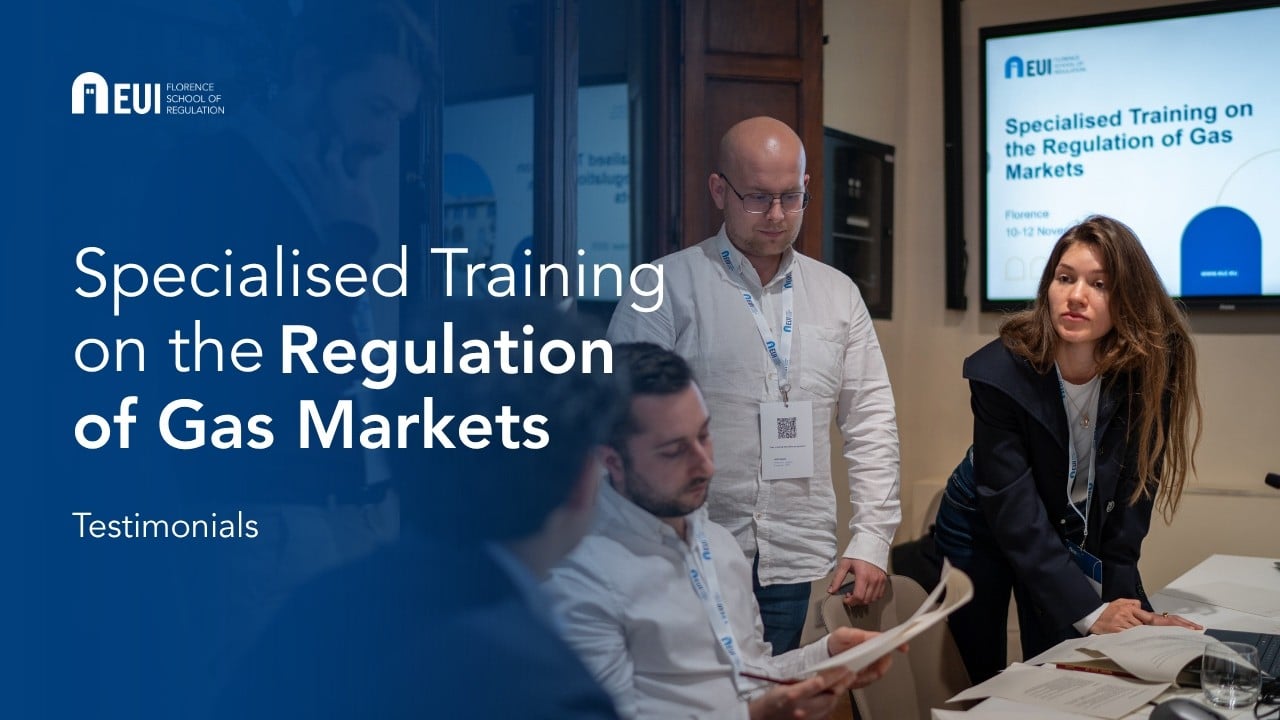
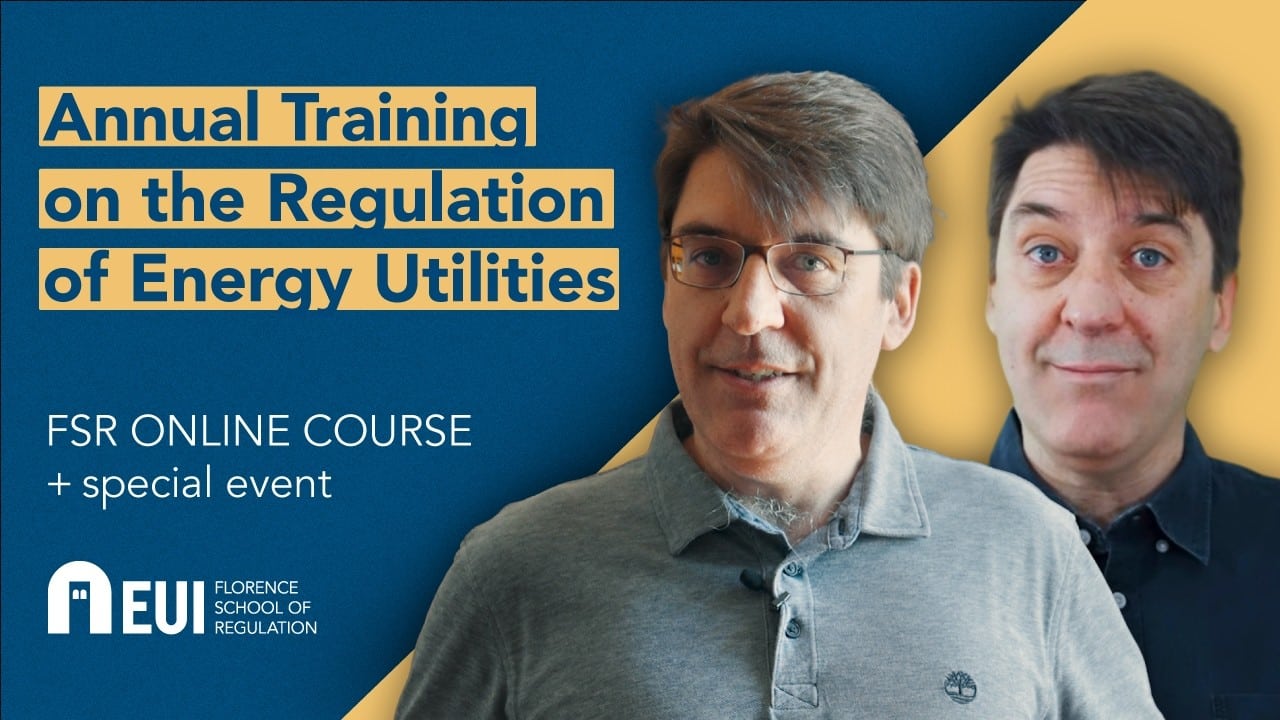
Sustainable Energy for All: a Conversation with Kandeh Yumkella
In the next episode of the FSR Conversations series, exceptionally hosted by Prof. Ignacio Perez-Arriaga (FSR, MIT), we will welcome Kandeh Yumkella, Sierra Leonean Agricultural economist, politician, and the former United Nations Under-Secretary-General and the Special Representative of the Secretary-General for Sustainable Energy for all, SE4ALL (Founding CEO).
Watch the recording:
Background
Agenda 2063 was adopted by the Heads of State and Governments of the African Union in 2015 and sets out a vision for “an integrated, prosperous and peaceful Africa, driven by its own citizens and representing a dynamic force in the international arena”. The ambitious vision is closely linked to the United Nations Sustainable Development Goal 7 that has targets to achieve universal access to energy, substantially increase the share of renewables as well as doubling the global rate of improvement in energy efficiency all by 2030.
Africa’s Policy makers are today faced with the persistent lack of access to electricity and clean cooking as well as the growing unreliability of electricity supply. Building on previous Pan-African initiatives, Agenda 2063 sets out clear goals, implementation plans and targets alongside elements of accountability. Agenda 2063 emphasizes the need to support regional power pools and help transition towards modern sources of energy. Energy-related targets contained in the framework for the first ten years include increasing access to electricity by at least 50% compared to 2013 levels and increasing the efficiency of household energy use by at least 30% before 2023.
What should Africa be doing next and how can it join forces with other countries to achieve its long-term goals?
This online event will focus on the experience in mobilizing the Sustainable Energy for All initiative globally and the present priorities for Africa.
Among the topics which will be discussed:
- The role and creation of SE4All. What are the current challenges? What has been accomplished?
- The energy sector in Africa and the cooperation between Africa and the EU. What should be the priorities?
- Capacity building in energy regulation in Africa. Needs, challenges, opportunities.
#FSRConversations
Hosts: Prof. Andris Piebalgs and Prof. Christopher Jones
Each month, the series of conversations will feature leading actors and policymakers of the European and global energy landscape, interviewed by FSR with the key role of our audience that will be enabled to submit questions in advance.
Don’t miss any update on our events
Sign up for free and access the latest events from our community.
Speakers
More on the topic

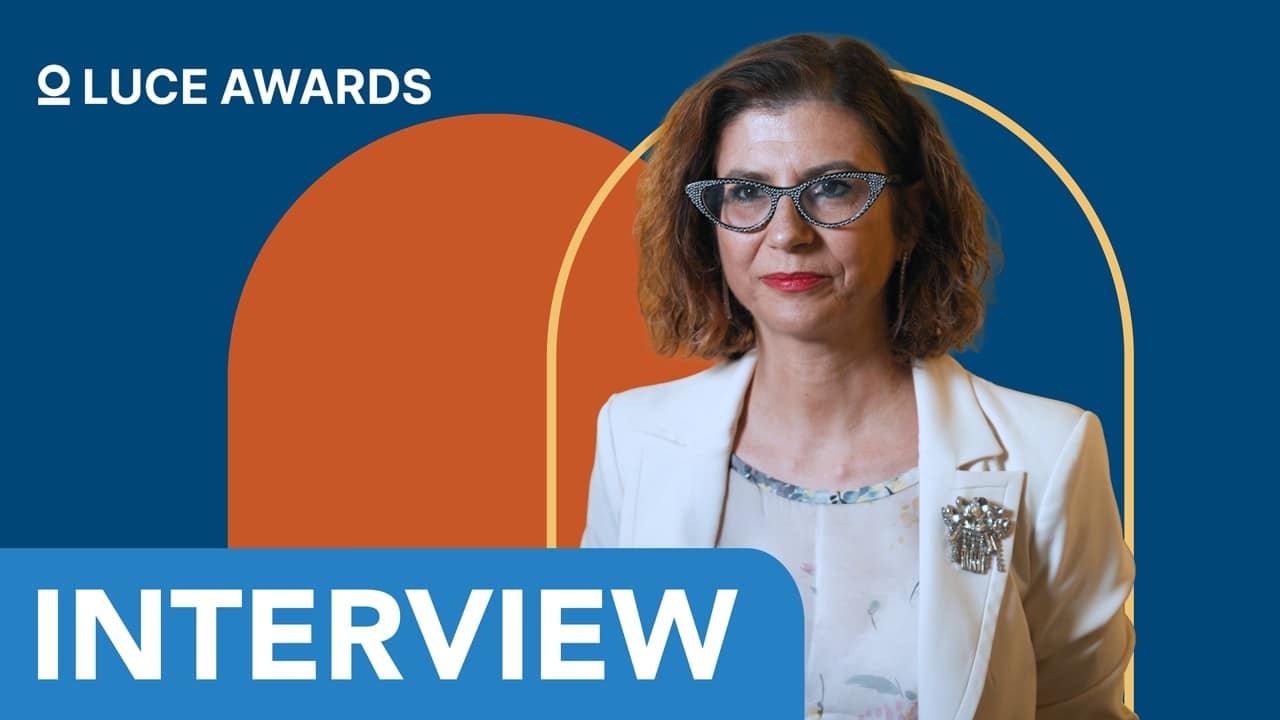
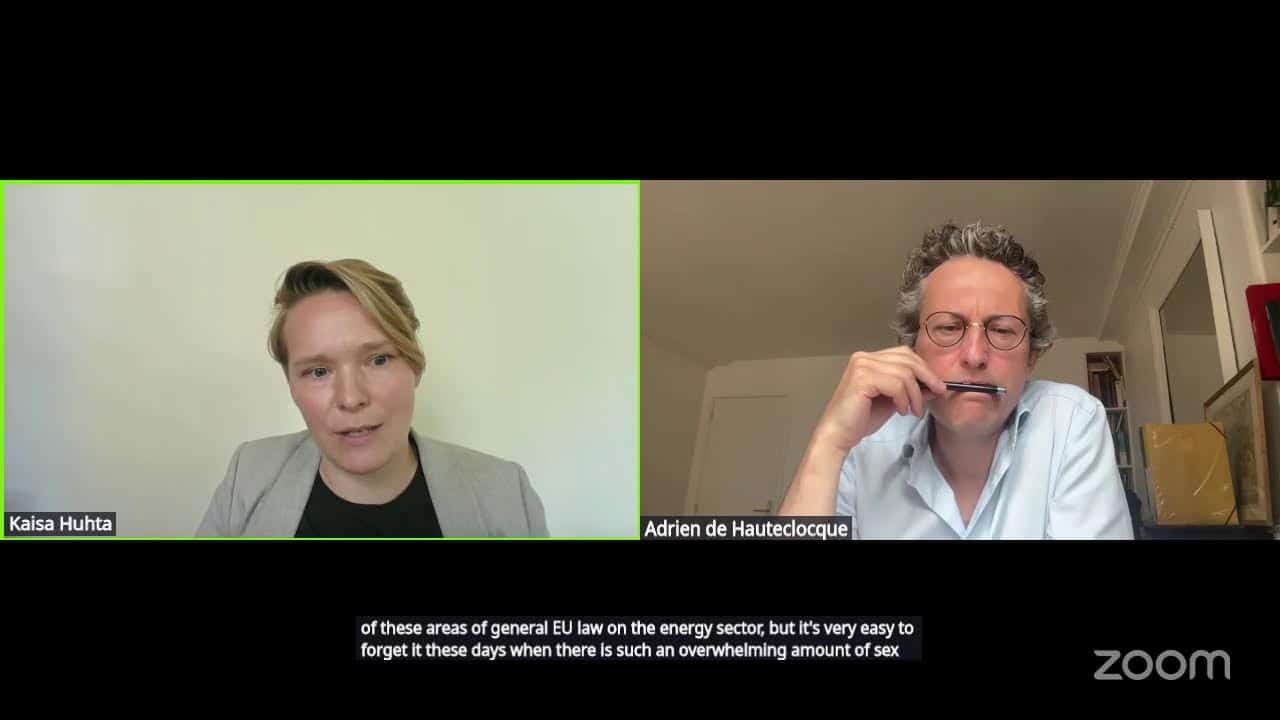
The role of Research and Innovation in the green recovery
Conversation with Hélène Chraye, Head of Unit ‘Clean Energy Transition’ at DG Research EC
Watch the recording:
Each month, the series of conversations will feature leading actors and policymakers of the European and global energy landscape, interviewed by FSR with the key role of our audience that will be enabled to submit questions in advance.
Don’t miss any update on our events
Sign up for free and access the latest events from our community.
More on the topic
From 40 to 55%: evolution or revolution? Conversation with K.D. Borchardt
In conversation with K.D. Borchardt
The European Commission proposes to increase the EU’s 2030 emissions reduction target from 40% to at least 55%.
Read the highlights
Watch the recording:
What does it mean for the energy sector? What needs to be done additionally to the adopted Clean Energy for all European Package? How COVID-19 pandemic could influence the pathway to this target?
We will discuss it with the Deputy Director-General, DG Energy, Klaus-Dieter Borchardt.
The 45′ event will be hosted by the FSR Professors Andris Piebalgs and Christopher Jones.
#FSRConversations
Hosts: Prof. Andris Piebalgs and Prof. Christopher Jones
Each month, the series of conversations will feature leading actors and policymakers of the European and global energy landscape, interviewed by FSR with the key role of our audience that will be enabled to submit questions in advance.
Learn more about the new FSR series
From September 2020, every Wednesday. All the events will be freely accessible upon registration. The events will take place on Zoom and on our social media channels.
Stay in touch
Sign up to our email list to get notified about our upcoming events.
Please contact Chiara Canestrini if you have suggestions for a future event of the series, or would like to partner with us.
Don’t miss any update on our events
Sign up for free and access the latest events from our community.
Speakers
More on the topic