




Archives: Events
Towards a global carbon market: how to ensure integrity and cooperation

As the world gathers in Belém, Brazil, for COP30, governments and stakeholders must accelerate the implementation of the Paris Agreement in this pivotal decade for climate action. Many countries are increasingly turning to domestic and international carbon credits under Article 6 of the Paris Agreement to achieve increased emission reductions. This growing engagement could foster a more integrated global carbon market, linking compliance and voluntary markets, emissions trading systems, and related pricing mechanisms.
This UNFCCC side event examines what is required to make such integration effective — from ensuring environmental integrity to strengthening social standards and cooperation. Speakers will reflect on lessons from the Clean Development Mechanism and from voluntary markets, discuss supply- and demand-side measures, and consider how diverse actors, including SMEs, can benefit from market participation under Articles 6.2 and 6.4.
The session is organised by the European University Institute (EUI), the International Carbon Action Partnership (ICAP), Tsinghua University, the Seoul International Law Academy (SILA), the World Union of Small and Medium Enterprises (WUSME), and the German Emissions Trading Association (BVEK) and brings together perspectives from academia, policy, and business to discuss how carbon markets can deliver real mitigation outcomes, broader participation, and sustainable development benefits.
Registered participants of the climate conference can follow the event via the COP30 Virtual Platform.
Programme
-
Welcome and Introduction
Jacopo Bencini (European University Institute – EUI) -
Scene-Setting Presentations
Chair: Jacopo Bencini (European University Institute – EUI)-
Stefano De Clara (International Carbon Action Partnership – ICAP)
-
Simone Borghesi (European University Institute – EUI)
-
-
Roundtable Discussion
Chair: Robert Tippmann (German Emissions Trading Association – BVEK)-
Yuyan Weng (Tsinghua University)
-
Barbara Terenzi (World Union of Small and Medium Enterprises – WUSME)
-
Suh-Yong Chung (Seoul International Law Academy – SILA)
-
-
Conclusion
Jacopo Bencini (European University Institute – EUI)
Don’t miss any update on our events
Sign up for free and access the latest events from our community.
More on the topic











ASEAN Delegation visit to the Florence School of Regulation

After the successful completion of the first ASEAN Summer School in Kuala Lumpur, the ASEAN Delegation is visiting FSR in Florence. During this three-day visit and through interactive sessions, strategic discussions, and peer-to-peer exchanges, the delegation will explore how key elements of FSR’s success can be adapted to the ASEAN context to shape the vision and future direction of the ASEAN School of Regulation based on the region’s specific needs and context.
The ASEAN Delegation Capacity Building Program to the Florence School of Regulation (FSR) at the European University Institute (EUI) forms part of the broader initiative to establish the ASEAN School of Regulation, a program co-funded by ETP and ESCAP. The program offers an immersive experience into FSR’s institutional architecture, pedagogical philosophy, and executive education model, all of which have positioned it as a global leader in regulatory training. FSR has a long standing experience in delivering capacity building programs for regulators covering energy, climate change and environmental sustainability issues. Globally, FSR has set up and been involved in various regulatory schools, including the African School of Regulation.
Building on FSR’s experience and expertise, the ASEAN School of Regulation aims to provide a dedicated regional platform for capacity building, peer learning, and regulatory excellence to support Southeast Asia’s energy transition. Scheduled from 5–7 November 2025 in Florence, Italy, the visit brings together 10–15 senior representatives from the ASEAN member states, the ASEAN Secretariat, and the ASEAN Centre for Energy (ACE) along with experts from ESCAP and the Southeast Asia Energy Transition Partnership (ETP).
The project team will also take this opportunity to conduct consultations with the policy makers from all ASEAN countries on the design and the future of the ASEAN School of Regulation.
Objective
- To learn from the Florence School of Regulation’s pedagogical model, curriculum design, and quality assurance mechanisms.
- To gain insight into FSR’s governance structure, institutional setup, and its role in supporting regional regulatory development.
- To inform the strategic development of the ASEAN School of Regulation, including its priorities, structure, and implementation pathways.
- To foster institutional connections between ASEAN regulators and the European University Institute.
- To explore opportunities for long-term collaboration in capacity building, research, and knowledge exchange.
- To promote peer learning and informal exchange among ASEAN regulatory leaders and FSR experts.




Don’t miss any update on our events
Sign up for free and access the latest events from our community.


Regional capacity markets in the EU: why and how?

Watch the recording of the online debate where experts discussed why and how to regionalize capacity markets in the EU:
The recent electricity market design reform has redefined the role of capacity mechanisms in the EU. No longer seen as temporary safeguards, these instruments now benefit from a streamlined State aid approval process. At the same time, an increasing number of Member States are considering introducing capacity markets in the coming years.
As capacity mechanisms become a key tool to drive investment and ensure security of supply, effective cross-border coordination will be essential. Such coordination can help avoid under- or over-procurement and direct investments toward the most cost-efficient locations across Europe. If capacity markets continue to expand and consolidate, the next step could be to integrate them regionally.
This debate will bring together representative of key EU institutions to discuss :
- What would be the benefits of integrating capacity markets across borders?
- How far can we go in capacity markets’ regionalisation?
- What are the main barriers – and potential solutions – to a regional approach?
Programme
Opening presentation
14.00-14.10 Presentation of the new FSR working paper: «Three steps to a regional capacity market in the EU»
Emma Menegatti | Florence School of Regulation
Panel Discussion and live polls
Moderator: Leonardo Meeus | Florence School of Regulation
Panelists :
Miriam Stallone | European Commission – DG ENER
Daniel Ihasz-Toth | ACER
Marco Foresti | ENTSO-E
14.10-14.25 What would be the benefits of integrating capacity markets across borders?
14.25-14.40 How far can we go in capacity markets’ regionalisation?
14.40-14.55 What are the main barriers – and potential solutions – to a regional approach?
Closing and additional questions
Leonardo Meeus | Florence School of Regulation
Presentations
-
Regional capacity markets in the EU
Emma Menegatti
Don’t miss any update on our events
Sign up for free and access the latest events from our community.

Towards highly developed and truly European ATM

The 22nd Florence Air Forum, ‘Towards highly developed and truly European ATM – bringing Europeans together by enabling all journeys’, will explore the future of Air Traffic Management in Europe, assessing SESAR’s achievements, remaining challenges, and the reforms needed to deliver a safer, more efficient, and sustainable Single European Sky.
The aviation industry is leading the technological revolution in transport, focusing on improved safety, efficiency, and sustainability. SESAR is the European Union’s flagship project for modernising Air Traffic Management (ATM), and since 2007, it has developed into a major innovation framework. It supports the Single European Sky strategy by uniting EU institutions, industry, and academia, aligning investment and priorities with nearly €4.8 billion in research funding and an additional €3 billion for deployment through the Connecting Europe Facility. Out of 137 SESAR solutions delivered, 70 have been implemented, improving arrival and departure procedures at busy airports, enhancing airport integration, and enabling more efficient upper airspace routing. SESAR has also tackled structural challenges by reducing technological fragmentation, promoting shared standards, and aligning national and industry priorities through the European ATM Master Plan.
Although SESAR’s evolution, the implementation of new ATM solutions faces delays, often because of structural weaknesses in the innovation process at key transition points. Air traffic in Europe is projected to increase 44% by 2050 from 2019 levels, reaching over 15.4 million IFR flights annually. This growth will introduce new airspace users like drones and electric vertical take-off aircraft, which in turn will necessitate changes in airspace design and coordination. At the same time, it is vital to ensure the EU’s technological sovereignty and safe airspace operations amid the current geopolitical instability and disruptions.
ATM modernisation relies on the goals established in the European ATM Master Plan to ensure Europe remains the most efficient and environmentally friendly airspace. SESAR has proven effective in facilitating coordinated innovation in air traffic management, overcoming barriers, and delivering performance and sustainability gains while reinforcing Europe’s autonomy and industrial leadership. Although reforms are needed, particularly for smoother development to deployment transitions and stronger industrialisation, these can be achieved with targeted enhancements. Alternative governance models may offer benefits but also pose high transition risks that could delay the rollout of the ATM Master Plan.
The 22nd Florence Air Forum aims to delve into the critical issues shaping the future of ATM, with the goal of bringing Europeans together by enabling all journeys. The Forum, co-organised by the Transport Area of the Florence School of Regulation together with the EC’s DG MOVE, will tackle the following questions:
- The Evaluation of the SES2+ Package: In which manner has the recent adoption of the SES2+ package NOT taken care of all the challenges facing European ATM? Which elements in the SES2+ package create the most severe implementation challenges? How can we use soft law in the implementation phase?
- The Future of European ATM: the New Service Delivery Model: How will the vision of the new service delivery model become a reality? What is the stakeholders’ desire to invest in this initiative?
- Organising SESAR: Stakeholder Engagement and Next Steps: Does the ATM community actually care how we organise the SESAR in the next planning period? How to best organise it?
Kindly note that this event is by invitation only.
Don’t miss any update on our events
Sign up for free and access the latest events from our community.




Leveraging the New Connecting Europe Facility to build EU hydrogen grid
This webinare explored how innovative EU financing tools can support the early development of a clean hydrogen infrastructure while limiting taxpayer costs.
Watch the recording:
In the framework of the Commission’s new MFF budget proposal for 2028-2035, the Commission has proposed a greatly increased budget for the Connecting Europe Facility, from the current €5.2 billion to almost €30 billion, together with an updated CEF framework. In addition, it has proposed a budget of €67.4 billion for ‘Clean Transition and Industrial Decarbonisation’ under the newly proposed Competitiveness Fund.
In parallel to this proposed greatly increased funding for Green Deal relevant infrastructure, the Commission proposes a major update on how the CEF will be spent. Instead of being limited to grants, it may also be spent “in the form of a budgetary guarantee or a financial instrument, including where combined with non-repayable support in a blending operation….exclusively provided through the ECF InvestEU Instrument or GE delivery mechanism”. This is an important development in EU funding.
The German Anticipatory Loan Guarantee Mechanism, which has been approved by the Commission under the State aid rules, provides the first concrete example of such a mechanism for hydrogen grids that need to be anticipatory in nature – being built today but for the demand of the future whilst still keeping transmission fees low in the short to medium term.
This webinar will explore how the EU can leverage innovative financing mechanisms under the CEF and other instruments to accelerate the development of a robust, integrated hydrogen network at limited cost for the taxpayer, but one that will facilitate the development of the clean hydrogen market.
-
Christoph von dem Bussche, Gasunie Deutschland
-
Catharina Sikow-Magny, Florence School of Regulation
-
Lucie Boost, Gas Infrastructure Europe
Don’t miss any update on our events
Sign up for free and access the latest events from our community.







Balancing carbon markets: design options and trade-offs in price-based supply adjustments
As the EU considers price-based mechanisms for its 2026 ETS reform, this online debate explored how such tools could enhance market stability and better align the carbon market with long-term climate goals.
Watch the recording:
As the EU Emissions Trading System (EU ETS) approaches its 2026 reform, attention is turning to how market tightness is managed. The current tool – the Market Stability Reserve (MSR) – relies on a quantity-based mechanism to adjust supply. While it has helped address historical surplus, its responsiveness and predictability are increasingly questioned as the market enters a phase of structural scarcity.
This online debate explores an alternative approach: introducing price-based mechanisms to manage supply-demand tightness in compliance carbon markets. The session will focus on the practical challenges of implementing such tools, drawing on operational precedents from other systems worldwide and a robust body of literature supporting their economic rationale.
By bringing together policymakers, researchers, and market practitioners, the debate aims to inform and contribute constructively to the ongoing EU ETS reform process. It will focus on how to fine tune a price-based mechanism to enhance market stability, transparency, and alignment with long-term decarbonisation goals. Specifically, the panel will discuss key design considerations for operationalising such a system (e.g., the number and trajectory of the price thresholds, intervention frequency and volume) and the trade-offs inherent in each design choice.
Programme
14:00 – 14:10 Introduction, context & insights
Simone Borghesi | Director of the Florence School of Regulation – Climate
Marie Raude | Research Assistant at FSR Climate
14:10 – 14:45 Panel debate
Florent Le Strat | Électricité de France (EDF)
Dallas Burtraw | Resources for the Future (RFF)
Jean-Yves Benoit |Quebec Ministry of the Environment – DG Carbon Regulation and Emissions Data
Hæge Fjellheim | Head of Carbon Analysis (Veyt)
14:45 – 15:00 Q&A with the audience and wrap-up
Presentations
-
Balancing carbon markets: design options and trade-offs in price-based supply adjustments
Marie Raude
-
Price Responsive Allowance Supply in North American Carbon Markets
Dallas Burtraw
-
Balancing carbon markets - Inputs by EDF R&D
Florent Le Strat
-
Balancing Supply and Demand in an ETS
Jean-Yves Benoit
Don’t miss any update on our events
Sign up for free and access the latest events from our community.
More on the topic
An overview of recent energy case law from the CJEU, November 2025

The FSR Law Area provided a comprehensive review of the most significant energy cases before the Court of Justice of the European Union in recent months. Kaisa Huhta (Part-Time Professor, FSR; Associate Professor, University of Eastern Finland) and Adrien de Hauteclocque (Part-Time Professor, FSR; Visiting Senior Fellow, LSE) will offer an expert analysis of the latest developments in case law.
Watch the recording:
Following the presentation, an interactive Q&A session was held, allowing attendees to engage directly with the experts and enhance their understanding of the topics discussed.
Below are the cases that were discussed:
Taxonomy
T-625/22 – Austria v Commission
T-579/22 – ClientEarth v Commission
T-583/22 – Fédération environnement durable and Others v Commission
ACER
T-95/23 – RWE Supply & Trading v ACER
T-96/23 – Uniper Global Commodities v ACER
T-342/23 – Aquind v ACER
T-600/23 – BNetzA v ACER
T-612/23 – Germany v ACER
State Aid
T-596/22 – PGI Spain and Others v Commission
C-59/23 – Austria v Commission (Centrale nucléaire Paks II)
The discussion also covered an overview of the most important pending cases.
Presentations
Don’t miss any update on our events
Sign up for free and access the latest events from our community.
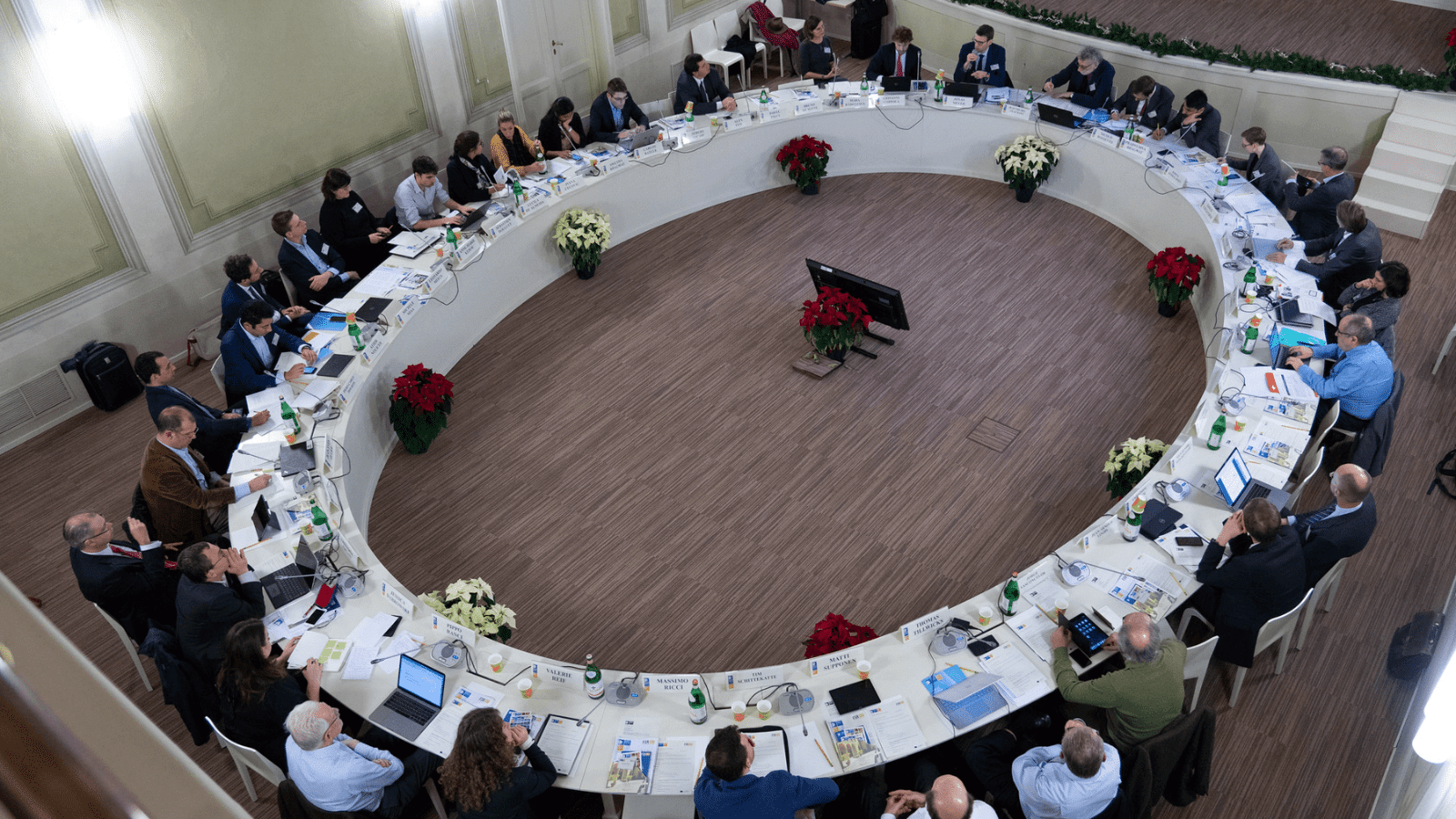
Net Zero Carbon Market Policy Dialogue 2025

The aim of the policy dialogue is to facilitate international carbon market cooperation between the EU and partner jurisdictions on key topics around net-zero regulation and integration of carbon markets. This dialogue will focus on the topic of carbon market integration, including direct linkages between compliance markets and indirect linkages via the Voluntary Carbon Market and the Paris Agreement Crediting Mechanisms. The discussion will consider recent insights from ex-ante and ex-post assessments of the EU ETS and other ETSs worldwide.
Participation is by invitation only.
14:00-14:05 | Welcome
14:05-14:30 | Takeaways from 2025 Ex-Ante Workshop and Ex-Post Conference
- Paul Ekins (UCL)
- Simone Borghesi (EUI, University of Siena, EAERE)
14:30-15:30 | A global carbon market: theoretical potential and practical barriers
- Rohini Pande (Yale University)
- Axel Michaelowa (Perspectives Climate Group)
- Federica Dossi (Carbon Market Watch)
15:30-15:40 | Coffee Break
15:40-16:40 | Implications of (re)linking the EU and UK ETS
- Charlie Lewis (UK DESNZ)
- Josh Burke (Grantham Research Institute on Climate Change and the Environment)
- Juan Fernando López (Climate Action Research and Tracking Service (CART), European Parliament)
Don’t miss any update on our events
Sign up for free and access the latest events from our community.
More on the topic
Water supply and sanitation regulation in the Danube Region

This is a specialised training on water supply and sanitation regulation in the Western Balkans.
The World Bank’s Danube Water Program and WAREG, the European association of water regulators, are pleased to co-organise a regional regulation workshop on water supply and sanitation (WSS) in the Western Balkans. Taking place from 25 to 26 September 2025 at the Robert Schuman Centre in Florence, this two-day event will bring together regulators and sector experts to present and discuss the findings of a comprehensive review on WSS regulation in the Western Balkans, developed for the upcoming Danube State of the Sector Report 2025.
The workshop will address key regulatory challenges and explore practical solutions for enhancing regulatory practices and tools, with regard to tariff setting, and efficiency and service quality monitoring. It will also focus on the latest EU legislative developments and their impacts on regulatory authorities in the WSS sector. The programme includes in-depth training sessions delivered in collaboration with the Florence School of Regulation, offering valuable learning opportunities for regulatory professionals from across the region.
Don’t miss any update on our events
Sign up for free and access the latest events from our community.
Energy Network for the Green Transition
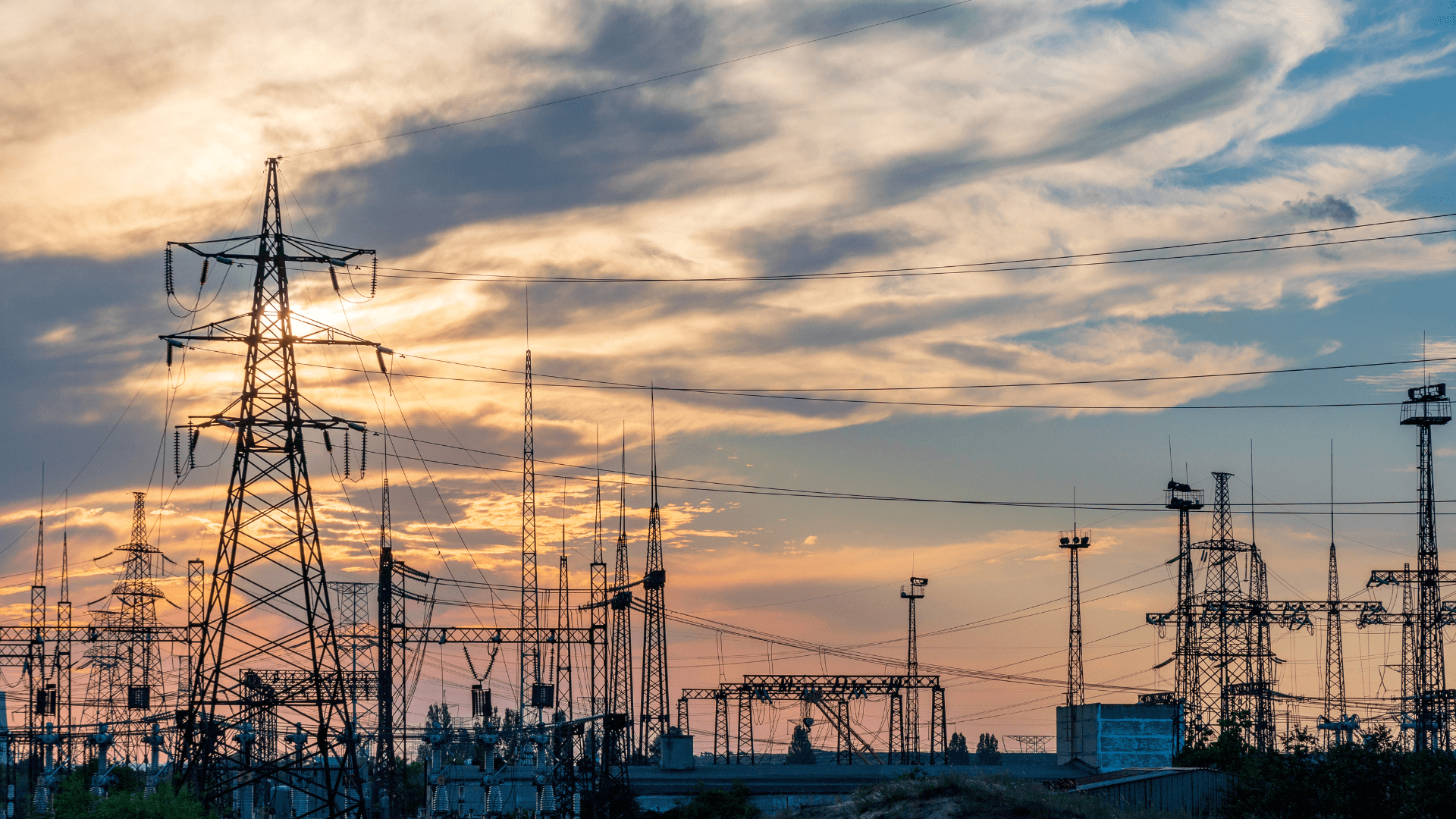
This Workshop will look at the opportunities for streamlining and simplifying the EU network regulatory framework, at the most effective approach to enable efficient anticipatory investments, and at the regualtory approaches to electricity interconnectors with third countries.
EU energy grids play an essential role in supporting market integration, promoting competition and enabling the increasing penetration of renewable energy sources (renewable-based electricity and renewable gases, including renewable hydrogen)[1]. Without investment in grid expansion, modernisation, digitalisation and flexibility, connection delays will increase, and renewables and electrification will stall. In May 2022, the Commission estimated that €584 billion in grid investments are needed before the end of this decade to meet the REPowerEU objectives.
Over the years, legislation has improved the framework for grid planning, development and operation. The 2013 Trans-European Networks for Energy (TEN-E) Regulation[2] established a new legal framework for cross-border energy infrastructure, replacing the 2006 bottom-up approach, by focussing on European planning – through the TYNDPs and the identification of Projects of Common Interest (PCIs) – and tools – such as regional cooperation, permitting streamlining and the cross-border cost allocation (CBCA) – to enable their implementation. Following a full evaluation in 2020, the TEN-E Regulation was revised in 2022[3] to be aligned with the European Green Deal’s objectives. The main changes concerned removing fossil gas from the scope, including hydrogen infrastructure in its scope, as well as a strengthened focus on offshore grids to facilitate achieving the offshore ambitions set out in the EU offshore renewable strategy[4]. The TEN-E framework now also includes Projects of Mutual Interest (PMIs) – cross-border projects with neighbouring non-EU countries – alongside the PCIs.
However, the evolving geopolitical context and risks and the increasingly ambitious energy and climate targets call for a reassessment of the regulatory framework applicable to energy grids. For this purpose, from May to August this year, the European Commission run a public consultation on the legal framework for European grids. The feedback received will feed into the Commission’s work on the European Grids Package, as part of the Competitiveness Compass[5] for the EU and the Clean Industrial Deal[6], which is foreseen for publication before the end of 2025. The key objective of the European Grids Package will be to help upgrade and expand grids to support rapid electrification and speed up permitting
Against this background, this Workshop will cover three aspects aimed at enhancing the legal framework and the role of European energy grids.
- Streamlining and simplifying the regulatory framework
Earlier in the year, the FSR published a Policy Brief on ‘Offshore wind energy in the North Seas: crafting collaboration and navigating governance’[7] and a Policy Paper on ‘Trans-European energy networks (TEN-E) – ideas for simplification in view of accelerating project implementation’[8], providing suggestions for the review of the TEN-E Regulation, by focussing on the main priorities at the top of the Commission’s agenda, namely simplification as well as competitiveness and affordability. Those suggestions were elaborated keeping in mind the urgency to invest in grids as well as the good track-record of the TEN-E policy framework.
The European Parliament recently adopted an own-initiative report on ‘Electricity Grids: the backbone of the EU energy system’[9] that highlights the critical role of modernising EU’s grid infrastructure for the EU’s energy transition and security. The report also: (a) emphases the importance of grid resilience, of enhancing the regulatory framework and financing, and the role of anticipatory investments; (b) underlines the importance of local-level distribution grids and calls for a dedicated framework for their planning and financing; and (c) recommends making grid planning more efficient, taking into account the needs of sector integration at transmission and distribution levels.
At the same time, despite several PCIs having been implemented in the past decade, ACER’s monitoring report[10] highlights delays, both in project preparation (technical studies, financing) and permitting procedures. It is therefore important and urgent to look at the planning and regulatory frameworks from the perspective of speeding up implementation. Whilst synergies can be built in certain areas – e.g. for scenarios underpinning modelling -, in other areas the differences between the well-meshed electricity grid and the green field nature of both hydrogen and CO2 networks should be acknowledged.
- Promoting efficiency in anticipatory investments
Anticipatory investments are forward-looking infrastructure investments based on identified medium- and long-term network needs. The lengthy timeframes traditionally required to develop grid projects might lead to significant delays in strengthening the energy networks and connecting new resources, which are instrumental to the energy transition, to the grid[11]. Therefore, now, more than ever, anticipatory investments are key not to delay the energy transition.
In June 2025, the Commission published a Notice on anticipatory investments for developing forward-looking electricity networks[12], to support Member States, national regulatory authorities and distribution and transmission system operators with recommendations for action in the whole process leading to a final investment decision. More specifically, the Notice covers and provides recommendations on a number of areas: (i) improvements in network planning to allow forward looking investment; (ii) the scrutiny regime for network development plans; (iii) allowing anticipatory investments while keeping electricity network tariffs and connection charges low; (iv) the regulatory scrutiny of network investments and incentives; (v) the perceived risks and risk mitigation strategies.
Previously, ACER and CEER published a Position Paper on anticipatory investment[13], highlighting, inter alia, that anticipatory approaches are already used in network planning in several Member States, that the regulatory treatment does not differentiate anticipatory investments from other investments, that planning activities help evaluating anticipatory investments and that there are limited coordination roles on anticipatory investments. The Position Paper also offered a number of recommendations.
- Enabling energy interconnectors with third countries
The growing difficulty in building the renewable-based generation, necessary to support the decarbonisation process of the industrial sector, within the European Union, highlights the need to consider the opportunity to expand the geographical scope for the location of such generation to non-European regions. These regions are typically characterised by a better endowment of space, wind and solar resources and are therefore capable of providing energy production at competitive prices in the future.
In this context, some electricity interconnection projects have already been launched – both under the regulated and unregulated regimes – between countries in the Mediterranean basin, aiming at a deeper energy sector integration. This process can generate significant benefits both for the economic development of third countries and for the achievement of the EU’s climate objectives.
The European regulatory framework, extremely mature and detailed when it comes to interconnections between Member States, is still incomplete and not always clear with regard to integration with third countries, especially when these are implemented as merchant initiatives.
Furthermore, the rules that have stratified since the start of the liberalisation process do not fully take into account the needs of possible unregulated investments made by private operators who base their financing model on the cost competitiveness of generation outside the EU. These investments require a clear and stable framework for access to the European electricity network, so as to ensure the possibility of using long-term contracts (over a decade) with potential off-takers, and avoiding the risk of not being able to honour them due to physical or regulatory limitations in accessing the EU markets.
In July 2025, the Florence School of Regulation published a Research Report[14] on this topic, proposing different regulatory schemes which might serve as a blueprint for the regulatory framework for electricity interconnectors with third countries.
To discuss these three topics, the Workshop will be structured in three sessions:
- Session I, in the morning, will look at the opportunities for streamlining and siplifying the TEN-E regulatory framework;
- Session II, also in the morning, will focus on the most effective approach to enable efficient anticipatory investments,
- Session III, in the afternoon, will discuss the regualtory approaches to electricity interconnectors with third countries outlined in the FSR Research Report.
Sustainability assessment
The FSR assesses the sustainability and carbon footprint of all its Workshops of the Regulatory Policy Workshop Series. This Workshop is run ‘in presence’ to promote more effective interaction and discussion. Participants travelling to Florence by car or by air will be encouraged to offset any carbon emissions related to their travel. It is considered that, in this way, a suitable balance is achieved between the effectiveness of the policy dialogue and the net carbon footprint of the event.
Gender equality statement of commitment
At FSR, we actively work to achieve gender-balanced representation at all of our events. As a platform that connects diverse voices and perspectives in the sector, we firmly value inclusive and gender-balanced panel debates and training courses.
Kindly note that this event is by invitation only.
- [1] Commission Staff Working Document implementing the Repower EU Action Plan: Investment Needs, Hydrogen Accelerator and Achieving the Bio-Methane Targets accompanying the document Communication from the Commission to the European Parliament, the European Council, the Council, the European Economic and Social Committee and the Committee of the Regions, REPowerEU Plan, Brussels, 18.5.2022, SWD(2022)230 final.
- [2] Regulation (EU) No 347/2013 of the European Parliament and of the Council of 17 April 2013 on guidelines for trans-European energy infrastructure and repealing Decision No 1364/2006/EC and amending Regulations (EC) No 713/2009, (EC) No 714/2009 and (EC) No 715/2009.
- [3] Regulation (EU) 2022/869 of the European Parliament and of the Council of 30 May 2022 on guidelines for trans-European energy infrastructure, amending Regulations (EC) No 715/2009, (EU) 2019/942 and (EU) 2019/943 and Directives 2009/73/EC and (EU) 2019/944, and repealing Regulation (EU) No 347/2013.
- [4] Communication from the Commission to the European Parliament, the Council, The European Economic and Social Committee and the Committee of the Regions, An EU Strategy to harness the potential of offshore renewable energy for a climate neutral future, Brussels, 19.11.2020, COM(2020) 741 final.
- [5] https://commission.europa.eu/topics/eu-competitiveness/competitiveness-compass_en.
- [6] https://commission.europa.eu/topics/eu-competitiveness/clean-industrial-deal_en.
- [7] Leonardo Meeus, Offshore wind energy in the North Seas: crafting collaboration and navigating governance, FSR Policy Brief, issue 2025/02, January 2025.
- [8] Catharina Sikow-Magny, Trans-European energy networks (TEN-E) – ideas for simplification in view of accelerating project implementation, FSR Policy Paper, RSC PP 2025/13, July 2025.
- [9] European Parliament resolution of 19 June 2025 on electricity grids: the backbone of the EU energy system (2025/2006(INI)), available at: https://www.europarl.europa.eu/doceo/document/TA-10-2025-0136_EN.html.
- [10] Consolidated report on the progress of electricity and gas Projects of Common Interest, 2022; electricity infrastructure development to support a competitive and sustainable energy system, 2024
- [11] For example, according to Wind Europe data, wind farms might have to wait as long as 9 years to get access to the network.
- [12] C(2025) 3291 final. This notice defines anticipatory investment as “as investments into grid infrastructure assets that proactively address network development needs beyond the ones corresponding to reinforcements relating to currently existing grid connection requests by generation or demand projects” (page 3).
- [13] ACER-CEER, Position on anticipatory investments, March 2024, available at: https://www.ceer.eu/wp-content/uploads/2024/04/ACER-CEER-Position-on-Anticipatory-Invesments.pdf.
- [14] Alberto Pototschnig and Leonardo Meeus, The regulatory regime applicable to electricity interconnectors with third countries, Research Project Report, Florence School of Regulation, July 2025, available at: https://cadmus.eui.eu/server/api/core/bitstreams/bd9cf077-70df-4d45-95ff-cf8cd56b8e63/content.
Don’t miss any update on our events
Sign up for free and access the latest events from our community.
Introduction to REMIT – Online Workshop

In this workshop, participants will explore the main concepts of the Regulation on Wholesale Energy Market Integrity and Transparency (REMIT) and their significance in ensuring fair and transparent wholesale energy markets. The programme will cover key topics, including the purpose, scope, and actors of REMIT, the concept of inside information and the prohibition of insider trading and market manipulation, with examples of manipulative practices. The main obligations established by REMIT on market participants and persons professionally arranging and executing transactions (PPAETs) will also be discussed. Through engaging discussions and practical insights, attendees will deepen their knowledge of the basics of market integrity and transparency principles and regulatory compliance.
The workshop is organised in the context of the training course REMIT and its implementation, but it’s also open to external participants. For the course participants, attendance at the workshop is optional and is included in the course fee.
Programme
9.15 – 9.30 Introduction to the workshop
Alberto Pototschnig | FSR
9.30 – 10.30 Introduction to REMIT: purpose, scope and actors
Alberto Pototschnig | FSR
10.30 – 10.45 Coffee break
10.45 – 11.45 Insider trading
Sofia Nicolai | FSR
11.45 – 12.00 Q&A
12.00 – 13.00 Lunch break
13.00 – 14.00 Market manipulation
Alberto Pototschnig | FSR
14.00 – 14.15 Coffee break
14.15 – 15.15 Introduction to REMIT obligations
Sofia Nicolai | FSR
Register by: 1 November 2026
10% discount available to all registrations completed by 1 September 2026!
Workshop fees:
- General fee: 300 EUR
- Associate donors fee (10%): 270 EUR
- Major donors fee (20%): 240 EUR
-
Star donors fee (25%): 225 EUR
Learn more about the FSR-ACER residential course REMIT and its implementation in Florence, which covers the scope of the EU Regulation on Wholesale Energy Market Integrity and Transparency (REMIT) and the way in which it is implemented.
Don’t miss any update on our events
Sign up for free and access the latest events from our community.
Improving Climate Policies through Better Assessment and Public Acceptance Inclusion
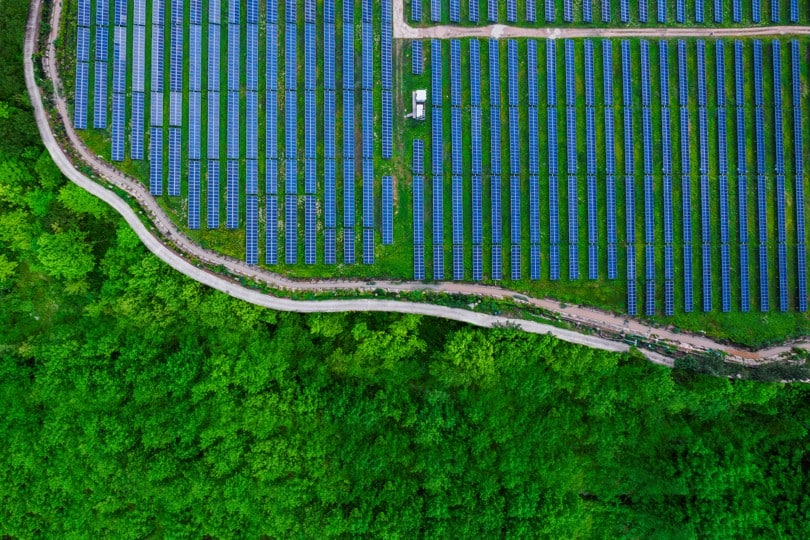
Achieving climate neutrality in the EU and globally requires ambitious and effective climate targets and the ability to implement widely accepted policies. The road to net-zero is hindered by fragmented policymaking, uneven public support, and limited tools to assess climate action’s broader social and political implications. Many existing assessments focus narrowly on effectiveness, overlooking critical dimensions like feasibility and public perception.
In this context, the Horizon Europe project CAPABLE aims to provide recommendations for designing socially and economically acceptable climate policy measures for 2030 and beyond. CAPABLE draws on economics, sociology, political science and psychology to capture climate policy’s multidimensional outcomes and implications.
This CAPABLE capacity-building workshop will share project findings for effective and acceptable climate policies at the European level. Organised online by the European University Institute (EUI) with contributions from leading experts in the CAPABLE consortium, it will focus on climate policies, their effectiveness and their acceptability. The lectures will be complemented with extensive question-and-answer sessions and some testimonials from practitioners.
Target audience:
Policymakers from EU institutions, national ministries, environmental agencies, industry executives, consultants, researchers and NGOs.
Learning outcomes:
- Assess the effectiveness of the current and future EU climate policies
- Grasp the potential and limits of different policy assessment methods
- Understand determinants and factors that influence the acceptability of climate policies, and propose policy design features to make policies acceptable
- Have an overview of the acceptability of newly implemented and potential climate policies, including the Fit for 55
Draft programme:
09:00 – 09:10 | Welcome & Introduction
09:10 – 10:40 | Module 1: EU Climate Policies and Their Effectiveness
- Introduction to EU Climate Policies (Simone Borghesi, EUI)
- Policy Assessment: What Works? (Kai Lessmann and Jan Minx, PIK and Marie Raude, EUI)
10:40 – 10:55 | Coffee Break
10:55 – 12:20 | Module 2: Acceptability of Climate Policies
- Determinants of Public Acceptance of Climate Policies: A Multi-disciplinary Overview (Mary Sanford, CMCC/EIEE)
- Social Acceptability and Feasibility of Fit-For-55 Policies (Keith Smith, ETH)
12:20 – 12:45 | Testimonial on science for European climate policies
- Vicky Pollard, DG Climate Action, European Commission
12:45 – 12:50 | Conclusions
A second capacity-building workshop is scheduled on Thursday 27 November afternoon with a focus on climate policies at the local level. Click here to learn more about it.
This project has received funding from the European Union’s Horizon Europe research and innovation programme under grant agreement No 101056891.
Don’t miss any update on our events
Sign up for free and access the latest events from our community.
More on the topic