




Archives: Events
EU ETS: empirical evidence and lessons learnt

In this online debate, the FSR climate team will dive deep into their key takeaways from their research on the EU ETS, looking at the empirical evidence and lessons learnt after thirteen years.
As part of the LIFE SIDE project, the FSR Climate team of the European University Institute has conducted a literature-based assessment of the EU ETS which focuses on the following topic areas:
- free allocation, competitiveness effects and carbon leakage;
- interactions with other policies;
- low-carbon innovation and investment;
- the international dimension. In this online debate, some of the conclusions of the assessment are discussed with two EU ETS experts.
The audience will have the opportunity to pose questions to the speakers.
Moderator:
Simone Borghesi, Director, FSR Climate
Speakers:
- Jos Delbeke, Senior Adviser for Relations with the European University Institute, European Political Strategy Centre, European Commission
- Frank Venmans | University of Mons and Grantham Research Institute
Jos Delbeke (1954, Belgium) has been the Director-General of the European Commission’s DG Climate Action since its creation in 2010. As of 16 March 2018, he was appointed Senior Adviser for Relations with the European University Institute, European Political Strategy Centre. He joined the European Commission in 1986. He was very involved in setting the EU’s climate and energy targets for 2020 and 2030, and the adoption of the related legislation by the EU Council and Parliament. Mr Delbeke has been a key player in developing EU legislation on cars and fuels, the Emissions Trading System (ETS), air quality, emissions from big industrial installations and chemicals (REACH). As an economist, he always underlined the role of market-based instruments and of cost-benefit analysis in the field of the environment. For several years Mr Delbeke has been responsible for developing Europe’s International Climate Change strategy and he was for many years the European Commission’s chief negotiator at the UNFCCC Conference of the Parties. He holds a PhD in Economics (Louvain, 1986) and worked in 1985 at the International Monetary Fund (Washington DC, USA). As of 2013 he is lecturing at the University of Louvain (Belgium) on European and international environmental policy.
Frank Venmans is Assistant Professor at the Microeconomics Department of the University of Mons and President of the Expert Committee on Climate Change for the Government of Wallonia (Belgium).He has a Master in Bio-engineering from the University of Ghent and an MSc in Economics and Management from the University of Mons (Belgium). He was a Visiting Research Student at the LSE in 2013-2014. Conducting a multi-criteria analysis of the EU Emission Trading Scheme, he finished his PhD in 2013.
Don’t miss any update on our events
Sign up for free and access the latest events from our community.
More on the topic







The role of LNG in the energy transition

This online debate looks beyond the only renewable gas and explores the role of LNG in the energy transition. What will be the role of LNG globally and what impact will it have on the EU gas market in the next 20 years?
The current debate in the EU is more and more focusing on biogas, biomethane and other “green gases” as enablers of the energy transition for the EU gas sector towards full decarbonisation.
On the other hand, the intermittent nature of renewable electricity production and the current immaturity of the technology which is expected to support this energy transition, oblige to a reflection on the role of “conventional” gas at this stage and for the next 20-25 years.
Furthermore, gas, shale gas and even coal still constitute a great share of the global energy mix and very much steer global energy policy dynamics. In several non-EU countries indeed, consumption of conventional gas is expected to increase in the next years (See recent IEA World Energy Outlook)
- To what extent can we neglect the role of conventional gas in this context?
- What are the possible options at stake as to ensure a real smooth energy transition?
- Is the cost of keeping conventional gas in the energy mix a sustainable cost?
Speakers:
- Christopher Jones, FSR Part-time Professor
- Peter Fraser (IEA)
- Jacques Rottenberg, Elengy/GLE
- Bernard Vanheule, IOGP
Moderator:
- Ilaria Conti, Head of FSR Gas
Don’t miss any update on our events
Sign up for free and access the latest events from our community.
More on the topic

6th EU-India Smart Grid Workshop
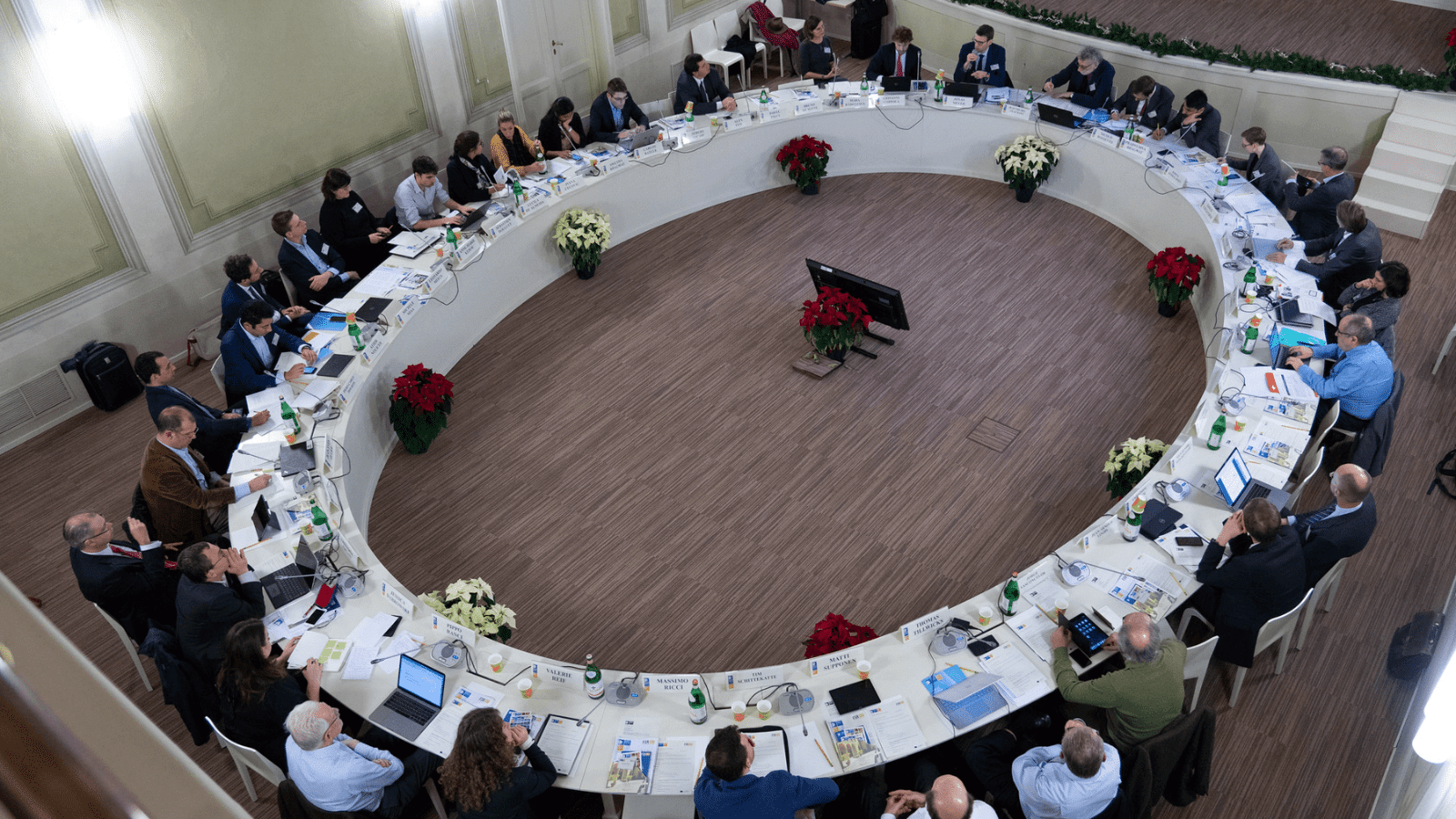
The Florence School of Regulation is pleased to host the 6th EU-India Smart Grids Workshop from 19 to 22 November 2018.
The workshop will welcome high-level dignitaries from Indian central and state regulators and DSOs for open discussions on smart grids, which were singled out as a priority area of cooperation in the frame of the EU – India Clean Energy and Climate Partnership, adopted at the 2016 EU-India Summit in Brussels.
To cement the continued exchanges between the EU and India on smart grids further, the first work programme of the Clean Energy and Climate Partnership was later launched at the EU-India Energy Panel meeting on 26 October 2016. At the 2017 EU-India Summit in Delhi, a statement on Clean Energy and Climate confirmed the importance of continued cooperation on smart grids development and deployment.
The first two days of the workshop will focus on existing India-EU energy programs and topical issues related to electric vehicles and energy storage including charging infrastructure, vehicle to grid, business models, interoperability, standardisation and grid integration.
The third day of the workshop, led by the FSR, will be dedicated to a roundtable discussion to allow EU and Indian delegates to engage on the topic of ‘Regulation for cost-effective integration of large shares of renewable energy’.
The programme will follow.
Don’t miss any update on our events
Sign up for free and access the latest events from our community.




Low-carbon innovation and investment in the EU ETS

This online debate by FSR Climate will explore low-carbon innovation and investment in the EU ETS and beyond.
Moderator:
Simone Borghesi, Director, FSR Climate (European University Institute)
Speakers:
- Gregory Nemet, Professor, La Follette School of Public Affairs, University of Wisconsin–Madison
- Karsten Neuhoff, Head of Department for Climate Policy, German Institute for Economic Research (DIW Berlin)
The objective of the European Emission Trading System (EU ETS) is “to promote reductions of greenhouse gas emissions in a cost-effective and economically efficient manner” (European Parliament and Council, 2009).
If static (or short-term) efficiency is almost a natural feature of cap-and-trade schemes like the EU ETS, dynamic (or long-term) efficiency depends on the ability of the system to promote and sustain innovation and diffusion of low-carbon technologies.
For this to happen, significant carbon price levels are a necessary condition, but equally important are the stability of the EU ETS and low price volatility of allowances. Moreover, climate finance can play a significant role in supporting innovation and green investments.
The reform of the EU ETS for Phase IV introduces the Innovation Fund (IF), which will be an enhanced version of the NER 300. The scope of the IF programme will be wider compared to that of NER 300, both in terms of the resources made available and in terms of the range of eligible beneficiaries.
Outside the EU ETS, climate finance plays a very important role and a framework aligning financial institutions with the long-term climate goals is taking shape. The European Investment Bank Group guided by EU policy, including the commitments to the Paris Agreement and to the United Nations Sustainable Development Goals, fosters sustainable growth within the EU and abroad. The EIB inaugurated the green bond market in 2007 and is the largest issuer to date with more than EUR 21 bn with allocations to 160 renewable energy and energy efficiency projects all over the world.
Participation is free of charge but registration is required.
This debate is carried out under the LIFE SIDE project aiming at supporting European policy-makers with the design and implementation of the new EU ETS legislation.
More information about the event and the speakers can be found here.
Don’t miss any update on our events
Sign up for free and access the latest events from our community.
More on the topic
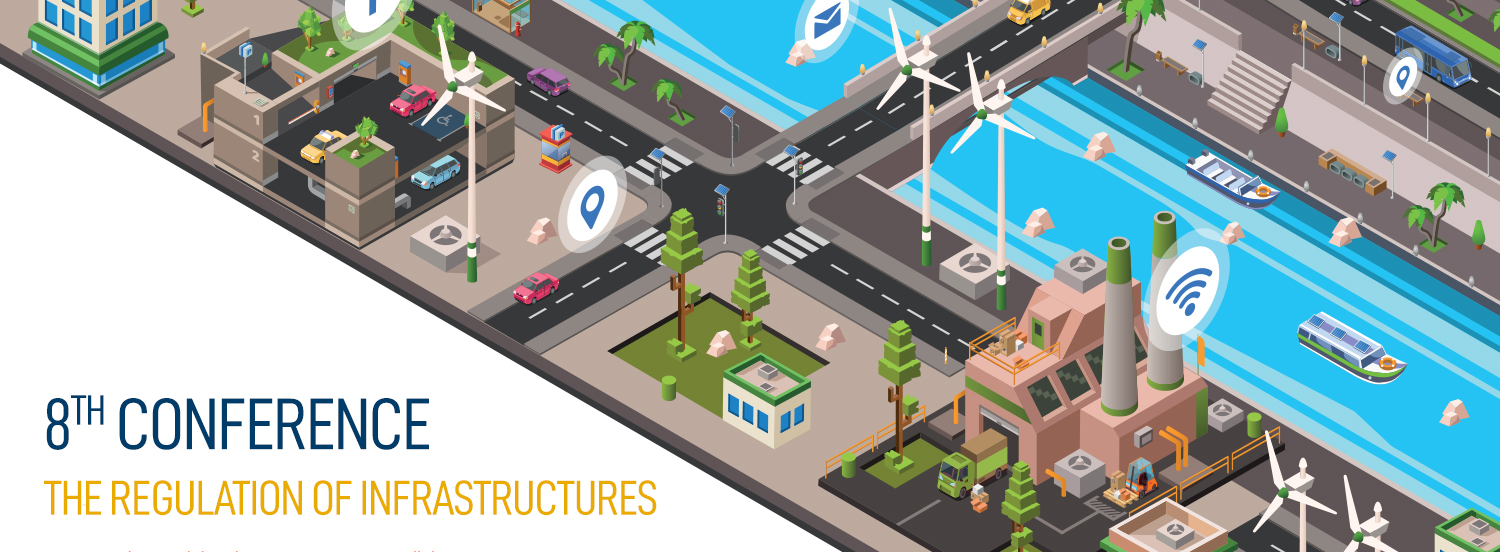
8th Conference on the Regulation of Infrastructures: Digitalisation in network industries
Watch the recordings
Watch the interviews
The Conference on the Regulation of Infrastructures is the annual event that brings together all the Areas of the Florence School of Regulation. This 8th edition aims to identify the key challenges of digitalisation for traditional network industries; discover various regulatory approaches to platforms and determine benefit scenarios for consumers and to the platforms itself.
Don’t miss any update on our events
Sign up for free and access the latest events from our community.
Clean Transport

Ahead of the yearly UN Climate Change Conference in Katowice, the Florence School of Regulation is organising a workshop to brainstorm on how new forms of clean transport can contribute to the global transition to a low-carbon economy and, at the same time, address local issues of mobility and pollution.
Transport represents a major challenge for the European Union. As the population increasingly concentrates in urban areas, the need for more efficient and less polluting ways to move people and goods becomes urgent. Moreover, transportation has to evolve to contribute to the decarbonisation of our economies by the middle of this century. The electrification of cars and other vehicles is a promising option. However, market players, grid companies and public authorities must be aware of the far-reaching consequences that electromobility implies for the organisation and dynamics of electricity markets and systems.
The morning session of the workshop will address clean transport from the point of view of cities and companies offering mobility solutions. In the afternoon, the focus will move to the interactions between electromobility and the electricity system. Indeed, the deployment of millions of EVs poses both risks and opportunities that power generators, final consumers and grid operators will have to deal with.
The workshop is open to FSR donors, national regulatory authorities, EU institutions and national governments. Requests from others will be assessed on a case by case basis due to the limited seats available.
Don’t miss any update on our events
Sign up for free and access the latest events from our community.
Zonal vs Nodal Pricing
This workshop aims to map out the pros and cons of implementing nodal pricing for the electricity sector in Europe, referring to the relevant international experience.
The geographical structure of the EU electricity market has been widely discussed in recent years. Its less-than-optimal configuration is becoming a limiting factor for the efficiency of the market integration process. The EU electricity sector suffers from high levels of Unscheduled Flows (UFs), which are partly due to the suboptimal geographical (zonal) configuration of the market. It is also likely that the increasing penetration of variable renewable-based generation will increase the level of UFs.
Consideration should be given to whether Europe should move from a zonal market structure to a nodal pricing structure, as this would avoid UFs by design. However, such pricing might pose other challenges.
The Workshop will be structured in two sessions:
- Session I will review the experience with the implementation of nodal pricing for the electricity market, including its impact on market price and basis risk hedging and liquidity;
- Session II will use the results of the first session to discuss the benefits of moving the EU electricity market design towards a nodal price structure, as well as the associated challenges.
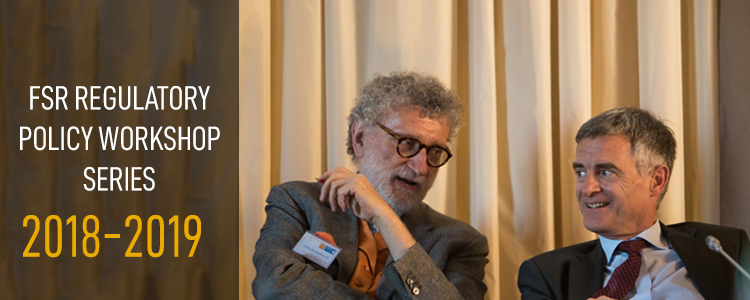
This workshop is a part of the FSR Regulatory Policy Workshop Series 2018-2019 and is exclusively open to national regulators, representatives from public bodies and associate & major donors of the FSR Energy area.
Don’t miss any update on our events
Sign up for free and access the latest events from our community.
More on the topic

LIFE SIDE project Final Conference

This is the final conference of the LIFE SIDE project. The event will provide the opportunity to present the conclusions of a literature-based report assessing the performance of the EU ETS and to discuss some of the most important issues of the EU ETS post-2020. The conference will gather an audience of high-level policymakers and stakeholders, including representatives from European institutions, the industrial sector, NGOs and academia. After the presentation of the report’s conclusions, three sessions will be dedicated to the following topic areas in relation to the EU ETS post-2020: low-carbon innovation, interactions with other policies, and the international dimension. A short session will also be dedicated to the replicability of the LIFE SIDE project in other world regions with nascent cap-and-trade systems similar to the EU ETS.

The LIFE SIDE project is co-funded by the LIFE Programme of the European Commission
Don’t miss any update on our events
Sign up for free and access the latest events from our community.
More on the topic
Energy Regulation in Latin America
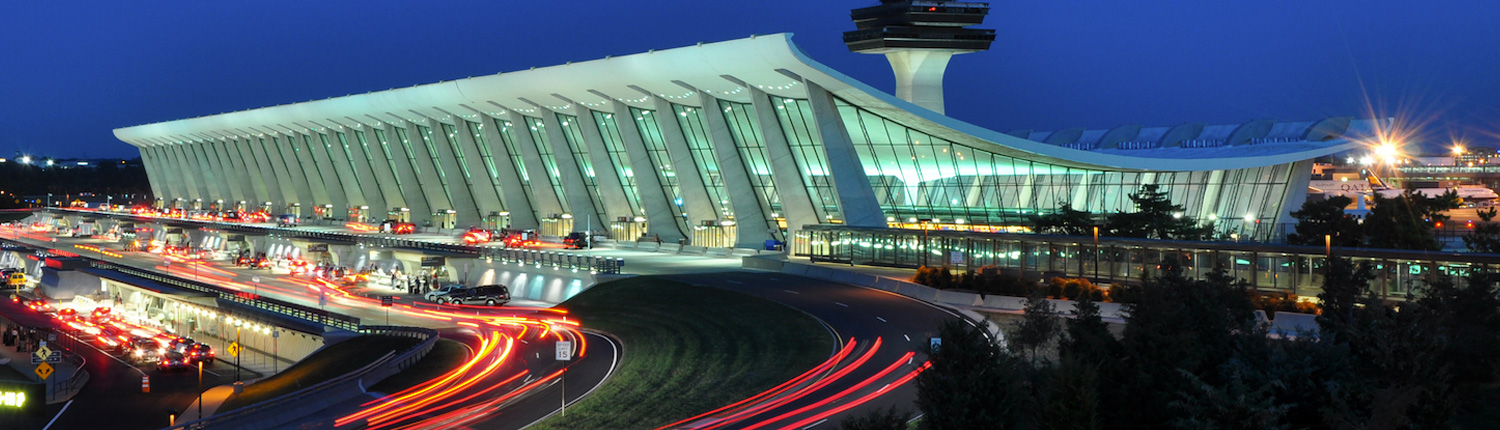
The Florence School of Regulation (FSR) is collaborating with the Inter-American Development Bank (IDB) to initiate the dialogue on the need for state-of-the-art regulation in Latin America times of rapid innovation.
The objective of this workshop is to understand what are the key challenges that regulatory authorities are currently facing in LAC and what are the challenges expected for the next 15 years. How the IDB may help to build regulatory knowledge to promote an efficient transition to sustainable and accessible energy industry.
At the workshop, FSR will kick start with an opening panel on ‘Utilities of the future, regulatory challenges and innovative tools’. The panel will discuss why any regulation in Latin America is needed in the future when business models and innovation is shifting the old energy world as we know it, what are the emerging business models in this transitory phase, how can regulators prepare themselves to ride the new wave and experiences from the Californian regulator on their journey so far.
The panel:
- Jean-Michel Glachant, Director FSR
- Ignacio Perez Arriaga, Director Research FSR & Professor at MIT
- Norman Bay, Ex-Director Federal Energy Regulatory Commission (FERC)
- Andrew McAllister, Commissioner of California Energy Commission
As part of this initiative, FSR is preparing a research report presenting the recent disruptions that the energy sector faces and the current developments that address these challenging new times. Inputs from the workshop will be incorporated into the report which will be published in December 2018.
Don’t miss any update on our events
Sign up for free and access the latest events from our community.

Policy Advisory Council
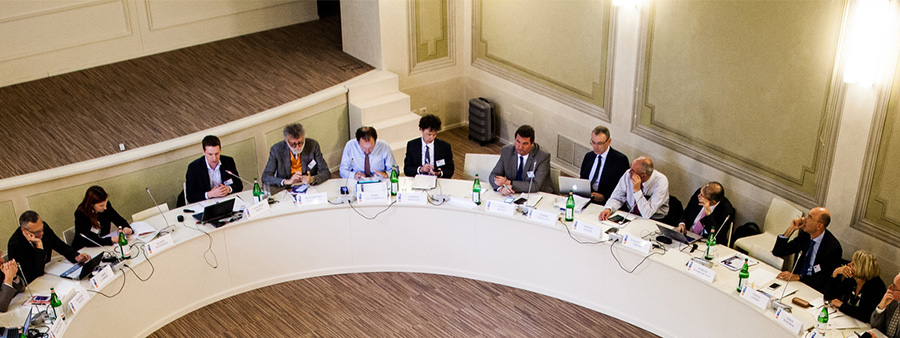
The Policy Advisory Council discusses the most topical regulatory and policy issues, as well as debating the relevance and robustness of the latest FSR research findings.
The meeting gathers renowned academics, experts from the FSR-Energy Major Donors, the European Commission, the Agency for the Cooperation of Energy Regulators (ACER) and National Regulatory Authorities.
The event will address the following topics:
Day 1: Electricity
- Session 1: Capacity mechanisms
- Session 2: Distribution grid tariffs and levies
Day 2: Gas
- Session 1: Gas transmission tariffs
- Session 2: Sector Coupling
Please note this is a closed event and participation is by invitation only.
Don’t miss any update on our events
Sign up for free and access the latest events from our community.
Methane Emissions in the Gas Sector
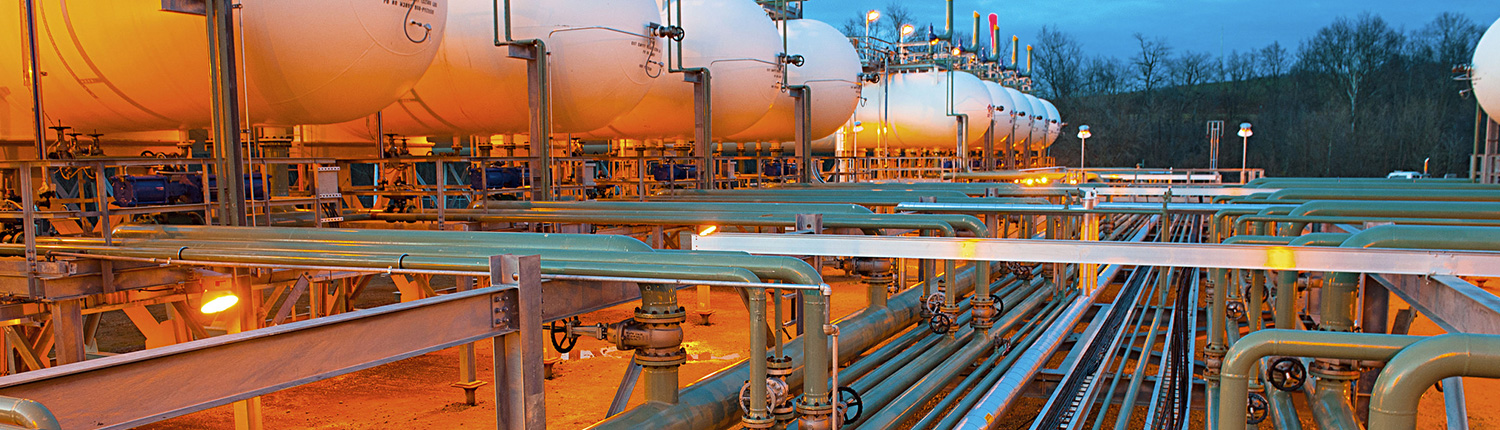
Examine the challenges and opportunities of moving down the road towards net zero methane emissions in the gas sector during the FSR Policy workshop, organised in cooperation with Gas Infrastructure Europe (GIE).
For a long period of time, the problem of methane emissions in the oil and gas sector was mainly a non-European issue. However, recent studies revealing that the level of methane emissions could be higher than previously assumed triggered a series of discussions. As a result, the challenge has been officially recognised and the European Commission is working on the EU methane emission strategy, which is expected to be published this fall.
During the workshop, we will look into the dynamics of the emissions reduction and will examine what type of regulatory measures complementing the voluntary industry initiatives are needed in the EU to tackle the problem.
The workshop is divided into two sessions:
- Session 1: Is the reduction of emissions in gas sector the low hanging fruit of climate change mitigation?
- Session 2: Is there a need for more regulation?
Don’t miss any update on our events
Sign up for free and access the latest events from our community.
More on the topic
Bioenergy research and innovation
This webinar by the FSR Energy Innovation Area will explore whether bioenergy still an emerging area in research and innovation.
Watch the recording:
There is much evidence that bioenergy research and its learning pathways are closely linked to the scientific achievements in molecular biology and related fields. In fact, scientific collaboration among countries is still increasing, combining traditional knowledge areas, like anaerobic fermentation with emerging research fields like synthetic biology, algae and the current use of molecular biology to develop microorganisms.
However, innovation demands the articulation of many layers, including decisions related to environmental concerns and logistics, and the most relevant of all, the competition from other energy areas.
Speakers:
- Jose Maria Silveira (Unicamp)
- Miguel Vazquez (FSR Energy Innovation Area)
Questions to discuss:
Why does it seem that the technological advances in bioenergy are not enough to spur innovation? Lack of scientific knowledge, the emergence of new challenges in scaling up, the efficiency of engines to use advanced fuels or the lack of willingness to pay for reducing environmental impacts?
What is the role of new emerging alternative energy sources?
What is the role of national policies and how new networks be generated between stakeholders aiming to reduce environmental impacts and simultaneously improve wellbeing?
Finally, what is the role of country specificity to bring together all the different aspects of the bioenergy evolution? Should Brazil keep investing in bioenergy research? Can scientific cooperation provide complementary knowledge to “isolated countries” or does the interest of technology developers play a key role in those processes?
About the speakers:
José Maria F. J. da Silveira
Agronomist, Phd in Economics (Unicamp), Full professor in microeconomics and economic of innovation at State University of Campinas, Researcher of the National Council of Scientific Development- CNPQ and member of the board of International Consortium of Applied Bieconomy Research- ICABR. Major interest areas: innovation in agriculture and agribusiness, agribusiness chain value, bioenergy, social networks and agent-based modeling. Articles published in Research Policy, Scientometrics, Economics Bulletin, International Journal of Entrepreneurship and Small Business, among other indexed journals.
Miguel Vazquez
Miguel Vazquez is the Head of the FSR Energy Innovation Area. Visit his profile here.
Don’t miss any update on our events
Sign up for free and access the latest events from our community.
More on the topic