



Type of event: Workshop
2019 Policy Advisory Council – FSR Energy

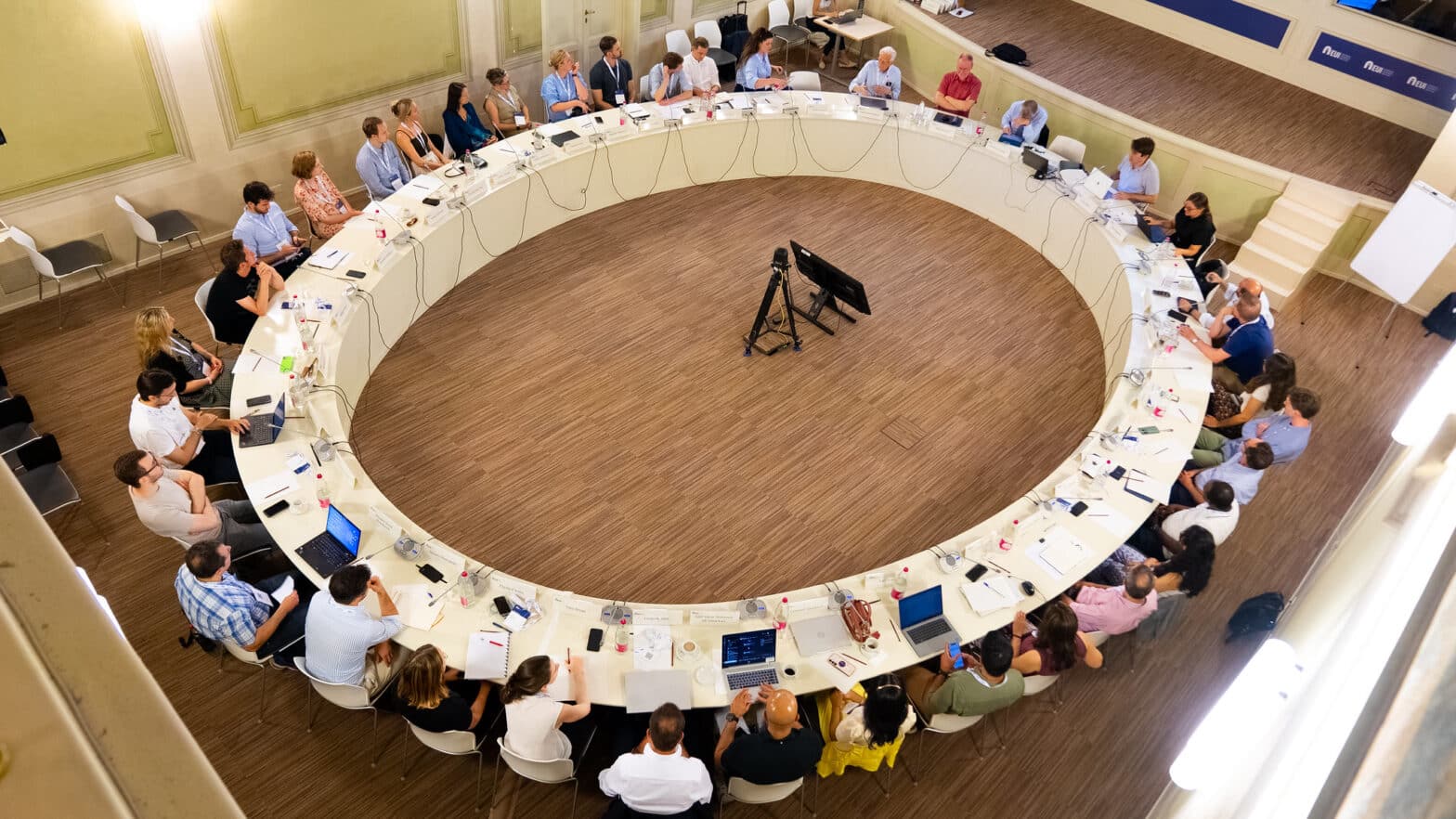
The Policy Advisory Council discusses the most topical regulatory and policy issues, as well as debating the relevance and robustness of the latest FSR research findings.
The meeting gathers renowned academics, experts from the FSR-Energy Major Donors, the European Commission, the Agency for the Cooperation of Energy Regulators (ACER) and National Regulatory Authorities.
The Policy Advisory Council is structured as follows:
Day 1
- Session 1: New business models in the electricity sector
- Session 2: Flexibility procurement for distribution grids
- Session 3: The future of RES communities
Day 2
- Session 1: Gas methane emissions
- Session 2: The FSR Gas Area contribution to sector coupling
- Session 3: FSR is Global: the journey so far and the road ahead
Please note the Policy Advisory Council is a closed event and participation is by invitation only.
Don’t miss any update on our events
Sign up for free and access the latest events from our community.
More on the topic






Gas as an integral part of the EU decarbonisation strategy
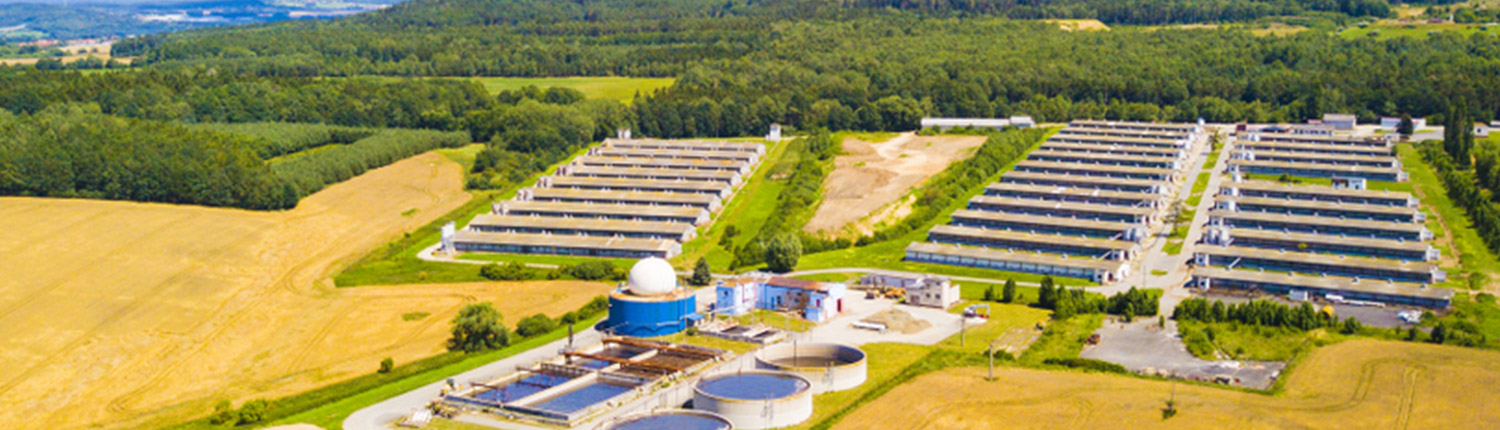
Biogas, biomethane, hydrogen and other “green gases” are increasingly being discussed as a part of the long-term EU decarbonisation strategy and as enablers energy transition.
The intermittent nature of renewable electricity production and the ambition to reach a share of 50% or above of wind and solar in the EU generation mix by 2030 invite reflection on the role of conventional natural gas in power in the short-to-medium term. Further, natural gas today plays a major role in industry and the residential heating sector.
Recent energy-related protests have underlined the importance of ensuring that the EU’s decarbonisation strategy is accompanied by public acceptance, and a great deal of public acceptance will be determined by the affordability of energy for citizens.
Despite the adoption of Paris Agreement and very recently the Katowice Rulebook, the IEA expects that oil, gas, shale gas and coal will continue to provide a great share of the global energy supply. Moreover, in several non-EU countries the consumption of conventional fuels, including natural gas, is foreseen to increase in the next years. IEA scenarios for Europe also see some continuing role for fossil fuels (see IEA World Energy Outlook 2018).
To what extent can we discuss the role and long-term prospects for conventional gas in this context? What should the next Commission do in order to ensure the EU decarbonisation strategy is carried out in a cost-effective way? Which problems should the Gas Market Design address and how should it address them?
Download the presentations
- Christopher Jones | FSR
- Ilaria Conti | FSR
- Eva Hennig | Eurogas
- Anne Sophie Courbeau | BP
- Lisa Fischer | E3G
- Torben Brabo | GIE
Programme Sessions:
- Setting the scene: How can gas ensure that the EU meets its goals and keeps energy costs low for citizens and industry?
- 1st Session: The role of gas in an increasingly electrified world
- 2nd Session: What support is needed for the decarbonisation of energy-intensive industries?
- 3rd Session: Fuelling transport – CNG, LNG, hydrogen?
- 4th Session: The evolving building heating sector: electrification, hybrid heating, or hydrogen?
This workshop was organized in partnership with FSR, GIE and Eurogas
Don’t miss any update on our events
Sign up for free and access the latest events from our community.
More on the topic







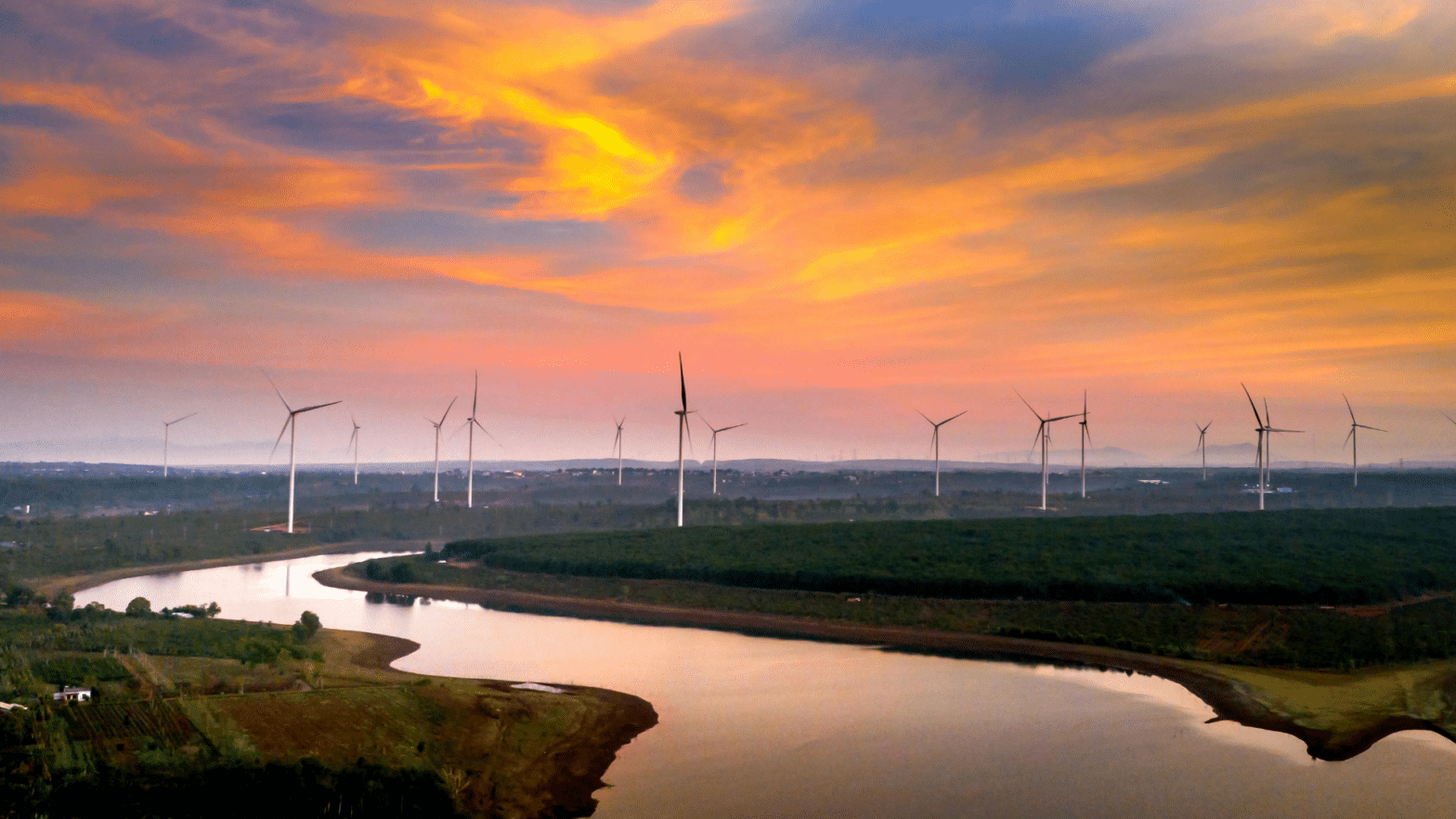



Local Governance for the Energy Transition
Decarbonisation, decentralisation, and digitalisation are major drivers of an ongoing transformation in the energy markets leading to a new energy governance framework. The so-called ‘energy transition’ challenges the way markets have been regulated, but not only. It also challenges the existing EU energy governance system. Besides the current multi-level governance between the EU, national authorities and undertakings, decentralised energy markets add to the puzzle the growing role of local authorities.
The role of local authorities for the energy transition needs to be suitably incorporated in the governance model of the emerging EU multi-layer and multi-sector energy market architecture. A coherent governance model must conciliate five different dimensions: technical system management, market organisation, institutional structures, consumer and market agent’s interaction (business) models and policy.
New energy governance requires the creation of new functions and structures, as well as the adaptation of existing ones. This increasing complexity must be urgently translated at regulatory and governance levels. It includes the vertical dialogue between regional, national and local authorities, as well as diagonal coordination between these multi-level authorities and the new business model or market roles, e.g. decentralised renewable generation, news role of DSOs, mini-grids, cooperative and digital platforms trading power, prosumers, targets on heating and cooling, electric vehicle charging industry, biogas plant for organic waste management, etc.
The objective of the workshop is twofold:
-
- to discuss the theory and practice of new energy local governance models;
- to launch a proposal for translating into an appropriate legal language all relevant technical, economic and institutional aspects at the core of new energy governance in the EU and for providing the necessary training structure to all involved decision-makers and stakeholders.
Implementation of this proposal should be achieved through a project supported by interested cities and the European University Institute (Florence School of Regulation and School of Transnational Governance). Active support from European institutions and the European Federation of Energy Law Associations is also expected.
Watch the live-stream here:
The workshop is a joint collaboration between the Florence School of Regulation and the School of Transnational Governance.
Don’t miss any update on our events
Sign up for free and access the latest events from our community.
More on the topic






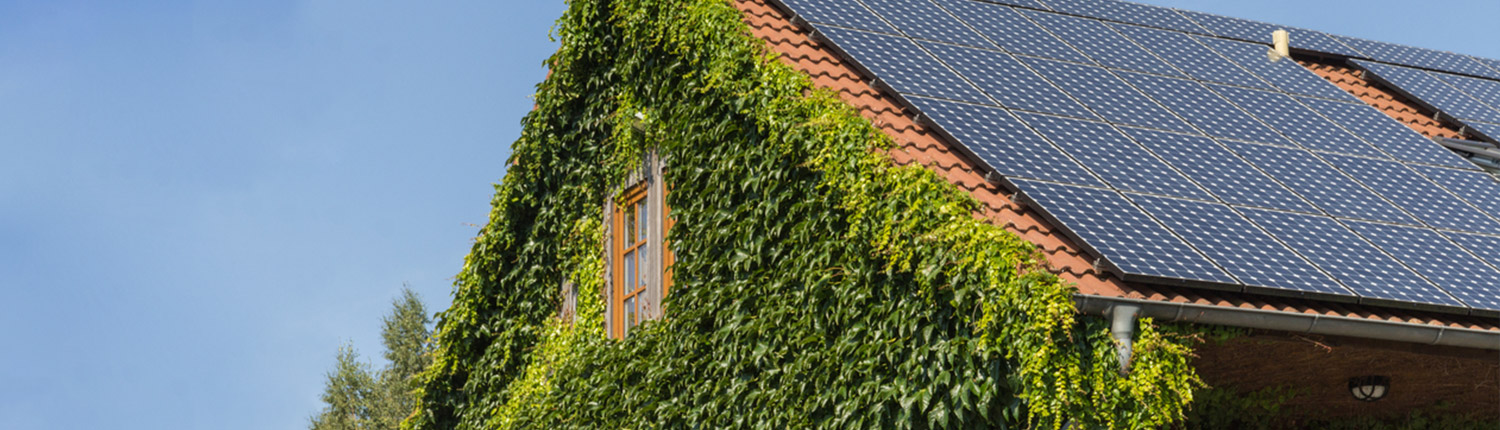
New business models in the electricity sector

The two-day workshop will investigate how the various players are adapting their business models to the new risks and opportunities posed by decarbonisation and digitalisation. It will also look at the new actors that are emerging within the electricity sector or are entering it from other industries.
Decarbonisation and digitalisation are deeply transforming the electricity sector, enabling its further decentralisation. All the segments of the supply chain, from generation to energy retail through transmission and distribution, are affected. The new technologies available and the policy choice to fight against climate change are also stimulating innovation at the traditional edges of the sector. Space behind and beyond the meter is becoming increasingly important and disruption to the classical industry organisation may soon come from there.
The workshop will enable participants from the industry, energy regulators and academics to brainstorm freely and share ideas on where and how value can be created in the electricity sector of the 21st century.
Participation by invitation only.
Don’t miss any update on our events
Sign up for free and access the latest events from our community.
More on the topic



6th EU-India Smart Grid Workshop
The Florence School of Regulation is pleased to host the 6th EU-India Smart Grids Workshop from 19 to 22 November 2018.
The workshop will welcome high-level dignitaries from Indian central and state regulators and DSOs for open discussions on smart grids, which were singled out as a priority area of cooperation in the frame of the EU – India Clean Energy and Climate Partnership, adopted at the 2016 EU-India Summit in Brussels.
To cement the continued exchanges between the EU and India on smart grids further, the first work programme of the Clean Energy and Climate Partnership was later launched at the EU-India Energy Panel meeting on 26 October 2016. At the 2017 EU-India Summit in Delhi, a statement on Clean Energy and Climate confirmed the importance of continued cooperation on smart grids development and deployment.
The first two days of the workshop will focus on existing India-EU energy programs and topical issues related to electric vehicles and energy storage including charging infrastructure, vehicle to grid, business models, interoperability, standardisation and grid integration.
The third day of the workshop, led by the FSR, will be dedicated to a roundtable discussion to allow EU and Indian delegates to engage on the topic of ‘Regulation for cost-effective integration of large shares of renewable energy’.
The programme will follow.
Don’t miss any update on our events
Sign up for free and access the latest events from our community.
More on the topic



Clean Transport

Ahead of the yearly UN Climate Change Conference in Katowice, the Florence School of Regulation is organising a workshop to brainstorm on how new forms of clean transport can contribute to the global transition to a low-carbon economy and, at the same time, address local issues of mobility and pollution.
Transport represents a major challenge for the European Union. As the population increasingly concentrates in urban areas, the need for more efficient and less polluting ways to move people and goods becomes urgent. Moreover, transportation has to evolve to contribute to the decarbonisation of our economies by the middle of this century. The electrification of cars and other vehicles is a promising option. However, market players, grid companies and public authorities must be aware of the far-reaching consequences that electromobility implies for the organisation and dynamics of electricity markets and systems.
The morning session of the workshop will address clean transport from the point of view of cities and companies offering mobility solutions. In the afternoon, the focus will move to the interactions between electromobility and the electricity system. Indeed, the deployment of millions of EVs poses both risks and opportunities that power generators, final consumers and grid operators will have to deal with.
The workshop is open to FSR donors, national regulatory authorities, EU institutions and national governments. Requests from others will be assessed on a case by case basis due to the limited seats available.
Don’t miss any update on our events
Sign up for free and access the latest events from our community.
More on the topic

Zonal vs Nodal Pricing
This workshop aims to map out the pros and cons of implementing nodal pricing for the electricity sector in Europe, referring to the relevant international experience.
The geographical structure of the EU electricity market has been widely discussed in recent years. Its less-than-optimal configuration is becoming a limiting factor for the efficiency of the market integration process. The EU electricity sector suffers from high levels of Unscheduled Flows (UFs), which are partly due to the suboptimal geographical (zonal) configuration of the market. It is also likely that the increasing penetration of variable renewable-based generation will increase the level of UFs.
Consideration should be given to whether Europe should move from a zonal market structure to a nodal pricing structure, as this would avoid UFs by design. However, such pricing might pose other challenges.
The Workshop will be structured in two sessions:
- Session I will review the experience with the implementation of nodal pricing for the electricity market, including its impact on market price and basis risk hedging and liquidity;
- Session II will use the results of the first session to discuss the benefits of moving the EU electricity market design towards a nodal price structure, as well as the associated challenges.
This workshop is a part of the FSR Regulatory Policy Workshop Series 2018-2019 and is exclusively open to national regulators, representatives from public bodies and associate & major donors of the FSR Energy area.
Don’t miss any update on our events
Sign up for free and access the latest events from our community.
More on the topic


Energy Regulation in Latin America
The Florence School of Regulation (FSR) is collaborating with the Inter-American Development Bank (IDB) to initiate the dialogue on the need for state-of-the-art regulation in Latin America times of rapid innovation.
The objective of this workshop is to understand what are the key challenges that regulatory authorities are currently facing in LAC and what are the challenges expected for the next 15 years. How the IDB may help to build regulatory knowledge to promote an efficient transition to sustainable and accessible energy industry.
At the workshop, FSR will kick start with an opening panel on ‘Utilities of the future, regulatory challenges and innovative tools’. The panel will discuss why any regulation in Latin America is needed in the future when business models and innovation is shifting the old energy world as we know it, what are the emerging business models in this transitory phase, how can regulators prepare themselves to ride the new wave and experiences from the Californian regulator on their journey so far.
The panel:
- Jean-Michel Glachant, Director FSR
- Ignacio Perez Arriaga, Director Research FSR & Professor at MIT
- Norman Bay, Ex-Director Federal Energy Regulatory Commission (FERC)
- Andrew McAllister, Commissioner of California Energy Commission
As part of this initiative, FSR is preparing a research report presenting the recent disruptions that the energy sector faces and the current developments that address these challenging new times. Inputs from the workshop will be incorporated into the report which will be published in December 2018.
Don’t miss any update on our events
Sign up for free and access the latest events from our community.
More on the topic

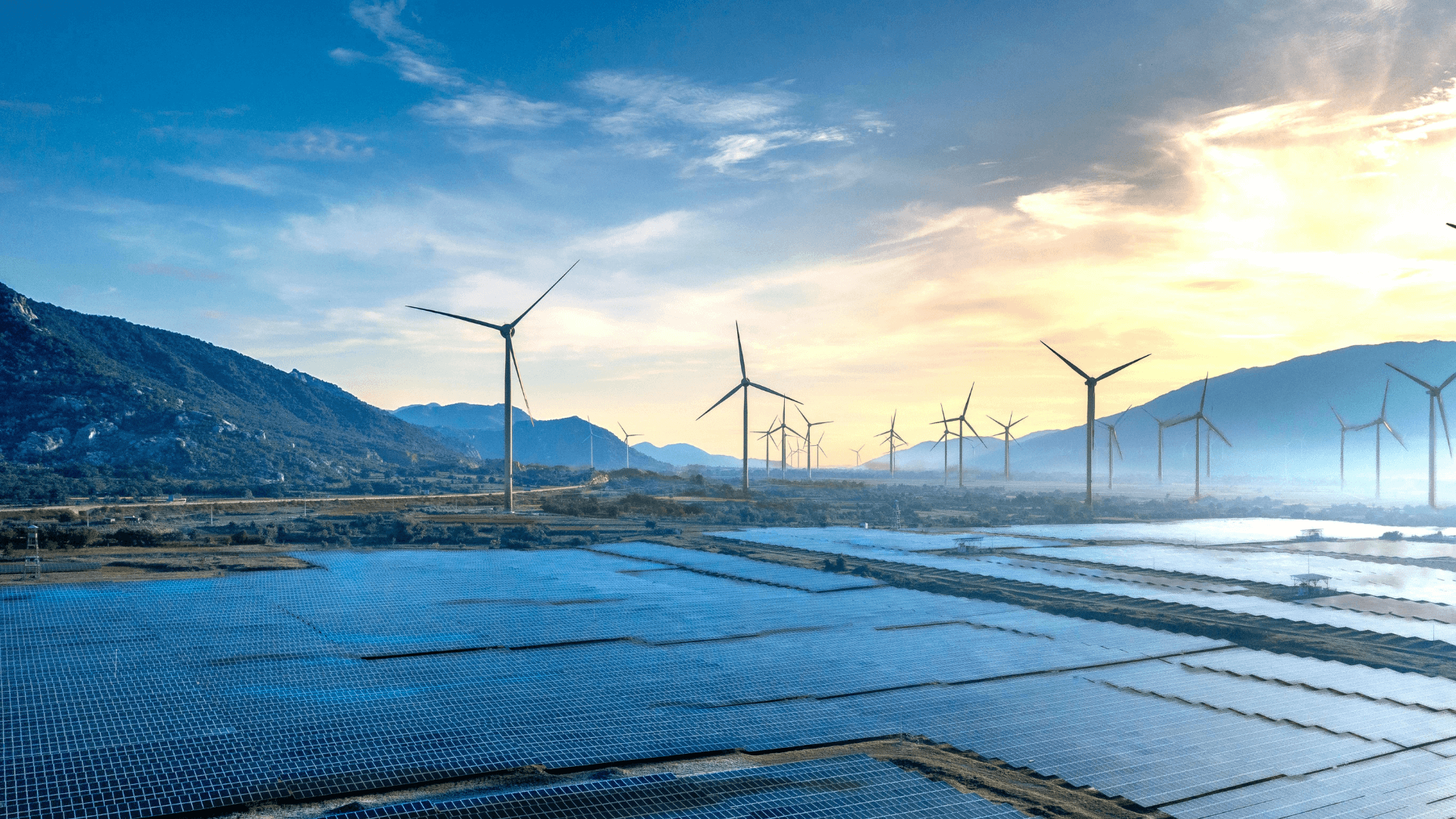
Methane Emissions in the Gas Sector
Examine the challenges and opportunities of moving down the road towards net zero methane emissions in the gas sector during the FSR Policy workshop, organised in cooperation with Gas Infrastructure Europe (GIE).
For a long period of time, the problem of methane emissions in the oil and gas sector was mainly a non-European issue. However, recent studies revealing that the level of methane emissions could be higher than previously assumed triggered a series of discussions. As a result, the challenge has been officially recognised and the European Commission is working on the EU methane emission strategy, which is expected to be published this fall.
During the workshop, we will look into the dynamics of the emissions reduction and will examine what type of regulatory measures complementing the voluntary industry initiatives are needed in the EU to tackle the problem.
The workshop is divided into two sessions:
- Session 1: Is the reduction of emissions in gas sector the low hanging fruit of climate change mitigation?
- Session 2: Is there a need for more regulation?
Don’t miss any update on our events
Sign up for free and access the latest events from our community.
More on the topic


Energy Poverty in Europe

In this workshop, co-hosted by the CEER and FSR, we aim to highlight the role of the regulators in addressing energy poverty in Europe.
Through three panel sessions we will explore:
- the drivers of energy poverty in Europe and what is government’s role in addressing it,
- the Clean Energy Package and the solutions it offers to end energy poverty in Europe,
- what energy poverty has in common with energy poverty in other parts of the world and examining how to share best practice.
Background information
Energy poverty is a widespread and even growing reality across Europe. The EU Survey on Income and Living Conditions (EU SILC) measured in 2013 shows that 10.7% of the population (approximately 54 million people) are unable to afford basic levels of energy for essential needs.
Energy poverty falls between several major policy fields (social, health, education, environment, financial, productivity) and involves many stakeholders from all of these fields. Energy Poverty should, therefore, be addressed in an integrated manner to optimise multiple benefits, including less money spent by governments on health, reduced air pollution, better comfort and wellbeing, improved household budgets, and increased economic activity.
Member States have so far been responsible for addressing energy poverty and have done so by boosting household income through social tariffs, social welfare subsidies and regulated energy prices. This has been an effective short-term solution but is increasingly criticised for not addressing the root of the cause, and for distorting the increasingly liberalised market.
Until now, energy poverty has barely featured in EU policy or linked debates. At the forefront has been the continued deepening of the internal market, through liberalisation and privatisation, and the clean energy transition. Will the Clean Energy Package together with the mandate provided to the newly launched EU Energy Poverty Observatory be able to change this situation and address energy poverty in a coordinated manner in Europe?
Don’t miss any update on our events
Sign up for free and access the latest events from our community.
More on the topic

Coupling the Sectors
The workshop “Coupling the Sectors” explore the extent and in which form(s) the electricity and gas markets and systems could be usefully coupled to meet the challenges facing the energy sector in the future. It will also consider which other sectors and activities could be “coupled”, although in a different form.
The European Commission has recently proposed the “sector coupling” concept, reflecting the requirement for greater integration between electricity and gas, and possibly other sectors and activities as well (i.e. electro-mobility, heating and cooling).
The Workshop will explore the extent and in which form(s) the electricity and gas markets and systems could be usefully coupled to meet the challenges facing the energy sector in the future. It will also consider which other sectors and activities could be “coupled”, although in a different form.
- Session 1 will focus on how the electricity and gas markets and systems could be coupled beyond the level of modelling integration currently envisaged;
- Session 2 will consider which other sectors/activities could be usefully coupled to the electricity and gas sectors, and, if so, with which solutions.
This workshop is a part of the FSR Regulatory Policy Workshop Series 2018-2019 and is exclusively open to national regulators, representatives from public bodies and associate & major donors of the FSR Energy area.
Background information
Current legislation already envisages cross-sectoral market and system modelling, through the development by the European Networks of Transmission System Operators (ENTSOs) of a “consistent and interlinked electricity and gas market and network model including both electricity and gas transmission infrastructure as well as storage and LNG facilities”. However, more integrated modelling could also assist other areas in the future.
The opportunity and the benefits of ensuring greater coordination between different markets were at the basis of the development of cross-border market coupling in the energy sector. With electricity market coupling, market participants do not have to trade energy and cross-border capacity separately, avoiding the risk of inefficient outcomes. It is now widely accepted that a similar form of cross-border coupling is not required in the gas sector.
However, a different form of coupling between the short-term gas and electricity markets may well assist in increasing the efficiency of the overall energy sector. Such “sector coupling” may also take advantage of the fact that, alongside the traditional gas-to-power transformation available through gas-fired generation, power-to-gas technologies are developing. The gas-to-power and power-to-gas capabilities, combined with conditional bids, would allow some form of “arbitrage” between the electricity and gas markets, making sure that prices on these market develop in a consistent way and, potentially, allowing the smoothing of price volatility.
Cross-sector market coupling will also call on greater integration not only of network development (which is already envisaged), but also of system operation, as the constraints in the two markets might require coordinated management.
Other sectors or activities – such as electro-mobility or heating and cooling – might also benefit from closer integration with the electricity (and possibly gas) sector(s), even though such integration will likely take a looser, or at least different, form.
Don’t miss any update on our events
Sign up for free and access the latest events from our community.
More on the topic
Energy Sector Competition Law

This annual workshop, organised by the FSR Energy Union Law Area in collaboration with the Brussels offices of Cleary Gottlieb Steen & Hamilton LLP, will look at the latest developments in the energy sector in terms of competition law.
This year, we will focus on three core issues. Firstly, we will look at the digitalisation of the energy sector and examine the use of data in energy markets with a particular focus on the abuse of dominance and the essential facilities doctrine. Secondly, we will consider recent developments in antitrust. Finally, we will turn to state aid and the energy sector with a particular focus on the notion of selectivity in state aid control.
Please note that there are limited places available. There is no charge for participation in the workshop.
Don’t miss any update on our events
Sign up for free and access the latest events from our community.