



Type of event: Talk
Can Energy Communities Contribute to the Transition and Solving the Energy Crisis?

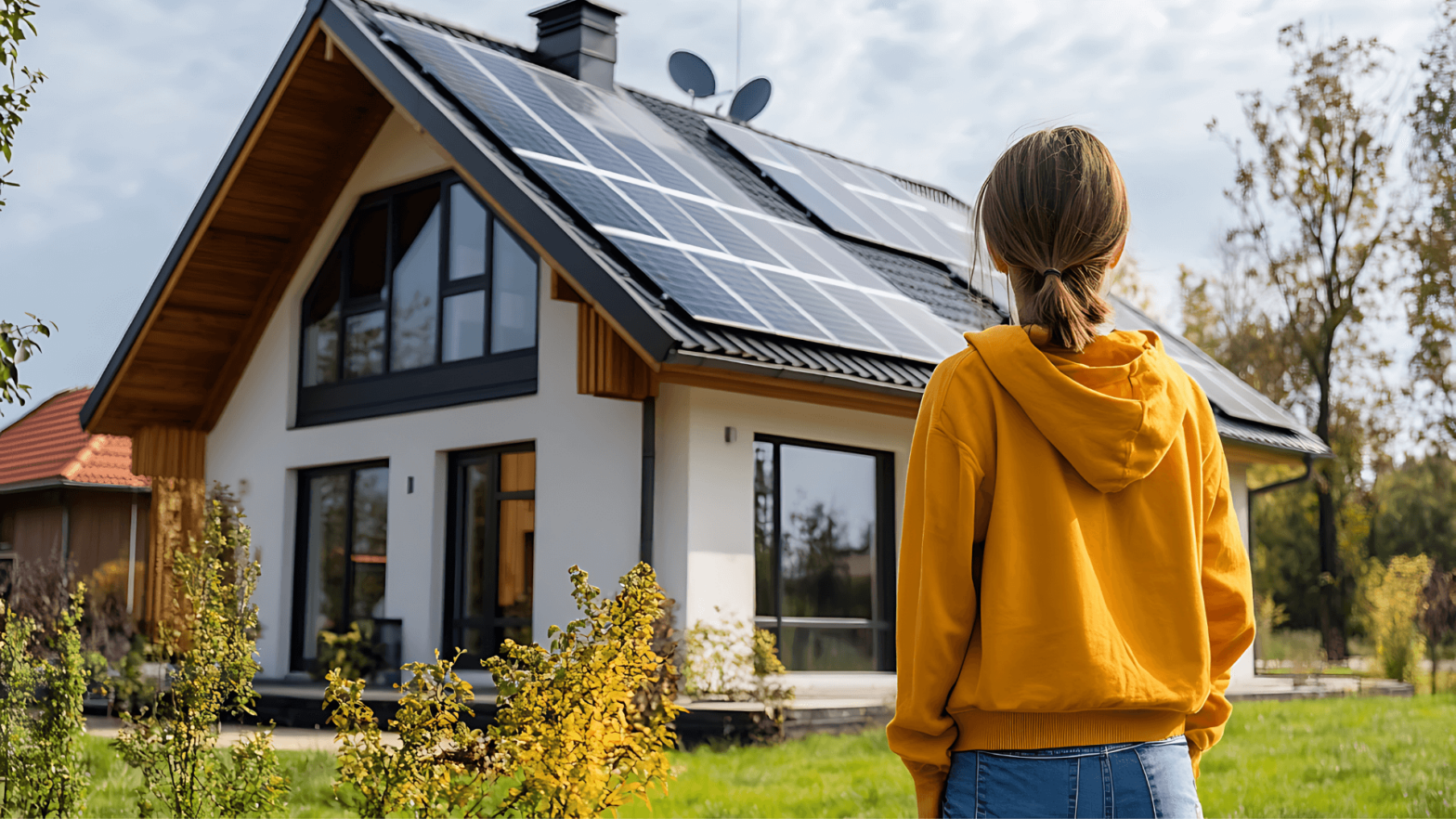
This edition of FSR Talk will discuss how energy communities can contribute to the energy transition in Europe and beyond.
In the context of the Russian invasion of Ukraine, Europe must radically transform its energy system to ensure a reliable and affordable energy supply to its citizens and firms.
Can energy communities be part of the toolbox that Europe and other parts of the world rely upon to accelerate the decarbonization of the energy system and shield consumers from extraordinarily high and volatile prices?
Falling renewable energy costs and digitalization of energy make it possible. However, is technological progress enough? Are households and firms concretely interested in joining collective action? Can viable business models be built around the notion of community energy? What is the role of public policies and regulation?
FSR faculty members Jean-Michel Glachant, Nicolò Rossetto and Swetha Ravi Kumar will discuss these issues with Sabine Lӧbbe, Fereidoon Sioshansi and David Robinson. These scholars recently edited a new book, “Energy Communities: Customer-Centred, Market-Driven, Welfare-Enhancing?”, which collects many relevant contributions on the matter from Europe, America and Australia. The Talk will be an opportunity to hear the main insights they got while producing the book and discuss the implications of the current energy crisis.
Agenda:
- Introduction and initial speech by the guest speakers: Jean-Michel Glachant (5’), Sabine Lӧbbe, Fereidoon Sioshansi, David Robinson (20’)
- Discussion with Nicolò Rossetto and Ashwitha Ramesh Tunga (15’)
- Q&A with the audience (20’)
Host:
Jean-Michel Glachant | FSR
Guests:
Sabine Lӧbbe | Reutlingen University
Fereidoon Sioshansi | Menlo Energy Economics
David Robinson | Oxford Institute for Energy Studies
Discussants:
Nicolò Rossetto | FSR
Ashwitha Ramesh Tunga | FSR
Check out these relevant resources:
Topic of the Month: Citizens taking the lead: what can consumers do to protect themselves from high energy prices?
Online Debate: Communities Dealing with Renewable Energy
Don’t miss any update on our events
Sign up for free and access the latest events from our community.
Speakers
More on the topic






Can US LNG save the EU from Russian gas this winter?
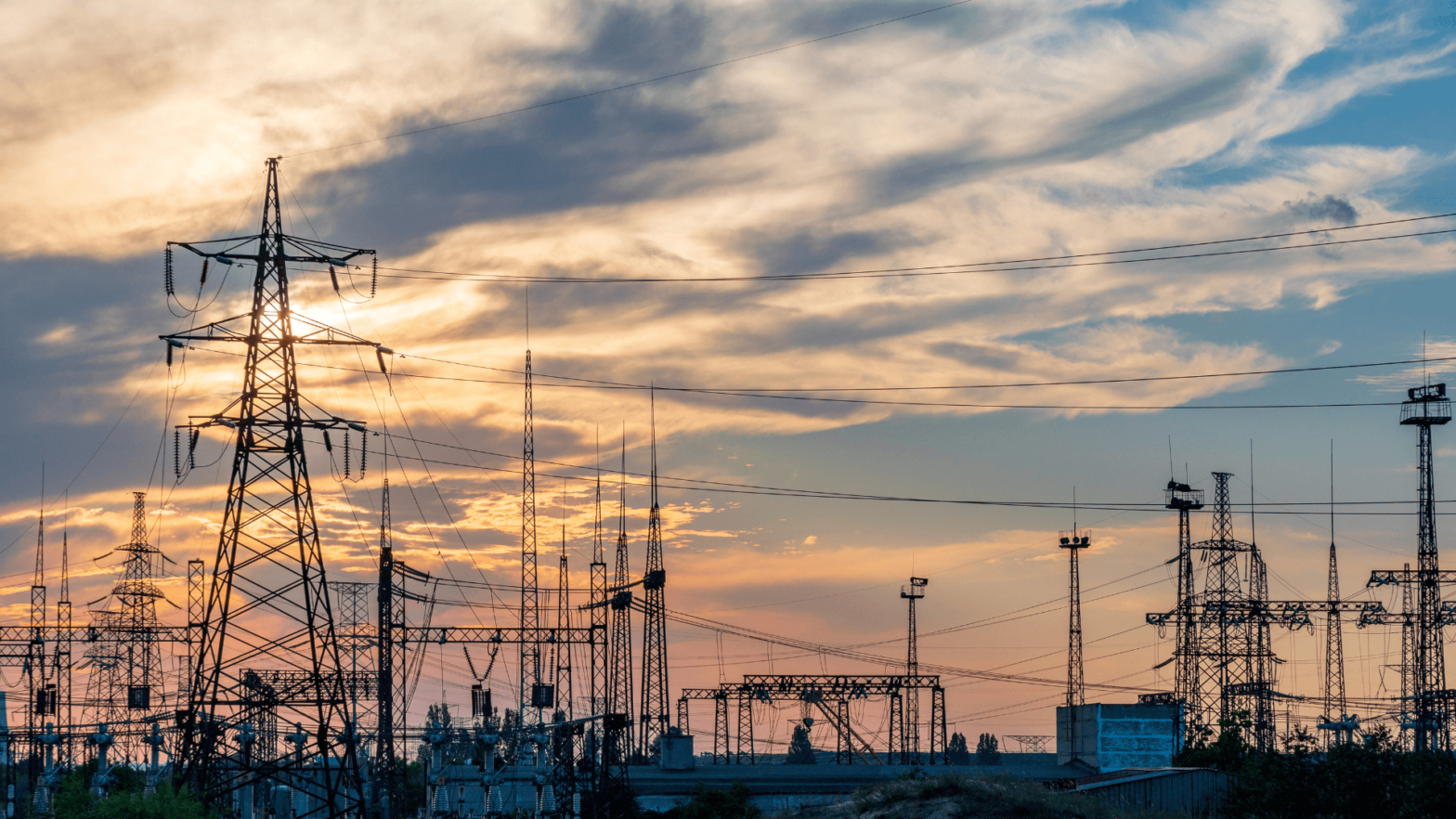
In a time of high natural gas price volatility, the EU is preparing for a hard winter, by filling its storage and trying to reduce its consumption by 10-15%.
Beyond that, the EU aims to develop new sources and routes of reliable supply. The US is already a major producer of natural gas, but no pipeline connects it to the EU. Can increased exports of natural gas in the form of LNG help mitigate the energy crisis and prevent the supply shortages caused by the disrupted flows of gas from Russia?
FSR faculty members Jean-Michel Glachant (FSR Director) and Alberto Pototschnig (Executive Deputy Director) will discuss the issue in depth with US gas industry and affairs expert Peter Hartley, professor at Rice University in Houston, Texas, and President of the International Association for Energy Economics (IAEE).
Host: Jean-Michel Glachant and Sofia Nicolai (FSR)
Invited guest: Peter Hartley (Rice University)
Discussant: Alberto Pototschnig (FSR)
Agenda:
- Introduction and initial speech by the guest speaker: Jean-Michel Glachant and Peter Hartley (15’)
- Discussion with Alberto Pototschnig and Sofia Nicolai (15’)
- Q&A with the audience (15’)
- General conclusions by Peter Hartley (5′)
Relevant resources:
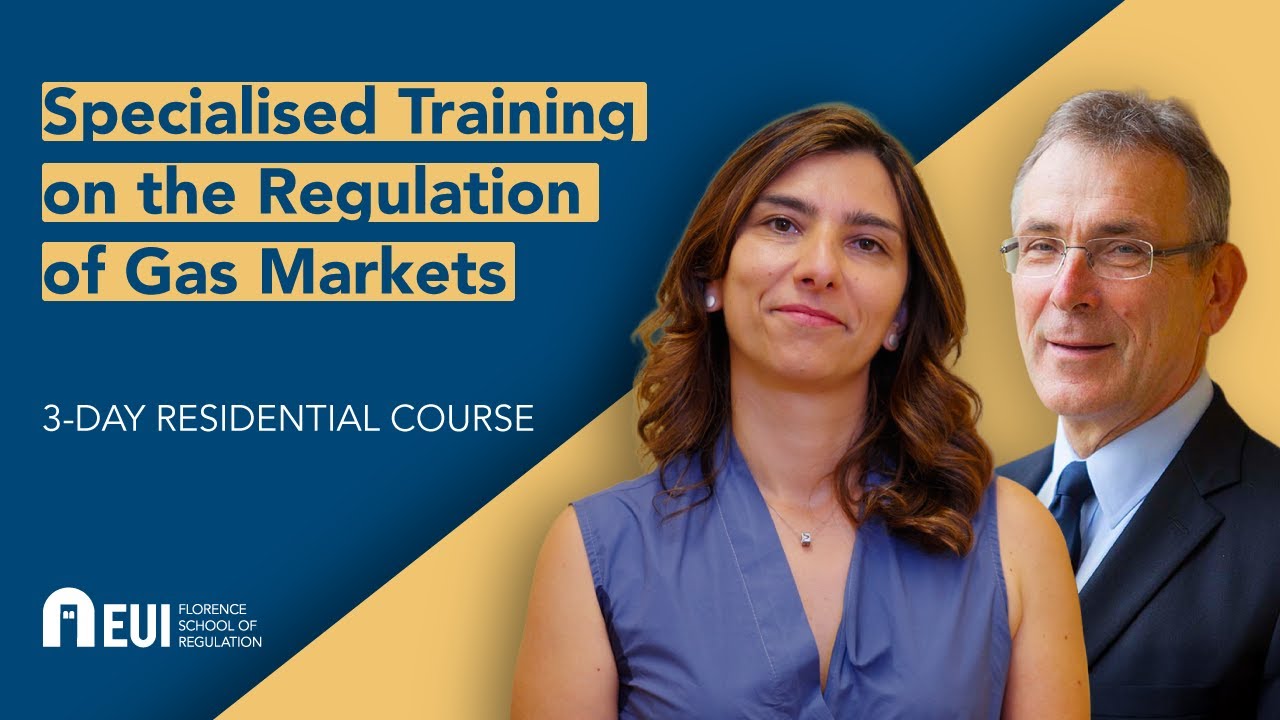
- FSR course Specialised Training on the Regulation of Gas Markets
- Topic of the Month: Decarbonising gas markets[Text Wrapping Break]
- Topic of the Month: Reacting to the new energy landscape
- LNGnet project
Don’t miss any update on our events
Sign up for free and access the latest events from our community.
More on the topic





Unpacking India’s Climate Modelling Tools
A recent study undertaken by the Indian Institute of Technology Delhi (IIT Delhi) and the Centre for Policy Research (CPR) examines the various climate modelling tools used in the context of India.
As modelling studies are increasingly used to inform energy and climate policy design, it is imperative that the construct and results of these various studies be adequately understood and contextualised. At the Unpacking Models (UM) initiative the authors develop and employ a common reporting framework to assess, compare, and interpret the results of various modelling studies.
Watch the recording
The UM assessment framework unpacks the modelling study in a two-step process. In the first step, it helps policymakers understand the robustness of the modelling study, by assessing five dimensions of its structure:
- The validity of its input assumptions;
- The appropriateness of the model for the purpose to which it is applied;
- The construction of the scenarios;
- The overall treatment of inherent uncertainties;
- The validity of its outputs.
In its second step, the framework interprets what modelling results imply for six policy priorities relevant to a low-carbon transition:
- Energy transition pathway;
- Emissions;
- Development pathway;
- Investments;
- Equity;
- Energy security.
The authors hope that this initiative will contribute to more informed and measured use of these various modelling studies in the design of energy and climate policies, by policymakers, academics, and civil society.
Host: Jean-Michel Glachant (Florence School of Regulation – Energy)
Invited guest: Kaveri Iychettira (Indian Institute of Technology, Delhi)
Discussants: Franziska Holz (DIW Berlin) and Albert Ferrari (Florence School of Regulation – Climate)
Presentations
-
Unpacking India’s Climate Policy Modelling Tools: A Framework
Dr. Kaveri Iychettira, School of Public Policy, IIT Delhi
Don’t miss any update on our events
Sign up for free and access the latest events from our community.
More on the topic


Building net-zero by 2050 with three building blocks: which ones and how?
From a recent study co-authored by two German researchers, Claudia Kemfert and Franziska Holz, we know that the optimal energy mix for Europe in 2050 is still largely undetermined. However, we also know that it is likely to combine three building blocks: direct electrification with renewables, hydrogen, and synthetic hydrocarbons.
During this FSR Talk, Claudia and Franziska will explain why these three building blocks, how they could combine, and what policy measures might be preferable for the EU to implement in the coming years.
Speakers:
Prof Dr Claudia Kemfert, Head of the department Energy, Transportation, Environment at the German Institute of Economic Research (DIW Berlin)
Prof Dr Franziska Holz, Deputy Head of the Department Energy, Transportation, and Environment at the German Institute of Economic Research (DIW Berlin)
Agenda:
- Introduction and initial speech by the guest speakers: Jean-Michel Glachant, Claudia Kemfert and Franziska Holz (20’)
- Discussion with Nicolò Rossetto and James Kneebone (15’)
- Q&A with the audience (25’)
Host:
Jean-Michel Glachant, Director of the Florence School of Regulation
Learn more:
The FSR Summer School on Energy Systems
The FSR Clean Molecule for the Energy Transition course
Florence School of Regulation: Cost-Effective Decarbonisation Study 2022
#FSRTalks
Live interviews with experts from the wider network of the school to showcase and discuss a timely topic in a light and interactive way.
Don’t miss any update on our events
Sign up for free and access the latest events from our community.
Speakers
More on the topic
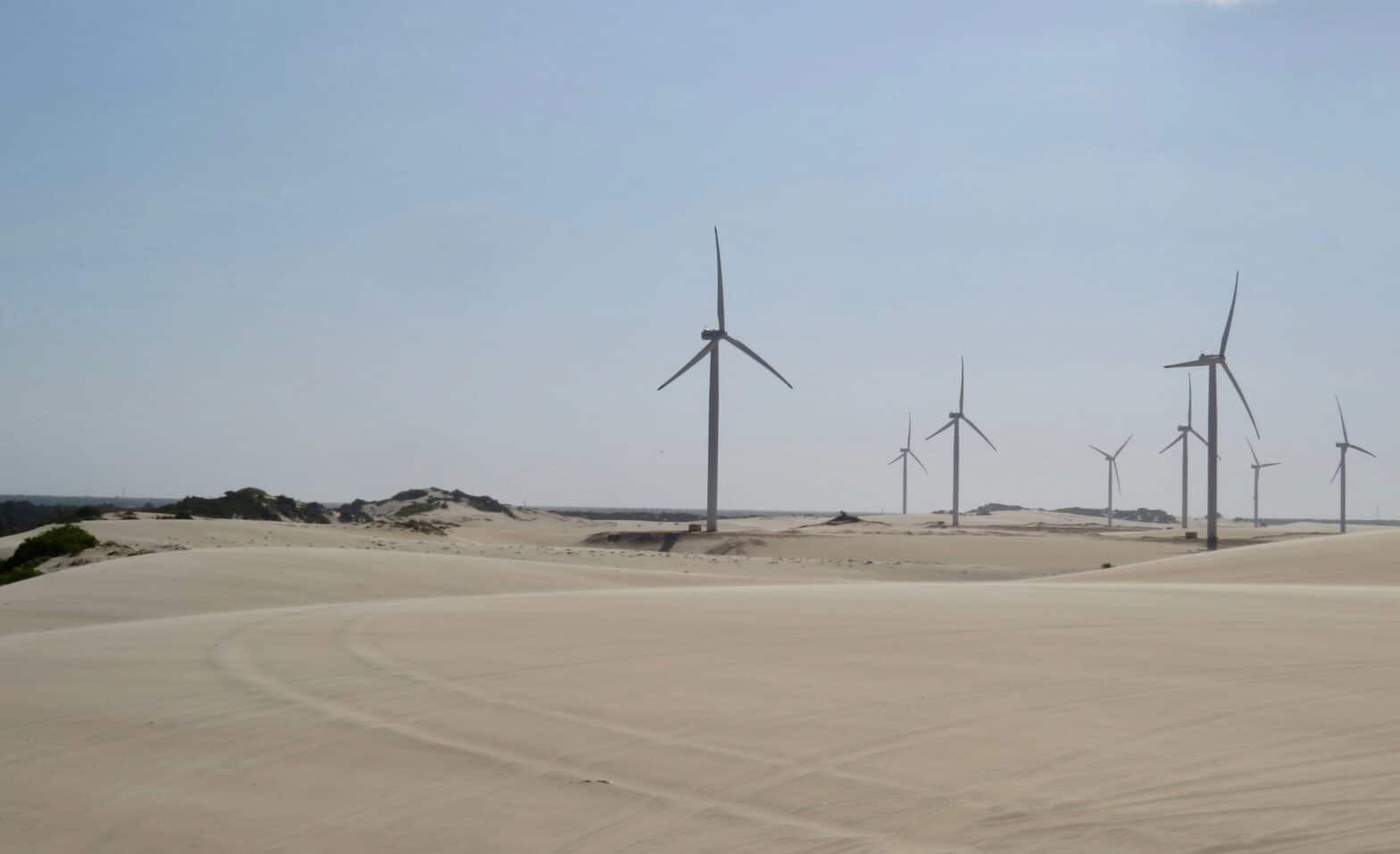



Are decarbonisation and the energy crisis challenging the electricity markets design?
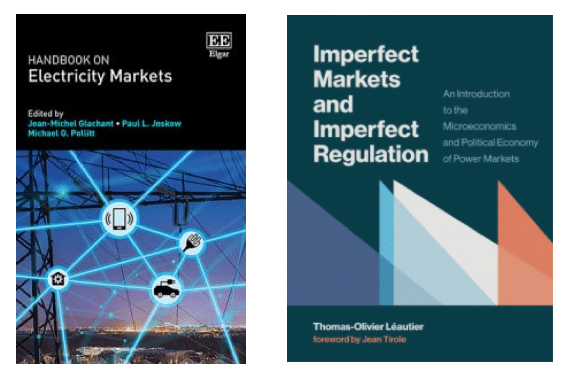
Energy economists have supported the establishment of open markets for electricity for more than 30 years. They are aware that electricity is a commodity with very specific features and do not deny that concrete examples of electricity markets in Europe, North America and elsewhere are hardly perfect. Yet, they have investigated their imperfections and proposed solutions to deal with them over the years. Books like “Imperfect Markets and Imperfect Regulation” by Thomas-Olivier Léautier provide a comprehensive treatment of this vision, according to which electricity can be supplied reliably and efficiently by competing energy firms.
Today, the rapid penetration of variable and distributed renewable energy sources in the generation mix, the policy goal of reaching net-zero greenhouse gas emissions by 2050, and the recent explosion of energy prices at the wholesale and retail level challenge the validity of this vision and some people call for a profound rethinking of how electricity is provided.
In this episode of FSR Talk, professor Jean-Michel Glachant will host Thomas-Olivier Léautier and discuss the fundamentals of open markets for electricity and whether significant changes are needed to cope with the profound transformations that the sector is experiencing. Swetha RaviKumar Bhagwat and Nicolò Rossetto, both researchers at FSR, will join the discussion and pose questions to the guest speaker before the floor is open for a Q&A session with the audience.
Watch the recording:
Dr Léautier has a long and remarkable career in the energy sector, both within the industry and academia. After an experience as a professor at the Toulouse School of Economics, Thomas-Olivier was chief economist and director of the corporate university for management at EDF, the leading French electric utility. More recently, he joined TotalEnergies as chief economist. TotalEnergies is one of the largest European energy companies with a long tradition in the oil and gas sector, now willing to turn into a major renewable energy producer.
On the Talk topic, Thomas-Olivier has written several articles in scientific journals, a textbook published by MIT Press in 2019, and co-authored one of the chapters of the Handbook on Electricity Markets published by Edward Elgar in fall 2021.
Agenda:
- Introduction and initial speech by the guest speaker: Jean-Michel Glachant (5’) and Thomas-Olivier Lèautier (15’)
- Discussion with Swetha RaviKumar Bhagwat and Nicolò Rossetto (15’)
- Q&A with the audience (25’)
Host: Jean-Michel Glachant
Invited guest: Thomas-Olivier Léautier
Discussants: Swetha RaviKumar Bhagwat, Nicolò Rossetto
Learn more:
Executive Course to master Electricity Markets – FSR online training
Imperfect Markets and Imperfect Regulation by Thomas-Olivier Léautier
Handbook on Electricity Markets ed. by J.M. Glachant, P. Joskow, M. G. Pollitt
Don’t miss any update on our events
Sign up for free and access the latest events from our community.
More on the topic

High energy prices and market design
EU gas and electricity prices have increased rapidly over the last few months and reached unprecedented levels. While the recent energy price dynamics reflect current market conditions and have little to do with the future energy transition, they provide an opportunity to reflect on the most appropriate market design to support this transition.
In this FSR Talk, we will discuss with the authors of the recent FSR publications on the topic:
- Recent energy price dynamics and market enhancements for the future energy transition
- High gas prices in Europe: a matter for policy intervention?
Watch:
Speakers:
Alberto Pototschnig, Deputy Director for Policy Affairs
Ilaria Conti, Head of FSR Gas
Enrico Tesio, DFC Economics
Agenda:
- Welcome and Intro to the papers: Alberto Pototschnig (10’) and Ilaria Conti (10’)
- Polls with the audience and comments by the speakers (20’)
- Q&As (15’)
#FSRTalks
Live interviews with experts from the wider network of the school to showcase and discuss a recent work (a book just published, interesting study, innovative project) in a light and interactive way.
Learn more
Don’t miss any update on our events
Sign up for free and access the latest events from our community.
Speakers
More on the topic
Focus on energy consumers: How to make them part of the transition
In this episode of FSR Talks, we will be discussing consumer empowerment in the energy transition with the Council of European Energy Regulators (CEER) and the European Commission.
Specifically, our discussants will cover the activities of the ‘Working Group on Consumer Engagement’ of the 13th Citizens Energy Forum, with a focus on the availability and quality of sustainable ‘green offerings’ in gas markets.
Background
The second half of 2021 has seen record energy prices across the EU and beyond. This has contributed to a reconfiguration of energy markets, with fewer energy suppliers and a higher level of consumer interest to tackle rising energy costs through their choice of suppliers and tariffs. Although this period has placed considerable stress on consumers, suppliers, and governments alike, it has also created the conditions for engagement on the issue – contributing to an inflection point for evolution.
Guarantees of Origin (GO) for electricity have become quite well established in the electricity sector following the Clean Energy Package (CEP), allowing consumers to opt for renewable-only electricity through their choice of tariff or supplier. These offering are often price competitive with other non-renewable tariffs, and have proven increasingly popular in recent years, demonstrating to energy suppliers the appetite for such services. Similar offerings are emerging in the gas sector, but at a slower rate and with unique challenges. If consumers are to be empowered to leverage their agency in the energy transition, they need credible, transparent, and accessible means to do so.
In light of the upcoming 13th Citizens Energy Forum taking place in December, imminent EU legislation on gas market decarbonisation, as well the prevailing energy market conditions – the current circumstances are arguably an opportune moment to capitalise on momentum towards consumer engagement. The Working Group on Consumer Engagement looks to bring together key stakeholders on these issues, and this FSR Talks session will be an opportunity to examine the activities of the group in more detail, as well as discuss the subject in its broader context.
Hosted by Ilaria Conti, Head of FSR Gas
Panelists:
Natalie McCoy, CEER
Achille Hannoset, European Commission
A Q&A with the audience will follow.
#FSRTalks
Live interviews with experts from the wider network of the school to showcase and discuss a recent work in a light and interactive way.
Hosts: Prof. Jean-Michel Glachant, Ilaria Conti, Swetha Baghwat
Don’t miss any update on our events
Sign up for free and access the latest events from our community.
More on the topic
OECD Reports on the Driving Performance of Energy Regulatory Authorities in Latin America
This FSR talk aims at discussing the purposes, standards, and effects of OECD reports that have assessed energy regulatory agencies in Latin America based on the OECD Performance Assessment Framework for Economic Regulators.
The Talk will focus on three OECD reports on Peru (2019) and Mexico (2017), and Brazil (to be published in October 2021).
What is the purpose of the OECD reports? What are the indicators used by the assessment? What are the effects of these reports on the governance of agencies so far?
When they are created, regulatory agencies are legally entrusted with a specific mission, inserted into a pre-existing, albeit dynamic, institutional setup. Therefore, what they are expected to deliver, as well as the social and institutional context where they will interact and deliver, is known. For optimal regulatory delivery, the governance of regulators is crucial to ensure that regulatory decisions are made on an objective, impartial and consistent basis.
The OECD has developed and released a series of reports assessing the governance of energy regulatory authorities worldwide. These reports apply the OECD Performance Assessment Framework for Economic Regulators to evaluate internal and external governance agencies. The review discusses achievements and good practices, analyses the key drivers of its performance, and proposes an integrated reform package to help the regulator prepare for the future. This is the reason why the OECD reports have gained attention and relevance among the regulatory authorities.
This FSR Talk is hosting the OECD Policy Analyst, Anna Pietikainen, to discuss with our FSR experts three OECD reports on Latin America: Peru (2019) and Mexico (2017), and Brazil (to be published in October 2021). What is the purpose of the OECD reports? What are the indicators used by the assessment? What has been the effects of these reports on the governance of agencies so far?
Guest speaker
Anna Pietikainen – OECD
Discussants
Jorge Vasconcelos – FSR
Lucila de Almeida – FSR
Host
Jean-Michel Glachant – Director FSR
#FSRTalks
Live interviews with experts from the wider network of the school to showcase and discuss a recent work (a book just published, interesting study, innovative project) in a light and interactive way.
Hosts: Prof. Jean-Michel Glachant, Ilaria Conti, Swetha Baghwat
Don’t miss any update on our events
Sign up for free and access the latest events from our community.
Speakers
More on the topic


Unproven or underestimated? Photocatalysis for hydrogen production
In this online talk, Trevor Best (Syzygy Plasmonics) and Ronnie Belmans (KU Leuven and EnergyVille) will join Ilaria Conti and Jean-Michel Glachant (FSR) to discuss photocatalysis, a nascent hydrogen production technology, as well as the wider subject of technology neutrality in hydrogen production.
Photocatalysis is a photoreaction (i.e., driven by light) accelerated by the presence of a catalyst. Photocatalysis of water under ultraviolet light in the 1970’s was one of the first examples of clean hydrogen production, however, in the decades that followed steam methane reforming (SMR) emerged as the dominant production source, with electrolysis widely supported as the most viable clean alternative. Nevertheless, in recent years there have been significant leaps forward made in the productive efficiency of photocatalysis, with potential for far lower electricity requirements and lower material resource requirements than electrolysis.
With the EU and other major economies pursuing the development of a clean hydrogen economy as a tool in the decarbonisation of the energy sector, there is a growing need for cost-effective and energy efficient production means. Hydrogen can be produced in several ways, both with fossil fuels, renewable energy, or a combination of the two. However, decarbonised hydrogen in its various forms is currently not cost-competitive with hydrogen derived from fossil fuels in the vast majority of circumstances (see Molecules : indispensable in the decarbonized energy chain). This raises questions about how best to bridge that gap for the decarbonisation of existing hydrogen demand, as well as for other potential applications.
Proponents of photocatalysis and other nascent technologies such as methane pyrolysis or thermochemical water splitting argue that the hydrogen landscape is far from settled and that there will be a requirement for a range of technological solutions.
Topics for discussion will include:
- What is photocatalysis and how does it work?
- The technology readiness level (TRL) of photocatalysis;
- The strengths and weaknesses of photocatalysis versus other clean production methods;
- The role of innovation in the hydrogen space;
Speakers:
Trevor Best | Syzygy Plasmonics
Discussants:
Ronnie Belmans | KU Leuven and EnergyVille
Jean-Michel Glachant and Ilaria Conti | FSR Energy and Climate
Participants are invited to intervene directly in our online Q&A.
Find out more about Syzygy Plasmonics
#FSRTalks
FSR talks is a series of live interviews with experts from the wider network of the school to showcase and discuss a recent work (a book just published, interesting study, innovative project) in a light and interactive way.
Don’t miss any update on our events
Sign up for free and access the latest events from our community.
More on the topic



Global steps to end energy poverty: the 2020 energy access report
A third of all humanity lacks access to reliable power and this blunt reality drives immense social inequities. Access to power determines whether you have modern healthcare, transportation, and telecommunications. Clean fuels for cooking and heating offer an escape from chronic respiratory illness. Reliable power opens the door to educational and economic opportunities. This year, the pandemic has driven home the urgent need to address the world’s most glaring inequities. The international response must be rapid and sizable, but also far-sighted and sustained.
Watch the recording:
The Global Commission to End Energy Poverty
The Global Commission to End Energy Poverty (GCEEP), comprising leaders from utilities, off-grid companies, multilateral development banks, academics, and others from across the electricity and development sectors, addresses the pressing challenge of achieving universal access to adequate, affordable, and reliable clean electricity.
The report on energy access
In the FSR talk, we will discuss the GCEEP 2020 report on electricity access, together with some of its authors. The report was prepared by the MIT research team with support from the Rockefeller Foundation and extensive feedback, engagement, and guidance from the Commission.
Download the report
Hosts:
Jean-Michel Glachant | FSR
Swetha Bhagwat | FSR
Panel:
Ignacio Perez-Arriaga | MIT, FSR
Robert Stoner | MIT Energy Initiative
Joseph Nganga | Rockefeller Foundation
#FSRTalks
FSR talks is a series of live interviews with experts from the wider network of the school to showcase and discuss a recent work (a book just published, interesting study, innovative project) in a light and interactive way.
Don’t miss any update on our events
Sign up for free and access the latest events from our community.
More on the topic
Reform of the EU ETS: does the Market Stability Reserve need a new design?
FSR Talk with Grischa Perino organised by FSR Climate
In this online talk, we will look at the upcoming reform of the European Union Emissions Trading Scheme (EU ETS), particularly the Market Stability Reserve (MSR) Review, with Grischa Perino from the University of Hamburg.
The EU ETS is the cornerstone of the European climate policy covering about 45% of the EU’s greenhouse gas emissions. It follows the polluter pays principle under a cap-and-trade mechanism, whereby firms covered by the ETS purchase, sell and exchange emissions allowances representing one tonne of CO2-eq.
Within this carbon market, the Market Stability Reserve has the objective to increase resilience to demand shocks, deliver investment signals, and raise synergies with other climate and energy policies. It consists of a rule-based mechanism that adjusts the number of allowances to be auctioned to the market surplus by controlling the number of allowances in circulation in the carbon market. The surplus of allowances determines the response of the MSR:
- If the surplus exceeds a certain threshold, a predetermined percentage of the surplus is withheld from auctions and added to the reserve;
- if the surplus is lower than another threshold, some allowances are taken from the reserve and injected into the market through auction.
The European Commission’s proposal for MSR Review is planned for June 2021, in the context of a broader reform of the EU ETS to include new sectors in its scope and to support the new EU pledge to reach climate neutrality by 2050. In the publication discussed during this talk, the authors argue that a new MSR design appears necessary. They identify the risks that arise from the current MSR design and propose a feasible way to address them in the upcoming review of the EU ETS.
In this event hosted by Jean-Michel Glachant, Simone Borghesi will discuss with Grischa Perino and Jos Delbeke the MSR and the main findings of the paper.
Host:
Jean-Michel Glachant, Director of the Florence School of Regulation
Speakers:
- Simone Borghesi, Director of FSR Climate, European University Institute
- Grischa Perino, Professor, University of Hamburg
- Jos Delbeke, EIB Chair on International Carbon Markets, School of Transnational Governance, European University Institute
The paper:
EU ETS Market Stability Reserve needs a new design, Grischa Perino, Michael Pahle, Fabian Pause, Simon Quemin, Hannah Scheuing and Maximilian Willner, 2021
Read more:
EU Emissions Trading System, Series Cover the Basics FSR, 2021
The EU ETS needs a new autopilot: a proposed reform for the MSR, Grischa Perino, LIFE DICET Blog, 19 March 2021
The EU ETS at a crossroads: The MSR review as a defining moment, Michael Pahle and Simon Quemin, LIFE DICET Blog, 19 June 2020
Emissions trading systems with different price control mechanisms: implications for linking – Report for the Carbon Market Policy Dialogue, Giulio Galdi, Stefano F. Verde, Simone Borghesi, Jürg Füssler, Ted Jamieson, Emily Wimberger, Li Zhou, Florence School of Regulation – Climate, LIFE DICET Project, 2020
This FSR Talk is organised with the support of EAERE.
#FSRTalks
Live interviews with experts from the broader network of the school to showcase and discuss a recent work (a book just published, exciting study, innovative project) in a light and interactive way.
Hosts: Prof. Jean-Michel Glachant, Ilaria Conti, Swetha Baghwat
Presentations
Don’t miss any update on our events
Sign up for free and access the latest events from our community.
More on the topic






Engendering the Energy Transition
In this online talk, we will look at the energy transition from an alternative perspective, with the authors of the book: Engendering the Energy Transition.
Register to learn more about the Book!
Hosts
Swetha Baghwat, Head of FSR Global, Florence School of Regulation
Jean-Michel Glachant, Director of the Florence School of Regulation
Panel
Joy Clancy is Professor of Energy and Gender in the Department of Governance and Technology for Sustainability at the University of Twente,
Nthabiseng Mohlakoana holds a Doctorate in Innovation and Governance for Sustainable Development from the University of Twente, The Netherlands.
Mariëlle Feenstra is a PhD researcher on gender approaches in energy policy design at the University of Twente, The Netherlands
#FSRTalks
Live interviews with experts from the wider network of the school to showcase and discuss a recent work (a book just published, interesting study, innovative project) in a light and interactive way.
Hosts: Prof. Jean-Michel Glachant, Ilaria Conti, Swetha Baghwat
Don’t miss any update on our events
Sign up for free and access the latest events from our community.
Speakers
More on the topic