
Archives: Events
SmartNet Project Workshop Series

We invite you to Florence to learn about and discuss the results of the SmartNet project research on the TSO-DSO coordination theme. Each day, different perspectives and interests of the stakeholders will be taken into account by the project team. Join the discussion on Twitter using the hashtag #SmartNetProject.
This 3-day workshop series organised by the Horizon2020 SmartNet project.
Download the programme
The workshop is free of charge, but registration is required.
Day 1 for TSOs/DSOs
On Wednesday, 24 October 2018 we will present and discuss:
- A critical analysis of the possible modalities of mutual interaction between TSO and DSO for the acquisition of ancillary services from distribution (coordination schemes)
- A cost-benefit analysis of these coordination schemes, allowing to compare ICT deployment costs with benefits in terms of reduction of total system costs for the acquisition of the resources for secondary and tertiary regulation
- An in-depth structure analysis of ancillary services markets highlighting what could be suitable in order to facilitate the participation of resources in distribution allowing them to compete on a level playing field basis with traditional resources located in the transmission system
- Results of scenario analyses at the 2030 time horizon referred to Italy, Denmark and Spain, allowing to get a view on prices trends and networks flows.
- A screening of real-time market-solving algorithms with a view on possible innovative solutions allowing a more efficient clearing procedure and reduced calculation time yet considering nodal detail for T&D networks.
- A thorough analysis of ICT requirements for implementing the studied coordination schemes
- Three pilots studying in detail technological solutions on three “real” cases implemented on the territory.
Day 2 for Regulators
On Thursday, 25 October 2018
- A thorough analysis of TSO-DSO coordination schemes for the acquisition of the ancillary services from distributed energy sources connected to distribution grids
- A cost-benefit analysis of these coordination schemes, allowing to compare ICT deployment costs with benefits in terms of reduction of total system costs for the acquisition of the resources for secondary and tertiary regulation
- An in-depth analysis on how the structure of real-time markets should evolve in order to make it possible for distributed energy sources connected to distribution grids to compete on a level playing field basis with traditional resources located in the transmission system
- An attentive analysis of the regulatory implications to implement the studied TSO-DSO coordination schemes with respect to the evolution of the regulation in Europe and in the three focus countries (Italy, Denmark and Spain)
Day 3 for Utilities and Traders
On Friday, 26 October 2018
- A comprehensive analysis of possible ways to coordinate TSO and DSO between themselves and with the ancillary services markets to allow participation of resources in distribution grids to ancillary services markets
- Scenario analyses at the 2030 time horizon referred to Italy, Denmark and Spain, allowing to get a glance to market prices and dispatching of the single resources.
- Cost-benefit analysis of the studied TSO-DSO coordination schemes, allowing to compare ICT deployment costs with benefits in terms of reduction of total system costs for the acquisition of the resources for secondary and tertiary regulation
- Micro-analysis based on simulation results to assess profitability for the different figures participating in ancillary services markets.
Don’t miss any update on our events
Sign up for free and access the latest events from our community.
More on the topic



Energy Innovation Academy

The FSR Energy Innovation Area and the Young Scholars Initiative (YSI) of the Institute for New Economic Thinking (INET) have the pleasure to invite you to participate in the 1st Energy Innovation Academy.
Call for papers
Energy transitions imply disruptive innovations. That drives the Academy’s topics. We aim at discussing industries as complex and evolving systems. We are interested in their dynamics, networks, interactions, and heterogeneity. Our strategy is to bring together scholars from within and outside energy industries to cross-fertilize discussions on energy transition and complex adaptive systems.
We seek contributions from young scholars in all areas of Complexity, Innovation and Institutional Economics. Our aim is to bring together a broad view of technological and institutional aspects in order to apply it to industry transitions.
Scholars may submit an abstract or a complete paper. There are no format or length requirements. If the work is selected, they will be invited to participate and present in the Academy. We will base our selection on all available information – no single factor will be determinant. We seek candidates in terms of their contribution to a diverse research community.
The Format
- During mornings, the event will provide presentations on the state of the art of the discipline on a specific topic. At the end of each morning, the workshops will elaborate on specific research questions or methodologies, in the format of a roundtable followed by open Q&A.
- In the afternoons, the academy seminars will take place. They are designed to give attendants the opportunity to present and discuss their own research with experienced mentors and the rest of the participants of the academy.
Practicalities
The list of selected participants will be published on 18 October 2018 and we aim to welcome up to 20 young scholars. YSI will cover accommodation in shared apartments or shared hotel rooms to all selected participants. We expect to support some of the travel costs depending on funds availability.
Webinar Series
In the context of the Energy Innovation Academy, the FSR Energy Innovation Area will organize three webinars during September and October to set the scene and discuss the main topics of the Academy with a wider audience online.
Invited speakers:
- Jose Maria Silveira (Unicamp): Knowledge networks and technological frontiers: where are we, and where do we go to, in bioenergy? Register here
- Javier Prieto (EC) – Smart Specialization
- Daniele Rusolillo (Planet Idea) – Smart Cities
Follow FSR on twitter and join the discussion on #FSREnergyInnovation
For more information, contact the event coordinator: Chiara Canestrini
Don’t miss any update on our events
Sign up for free and access the latest events from our community.
Good Governance in a Network of Networks

This webinar will look at the development of the governance structure of the internal energy market through the lens of the EU network codes and guidelines. These EU-wide rules govern all cross-border electricity market transactions and system operations. Does the governance structure employed in the development of these codes meet the criteria of good governance – namely transparency, participation and accountability? Saskia Lavrijssen and Thomas Kohlbacher from Tilburg University will jointly assess this issue in the webinar. In particular, they will focus on the extent to which input from stakeholders is taken into account in the network code development process and the legal instruments which can facilitate or hinder this process. Are there adequate legal accountability mechanisms in place to ensure effective network governance? Does the framework need to be revised?
According to Lavrijssen and Kohlbacher, the current legal accountability mechanisms are insufficient to guarantee adequate responsiveness to stakeholder input, due to the rigid standing criteria for direct actions at the European Court of Justice against network codes adopted as delegated acts by the Commission. The possibility for judicial review as regards the roles of various network members in the development of network codes is also curtailed, in particular regarding soft law instruments used by ACER and ENTSO-E.
Do you agree? Should stakeholder committees as well as ACER play a greater role in the development of network codes?
Webinar with Saskia Lavrijssen & Thomas Kohlbacher (TILEC)
18 June 12:00 – 13:00 pm CEST
FSR Energy Union Law Webinar Series
Don’t miss any update on our events
Sign up for free and access the latest events from our community.
More on the topic

The Value of Energy Storage

Energy Storage and Storage facilities play a crucial role in the EU energy system contributing to the seasonal flexibility of the EU energy market and acting as a collateral against potential disruptions in the supply of energy. However, the value of storage has been challenged in recent years. According to the European Commission “Follow-up study to the LNG and storage strategy” this trend is a result of, inter alia, gas consumption’s weakening, narrowing summer/winter spread, converging energy prices across Europe, greater pipeline flexibility and hub liquidity. At the same time, many people agree that storage is becoming more and more important with the increase of intermittent energy from renewable sources in the EU energy mix.
The workshop is divided into two sessions.
The first session deals with the consequences of changing market conditions on the storage market and the adequate market design to flexible resources in order to fully capitalise on their potential.
The second session is devoted to the regulatory options that could be designed to provide the cleanest back-up to cope with the increasing variation of gas flows that the rising share of RES in the energy mix will trigger in the future low carbon energy system. The event will conclude by issuing policy recommendations.
Chairs:
- Andris Piebalgs | Florence School of Regulation / RSCAS / EUI Lubor Veleba | Gas Infrastructure Europe
- Cécile Prévieu | Gas Infrastructure Europe
- Lubor Veleba | Gas Infrastructure Europe
Don’t miss any update on our events
Sign up for free and access the latest events from our community.
More on the topic


FSR Climate EU ETS Assessment Report

This Public Debate aims to gather policymakers from the European Parliament, Member States and the Commission to discuss latest and future developments of the EU ETS.
The event is organised by FSR Climate (European University Institute) in collaboration with DG Climate Action of the European Commission, as part of the LIFE SIDE project (co-funded by the LIFE Programme of the European Union). The project informs European policy makers regarding the design and implementation of the EU ETS legislation. The event will provide the opportunity to present the results of a literature-based report assessing the economic performance of the EU ETS, produced by FSR climate within the framework of the project.
Download the Summary and Conclusions of this Public Debate
This event is organised within the framework of the LIFE SIDE project. The project, started on 1 September 2016, aims to support policymakers with the implementation of the EU ETS.

The LIFE SIDE project is co-funded by the LIFE Programme of the European Commission
Don’t miss any update on our events
Sign up for free and access the latest events from our community.
More on the topic








Carbon Market Workshop

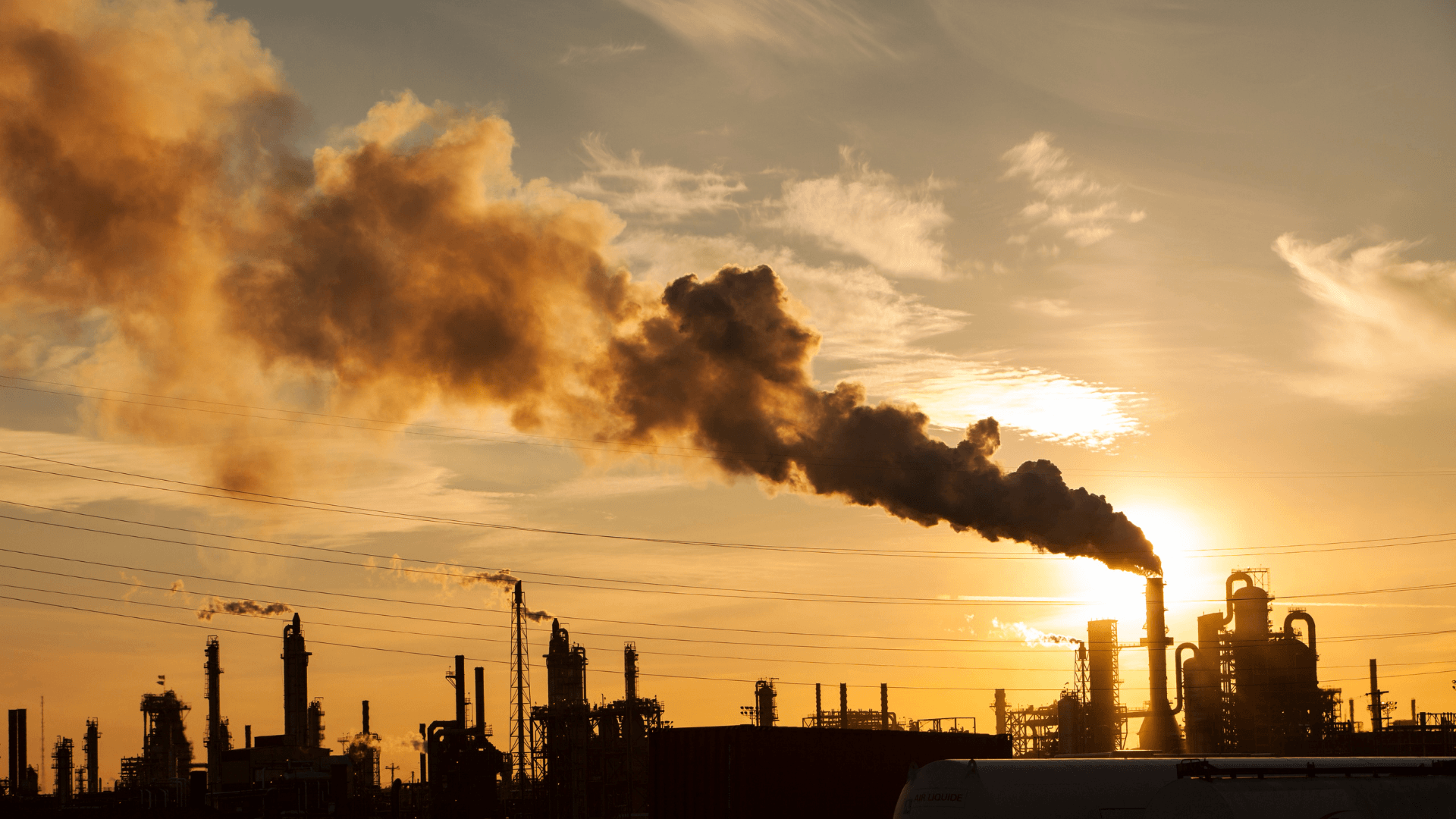
This workshop brought together academia, other stakeholders and senior policy makers from different carbon markets worldwide (California, Canada, China, EU and New Zealand), in a unique process for a fruitful exchange.
A growing number of countries and of sub-national jurisdictions are using carbon markets to implement their Nationally Determined Contributions (NDCs) under the Paris Agreement. Recognising the emerging need to share the experiences on implementation of emissions trading systems to date, and to further promote emissions trading as a cost-effective climate policy tool policymakers, academics and other stakeholders will reflect upon recent developments in carbon markets around the globe and discuss future perspectives of carbon market cooperation. As one specific topic, they will discuss respective experiences with and future perspectives of offsets in carbon markets.
The event was jointly organised with by DG Climate Action of the European Commission and is part of the so called ‘Florence process’ aimed to stimulate the on-going debate on carbon markets amongst international policymakers and experts.
Workshop by invitation only and held under the Chatham House Rule.
Programme
09:45 – 10:15 Welcome and coffee
10:15 – 10:30 Opening remarks
Brigid Laffan, European University Institute
Jos Delbeke, Senior Adviser for Relations with the Florence European University Institute, European Commission
10:30 – 13:00 Session 1: Current developments in carbon markets and future perspectives in carbon market cooperation
Discussion with the following experts moderated by Dirk Forrister, IETA:
• Robert Stavins, Harvard University
• Dan Dudek, Environmental Defensive Fund
• Lars Zetterberg, IVL Swedish Environmental Research Institute
• Glen Murray, Pembina Institute
13:00 – 14:30 Networking lunch
14:30 – 15:30 Session 2: Offsets in carbon markets – taking stock of experience
15:30 – 16:00 Coffee break
16:00 – 17:30 Session 3: Offsets in carbon markets – outlook
Overview by Juerg Fuessler (INFRAS) followed by a discussion with following experts moderated by Franzjosef Schafhausen, General Manager, Energy-Environment-Climate Consulting:
• Jonathan Shopley, Natural Capital Partners
• Stephanie La Hoz Theuer, Independent Consultant
• Pedro Martins Barata, Get2C
17:30 – 17:45 Closing remarks
19:30 Networking dinner
Dinner speech by Robert Stavins, A.J. Meyer Professor of Energy & Economic Development, John F. Kennedy School of Government, Harvard University.
Other workshops of the Florence Process:
Third Carbon Market Workshop, 21 March 2019
First Carbon Market Workshop, 25 September 2017
Don’t miss any update on our events
Sign up for free and access the latest events from our community.
More on the topic
Extending the Energy Acquis beyond the EU Institutional Challenges

FSR Energy Union Law launches a Webinar Series: Extending the Energy Acquis beyond the European Union Institutional Challenges
Speaker: Professor Henrik Bjørnebye (Scandinavian Institute of Maritime Law, University of Oslo)
The ambitious Energy Union policy is about to result in an ambitious EU energy law. A complex regulatory framework for internal electricity and gas markets necessitates sector specific institutions capable of facilitating supervision and enforcement of the law. Through cooperation agreements such as the EEA Agreement and the Energy Community Treaty, the EU´s internal energy market comprises more than just EU Member States. This situation raises challenges for the implementation of both substantive rules and institutional arrangements in non-EU Member States.
In this webinar, Professor Bjørnebye will, in particular, focus on the institutional challenges arising as a result of the establishment of specific EU energy sector institutions such as ACER and ENTSO-E (and, correspondingly, ENTSO-G). In particular, the question arises as to how cooperation between the EU and non-EU Member States could be structured for EU institutions with decision-making powers without voting rights for the non-EU Member States, i.e. ACER. Professor Bjørnebye will primarily focus on the EEA Agreement, but similar challenges may arise under the Energy Community cooperation and, in the coming years it may also potentially impact a cooperation agreement with the UK post-Brexit.
Watch the recording
And stay tuned for our next webinar on network codes on 18 June at 12.00 CEST with Saskia Lavrijssen (Tilburg University)
Don’t miss any update on our events
Sign up for free and access the latest events from our community.
More on the topic
Linking Carbon Markets

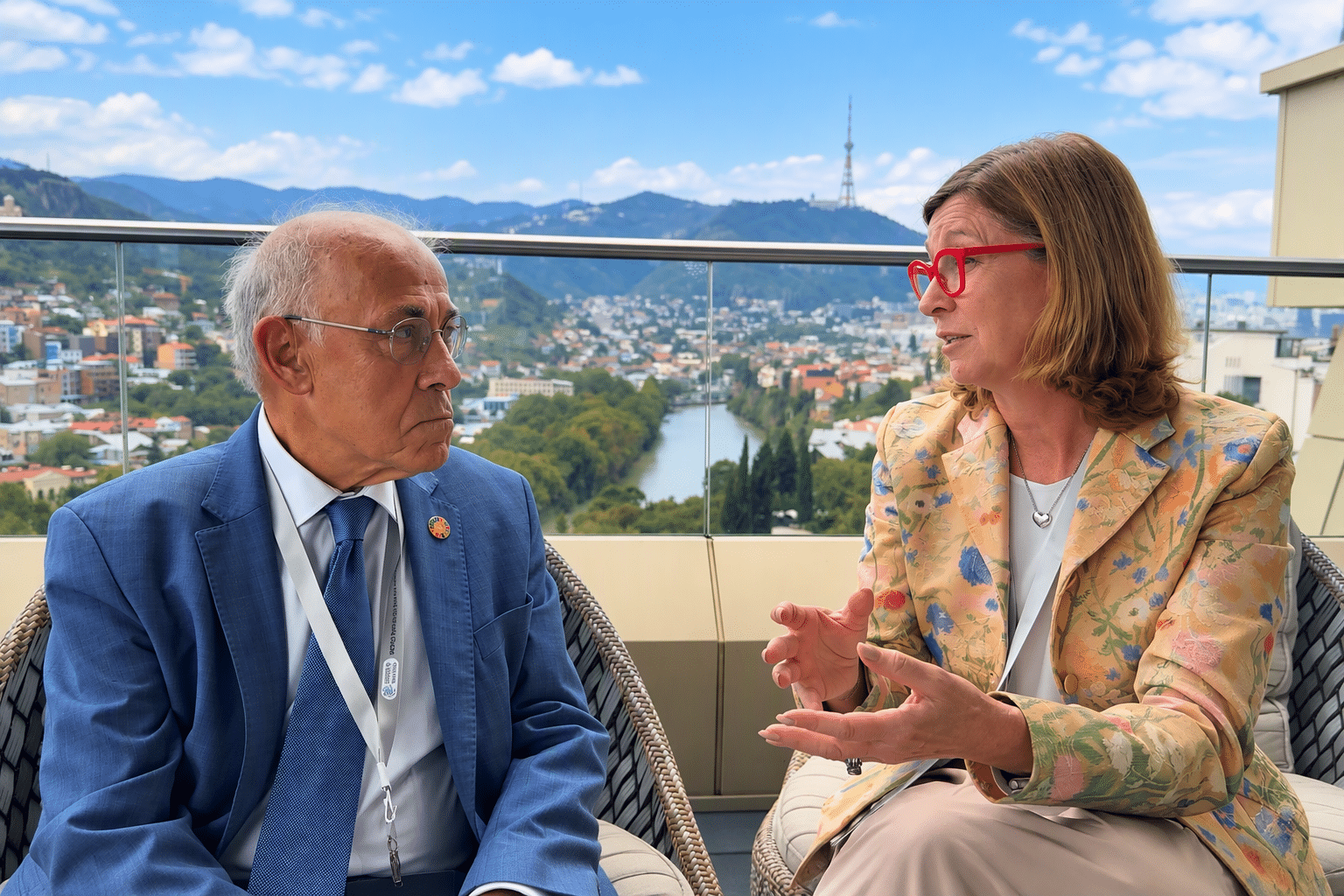
This Policy Session builds on the first Carbon Market Workshop that FSR Climate organised in September 2017 and which gathered stakeholders (from the academic, industry, NGOs) and senior policy makers from different carbon markets worldwide (California, China, EU, Canada, New Zealand), to discuss and exchange experiences on prospects for linking carbon markets internationally.
Speakers at this Policy Session will discuss both advantages and risks that a fully-linked market would involve and address potential economic benefits brought by linking existing ETSs. The feasibility of a partial, incremental, restricted linkage between two or multiple existing ETSs versus full linking will also be discussed.
Organised by the FSR Climate within the framework of the 6th World Congress of Environmental and Resources Economists (Gothenburg, Sweden, 25-29 June 2018).
Presentations
Jos Delbeke, EPSC, European Commission: Linking Carbon Markets Prospects and Challenges
Duan Maosheng, Tsinghua University: Prospects and Challenges of Linking Emissions Trading Systems
Gernot Wagner, Harvard University Center for the Environment, Harvard University
Martin L. Weitzman, Harvard University
Introduction
As countries move to implement their Nationally Determined Contributions (NDCs) under the Paris Agreement, a growing number of them and of sub-national jurisdictions are considering using carbon markets to meet their mitigation commitments. There is an emerging need to share the experiences on implementation of emissions trading systems to date, and to further promote emissions trading as a cost-effective climate policy tool. According to mainstream literature, a global carbon market would be the most cost-efficient solution to achieve the overall objective of keeping global warming below two degrees celsius (Ranson and Stavins, 2012).
To date, there are eighteen distinct Emissions Trading Systems (ETSs) in operation around the world, with sixteen systems in preparation or under consideration. As the existing ETSs continue to evolve and a new generation of ETSs emerges, increasing attention has, in recent years, been devoted to the possibility of linking ETSs. Perhaps the California-Québec joint cap-and-trade program is the most prominent linking example. The first joint auction was held in November 2014 and Ontario has joined the California-Québec market as of 1 January, 2018. The EU ETS has expanded since its establishment. Norway, Iceland and Liechtenstein joined the EU ETS in 2007. In the meantime, the EU and Switzerland have also expressed the intention of linking their ETSs.
Chairperson
 Simone Borghesi, Director FSR Climate
Simone Borghesi is Director of the Florence School of Regulation – Climate (FSR Climate), part-time professor at the EUI and Professor of Environmental Economics at the Department of Political and International Sciences, University of Siena, Italy. He is President of IAERE (Italian Association of Environmental and Resource Economists) and Co-director of the research group R4S (Regulation for Sustainability) at the University of Siena. He has been member and/or coordinator of several national and international projects and among the leading authors of the report “Pathways to deep decarbonization in Italy”, published in 2015 by SDSN (United Nations, New York) and IDDRI (Paris). He has published three books and more than 50 articles in edited books and peer-reviewed international journals. He has been Visiting Scholar at INRA, University of Cambridge and ETH, invited speaker at several international conferences and invited participant at the United Nations. He holds a PhD in Economics from the European University Institute, and a M.Sc. in Economics from University College London. In the past he worked at the International Monetary Fund and at the Fondazione ENI Enrico Mattei, Milan.
Speakers

Jos Delbeke, Senior Adviser for Relations with the European University Institute, European Political Strategy Centre, European Commission
Jos Delbeke (1954, Belgium) has been the Director-General of the European Commission’s DG Climate Action since its creation in 2010. As of 16 March 2018, he was appointed Senior Adviser for Relations with the European University Institute, European Political Strategy Centre. He joined the European Commission in 1986. He was very involved in setting the EU’s climate and energy targets for 2020 and 2030, and the adoption of the related legislation by the EU Council and Parliament. Mr Delbeke has been a key player in developing EU legislation on cars and fuels, the Emissions Trading System (ETS), air quality, emissions from big industrial installations and chemicals (REACH). As an economist, he always underlined the role of market-based instruments and of cost-benefit analysis in the field of the environment. For several years Mr Delbeke has been responsible for developing Europe’s International Climate Change strategy and he was for many years the European Commission’s chief negotiator at the UNFCCC Conference of the Parties. He holds a PhD in economics (Louvain, 1986) and worked in 1985 at the International Monetary Fund (Washington DC, USA). As of 2013 he is lecturing at the University of Louvain (Belgium) on European and international environmental policy.

Duan Maosheng, Director, China Carbon Market Center (CCMC), Tsinghua University, China
Duan Maosheng has been working on carbon markets since 2000 and has been a Member of the Chinese climate delegation since 2001, responsible for issues related to market-based mechanisms. He has been a Member of an alternate of the Kyoto Protocol’s Clean Development Mechanism Executive Board since 2010 and served as Chair of the board in 2012. Duan has been intensively involved in the design and operation of China’s domestic carbon market, including both the pilot and the national emissions
trading systems. His latest assignments include coordinating the drafting of rules for China’s national emissions trading system.
 Luca Taschini, Associate Professorial Research Fellow, The Grantham Research Institute on Climate Change and the Environment, UK
Luca Taschini is an economist, working at the intersection of environmental economics, energy markets, and industrial organisation. His current research projects include work on market-based instruments and climate finance. Luca completed his formal training in economics in Italy. He holds a PhD in Economics from the University of Zurich. He is also an alumnus of the Joint Program on the Science and Policy of Global Change (MIT) and is a visiting scholar at the Research Center for Sustainability Science, Ritsumeikan University in Japan. His research interests are in the emission trading and carbon market linking.
 Gernot Wagner, Associate, Harvard University Center for the Environment, Harvard University, USA
Gernot Wagner is a research associate at Harvard’s School of Engineering and Applied Sciences, a lecturer on Environmental Science and Public Policy and the executive director of Harvard’s Solar Geoengineering Research Programme. he is also an associate at the Science, Technology, and Public Policy Programme at Harvard Kennedy School’s Belfer Centre, and an associate at the Harvard University Centre for the Environment. He served as Lead Senior Economist at the Environmental Defence Fund (EDF) where he is a consultant today. He is co-author together with Prof. Martin Weitzman, of the book “Climate Shock (Princeton 2015)”. He is an expert on linking of carbon markets.
 Martin L. Weitzman, Professor of Economics, Harvard University
Martin L. Weitzman is Professor of Economics at Harvard University. Previously he was on the faculties of MIT and Yale. He has been elected as a fellow of the Econometric Society and the American Academy of Arts and Sciences. He has published widely in many leading economic journals and written three books. Weitzman’s interests in economics are broad and he has served as consultant for several well-known organizations. His current research is focused on environmental economics, including climate change, the economics of catastrophes, cost-benefit analysis, long-run discounting, green accounting, biodiversity, and comparison of alternative instruments for controlling pollution.
Don’t miss any update on our events
Sign up for free and access the latest events from our community.
More on the topic
Florence Conference on the Regulation of Railways

The conference on the Regulation of Railways will take place on November 16th and 17th, 2018 in Florence (Italy).
Continue reading “Florence Conference on the Regulation of Railways”
Don’t miss any update on our events
Sign up for free and access the latest events from our community.

Digital age and European energy transition

The European Union is entering two waves of change and innovation which will shape the world economies and societies in the 21st Century. They are the “Digital Age” and the “Energy Transition”.
An independent “Knowledge Hub” is needed to collect data and evidence, aggregate research questions and analyses, define metrics and options, and to formulate policy alternatives and regulatory tools for Europe.
Speakers:
- Jean-Michel Glachant, Director, Florence School of Regulation, and Director of Loyola de Palacio Energy Policy Programme, EUI
Thomas Pellerin-Carlin, Researcher on European Energy Policy at Notre Europe-Institut Jacques Delors
More information coming soon. This event is private and by invitation only.

Don’t miss any update on our events
Sign up for free and access the latest events from our community.

2018 InnoGrid2020+ Conference & Expo

The European Network of Transmission System Operators for Electricity (ENTSO-E) and the European Distribution System Operators for Smart Grids (EDSO) will focus this year’s edition of INNOGRID2020+ on the next decade’s challenges for the power grids and provide insights and solutions through innovative projects, demonstrators and pilots.
‘Get Ready for the Twenties’
The issues debated will include sector coupling, notably in light of European initiatives such as ETIP SNET and Horizon2020; data and cybersecurity needs from a European but also global perspective, as well as many others important topics related to the power networks.
In addition to engaging presentations, panel sessions and debates, INNOGRID2020+ will run an exhibition session, enabling participants to interact, share knowledge and best practices. The work and results of R&D innovative projects with EU added value will be presented at the conference and at its networking exhibition.
Don’t miss the annual appointment on innovation in the European electricity networks & register now.
2018 InnoGrid2020+ is organised by ENTSO-E and EDSO for Smart Grids, and sponsored by Smart Wires, n-Side and InnoEnergy. The event is under the patronage of the Bulgarian Presidency and the partnership of the Florence School of Regulation.
Follow InnoGrid2020+ on Twitter #iGrid2018
Don’t miss any update on our events
Sign up for free and access the latest events from our community.
The 6th Vienna Forum on European Energy Law

The Vienna Forum in a joint initiative between the FSR Energy Union Law Area and the Energy Community Secretariat which provides a platform for debate on the most significant energy challenges and opportunities currently facing the EU and the countries of Eastern and South-Eastern Europe, from both a legal and economic perspective.
This year, the forum will open with an evening session which will critically assess the future of the gas transit route through Ukraine. This will be followed by a full day of debate, focusing on issues surrounding the market and security of supply, the legal context for the energy transition, the future of EU governance in energy, and conclude with a roundtable discussion on the Energy Union and its neighbours.
Find more information in the Event’s Website
Please note that there are limited places available. There is no charge for participation in the workshop.
Supported by:

Don’t miss any update on our events
Sign up for free and access the latest events from our community.