




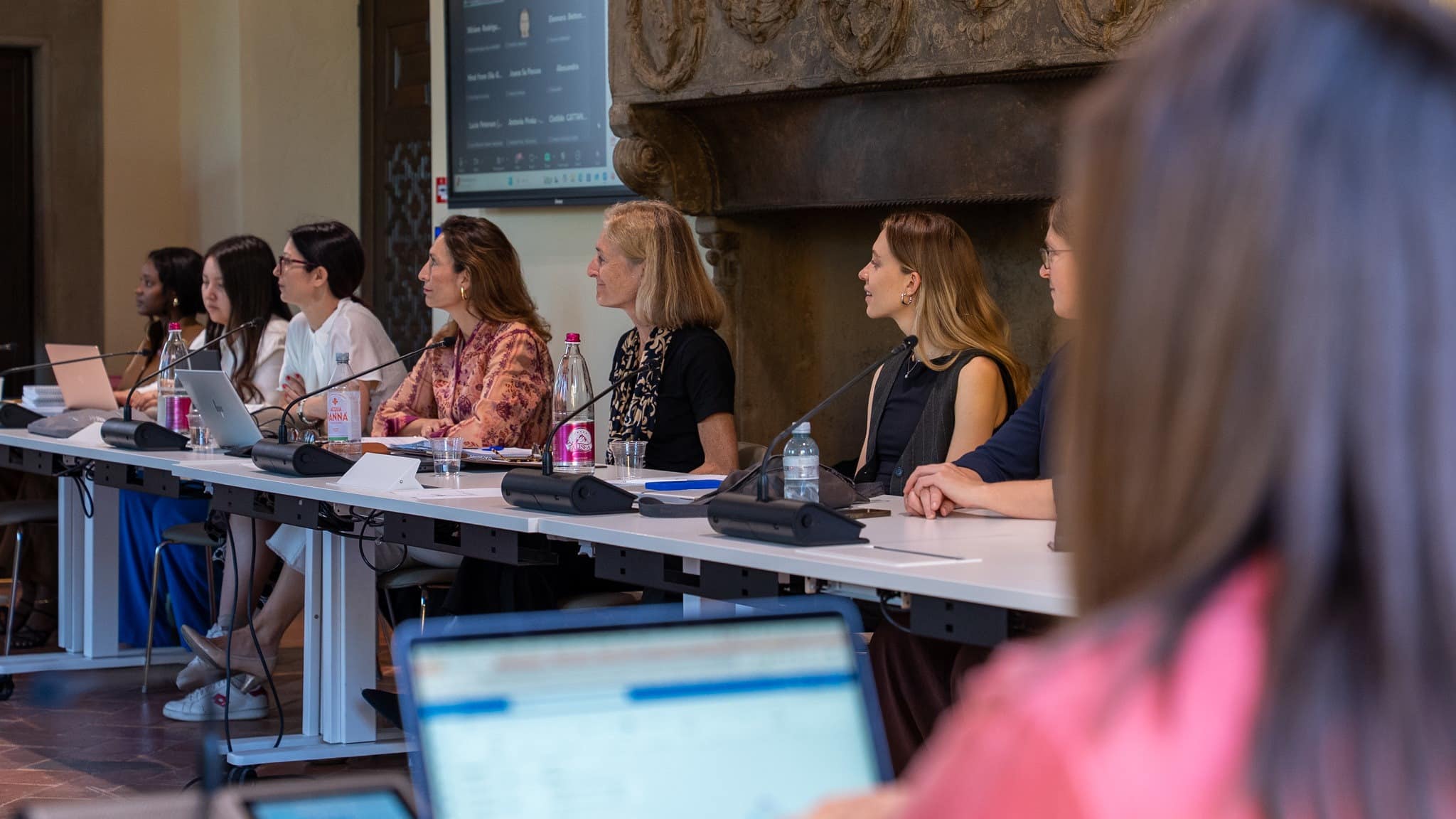
Archives: Events
3rd Florence Urban Transport Forum. Tendering Entire Urban Public Transport Networks
Following the 2nd Florence Urban Transport Forum which focused on the experiences and challenges of tendering urban public transport, the Florence School of Regulation turns to the tendering of urban public transport systems as a whole.
The EC Regulation 1370/2007 leaves room for interpretation and allows the tendering of urban public transport systems as a whole. Tendering systems can bring advantages, it reduces the number of actors involved, it assigns clear responsibilities (if designed thoroughly), and gives operators the flexibility and incentive to improve the system. Nonetheless, it bears risks, competition and its advantages might be reduced, it could disproportionally favour big players, and authorities have fewer opportunities to learn and improve the tendering system.
This 3rd European Urban Transport Regulation Forum will discuss if tendering entire systems is a viable and desirable possibility for urban public transport. Does it really bring the benefits hoped for, such as innovation? Or is it an indirect way to protect incumbent operators or to favour big players? Participants will address among others following guiding questions:
- What does praxis tell us on tendering entire transport systems?
- What does the Regulation 1370/2007 mean for Tendering Urban Public Transport?
- What are necessary factors for the successful tendering of systems?
DOWNLOAD
Don’t miss any update on our events
Sign up for free and access the latest events from our community.
More on the topic
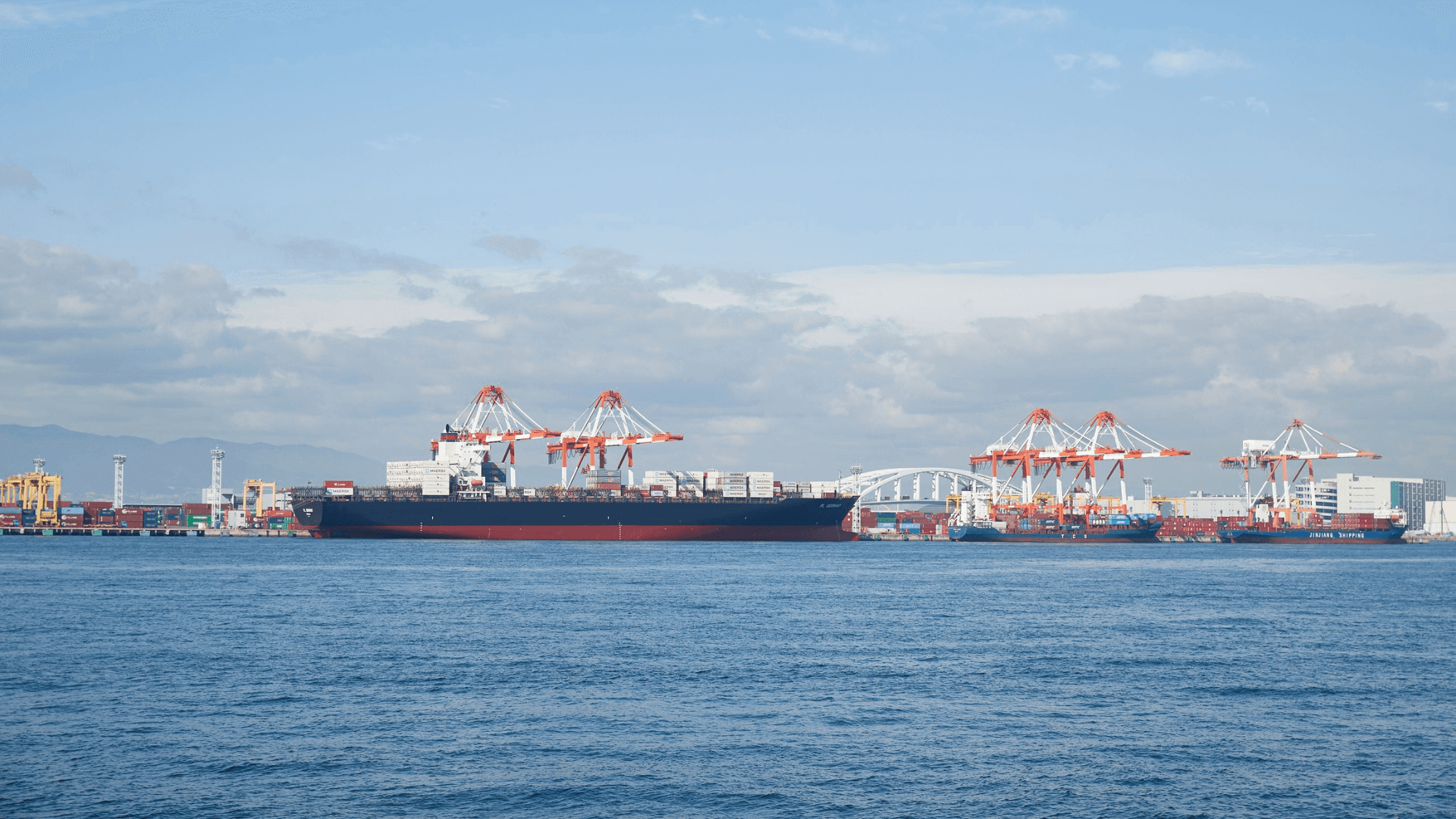


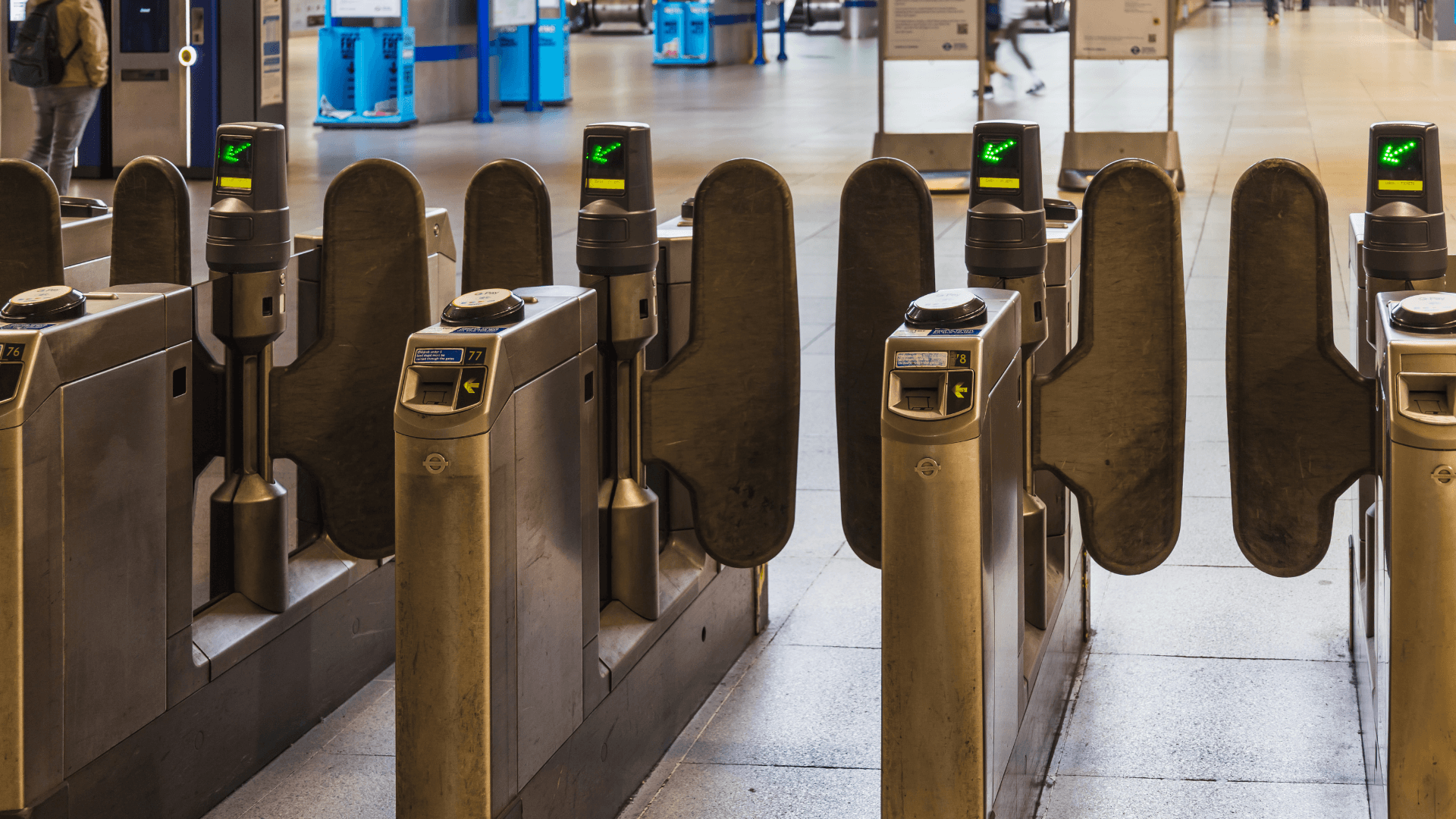




2nd Florence Urban Transport Forum. Tendering Urban Public Transport: Past Experiences, Future Challenges
The 2nd Florence Urban Transport Forum aims at a thorough discussion of the question of tendering of urban public transport services within the context of EC regulation 1370 on PSO and contracting. The Forum will give the opportunity to relevant stakeholders to address this by discussing inter alia the following questions:
- What can we learn from the past experiences of tendering of urban public services? What has worked? What has not? And why?
- How does EC regulation 1370 affect the tendering procedures?
- What other challenges have emerged over the past 20 years that need to be taken into account when tendering urban public services?
- How is tendering of urban public services likely to evolve in the years to come?
- What can we learn from other sectors about the tendering of urban public services?
Keeping to one of FSR’s guiding principles, namely stakeholder involvement, this Forum will feature presentations from representatives of the European Commission, Ministries, regulators, operators, international associations of stakeholders and academics.
DOWNLOAD
Don’t miss any update on our events
Sign up for free and access the latest events from our community.
More on the topic
1st Florence Urban Transport Forum. Role, Functions and Status of Transport Authorities
Following previous discussion events on rail transport, we are starting our activities on urban transport by organizing a debate on the role, the function and the status of Transport Authorities.
The discussion will be kicked-off with the following points:
- Who should perform the functions of planning, procuring and delivering urban transport in order to obtain the best possible results?
- What are/should be the exact role and functions of urban transport authorities, also in light of broader agglomerations’ transport?
- What is/should be the nature of contracts? Who is the regulator?
- What should be the relationship between transport authorities and political authorities?
Keeping to one of FSR’s guiding principles, namely stakeholder involvement, this Forum will feature presentations from transport authorities, operators, international associations of stakeholders and academics. The day will be opened, closed, and moderated by Prof Matthias Finger with the aim of fostering open discussion and exchange among all participants.
For more information, please contact FSR.Transport@eui.eu or visit the urban transport dedicated webpage.
DOWNLOAD
Don’t miss any update on our events
Sign up for free and access the latest events from our community.
More on the topic
Should Energy Policy and Climate Policy Go Together and Why? | FSR Online Debate
Watch the video recording
With Denny Ellerman (Formerly MIT and EUI) and Ignacio Perez-Arriaga (MIT and Comillas). Chaired by Jean-Michel Glachant (FSR/EUI).
Moderator: Riccardo Galletta
Don’t miss any update on our events
Sign up for free and access the latest events from our community.




Lecture by Professor Lord Stern of Brentford

The Florence School of Regulation – Climate- and the British Institute of Florence are glad to announce the lecture by Professor Lord Stern of Brentford that will take place on Friday 16 October at the European University Institute in San Domenico di Fiesole.
Professor Stern will deliver a lecture entitled “A world economy in profound structural change and the logic, urgency and promise of tackling climate change” based on his new book entitled “Why Are We Waiting? The Logic, Urgency and Promise of Tackling Climate Change” (MIT Press 2015). The book argues the urgency and importance of the transition to the low-carbon economy, and sets this in the context of a world in profound economic, geographical and technological transformation, showing the attractiveness of the alternative low-carbon path in terms of implications for cities, energy and land-use. Professor Stern will also assess where we are on the road to an international agreement at the United Nations Framework Convention on Climate Change in Paris later this year.
Nicholas Stern is I.G. Patel Professor of Economics and Government and Chair of the Grantham Research Institute on Climate Change and the Environment at LSE and President of the British Academy. Following his lecture in Florence, Professor Stern will conclude his Italian tour by presiding over a roundtable discussion in Milan as part of the programme of events for this year’s Expo on the theme of Feeding the Planet, Energy for Life.
Don’t miss any update on our events
Sign up for free and access the latest events from our community.
More on the topic

Max Weber Lecture by Professor Martin Weitzman
On 21 October Professor Martin Weitzman delivered a lecture at the European University institute, Max Weber Programme, with the title Why is the Economics of Climate Change so Difficult and Controversial?
The lecture provided a general overview of the economics of climate change, with emphasis on why this particular application of economic analysis presents special — almost unique — challenges to the economics profession.
On 22-23 October Professor Weitzman gave a keynote speech at the FSR Climate Annual Conference.
Watch below the recording of the lecture and interview
Don’t miss any update on our events
Sign up for free and access the latest events from our community.
More on the topic
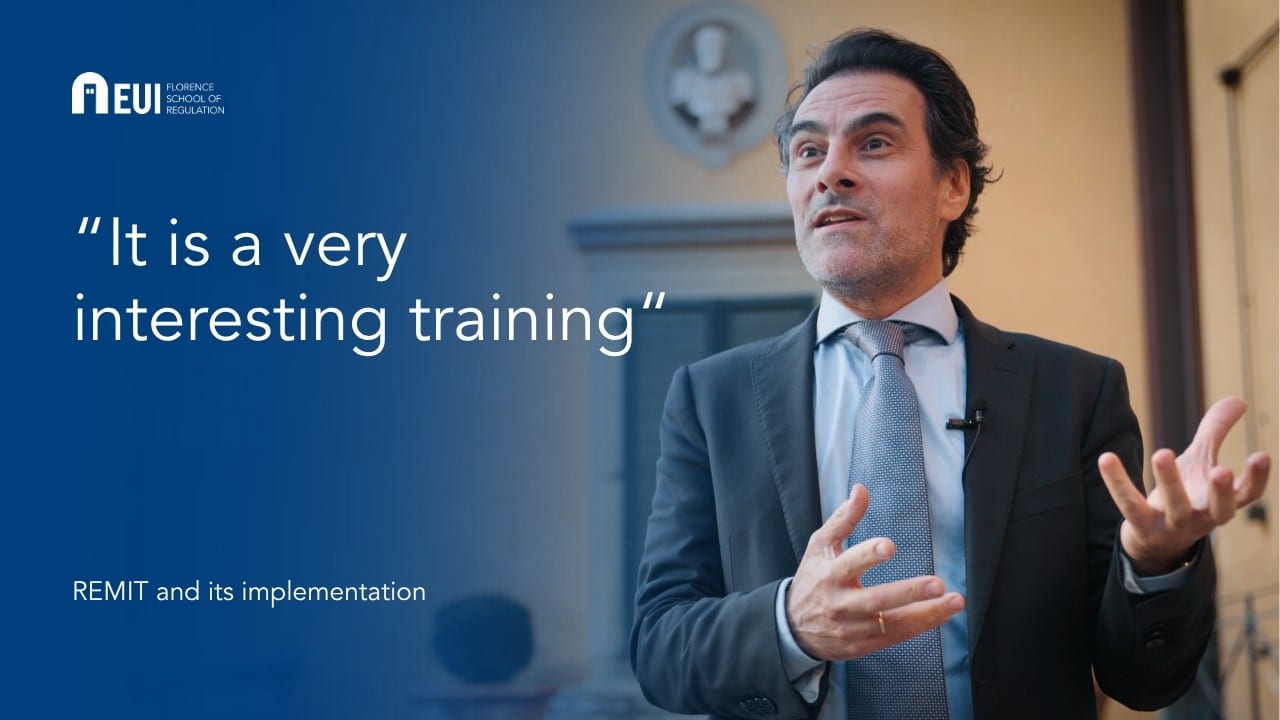
Energy/Carbon Taxation and Climate Policies: a Scoping meeting for FSR Climate
This workshop focused on the role of carbon and energy taxes in climate change mitigation. It was organised in three sessions on the general framework, empirical analysis for the EU, and the assessment of obstacles to policy progress. The event was designed as a scoping meeting for future research activities of FSR Climate in this area and also to explore collaborative work with other academic and non-academic institutions operating in the field.
Continue reading “Energy/Carbon Taxation and Climate Policies: a Scoping meeting for FSR Climate”
Don’t miss any update on our events
Sign up for free and access the latest events from our community.
Energy Efficiency and Climate Policies: a Scoping meeting for FSR Climate
This workshop aimed to provide a general overview of the role of energy policies for climate change mitigation. It was organised in three sessions on the general framework, research needs and gaps, and ex-post analysis of applications. The event was designed as a scoping meeting for future research activities of the FSR Climate Unit in this area and also to explore collaborative work with other academic and non-academic institutions operating in the field.
Continue reading “Energy Efficiency and Climate Policies: a Scoping meeting for FSR Climate”
Don’t miss any update on our events
Sign up for free and access the latest events from our community.
The External Dimension of the Energy Union
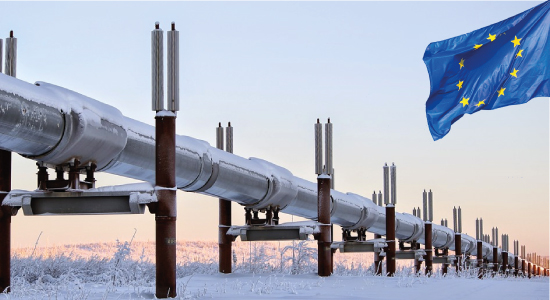
Led by: Andris Piebalgs (former EU Commissioner)
Keynote adress by: Maroš Šefčovič (Vice-President, European Commission)
The Context
In the ‘Energy Union’ package of February 2015, the Juncker Commission stated that “ensuring security of supply” would be the first of its five objectives. The European Council welcomed this package and, in June 2015, requested the EU High Representative Federica Mogherini to “prepare an EU global strategy on foreign and security policy” for June 2016. Lately, the EU Commission re-confirmed the central role of security in its strategy with the release of the “Energy Security Package” published on 16th February.
Beyond the EU, the revolution in oil and gas (prompted by US shale production and deepened by an enduring price crash) has created a new and particular landscape where our Energy Union has to position itself and grow. Simultaneously, the success of Paris COP 21 has also opened a new energy era at a global level. Therefore, the “External Dimension of the Energy Union” has now become a crucial issue at the core of European policy.
The Conference
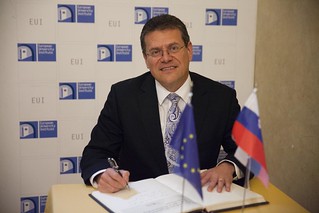
This FSR Conference on the ‘External Dimension of the Energy Union’ will investigate the current scenario, with a particular focus on the role played by gas in EU external relations.
Following the keynote address from the Vice-President of the European Commission, Maroš Šefčovič, the conference will be divided into three sessions:
- “The Global Challenges of the Security of Gas Supply”,
- “The Internal Market: a Hostage or Saviour of the External Energy Policy?”,
- “The Impact of the EU’s External Energy Policy on the EU Neighbourhood”.
Among the eminent speakers contributing to this event: Dmytro Vovk (Chairman of NERC Ukraine), Andrei Kortunov (Director General of Russian International Affairs Council), Mechthild Wörsdörfer (Director of DG Energy, European Commission), Walter Boltz (Vice-Chair of ACER), Stephan Kamphues, (President of ENTSOG) and Janez Kopač (Director of the Energy Community Secretariat).
Participation in this event is by invitation only.
Don’t miss any update on our events
Sign up for free and access the latest events from our community.
More on the topic

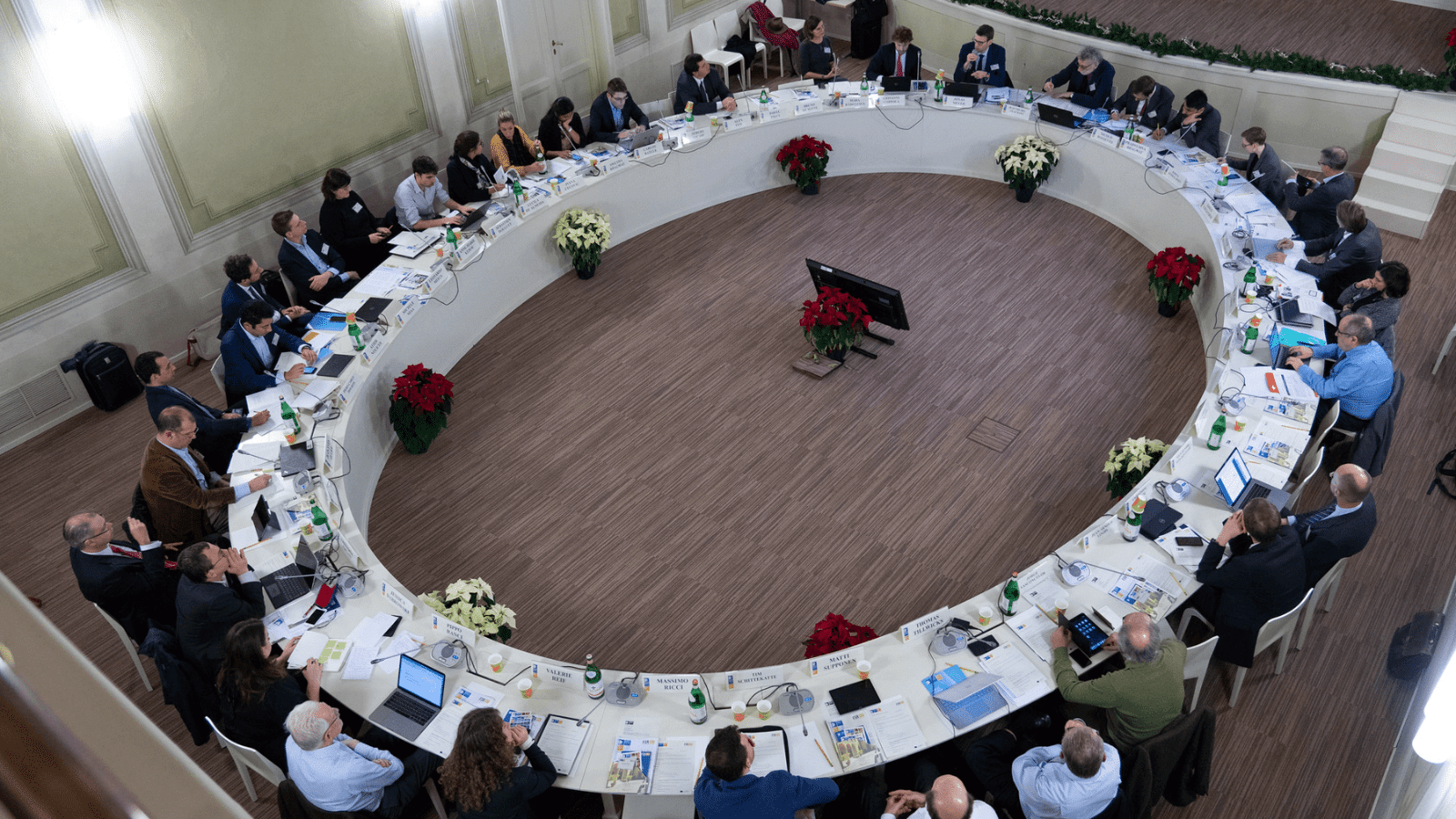


Open debate on hydropower rights at the European Parliament
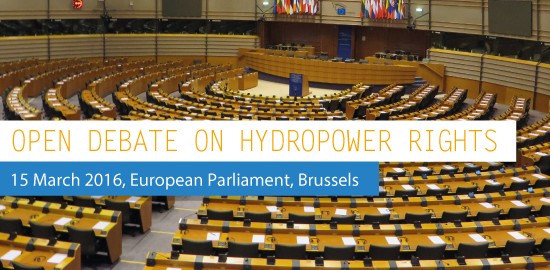
After the successful Luncheon debate last January, the FSR is pleased to announce a second edition of the Open debate on Hydropower rights, which will be kindly hosted by the European Parliament in Brussels, on 15th March 2016.
The recently published FSR report on ‘Regimes for granting the right to use hydropower in Europe’ will be presented by the authors and commented upon by high-level representatives of the European Parliament and Commission.
An interactive “open debate” with the wider audience will be encouraged: attendees from EU institutions, NRAs, industry and academia, as well as with any other relevant stakeholder are welcome to join the event.
Please register no later than 6th March. No request for registration will be accepted after this date.
Further information on the discussion theme
Over the last decade, the EU Commission has launched several investigations in different countries (e. g. France, Spain, Italy, and Portugal) regarding the compatibility of hydropower rights with European laws and regulations. Nevertheless, a few regimes (i.e. Austria or Sweden), despite not being grounded on competitive process, were excluded from the inquiry.
Although hydro is key to EU energy transition, two complications can be identified:
- Member States have totally different and non-harmonised frameworks,
- The EU Commission has three diverging voices on this topic: competition, environment, and “only last” energy.
The report aims to provide a balanced benchmark of hydropower concession regimes, by analysing and comparing 14 countries (Austria, Bulgaria, Finland, France, Germany, the UK, Greece, Italy, Norway, Poland, Portugal, Spain, Sweden and Switzerland) and regions when appropriate (cantons in Switzerland or Lands/States in Germany).
Watch the recording
Jean-Michel’s interview with Patrizia Toia
Download the flyer of the Research Report
Download the full version of the Research Report
Don’t miss any update on our events
Sign up for free and access the latest events from our community.
More on the topic
FSR Training on the Regulation and Integration of Renewable Energy
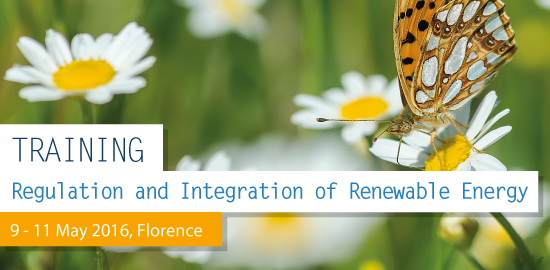
The FSR Training on the Regulation and Integration of Renewable Energy provides a comprehensive view of the role and potential of renewable energy as the key element to a sustainable, competitive and secure power industry of the future as well as the regulatory and market mechanisms needed to achieve the implementation goals.
Get specialist insight into:
- What is renewable energy for industry stakeholders and the technical impacts for the integration
- The European regulatory framework for renewable energy
- Costs and macro/micro-economic impacts of renewable energy
- The European electricity target model in a renewable energy future
- Investing in renewable energy in Europe
The course is directed by Mario Ragwitz (Fraunhofer ISI, Germany) and conducted by Mario Ragwitz, Alberto Pototschnig, Leonardo Meeus and specialists from renowned renewable energy companies.
Read all the information about the course
Deadline for Registration: 6 May 2016
Don’t miss any update on our events
Sign up for free and access the latest events from our community.
More on the topic
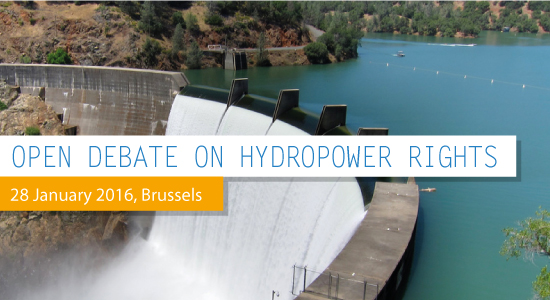
Luncheon debate on hydropower rights, 28th January 2016
Watch the live stream here!
Tweet your questions to @fsr_energy, they will be addressed by the panelists during the event!
The newly published FSR report on ‘Regimes for granting the right to use hydropower in Europe’ will be presented by the authors and debated with a high-level panel with representatives of EU institutions, National Regulatory Authorities, industry and academia, as well as with any other relevant stakeholder attending this event. The Luncheon debate will also be live-streamed. Further information on the discussion theme Over the last decade, the EU Commission launched several investigations in different countries (e. g. France, Spain, Italy, and Portugal) on the compatibility of hydropower rights with European laws and regulations. Nevertheless, a few regimes (i.e. Austria or Sweden), despite not being grounded on competitive process, were excluded from the inquiry. Although hydro is key to EU energy transition, two complications can be identified:
-Member States have totally different and non-harmonised frameworks,
-The EU Commission has three diverging voices on this topic: competition, environment, and “only last” energy.
The report aims to provide a balanced benchmark of hydropower concession regimes, by analysing and comparing 14 countries (Austria, Bulgaria, Finland, France, Germany, Great-Britain, Greece, Italy, Norway, Poland, Portugal, Spain, Sweden and Switzerland) and regions when appropriate (cantons in Switzerland or Lands/States in Germany). Download the programme Download the flyer of the Research Report
Don’t miss any update on our events
Sign up for free and access the latest events from our community.
More on the topic