


Archives: Events
Renewable gases, hydrogen and power-to-gas | EU Sustainable Energy Week

EU Sustainable Energy Week
From 22 to 26 June 2020, the EU Sustainable Energy Week will bring together energy stakeholders and enthusiasts online to discuss the way forward for green recovery and growth.
Renewable gases, hydrogen, and power-to-gas
The Florence School of Regulation is pleased to host one of the sessions from the title: “Understanding renewable gases, hydrogen and power-to-gas: empowering consumers to make informed choices”. You are all invited to join us and debate! The webinar will be introduced by the FSR Director, Jean-Michel Glachant. Ilaria Conti, Head of FSR Gas, will set the scene introducing the topic of taxonomy for the so-called “green gases”.
Watch the recording
Background
Decarbonising the EU’s energy system and ramping up our renewable energy use are critical to reach our climate objectives. The route to decarbonisation can take many forms, though biogas, biomethane and clean hydrogen are likely to feature in most of the pathways. The smart integration of renewables, energy efficiency and all possible sustainable solutions across sectors will help to achieve a cost-efficient decarbonisation and ensure/improve the reliability and flexibility of the energy systems.
European consumers have a powerful role to play in driving this transformation forward and are becoming increasingly careful about what and how they consume, also showing a strong support for energy choices that are less carbon intensive. Consumer engagement can make a real difference in this process, but this requires more transparent information about carbon and environmental footprints of products and services available on the market. Fully understanding the costs and potential of the different (emerging) technologies will be essential to make informed choices about more sustainable alternatives and ultimately benefit from the clean energy transition.
The Programme
Overall the session will discuss sector coupling and sector integration technologies, including the production of hydrogen, and explore possible solutions for the decarbonisation of the gas sector. Apart from addressing possible regulatory and market barriers to develop this, it will explain what the renewable gas, the green gas etc. mean to a wider public. It will also address how to improve the Guarantees of Origin (GOs) system across the Union so that the consumer-driven part of the energy transition can push forward.
Participants can expect an interactive panel discussion with a diverse set of speakers and panelists from various parts of Europe and with different backgrounds.
More from #EUSEW2020
Prof. Leonardo Meeus (FSR) will contribute to the panel discussion on ‘’Smart sector integration of gas and electricity infrastructure – opportunities and challenges in the context of the eu green deal’, focusing on the role that gas and electricity infrastructure will play as part of the upcoming Energy System Integration strategy, whilst also highlighting the societal cost savings and environmental and climate benefit of a hybrid energy system that uses electricity and gas.
In collaboration with

For more #EUSEW2020 updates, visit the EUSEW website.
Presentations
-
Understanding renewable gases, hydrogen and power to gas: empowering consumers to make informed choices
Ilaria Conti
Don’t miss any update on our events
Sign up for free and access the latest events from our community.
Speakers
More on the topic




7th Florence Intermodal Forum: Towards a Common European Framework for Sustainable Urban Mobility Indicators

With over 70% of EU citizens currently living in urban areas, achieving sustainability of cities has become one of the defining challenges of our times. While urban areas can enable access to important social and economic opportunities, they have also brought about new challenges related to traffic congestion, air- and noise-pollution, and inefficient transport systems. This makes cities and local authorities central actors in leading the shift to smarter and more sustainable mobility.
As a cornerstone of its urban mobility policy, the European Commission has strongly encouraged European towns and cities of all sizes to embrace the concept of Sustainable Urban Mobility Plans (SUMPs). By improving accessibility to, through and within urban areas and promoting the shift towards more sustainable modes of transport, SUMPs hold the potential to improve the overall quality of life for residents by addressing issues of congestion, air- and noise-pollution, climate change, road accidents, unsightly on-street parking and the integration of new mobility services. SUMPs consider the whole functional urban area, and foresee cooperation across different policy areas, across different levels of government, and with local residents and other principal stakeholders.
Despite the recognition of the wide range of benefits linked to this strategic urban mobility planning approach, the implementation of SUMPs has been voluntary and remains limited to a small proportion of European cities. This can be attributed to the lack of financial, technical and political support as well as quality control for SUMPs from national and regional levels in the Member States where devolution gives regions more competences. Furthermore, where plans have been developed these have often failed to fulfil minimum quality standards due to a lack of uniform understanding of the SUMP concept.
A number of measures have been used by Member States to improve enforcement, such as for instance preconditioning the provision of operational subsidies or grants on an approved SUMP and trained mobility department. In order to overcome existing barriers and accelerate the uptake of high-quality SUMPs Europe-wide, the European Commission is now exploring the idea of developing a common EU-framework for sustainable urban mobility indicators (SUMI). A common, methodically sound and practically feasible indicator set could enable public authorities to determine the current status of the city with regard to sustainable urban mobility, including the identification of deficiency areas where additional action may be required, to track progress towards set policy goals, to identify scope for improvement, and to better understand the overall impact of urban mobility policies. It would also enable cities to benchmark against other cities and compare against national and international data sets. The 19 indicators tested and modified to the EU context within the SUMI project were originally developed bythe World Business Council for Sustainable Development with a promise to enable “cities to perform a standardised evaluation of their mobility system and measure the improvements resulting from the implementation of new mobility practices or policies”.
As implied above, however, the definition and selection of indicators, is a complex exercise. Indicators must be widely applicable across Europe irrespective of city size and local characteristics in order to enable cities to benchmarkagainst other cities and to compare to national or international data sets.What is more, SUMI need to be future-proof and adaptable to new urban mobility approaches (e.g., electric scooters, Mobility as a Service (MaaS) and shared transport) and evolving travel habits. Another key question relates to data collection methodologies and data standardisation which will need to be ensured in order to allow comparability.
In view of this, the 7thFlorence Intermodal Forum, co-organised by the Transport Area of the Florence School of Regulation and the European Commission’s DG MOVE, will bring together policy makers from national-, regional- and local-levels, together with public transport operators and manufacturers for a timely discussion on the rationale behind- and challenges towards a common European framework for SUMI. More specifically, the forum will explore the definition and appropriate indicator parameters; data collection techniques and data standardisation, as well as more generally the question of enhancing enforcement of SUMPs. Last but not least, the forum will draw on lessons learnt from the Covid-19 pandemic in relation to urban mobility in as far as SUMI are concerned.
Please kindly note that this event is by invitation only.
SPEAKERS PRESENTATIONS:
Session A: What are the areas needing improvement and how can we ensure a proper link between the SUMP process and the European Green Deal/Climate Law?
Siegfried Rupprecht – Rupprecht Consult Presentation
Marijke de Roeck – Antwerp Presentation
Session B: How should data gathering be approached in cities of different sizes?
Dirk Engels – Transport & Mobility Leuven Presentation
Violeta Mihalache – Urban Survey Timisoara Presentation
Session C: Implementation and the way forward: funding and the EU urban mobility scoreboard
Don’t miss any update on our events
Sign up for free and access the latest events from our community.


Workshop on Air Traffic Management (ATM) Data Services

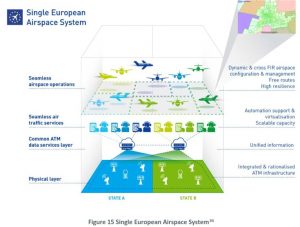
The Airspace Architecture Study (AAS), published in March 2019, set out a proposal for a future Single European Airspace System (SEAS) underpinned by optimised airspace organisation, progressively higher levels of automation and the establishment of common ATM data services, enabling seamless cross border air traffic service provision. The vision outlined in the AAS report (pictured in the figure below and proposed to be implemented by 2035) requires operational, technological, organisational and regulatory changes to the existing SES architecture.
Whilst the AAS focused on the operational and technical dimensions of the proposed future ATM architecture, a number of questions remain open in terms of regulatory aspects and service delivery arrangements (‘framework dimensions’).
The framework dimension, including the regulatory framework and the service delivery models, constitute the enablers without which the proposed future vision cannot be realised. Hence, the Commission has taken further action to explore and address the related aspects critical for the future SEAS, by launching a study in October 2019 on the legal, economic and regulatory aspects of ATM data services provision and capacity on demand as part of the future European air space architecture.
In March 2020 the first virtual expert workshop was organised together by the Florence School of Regulation Transport Area and DG MOVE. This workshop gave an overview of the first findings and results of the study, as well as generated valuable discussions regarding the most important aspects of ATM data services.
The second workshop would seek to explore the following topics:
-Service delivery models for ATM data services
-Interoperability and interfaces
-Certification and oversight of ATM data services
-Insurance and liability
-Impacts of ATM data services
Please note that this event is an online workshop and by invitation only.
Don’t miss any update on our events
Sign up for free and access the latest events from our community.
The Plan for Europe’s Recovery: opportunities for the energy sector
In conversation with Ditte Juul Jørgensen
Director-General, Directorate-General for Energy
With the Coronavirus pandemic the EU is facing an unprecedented crisis in its history. GDP of the EU contracted by a record 3,5% in the first quarter of the year, many jobs are lost, the health systems are under severe strain, restarting economic activities difficult under new conditions. EU needs a huge stimulus package to kick start its economy. It will be not the first package to help recovery, but by far the biggest and most ambitious. Ursula von der Leyen, the President of the European Commission compared it with the Marshall Plan. There are calls from the European Parliament and part of the Member States that the proposed recovery and the reconstruction package should support the European Green Deal strategy to embrace low carbon future. How to achieve this goal, what avenues to choose, what mechanisms to use is far from simple, but it also is a unique opportunity to accelerate energy transition.
FSR online event moderated by Andris Piebalgs
In the discussion with Ms. Juul Jørgensen we will focus on the place of the energy sector in the Recovery Plan, the chosen priorities and the best possible engagement with the stakeholders.
Don’t miss any update on our events
Sign up for free and access the latest events from our community.
Speakers

Two Roads Diverged: a study of State Aid to Nuclear in France and Germany
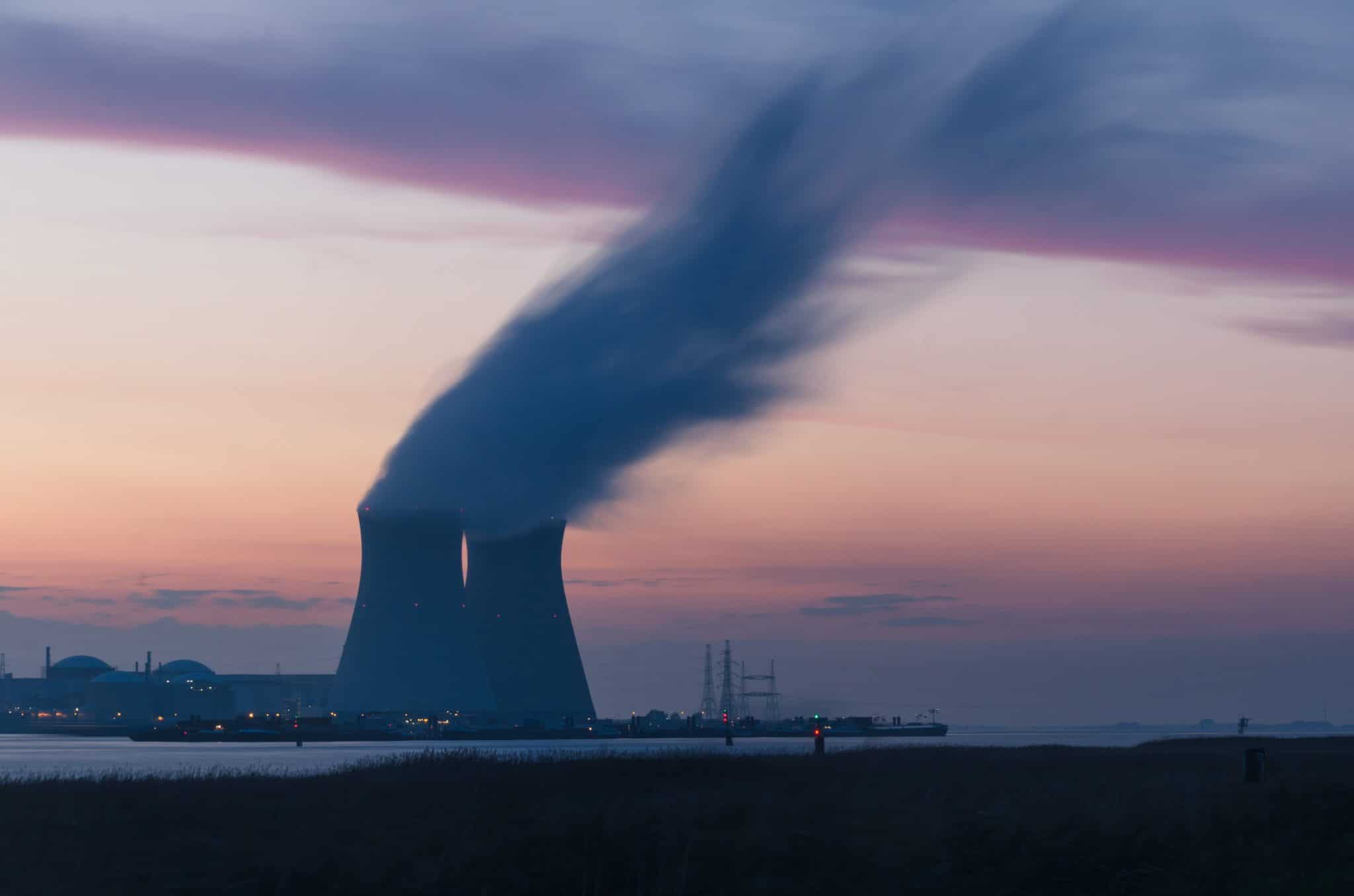
In this online debate, we will consider the role of state aid to nuclear energy in both France and Germany together with Guillaume Dezobry (Fidal) and Max Klasse (Blomstein) with Leigh Hancher (FSR) as moderator.
Watch the debate
Background
Both France and Germany are currently pursuing very different paths with respect to nuclear energy and, in turn, state aid for the sector. While France is continuing its support, Germany has opted to phase out its nuclear power plants. Nuclear energy and public financing of the sector is often a contentious and sticky issue and, as we will see in the case of Germany, these issues continue beyond the shut down of power plants.
Following the 1973 oil shock, driven by the need for energy security, France rapidly escalated the role of nuclear power in its energy mix. As it stands today, France derives approximately 75% of its electricity from nuclear energy, with approximately 17% of its electricity coming from recycled nuclear fuel. The emission of CO2 per unit of electricity generated is one of the lowest in the world. Due to the low cost of generation, France is also the world’s largest net exporter of electricity, drawing over €3 billion per year. While the current government policy is to reduce this level from 75% to 50% by 2035, nuclear power will remain a key source of energy.
Contrary to this course of action, Germany has made the decision to close the country’s remaining nuclear power plants by 2022, in the name of climate action. Germany now generates over 35% of its yearly electricity consumption from wind and solar sources. However, Germany’s electricity storage capacity amounts to less than 2% of total electricity output. The intermittent nature of these sources means that back-up capacity is necessary. In order to achieve stable baseline power and fill the gaps from fluctuating wind and solar generation, Germany currently relies on coal and natural gas power plants, its remaining nuclear plants and by importing electricity from other European nations. These imports largely come from France and Sweden.
Both courses of action can be deemed imperfect, and both have required state aid. In this session, we will examine how both France and Germany have approached the issue of nuclear energy and state support.
France
In particular, in the case of France, we will address:
- The financing of existing nuclear in France
-
- Is there a need for state aid?
- What is the justification?
- Contracts for difference
-
- The purpose
- The design
- Operating V investment aid
- Nuclear power and services of general economic interest
-
- An assessment of the conditions
- The role of Public Service Obligations
Germany
With respect to Germany, we will consider:
- The nuclear phase-out of Germany
- Financing of dismantling obligation V interim/ final storage of nuclear waste
- The repatriation of nuclear waste liabilities: compatibility criteria including the need for state intervention, appropriateness, and incentive effect
- The practical state aid implications of the design of nuclear waste liabilities beyond Germany
We will then briefly consider the issue of aid to nuclear energy more generally in the EU, including the recent non-binding opinion of AG Gerard Hogan from the ECJ on state aid to the nuclear power plant in the UK, Hinkley Point C, following Austria’s appeal against it’s compatibility. For more on this, you can check out our new podcast on the issue with Leigh Hancher, available here. Do you agree with Hogan’s opinion? More generally, do you think that nuclear energy is a good way, or the most feasible way, to reach a low carbon future? Do you think that state aid should be provided to this sector? Is state aid to nuclear energy compatible with the wider interests of EU Member States? Do you think the coronavirus crisis have an impact on the future role of nuclear energy in the EU?
We would love to hear your thoughts and hope that you will join us for a lively discussion.
Schedule:
13.00 – 13.05 Brief introduction | Leigh Hancher (moderator)
13.05 – 13.20 The case of France | Guillaume Dezobry
13.20 – 13.25 Questions
13.25 – 13.45 The case of Germany | Max Klasse
13.45 – 13.50 Questions
13.50 – 14.00 Panel discussion of nuclear aid in the EU
14.00 – 14.05 Online coffee break (grab your coffee and meet the other attendees in the chat)
14.05 – 14.30 Q&A with the live audience
We will be taking questions throughout the live session through the live chat box. However, please also feel free to send your questions in advance to the scientific organiser: Anne-Marie.Kehoe@eui.eu
Slides and a recording of the session will be posted to this page shortly afterwards.
We will also provide a debrief of the debate.
Presentations
Don’t miss any update on our events
Sign up for free and access the latest events from our community.
Speakers
More on the topic



The configuration of bidding zones, liquidity and competition in the electricity market

FSR Regulatory Policy Workshop Series 2019-2020
The Online Workshop will aim to reflect and review the available evidence on the relationship between bidding-zone configurations and market liquidity. It will then consider to what extent larger bidding zones, when not supported by the capacity of the underlying network, can promote competition to the benefit of energy consumers.
To explore these issues, the Workshop will be structured in two sessions:
- Session I (14.00 – 15.30 CET) will explore the available evidence on the relationship between the size of bidding zones and market liquidity, trying to draw conclusions on how liquidity should be considered in the context of a bidding zone review.
- Session II (16.00 – 17.30 CET) will focus on the extent to which larger bidding zones might be able to promote competition in the electricity market to the benefit of energy consumers, irrespective of the capability of the underlying network.
This workshop is exclusively open to national regulators, representatives from public bodies and associate & major donors of the FSR Energy area. Special registration requests must be submitted to the coordinator of the workshop Mara Radulescu.
The Highlights from the workshop are available here.
Background
The integration of the internal electricity market has delivered and is still delivering significant benefits to European electricity consumers, in terms of greater choices and better prices. Unfortunately, these benefits risk being overshadowed by the increasing level and costs of remedial actions. These actions are required to maintain system security in the face of flows which, while creating congestion, cannot be adequately controlled – i.e. limited – through congestion management mechanisms, as they are scheduled within the same bidding zone, or across other bidding-zone borders in an uncoordinated way.
According to ACER’s estimates, already in 2017 the cost of remedial actions exceeded 2 billion euro across the EU, with Germany accounting for approximately half of the total. Underlying these remedial action costs, there is clearly an inefficient use of the network, or, more precisely, a use of the network that favours intra-zonal trading at the expense of cross-zonal trading, with the distinction between these two types of trading being based on a bidding-zone configuration which reflects more the legacy of electricity systems before liberalisation than any optimality criteria applied to the new reality of energy flows.
It is important to emphasise that the bidding-zone configuration does not affect the physical ability of the network to transmit electricity from generators to loads. However, the configuration of bidding zones determines how the underlying physical limitations of the network can be imposed on market participants trading across large areas or regions, and this affects the efficiency with which the network is used, as well as the behaviour of market participants.
Beyond the rising costs of remedial actions, the large volumes of unscheduled flows are another indicator of the difficulties of controlling flows on the European electricity system in an efficient way by using congestion management on current zonal borders.
A proper bidding-zone configuration is therefore essential for the security and efficiency of the EU electricity system and markets. This is recognised in the recast of the Electricity Regulation, where it is specified that “[t]he configuration of bidding zones in the Union shall be designed in such a way as to maximise economic efficiency and to maximise cross-zonal trading opportunities […], while maintaining security of supply”.
As required by the same Regulation, a bidding zone review was launched in October 2019. Such a review process rests, beyond the set of alternative bidding zone configurations to be analysed in the review process, on the criteria to assess the relative merits of the alternative configurations, on the basis of which the final decision can be taken.
In this regard, article 33(1) of the CACM Regulation lists a minimum set of thirteen criteria, grouped into three categories: network security, market efficiency, and stability and robustness of bidding zones. The challenge is however that some, if not most of these criteria are difficult to quantify, let alone monetise, and, in any case, the legislative provision does not establish any ranking among those criteria, nor a structured approach on how to appreciate their importance.
In the end, as it was the case in the previous review, it is likely that the comparison of the performance of alternative bidding-zone configurations will boil down to the perceived trade-off between the efficiency of the market outcome and operational security, on the one hand, and market liquidity, on the other hand. As a first approximation, any configuration characterised by smaller bidding zones should improve operational security as it makes more flows subject to congestion management procedures and, therefore, managing congestion easier. By delivering a market outcome which is more likely to be feasible, such configurations will also reduce the need for economically inefficient remedial actions, thus improving the overall efficiency of the market. At the same time, smaller bidding zones are often claimed to reduce market liquidity.
With respect to liquidity, a well-functioning market, promoting competition and efficiency, is based on two mutually-reinforcing effects: i) the liquidity of the spot market so that market participants can trust the price formation mechanism and therefore the robustness of the electricity spot price as the underlying reference for the forward/futures market; and ii) the liquidity of the forward/futures market to allow effective hedging of the spot price risk. If one of these components is missing, the other one also suffers.
A low level of liquidity might lead to higher transaction costs, higher risks and hedging costs, which may translate into higher barriers to entry into the market. Therefore, liquidity, while not an objective in its own, is of utmost importance for the market to deliver its benefits.
That said, the evidence from Europe and the US seems at least to question the belief held by some stakeholders and commentators that a bidding-zone split and, in general, smaller bidding zones reduce market liquidity. In fact, liquidity seems to be determined more by the design of the market and the structure of the sector. And while liquidity can promote competition, the latter may impact liquidity more than the dimension of bidding zones.
What in fact seems to be more relevant for the well-functioning of the electricity market is the structure (concentration) of the sector with respect to the structure (congestions) of the network. As already indicated, different bidding-zone configurations do not change the physical ability of the network to transmit electricity from generators to loads. Larger bidding zones might appear to support greater competition in the market by allowing a larger group of market participants to compete among themselves. But, if the larger bidding zone does not reflect the actual capabilities of the network, local market power will inevitably emerge, at least as real-time approaches.
Deadline for registration: 11 June 2020
Don’t miss any update on our events
Sign up for free and access the latest events from our community.
Speakers









A Global View on Dynamic Tariffs

Over the years, dynamic retail electricity tariffs (also known as time-varying tariffs) have been applied in varying forms around the globe, mostly for commercial and industrial consumers but increasingly also for residential consumers.
Designing dynamic tariffs at the residential level can be more complicated than for large consumers due not only to significant infrastructure requirements but also to political economy issues surrounding the supply of electricity to individual citizens and households.
Nevertheless, they are becoming more prevalent in order to efficiently integrate more variable renewable energy sources and to manage increasing demand resulting from the electrification of the economy such as in the transport sector.
In this debate, our panellists will share their insights and experiences in implementing dynamic tariffs around the world. We will cover the following questions:
- What were the motivations?
- What were the key choices that needed to be made?
- What were the barriers experienced?
- What is their future?
Now live!
Dive in deeper
If you are interested in learning more on this topic read FSR Global’s recently published “Dynamic retail electricity tariffs: choices and barriers”.
The policy brief reviews sixteen international case studies on the implementation of dynamic retail electricity tariffs are reviewed to identify the design and implementation choices that have to be made when introducing such tariffs. The policy brief highlights that before implementing dynamic tariffs, it is essential to conduct a careful cost-benefit analysis of the effects on consumers, suppliers and the overall implementation system. Moreover, enabling innovative business models and technologies will help to derive the maximum benefit from the application of dynamic tariffs.
Read more in open access
Don’t miss any update on our events
Sign up for free and access the latest events from our community.
Speakers
More on the topic



Webinar 2: How can aerial measurements aid methane emissions reduction?

Webinar series on Methane Emissions
Second webinar:
How can policy and regulation foster the development of satellite measurement and other new technological approaches? Could satellites and other aerial measurement methods provide for step-change in methane emissions regulation?
Following the first webinar on methane emissions, this online event focuses on the impact of the satellites and other aerial measurements on regulatory regimes for methane and the role of regulation in further promoting these measurements.
Now live!
Programme
Monday, 8th of June 2020, 15.00-17.00 CEST
Moderated by Maria Olczak, FSR
15.00 – 15.15 Welcome and a short recap from the previous workshop
Maria Olczak | Florence School of Regulation/RSCAS/EUI
Andris Piebalgs | Florence School of Regulation/RSCAS/EUI
Mark Radka | UN Environment
15.15 – 15.50 Roundtable 1: How to incorporate aerial measurements in methane policies and regulation?
Robert Kleinberg | Columbia University / Boston University
Poppy Kalesi | Environmental Defense Fund
Katherine Konschnik | Duke University
Manfredi Caltagirone | UN Environment
Guiding questions:
• Do current methane emissions regulations pose a barrier to the growth of aerial and satellite measurements?
• What capacities must be developed to manage and utilize the growing body of methane measurement data? How can we facilitate data integration and management on a global scale?
• What role exists for public-private partnership projects to support data-driven methane policy?
15.50 – 16.00 Q&A session with the audience
16.00 – 16.35 Roundtable 2: How to make the regulation open to the development of new technologies?
Carlos de Regules | Expert on Regulatory Strategies, former head of ASEA (Mexico)
Boyko Nitzov | ACER
Monika Zsigri | European Commission (DG Energy)
K.C. Michaels | International Energy Agency
Guiding questions:
• How to design regulation in order to encourage technology innovation in measurement?
• Which other policy instruments could support technology innovation (e.g. R&D pro-grammes, pilot projects, etc.)?
16.35 – 16.45 Q&A session
16.45 – 17.00 Concluding remarks
Roland Kupers | Institute for Advanced Studies / Arizona State University
Christopher Jones | Florence School of Regulation/RSCAS/EUI
Watch with us:
Background
On 15th of January 2020 the International Energy Agency (IEA), in collaboration with Florence School of Regulation (FSR), the United Nations Environment Program (UNEP) and Methane Guiding Principles partners, organized a workshop in Paris dedicated to overcoming the challenge of addressing methane emissions from the oil and gas sector through sound methane policies and regulations. The meeting was instrumental in gathering around one table a global network of methane policy and regulatory experts to share experiences and best practices for driving methane emissions reductions.
One of the major topics that emerged during the Paris workshop was the role of new technologies, especially satellite and aircraft-based instruments, in methane emissions mitigation. These technologies provide top-down emissions data that can supplement and reinforce measurements on the ground. Remote measurement can spot super-emitters, provide accurate and continuously updated data and show plumes of methane in higher resolution than ever before.
A growing number of satellite projects have recently been set in motion. In October 2018, the European Space Agency (ESA) launched the Tropospheric Monitoring Instrument (TROPOMI), GHGSat Inc., and Environmental Defense Fund will launch MethaneSAT in 2022, both of which will measure methane emissions globally. Furthermore, the accuracy and coverage of those readings is expected to ameliorate with the ESA preparing the launch of the Sentinel 5 satellite, and GHGSat planning to set in motion additional satellites.
With this influx of new aerial and satellite data, stakeholders must consider how to use this data in the most efficient way to drive meaningful methane reductions, including how best to integrate this top-down data with existing bottom-up measurement technology.
Join the discussion on Twitter
@FSR_Energy #FSRGas #reducemethane
Learn More
Watch the recording:
Online debate: How important should methane emissions be in the Green Deal Strategy?
Listen to the podcast:
US Methane emissions regulations | Interview with Robert L. Kleinberg
Read the FSR Policy Brief:
Presentations
Don’t miss any update on our events
Sign up for free and access the latest events from our community.
More on the topic
Policy Advisory Council – FSR Energy
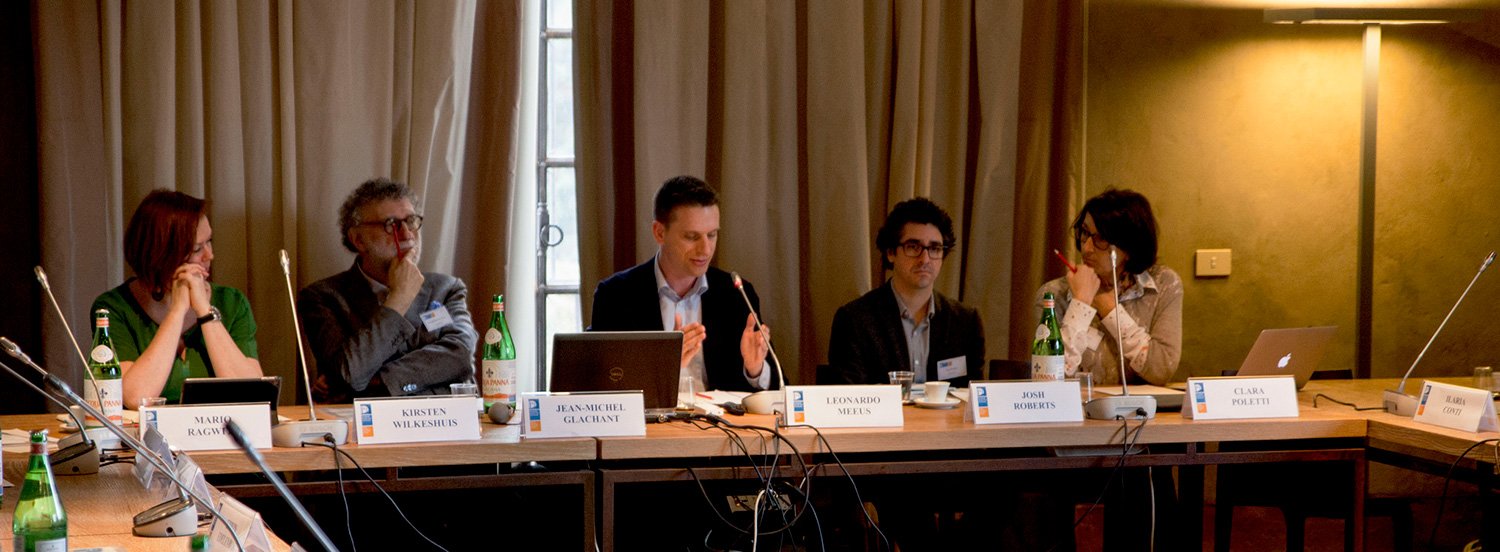
The Policy Advisory Council discusses the most topical regulatory and policy issues and debates the relevance and robustness of the latest FSR research findings.
The meeting gathers renowned academics, experts from the FSR Energy Major Donors, the European Commission, the Agency for the Cooperation of Energy Regulators (ACER) and National Regulatory Authorities.
The event will take place online and is structured as follows:
Day 1
- Session 1: Customer data exchange and interoperability
- Session 2: Peer-to-peer, platforms, communities: enemies or much of the same?
Day 2
- Session 1: Cost-effective decarbonisation – strategies and technological perspectives
- Session 2: Regulatory challenges in addressing the methane emissions
Please note this is a closed event and participation is by invitation only.
Don’t miss any update on our events
Sign up for free and access the latest events from our community.
COVID-19, global climate policy and carbon markets

COVID-19, global climate policy and carbon markets: expected impacts and possible solutions
The COVID-19 pandemic is having a dramatic impact on economic activities worldwide. This has both direct and indirect effects on greenhouse gas emissions and global warming. On the one hand, the fall in production and traffic volumes drastically reduces emissions, as it has already been observed after a few weeks of lockdown in a growing number of countries. On the other hand, the deep economic recession which might affect the world economy in the next years is likely to slow down the technological progress that is needed to progress along a low-carbon economic path. Moreover, the economic depression obviously has a large impact also on carbon markets: the fall in production brings about a sharp decrease in the demand of emission allowances, which causes a reduction in the allowance prices and thus also -ceteris paribus- in the incentive to invest in clean technologies.
For these reasons, it appears particularly important to identify in advance a suitable economic-climate package which may relaunch clean investments when economic activities will resume and avoid that the economic downturn may be followed by a sharp growth in emissions when the pandemic will be gone.
This raises some of the questions that we would like to address in this online debate, namely:
- What economic and climate policy package will be needed to deal with the economic consequences of COVID-19?
- How will the current emergency affect the European Green Deal?
- What consequences the ongoing pandemic may have on the EU ETS? What are its expected effects on the other Emission Trading Systems worldwide?
- What impact COVID-19 might have on international cooperation among Emission Trading Systems?
- What lessons can be learnt from the current pandemic for cooperation among countries in the international climate policy?
FSR Climate, in collaboration with the Policy Outreach Committee of EAERE (European Association of Environmental and Resource Economists), organises this online event to promote a more integrated dialogue between academia and policy world, providing advice and support to EU policy makers and institutions in designing policy interventions, which is particularly needed and urgent in these difficult times.
The event builds upon the successful experience of policy debates organized by FSR Climate at State of the Union since 2018 and intends to continue the policy dialogue carried out by FSR Climate under the ongoing LIFE DICET (Deepening International Cooperation on Emissions Trading) project. The project, co-funded by the LIFE Programme of the European Union, focuses on the international carbon market cooperation between the EC and the regulators of other major Emission Trading Systems, namely, California-Quebec, China, Switzerland and New Zealand and intends to support EU and Member State policymakers in deepening international cooperation for the development and possible integration of carbon markets at the world level.
Watch the recording!
Format
Short presentations from the invited speakers followed by questions from the audience.
Chair
Simone Borghesi, Director, FSR Climate, EUI
Jos Delbeke, School of Transnational Governance, EUI
Invited speakers
Christian Gollier, Director of Toulouse School of Economics, President European Association of Environmental and Resource Economists
Phoebe Koundouri, Professor, School of Economics, Athens University of Economics and Business; President-Elect EAERE; Chair, UN SDSN Greece; Director EIT Climate KIC Hub Greece; Chair ICRE8
Eswaran Somanathan, Economics and Planning Unit of the Indian Statistical Institute, Delhi, India, and Program Director of CECFEE (Centre for research on the Economics of Climate, Food, Energy and Environment)
Harald Winkler, University of Cape Town and Academy of Science of South Africa

Presentations
Don’t miss any update on our events
Sign up for free and access the latest events from our community.
Speakers
More on the topic







Wholesale energy markets: Gas & Electricity shaken by the virus

IAEE-FSR online event
Watch the recording:
The Covid-19 crisis has become a major economic crisis, in which the gas & electricity industries are facing unprecedented challenges with a deep fall in consumption and wholesale prices. We will look at the facts and the foreseeable consequences for the major stakeholders; be they consumers, producers or intermediaries, as seen from the wholesale markets, in the US and in the EU.
Panelists: Jeff Makholm, Managing Director at NERA; Walter Bolz, former ‘Gas’ Vice President of European energy regulators; Emmanuel Clair, former Managing Director at Goldman Sachs; Max Luke, Consultant at NERA
Moderated by: Jean-Michel Glachant, Director Florence School of Regulation & Loyola de Palacio Chair Holder

Don’t miss any update on our events
Sign up for free and access the latest events from our community.
Speakers
The role of guarantees of origin in pursuing energy sector decarbonisation

FSR Regulatory Policy Workshop Series 2019-2020
The Online Workshop will consider which role the Guarantees of Origin (GOs) might play in promoting the development of decarbonised/renewable gases and, more generally, decarbonised/renewable energy vectors within a framework aimed at achieving the renewable penetration policy goal at least costs. It will also consider the relationship between GOs, Green Certificates (GCs) and other support schemes and whether the current governance of the GOs is fit for any new role that they might be called to play in the future.
To explore these issues, the Workshop will be structured in two sessions:
- Session I on Renewables in the EU Green Deal and Guarantees of Origin will consider what approach might deliver the renewable penetration goal at least costs and what role tradable quota instruments (GCs and GOs) can play in such an approach
-
- 09.30-10.50: Online Part 1
- 10.50-11.20: Break
- 11.20-12.50: Online Part 2
- 12.50-14.00: Break
- Session II on Guarantees of Origin: Format and Governance will focus on how the format and governance of the GOs might need to adapt for them to play the role which will emerge from the considerations developed in Session I.
-
- 14.00-15.20: Online Part 3
This workshop is exclusively open to national regulators, representatives from public bodies and associate & major donors of the FSR Energy area. Special registration requests must be submitted to the coordinator of the workshop Mara Radulescu.
Background
The European Union has committed itself to ambitious sustainability targets for 2030, including a 32% minimum share of renewables in final energy consumption, likely soon to be increased. The achievement of these targets requires a change of pace in many sectors of the economy. The energy sector is called to contribute with a massive increase in electricity and gas generation from renewable energy sources.
The EU policy approach to decarbonisation will be based on the reformed Emission Trading Scheme (ETS), which should provide a consistent pricing of carbon and, therefore, promote decarbonised/low carbon energy vectors. However, while being a very useful instrument, the EU ETS alone will not likely be able to promote the penetration of renewable energies to the extent needed to meet the policy targets and renewable support schemes will be required to provide the additional stimulus for the deployment of renewable energies.
There is a long tradition and significant experience in support schemes for renewables-based electricity. In the gas sector, support for renewable gases has been much more limited, and so has been the penetration of these gases. The question therefore arises regarding the most effective instrument(s) to promote the development of decarbonised gases. More generally, as the renewable penetration target could be achieved with different mixes of technologies and renewable energy vectors (renewable electricity, renewable gases, biomass, etc.), an approach is needed which promotes the achievement of the target at least cost. And the need for least-cost solutions will be greater the more ambitious the renewable target becomes.
A holistic approach to deliver overall efficiency in achieving the renewables penetration target requires a “common currency” which provides a consistent (price) signal against which the cost of different technologies and renewable vectors can be assessed. In the electricity sector, GCs could play such a role (even though their use in the EU has so far been quite limited). Beyond the electricity sector, and therefore also in the gas sector, GOs might play a similar role. In fact, they may also be interlinked to GCs to provide consistent “common currencies” for overall efficiency in achieving the policy objectives. Such interlinkage will be even more important in the face of the increasing integration of these two sectors through “sector coupling”. Similarly, GOs might be used to promote renewable energy vectors in other sectors as well.
Deadline for registration: 15 May 2020
Don’t miss any update on our events
Sign up for free and access the latest events from our community.
Speakers
More on the topic