

Annual Training on the Regulation of Energy Utilities
Regulation of energy utilities
All you need to know in one professional course
With the Annual Training on the Regulation of Energy Utilities, you will gain extensive knowledge of the fundamental principles of the regulation of the power and gas sectors through theory and practice, learning from European leaders, former regulators, leading academics and industry specialists and practitioners.
Empowering the next generation of regulators
After this nine-month professional course, you will be equipped to take adequate positions on competition, the integration of markets and networks, quality of service, economic efficiency, and security of supply, with the ultimate goal of protecting the interests of consumers and the better integration of market participants and networks into a common European energy market.
A fully online course for participants worldwide
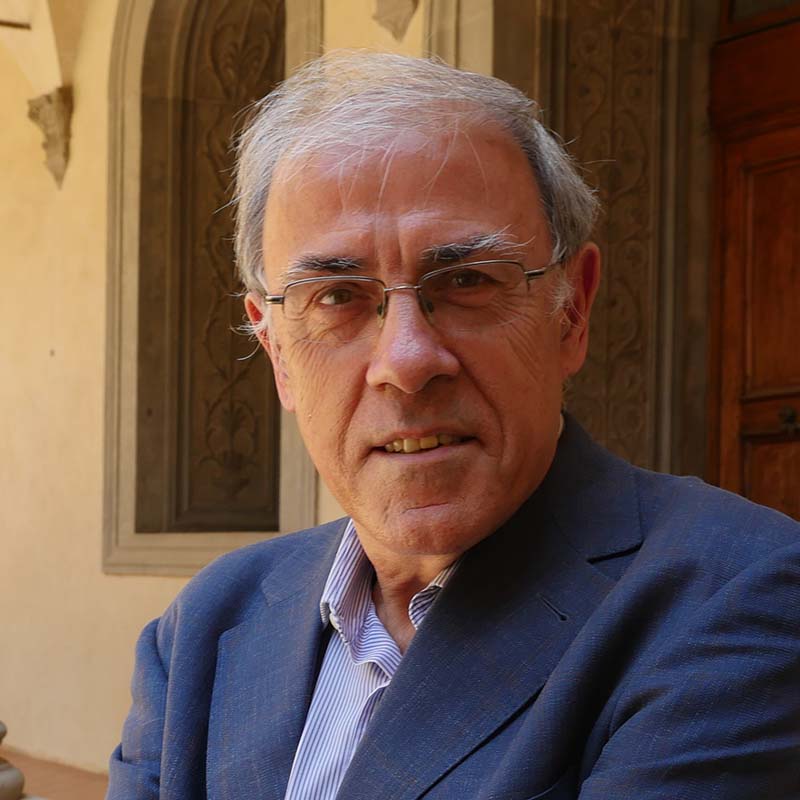
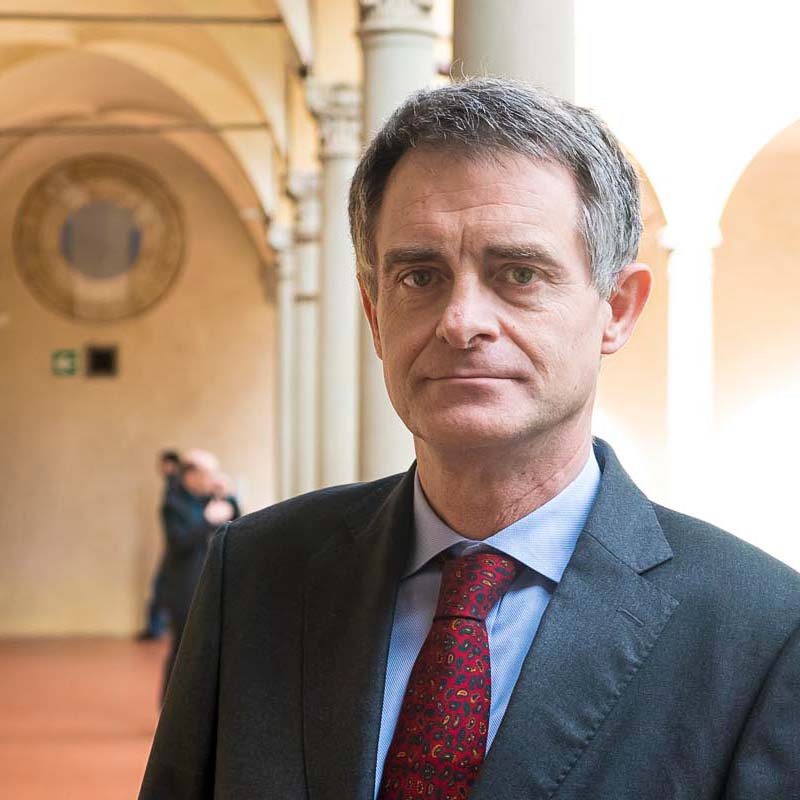
The training is led by Prof. Pérez Arriaga (Honorary Course Director) and Carlos Batlle, who have been teaching the course “Engineering, Economics and Regulation of the Electric Power Sector” at MIT for the last ten years. They are supported by leading experts in the field, who will channel their knowledge into interactive lectures, case studies, and live webinars, and provide all participants with insights and timely feedback on their work.
In this online course, you will have the chance to discuss and learn from your instructors and peers, via interactive live classes, Q&A sessions, and masterclasses (35 live sessions in total).
To ensure a close interaction with the instructors and a personalised learning experience, this online course will have a limited number of participants.
A special two-day residential event will also take place in Florence in summer 2027, bringing all participants together for expert lectures on key energy policy and regulatory challenges and opportunities to reconnect with peers.
10% discount available to all registrations completed by 26 July 2026!
The training is structured around three blocks: an initial one reviews the regulatory fundamentals; then Block II is the core of the course, in which the key issues are analysed and participants are asked to contribute with their own analyses, and finally Block III gathers a series of live discussions on the hottest energy regulation topics.
Block 0: Basics on Energy Systems
06 October 2026 – 13 October 2026
Participants are offered selected readings describing how energy systems are operated and managed. How do energy (power and gas) systems manage to provide end-users with energy supply continuously with an adequate quality of service, at an affordable price and with an acceptable environmental impact.
Block I: Theory and Principles of Regulation
20 October 2026 – 12 November 2026
Three introductory modules (one-week long) to review the fundamentals of regulatory practice needed to delve into the subsequent study of the regulation of the different energy activities.
The modules consist of two interactive lectures at the start of the week. In the lecture, updated and selected support material is offered to the participants, so they can improve or consolidate their knowledge.
Block II: Regulation of Energy Supply Activities
17 November 2026 – 14 April 2027
A six-month online and fully interactive course, in which energy regulatory principles and case studies are studied together in-depth in a well-structured, flexible e-learning environment, featuring live lectures and discussions with the course instructors and participants.
Block III: Final Webinar Series: Current Regulatory Key Discussions
4 May 2027 – 13 May 2027
1-2 July 2027 Residential Event in Florence
Three live sessions, devoted to the discussion of case studies and the presentation of other topics of specific interest to the course participants, and a final one-day panel on energy and sustainability, which marks the end of the course with the awarding of diplomas to participants.
In July, we will host a special event created to offer to the alumni the opportunity to spend two days in Florence with a double objective:
- to attend a series of lectures offered by leading characters of the energy sector on the hottest current policy and regulatory challenges. The alumni have the chance not only to update their views on these issues but also participate in the discussions.
- to share the experience with their peers, not only during the sessions but also in the coffee breaks, lunches, and dinners, having the chance to meet in person other colleagues, coming from all around the world, and benefit from their experiences and lessons learnt in their countries.
After the end of the course, you will be able to:
- Identify the principles of regulatory economics for the regulation of monopolies and competitive activities and the elements required for the proper functioning of competitive markets
- Describe the regulatory models and the restructuring process of the electricity and gas sectors – a detailed view of the institutional structure for energy regulation and policy-making in Europe
- Analyse the different approaches to the regulation of transmission and distribution networks as natural monopolies
- Appraise regulatory and technological challenges for the widespread inception of retail markets
- Interpret common challenges that the electricity and gas sector will face towards the completion of the European internal energy market
The course is given in English and developed for:
- Representatives from National Regulatory Authorities
- Professionals from the regulatory departments of energy companies such as Transmission System Operators and Distribution companies for electricity or gas, power generators or gas suppliers
No formal background on energy regulation is required. An educational background in engineering, economics, or law is strongly recommended.
The course is designed for a global audience, but please note that live classes are not recorded and will take place from 2.30 to 4 PM CET/CEST. 80% Live classes attendance is compulsory for students aiming to receive the certificate of excellence. You can check the calendar of live classes in the course syllabus.
This online course will have a limited number of participants to ensure a close interaction with the instructors and a personalised learning experience. A selection will be made, and you will be informed of your admission after the closure of the registrations.
- Electric power and gas systems: Structure, organisation and functioning
- Theory and principles of regulation and competition
- Models of regulation. Restructuring of the electric power and gas industries
- Regulatory institutions and national regulatory authorities
- Regulatory economics: Monopolistic activities and approaches to price control
- Regulatory economics: Competitive activities
- Quality of service in electricity and gas
- Energy systems and the environment
- Traditional regulation of energy utilities
- Electricity transmission and distribution networks
- Gas networks
- Electricity markets: wholesale and retail
- Gas markets: wholesale and retail
- Tariff design
- The legal framework and legal cases in EU energy regulation
- Environmental regulation
Each year, the Florence School of Regulation – Energy and Climate (FSR Energy & Climate) awards scholarships for a wide variety of training courses targeting a broad audience of professionals and academics.
Applications will be assessed by a Selection Committee of FSR members on a yearly basis. The successful candidates will be informed after February 2026 and will be provided with all relevant information on how to enroll in the online course or residential training of their choice.
Send your application by 25 January 2026.
Fees
- General fee: 5,170 EUR
- Associate donors fee (10%): 4,653 EUR
- Major donors fee (20%): 4,136 EUR
- Star donors fee (25%): 3,877 EUR
Group discounts are not available for this course.
Cancellation policy
Paid registration fee is non-refundable. However, registrant substitution may be made up to 20 days before the start date of the course.
For more information, please read the full FSR cancellation policy.