


Type of event: Online Event
Methane Emissions from the Energy Sector and the EU Emission Trading System

Background
The European Green Deal envisages an important role for gas in the energy transition. However, to follow this pathway, the gas value chain should be more oriented towards sustainability. Methane emissions are responsible for around a quarter of today’s global warming, second only to carbon dioxide emissions (which currently are responsible for half of global warming).
In addressing methane emissions from the energy sector, one of the key considerations is that the EU has only a minor direct responsibility (accounting for only 2.3% of global methane emissions), with the Russian Federation and the United States being responsible for 15% and 14% of global emissions, respectively. However, the EU is the largest buyer of natural gas on the international market – having a 46% share – and therefore it could well be in a position to promote the adoption of methane emission-reduction strategies and standards by the countries from which it buys gas (mainly the Russian Federation, Algeria, Nigeria, Qatar, and the United States).
One possible way of providing incentives for gas network companies to reduce methane emissions would be to include these emissions in the EU Emission Trading System (EU ETS), which has been in operation since 2005.
Against this background, the online Workshop will aim to assess the pros and cons of extending the EU ETS to cover methane emissions.
To explore these issues, after an opening session outlining the current strategies and measures to curb methane emissions in the EU, the Workshop will be structured in two sessions:
- Session I will review the state of the art in measurement, reporting and verification of methane emission, with specific reference to the requirements for the inclusion of these emissions in the EU ETS;
- Session II will review the international experience with including methane emission in tradable quota systems and assess to what extent such an inclusion in the EU ETS will be feasible and its advantages and drawbacks, and any associated challenges.
Please note
This workshop is by invitation only. For further information, please contact: Elena Iorio
Don’t miss any update on our events
Sign up for free and access the latest events from our community.
More on the topic








Energy Regulation In The Green Transition: An Anthology

Joint DUR-FSR-CSEI Online Book Launch Event
The Florence School of Regulation, in collaboration with the Danish Utility Regulator (DUR) and with the Copenhagen School of Infrastructure (CSEI), is hosting an online event to launch the newly published anthology on Energy Regulation in the Green Transition.
The book we will discuss is volume I in the Danish Utility Regulator’s anthology project on enabling better regulation in the energy sector. The online event moderated by Leonardo Meeus (FSR) will feature keynote speeches from the contributing authors to the anthology, from FSR and CSEI as well as from the editorial team.
DOWNLOAD THE BOOK
Programme of the event
Moderated by Leonardo Meeus, Florence School of Regulation (FSR)
Welcome and presentation of the anthology
Carsten Smidt, Director-general, DUR
Keynote Speeches
Introduction to energy regulation in the green transition
Prof. Peter Møllgaard, Chairman of the Danish Council on Climate Change, and Dean at the Maastricht University School of Business and Economics
Energy Network Innovation for Green transition: Economic Issues and Regulatory options
Manuel Llorca, Copenhagen School of Energy Infrastructure (CSEI)
Regulatory Experimentation in Energy: Three Pioneer Countries and a Look Ahead
Tim Schittekatte, Florence School of Regulation (FSR)
Review, Perspectives, and Open Questions
Dr. Annegret Groebel, President of Council of European Energy Regulators (CEER)
Concluding Remarks
Carsten Smidt, Director-general, DUR
More on the Anthology
The Green Transition challenges existing structures of all sectors in society, not least within the energy sectors. This anthology is a collection of contributions by leading academics from economics, legal and technical backgrounds on Energy Regulation in the Green Transition.
The anthology describes regulatory dilemmas and explores appropriate regulatory answers to the challenges presented by an ambitious Green Transition. The anthology seeks to foster inter-disciplinary discussions and encourages the development of new regulatory thinking among practitioners, businesses, academics, government officials and regulators alike.
The anthology is divided into three broad themes of importance to regulation in the Green Transition: Regulation and Tariff Design discusses ownership, the relationship between innovation and regulation, as well as tariff design. The second theme, Governance and Legal Aspects, investigates the role of existing legal frameworks on the social acceptance of infrastructure, the income-cap regulatory framework and the importance of regulatory experimentation. The third theme addresses questions relating to existing Investment Decision Frameworks employed by utilities in the Green Transition.
The anthology on Energy Regulation in the Green Transition is volume I of the Danish Utility Regulator’s (DUR) Anthology Project series on Better Regulation in the Energy sector.
Soon available online!
Presentations
Don’t miss any update on our events
Sign up for free and access the latest events from our community.
More on the topic



Fostering synergies between the European Green Deal and European Gender Strategy

Reflections on the prospects for synergies between the European Green Deal & the European Gender Strategy
Watch & share the event recording!
Europe’s green recovery and the transition to a climate-neutral economy go hand in hand with the need for fully unlocking Europe’s talent pool and strengthening inclusion and equality in the field of energy and climate.
The European Green Deal sets Europe on the pathway to become the first climate-neutral continent by 2050, while the EU’s first-ever Gender Equality Strategy is designed to make gender equality in the European Union a reality. Building synergies between these two strategies will be crucial to improving gender equality in energy, climate, and sustainability space in Europe and harnessing Europe’s talent to support a green and sustainable recovery from the impact of the Covid-19 pandemic.
The FSR Lights on Women initiative and the WECS Foundation are holding a special online event to discuss the mutually reinforcing objectives for Europe: green recovery, the transition to a climate-neutral economy, and gender equality. During the event, we will discuss:
- Pathways to building synergies between the European Green Deal and the EU’s first-ever Gender Equality Strategy
- What are the opportunities for creating an inclusive hydrogen economy in Europe from the outset?
- The role of Gender Impact Assessments of strategic projects designed to contribute to Europe’s transition to net-zero
This join event is organized with the Women in Energy, Climate and Sustainability (WECS) foundation
 Women in Energy, Climate and Sustainability (WECS) is a public foundation established to promote gender equality as an enabler of the transition towards a climate-neutral economy in Europe and worldwide. WECS objective is to facilitate gender diversity and women empowerment in the fields of energy, climate and sustainability.
Don’t miss any update on our events
Sign up for free and access the latest events from our community.
Speakers
More on the topic


21st Florence Rail Forum. Towards International Passenger Corridors
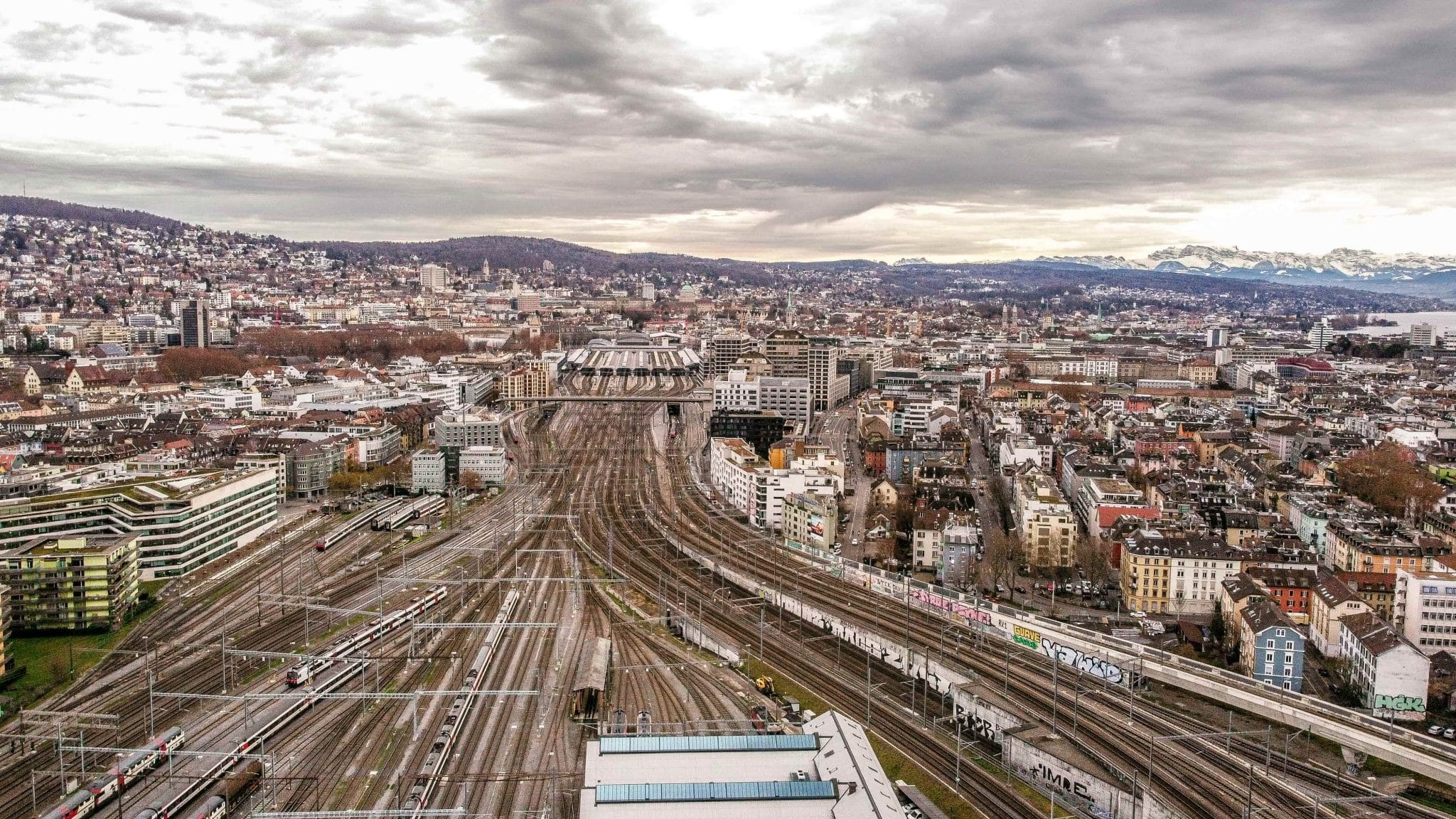
Railway transport is the backbone of sustainable mobility. The modal share of passengers transported by rail in the EU Member States reached 6.9% in 2018. According to the recently released ‘Sustainable and Smart Mobility Strategy’, high-speed rail traffic should triple by 2050. To make this happen TEN-T corridors need to be completed by 2030. More cross-border projects will be needed to integrate all Member States into the European rail system of the future, in turn establishing smooth interconnections for cross-border rail travel across Europe. To speed up the process, the European Commission will propose in 2021 an action plan to boost long-distance and cross-border passenger rail services.
The year 2020 has shown that the railway system is not only sustainable and safe, but also very resilient. The post-Covid-19 period is a unique opportunity for railway undertakings to tap the unused potential and develop more rail passenger services, especially in cross-border contexts. In the new post-Covid-19 world, night trains could increasingly compete with short haul flights and stimulate European tourism, making the increasing supply of international rail passenger services vital for the success of the European Green Deal and for completing the Single European Railway Area. Recently significant steps have been made in that direction: four big European rail companies are giving night trains a boost. Despite of these latter improvements the degree of competition in the railway sector remains fairly low.
The 4th Railway Package was set to complete the market opening process by reducing competitive imbalances and harmonising regulations among the national-rail systems. The main aim is to give all players equal access to national markets; to encourage competition and innovation; and to boost safety, interoperability, and reliability across the region. There have been occasional attempts in the past at national level and the full market opening as of 14 December 2020 opens to considerable changes for the development of the European Railway Area.
Opening of the EU long-distance passenger-rail market will have significant impact for both operators and investors, potentially benefiting the entire rail industry. It could mean more international city to city connections, more frequent path usage and cross-border services, including night train services. However, to make these processes run smoothly, there is still room for enhancement.
The harmonised EU-wide vehicle approval, which would result in reduction of costs for cross-border trains, has just started. Fair track access charges for the new entrant operators must be guaranteed to allow a competitive framework. Another bottleneck is the rolling stock. Liaison of standard trains to minimise investments and fair access to the state guarantees and financial opportunities for all operators, is how it should work in theory, but the question remains: if it will be manageable in practice. Passengers’ awareness about their rights should be improved, and non-discriminatory provision of travel information should be ensured, including through-ticket offers.
Against this backdrop, the 21st Florence Rail Forum, co-hosted by the Transport Area of the Florence School of Regulation and the Commission’s DG MOVE, will provide a well-timed platform for discussion on the possible development of international passenger corridors, likewise international rail freight corridors. These corridors would support the development of long-distance and cross-border rail passenger services. Stakeholders representing rail infrastructure managers, railway undertakings, national regulatory and governmental bodies, among others, will have an opportunity to discuss issues central to the future of international passenger rail travels.
In particular, participants will be invited to critically discuss the capacity of corridors, harmonisation of standards for track access charges, as well as ticketing system.
Please kindly note that this event is by invitation only.
SPEAKERS’ PRESENTATIONS:
Setting the scene: Market opening and International Passenger Corridors (IPCs)
Matthias Finger | Florence School of Regulation, Transport Area
Maurizio Castelletti | European Commission, DG MOVE
Session A – Can we create efficient capacity for the development of long-distance and cross-border passenger rail services over IPCs?
Robér Bormann | Swiss Federal Railways and Erwin Kastberger | Austrian Federal Railways
Session B – How to harmonise track access charges along the IPCs?
Germano Guglielmi | Ferrovie dello Stato
Session C – Can we make progress in digital platforms for on-line search and ticket purchase, including through ticketing?
Gerhard Wennerström | Samtrafiken
Eric Mink | Dutch Ministry of Infrastructure and Water Management
Don’t miss any update on our events
Sign up for free and access the latest events from our community.
More on the topic






Germany’s Renewable Energy Sources Act 2021 – What’s New?

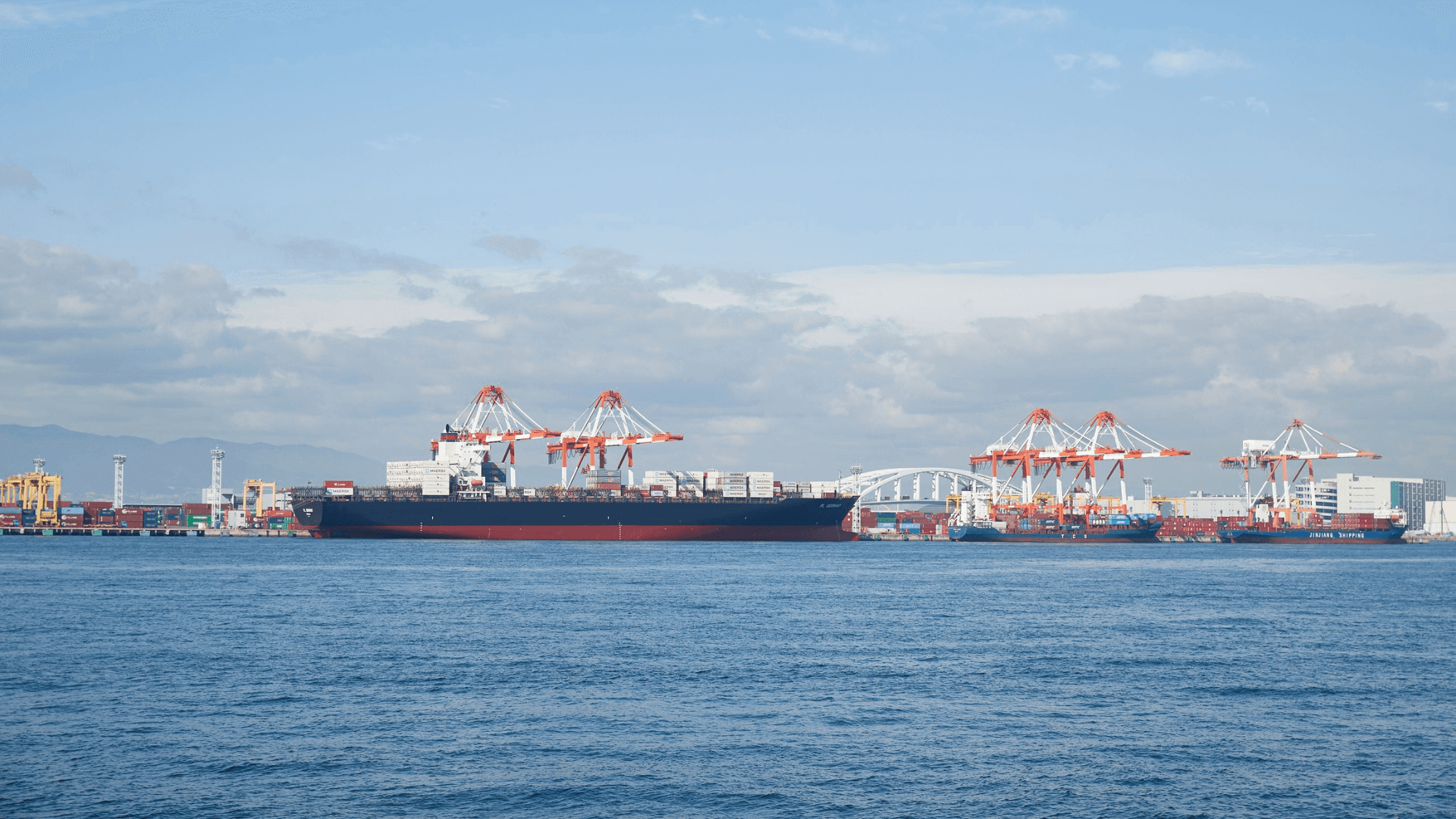
In 2000, Germany introduced the Renewable Energy Sources Act (EEG) to encourage the generation of renewable electricity, initially via a feed-in tariff scheme. Over the course of the past two decades, various editions of the Renewable Energy Sources Act (EEG), have played a central role in the development of renewables, especially the growth of onshore wind and solar PV. The latest reformed version of the act came into effect on 1 January 2021, and contains important economic and legal innovations. In this webinar, we will critically examine these new terms, consider the implications of these amendments, and consider if the reform of the EU state aid guidelines alongside the new EEG may impact the development of state aid for RES in Europe. In the past, many Member State have taken their lead from Germany when it comes to supporting RES. Will Member States still be keen to follow Germany’s example with the EEG 2021?
We will welcome your questions throughout the session, and look forward to what we hope will be a lively debate. To join the session, please register through the form above.
Interested in more on this topic?
Take a look at our podcast on an important state aid ruling with respect to the EEG 2012, which you can listen to here.
Programme
Introduction | Leigh Hancher, FSR
EEG 2021: Review and Outlook | Christoph Riechmann, Frontier Economics
The Legal Dimension | Konrad Riemer and Ulrich Scholz, Freshfields
The DG Comp View | Matt Wieckowski and Alexandra Saller, DG Comp
Roundtable Discussion
Q&A with the live audience
Concluding Remarks | Leigh Hancher, FSR
Presentations
- EEG 2021 – Goals and issues
- Revision of the Guidelines on State aid for Environment and Energy 2014-2020
Don’t miss any update on our events
Sign up for free and access the latest events from our community.



Liberalisation of Passenger Train Services in India – Regulatory Challenges

>> Watch the Webinar Recording here <<
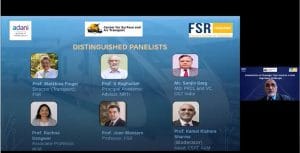
Liberalisation of Passenger Train Services in India – Regulatory Challenges. Webinar on 22 January 2021
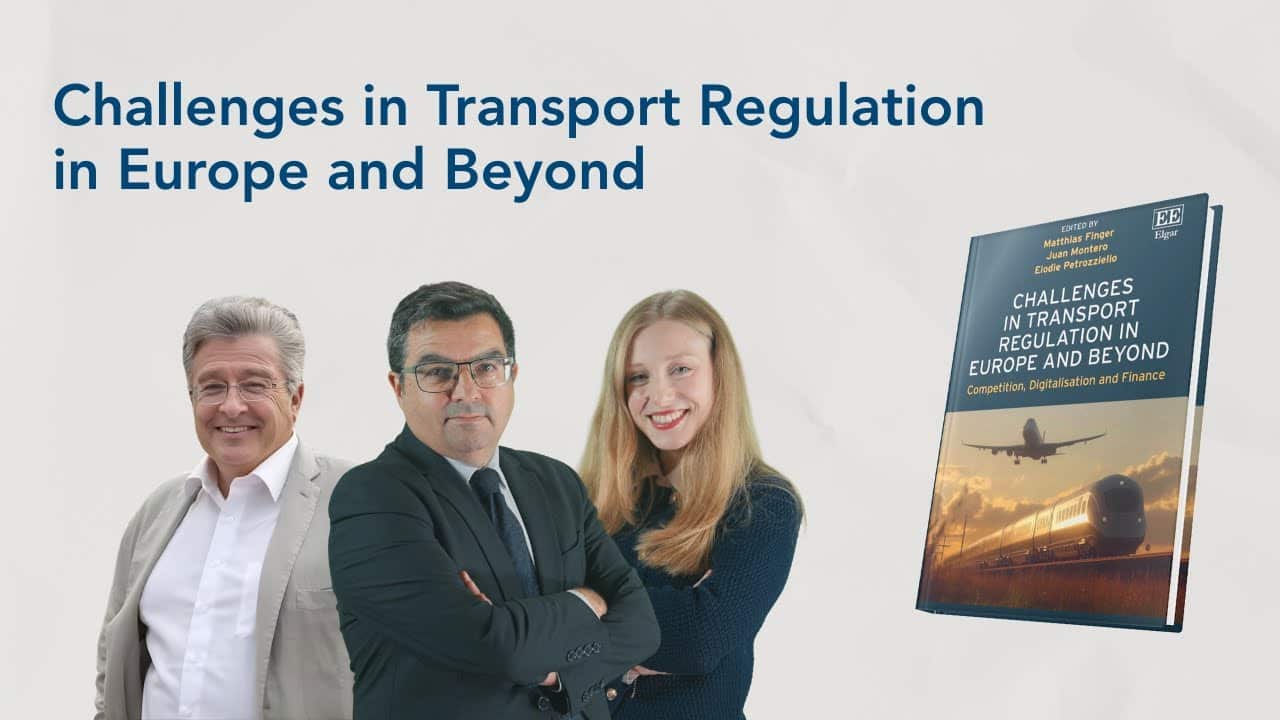
Inspired by the recently published “Handbook on Railway Regulation. Concepts and Practice” by Edward Elgar, this webinar, jointly organised by the Adani Institute of Infrastructure Management and FSR-Transport, will provide a comprehensive overview of the state-of-the-art in railway regulation in India.
Despite numerous liberalisation attempts in recent years, the railway sector is still excessively complex, with regulations varying throughout the world. The Handbook on Railway Regulation gathers, for the first time, these various approaches and practices, using a historical and systematic approach to identify the main lessons for all countries. Specific topics covered include the digitalisation dilemma in the industry, rail sector reforms and regulation, and competition in the market for rail freight and passenger services.
This Handbook provides an invaluable contribution to the discussion of railway regulation worldwide, and will be a crucial compendium for students and scholars of transportation, regulation and competition looking to explore different approaches to the topic. This will also be an invaluable read for railway policymakers and regulators looking to deepen their understanding of contemporary regulations around the world.
Among others, speakers will focus on the regulatory aspects pertaining to railway market opening, they will draw on lessons learnt from the Covid-19 pandemic on rail operations, and not the least they will shed light on the challenges that they face in meeting the sector’s needs of today and tomorrow.
AGENDA
10:30 – 10:35 | Welcome, Introduction of speakers
- Dr. Kamal Kishore Sharma, Professor, Adani Institute of Infrastructure Management
10:35-10:50 | Introduction of the Handbook on Railway Regulation
- Prof. Matthias Finger, Director of FSR-Transport, EUI; Co-editor of the Handbook on Railway Regulation
10:50 – 11:05 | Introduction of the Chapter ” Railways in India: challenges and opportunities”: structure of IR, past attempts of liberalisation, future outlook
- Dr. Rachna Gangwar, PhD, Faculty, Adani Institute of Infrastructure Management, Author of the chapter
11:05-11:50 | Three presentations
- Prof. G Raghuram, Principal Academic Advisor at National Rail & Transportation Institute and Former Director, IIM Bangalore
- Prof. Sanjiv Garg, Managing Director at Pipavav Railway Corporation Limited & Vice Chairman, Chartered Institute of Logistics & Transport
- Prof. Juan Montero, Professor at EUI/ UNED, Co-editor of the Handbook on Railway Regulation
11:50 – 12:00 | Q&A Session moderated by Dr. Kamal Kishore Sharma, Professor, Adani Institute of Infrastructure Management
12:00 | Webinar ends
Slides could be downloaded here.
Don’t miss any update on our events
Sign up for free and access the latest events from our community.
More on the topic

Carbon leakage and use of offsets in carbon markets
Carbon leakage and use of offsets in carbon markets: state-of-play and implications for linking
Watch the recording:
The second Online Debate of the project LIFE DICET will discuss the state-of-play and the implications for carbon markets linking of heterogeneous provisions for carbon leakage prevention and use of offsets.
The speakers will discuss questions such as: how do the existing ETSs differ with respect to carbon leakage prevention and to the use of offsets? Can ETS linking, which tends to limit carbon price differentials with other economies, play a role in reducing carbon leakage? To what extent can the article 6 of the Paris Agreement facilitate ETS linking while as the same time supporting the use of offsets? What are the implications of heterogeneity in carbon leakage measures and in environmental integrity for different possible forms of their integration?
Moderator:
- Simone BORGHESI, Director of FSR Climate
Speakers:
- Lambert SCHNEIDER, Research Coordinator for International Climate Policy Energy & Climate, Öko-Institut e.V.
- Michael GRUBB, Professor of Energy and Climate Change, Institute of Sustainable Resources & Energy Institute, University College London
Discussant:
- Nicolás GONZÁLEZ CASARES (S&D, ITRE Committee), Member of the European Parliament
LIFE DICET is a project co-financed by the EU LIFE Programme of the European Commission.
Don’t miss any update on our events
Sign up for free and access the latest events from our community.
More on the topic












Linking Emissions Trading Systems

The Linking Emissions Trading Systems webinar aims at summarising the Carbon Market Policy Dialogue about the relevance and challenges of linking emissions trading systems (ETSs). Following the Online Training, the objective of this webinar is to translate the research of the project LIFE DICET into learning and to bring it to a much wider audience. Special attention is devoted to the six ETSs represented in the Carbon Market Policy Dialogue (those of California, Quebec, EU, Switzerland, China and New Zealand) and to the research reports “Emissions Trading Schemes with different levels of environmental ambition: implications for linking” and “Emissions Trading Schemes with different price-control mechanisms: implications for linking”.
The reports offer conceptual frameworks to characterise environmental ambition and price control mechanisms. They also summarize the relevant scientific literature; they describe the current status of the six ETSs represented in the CMPD and, finally, they offer up a few ideas for discussion.
Watch the recording:
12.00-12.05: Welcome by Simone BORGHESI
12.05-12:25: Presentation of the report “Emissions trading systems with different levels of environmental ambition : implications for linking” by Stefano F. VERDE
12.25-12-45: Presentation of the report “Emissions trading systems with different price control mechanisms : implications for linking” by Giulio GALDI
12.45-13:00: Q&A
Reports:
VERDE, Stefano F., GALDI, Giulio, BORGHESI, Simone, FÜSSLER, Jürg, JAMIESON, Ted, WIMBERGER, Emily, ZHOU, Li, Emissions trading systems with different levels of environmental ambition : implications for linking – Report for the Carbon Market Policy Dialogue, Florence School of Regulation, Climate, LIFE DICET Project, 2020
GALDI, Giulio, VERDE, Stefano F., BORGHESI, Simone, FÜSSLER, Jürg, JAMIESON, Ted, WIMBERGER, Emily, ZHOU, Li, Emissions trading systems with different price control mechanisms : implications for linking – Report for the Carbon Market Policy Dialogue, Florence School of Regulation, Climate, LIFE DICET, Project, 2020
LIFE DICET is a project co-financed by the EU LIFE Programme of the European Commission.
Don’t miss any update on our events
Sign up for free and access the latest events from our community.


The Private Sector to the Rescue of the Energy Transition: ESG and the Role of Banks

The Vienna Forum on European Energy Law
The Vienna Forum on European Energy Law is an annual joint initiative of the FSR Energy Union Law Area and the Energy Community Secretariat which aims to bridge the gap in energy debate between the EU and Energy Community. This year, for the 8th edition of the forum, we will be moving online with four webinars across four weeks, focused on the solidarity principle, the European climate law, carbon pricing, and the role of the private sector in the energy transition. To discuss these topics, we will bring together a panel of experts for a roundtable debate and a live Q&A session with our audience.
Webinar 4
The Private Sector to the Rescue of the Energy Transition: ESG and the Role of Banks
Introduction: Tibor Schaffhauser | Energy Community Secretariat
Roundtable Discussion
Moderator:
Leigh Hancher | FSR (RSCAS, EUI); Tilburg University; Baker Boots Botts LLP
Panellists:
Andrew McDowell | PricewaterhouseCoopers; formerly EIB
Kim Talus | Tulane University; University of Eastern Finland
Christine Würfel | Raiffeisen Bank International; Vienna Initiative
Eddie O’Connor | Mainstream Renewable Power
Lena Sandberg | Gibson Dunn LLP
Q & A with the live audience
Background to the Discussion
In November 2020, a budget of €1 trillion was approved by Member State governments for the European Investment Bank’s green roadmap to 2030. This will be directed toward investment in climate action, biodiversity, and sustainability-focused projects while future financing will be focused on accelerating clean energy innovation, energy efficiency and renewables. As part of its Climate Bank Roadmap, the bank has pledged that all financing activities will be aligned with the Paris Agreement by the end of the year, and funding will no longer be provided to fossil
fuel projects or airport expansions by 2021. What will be the scope of this new policy in practice? What will be financed and what will not be financed?
In parallel, the Sustainability-Related Disclosure Regulation (2019/2088) will become applicable in mid-2021 and will require certain financial market participants and advisers to provide investors with environmental, social, and corporate governance (ESG)- related information in making investment decisions. The aim is to provide a greater level of transparency and sustainability within the financial markets in a standardised manner, thus preventing greenwashing and facilitating comparability. What are the standards for these sustainability disclosures? And what will be the wider implications of this regulation when it enters into force?
What will be the impact of these new developments on renewable and sustainable investments in Europe? Are the new rules clear enough to make a difference in practice? How will the sustainability-focused public sector financing impact upon renewable or sustainable energy investments in the coming years? Are there new opportunities? Is access to financing simple enough? What is the impact of national rules on investments in sustainability?
Don’t miss any update on our events
Sign up for free and access the latest events from our community.
How can we contribute to build resilient, sustainable and green water and wastewater services?

Two-hour webinar organised by the FSR Water and Waste area
How can Regulators and Utilities contribute to building resilient, sustainable, and green water and wastewater services?
The EU Commission has set out a bold and comprehensive plan for European recovery which will require massive public and private investment. This plan, based on solidarity and fairness, seeks to boost the green and digital transitions, and make the European economy fairer, more resilient and more sustainable for future generations. Forceful action is required to close the overall public and private investment gap of at least EUR 1.5 trillion, to repair the immediate economic and social damage caused by the pandemic, and set the Union firmly on the path to a sustainable and resilient recovery.
Water, as a vital good for society and the environment, and a critical input for the economy, represents a key aspect of the recovery potential of EU Members States, especially through the large externalities it generates. The aftermath of the pandemic crisis offers a unique opportunity to boost the resilience and sustainability of greener Water Supply and Sanitation (WSS) services across Europe by supporting investments targeted towards ending addressing water emerging pollutants, strengthening the polluter-pays and cost-recovery principles in the future reforms of EU water legislation, incentivizing innovation and digitalization of WSS services, or addressing climate change and the pandemic impacts on WSS services through water risk-based approaches that sustain water security.
The FSR is holding a webinar to discuss these topics and explore how the EU Commission, Regulators, and Utilities can contribute to build resilient, sustainable and green water and wastewater services.
Programme
Introduction by Andrea Guerrini, ARERA
Session 1 moderated by Maria Salvetti, Florence School of Regulation
Reforming EU water legislation in the light of the emerging challenges
Neil Dhot, Executive Director of AquaFed
Milo Fiasconaro, Acqua Publica Europa
Luigi del Giacco, Utilitalia
Session 2 moderated by Stéphane Saussier, Florence School of Regulation
The role of regulators to incentivize innovation and digitalization of WSS services
Alan Sutherland, Water Industry Commission for Scotland
Itai Sag, Israel Water Authority
Oliver Loebel, EurEau
Session 3 moderated by Maria Salvetti, Florence School of Regulation
Addressing climate change and pandemic impacts on WSS services
Ivaylo Kolev, World Bank
Heather Smith, Cranfield Univesity
Robert Brears, Our Future Water
Concluding remarks
Presentations
Don’t miss any update on our events
Sign up for free and access the latest events from our community.
More on the topic




Hydrogen technologies and costs: findings from the FSR study

Findings from the FSR study on Hydrogen
The Florence School of Regulation has just released a major study examining the main drivers required to ensure a cost-effective decarbonisation energy policy for the EU, as well as a ‘Policy Brief’ on the future Guarantees of Origin system to regulate the EU’s future Energy Sector Integration based market.
In this online event, we will present the study and the policy brief, as well as discuss the main conclusions with the audience online.
Watch the recording:
Background
The study has as its primary focus the policies needed to guarantee the achievement of the Green Deal objectives. In addition, and within this framework, it aims at examining how this can be achieved as a cost-effective transition, maximising benefits for citizens in terms of affordable energy prices, jobs, technological leadership for the EU as well as energy security.
The point of departure for the study has been to endeavour establish the most objective and reliable figures possible for future energy costs, based on a wide range of sources such as the IEA, IRENA and Bloomberg New Energy Finance, as well as academic literature.
By benchmarking and peer-reviewing a wide range of studies, FSR researchers have drawn up ‘con-sensus’ figures for the expected future costs of renewable electricity (onshore wind, offshore wind, PV…) as well as green, blue and turquoise hydrogen. On this basis the researchers calculate expected ETS prices needed to catalyse the replacement of grey hydrogen currently used by industry as a feed-stock, as well as the substitution of natural gas by low and zero-carbon hydrogen by energy intensive industry. Finally, they calculate the expected subsidies needed to kick-start the EU’s future low and zero-carbon hydrogen market at scale.
On the basis of these findings, the authors, Jean-Michel Glachant, Andris Piebalgs and Christopher Jones, draw a number of conclusions and recommendations with respect to the EU’s energy priorities, and in particular they put forward eight key recommendations regarding the manner in which the Commission’s Hydrogen Strategy should be implemented in practice.
Agenda
FSR joins the European Clean Hydrogen Alliance
The Florence School of Regulation has joined the European Commission-led initiative, European Clean Hydrogen Alliance, to accelerate the decarbonisation of the EU industry and to set the bloc on the right path to a clean energy transition. Read more
Read more
- STUDY | Cost-Effective Decarbonisation
- POLICY BRIEF | A proposal for a regulatory framework for hydrogen guarantees of origin by Andris Piebalgs,Christopher Jones | 02 November 2020
- TECHNICAL REPORT | Green hydrogen : bridging the energy transition in Africa and Europe by Swetha RaviKumar Bhagwat, Maria Olczak | 20 October 2020
- TECHNICAL REPORT | Hydrogen technology : workshop summary by Cekovic Ivana,Ilaria Conti, Christopher Jones, Andris Piebalgs | 10 July 2020
Don’t miss any update on our events
Sign up for free and access the latest events from our community.
More on the topic


Carbon Pricing: The Silver Bullet for the Energy Transition?
The Vienna Forum on European Energy Law
The Vienna Forum on European Energy Law is an annual joint initiative of the FSR Energy Union Law Area and the Energy Community Secretariat which aims to bridge the gap in energy debate between the EU and Energy Community. This year, for the 8th edition of the forum, we will be moving online with four webinars across four weeks, focused on the solidarity principle, the European climate law, carbon pricing, and the role of the private sector in the energy transition. To discuss these topics, we will bring together a panel of experts for a roundtable debate and a live Q&A session with our audience.
Webinar 3
Carbon Pricing: The Silver Bullet for the Energy Transition?
In this webinar, we will take a close look at the role of carbon pricing in the EU transition to carbon neutrality. Could it be the silver bullet?
We will look at the new proposals in the EU, including the prospect of a carbon border adjustment mechanism, which if brought into effect, would radically alter the internal market. But is it feasible? And could such a mechanism be WTO compliant? We will also beyond Europe to critically assess the best paths forward.
Introduction
Leigh Hancher | FSR (RSCAS, EUI); Tilburg University; Baker Botts LLP
Roundtable Christoph Gatzen | Frontier Economics
Jos Delbeke │ School of Transnational Governance (EUI) (tbc)
Michael Mehling │ MIT
Jason MacLean │ UNB Law School
Jennifer Winter | University of Calgary
Q & A with the live audience
Moderation
Dirk Buschle │ Energy Community Secretariat; College of Europe
Upcoming webinar from the Vienna Forum:
Webinar 4: The Private Sector to the Rescue of the Energy Transition
Monday, 7 December 2020, 14.30 – 16.00 CET
Don’t miss any update on our events
Sign up for free and access the latest events from our community.