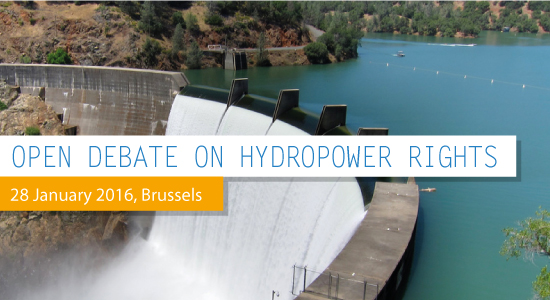
Luncheon debate on hydropower rights, 28th January 2016
Watch the live stream here!
Tweet your questions to @fsr_energy, they will be addressed by the panelists during the event!
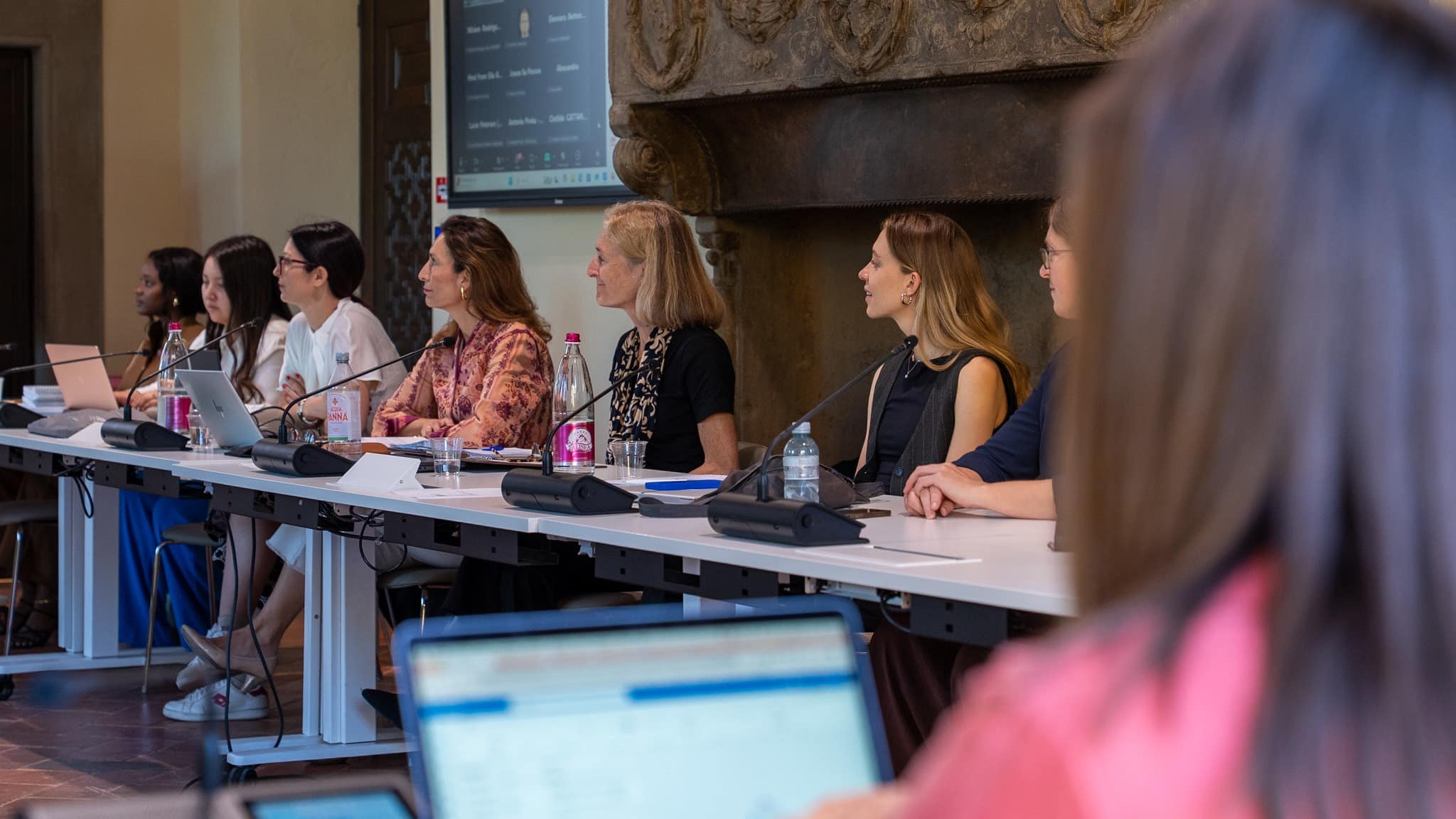
The newly published FSR report on ‘Regimes for granting the right to use hydropower in Europe’ will be presented by the authors and debated with a high-level panel with representatives of EU institutions, National Regulatory Authorities, industry and academia, as well as with any other relevant stakeholder attending this event. The Luncheon debate will also be live-streamed. Further information on the discussion theme Over the last decade, the EU Commission launched several investigations in different countries (e. g. France, Spain, Italy, and Portugal) on the compatibility of hydropower rights with European laws and regulations. Nevertheless, a few regimes (i.e. Austria or Sweden), despite not being grounded on competitive process, were excluded from the inquiry. Although hydro is key to EU energy transition, two complications can be identified:
-Member States have totally different and non-harmonised frameworks,
-The EU Commission has three diverging voices on this topic: competition, environment, and “only last” energy.
The report aims to provide a balanced benchmark of hydropower concession regimes, by analysing and comparing 14 countries (Austria, Bulgaria, Finland, France, Germany, Great-Britain, Greece, Italy, Norway, Poland, Portugal, Spain, Sweden and Switzerland) and regions when appropriate (cantons in Switzerland or Lands/States in Germany). Download the programme Download the flyer of the Research Report
Don’t miss any update on our events
Sign up for free and access the latest events from our community.
More on the topic