
Congestion Management in the Internal Energy Market | FSR Policy Workshop

The first episode of the FSR Regulatory Policy Workshop Series 2016-2017, directed by Alberto Pototschnig (FSR Advisor and Director of ACER), is taking place today, Friday 28 October 2016.
- Why have capacity allocation and congestion management procedures been introduced?
- What are the main steps of such enforcement, and how does the experience differ from the electricity and gas sector?
The workshop reviews and compares the experience with the implementation of capacity allocation and congestion management measures both in the electricity and gas sectors. Although recognising the different characteristics among the two, the event is investigating whether there are lessons learned from one field that can be valuable for the other.
The discussion will also touch many topical – and yet open – issues, ranging from the way cross-border capacity can be valued in the intra-day timeframe to identifying which are the best indicators to signal congestion at gas interconnection points.
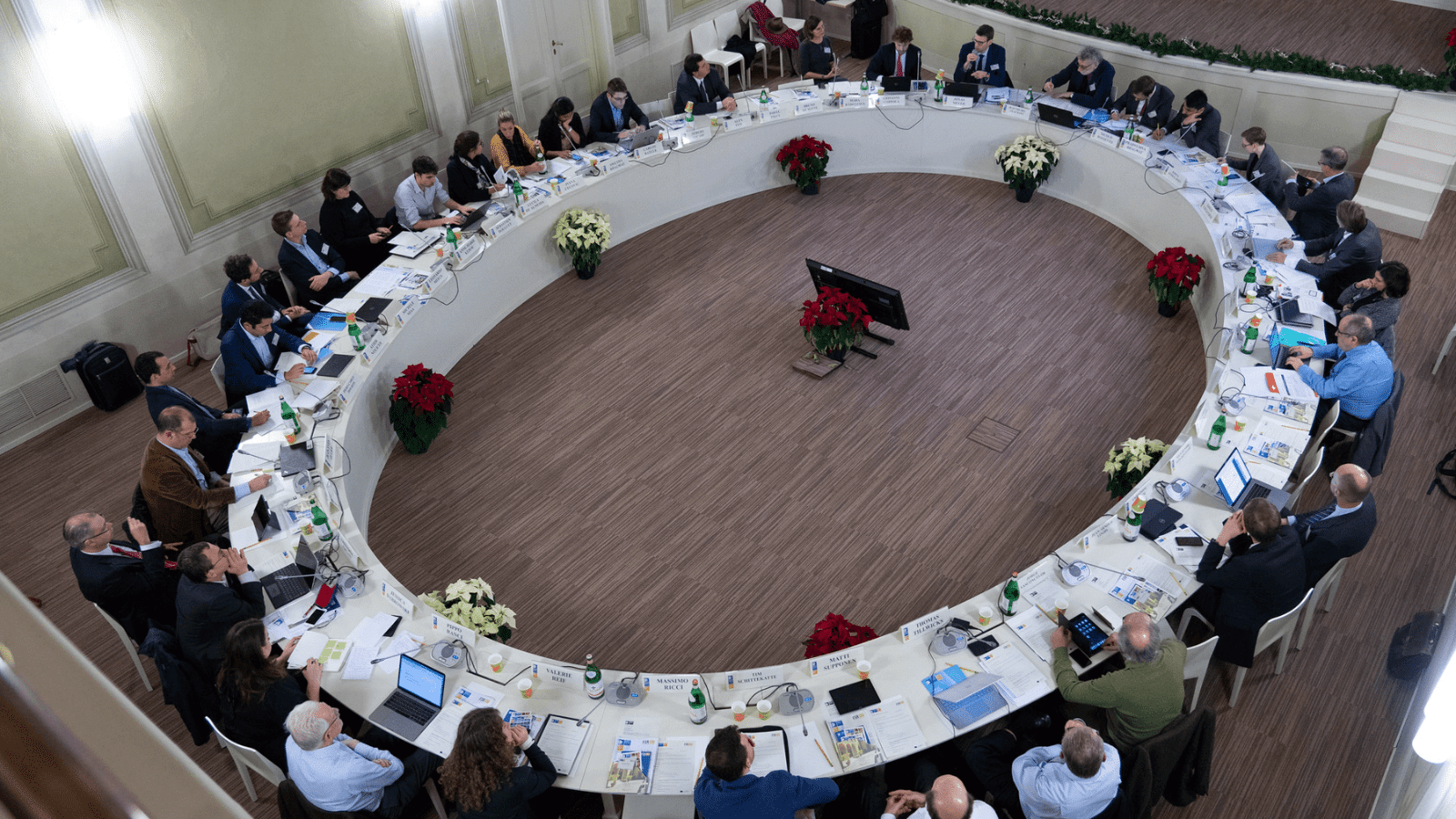
More than 40 participants have joined this lively and successful debate in Florence, including relevant stakeholders affiliated with European and National Regulatory agencies, public bodies and representatives of FSR donors.
Don’t miss any update on this topic
Sign up for free and access the latest publications and insights
More on the topic