
Jean-Michel Glachant ponders local markets as potential for “incredible breaking of the whole European project”

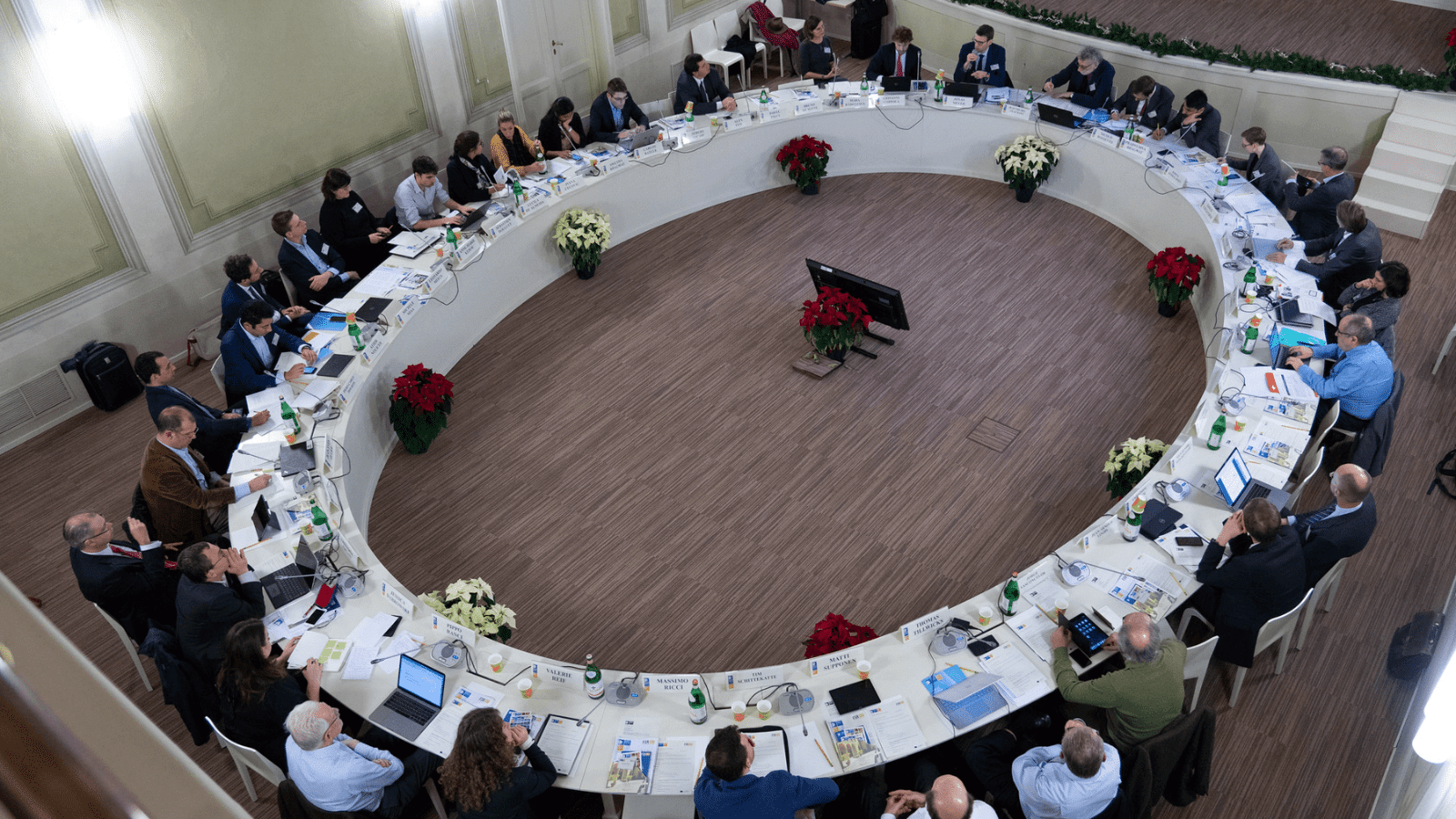
Jean-Michel Glachant has provided our podcast listeners with an insight into the frank discussions between leading regulators, stakeholders and executives at the FSR Executive Seminar: “Integrating the Operation of EU Power Systems?”. This involved views on market coupling, because “solar and wind do not produce energy in the same way so they do not ask for same pricing mechanism in the market.” Glachant also remarked that the idea of dividing the European market into smaller local markets could lead to an “incredible breaking of the whole European project.”
The seminar also dealt with capacity adequacy and capacity mechanisms. Glachant points out that Germany, with its formidable investment in renewable energy, should have been the driver of capacity mechanisms but that in reality the nation remains skeptical about the accuracy of this new tool.
Eventually the discussion on interconnections made Glachant wonder whether the increase in generation at the distribution level warranted less transmission interconnections in favour of a more localised approach.“We do not know where Europe is going.”
Don’t miss any update on this topic
Sign up for free and access the latest publications and insights
More on the topic