

Type of event: Workshop
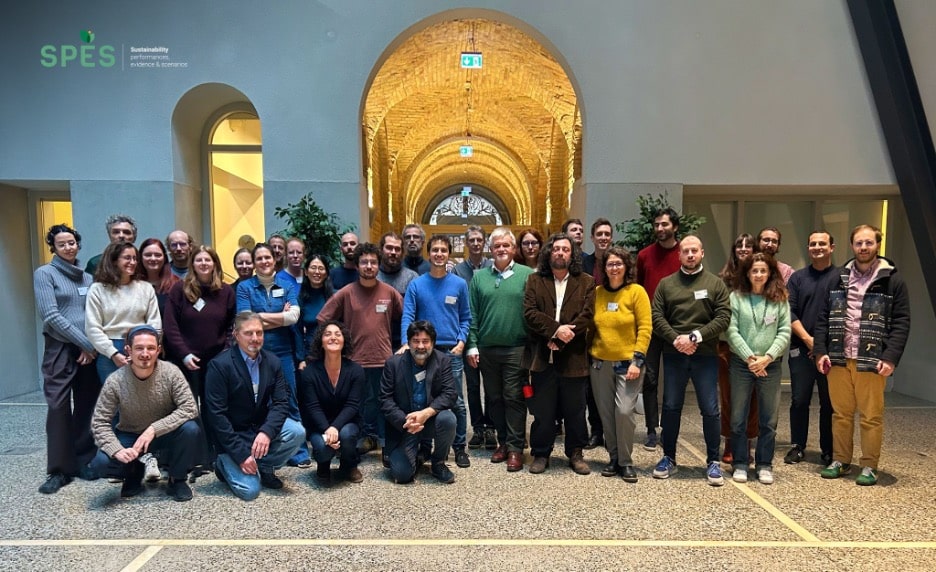
FSR Policy Advisory Council 2024

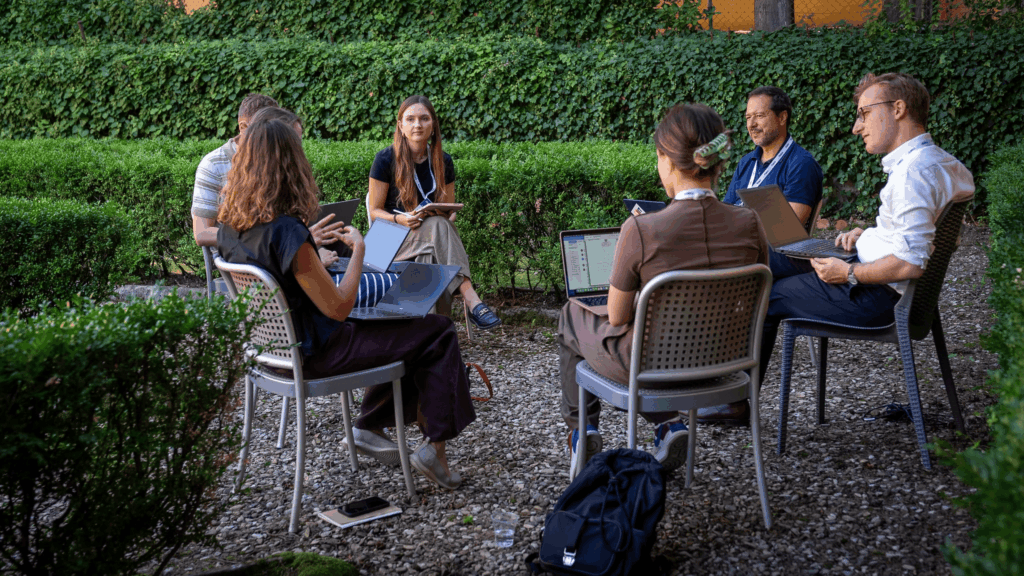
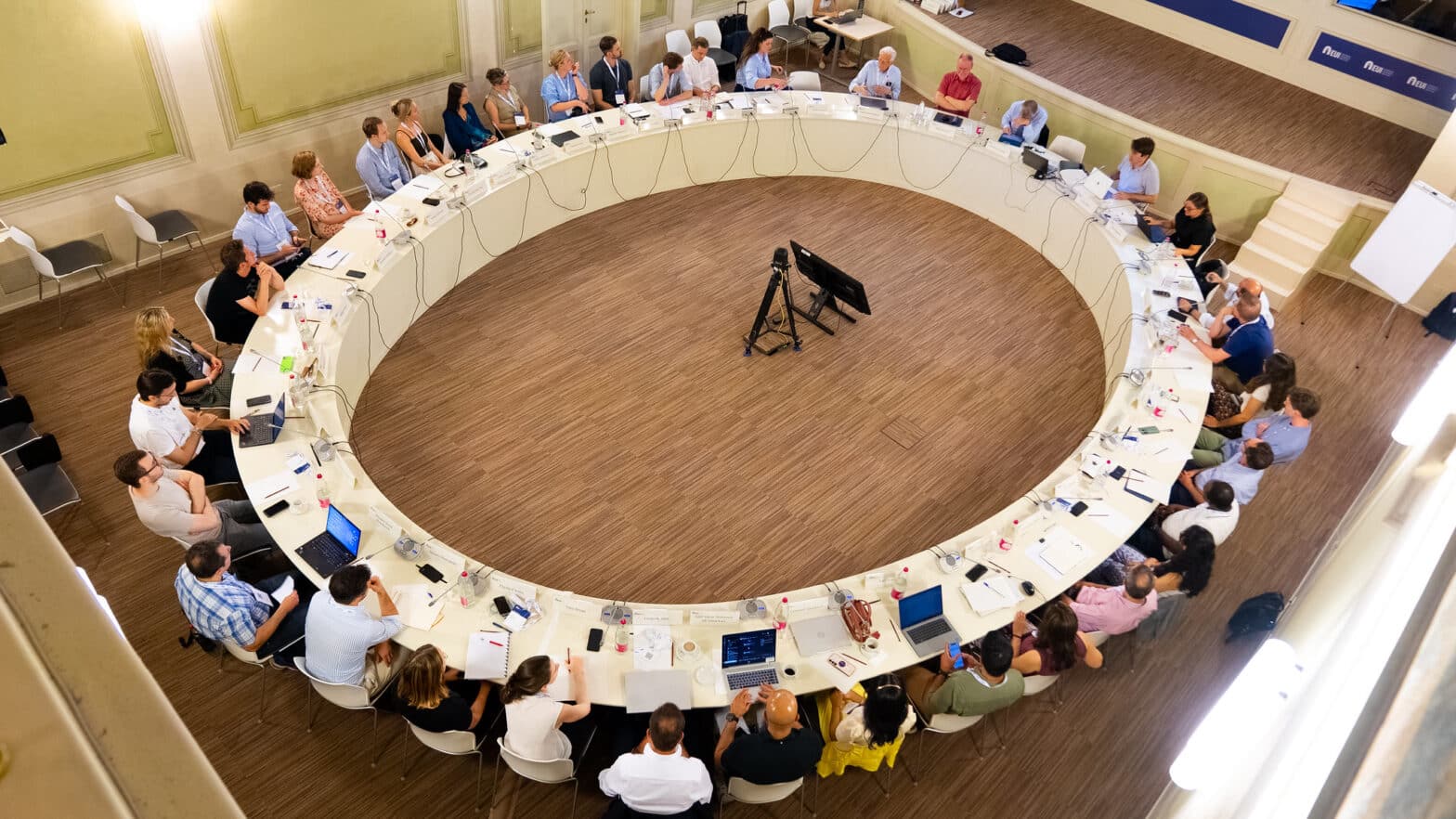
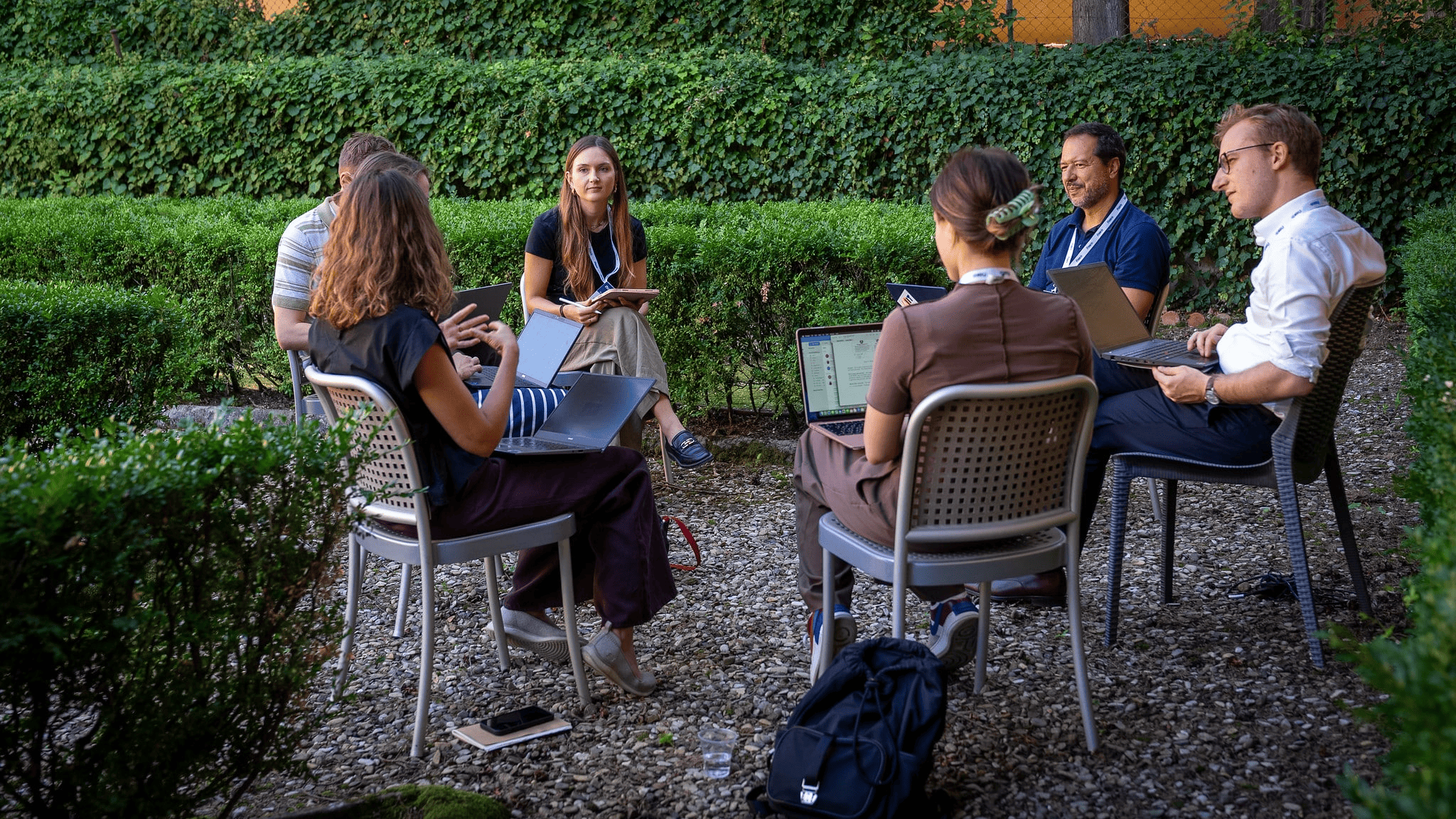
The Policy Advisory Council discusses the most topical regulatory and policy issues and debates and the relevance and robustness of the latest FSR research findings. The meeting gathers experts from the European Commission, the EU Agency for the Cooperation of Energy Regulators (ACER), the FSR Energy Star and Major Donors and invited renowned academics.
Don’t miss any update on our events
Sign up for free and access the latest events from our community.
More on the topic




Cross-border Cost Allocation and Cost-sharing for Investment supporting the Energy Transition

FSR Regulatory Policy Workshop Series 2023-2024
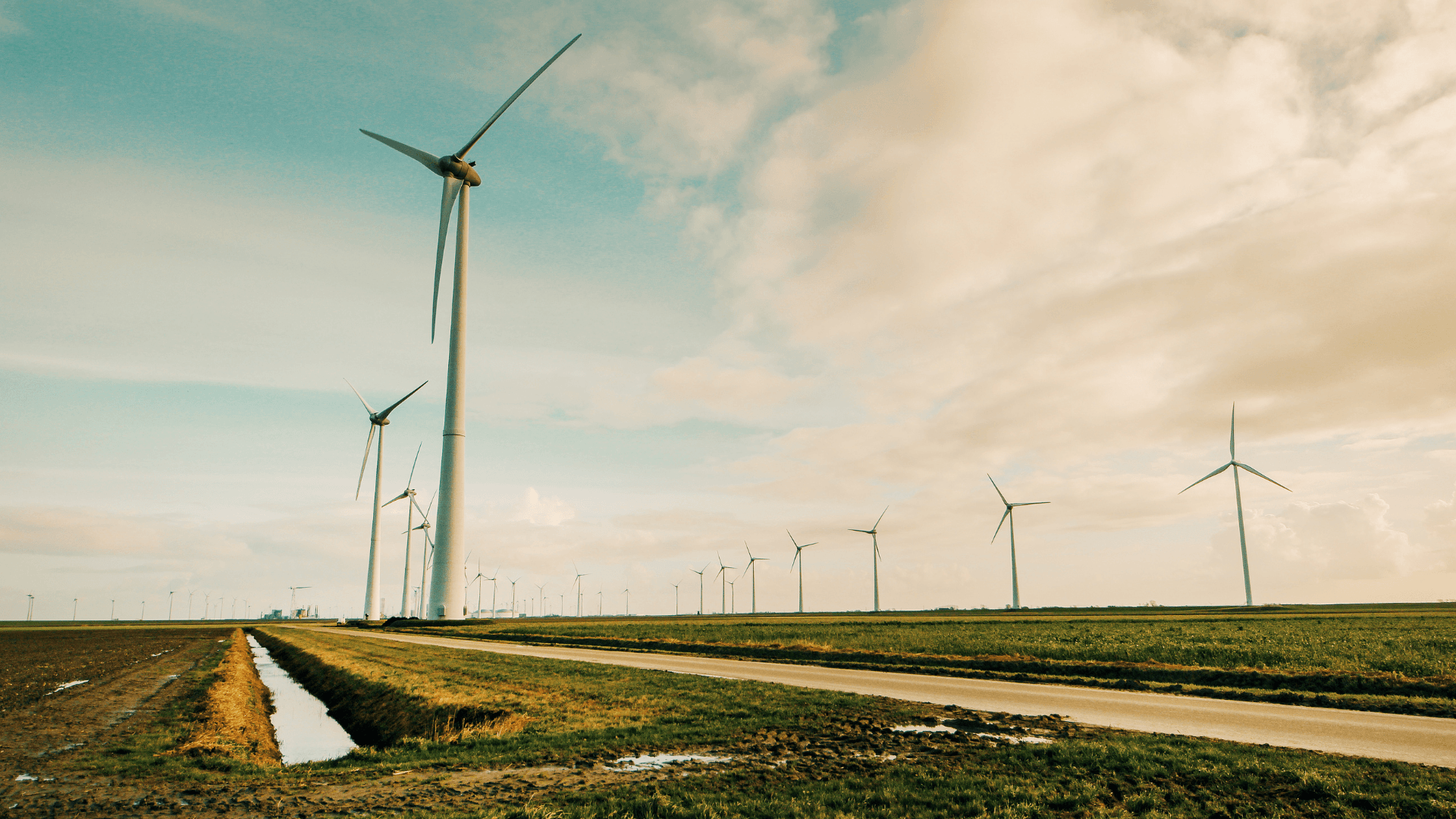
This Workshop aims at reviewing the experience gained over the last ten years with CBCA for PCIs, which lessons could be gained from that experience, as well as considering the specificities of cost sharing for offshore renewable (wind) projects.
For this purpose, the Workshop will be structured in two sessions:
- Session I will focus on the experience gained in the application of CBCA to PCIs and which lessons could be learned, including those which could be useful in shaping the cost-sharing approach for offshore infrastructure for renewable energy.
- Session II will provide an opportunity to discuss different approaches to cost-sharing for offshore infrastructure for renewable energy.
This workshop is by invitation only
Sustainability assessment
The FSR assesses the sustainability and carbon footprint of all its Workshops of the Regulatory Policy Workshop Series. This Workshop is run mainly ‘in presence’, with some exceptions for participation through internet-based remote connection. It is expected that most participants will join the Workshop in Florence to take advantage of the opportunity for more effective interaction and discussion. Those participants joining the event in Florence will be encouraged to offset any carbon emissions related to their air travel. It is considered that, in this way, a suitable balance is achieved between the effectiveness of the policy dialogue and the net carbon footprint of the event.
Don’t miss any update on our events
Sign up for free and access the latest events from our community.
More on the topic








A future-proof Governance of the Internal Energy Market

FSR Regulatory Policy Workshop Series 2023-2024
The Workshop will aim at discussing which improvements in the governance of the energy sector are necessary effectively to support the energy transition towards the ambitious energy and climate goals set by the EU for 2030 and beyond.
For this purpose, the Workshop will be structured in three sessions:
- Session I will focus on energy infrastructure planning and development and the most appropriate governance to support energy system integration and the implementation and more efficient solutions to system needs;
- Session II will consider to what extent the electricity market design emerging from the EMD reform will still be based on markets and market mechanisms and what role administrative intervention will or should play;
- Session III will take a broader perspective, assessing which aspects of the Governance Regulation might be worth enhancing in the context of its forthcoming review.
This workshop is by invitation only
Sustainability assessment
The FSR assesses the sustainability and carbon footprint of all its Workshops of the Regulatory Policy Workshop Series. This Workshop is run mainly ‘in presence’, with some exceptions for participation through internet-based remote connection. It is expected that most participants will join the Workshop in Florence to take advantage of the opportunity for more effective interaction and discussion. Those participants joining the event in Florence will be encouraged to offset any carbon emissions related to their air travel. It is considered that, in this way, a suitable balance is achieved between the effectiveness of the policy dialogue and the net carbon footprint of the event.
Don’t miss any update on our events
Sign up for free and access the latest events from our community.
More on the topic





FSR Open Evening
The Open Evening aims at presenting the FSR and its activities to prospective donors, i.e. companies and organisations that have expressed an interest in joining the FSR Community as Donors and would like to learn first-hand about the FSR activities.
Find out more information on how to become an FSR Donor
If you are interested in attending the Open Evening, please contact Christine Lyon, Donor relations at christine.lyon@eui.eu
Don’t miss any update on our events
Sign up for free and access the latest events from our community.
More on the topic


FSR Policy Advisory Council 2023
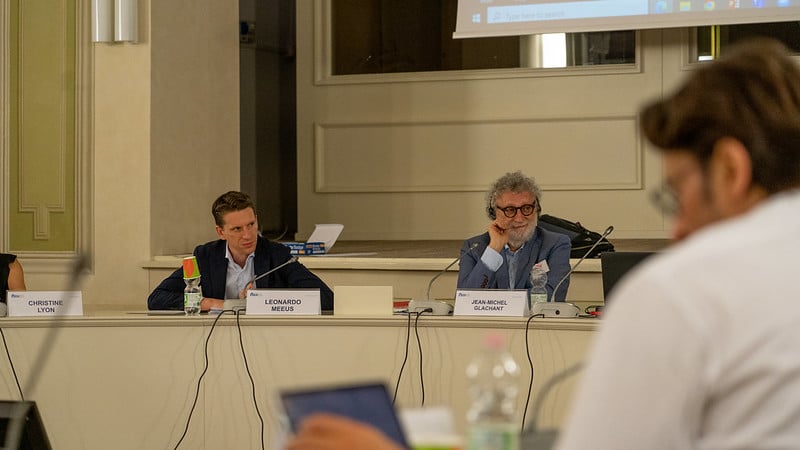
The Policy Advisory Council discusses the most topical regulatory and policy issues and debates and the relevance and robustness of the latest FSR research findings. The meeting gathers experts from the European Commission, the EU Agency for the Cooperation of Energy Regulators (ACER), the FSR Energy Star and Major Donors and invited renowned academics.
Draft Programme
4 December
Session 1 – Electricity: modernising capacity remuneration mechanisms
Session 2 – Energy Markets Integrity and Transparency: the emerging REMIT case law
5 December
Session 3 – Gas: Hydrogen pipelines vs. shipping
Session 4 – Climate: carbon markets and competitiveness
Don’t miss any update on our events
Sign up for free and access the latest events from our community.
More on the topic
The Evolving Voluntary Carbon Market: Reconciling the paradox between innovation and supervision

From 30 November to 12 December 2023 the Parties to the UN Framework Convention on Climate Change will come together for this year’s COP28 in Dubai. On this occasion, the EUI, together with the International Emissions Trading Association (IETA) and the EKI Energy Services Ltd (EKI) will host a panel discussion to focus on the Voluntary Carbon Market (VCM) – a key aspect of international cooperation on climate change.
The event taking place on Sunday 3 December from 11:30 to 13:00 GST (local time) offers an opportunity to discuss the contrasting trends of increasing transparency and innovation in the realm of carbon credits. The VCM has grown dramatically in recent years, but the quality of some carbon credits has been questioned. While harmonized standards and close supervision increase market transparency, they may restrict innovation. How can we reconcile innovation, transparency and integrity through voluntary and regulatory interventions?
Livestreaming:
Chair:
- Simone Borghesi, EUI and University of Siena
Panellists:
- Andrea Bonzanni, International Emissions Trading Association
- Pankaj Pandey, EKI Energy Services Ltd
- Amy Merrill, Integrity Council for Voluntary Carbon Markets
- Bianca Gichangi, Climate Envoy Office in Kenya
- Pedro Barata, Environmental Defense Fund
Registration:
The event will take place at the UNFCCC pavilion in SE Room 4. No prior registration is necessary. Information for online participation will be available via this page closer to the date.
Don’t miss any update on our events
Sign up for free and access the latest events from our community.
More on the topic










From energy targets to investments: ideas for the next European Commission
On 15 June 2023, the Florence School of Regulation (FSR) organised the first Policy Advisory Council (PAC) meeting of 2023. The PAC is composed of representatives of Star and Major Donors of the FSR, complemented by invited academics, regulators and policymakers. The PAC meets twice a year, typically in May-June and November-December.
The June PAC meeting this year was aimed at identifying which could be the policy priorities for the next European Commission in a number of areas in and related to the energy sector.
The meeting focused on four areas: energy markets; energy networks; energy and climate policy governance; and strategic autonomy.
As a result of the discussion in the meeting, a Policy Brief will be published in September and will be presented at the Workshop. Following the structure of the Policy Brief, the Workshop will be organised in four sessions:
- Session I: Make Member States more accountable to live up to their national investment potential for energy efficiency and renewable energy
- Session II: Promote multilateral cooperation and solidarity among Member States for network infrastructure, resource adequacy and flexibility
- Session III: Strengthen the management of our global dependencies
- Session IV: Reinforce the EU institutional setup
Each session will be opened by a presentation by a member of the FSR faculty, followed by a roundtable of representatives of FSR Donors. Each Donor will be invited to participate in up to two roundtables.
The feedback received during the Workshop will be used further to elaborate the content of the Policy Brief in the four areas listed above and, possibly, in other areas.
Please note that this event is by invitation only.
Sustainability assessment
The FSR assesses the sustainability and carbon footprint of all its Workshops of the Regulatory Policy Workshop Series. This Workshop is run according to a hybrid format, allowing participants to join it in presence in Florence or through internet-based remote connection. It is expected that most participants will participate in the Workshop through remote connection, while a few of them, who particularly value personal interaction, will join the Workshop in Florence. Therefore, there will be limited travel involved compared to a fully presential event. Those participants joining the event in Florence will be encouraged to offset any carbon emissions related to their air travel. It is considered that, in this way, a suitable balance is achieved between the effectiveness of the policy dialogue and the net carbon footprint of the event.
Don’t miss any update on our events
Sign up for free and access the latest events from our community.
More on the topic
Technical workshop on ETS impact indicators

What are the environmental and economic impacts of emissions trading systems? How have these indicators evolved over time? Tracking the evolution of a key set of indicators is essential to provide knowledge on the impacts of the system on firms and emissions. To date, there is a great need for defining indicators best fit to monitor the development of the European Union Emissions Trading System (EU ETS) and its impacts in response to regulatory changes and market trends. This need has been felt particularly strongly in the past years, as potentially important effects of rising carbon prices – notably, the impacts on firms’ environmental and economic performances – have been insufficiently studied. This year’s workshop will select and discuss a set of impact indicators best suited for providing information on the effects of the EU ETS on regulated firms’ environmental and economic outcomes. The indicators will be based on relevant variables of environmental and economic performance (e.g., CO2 emissions, profits). The selected indicators will be estimated using data from the EUTL and the Bureau van Dijk – Orbis database.
The workshop is organised under the framework of the project LIFE COASE – Collaborative Observatory for ASsessment of the EU ETS. It aims at supporting policymakers in the implementation and development of the EU ETS, including its integration with other carbon markets. The project will establish the first observatory for assessment of the EU ETS, in order to offer a reference source of knowledge for policymakers and researchers and pave the way for future research and policies on emissions trading.
The aim of the workshop is to bring together experts to take stock of existing indicators, discuss their limitations and to agree upon 3 to 5 key indicators to improve the toolbox for assessing the EU ETS.
This is an online event. Participation is by-invitation only. More info about the project can be found here.
Don’t miss any update on our events
Sign up for free and access the latest events from our community.
More on the topic







FSR Alumni Day

The FSR welcomes the Alumni community in Florence
As our 20th Anniversary approaches, the Florence School of Regulation would like to celebrate its Alumni and offer them additional networking and learning opportunities.
The first FSR Alumni Day will take place in Florence and gather participants from all our courses, course directors, instructors, and coordinators.
A special event to meet, interact and learn something new
Since its establishment in 2004, the School has been training more than 10.000 participants. In 2014, the FSR launched its first online course and since then, more than 60 online courses have been welcoming energy professionals and academics from worldwide.
To hear back from our community of Alumni and to celebrate their successful learning paths, we designed a special event in Florence.
Programme
- 9:00 – 9:15 Reception and welcome
- 9:15 – 9:45: Welcome by the FSR team and testimonials from the FSR Alumni
- 9:45 – 10:30 Open discussion with Jean-Michel Glachant, Pippo Ranci, Ignacio Perez-Arriaga, and Jorge Vasconcelos
- 10:30 – 11:00: Coffee break
- 11:00 – 12:30: Working groups
- Regulatory Delivery with Alberto Pototschnig and Jorge Vasconcelos
- EU Green Deal with Nicolo Rossetto, Simone Borghesi, Leigh Hancher
- 12:30 – 13:30: Lunch
- 13:30 – 15:00: Networking activity
- 15:00 – 16:30 Working groups
- Gas and Clean Molecules with Ilaria Conti, Andris Piebalgs, Marzia Sesini, Sergio Ascari
- Electricity Markets with Leonardo Meeus, Ignacio Perez-Arriaga, Carlos Batlle, Ellen Beckstedde
- 16:30 – 17:00: Final remarks and conclusion
- 17:00 – 18:30 Cocktail
Event Fee: 250€
Deadline to register: 18 October 2023
The event will be held exclusively in a residential format in Florence, allowing for a limited number of participants. Admission will be granted on a first-come, first-served basis.
Directions to reach the venue
The EUI Badia is easily reachable by taxi from Florence centre or from Fiesole (about 20€) and from Florence Airport (about 35€).
If you prefer public transport (ticket 1,50€ to be bought in official ticket offices, machines and authorised retailers that display the Autolinee Toscane sticker): take bus line number 7 from the center, the main railway station or from Fiesole, and get off at the stop ‘San Domenico 01’ (map) From there walk to our main building, Badia Fiesolana (map).
Logistic info
Please arrange your travel and accommodation as soon as possible as Florence is very popular.
Paid registration fee is non-refundable. Please note that the course fee does not cover travel and accommodation costs.
Don’t miss any update on our events
Sign up for free and access the latest events from our community.
Speakers
More on the topic
Open Day
The Open Day aims at presenting the FSR and its activities to prospective donors, i.e. companies and organisations which have expressed an interest in joining the FSR Community as Donors and which would like to learn first-hand about the FSR activities.
The representatives of Star and Major Donors participating in the Policy Advisory Council meeting in Florence are invited to join the Open Day to share their experience with the FSR with prospective donors.
Drinks and dinner will follow.
Don’t miss any update on our events
Sign up for free and access the latest events from our community.
More on the topic
Energy infrastructure “fit for 55”

The ‘Fit for 55’ Package, adopted by the European Commission in July 2021, defined the policy framework for the European Union to implement the European Green Deal, by reducing carbon dioxide emission by 55% (with respect to 1990 levels) by 2030 and achieving ‘climate neutrality’ by 2050.
The Package comprised proposals in several areas, including an increase in the 2030 target for the share of renewables in final energy consumption from 32% to 40% and for an increase in the energy efficiency targets. The REPowerEU Plan, adopted by the European Commission in May 2022, in response to the unlawful Russian war of aggression in Ukraine, proposed further to increase these targets, to 45% of final energy consumption in the case of renewable penetration.
As it has been the case so far, the electricity sector is expected to contribute more than proportionally to the achievement of the renewable penetration target, with renewables expected to cover around 70% of final electricity consumption by 2030. An increasing role for renewable gases, including renewable hydrogen, is also envisaged. Most of the expansion of renewable-based electricity generation will occur in offshore wind and in decentralised installations onshore. According to the latest European Commission Staff Working Document, capacities of 592 GW of solar PV and 510 GW of wind are required by 2030 to reach the REPowerEU Plan’s renewable electricity objective. This would require average annual additions of 48 GW for solar PV and 36 GW for wind. In comparison, the International Energy Agency’s main case scenario foresees average annual net additions of only 39 GW for solar PV and 17 GW for wind during the 2022-2027 period.
A much more aggressive investment pace is therefore required for the EU to meet the renewable penetration target proposed in the REPowerEU Plan. Turning to hydrogen, the EU Hydrogen Strategy of July 2020 defined a set of actions in five areas – investment support, support of production and demand, creation of a hydrogen market and infrastructure, and research and cooperation – to increase the production and use of renewable and low-carbon hydrogen.
The full list of 20 key actions was implemented by the first quarter of 2022. In 2022, hydrogen still accounted for less than 2% of Europe’s energy consumption and was primarily used to produce chemical products, such as plastics and fertilisers. 96% of this hydrogen was produced with natural gas, resulting in significant amounts of CO2 emissions. The European Commission has proposed to produce 10 million tonnes of renewable hydrogen and to import 10 million tonnes by 2030. Different visions have been proposed regarding the way in which hydrogen will be transported into Europe and across Europe, including through repurposing some of the existing gas network components which will be no longer needed to transport a decreasing volume of fossil gas.
The increasing role of renewable electricity and of renewable and low-carbon gases, including hydrogen in meeting energy demand would have a profound impact on the energy networks. On the electricity side, the main challenges relate to the variability of generation from solar PV and wind installations, as well as to the decentralised location of new renewable generation – offshore or connected to distribution grids. Some saturation in these grids due to the massive increase of the number and capacity of renewable-based installations connected to them is already emerging, for example, in the Netherlands. The most effective connection model for offshore wind parks, including the option of transforming electricity into renewable hydrogen offshore and using the latter to transport energy to land and over long distances, is still under discussion.
Finally, regulators are looking at how best to regulate energy infrastructure, recognising that non-grid solutions might increasingly compete with grid solutions in addressing system needs: in this context, the regulatory framework should promote the most efficient mix of these two types of solutions. In November 2021, ACER published a Position Paper on incentivising smart investments to improve the efficient use of electricity transmission asset, in which it advocated the development of a regulatory framework which promotes the efficient use of existing (and new) infrastructure.
This Workshop will focus on three specific aspects related to the role of energy infrastructure in the clean energy transition:
- How to ensure an efficient development of the electricity grid, in both connecting offshore wind generation and at distribution level, in order efficiently to support the increased penetration of renewable electricity generation;
- How to ensure efficiency in the development of hydrogen transport infrastructure;
- How to regulate energy network infrastructure to promote its efficient use.
For this purpose, the Workshop, after an opening part, will be divided into three Sessions:
- Session I, in the morning, will focus on the challenges facing the electricity networks while accommodating increasing shares of renewable-based generation;
- Session II, still in the morning, will focus on the challenges facing the development of an efficient hydrogen network;
- Session III, in the afternoon, will assess possible regulatory approaches to promote the efficient use of existing and new energy network infrastructure.
This event is by invitation only.
Don’t miss any update on our events
Sign up for free and access the latest events from our community.
More on the topic
Energy Policy priorities for the next Commission and the implications for the FSR activities

The Policy Advisory Council (PAC) meetings provide a bi-annual opportunity for the Florence School of Regulation (FSR) to present its work to its Star and Major Donors and to receive their feedback.
The PAC meetings are open to representatives of Star and Major Donors of the FSR, as well as invited academics, regulators, and policy-makers. They are run under Chatham House rules.
The next PAC meeting will be held at the premises of the FSR in Florence (Villa Schifanoia) on 15 June 2023 and it will have a special focus. It will aim at identifying the priorities for the next Commission in terms of the policies to achieve the ambitious energy and climate targets to which the EU has committed for 2030 and beyond.
The FSR is planning to issue a Policy Statement on the identified priorities. Therefore, the specific objectives of the PAC meeting of 15 June 2023 will be twofold:
- to feed into the development of an FSR Policy Statement proposing policy priorities for the next Commission, which we aim to present to Members of the European Parliament and representatives of other EU and national institutions later in the year;
- to contribute to the development of the FSR Work Programme for the next years to align it to the Energy Policy priorities of the European Union.
This event is by invitation only
Don’t miss any update on our events
Sign up for free and access the latest events from our community.
More on the topic