

Pipelines or ships, that is the EU hydrogen question

Are pipelines and ships an ‘either or’ decision for Europe’s hydrogen economy?
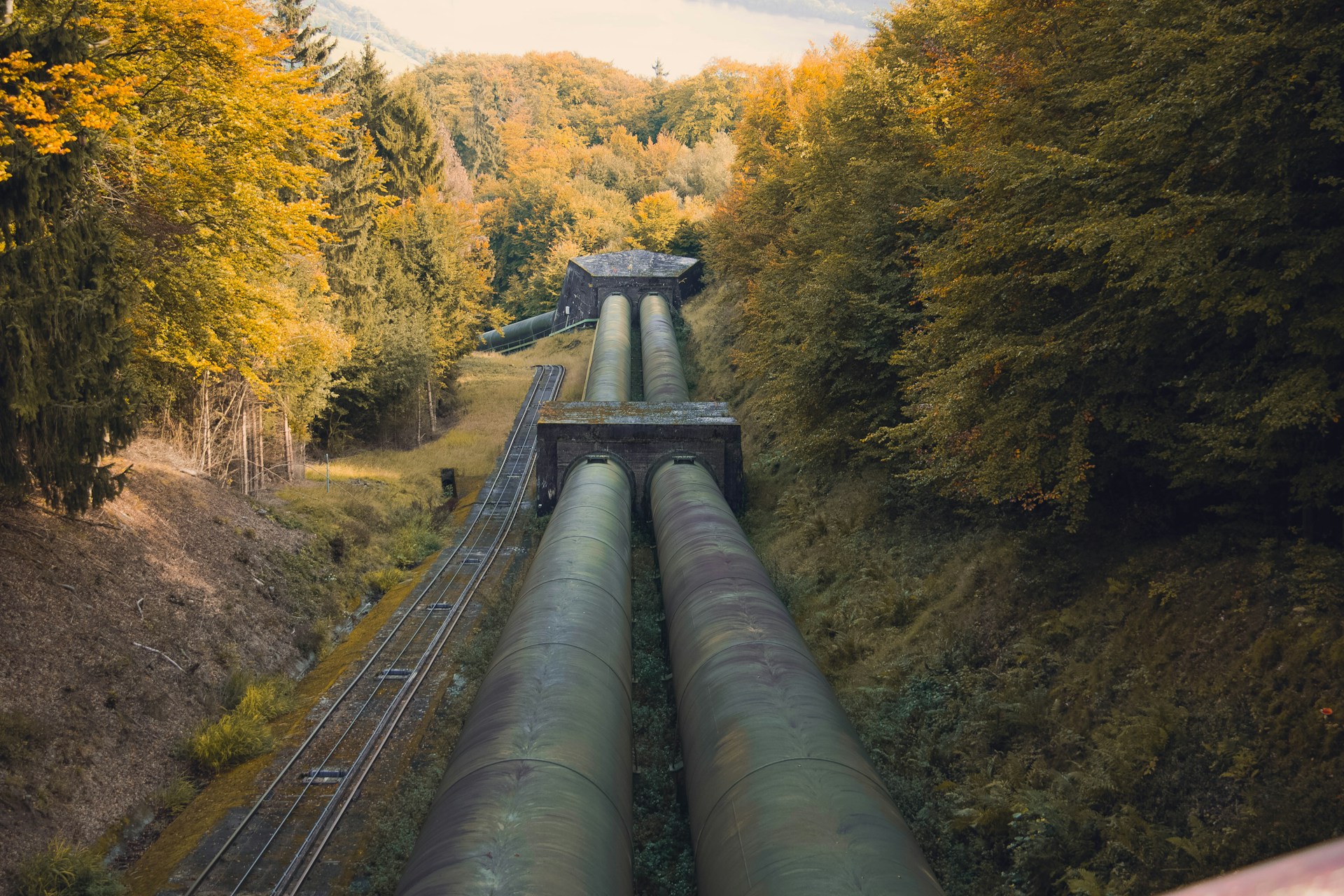
The European Union is targeting 10 million tonnes of hydrogen imports per year by 2030, up from zero today. If even 50% of this target is to be reached it will require huge investment in entirely new value chains to facilitate these imports, with ships and pipelines being the obvious infrastructural options. But are they an ‘either-or’ choice? Can we consider this choice to be two sides of the same coin, much like we do with natural gas? Are there opportunity costs in scaling parallel infrastructure? What are the cost and scalability implications of these options? What vector would we ship and what is the end product we are after? Is there meaningful security of supply concern?
In this FSR Insights event, James Kneebone, FSR presents the results from a policy paper co-written with Andris Pieblags on these subjects.
The presentation explores the limitations and opportunities of different technological choices, as well as the relationships between different parallel value chains for clean hydrogen and its derivatives. The results of the paper give some pause for thought on how we frame planning for the role of clean molecule imports in our energy system and offer some optimistic reflections on the position of Europe in global hydrogen value chains moving forward.
The panel of discussants includes a great balance of engineering, political science, and economics expertise. Following the presentation, each discussant will have the opportunity to give their critique and perspective on the issue, before the audience and hosts will be invited to intervene with their questions.
Hosts
Leonardo Meeus | Florence School of Regulation (FSR)
Lucila de Almeida | FSR & Nova School of Law
Keynote Speaker
James Kneebone | Florence School of Regulation
Discussants
Alejandro Nuñez-Jiminez | ETH Zurich & Harvard Belfer Center
Sara Giarola | Polytechnic of Milan, EIEE & Imperial College London
Timo Gerres | Instituto de Investigación Tecnológica
Don’t miss any update on our events
Sign up for free and access the latest events from our community.
More on the topic