



The Equality Switch | Online debate
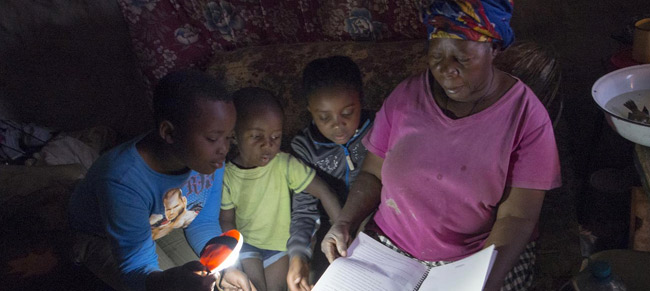
One of the most critical challenges facing the international community today is the lack of reliable access to energy. Nearly 1.2 billion people, or 17 percent of the global population, live without access to electricity (IEA, 2015). Worldwide, 2.7 billion people, or 38 percent of the global population, rely on biofuels such as wood, coal, charcoal, or animal waste for cooking and heating (IEA, 2015). Women in developing countries are disproportionately affected by energy poverty because the dearth of energy sources reinforces roles largely based on social norms that place a low value on domestic labour (Danielsen, 2012; UNIDO, 2013). But how does access to energy empower women and what kind of benefits can we expect from making the right investments? Read the complete article
The Equality Switch | The Enabling Power of Access to Energy for Women around the World
Watch the recording of the online debate!
Within the framework of the recently adopted UN Sustainable Development Goals, the G20 Energy Access Action Plan and COP21 on Climate Change, the Florence School of Regulation (FSR) and World Access to Modern Energy (WAME) have agreed to form a partnership to contribute to the process of ensuring affordable, reliable, and modern energy for all. This initiative is looking specifically at the role which regulatory authorities can and should play in making universal access to energy a reality.
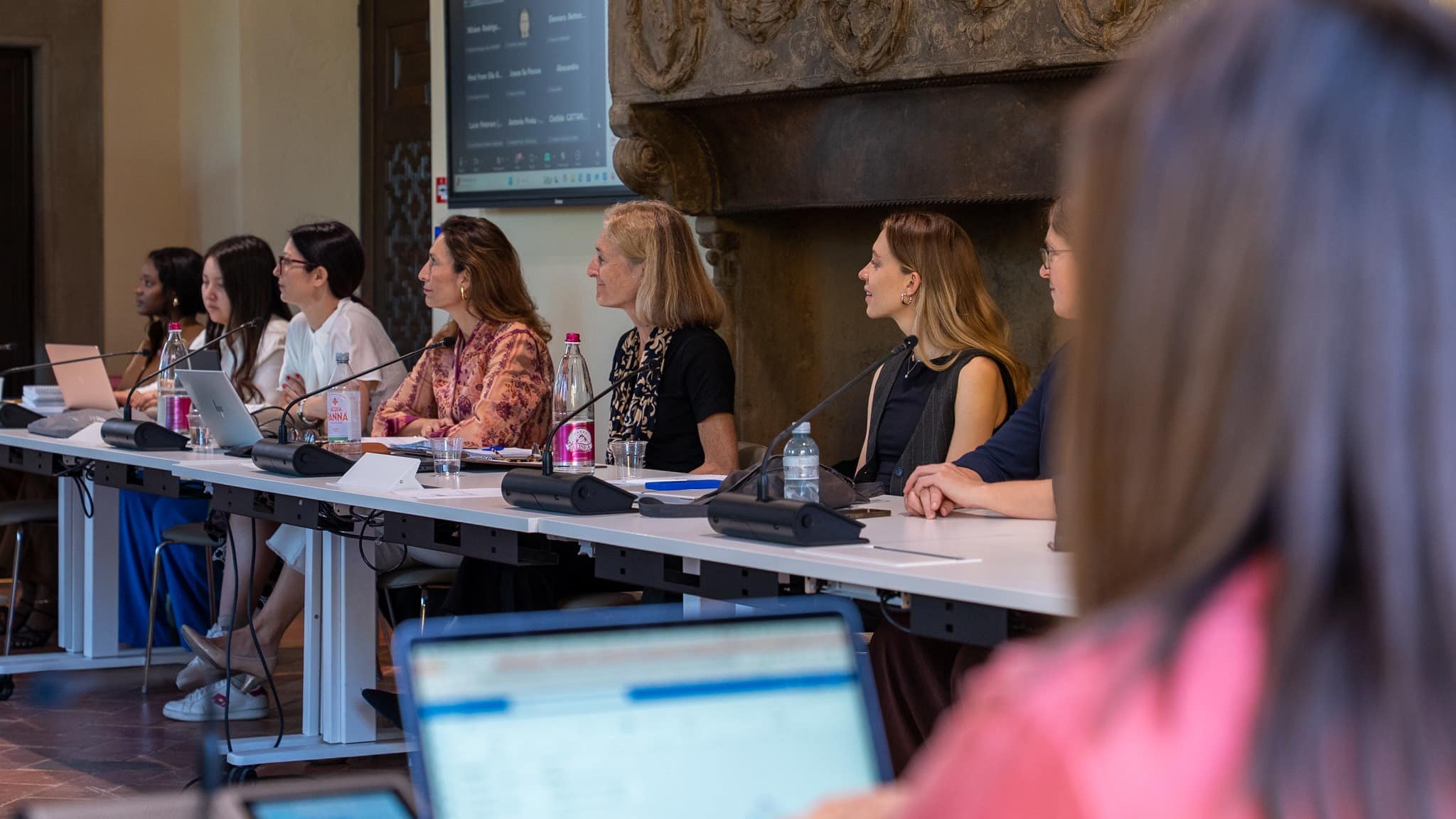
The Annual Conference of the European University Institute is this year focusing on the role of Women in Europe and in the World. Linked to this event, the FSR has decided to host a special edition of the FSR online debates, which will look at the enabling power of access to energy for women around the world.
Don’t miss any update on our events
Sign up for free and access the latest events from our community.
More on the topic