



COP31 in Antalya: Ambition meets reality
In this third and final instalment of the Topic of the Month, Simone Borghesi and Jacopo Cammeo reflect on the outcomes of COP31, the role of international carbon markets and the priorities for climate policy beyond Antalya.
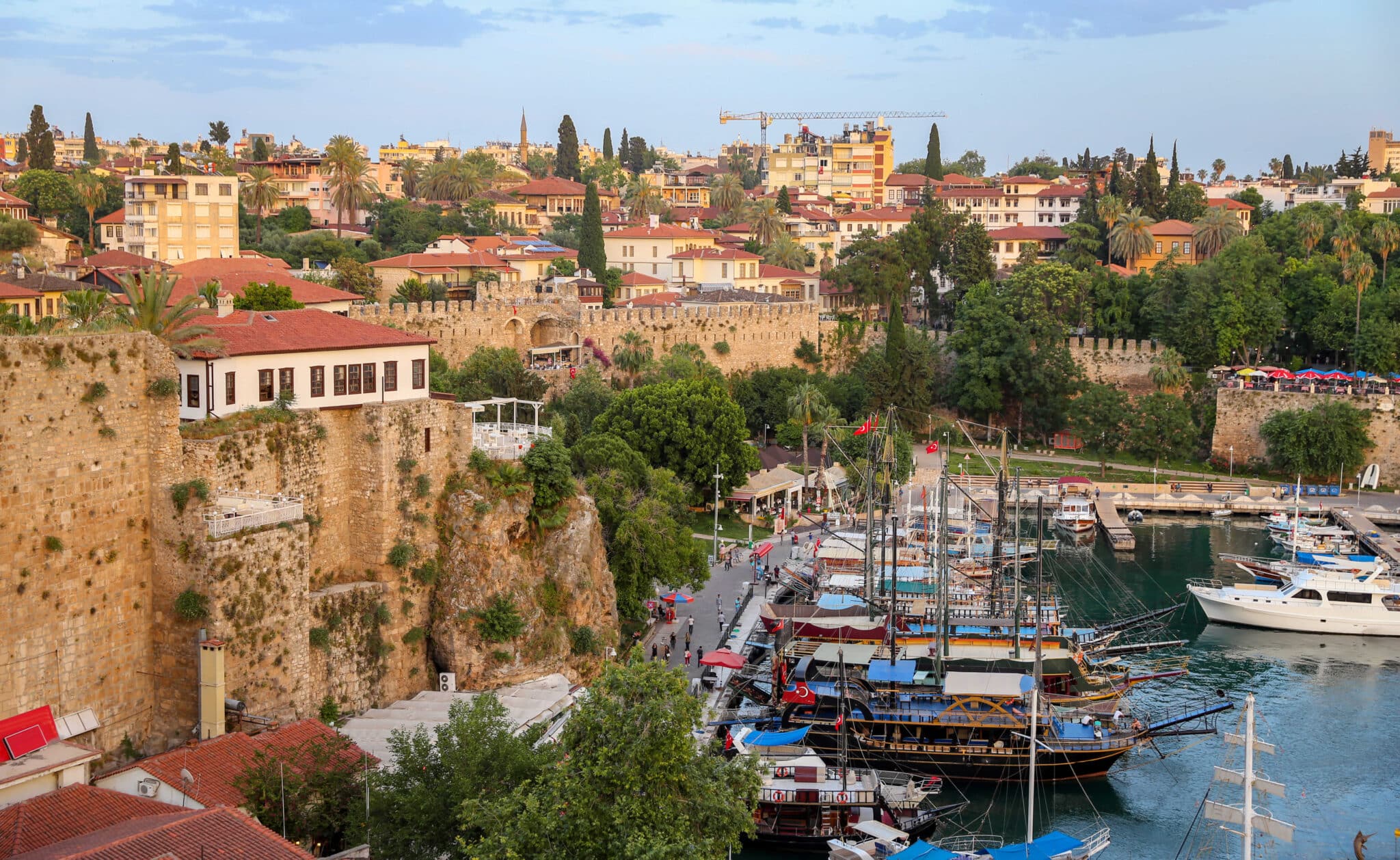
The COP31 was the largest in terms of both participation and duration, with negotiations running more than 49 hours beyond the scheduled time, and ended in a collapse of the negotiations on the main political package, which was inclusive of a global goal on electrification by 2035. Despite the limited progress at the political level, some advances were made on international carbon markets and climate finance. The proposed global electrification target of 35% by 2035, although not adopted by consensus, also opened a new discussion on the role of electrification in climate policy.
Carbon markets, climate finance and international cooperation
At COP31 in Antalya, the FSR Climate team contributed to several discussions on carbon markets, international cooperation, regional energy transitions and climate finance.
Making carbon markets more effective and credible was a central theme. Discussions on the future of the EU Emissions Trading System (EU ETS) explored how to reconcile long-term credibility with flexibility in response to changing economic conditions. A key takeaway was that well-designed, rule-based flexibility can strengthen policy credibility and provide predictable incentives for decarbonisation.
International cooperation and climate finance represented another major focus. Discussions on Article 6 of the Paris Agreement examined how carbon markets can mobilise resources while ensuring environmental integrity. Research from LIFE NETS, coordinated by FSR Climate, highlighted how behavioural economics can inform the design of more effective and socially acceptable climate policies.
The Mediterranean dimension featured prominently in discussions organised through MEDAERE, the Mediterranean Association of Environmental and Resource Economists. Strengthening scientific cooperation across countries with different energy systems and institutional capacities is essential for developing context-specific policies, building trust and promoting dialogue amid geopolitical tensions.
Climate finance and local action were also addressed in an EAERE session on climate finance and urban regeneration, highlighting how economic instruments and public funding can support sustainable urban regeneration, particularly through energy-efficient buildings and cleaner mobility.
Discussions on marine ecosystem services highlighted the importance of making the benefits of ecosystem conservation more visible to policymakers, while recognising the limitations of monetary indicators in capturing ecological complexity.
Across these discussions, a common message emerged: effective climate action depends on credible institutions, well-designed economic incentives and stronger international cooperation.
Beyond Antalya: what comes next?
What did COP31 actually deliver? How has international climate cooperation evolved since Belém, and what challenges remain for international carbon markets?
In the podcast COP31: Ambition meets reality, Simone Borghesi and Jacopo Cammeo discuss the outcomes of the negotiations, the growing role of the Open Coalition on Compliance Carbon Markets, progress under Article 6 of the Paris Agreement and remaining concerns over the quality and environmental integrity of carbon credits.
Looking ahead to COP32 in Addis Ababa, they reflect on the importance of continuing multilateral cooperation, the role of ecosystem services and nature-based solutions, and the need to translate electrification ambitions into concrete action.
Don’t miss any update on this topic
Sign up for free and access the latest publications and insights
More on the topic