



Type of event: Online Debate
Building resilience: strategies for strengthening Ukraine’s energy future

The FSR Policy debate will focus on the strategies and partnerships needed to strengthen Ukraine’s energy resilience and pave the way for a greener, more sustainable future.
In the wake of targeted attacks on civilian infrastructure by Russia, Ukraine’s energy sector has suffered significant damage, resulting in supply chain disruptions and economic setbacks. The destruction of coal-fired generation facilities has added pressure to expedite the restoration of existing capacities while simultaneously pursuing sustainable, forward-looking solutions.
Despite these challenges, Ukraine is forging ahead with ambitious green recovery initiatives aimed at modernizing its infrastructure, bolstering energy security through decentralization, and prioritizing domestic energy resources. By embracing clean energy technologies, Ukraine seeks not only to recover from war-induced setbacks but also to accelerate its transition towards a sustainable future.
However, achieving these objectives amidst ongoing war and economic instability demands increased international support. Join us for a discussion on the strategies and partnerships needed to strengthen Ukraine’s energy resilience and pave the way for a greener, more sustainable future.
Programme
Introduction by Andris Piebalgs and Christopher Jones, FSR
Keynote presentation: Olena Pavlenko, PhD, President and co-founder of the Ukrainian DiXi Group think tank and the Ukrainian Energy website.
The presentation will be followed by a panel debate with Albéric Mongrenier, Executive Secretary, European Initiative for Energy Security and Walter Boltz, Senior Advisor – European Energy, as speakers.
Conclusions by Andris Piebalgs and Christopher Jones, FSR
Presentations
Don’t miss any update on our events
Sign up for free and access the latest events from our community.
More on the topic




State-of-play in international carbon markets 2024

During this event we will dive into the recent trends in regulated carbon markets and explore their links and connections, including with voluntary carbon markets (VCMs). In the last years, the number of carbon taxes and Emissions Trading Systems (ETSs) has grown worldwide. However, the integration of these systems has progressed slowly due to divergent design features, such as permit types, sectoral coverage, and monitoring methods, reflecting each domestic context. Connections between ETSs and VCMs have also stalled due to concerns about credit quality, monitoring, reporting, and verification issues connected with offsets. Do the recent findings reflect progress towards further integration, and can we detect a trend towards more aligned ambition and more consistent market regulation?
This panel represents the first part of the annual Net Zero Carbon Market Policy Dialogue (NZCMPD) organised under the framework of the LIFE COASE project. The aim of the policy dialogue is to facilitate international carbon market cooperation between the EU and partner jurisdictions on key topics around net-zero regulation and integration of carbon markets. It will assess the state of play on international carbon markets in view of addressing in a later phase the methods and findings of ex-ante and ex-post assessments of the EU ETS and other ETSs worldwide.
This event is organised by FSR Climate and will take place before the opening of the EUI Climate Week 2024.
Moderator:
- Simone Borghesi, Director Florence School of Regulation – Climate, European University Institute
Panellists:
- Baran Doda, Head of Programme Carbon Markets and Pricing, Adelphi
- Jean-Yves Benoit, Director General, Carbon Regulation and Emissions Data, Québec Ministère de l’Environnement, de la Lutte contre les changements climatiques, de la Faune et des Parcs
- Hannah Lewis, Head of Policy for the UK Emissions Trading Scheme, UK Department for Business, Energy and Industrial Strategy
- José Pedro Bastos Neves, Ministry of Finance, Brazil
- Michael Mehling, Deputy Director, Center for Energy and Environmental Policy Research, MIT
Conclusions:
- Mette Quinn, Deputy Director, EU and International Carbon Markets, DG CLIMA, European Commission
Participation in this event is by invitation only and all deliberations will take place under the Chatham House rule (no views or positions may be attributed publicly to any participant).
More information and the full programme of the EUI Climate Week 2024 can be found here.
Don’t miss any update on our events
Sign up for free and access the latest events from our community.
More on the topic









Resilient economies and institutions to mitigate and adapt to climate change

The frequency of natural disasters due to climate change is increasing, and institutions across different geographic areas are not equally ready to cope with such events. In fact, the lack of adequate institutional responses is likely to exacerbate the consequences of these events. Making the EU and developing countries better able to cope with the devastating consequences of climate change requires an articulated policy mix around carbon price, and resilient and reactive institutions and processes. Many economical, political and social lessons can be drawn from the recent health and war crises but also natural disasters.
This panel will explore feasible manners to enhance resiliency to climate change pursuing the European Green Deal agenda, taking in consideration the climate mitigation policies. It will also address how to better prepare agriculture, biodiversity, the health system and our economies in general to cope with climate change and how to protect the most vulnerable populations in developing countries and in Europe.
Moderators:
- Simone Borghesi, Director of the Florence School of Regulation – Climate, EUI
- Fabrizia Mealli, Professor of EconometricsEuropean University Institute, EU
Panellists:
- Hans-Martin Füssel, Climate Change Adaptation Expert, European Environment Agency (EEA)
- Shonali Pachauri, Research group leader, International Institute for Applied Systems Analysis (IIASA)
- Massamba Thioye, Project Executive UNFCCC Global Innovation Hub, UN Climate Change Secretariat
- Mira Manini Tiwari, Research Associate, RSCAS, EUI
 FSR Climate, together with the Policy Outreach Committee of EAERE (European Association of Environmental and Resource Economists), organises this session to promote a more integrated dialogue between academia and policy world, providing advice and support to EU policy makers and institutions in designing policy interventions.
 The event is organised under the framework of the Horizon Europe project SPES and will take place during the EUI State of the Union 2024. SPES is funded by European Union’s Horizon Europe Programme under Grant Agreement No. 101094551.
Participation in this panel is via invitation only. Find out more about the full programme of the State of the Union here.
Don’t miss any update on our events
Sign up for free and access the latest events from our community.






Promoting Competition in the Retail Energy Market
Despite the energy retail market having been fully open to competition, also for residential consumers, for more than fifteen years, it has proven extremely difficult to engage these energy consumers in this market. It could therefore be of value to look at alternative ways to ensure that consumers benefit from retail competition in the energy market. This FSRDebate assessed the recent Italian experience of running auctions among suppliers to allocate bundles of consumers who were still in the regulated market. These auctions resulted in significant savings with respect to the benchmark defined by the regulator.
The energy retail market has been fully open to competition (i.e. also for residential consumers) since July 1st, 2007. However, it has proven extremely difficult to engage energy consumers in this market. The switching rate of consumers is generally considered as one of the key indicators of well-functioning retail energy markets. While switching rates do not provide conclusive evidence, they have remained low – typically in the 5-6% per year – in many countries for many years after liberalisation. More recently, some Member States have witnessed an increase in the rate at which residential electricity consumers switched their suppliers. In 2021 switching rates sharply increased in many Member States, for example getting to or close to 25% in Belgium and the Netherlands, as a result of the much higher energy prices in that year, which encouraged consumers to look around for better terms, difficult though to find at that time. In 2022, switching rates decreased once again, with their levels for residential electricity consumers staying above 20% only in Belgium and Spain, while France, Greece, Slovenia, the Czech Republic, Romania, Latvia, Austria, Estonia, Croatia, and Slovakia still had switching rates at or below 10% – below 1% in Luxembourg.
Many reasons have been given for the reluctance of energy consumers to take full advantage of retail competition and shop for the best offers available on the markets, including the scepticism created by a number of retailers going out of business during the recent energy crises.
It could therefore be of value to look at alternative ways to ensure that consumers benefit from retail competition in the energy market. The recent experience of ARERA, the Italian Regulatory Authority for Energy, Networks and Environment, could provide a useful reference. Concerned with the slow pace at which electricity consumers were leaving the regulated markets and opting for alternative offers available in the free market, ARERA organised a set of auctions through which bundles of consumers were allocated to competing suppliers which bid discounts with respect to the cost-reflective benchmark defined by the regulator, which they offered to apply for a period of three years.
The results of the last auctions, for residential customers, which were held at the beginning of the year imply substantial savings for consumers who are still in the regulated market, in the order of €130 per connection point per year1. Such large savings raise interesting questions regarding the expected future behaviour of consumers as assessed by suppliers.
In this context, the debate will assess whether the Italian experience could serve as a reference for other countries also characterised by a low degree of energy consumers’ engagement and what the results of the Italian auctions could suggest in terms of the expected future behaviour of consumers.
Programme
Introduction to the Debate and Opening Presentations
14.00 – 14.05 Introduction to the Debate
Alberto Pototschnig | Florence School of Regulation
14.05 – 14.20 The scope, design and results of the Italian retail auctions
Massimo Ricci | Director, Energy Division, ARERA
Guido Cervigni | Managing Director, DFC Economics
14.20 – 14.30 Empowering energy consumers
Tadhg O’Briain | Deputy Head of Unit, Consumers, Local Initiatives, Just Transition, European Commission
Panel Discussion: Introductory Remarks, Polls and Comments
Moderator: Ilaria Conti | Florence School of Regulation
14.30 – 14.50 Introductory remarks from the panellists
Elsa Água | Member, Customers and Retail Markets (CRM) Working group, CEER
Pierpaola Pietrantozzi | General Secretary, Adiconsum (Italian Consumers Protection Association)
Rita Mota | Chair of Retail Market Design Working Group, Eurelectric
Elisa Rondella | Vice-President, AIGET
14.50 – 14.55 Polls
14.55 – 15.20 Comments on the polls outcome and Q&A from the audience
Panellists
15.20 – 15.30 Concluding remarks
Ilaria Conti | Florence School of Regulation
Alberto Pototschnig | Florence School of Regulation
Presentations
Don’t miss any update on our events
Sign up for free and access the latest events from our community.
More on the topic



Electric Transmission and the Energy Transition: Perspectives from Africa, Europe, and North America
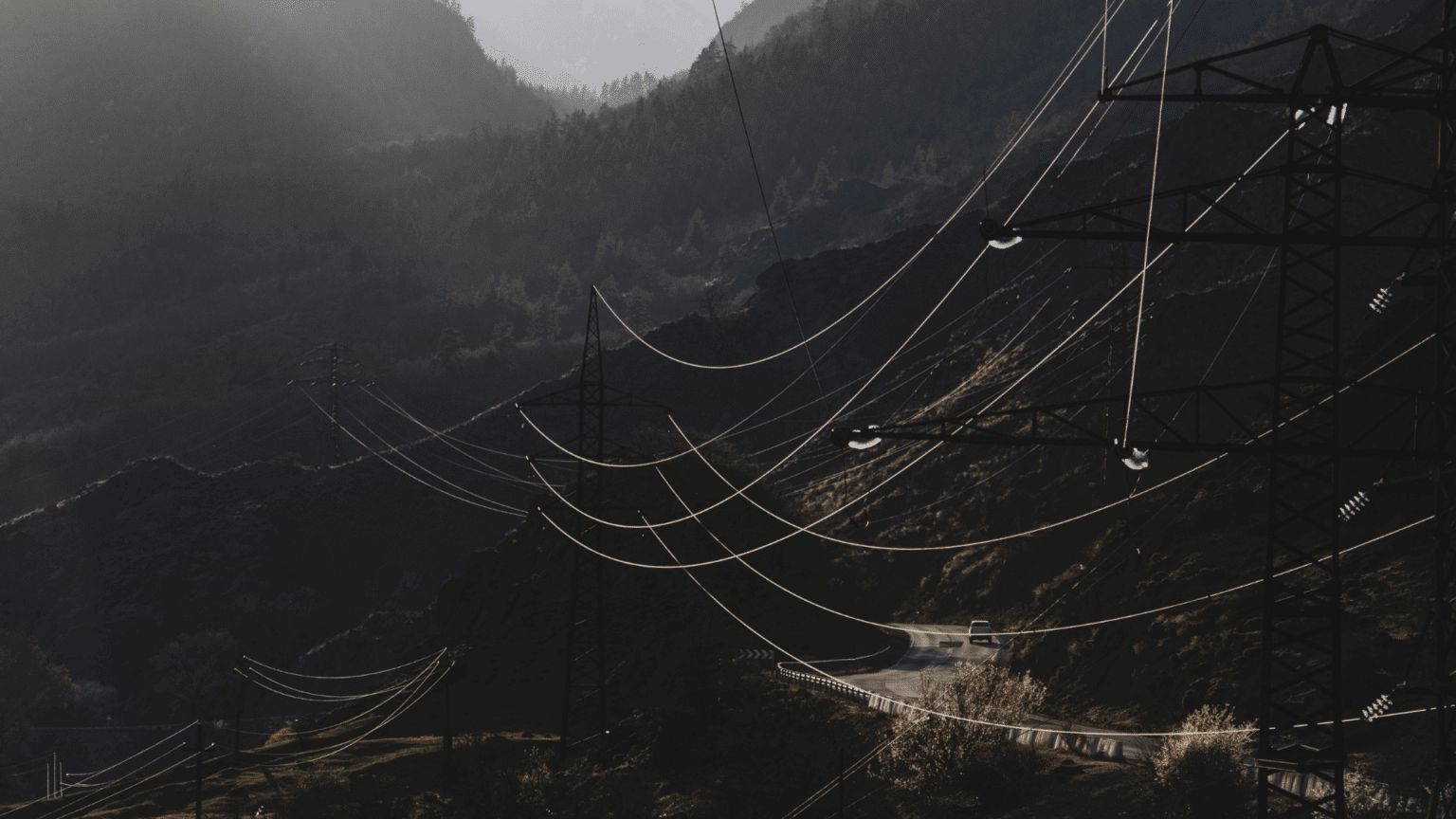
In this joint FSR-NYU episode of #FSRDebates, we explore the challenges, strategies, and evolving dynamics associated with electric transmission infrastructure in the context of the global energy transition. We analyze three distinct regions, shedding light on the varied approaches each takes to address imperatives such as sustainability, reliability, resilience, accessibility, and affordability within their energy systems.
Historically, electric grids have been co-planned with generation. However, the ongoing energy transition and ambitious decarbonization goals necessitate streamlining existing transmission infrastructure. In various parts of the U.S. and Europe, transmission bottlenecks are already severe and may impede the progress of the energy transition. Our discussion will encompass both regions’ strategies for elevating transmission as a priority on the political agenda.
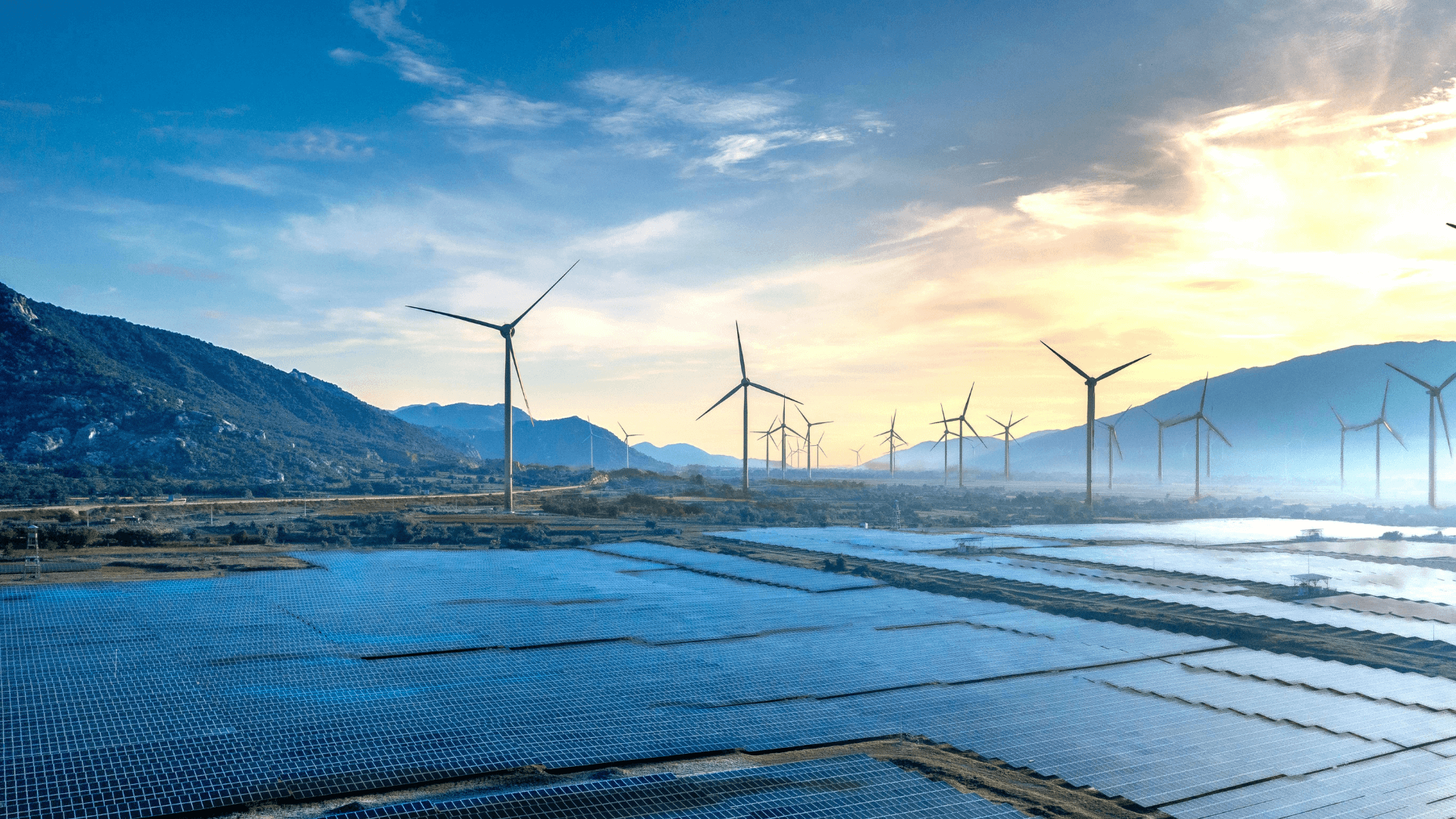
The power grid in Africa is less integrated compared to Europe and the U.S. Nevertheless, the continent is rich in renewable resources for electricity generation. We will explore the region’s plans to unlock these resources, enhance energy access, and promote socio-economic development.
Additionally, we will examine alternatives to traditional transmission methods and elaborate on the role of modern grid technologies. We will scrutinize the advantages of planning a future energy system from scratch as opposed to remodeling existing suboptimal infrastructure. A significant portion of our discourse will focus on how climate change, extreme weather phenomena, a more weather-dependent generation resource mix, and potential demand growth due to electrification trends impact the necessity for transmission.
By presenting a tri-continental perspective, the debate will provide a nuanced understanding of regional intricacies, offering valuable insights for policymakers, industry leaders, and researchers alike.
Program
Moderators: 16.00 – 16.05
- Marzia Sesini, FSR
- Christoph Graf, NYU
Keynote Presentations 16.05-16.50
- Maria Robinson – Director, US Department of Energy Grid Deployment Office
- Raphael Sauter – DG Energy, European Commission
- Amine Idriss Adoum – (Director Infrastructure, Industrialisation and Trade Directorate) AUDA NEPAD
Debate 16.50 – 17.20
- Rob Gramlich – President, Grid Strategies LLC
- Federico Pontoni – Technologies for Energy Transition Director, FEEM
- Jan Kostevc – Team leader Energy Infrastructure, ACER
Conclusions 17.20-17.30
- Andris Piebalgs, FSR
- Christopher Jones, FSR
Don’t miss any update on our events
Sign up for free and access the latest events from our community.
More on the topic





Navigating the Path Towards EU Climate Neutrality
The upcoming edition of #FSRDebates will discuss the recently released report ‘Towards EU climate neutrality: progress, policy gaps and opportunities’ delivered by the European Scientific Advisory Board on Climate Change (ESABCC). Lena Kitzing, FSR Part-Time Professor and ESABCC Member, a co-author of the report, will join us to present its findings. – Watch the recorded session
The ESABCC was established by the European Climate Law of 2021 to provide the EU with scientific knowledge relating to climate change. In this report the Advisory Board takes stock of the progress towards climate targets and the consistency of climate action. It also presents scientific advice on policy actions supporting the achievement of climate neutrality by 2050 at the latest.
This debate will provide space to discuss key recommendations for a more effective implementation and design of the EU climate framework. The recommendations range from stepping up Member States’ efforts, adopting pending legislation, incentivising energy demand reduction, and phasing out fossil fuel subsidies, to streamlining policies, strengthening the governance framework, and adapting the EU Emissions Trading System (EU ETS).
Among other things, the debate will focus on which policy measures are best fit to reach the EU climate targets.
Programme
Introduction to the Debate and Opening Presentations
14.00 – 14.05 Introduction to the Debate
Ilaria Conti | Florence School of Regulation
14.05 – 14.20 The ESABCC Report: main findings
Lena Kitzing | Florence School of Regulation
14.20 – 14.30 Progress achieved and the remaining gaps: the policy perspective
Alban Kitous | DG CLIMA
Stefano Santacroce | DG CLIMA
Panel Discussion: Introductory Remarks, Polls and Comments
Moderator: Alberto Pototschnig | Florence School of Regulation
14.30 – 14.50 Introductory remarks from the panellists
Albert Ferrari | FSR Climate
Sven Harmeling | CAN Europe
Paul Wilczek | Eurelectric
14.50 – 14.55 Polls
14.55 – 15.20 Comments on the polls outcome and Q&A from the audience
15.20 – 15.30 Concluding remarks
Ilaria Conti | Florence School of Regulation
Alberto Pototschnig | Florence School of Regulation
Don’t miss any update on our events
Sign up for free and access the latest events from our community.
More on the topic
Maritime transport decarbonization – what to expect from the new regulatory frameworks?
The FSR Policy debate organised in cooperation with the Oxford Institute for Energy Studies will focus on maritime transport decarbonization.
Maritime transport accounts for ~2-3% of global anthropogenic greenhouse gases (GHGs), yet is not covered by the Paris Agreement. In 2023, the sector’s main regulator, International Maritime Organisation (IMO) adopted a revised GHG strategy setting an enhanced common ambition to reach net-zero GHG emissions from international shipping close to 2050. As of 2024, maritime transport emissions will be incorporated under the European Union’s cap-and-trade program – the Emissions Trading System (EU ETS). As a result, shipping companies using European ports will have to monitor and report their emissions and purchase and surrender EU allowances (EUAs) for each tonne of reported carbon dioxide (CO2) emissions. From 1 January 2026, this obligation will be extended to two short-lived GHGs – methane (CH4) and nitrous oxide (N2O).
This webinar, based on the recent Oxford Institute for Energy Studies (OIES) Insight, will address the following questions:
1) Are the IMO and EU regulatory frameworks for decarbonisation complementary or contradictory?
2) What does the EU ETS extension mean for the methane mitigation in Europe, in the light of the upcoming EU methane regulation?
3) What does it mean for the future of LNG, given that additional LNG supplies are projected to come online after 2025?
Webinar moderated by Jonathan Stern | Oxford Institute for Energy Studies (OIES)
Programme
14.00-14.05 Welcome by Andris Piebalgs | FSR and Jonathan Stern | OIES
14.05 – 14.20 Presentation of the OIES paper, Maria Olczak | OIES
14.20 – 14.35 Panelists
Bartłomiej Gurba | European Commission, DG CLIMA
Fiji George | Cheniere
14.35 – 15.05 Q&A
15.05 – 15.15 Wrap-up by Christopher Jones | FSR
Presentations
Don’t miss any update on our events
Sign up for free and access the latest events from our community.
More on the topic

Towards CCUS Strategy: what regulatory framework to choose
The FSR Policy debate will focus on the future regulatory framework applicable to CCS infrastructure – what should be in the Strategy, and the legislation expected at the start of the next Commission.
The 2023 CCUS Forum in Aalborg has demonstrated strong political support for the use of carbon capture and storage for achieving EU climate goals.
The Forum reiterated the need for speedy deployment of CCS, CCU and carbon removal technologies to reach EU climate goals, and especially climate neutrality by 2050 – “no CCUS no net zero”. The EU has made important steps towards implementing the policy tools to deploy CCS technologies in the EU and set the path to industry decarbonization. The forthcoming Net Zero Industry Act, and the proposed 50 MT storage target for the EU by 2030 with obligations on companies to achieve this, looks likely to be a game-changer. Five EU Member States – Denmark, France, Germany, the Netherlands and Sweden – signed the Aalborg Declaration on accelerating and enabling cross-border CCUS in Europe. Regarding negative emissions, where CCS is vital, the EU Industrial Carbon Management Strategy is expected to be published early in 2024.
The next landmark with be the Commission’s CCUS Strategy, scheduled for early 2024. There are many issues to be dealt, ranging from CO2 specifications, storage capacity, infrastructure, industrial carbon strategies, de-risking projects, and gaining social acceptance on projects – especially onshore storage.
Most importantly, a ‘fit for purpose’ EU regulatory framework to scale up CCUS across the EU is needed. It should provide for transparent and non discriminatory access conditions to infrastructure where needed, and at the same time be flexible enough for the fast scaling up of necessary investments. The EU has a wide experience in regulating gas networks. The legislative agreement on hydrogen and decarbonised gas market package has established a new benchmark on forward-looking regulation. Could this experience be used also for regulating CCS or is another approach needed?
The FSR Policy debate will focus on the future regulatory framework applicable to CCS infrastructure – what should be in the Strategy, and the legislation expected at the start of the next Commission.
Programme
Introduction, Ilaria Conti, FSR
Presentation of the Policy Brief, Christopher Jones, FSR
Panel discussion moderated by Andris Piebalgs, FSR
Chris Davies, CEO of CCS Europe
Caroline Braun, Landwärme
Leigh Hancher, FSR
Christian Egenhofer, CEPS
Axel Scheuer, IOGP
Conclusions Edith Hofer, European Commission
Presentations
Don’t miss any update on our events
Sign up for free and access the latest events from our community.
More on the topic

The physical security of critical energy infrastructure
The protection of critical infrastructure against terrorism emerged in all its relevance following the 11 September 2001 attacks in the US. Since then, jurisdictions around the world, including the EU, have been increasingly looking at how best physically to protect its critical infrastructure, including critical energy infrastructure.
In the last decade, a new dimension of security of critical infrastructure emerged, in terms of their protection from cyberattacks. This new dimension somewhat overshadowed the more traditional dimension of physical security, which was brought back to the forefront of the EU concerns by some recent attacks, especially of underwater energy infrastructure – on the Nord Stream 2 pipeline on 26 September 2022 and on the Baltic connector on 8 October 2023.
Against this background, this FSR Debate will aim at assessing the current challenges related to the physical protection of critical energy infrastructure and how such protection can be enhanced.
The protection of critical infrastructure against terrorism emerged in all its relevance following the 11 September 2001 attacks in the US. Following such events, the European Union started to consider how best to protect its critical infrastructure. Already in 2004, the Commission adopted a Communication on Critical Infrastructure Protection in the Fight against Terrorism[1], in which it put forward suggestions on what would enhance European prevention, preparedness and response to terrorist attacks involving Critical Infrastructures. In 2006, the European Commission released a further Communication[2] in which it set out a proposal for the principles, processes and instruments to implement a European Programme for Critical Infrastructure Protection (EPCIP), to be supplemented where relevant by sector specific Communications setting out the Commission’s approach concerning particular critical infrastructure sectors.
In 2008, the Council established a procedure for the identification and designation of European critical infrastructures (ECIs) and a common approach to the assessment of the need to improve their protection[3]. A critical infrastructure was defined as “an asset, system or part thereof located in Member States which is essential for the maintenance of vital societal functions, health, safety, security, economic or social well-being of people, and the disruption or destruction of which would have a significant impact in a Member State as a result of the failure to maintain those functions”[4].
Since then, a new dimension of security of critical infrastructure emerged, in terms of their protection from cyberattacks. This new dimension somewhat overshadowed the more traditional dimension of physical security, which was brought back to the forefront of the EU concerns by some recent attacks, especially of underwater energy infrastructure – on the NordStream 2 pipeline on 26 September 2022 and on the BalticConnector on 8 October 2023.
Against this background, this FSRDebate will aim at assessing the current challenges related to the physical protection of critical energy infrastructure and how such protection can be enhanced.
Draft Programme
Introduction to the Debate and Opening Presentations
14.00 – 14.05 Introduction to the Debate
Alberto Pototschnig | Florence School of Regulation
14.05 – 14.15 The policy framework for the physical protection of critical energy infrastructure
Andris Piebalgs | Florence School of Regulation, EUI
14.15 – 14.35 Protecting energy infrastructure
Ricardo Passos Moreira de Sousa | Joint Research Centre, European Commission
Andrea Chittaro | Chairman Security Study Group, GIE
Panel Discussion: Introductory Remarks, Polls and Comments
Moderator: Ilaria Conti | Florence School of Regulation
14.35 – 14.50 Introductory remarks from the panellists
Ambassador Reka Szemerkenyi | Former Hungarian Ambassador Extraordinary and Plenipotentiary to the US
Andrei Belyi | Adjunct professor in Energy law and policy at the University of Eastern Finland and CEO of Balesene OU (energy consulting firm), Tallinn, Estonia
14.50 – 14.55 Polls
14.55 – 15.20 Comments on the polls outcome and Q&A from the audience
Panellists
15.20 – 15.30 Concluding remarks
Ilaria Conti | Florence School of Regulation
Alberto Pototschnig | Florence School of Regulation
[1] Communication from the Commission to the Council and the European Parliament – Critical Infrastructure Protection in the fight against terrorism, Brussels 20.20.2004, COM(2004) 702 final.
[2] Communication from the Commission on a European Programme for Critical Infrastructure Protection, Brussels 12.12.2006, COM(2006) 786 final
[3] Council Directive 2008/114/EC of 8 December 2008 on the identification and designation of European critical infrastructures and the assessment of the need to improve their protection
[4] Article XXX of Council Directive 2008/114/EC.
Don’t miss any update on our events
Sign up for free and access the latest events from our community.
Speakers
More on the topic

Implementing equality and inclusion in workplaces: benefits and limits of gender policies
In this edition of #FSRDebates, the discussion will focus on the gender dimension of workplace equality and inclusion policies. While employers acknowledge the significance of these policies and strive to incorporate them into their practices, their effectiveness isn’t always guaranteed and, at times, may even yield less favourable outcomes. For instance, despite the initial adoption of AI by companies with the anticipation of impartial decision-making, current research indicates that AI frequently displays biases learned from human data, consequently reinforcing gender inequalities.
We will be joined by ACER’s Silvia Manessi, Team Leader, Human Resources Management, who will delve into the complexities of defining and implementing effective gender balance and inclusion policies. She will explore these challenges from both theoretical and practical perspectives. Elena Pisanelli, PhD Candidate at the EUI, will present her thesis on the use of artificial intelligence (AI) technologies in hiring and their impact on gender inequality in the labour market. The presentations will be followed by a panel discussion.
Draft Programme
14.00 – 14.05 Introduction to the Debate
Ilaria Conti | Florence School of Regulation
14.05 – 14.15 PhD Thesis presentation: AI, gender and work
Elena Pisanelli | SPS, EUI
14.15 – 14.35 Gender mainstreaming in the workplace: where are we now and what’s next?
Silvia Manessi | ACER
14.35 – 15.10 Discussion: Introductory Remarks and Comments
Moderator: Ilaria Conti | Florence School of Regulation
Dr Elizabeth Pollitzer | gEneSys
Andrea Lenauer | WIE
Costanza Hermanin | RSC, EUI
Annika Beintner | Landwärme
15.10 – 15.25 Q&A from the audience
15.25 – 15.30 Concluding remarks
Ilaria Conti | Florence School of Regulation
Don’t miss any update on our events
Sign up for free and access the latest events from our community.
Speakers
More on the topic

Critical Raw Materials, Industrial Policy, and the Energy Transition

In this joint FSR-NYU episode of #FSRDebates, we delve into two significant legislative initiatives on either side of the Atlantic: the United States’ Inflation Reduction Act (IRA) and the European Union’s Net Zero Industry Act (NZIA) and Critical Raw Material Act (CRM Act). These initiatives hold considerable implications for their respective regions and are interconnected on a global scale due to their relevance to securing critical raw materials.
The US’s IRA is aimed at addressing rising inflation concerns and stimulating economic growth within the United States, in part by boosting clean energy and related industries. The EU’s NZIA plays a central role in the EU Green Deal, aiming to transition Europe’s industries to a net-zero carbon emissions model. These legislative actions are pivotal not only within their regions but also on the global stage as they intersect with critical raw materials. Sourcing these materials can create a range of economic, social, and geopolitical concerns, and all countries involved will need to craft policies that avoid unintended consequences. The Commission’s proposal for a CRM Act is a comprehensive response to these challenges.
Our discussion will carefully examine some key provisions, goals, and policy approaches embedded within these acts, shedding light on their potential to drive innovation, mitigate environmental impacts, and reshape industrial landscapes. This comprehensive analysis will also consider how these legislative measures impact critical raw materials, emphasizing their central role in achieving sustainability targets.
Not only does the discussion address the geopolitical equilibrium, exploring how these legislative initiatives may influence global geopolitics, trade dynamics, and international power balances, but also the implications for supply chains, trade relations, and the broader global community’s sustainability efforts, providing valuable insights into the global implications of these significant legislative endeavors.
Programme
Moderators:
Andris Piebalgs, FSR
Burçin Ünel, NYU
Marzia Sesini, FSR
Christopher Jones, FSR
Keynote Presentations:
Paula Pinho, Director, Directorate-General Energy, European Commission
Robbie Diamond, CEO of SAFE
Elias Zigah, African School of Regulation
Debate:
Melissa Barbanell, WRI
Kristian Ruby, Eurelectric
Jesse Scott, Hertie School
Yusuf Khan, Wall Street Journal
Don’t miss any update on our events
Sign up for free and access the latest events from our community.
More on the topic






The new role of distribution system operators
Between decentralised renewables and demande response
This episode of FSR Debates will provide an opportunity to take stock of the progress achieved so far and the next steps to achieve a seamless operation of the electricity system in the Net-Zero scenario.
Watch:
The ambitious energy and climate targets to which the EU has committed require a massive deployment of renewable-based generation, much of which will be decentralised and connected to the distribution grid. Beyond being decentralised, the output profile of much of this generation will be variable, unpredictable, and unreliable, requiring a more flexible energy system to accommodate it.
Fortunately, advances in technology and digitalisation over the last ten years provide the possibility of harnessing more flexible resources, including those which will be developed for the main purpose of providing flexibility to the system (e.g. demand response and storage). Most of these resources will also be connected at distribution level.
Therefore, the traditional role of the distribution systems and their operators – to deliver to connected consumers the electricity produced by large generating units connected at transmission level – is being complemented by a new task, of managing the flexibility provided and required by resources connected at distribution level. This task is a key one for the energy transition and, in this regards, will make the functions of the distribution system operators more similar to the role of transmission system operators. For sure, the need for cooperation and coordination between transmission system operators and distribution system operators will increase.
This transformation, which already started a few years ago, led to new EU rules regarding the functions of the distribution system operators and their cooperation with the transmission system operators. But the challenge is not yet won.
Programme
14.00 – 14.05 Introduction to the Debate
Alberto Pototschnig | Florence School of Regulation
14.05 – 14.15 The new role of electricity Distribution System Operators
Ellen Beckstedde | Loyola de Palacio Chair Resercaher, EUI
14.15 – 14.25 The cooperation between Transmission and Distribution System Operators
Fabio Genoese | Co-convener, TSO-DSO development team on Demand Response, ENTSO-E
Moderator: Ilaria Conti | Florence School of Regulation
14.25 – 14.50 Introductory remarks from the panellists
Gert De Block | Secretary General, CEDEC
Carmen Gimeno | Secretary General, GEODE
Louise Rullaud | Head of Distribution & Market Facilitation, Eurelectric
Roberto Zangrandi | Secretary General, E.DSO
14.50 – 14.55 Polls
14.55 – 15.20 Comments on the polls outcome and Q&A from the audience
Panellists
15.20 – 15.30 Concluding remarks
Ilaria Conti | Florence School of Regulation
Alberto Pototschnig | Florence School of Regulation
Don’t miss any update on our events
Sign up for free and access the latest events from our community.