


Type of event: Online Debate
Fostering interoperability across borders: the case of energy consumer data

Join this online debate to explore how EU Member States manage energy consumer data and how implementing Regulation 2023/1162 supports cross-border interoperability for innovative, data-driven energy services.
Watch the recording:
The management of energy consumer data varies across EU Member States. This heterogeneity of the solutions adopted can act as a barrier to market entry, particularly for companies seeking to offer innovative, data-driven energy services.
Commission Implementing Regulation (EU) 2023/1162— the first of the implementing acts foreseen by Article 24 of the Electricity Directive 2019/944— requires Member States to facilitate the interoperability of energy services within the Union. It introduces a Reference Model for access to metering and consumption data and obliges Member States to report their national practices to the European Commission by 5 July 2025.
The information collected will be published in a repository jointly maintained by ENTSO-E and the EU DSO Entity. This approach aims to foster interoperability across borders without mandating a single data management model.
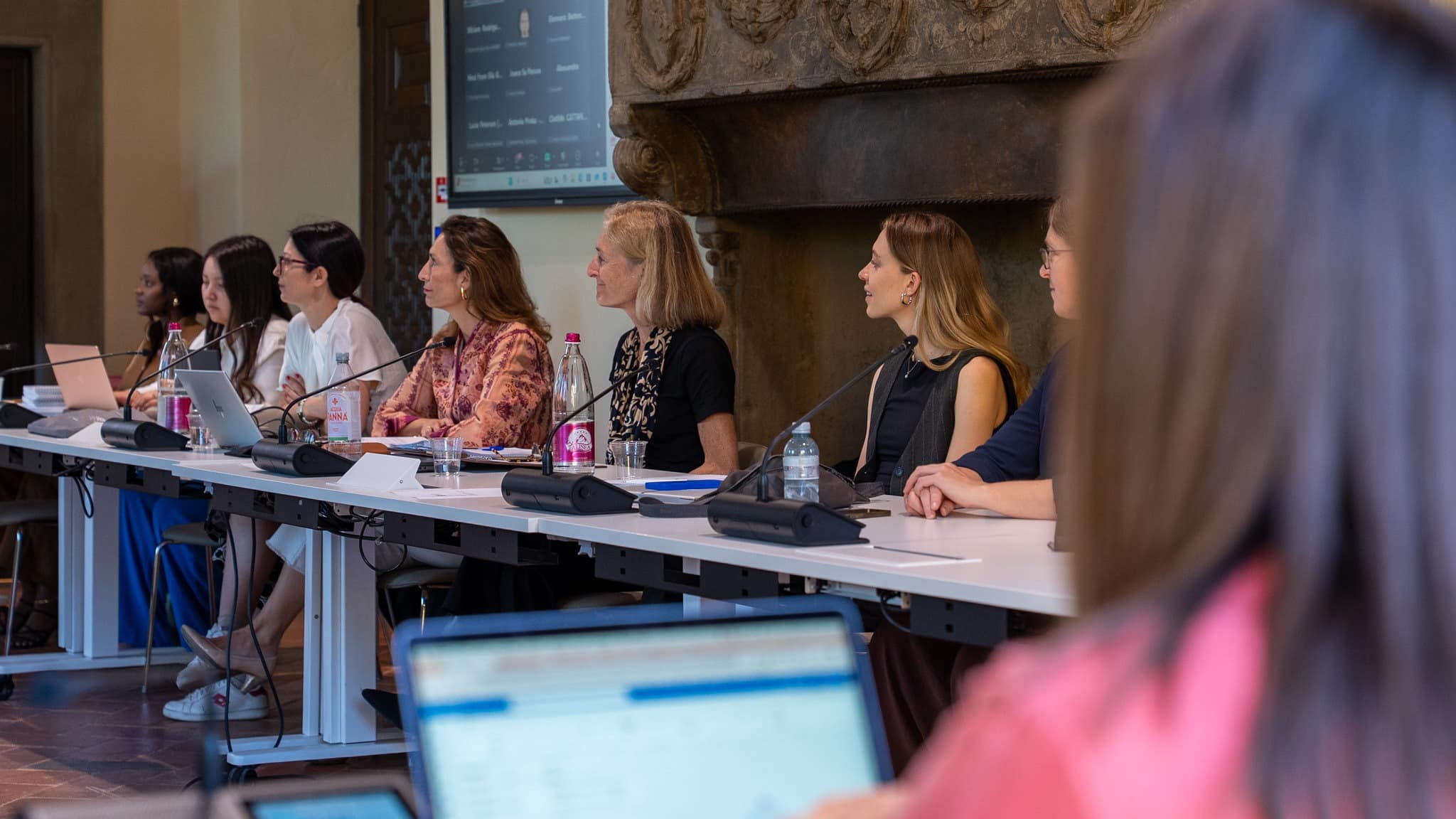
As the reporting deadline approaches, the Florence School of Regulation (FSR) is organising an online debate to reflect on the current landscape of consumer data management in Europe and the EU’s approach to interoperability. A recent FSR policy brief will be presented during the event, followed by a discussion with key stakeholders.
This event is organised in the context of the Horizon Europe project EDDIE and has been co-funded by the European Union’s Horizon Innovation Actions under grant agreement No. 101069510, EDDIE – European Distributed Data Infrastructure for Energy.
Programme
14:00 – 14:05 Introduction
Nicolò Rossetto, FSR
14:05 – 14:15 Presentation of the FSR Policy Brief
Ellen Beckstedde, FSR
14:15 – 14:45 Panel debate
Konstantinos Stamatis | DG ENER, EC
Anna Maggioni | ARERA
Michèle Dion-Demael | ENTSO-E
Anna Gorbatcheva | 1KOMMA5°
14:45 – 15:00 Q&A with the audience and wrap-up
Presentations
Don’t miss any update on our events
Sign up for free and access the latest events from our community.
More on the topic










The challenge of ensuring fit-for-purpose electricity grids in the EU
Watch the recording:
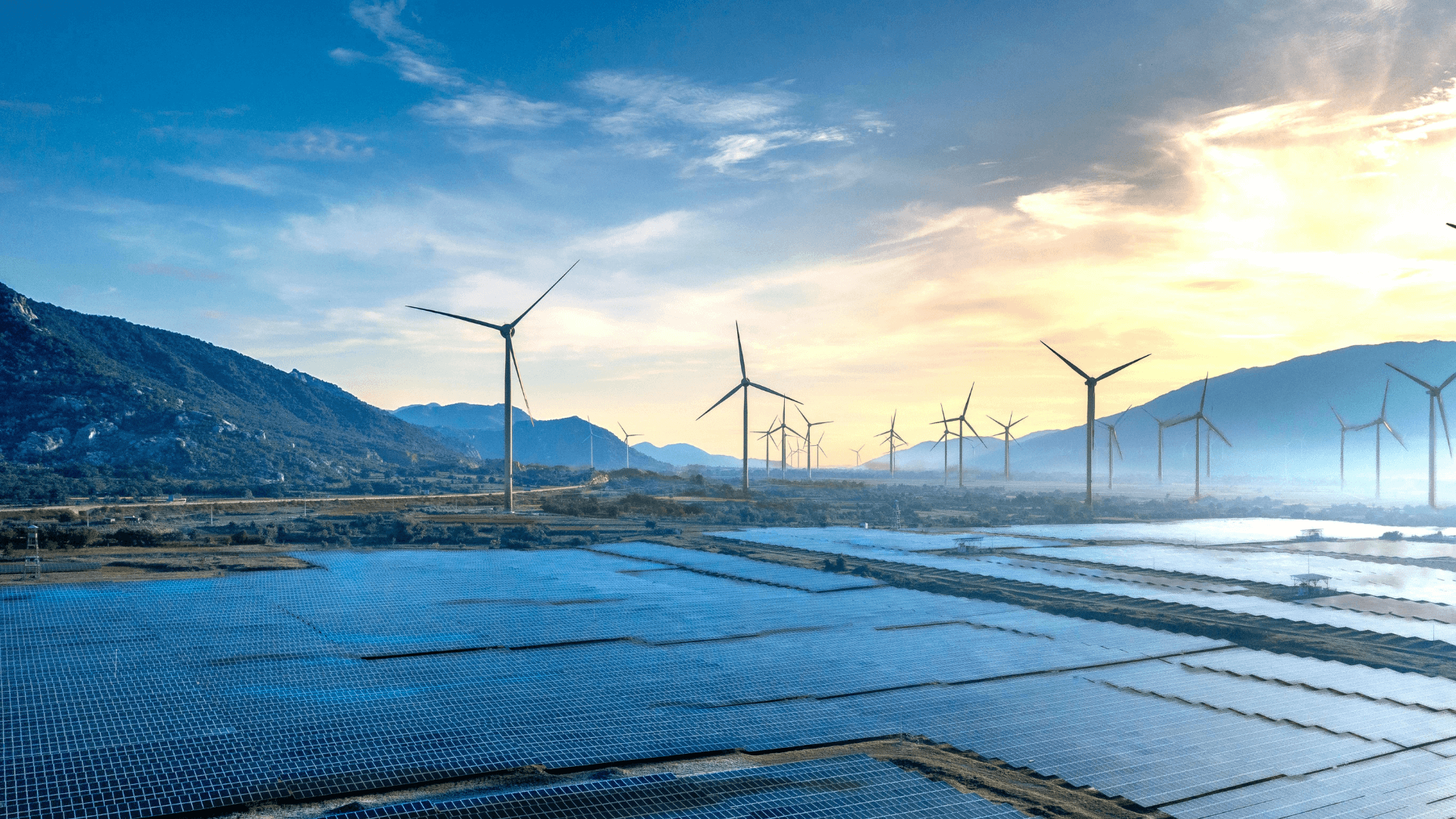
The EU’s decarbonisation commitments have huge consequences for the EU’s electricity system. The Clean Industrial Deal highlights this, with a further push to accelerating wind and PV, and rapidly increasing electrification in industry, buildings and transport.
The Commission has announced a number of initiatives to achieve this acceleration, including a new Industrial Electrification Fund based on the Hydrogen Bank, the new Clean Industrial Deal State aid Guidelines, a revision of the TEN-E framework, the Industrial Decarbonisation Bank, a Recommendation on network charges, and the Industrial Decarbonisation Accelerator Act. The revision of the ETS mechanism and the Renewable Energy Directive will then follow.
Clearly, without a considerable further push to decarbonising the EU’s electricity supply and increasing the share of electricity in the EU’s overall energy mix, the EU will not succeed in its climate commitments. This also has competitiveness and security issues, and it may be said that Europe is ‘slipping behind’ here: in the EU roughly 22% of the final energy services are supplied by electricity of which 36% goes to industry; in China this goes up to 28% (and growing fast) and 59% to industry.
But without a fit-for-purpose gid, in terms of investment and operation, this objective will surely fail. The Commission has committed to tabling a new Grids Package, which is expected already by the end of 2025. Following a presentation of a recent paper on the Challenge of grids in the Clean Industrial Deal and Affordable Energy Plan by Professor Christopher Jones, the Panel will discuss what needs to be in the Grids Package and what more needs to be done.
Whilst it is too early to draw conclusions or speculate regarding the cause of the Spanish blackout, the session will shed light on the next steps of the procedure that is currently ongoing, as set out under EU law. The session will also introduce the technicalities of the blackout, and possible prevention measures, as explained in a blog by Carlos Batlle on the FSR website.
Programme
10.00-10.20: Introductory Presentations
Christopher Jones | Part-time Professor at the Florence School of Regulation
Carlos Batlle | Part-time Professor at the Florence School of Regulation, Professor at the Institute for Research in Technology of Comillas Pontifical University.
10.20-11.00: Panel Discussion
Moderator: Christopher Jones
Anca-Iulia Cimpeanu | Deputy-Head of Unit, Infrastructure and Regional Cooperation, DG ENER, European Commission
Noemi Szabo | Policy Manager, ENTSO-E
Catharina Sikow-Magny | Part-time Professor at the Florence School of Regulation
Leonardo Meeus | Professor and Director of the Florence School of Regulation and the Loyola de Palacio Chair in the Robert Schuman Centre
Carlos Batlle | Part-time Professor at the Florence School of Regulation, Professor at the Institute for Research in Technology of Comillas Pontifical University.
Presentations
Don’t miss any update on our events
Sign up for free and access the latest events from our community.
More on the topic





Flexibility and market integration to improve energy affordability and EU competitiveness
Join this debate exploring how to unlock flexibility and complete market integration to reduce energy costs and support EU competitiveness.
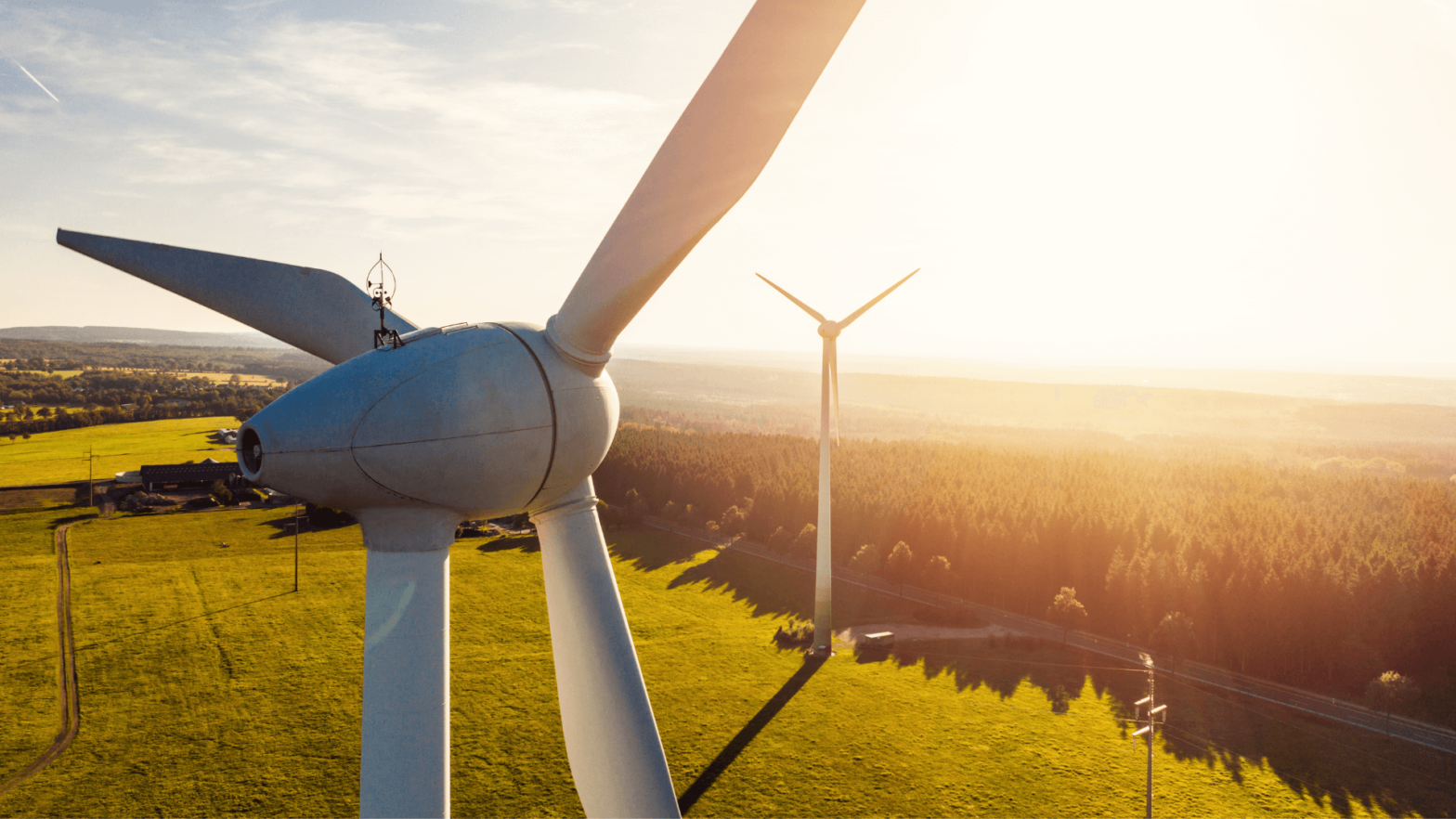
This debate will focus on how to enhance system flexibility and to complete market integration to minimise the cost of accomodating increasing shares of renewables into the electricity system, thus reducing overall energy system costs to the benefit of EU energy consumers and to improve EU competitiveness. More specifically, the Debate will discuss how to remove the current limitations – e.g. incomplete market integration and barriers to the participation of distributed resources in the markets – to the full potential of renewable-based generation to reduce electricity costs.
Electricity costs for EU consumers are driven by a number of factors, including primary energy costs, network costs and system costs. These costs are greatly affected by the increasing penetration of renewable generation, which is key to the achievement of the ambitious EU climate policy goals. More (intermittent) renewables calls for a more flexible electricity system. How to minimise the costs of flexibility is one of the main challenges of the energy transition, requiring progress in several areas:
- The electricity market is still not fully integrated across the EU. Cross-border capacity made available to the market is still generally well below the 70% target envisaged in legislation. Action plans will expire this year. What is next?
- There are also delays in other aspects of the implementation of the EU energy market rules. ACER reports that 27% of the terms and conditions or methodologies for the implementation of the network codes are delayed. How can timely implementation be ensured?
- The participation of Transmission System Operators (TSOs) in balancing platforms (e.g. PICASSO) is still limited. Last year ACER amended the EU electricity balancing rules to improve the efficiency of the PICASSO platform. Will this be sufficient?
- Flexibility could also be achieved by making the networks smarter. How? Shall this be promoted by new regulatory approaches?
- There are still barriers to the market participation of decentralised resources, such as demand response and storage. How can these barriers be overcome?
- Beyond regulatory barriers, there seems still to be behavioural aspects, especially in the case of residential customers, and implementation uncertainties regarding the role of aggregators, which might prevent demand response fully to deliver on its potential. Which are these aspects and how to address them?
- How to ensure that flexibility needs are met by leveraging the power of markets, instead of relying on support schemes as the default?
Programme
Host: Ilaria Conti
Introduction to the Debate and Opening Presentations
14.00 – 14.05 Introduction to the Debate
Alberto Pototschnig | Florence School of Regulation
14.05 – 14.15 The regulatory perspective: tackling the persistent barriers to demand response and the importance of assessing flexibility needs in a robust manner
Christos Kolokathis | Team Leader – Flexibility and Resilience, Energy System Needs, ACER
Panel Discussion: Introductory Remarks, Polls and Comments
Moderator: Ilaria Conti | Florence School of Regulation
14.15 – 14.45 Introductory remarks from the panellists
Nicola Rega | Executive Director Climate Change & Energy, CEFIC
Gheorghe Visan | Vice-Chair, Core Steering Committee, ENTSO-E
Guro Grøtterud | Markets & Networks Committee Chair, SmartEN
Laurens Rutten | Senior Energy Policy Officer, BEUC
Dylan McConnell | Senior Research Associate, UNSW
14.45 – 14.50 Polls
14.50 – 15.20 Comments on the polls outcome and Q&A from the audience
Panellists
15.20 – 15.30 Concluding remarks
Ilaria Conti | Florence School of Regulation
Alberto Pototschnig | Florence School of Regulation
Presentations
Don’t miss any update on our events
Sign up for free and access the latest events from our community.
More on the topic


New trends in electricity regulation: the case of the EU
This FSR online debate will shed some light on the new trends in EU electricity regulation, and how it’s adapting to decarbonisation, digitalisation, and distribution grid challenges.
Watch the recording:
The European Union has one of the most developed electricity systems in the world. Its citizens and firms normally enjoy reliable and affordable access to electricity wherever they are. Building on this solid starting point, the EU aims to decarbonise its electricity mix over the next decade, expand the use of electricity, and put consumers at the centre.
Delivering efficiently on these commitments challenges regulators across the continent and calls for an evolution of the regulatory framework. Solutions designed in the 1990s during the liberalisation of the industry are no longer entirely fit for purpose. Investment needs in grids have increased sharply due to renewables and electrification of final uses. At the same time, and for similar reasons, distribution grids have gained prominence. Innovation is essential to ensure efficiency while providing high-quality services.
This FSR online debate will shed some light on the new trends in EU electricity regulation. European policymakers and regulators are aware of the profound transformations taking place in the industry and have been keen to adapt and explore new solutions over the past years. Although the pace of innovation is not uniform and, in some cases, not consistent with the necessities of a rapid decarbonisation of the economy or the opportunities offered by technology, the EU and its Member States are a sort of regulatory lab, featuring some of the best practices at the world level.
Speakers
Tim Schittekatte, FTI-Consulting and EUI-FSR
Christine Brandstätt, CBS-CSEI
Nicolò Rossetto, EUI-FSR
Nico Keyaerts, ACER
Moderator: Marzia Sesini, EUI-FSR
Programme
14:00-14:05 Introduction to the debate
14:05-14:30 Insights from the Handbook on Electricity Regulation
14:30-14:45 Panel debate
14:45-15:00 Q&A
Find out more about the soon-to-be-published Handbook on Electricity Regulation, edited by Jean-Michel Glachant, Florence School of Regulation, Paul L. Joskow, Massachusetts Institute of Technology, and Michael G. Pollitt, University of Cambridge.
Presentations
Don’t miss any update on our events
Sign up for free and access the latest events from our community.
More on the topic

The vision on agrochemicals in EU agriculture
This debate brings together experts to discuss the practical, scientific, and political dimensions of the EU’s strategy on production, use and trade of agrochemicals.
Learn more with our online course on the EU vision for agriculture and food.
Watch the recording:
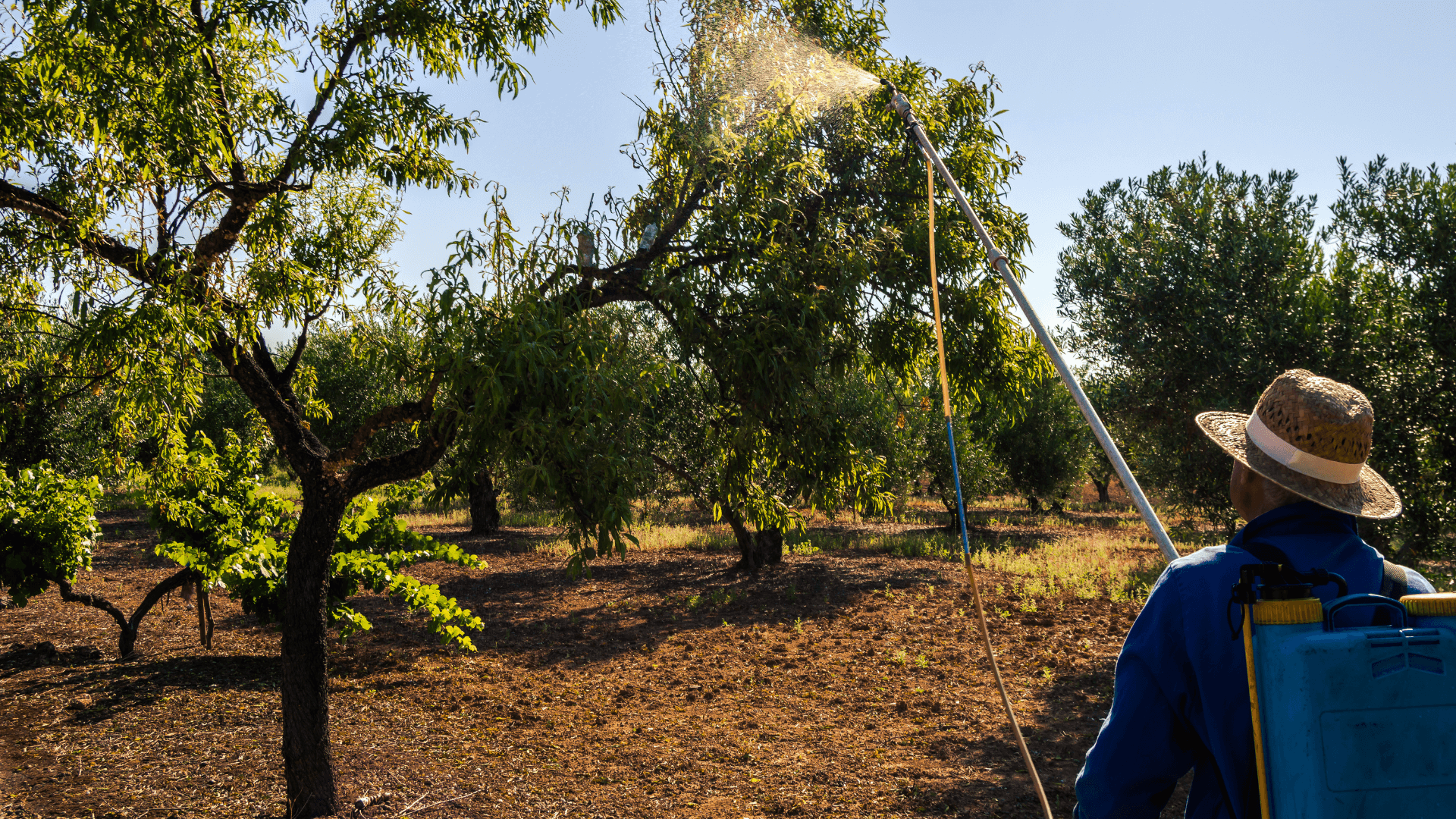
The EU chemical industry is highly regulated, so it is the use and trade agrochemical products. The Vision on Agriculture and Food, released on February 19 2025, has explained the strategy of the European Commission on the future of agrochemicals. The Commission aims to align production standards for imported products with EU values, particularly focusing on food safety and environmental protection. The ambition of the Vision poses technical and political challenges needing reflections and evidence-based recommendations. For instance, the ban on the most hazardous agrochemicals, already prohibited in the EU for health and environmental reasons, from entering the EU market via imports, requires reflections to preserve the competitiveness and resilience of the agri-food sector. In its efforts to reduce harmful agrochemicals use, the EU acknowledges the introduction of alternatives like biological or low-risk plant protection products, including a fast-track procedure for their market entry and provisional authorizations for products still under evaluation. Additionally, the Commission will address the export of hazardous chemicals, including pesticides, banned within the EU1.
This event brings together experts to discuss the practical, scientific, and political dimensions of the EU’s strategy on production, use and trade of agrochemicals. It will offer a platform to explore the potential impacts on European farmers, industries, and international trade relations. The webinar will address how these policies can shape the future of agriculture and food systems, while also considering their broader global impact.
Programme
14.00 – 14.10 Introductory Speech
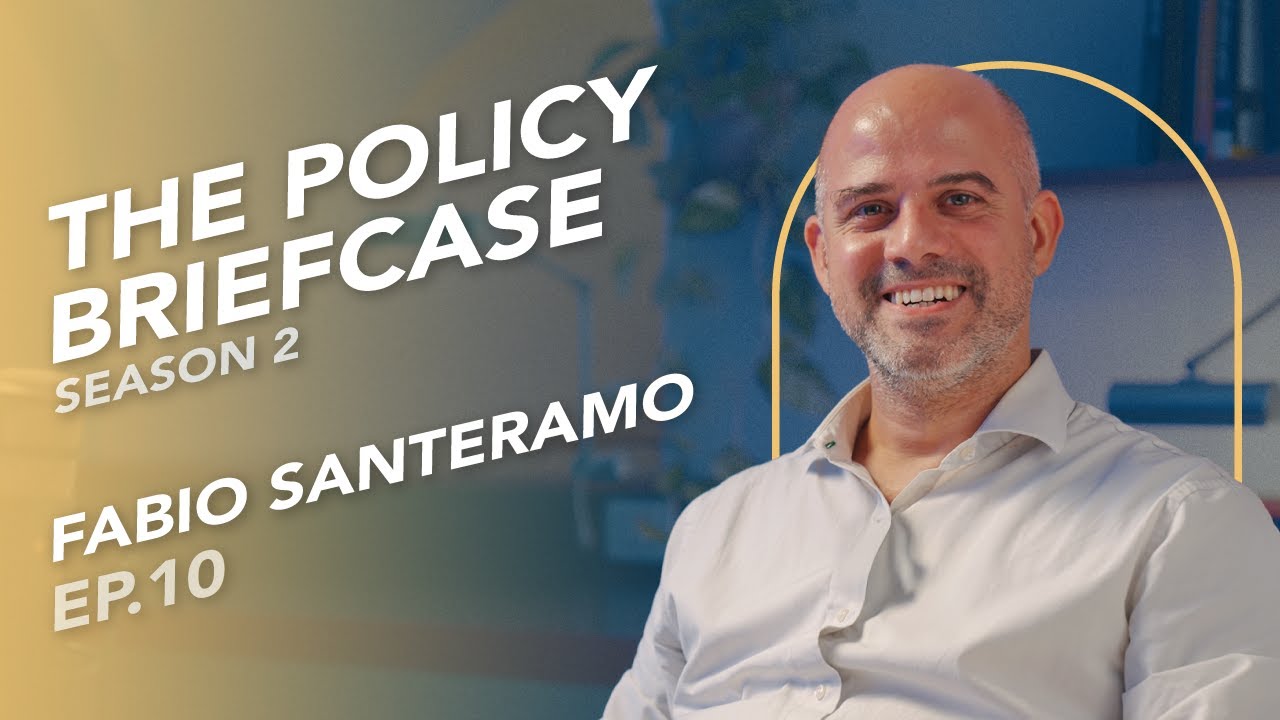
Fabio Santeramo | University of Foggia and EUI
14.10 – 14.15 Presentation of the speakers
Julie Pellizzari | EUI
14.15 – 14.35 The Regulation of Pesticides in the EU in the context of the Vision for Agriculture and Food
Klaus BEREND | Director – Food Safety, Sustainability and Innovation, Directorate-General for Health and Food Safety, European Commission
14.35 – 14.55 The common agricultural policy and crop protection
Gijs SCHILTHUIS | Director – Sustainability, Directorate-General for Agriculture and Rural Development, European Commission
14.55 – 15.00 Environmental technical measures on agrochemicals
Emilia Lamonaca | University of Foggia
15.00 – 15.05 Pesticide regulatory heterogeneity and agricultural value chains
Dela-Dem Doe Fiankor | University of Goettingen
15.05 – 15.15 Q&A with business representatives
Paolo Marchesini | General Manager, ECCA – European Crop Care Association
Martin Dermine | Executive Director, PAN Europe – Pesticide Action Network Europe
15.15 – 15.25 Q&A with the audience
15.25 – 15.30 Concluding remarks
The webinar is aimed at scholars, professionals, and experts in the fields of agriculture, environmental science, policy, and international trade. Attendees are expected to have a strong interest in agrochemicals regulation, food safety, and environmental protection.
Presentations
Don’t miss any update on our events
Sign up for free and access the latest events from our community.
More on the topic





The regulatory regime of electricity interconnectors with third countries
This FSR Debate aims at assessing the regulatory regime currently applicable to interconnectors with third countries and in which way this framework could be enhanced to enable their development.
Watch the recording:
Electricity interconnectors with third countries, aimed at importing renewable-based electricity into Europe, are likely to become an increasingly important instrument in pursuing the decarbonisation of the EU energy sector. This FSR Debate will explore the regulatory framework applicable to these interconnectors and how it could be enhanced to support their development.
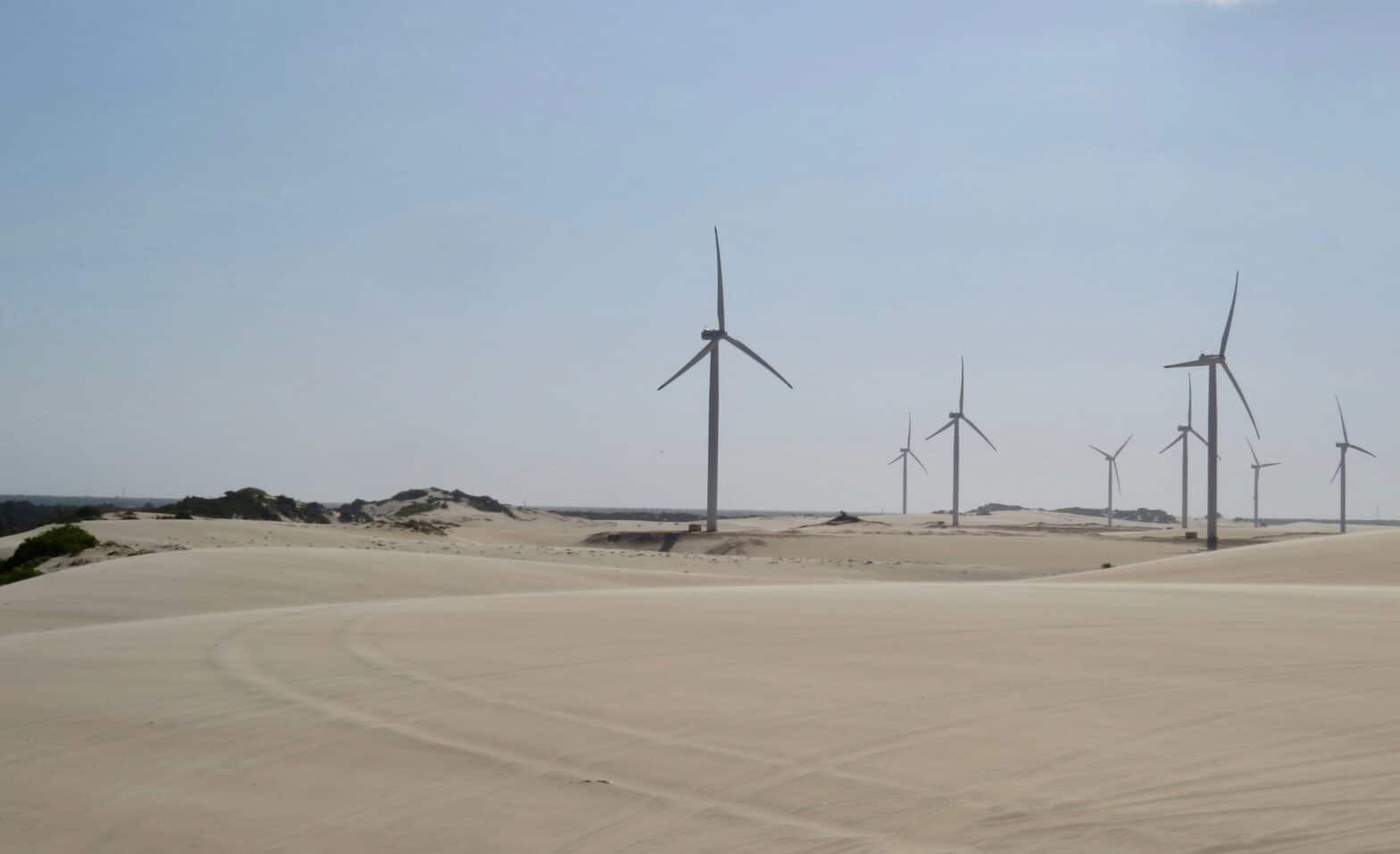
The ambitious decarbonisation targets to which the EU has committed suggest that all available options are considered — including expanding the geographical scope for siting renewable-based electricity generation to non-European regions. This generation is typically characterised by a better endowment of wind and solar resources and is therefore capable of providing energy production at competitive prices in the future.
In this context, some electricity interconnection projects are being considered – under both the regulated and unregulated regimes – between countries in the Mediterranean basin, aiming at a deeper energy sector integration.
The European regulatory framework, extremely mature and detailed when it comes to interconnections between Member States, is still incomplete and not always clear with regard to the integration with third countries, especially when these are implemented as merchant initiatives.
Programme
Host: Ilaria Conti
Introduction to the Debate and Opening Presentations
14.00 – 14.15 Introduction to the Debate
Alberto Pototschnig | Florence School of Regulation
14.15 – 14.25 Interconnector with third countries: the EU neighbouring policy on energy
Florian Ermacora | Head of Unit, Morocco, Algeria, Tunisia and Libya, DG MENA, European Commission
14.25 – 14.35 The regulatory perspective
Jan Kostevc | Team Leader, Energy Infrastructure, ACER
Panel Discussion: Introductory Remarks, Polls and Comments
Moderator: Ilaria Conti | Florence School of Regulation
14.35 – 15.00 Introductory remarks from the panellists
Alessandra Pasini | President and CEO, Zhero
Peter Claes | President, IFIEC
Patricia Labra | Chair-elect, System Development Committee, ENTSO-E
Francesco Cariello | Head of EU Regulation, ARERA
15.00 – 15.05 Polls
15.05 – 15.30 Comments on the polls outcome and Q&A from the audience
Panellists
15.30 – 15.40 Concluding remarks
Ilaria Conti | Florence School of Regulation
Alberto Pototschnig | Florence School of Regulation
Presentations
Don’t miss any update on our events
Sign up for free and access the latest events from our community.
More on the topic



Access to affordable and sustainable energy for all: what can policy and regulation do?
This debate, jointly organised by FSR and UNECE, aims at discussing energy access in the context of the UN Sustainable Development Goals, with a focus on the more vulnerable categories of the society.
Watch the recording:
As the global community accelerates efforts toward meeting the Sustainable Development Goals, energy access remains a fundamental pillar. Ensuring that all people—regardless of geography or income—have reliable, affordable, and clean energy is a challenge that demands coordinated regulatory action, informed policy, and multilateral cooperation. This 1.5-hour debate will delve into how regulation and policy can help close the energy gap, with high-level contributions from both European and international perspectives.
The event is structured into two sessions. The Opening presentations from the Directorate-General for Energy (DG ENER) and the United Nations Economic Committee for Europe (UNECE), will frame the scope of the debate – by providing, on one side, a glimpse of the European Union’s approach to ensuring sustainable and inclusive energy access and, on the other, highlights from the international context in terms of global strategies, challenges, and regulatory innovations.
Our second session will feature a panel debate with distinguished representatives from the International Energy Agency (IEA), the SECCA Project, the European Young Energy Network, and the African School of Regulation. Together, they will explore synergies, lessons learned, and potential pathways forward.
This is the first of a series of online debates jointly organised by FSR and UNECE and focusing on the nexus between energy policy and regulation and the Sustainable Development Goals.
Programme
Host: Branko Milicevic (UNECE)
Introduction to the Debate and Opening Presentations
14.00 – 14.05 Introduction to the Debate
Ilaria Conti | Florence School of Regulation
14.05 – 14.15 The European perspective
Tadhg O’Briain | DG ENER
14.15 – 14.25 The international perspective
Ray Pilcher | UNECE
Panel Discussion: Introductory Remarks, Polls and Comments
Moderator: Branko Milicevic | UNECE
14.25 – 15.00 Introductory remarks from the panellists
Bruno Idini | IEA
Silvia Sartori | SECCA Project
Federico Barbieri | European Youth Energy Network
Carol Awuor Ofafa | African School of Regulation
15.00 – 15.20 Q&A from the audience
Panellists
15.20 – 15.30 Concluding remarks
Ilaria Conti | Florence School of Regulation
Branko Milicevic | UNECE
Presentations
Don’t miss any update on our events
Sign up for free and access the latest events from our community.
More on the topic


The Clean Industrial Deal: turning strategy into impact
This online debate will explore:
- How the Clean Industrial Deal can be effectively implemented and monitored at the EU and national level
- The roles of industry, Member States, and institutions in translating strategy into action
- How monitoring frameworks, KPIs, and cross-sectoral dialogue can support adaptive policy and investment.
Watch the recording:
On February 26, 2025, the European Commission adopted its landmark Clean Industrial Deal (CID) Communication – an ambitious initiative to drive decarbonization and strengthen the competitiveness of European industry. Delivered within the first 100 days of the new Commission, the CID underscores a commitment to boosting innovation, sustainability, and economic resilience across the EU.
The CID lays out 40 flagship actions across six key areas, addressing issues from access to affordable energy, the need to accelerate investment in renewables and infrastructure, to skills and quality jobs. However, achieving impact goes far beyond announcing flagship initiatives; the litmus test of whether the objectives of the Deal will be achieved are the detailed measures that will follow and monitoring their impact – a strategy is only as good as its execution. To track progress, ensure accountability, and allow timely adjustments, the CID introduces seven Key Performance Indicators (KPIs), including:
- Increase economy-wide electrification rate from 21.3% today to 32% in 2030
- Reach 40% of domestically produced key components of clean tech products on the EU market
- Annually install 100 GW of renewable electricity capacity up to 2030, and
- Increase circular material use rate from 11.8% today to 24%28 by 2030
In parallel, the Antwerp Declaration, endorsed by over 1,300 signatories from 25 industrial sectors, has introduced its own Monitoring Framework with 29 KPIs across 10 pillars, reinforcing the need for collaborative, data-driven oversight.
We’re honored to welcome Miguel Gil Tertre, Head of Cabinet to the First Executive Vice-President of the European Commission, Teresa Ribera, for a keynote address. His presentation will be followed by a high-level panel discussion featuring voices from industry, academia, and policy:
James Watson | Director General, Eurometaux
Marco Mensink | Director General, CEFIC
Laura Cozzi | Director of Sustainability, Technology and Outlooks, IEA
Adolfo Aiello | Deputy Director General of Climate and Energy, EUROFER
Anne-Sophie Corbeau | Global Research Scholar, Center on Global Energy Policy
Join us on April 30 to explore how Europe can make the Clean Industrial Deal a true engine for climate leadership and industrial renewal.
Don’t miss any update on our events
Sign up for free and access the latest events from our community.
More on the topic









The future of the EU electricity sector: between markets and public intervention
This debate aims at discussing the extent to which the latest reform of the electricity market design, introduced by legislation in 2024 and currently being implemented, with a greater role foreseen for long-term contracts (PPAs and CfDs) and for procurement mechanisms, impacts on the efficiency of such a market and what roles spot market will continue to perform.
Watch the recording:
The design of the European electricity market is undergoing a reform process aimed at supporting the clean energy transition and delivering energy security, ensuring competitiveness and affordable energy for EU citizens and industries. As a greater role is foreseen, under the new legislation, for long-term contracting and procurement mechanisms, particularly for renewable generation capacity and flexibility sources, the Debate will revolve around the implications of such changes on the shaping of the future electricity sector towards net-zero in 2050.
The event is organised on the occasion of the publication of ‘A companion to the European Electricity Market: Market Design and Public Policies for Decarbonisation’, of the Loyola de Palacio Series of European Energy Policy, and aims to bring together the main players and institutions involved in EU electricity markets including policymakers, regulators, electricity system operators, market participants and representatives from consumers, as well as independent experts.
Programme
Host: Ilaria Conti
Introduction to the Debate and Opening Presentations
14.00 – 14.05 Introduction to the Debate
Alberto Pototschnig | Florence School of Regulation
14.05 – 14.15 The electricity sector: between markets and policy intervention
Guido Cervigni | Co-author of the Companion to the European Electricity Market and Managing Director of DFC Economics
14.15 – 14.25 The policy perspective
Annamaria Marchi | Deputy Head of Unit, Internal Energy Market, DG ENER, European Commission
14.25 – 14.35 The regulatory perspective
Christophe Gence-Creux | Head of the Electricity Department, ACER
Panel Discussion: Introductory Remarks, Polls and Comments
Moderator: Ilaria Conti | Florence School of Regulation
14.35 – 14.55 Introductory remarks from the panellists
Andreas Tirez | Energy Expert, IFIEC
Javier Barrantes Egaña | Market Design and RES Working Group Co-convenor, ENTSO-E
Cillian O’Donoghue | Director of Policy, Eurelectric
14.55 – 15.00 Polls
15.00 – 15.20 Comments on the polls outcome and Q&A from the audience
Panellists
15.20 – 15.30 Concluding remarks
Ilaria Conti | Florence School of Regulation
Alberto Pototschnig | Florence School of Regulation
Presentations
Don’t miss any update on our events
Sign up for free and access the latest events from our community.
Capacity vs. Production: Which support model for Clean Hydrogen?
This FSR Debate will explore whether capacity-based remuneration models could offer a more effective alternative to traditional production-based schemes for clean hydrogen in the EU.
Watch the recording:
As the EU seeks to scale up its hydrogen economy, policymakers are testing different support models to bridge the gap between ambition and market reality. But which approach best balances incentives for investors while ensuring cost efficiency and market stability?
As policymakers explore different remuneration models, the discussion on how to support clean hydrogen in the EU is gaining momentum. While production-based schemes have been the dominant approach, capacity-based models are emerging as a potential alternative. These discussions come amid key policy developments, including the Clean Industrial Deal and the establishment of the Decarbonisation Bank, which seeks to accelerate hydrogen deployment.
As the sector evolves, understanding how different support mechanisms influence investment decisions, cost efficiency, and long-term market stability remains essential. This debate will bring together experts to discuss the role of remuneration models in the EU hydrogen economy and their interaction with broader decarbonisation policies.
The event features a keynote presentation by Alexander Hoogsteyn, who will introduce insights from his paper “Interactions and Distortions of Different Support Policies for Green Hydrogen.” His analysis examines the strengths and weaknesses of existing policy frameworks, highlighting how different support models shape investment decisions and influence market development.
Following the presentation, a panel of expert discussants will engage in a dynamic conversation, weighing the potential of capacity-based remuneration against production-based schemes. They will examine how these models interact with recent EU policy shifts, such as the Clean Industrial Deal, the Decarbonisation Bank, and the growing experimentation with auction mechanisms in decarbonisation policies. With clean hydrogen struggling to gain traction, the panel will explore potential solutions to accelerate its growth and overcome current barriers, considering the broader context of EU decarbonisation efforts.
Audience engagement will be a key part of the debate. Participants will have the opportunity to pose questions, challenge perspectives, and contribute to the discussion on how best to accelerate clean hydrogen deployment in Europe.
Keynote speaker
Alexander Hoogsteyn | KU Leuven
Discussants
Ewelina Daniel | DG CLIMA, EC
James Kneebone | EUI
Moderators
Marzia Sesini | EUI
Nicolò Rossetto | EUI
Presentations
Don’t miss any update on our events
Sign up for free and access the latest events from our community.
More on the topic

The EU vision on sustainability in agriculture
Join this online debate where experts will discuss the EU’s strategy to reduce harmful chemicals in agriculture and its implications for farmers, trade, and sustainability.
Learn more with our online course on the EU vision for agriculture and food.
On 19 February 2025, the European Commission released its Vision on Agriculture and Food, outlining its strategy for the future use of chemicals such as pesticides and fertilisers. The strategy includes aligning production standards for imported products with EU environmental and animal welfare values. The Commission proposes banning the most hazardous substances—already prohibited within the EU—from entering the internal market via imports. An Impact Assessment will be launched in 2025 to evaluate the effects on competitiveness and international relations, with legal proposals to follow if necessary. The EU is also working to reduce harmful substances by promoting the use of biological and low-risk alternatives and establishing a fast-track approval process for such products. The Commission further plans to address the export of hazardous chemicals, including pesticides, banned within the EU.
This webinar will bring together experts to examine the EU’s agro-chemical strategy from scientific, practical, and policy perspectives. Speakers will explore the implications for European farmers, industry stakeholders, and global trade relations. The discussion will address how these measures can shape future agricultural and food systems and their broader environmental impact. Organised as an online event, the webinar will feature expert presentations followed by a Q&A session. It is open to scholars, professionals, and experts in agriculture, environmental policy, and international trade, particularly those interested in agro-chemical regulation and sustainability.
Speakers
Falk Hemsing | DG AGRI
Robert Finger | ETH
Nathalie Jas | INRAE
Kris AG Wyckhuys | University of Queensland
Alice O’Donovan | CELCAA
Eric Gall | Organics Europe
Stefano Torriani | FiBL
Moderator
Lea Heinrich | FSR Climate
Chair
Fabio G. Santeramo | EUI & University of Foggia
Presentations
Don’t miss any update on our events
Sign up for free and access the latest events from our community.
More on the topic
New trends for electricity regulation until 2050, the cases of US & UK
Join this discussion to explore regulatory trends in the US and UK, assessing their implications for the future of energy markets.
Watch the recording:
At the end of the 20th century, electricity regulation evolved to accommodate the creation of wholesale and retail markets. Today, it faces new challenges as the energy transition accelerates. How does it react regarding the frame of regulation to the growing prospects of energy transition? Can insights from the US and UK provide guidance on the future direction of electricity regulation concerned with Climate Change? Is the new presidency of Donald Trump already revisiting the recent past or the main trends? Has the UK reached a new consensus equilibrium, or not?In the newly published Handbook on Electricity Regulation, Paul Joskow (MIT), Michael Pollitt (University of Cambridge), and Jean-Michel Glachant (FSR) review the evolving landscape of Electricity Regulation, addressing the challenges of climate change and the path to Net Zero.
Programme
4.00 – 4.10: Introduction by Jean-Michel Glachant: The Handbook, the topic, the speakers.
4.10 – 4.30: Paul Joskow “Electricity Regulation in the US: the new trends”
4.30 – 4.40: Discussants Lucia Visconti (University of Milano-Bicocca), Chloé Le Coq (University Paris-Pantheon-Assas, Stockholm School of Economics-SITE)
4.40 – 5.00: Michael Pollitt “Electricity Regulation in UK: the new trends”
5.00 – 5.10: Discussants Lucia Visconti (University of Milano-Bicocca), Chloé Le Coq (University Paris-Pantheon-Assas, Stockholm School of Economics-SITE)
5.10 – 5.30: Q&A
Presentations
Don’t miss any update on our events
Sign up for free and access the latest events from our community.
More on the topic