


Management of Hydropower in the Energy Union
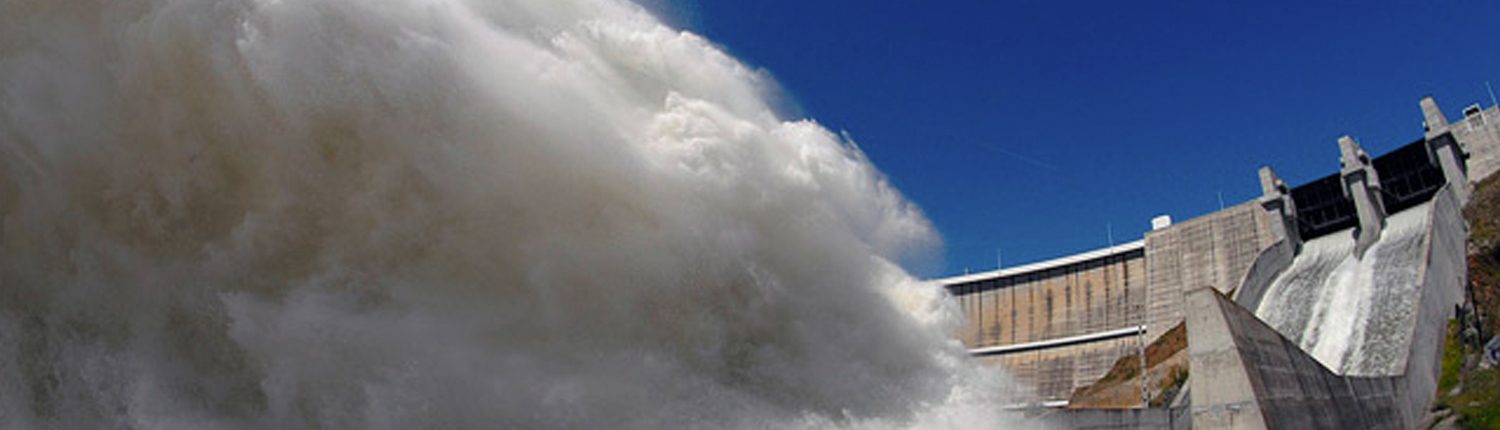
The objective of this workshop “Management of Hydropower in the Energy Union” is to analyse and discuss the current state of hydropower regulation from the perspectives of national resource management, EU market design, and investor protection. It will consider recent domestic reforms in so far as these have been prompted by EU legal requirements.
National Resource Management, Market Regulation and Investor Protection
Hydropower will remain one of the most significant sources of electricity production from renewables in EU energy for the foreseeable future. But, do we have an adequate legal framework to realise its full potential to contribute to the EU’s ambitious climate change objectives?
Hydropower is a valuable natural resource with significant economic and strategic implications. Unsurprisingly, management of hydropower resources is subject to elaborate domestic licensing rules or concession regimes as compared to other renewable electricity generation technologies.
A 2015 report Regimes for granting the right to use hydropower in Europe by the Florence School of Regulation confirmed that licensing and concession systems, including aspects such as award procedures, license conditions and duration, vary widely across EU jurisdiction. In the meantime, several EU member states have taken some steps to reform their domestic regimes.
And, even if hydropower as a renewable and efficient energy source is in many respects well suited to achieve climate objectives, larger-scale projects are controversial. From a resource management perspective, major hydropower producing countries may be reluctant to expand existing dams and prefer to control power exports.
Among the confirmed speakers:
- Alberto Pototschnig, ACER
- Auke Lont, Statnett SF
- Angus Johnston, University of Oxford
- Per Håkon Høisveen, Norwegian Ministry of Petroleum and Energy
- Ivar Alvik, University of Oslo
- Marinella De Focatiis, Edison; AIDEN
- Henrik Bjørnebye, University of Oslo
- Guillaume Dezobry, FIDAL; Paris Dauphine University
- Jean-Michel Glachant, FSR (EUI)
- Christoffer Eriksen, University of Oslo
- Krístin Haraldsdottir, University of Reykjavik
- Leigh Hancher, FSR (EUI); Tilburg University
Don’t miss any update on our events
Sign up for free and access the latest events from our community.
More on the topic