
LNG and the EU Green Deal: teaming up for a decarbonised 2050
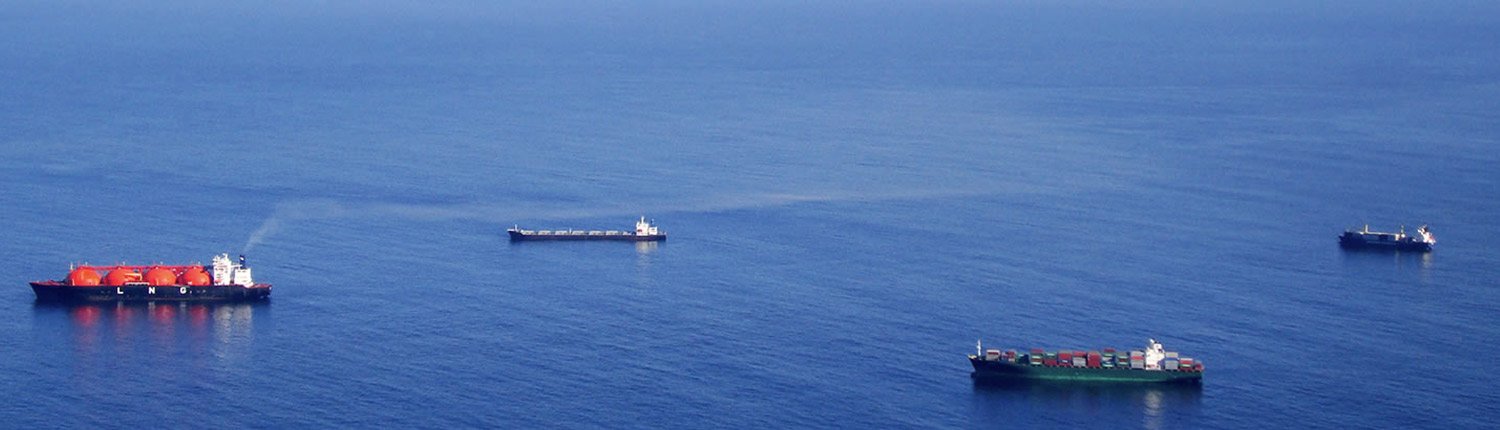
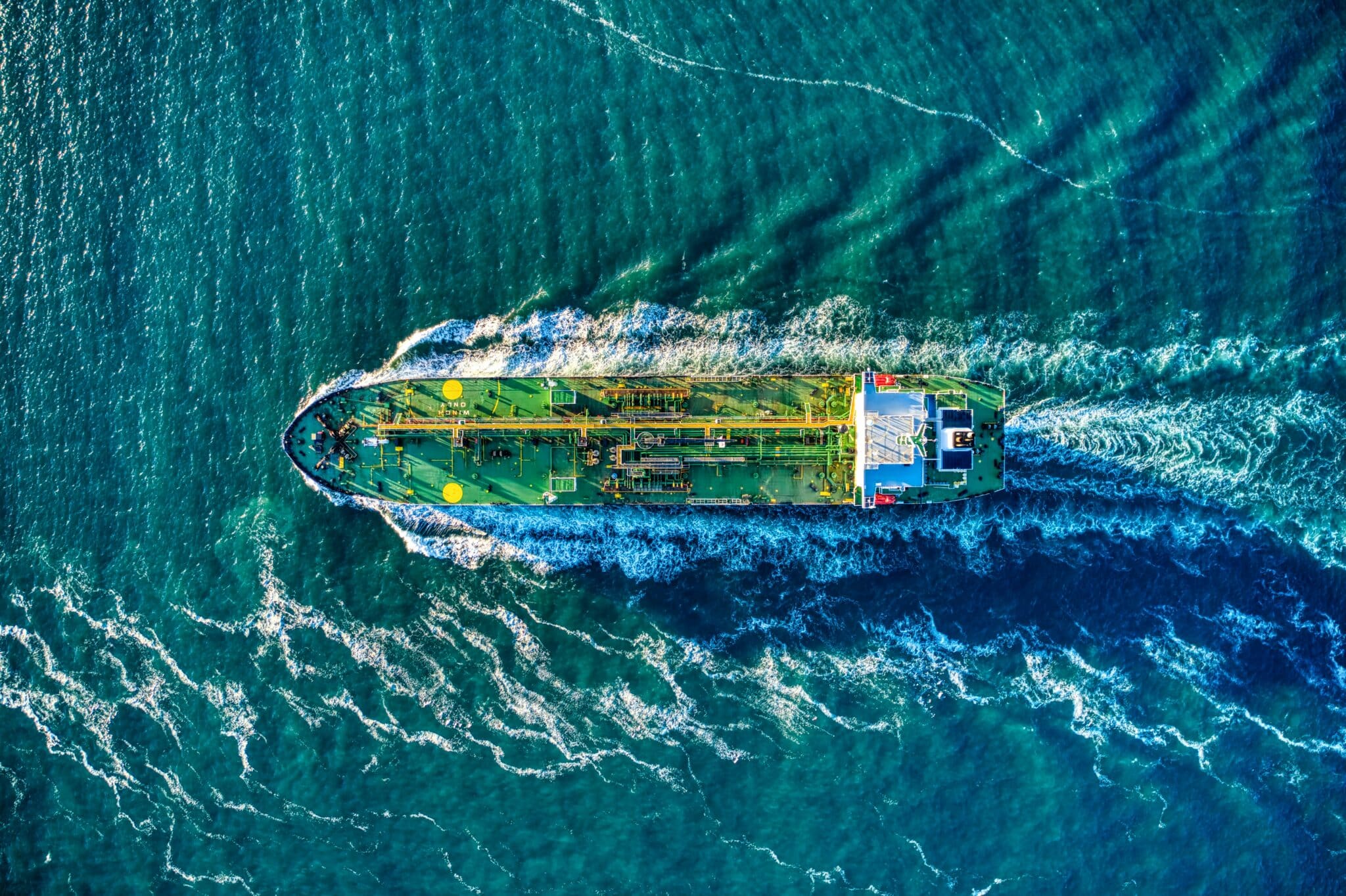
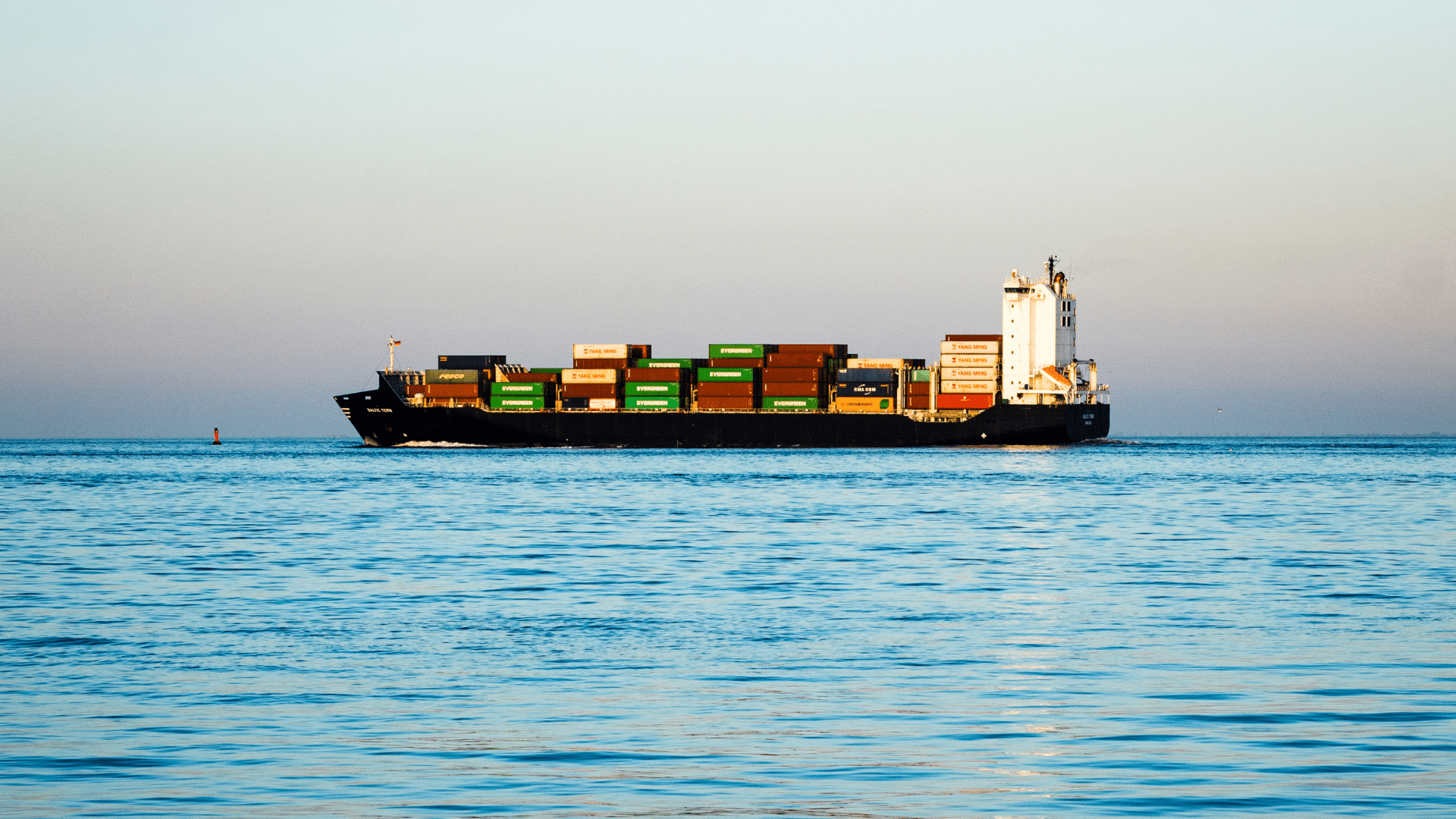
This event will answer to the question ‘Why LNG is the fuel of choice for a sustainable energy system?’. It will also mark the presentation of an inclusive and global LNG industry report. The debate will convey around the report lines and focus on the role of LNG in the energy transition, the use of LNG in shipping and heavy-duty transportation.
One of the many challenges of the 21st century is to provide access to all citizens to reliable and affordable energy and, at the same time, to reduce the impact on climate change and improve air quality. Over 900 million people currently are living today without access to secure electricity and 2.7 billion lack access to clean cooking, according to the International Energy Agency (IEA).
The industries are now looking for sustainable, cost-efficient and environmentally friendly solutions. Various international voices such as G20 and the European Commission President-elected Ursula von der Leyen endorsed the role of natural gas, in both gaseous and liquified form. The IEA expects natural gas to represent around 40% of total energy demand growth over the next two decades with a crucial role in powering electricity generation and in sectors more difficult to electrify.
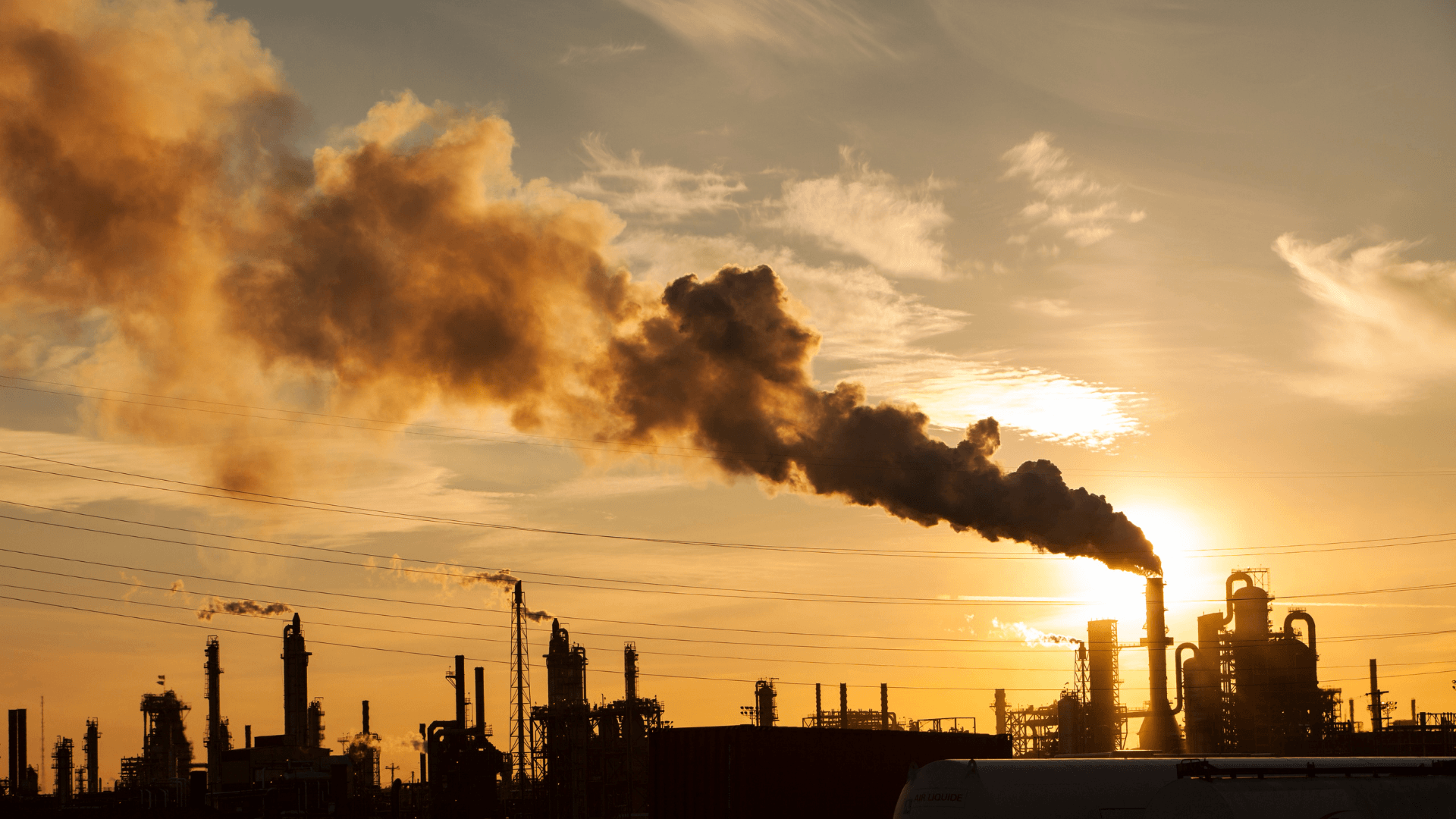
Today’s global energy consumption is responsible for two thirds of greenhouse gas (GHG) emissions and significantly impacts air quality, especially in densely populated areas. Natural gas can contribute to a sustainable energy future by helping to reduce air pollution across all sectors: power generation, industry, domestic heating and use and transportation. LNG is a fundamental asset that helps meeting EU’s long-term decarbonisation targets and Paris commitment.
An LNG Protocol event supported by FSR
Don’t miss any update on our events
Sign up for free and access the latest events from our community.
More on the topic