
Contractual Arrangements and Business Models for a Liquid and Flexible Global LNG Market

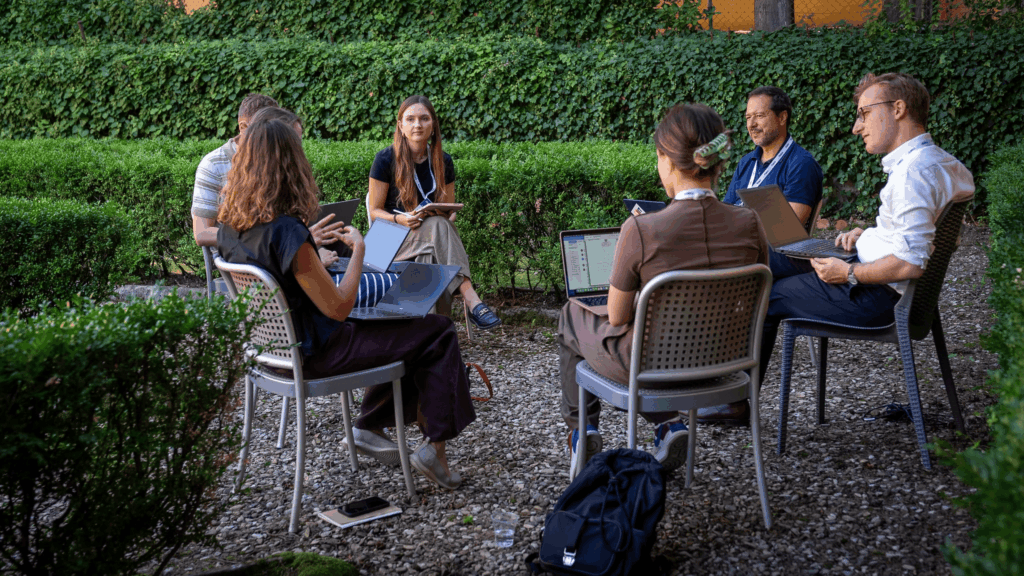
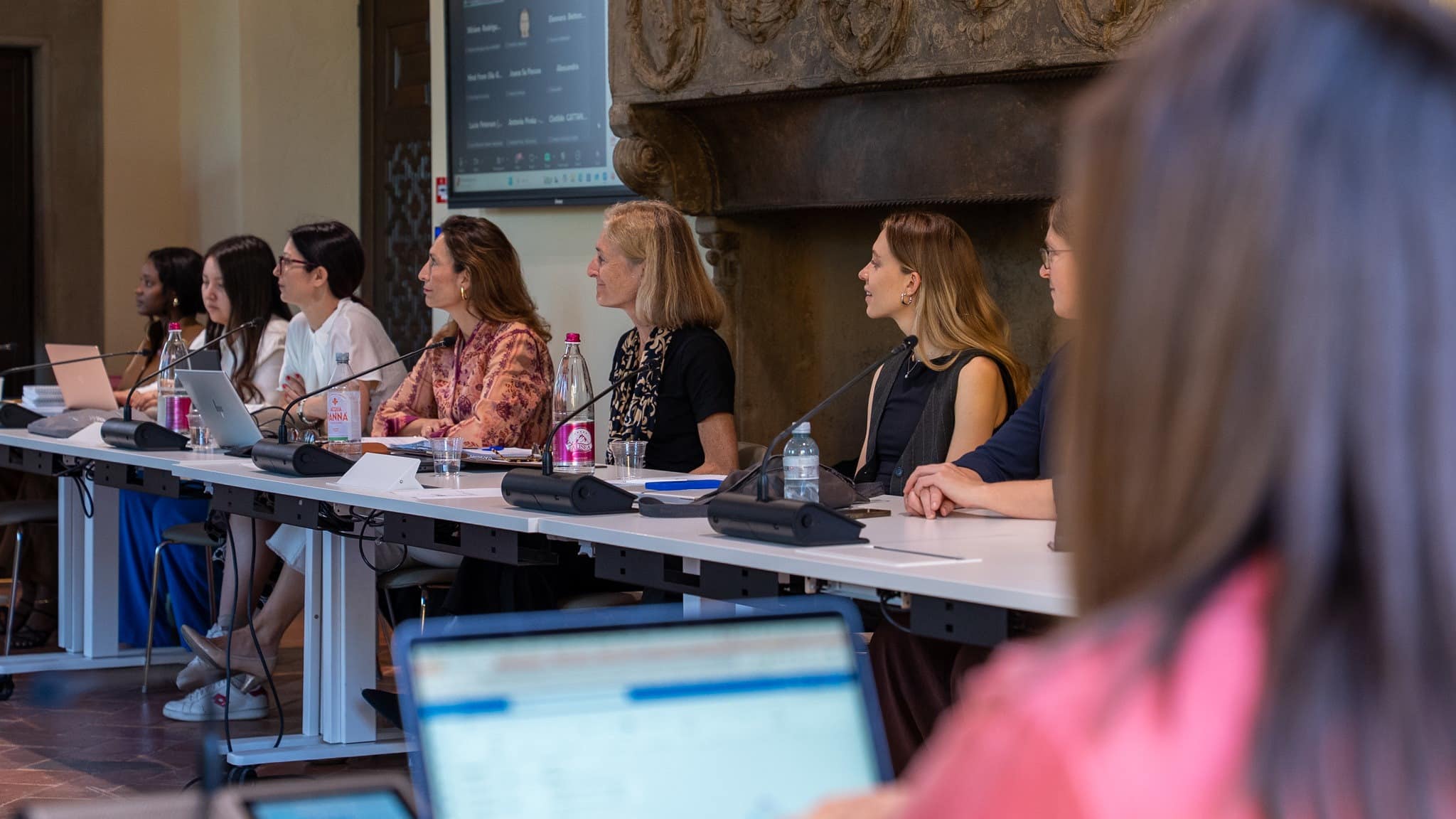
The FSR is honoured to host this high-level workshop co-organised by European Commission Directorate-General for Energy and the Ministry of Economy, Trade and Industry of Japan.
Experts from Europe and Japan will focus on flexibility in Liquefied Natural Gas (LNG) sale and purchase agreements, including in the context of newer business models for trade in the global LNG market. They will also discuss ‘best practices’ with trading contracts and their flexibility arrangements and to build up confidence (also in legal terms) for their use. The workshop could lead to a number of recommendations to enhance the use of these contracts.
Background
International LNG markets are set for major change, with substantial new liquefaction capacity coming on stream in the period to 2020.
Both Europe and Japan have published in 2016 a strategy for liquefied natural gas. For the EU, the current developments in the global LNG market offer an opportunity to let LNG play its full role in diversifying gas supplies to all EU member states and in enhancing the competitiveness in the internal gas market. For Japan, the world’s largest LNG importer, secure LNG supplies are strategically important.
In July 2017, the EU and Japan signed a Memorandum of Cooperation on promoting and establishing a liquid, flexible and transparent global Liquefied Natural Gas (LNG).
The Florence workshop opens the series of 4 workshops taking place in various European and Japanese locations between 2017 and 2018.
Don’t miss any update on our events
Sign up for free and access the latest events from our community.
More on the topic