


Electrification of road transport and the future of infrastructure financing: a look at energy taxes
Vanrykel, F.
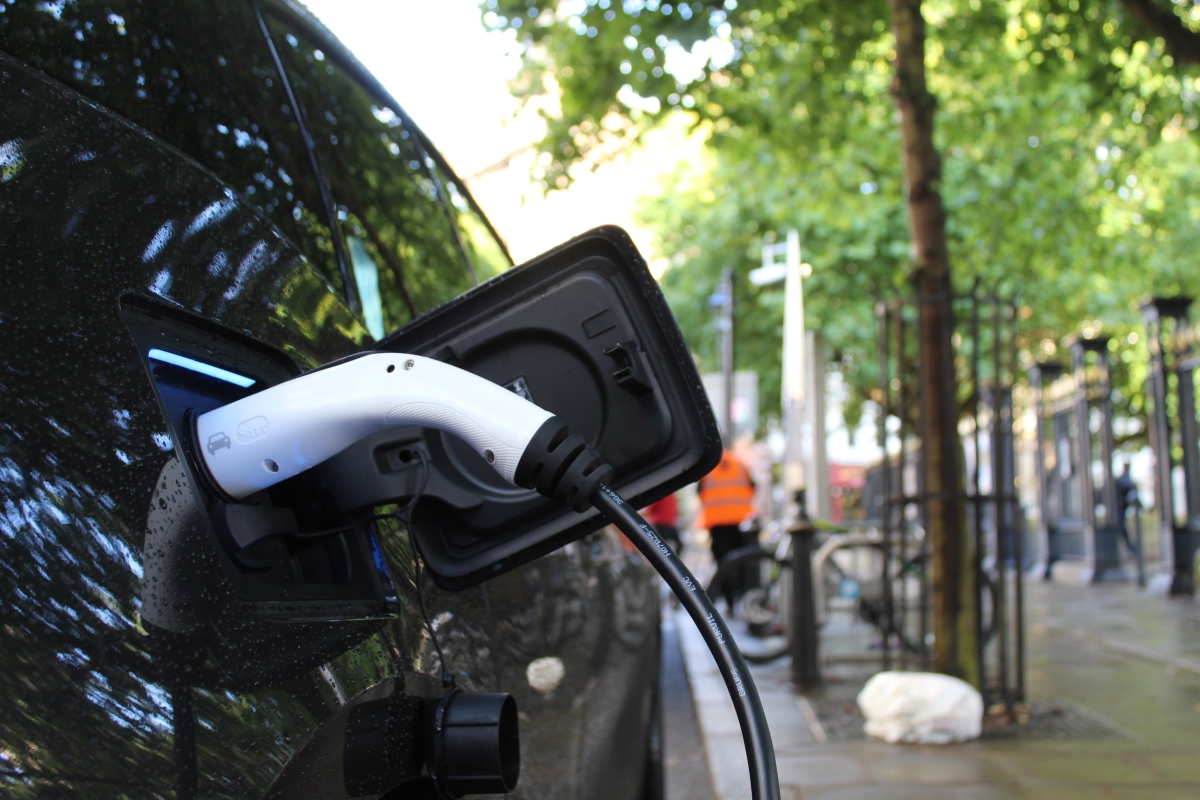
The paper “Electrification of road transport and the future of infrastructure financing: a look at energy taxes” (Vanrykel, F.) will be presented at the 9th Conference on the Regulation of Infrastructures (25-26 June, 2020).
ABSTRACT
With the rise of environmental awareness, electric vehicles lie at the cornerstone of European and national energy policies. This paper analyses the implications on energy taxation resulting from electrification of the transport system. It departs from the observation that in the context of transport electrification, fuel and electricity play a similar role. Yet, shifting from fuel consumption to electricity consumption is not trivial with regard to taxation, as taxes on fuel and taxes on electricity fulfil different functions and ally to different concerns, which have shaped their design and evolution.
This means that electricity taxes may not simply replace taxes on fuel in their function of infrastructure financing, because electricity and fuel are different taxable and regulatory objects. This contribution provides an analysis of the national framework in Belgium and of the EU framework on energy taxation to illustrate this assertion.

ABOUT THE AUTHOR
Fanny Vanrykel is a PhD student at U-Saint Louis and in Liège (Belgium). She works on tax law and mobility transition and has some particular interest in environmental and energy taxation. Her PhD projects shows how cars are a complex taxable and regulatory object, making it hard to achieve mobility transition.
Don’t miss any update on this topic
Sign up for free and access the latest publications and insights
More on the topic