


The Citizens’ Energy Package: Pathways to an Inclusive and Gender Responsive Energy Transition
This is the first installment of the Topic of the Month 'The Citizens’ Energy Package: will it unlock an Inclusive and Gender-Responsive Energy Transition?'
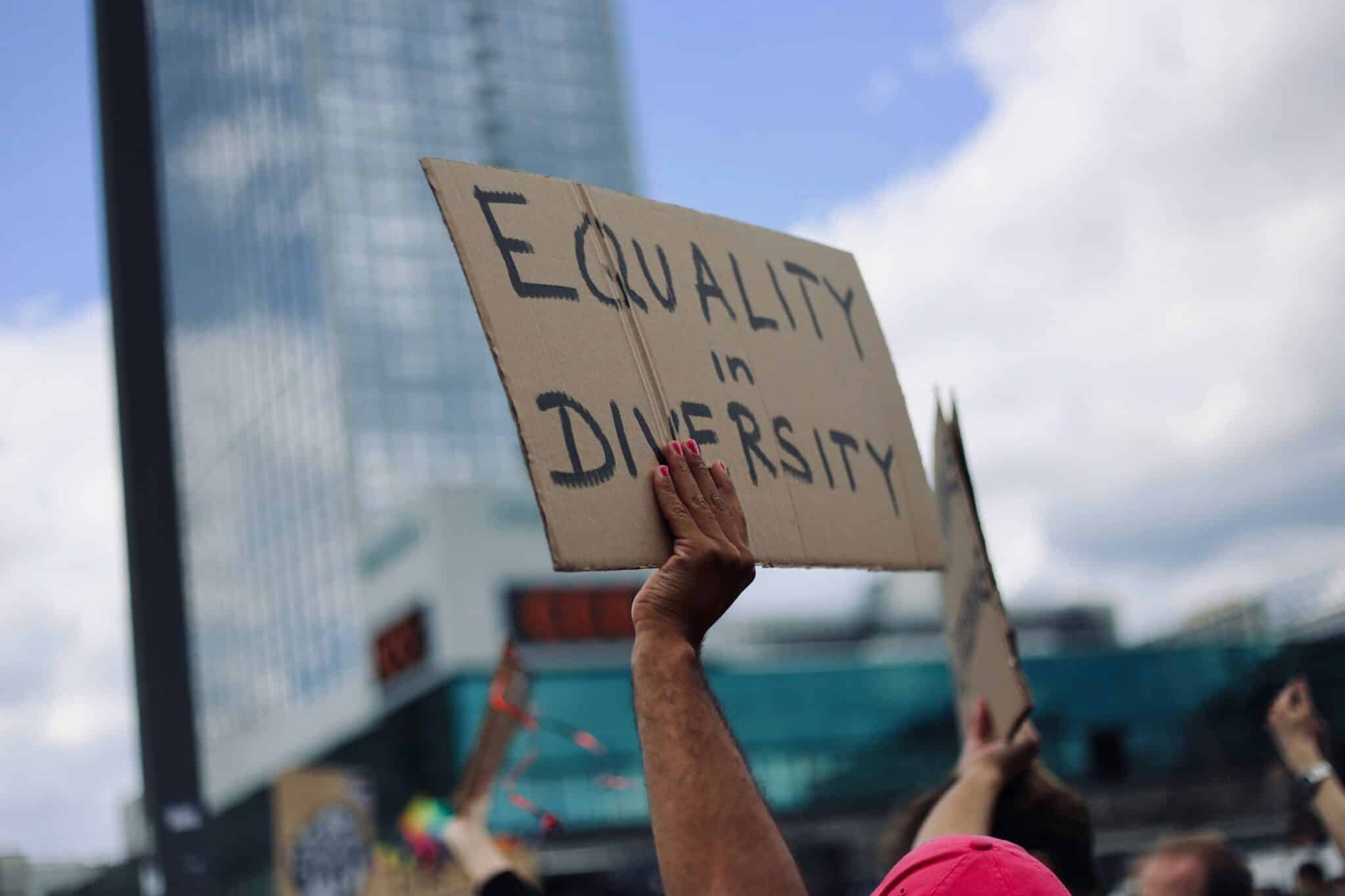
On 10th March, the European Commission will be issuing an important regulatory package – the so-called Citizens’ Energy Package – focusing on the social dimension of the energy transition. Its aim is both simple and ambitious: to ensure that the transition is not only green, but inclusive —designed with and for all citizens, acknowledging the diversity of their lived experiences within the energy system.
Why this package matters now
Energy is not a neutral commodity. It shapes the daily lives, economic stability, health, and comfort of every household. Recent years have shown—perhaps more clearly than ever—that energy policies can widen or reduce inequalities depending on how they are designed. The energy crisis, price volatility, and rising energy poverty have made it impossible to continue treating “energy consumers” as a single, homogeneous group.
This is precisely why the Citizens’ Energy Package is so timely and so important. In these times of widespread authoritarian political rhetoric and little if no space for cultural or opinion diversity, the Package aims to recognise that not all consumers are the same and that the impacts of energy policies are not evenly distributed. Gender, income levels, family structure, housing conditions, and social vulnerabilities all influence how people access, use, and pay for energy. A truly fair energy transition requires differentiated attention to these diverse needs.
Building on existing momentum
The package does not emerge in a vacuum. Several pieces of European legislation focused overtime on energy consumers and the need to put citizens, both as individuals and as communities, at the core of the energy system – empowering their decisions and facilitating them in taking an active role in the transition. Consumers’ engagement is indeed one of the six core pillars underpinning the Energy System Integration Strategy published in 2020 and the upcoming package is expected to support flexible market participation that benefits all consumers, with a strong link to the EU’s electrification and digitalisation strategies, ensuring consumer-friendly delivery of services.
The Citizens’ Energy Package shall also revive and continue the work of the Commission on making the just transition a reality, hence developing further the provisions included in the recent Clean Industrial Deal and Affordable Energy Action Plan, addressing energy poverty and supporting, among others, a fair transition for coal regions across Europe.
Diversity and inclusion
More specifically on the social dimension, the European Commission—and DG ENER in particular— has increasingly acknowledged the need to account for gender and social inclusion within energy policy.
The EU Gender Equality Strategy launched at the beginning of Ursula von der Leyen’s first mandate explicitly underlines that “Women and men are not equally affected by green policies tackling climate change (there are less possibilities for women as climate refugees), or the clean transition (there are more women in energy poverty)”.
Consequently, EU Green Deal policies addressing the gender dimension can have a key role in leveraging the full potential of these policies, including those impacting the energy sector (A. Sobzack’s A Glass Half Full: The Increasing Role of Women in the Clean Energy Transition).
This is not merely a theoretical concern. Analysis by the European Commission’s Joint Research Centre shows that women are often more exposed to energy poverty than men due to structural socio-economic factors, including lower average disposable income and their overrepresentation in single-parent households. These inequalities increase vulnerability to rising energy costs and reinforce the need for gender-sensitive policy design.
Building on this evidence, scholars and practitioners continue to stress that inclusion requires more than symbolic acknowledgement.
In her powerful contribution on reframing energy poverty, Marielle Feenstra argues for the need to go a step further and explore how gender shapes vulnerability, access to solutions, and policy effectiveness.
Rising energy prices have exposed social challenges in the energy transition, underscoring the need for inclusive policies that address all consumers’ needs.
In this context, recognising gendered patterns is neither an academic exercise nor a subject for void political statements of encouragement — it is a prerequisite for designing measures that genuinely reach those most affected by the transition.
A step forward… or two
Against this backdrop, the Citizens’ Energy Package is expected to move the discussion forward in a meaningful way. By explicitly integrating gender and inclusion across its measures, it signals a shift toward a more citizen‑centred and socially responsive energy policy landscape.
It may also offer an opportunity to rethink how we design support schemes, investment tools, community initiatives, and consumer protection so they can work effectively for everyone, not just for the average or the most visible consumer.
Over the next weeks, we’ll have the pleasure of hosting contributions from three colleagues, each offering a unique perspective on how the Package could help shape the energy transition as to make it truly inclusive and gender‑responsive. Together, these articles will help unpack the challenges ahead, highlight good practices, and reflect on what this new policy moment can deliver for European citizens.
Don’t miss any update on this topic
Sign up for free and access the latest publications and insights
More on the topic