
Space beyond space: the Summer School on Space Policy comes back to Florence

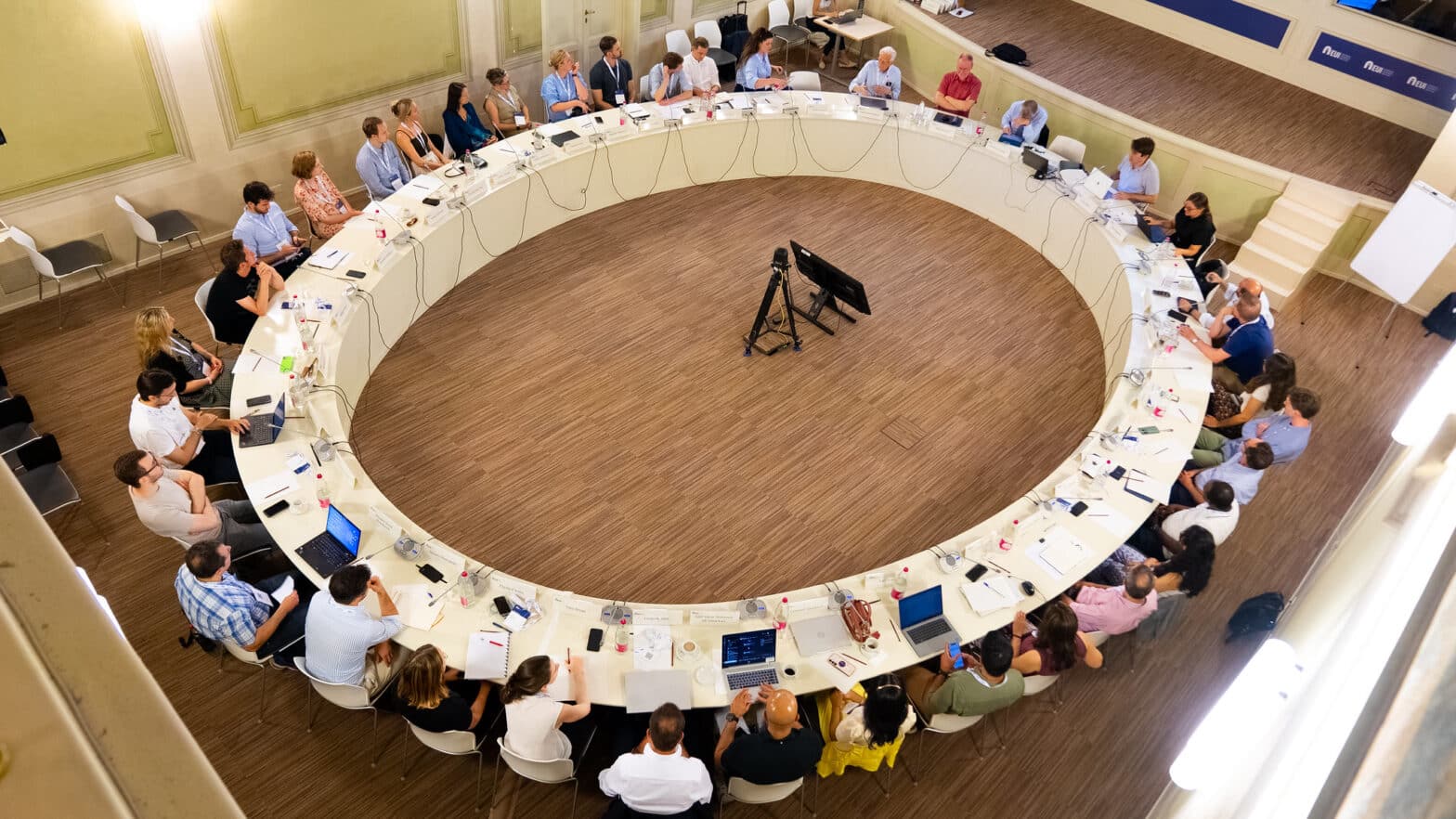
Following the success of the first joint edition, which brought together more than 30 professionals from over 20 countries worldwide, the Florence School of Regulation and the the European Space Policy Institute are pleased to announce the 2nd Summer School on Space Policy, taking place at the European University Institute from 2–4 September 2026.

The impact of space integration across sectors
This year’s programme designed by Hermann Ludwig Moeller, Director of ESPI, and Leonardo Meeus, Director of FSR will convene under the theme ‘Space beyond space: the impact of space integration across sectors’. The programme will explore the systemic integration of space across key areas of the economy and public policy, with particular emphasis on three domains: space for energy and infrastructure, space for digital transformation and governmental services, and space for natural resource management. Participants will also be encouraged to draw connections with their own professional backgrounds and to examine how space-based capabilities can foster innovation and support effective policy solutions across diverse sectors.

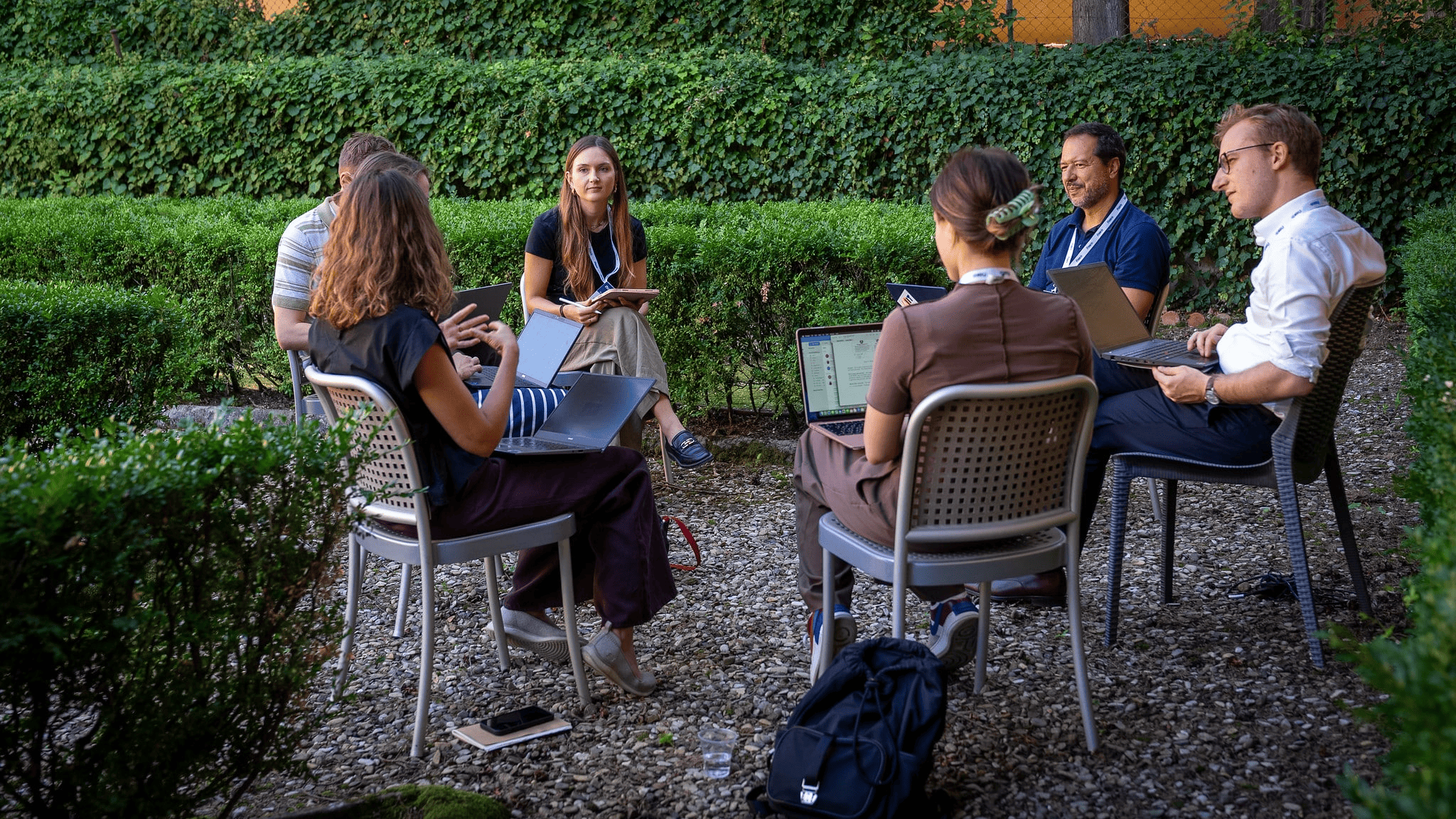
Over three days of interactive sessions, case studies, and expert-led seminars, participants will engage with pressing issues and critical questions related to space security, strategic autonomy, environmental monitoring, satellite applications, and the evolving global space economy.
Sky is (not) the limit
As Europe’s space ambitions evolve amid geopolitical shifts, and the growing need for strategic autonomy, the next phase of space policy will be defined not only by technological breakthroughs, but by the ability to integrate space into wider economic, security, and sustainability agendas. Building on the momentum of its first edition — which demonstrated how space can drive innovation and resilience across sectors from agriculture to energy — the Summer School on Space Policy positions itself as a unique forum where professionals can move beyond siloed thinking and engage with the regulatory, strategic, and societal dimensions shaping Europe’s future in space. For those looking to understand what comes next — and how to help shape it — this is where the conversation begins.
Learn more about the course. Registrations are open!
Don’t miss any update on this topic
Sign up for free and access the latest publications and insights
More on the topic