




Research

The School carries out applied research with the purpose of developing economically, legally, and socially-sound regulation and policy, using a multidisciplinary approach.

Cross-border solidarity versus national capacity markets : risk of inadequate capacity procurement

In Europe, capacity markets are currently designed and operated at the national level, which can give rise to non-cooperative behavior. Member States may strategically...

Authors
Contribution to book
Reflections on climate resilient tourism : evidence for the EU ETS-2 and voluntary carbon markets
Discover more
Article
Research on the impact of urban rail transit on the financing constraints of enterprises from the perspective of sustainability
Discover more

Executive Education

We offer different types of training: Online, Residential, Blended and Tailor-made courses in all levels of knowledge.

Policy Events

A wide range of events for open discussion and knowledge exchange. In Florence, Brussels, worldwide and online.

More

Discover more initiatives, broader research, and featured reports.

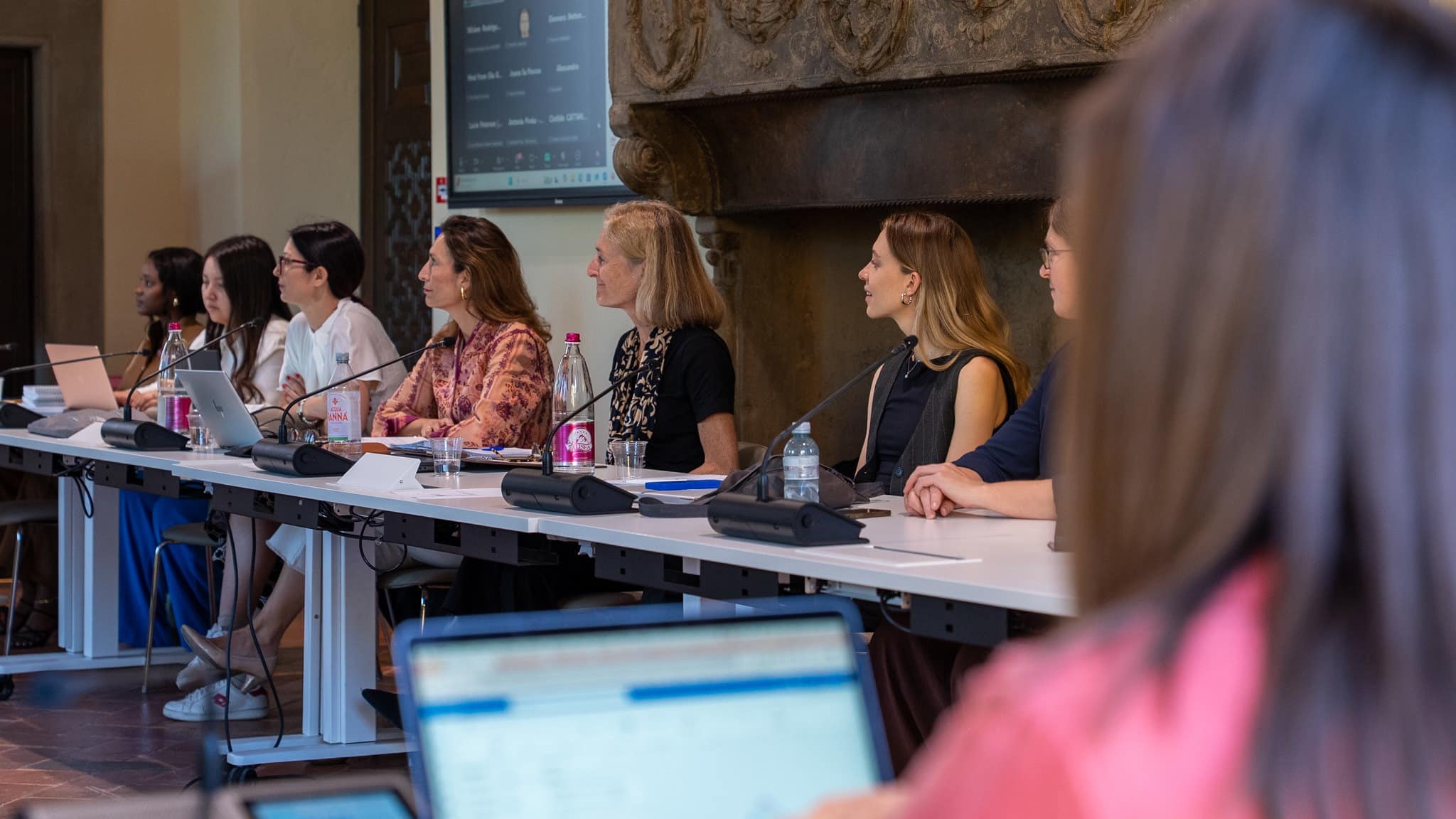
Lights on Women

The Lights on Women initiative promotes, trains and advocates for women in energy, climate and sustainability, boosting their visibility, representation and careers.

Discover more

Isabelle Nicolaï

University Professor in Economics at the University of Paris Saclay (UVSQ) and a member of the Industrial Engineering Laboratory (LGI) of CentraleSupélec

English
English

Biography

Isabelle Nicolaï is a University Professor in Economics at the University of Paris Saclay (UVSQ) and a member of the Industrial Engineering Laboratory (LGI) of CentraleSupélec in the axe of Sustainable Economy and the transversal axe of Mobility.  She carries out research activities in France and other international contexts. Her main research themes cover the management of eco-innovation, the modeling of uses and practices linked to new mobility, the links between company performance and corporate social responsibility, multi-agent decision support models, as well as the monetization of environmental impacts.

Back to top