


“Infrastructure funding challenges in the sharing economy” presentation at the European Parliament
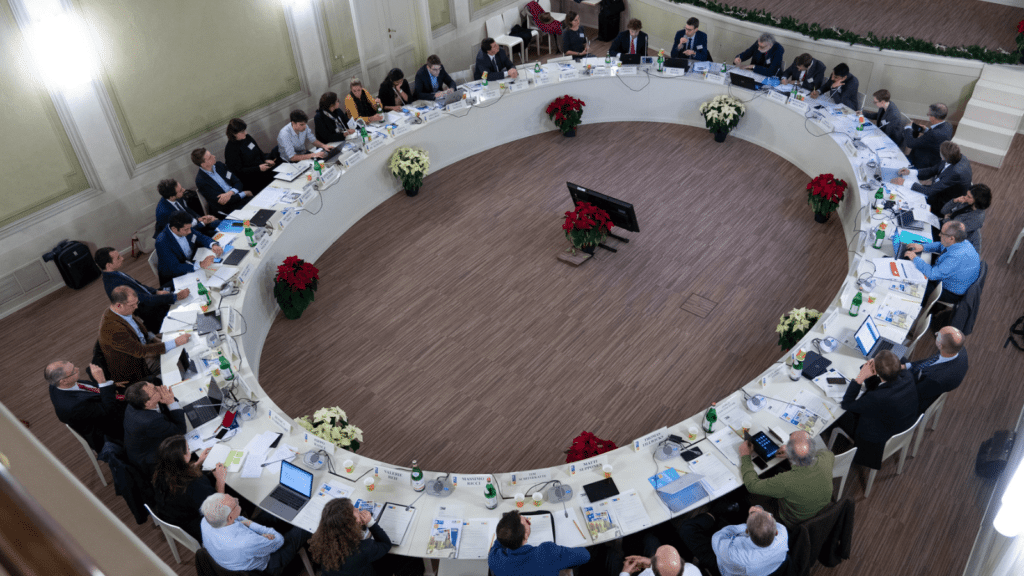
The European Parliament’s Transport and Tourism (TRAN) committee requested a study on Infrastructure funding challenges in the sharing economy and has now invited the project leader, Prof Matthias Finger, to present it. The presentation followed by a discussion with Members took place on Monday 4 December from 15h15 to 16h15 in the József Antall building, room JAN 6Q2 and will be web streamed.
This presentation is the conclusion of a one-year project conducted by the FSR Transport team.
The study analyses the disruption created by shared mobility in the funding of transport infrastructure. In general, the study recognises the benefits of shared mobility in terms of reduction of private car use. However, the study identifies possible short-term negative effects on the revenues of long distance railway and coach operators. It also points out other potential risks, which include capturing the revenues through commissions charged by platforms mediating mass-transit services (Mobility as a Service), free-riding and lower tax contributions. Finally, the study makes recommendations to reduce these risks.
Watch the video
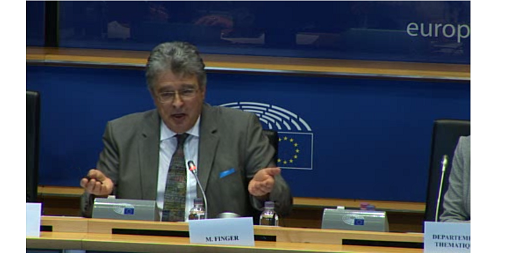
If you cannot open the video, you can watch it on the European Parliament website (starting at 15:20:50)
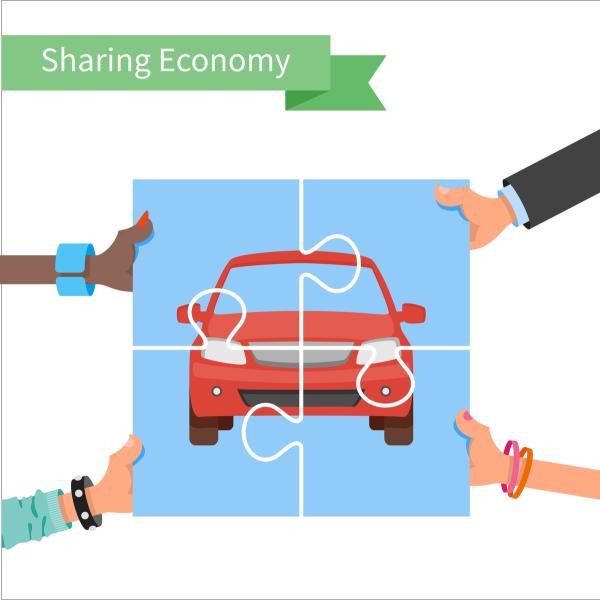
Picture: “Sharing economy” © European Parliament
Don’t miss any update on this topic
Sign up for free and access the latest publications and insights
More on the topic