


FSR Research in action: highlights from the events we joined this month
This month, FSR Researchers presented their work at leading energy events across Europe.
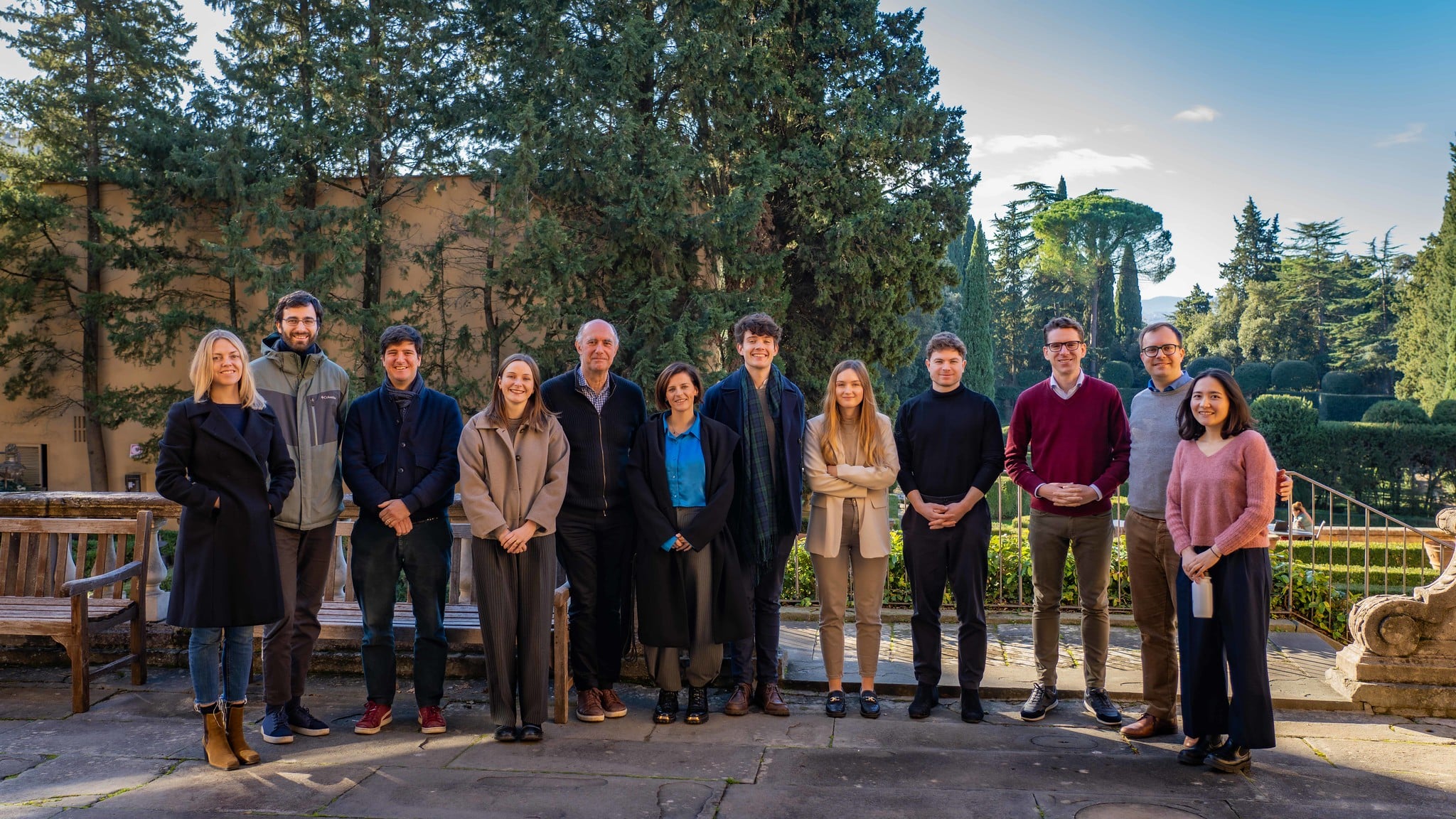
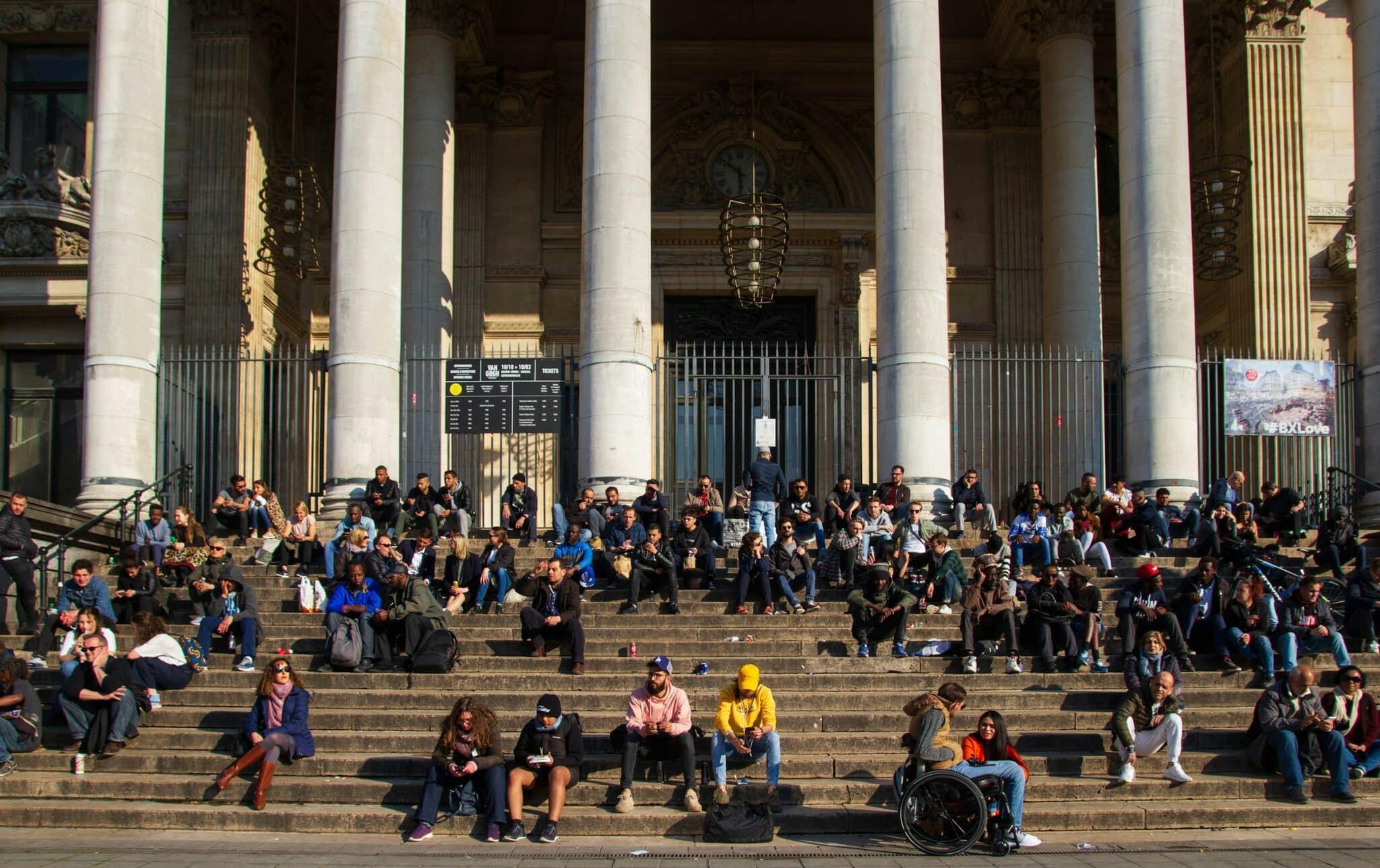
June has been a month of visibility and impact for the Florence School of Regulation. Our researchers have presented at key European energy events—Energy Ireland in Dublin, the IAEE Conference in Paris, the CIRED Conference in Geneva, and the Florence Forum—bringing forward the latest FSR research on biomethane, hydrogen, capacity mechanisms, and grid transparency. Their contributions are helping shape the policy conversations at the heart of Europe’s energy transition.
Learn more about Marzia’s work on the topic:
Unlocking European biogas and biomethane: Policy insights from comparative analysis
Read the related article:
Find more on the topic:
- Cross-border participation: a false hope for fixing capacity market externalities?
- An easy fix to streamline capacity markets
On 19 June, Ellen Beckstedde, FSR presented at the CIRED conference in Geneva during the session on Customers, Regulation, DSO Business and Risk Management. The paper, which she presented and co-authored with Marta Vanin, is entitled “Overlooked factors in transparent hosting capacity calculations”.
On 12-13 June, Ellen also joined the FSR Director Leonardo Meeus at the 40th Florence Forum (European Electricity Regulatory Forum) where they made two interventions, referring to the work by Emma Menegatti on capacity mechanisms and the work by Lena Kitzing on Contracts-for-difference to support renewable energy technologies: considerations for design and implementation.
Max Munchmeyer represented FSR at a workshop hosted by the CONCITO think tank in Copenhagen, focused on the governance of the Energy Union. The closed-door meeting, held under the Chatham House Rule, facilitated in-depth dialogue on institutional frameworks for the EU’s energy transition.
This month’s engagements provided not only visibility for our research but also valuable feedback and inspiration. Our teams return with new ideas, strengthened networks, and a clear drive to further develop evidence-based solutions for tomorrow’s energy challenges.
Recently published by our researchers:
- Capacity market : criticità della partecipazione transfrontaliera esplicita, Energia : rivista trimestrale sui problemi dell’energia, 2025, Vol. 46, No. 2
- Un nuovo approccio ai contratti a lungo termine, Energia : rivista trimestrale sui problemi dell’energia, 2025
Don’t miss any update on this topic
Sign up for free and access the latest publications and insights
More on the topic